Search results
Search for "aluminum" in Full Text gives 253 result(s) in Beilstein Journal of Nanotechnology. Showing first 200.
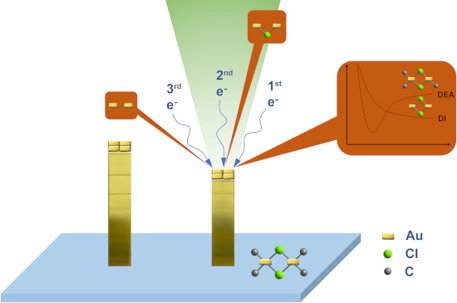
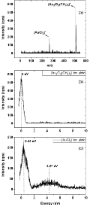
A combined gas-phase dissociative ionization, dissociative electron attachment and deposition study on the potential FEBID precursor [Au(CH3)2Cl]2
Beilstein J. Nanotechnol. 2023, 14, 1178–1199, doi:10.3762/bjnano.14.98



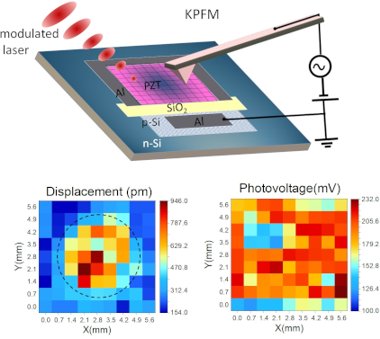
Spatial mapping of photovoltage and light-induced displacement of on-chip coupled piezo/photodiodes by Kelvin probe force microscopy under modulated illumination
Beilstein J. Nanotechnol. 2023, 14, 1059–1067, doi:10.3762/bjnano.14.87
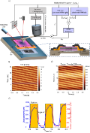
- with a diluted BHF:HNO3:H2O solution and a HCl solution, respectively. To avoid shunting of the device, a SiO2 insulating layer was deposited. Patterned aluminum (Al) contacts which connect to the top and bottom electrodes of the PBZT were fabricated through a lift-off process. The fabrication was


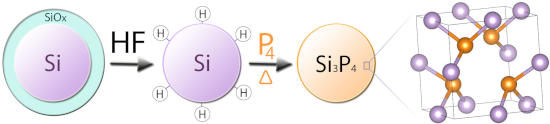
Isolation of cubic Si3P4 in the form of nanocrystals
Beilstein J. Nanotechnol. 2023, 14, 971–979, doi:10.3762/bjnano.14.80
- sonication in an ultrasonic bath SW3H (Sono Swiss). Once the films were drop cast on aluminum mirrors, the IR spectra were recorded. The synthesized Si3P4 NPs were reactive and emanated phosphine upon contact with moisture. Once the ampoules were opened in an inert atmosphere, particles were allowed to


Nanostructured lipid carriers containing benznidazole: physicochemical, biopharmaceutical and cellular in vitro studies
Beilstein J. Nanotechnol. 2023, 14, 804–818, doi:10.3762/bjnano.14.66
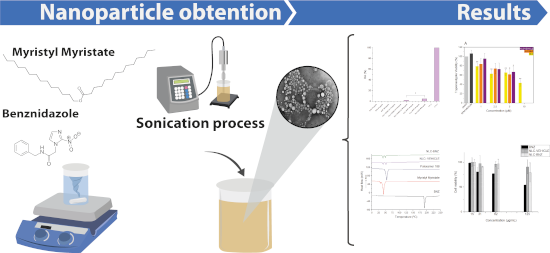
- scanning calorimetry analysis Thermal analysis of BNZ, myristyl myristate, poloxamer 188, and NLC-BNZ was performed by differential scanning calorimetry (DSC Q2000, TA Instruments, New Castle, DE, USA) under an inert atmosphere of dry nitrogen (50 mL·min−1). A standard aluminum pan containing approximately


Silver-based SERS substrates fabricated using a 3D printed microfluidic device
Beilstein J. Nanotechnol. 2023, 14, 793–803, doi:10.3762/bjnano.14.65
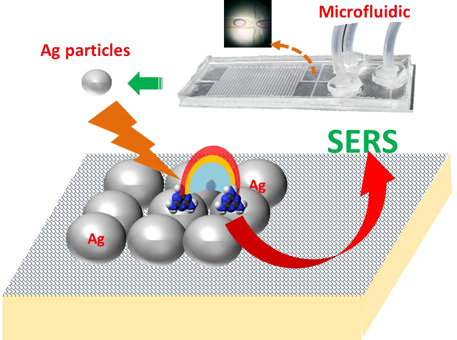
- ], porous aluminum oxide [38], and semiconductors [39] have been reported. Dielectric and semiconductor substrates, such as ZnO nanowires, silicon nanowires, and porous silicon (PS), are particularly popular because of their larger contribution to the amplification of the Raman signal and longer shelf life



Carboxylic acids and light interact to affect nanoceria stability and dissolution in acidic aqueous environments
Beilstein J. Nanotechnol. 2023, 14, 762–780, doi:10.3762/bjnano.14.63
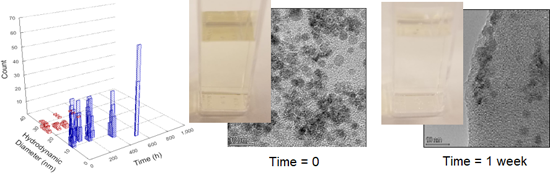
- window for exposure to ambient laboratory light, including natural UV irradiation from the sun, and the other sample was kept in the dark, achieved by aluminum foil covering. Each condition was studied in at least two replicates. DLS was employed to repeatedly determine the hydrodynamic particle size
Observation of multiple bulk bound states in the continuum modes in a photonic crystal cavity
Beilstein J. Nanotechnol. 2023, 14, 544–551, doi:10.3762/bjnano.14.45
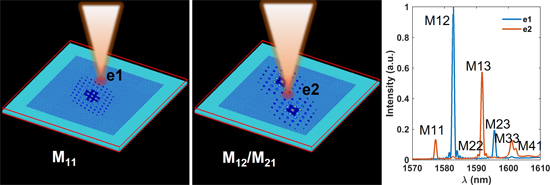
- -emitting devices [15][16][17][37], and nonlinear light generation [18][22][23][38][39][40]. In this paper, we propose a design of symmetry-protected BIC cavities consisting of aluminum gallium arsenide (AlGaAs) nanoblocks on a sapphire substrate. Motivated by the idea of in-plane leakage suppression by a


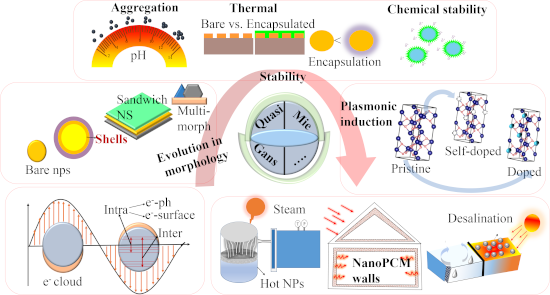
Plasmonic nanotechnology for photothermal applications – an evaluation
Beilstein J. Nanotechnol. 2023, 14, 380–419, doi:10.3762/bjnano.14.33


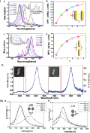


Biocatalytic synthesis and ordered self-assembly of silica nanoparticles via a silica-binding peptide
Beilstein J. Nanotechnol. 2023, 14, 280–290, doi:10.3762/bjnano.14.25
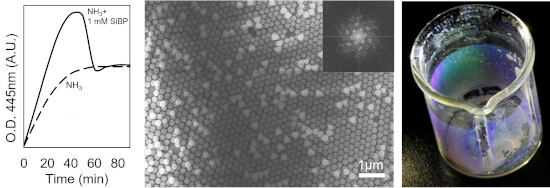
- -assembled particles, cover slides described in the previous section were used. The slides were dried under vacuum and then adhered onto an aluminum sample holder using carbon tape. The samples were coated with platinum for 30 s using an EM ACE200 vacuum coater (Leica Microsystems GmbH, Wetzlar, Germany




Spin dynamics in superconductor/ferromagnetic insulator hybrid structures with precessing magnetization
Beilstein J. Nanotechnol. 2023, 14, 233–239, doi:10.3762/bjnano.14.22
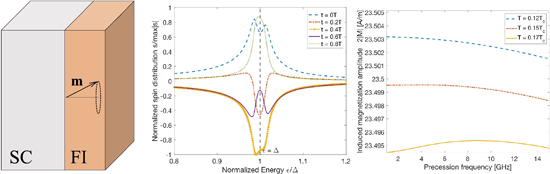
- normalization factor is je0 = 2eN0DΔ(0)/ξ = 6.262·106 A·cm−2. Distributions of spin current and induced magnetization for aluminum were calculated in our previous work [29]. One can see that the spin current amplitudes decay at a distance of the coherence length, similarly to the induced magnetization. However


Combining physical vapor deposition structuration with dealloying for the creation of a highly efficient SERS platform
Beilstein J. Nanotechnol. 2023, 14, 83–94, doi:10.3762/bjnano.14.10
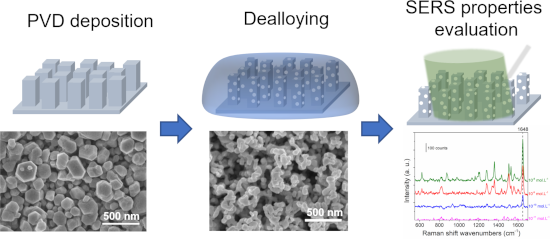
- complexity and the high cost of gold restrict its use in devices. Here, we report on a novel two-step approach that combines the deposition of a silver–aluminum thin film with dealloying to design and fabricate efficient SERS platforms. The magnetron sputtering technique was used for the deposition of the
- resulting signal intensity tends to strongly vary due to surface contamination [30]. In this paper, a simple synthesis method to design bimodal porous silver substrate for SERS is reported. Magnetron co-sputtering of a silver and aluminum target was used for the deposition of the precursor alloy thin film
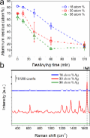
- Discussion Morphology of Ag–Al alloy thin films The deposition of silver–aluminum thin films on silicon was accomplished by magnetron co-sputtering using a silver target and an aluminum target. To allow for a good adhesion between silicon and the alloy thin film, a silver adhesion layer was deposited prior




Frontiers of nanoelectronics: intrinsic Josephson effect and prospects of superconducting spintronics
Beilstein J. Nanotechnol. 2023, 14, 79–82, doi:10.3762/bjnano.14.9

- a very high responsivity at 77 K (up to 9 kV/W), low noise equivalent power (NEP) of 3 × 10⁻¹³ W/Hz(1/2), and with a wide power dynamic range equal to 1 × 10⁶ [18]. Integrating an aluminum Josephson junction, with a size of a few micrometers, operating as a single photon counter in the microwave
The influence of structure and local structural defects on the magnetic properties of cobalt nanofilms
Beilstein J. Nanotechnol. 2023, 14, 23–33, doi:10.3762/bjnano.14.3
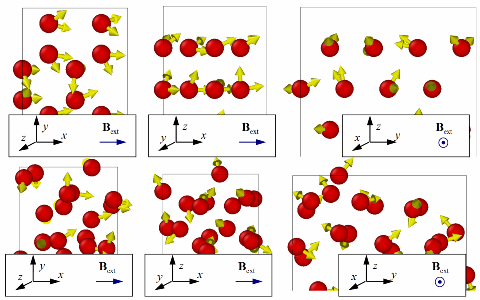
- problem of obtaining clearly separated contact layers is highly relevant. Using simulations, it was demonstrated that optimization of the nanofilm interface can be obtained either by introducing additional intermediate thin layers neutral to the original composition, such as aluminum oxide, or by


Dry under water: air retaining properties of large-scale elastomer foils covered with mushroom-shaped surface microstructures
Beilstein J. Nanotechnol. 2022, 13, 1370–1379, doi:10.3762/bjnano.13.113
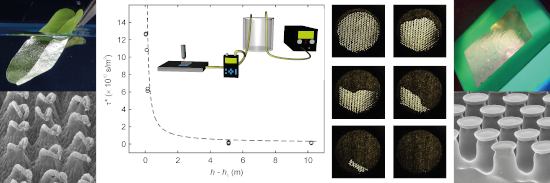
- allow for a persistent air layer. The jar was closed and stored on a rack in the office. After one month, the samples were taken out of the water and dried in air. The dried samples were mounted to aluminum stubs and fixated using silver paste. To enhance the conductivity, the samples were sputtered


Bending and punching characteristics of aluminum sheets using the quasi-continuum method
Beilstein J. Nanotechnol. 2022, 13, 1303–1315, doi:10.3762/bjnano.13.108
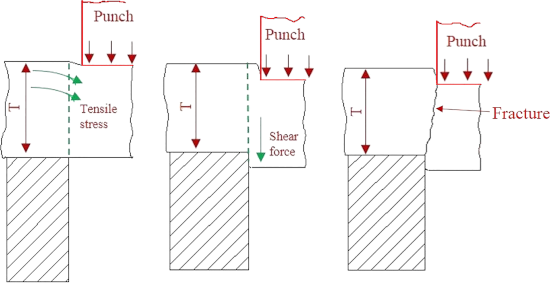
- Man-Ping Chang Shang-Jui Lin Te-Hua Fang Department of Mechanical Engineering, National Kaohsiung University of Science and Technology, Kaohsiung 80778, Taiwan 10.3762/bjnano.13.108 Abstract The nano-punching characteristics of single-crystalline aluminum are investigated using the quasi
- the punch should not be larger than 10°, otherwise, it might damage the workpiece and the substrate. Keywords: nano-punching; quasi-continuum method; single-crystalline aluminum; Introduction Nanotechnology has greatly improved the development of high-tech industries such as biomedicine
- strength at a specific structural orientation [51]. Besides, Tran et al. studied the friction and scratch characteristics of pure aluminum by the QC method. The bump width to the bump pitch (W/P) value, scratch depth, surface roughness, and indenter radius were set as variables in order to explore the





Laser-processed antiadhesive bionic combs for handling nanofibers inspired by nanostructures on the legs of cribellate spiders
Beilstein J. Nanotechnol. 2022, 13, 1268–1283, doi:10.3762/bjnano.13.105
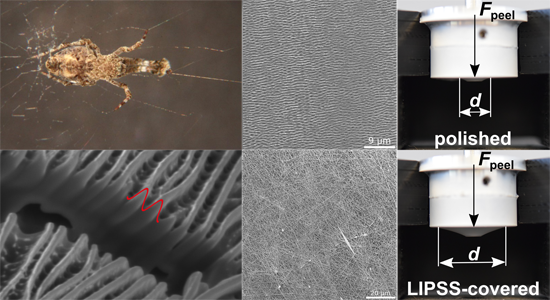
- fibers In order to test the theory derived above, electrospinning of polyamide 6 (PA-6) in a laboratory setup onto structured metal samples (aluminum alloy, steel, and titanium alloy) was performed and the peel-off forces were determined using a custom-made peel-test device. PA-6 has an elastic modulus E






Microneedle-based ocular drug delivery systems – recent advances and challenges
Beilstein J. Nanotechnol. 2022, 13, 1167–1184, doi:10.3762/bjnano.13.98
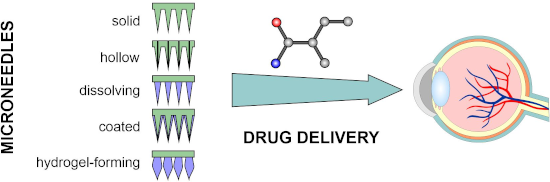
- if the needles break and are deposited in the tissue [117][118]. Other non-degradable materials utilized to fabricate microneedles, include metals such as stainless steel [119] and titanium [120], ceramics, such as aluminum oxide [121], or synthetic polymers comprising polyvinylpyrrolidone (PVP) [122


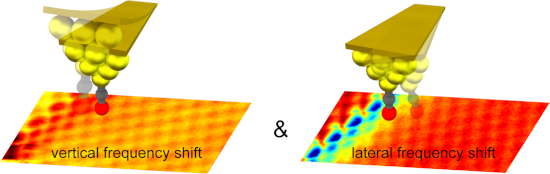
A cantilever-based, ultrahigh-vacuum, low-temperature scanning probe instrument for multidimensional scanning force microscopy
Beilstein J. Nanotechnol. 2022, 13, 1120–1140, doi:10.3762/bjnano.13.95
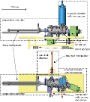
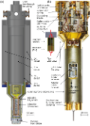
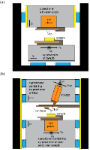
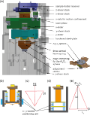
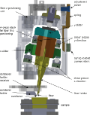
- sample holder receiver, which is fixed to the top of the scan piezo tube is manufactured from DISPAL Aluminum 225 [50] to reduce its mass. For the cantilever receiver, which is not scanned but directly mounted to the tubular Mo body of the instrument, Mo is used. Modular wiring design In order to





Recent advances in nanoarchitectures of monocrystalline coordination polymers through confined assembly
Beilstein J. Nanotechnol. 2022, 13, 763–777, doi:10.3762/bjnano.13.67
- single crystals could also serve as templates to derive microporous CoSe2@C, which was used as cathode for aluminum-ion batteries [119]. The connected macropores could facilitate the diffusion of large chloroaluminate anions and provide more exposed active sites, thus, showing excellent rate capacity
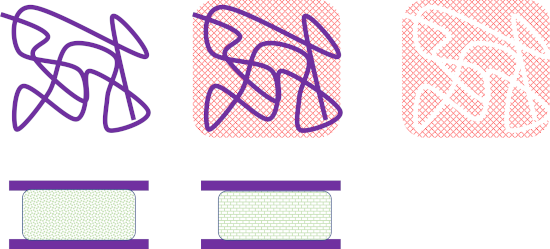
- MIL96−PDMS films on shaped aluminum foil. Figure 7b was reprinted with permission from [139], Copyright 2021, American Chemical Society. This content is not subject to CC BY 4.0. c) Optical micrograph and schematic illustration of the evaporation-directed with assembly with periodic cracks. Figure 7c




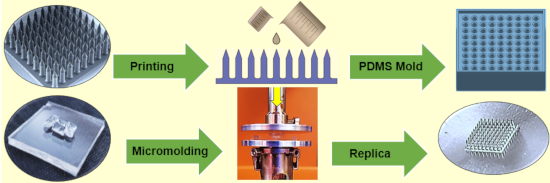
Fabrication and testing of polymer microneedles for transdermal drug delivery
Beilstein J. Nanotechnol. 2022, 13, 629–640, doi:10.3762/bjnano.13.55
- , using experimental procedures approved by the University of Southern Queensland (USQ) and the University of Queensland (UQ) animal ethics and biosafety committees. The skins were shaved to remove the excess hairs and kept frozen at −20 °C on a flat aluminum surface, then sectioned using a surgical knife



Sodium doping in brookite TiO2 enhances its photocatalytic activity
Beilstein J. Nanotechnol. 2022, 13, 599–609, doi:10.3762/bjnano.13.52
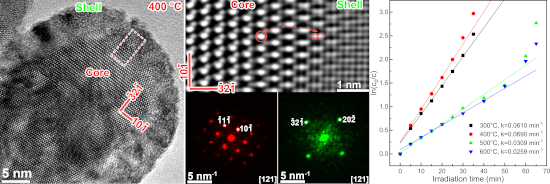
- wafer pasted on an aluminum sample holder by a carbon conducting resin. The EDX spectra were acquired from individual morphologies or grains in the samples. Electron diffraction and high-resolution imaging experiments were carried out on a high-resolution transmission electron microscope (JEOL JEM-2100


Ciprofloxacin-loaded dissolving polymeric microneedles as a potential therapeutic for the treatment of S. aureus skin infections
Beilstein J. Nanotechnol. 2022, 13, 517–527, doi:10.3762/bjnano.13.43
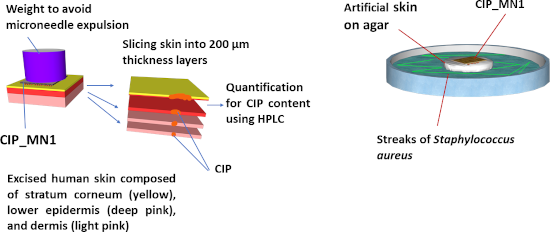
- paperboard wrapped with aluminum foil with the skin surface facing upward. Then, the skin was covered with aluminum foil, kept in zipper plastic bags, and subsequently stored at −70 °C for a maximum period of 6 months. Microneedle dissolution in the skin Prior to use, skin specimens were equilibrated in 1


Design and characterization of polymeric microneedles containing extracts of Brazilian green propolis
Beilstein J. Nanotechnol. 2022, 13, 503–516, doi:10.3762/bjnano.13.42
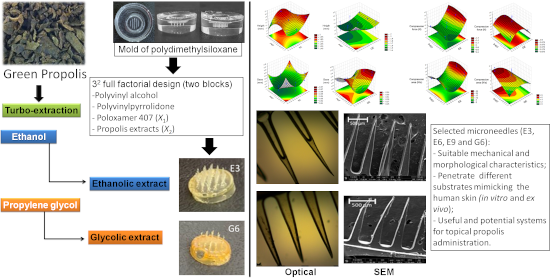
- dermis. They were cut into standardized sizes, wrapped in plastic film and aluminum foil, and kept in a freezer. At the time of use, they were thawed at room temperature, and each skin fragment was then placed in a base for the test. Statistical analysis The effects of the amount of P407 and of amount


Electrostatic pull-in application in flexible devices: A review
Beilstein J. Nanotechnol. 2022, 13, 390–403, doi:10.3762/bjnano.13.32
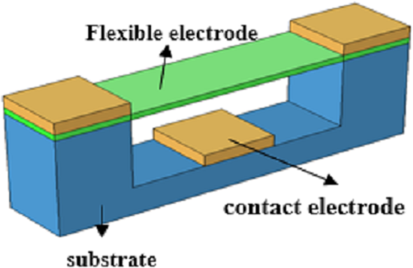
- –switch system as shown in Figure 11. The TEG consists of two aluminum electrodes and a PDMS-insulated diaphragm placed on a fixed electrode. When the TEG is impacted, the switch is opened with the help of the bottom side electrode. The TEG provides a way to solve the problem of high voltage of


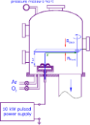
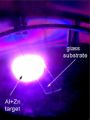
Selected properties of AlxZnyO thin films prepared by reactive pulsed magnetron sputtering using a two-element Zn/Al target
Beilstein J. Nanotechnol. 2022, 13, 344–354, doi:10.3762/bjnano.13.29
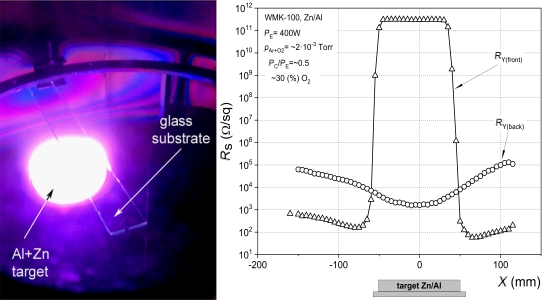
- many preliminary experiments to find optimum conditions for the deposition of thin films with desired properties. For the deposition of AZO thin films by magnetron sputtering, the most commonly used targets are made of sintered zinc oxide powders and aluminum oxide (ZnO/Al2O3). The optimal percentage
- of aluminum oxide in such targets is approximately 2% [6][7][8][9][10][11][12][13][14][15][16][17][18]. However, in research in which the objective was to obtain films with minimum resistivity, the alumina content was typically varied in the range of 1–6% [8][9][12]. AZO films have also been obtained