


Search results
Search for "anticancer" in Full Text gives 95 result(s) in Beilstein Journal of Nanotechnology.
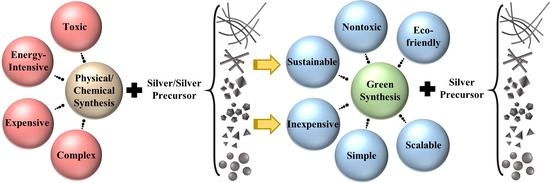
A review on the green and sustainable synthesis of silver nanoparticles and one-dimensional silver nanostructures
Beilstein J. Nanotechnol. 2021, 12, 102–136, doi:10.3762/bjnano.12.9


PEG/PEI-functionalized single-walled carbon nanotubes as delivery carriers for doxorubicin: synthesis, characterization, and in vitro evaluation
Beilstein J. Nanotechnol. 2020, 11, 1728–1741, doi:10.3762/bjnano.11.155
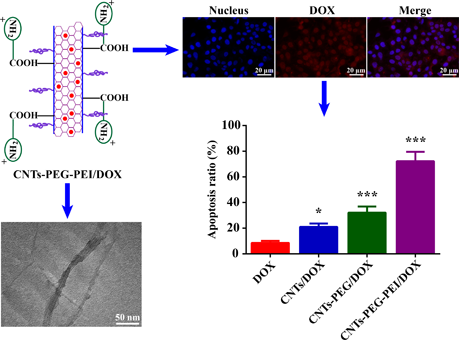
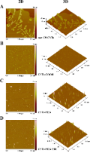
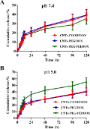
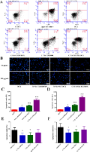
- attributed to their good dispersibility and comparably higher affinity to tumor cells due to the difunctionalization. In summary, the PEG- and PEI-conjugated CNTs may be used as novel nanocarriers and the findings will contribute to the rational design of multifunctional delivery vehicles for anticancer
- functionalization was supposed to attenuate the premature removal and loss of nanocarriers, and also to improve the targeting to the tumor site. The physical and chemical properties of CNTs-PEG-PEI were systematically characterized and doxorubicin (DOX), one of the most potent anticancer drugs applied in
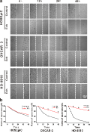
- biocompatible SWCNT nanocarriers with low cytotoxicity. All DOX formulations exhibit effective anticancer activity against MCF-7 cells, and the cytotoxicity is observed to be dose-dependent (Figure 7B). It is noted that DOX-loaded CNT carriers show an enhanced inhibitory effects toward MCF-7 cells in comparison




Transient coating of γ-Fe2O3 nanoparticles with glutamate for its delivery to and removal from brain nerve terminals
Beilstein J. Nanotechnol. 2020, 11, 1381–1393, doi:10.3762/bjnano.11.122
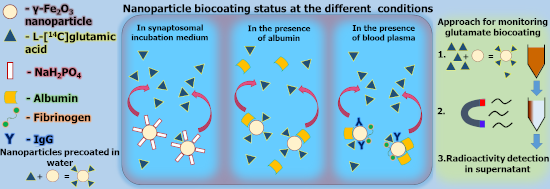
- the nanoparticles [26]. Abakumov et al. revealed that nanoparticles coated with bovine serum albumin can be used for glioma visualization and drug delivery of anticancer therapeutics [34]. Analysis of the biocoating formation at the surface of nanoparticles is crucial for understanding the mechanisms


Examination of the relationship between viscoelastic properties and the invasion of ovarian cancer cells by atomic force microscopy
Beilstein J. Nanotechnol. 2020, 11, 568–582, doi:10.3762/bjnano.11.45
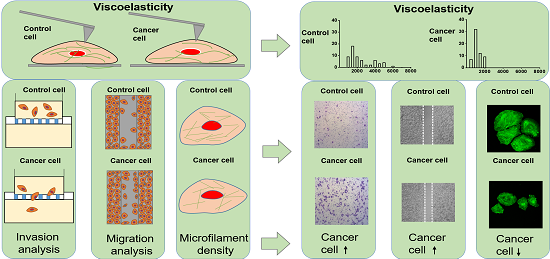
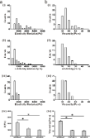
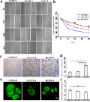
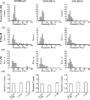
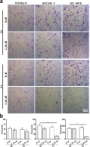
- microfilament density in OVCAR-3 and HO-8910 cells. Also, there was a significant relationship between viscoelastic and biological properties among these cells. In addition, the elasticity was significantly increased in OVCAR-3 and HO-8910 cells after the treatment with the anticancer compound echinomycin (Ech
- with cancer invasion after anticancer drug treatment [24][25]. Echinomycin serves as a potential therapeutic agent through the induction of cell apoptosis, which is typically used in the treatment of epithelial cancers, including ovary, breast and prostate cancers [26][27][28][29]. Inhibitory
- the elasticity of the cells. The present results indicate that the microfilament density is related to the viscoelastic properties of ovarian cancer cells. Effects of the anticancer compound echinomycin on the viscoelastic properties of ovarian cells For further identify the relationship between


Multilayer capsules made of weak polyelectrolytes: a review on the preparation, functionalization and applications in drug delivery
Beilstein J. Nanotechnol. 2020, 11, 508–532, doi:10.3762/bjnano.11.41
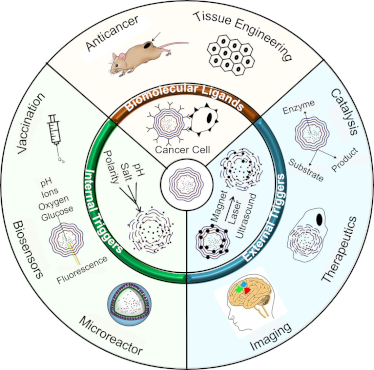
- efficient carriers for controlled release. The later work on capsule/lipid systems incorporated with neoglycolipid or folate-linked lipid showed high affinity to lectin (concanavalin A) and breast cancer cells (MCF-7) [109]. The efficient delivery of the daunorubicin hydrochloride (DNR) anticancer drug to


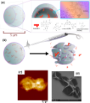

Rational design of block copolymer self-assemblies in photodynamic therapy
Beilstein J. Nanotechnol. 2020, 11, 180–212, doi:10.3762/bjnano.11.15
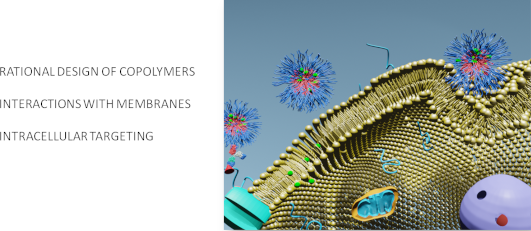
- chlorin-e6, an azobenzene group that can be cleaved at very low oxygen concentrations links the hydrophobic and the hydrophilic block. Upon irradiation and depletion of oxygen due to the PDT activity of chlorin-e6, the block copolymer nanovector disassembled and the anticancer drug, doxorubicin, was


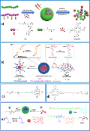


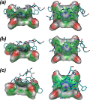


Molecular architectonics of DNA for functional nanoarchitectures
Beilstein J. Nanotechnol. 2020, 11, 124–140, doi:10.3762/bjnano.11.11
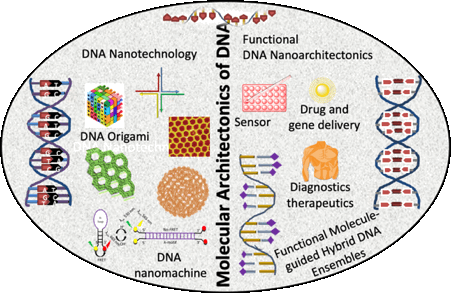
- the ECL quenching via formation of hydrogen peroxide. Kim and co-workers developed an innovative approach of intercalation of the anticancer drug doxorubicin within the DNA tetrahedron that showed improved therapeutic efficacy in drug-resistant breast cancer cells [70]. The doxorubicin-encapsulated


Internalization mechanisms of cell-penetrating peptides
Beilstein J. Nanotechnol. 2020, 11, 101–123, doi:10.3762/bjnano.11.10


Design of a nanostructured mucoadhesive system containing curcumin for buccal application: from physicochemical to biological aspects
Beilstein J. Nanotechnol. 2019, 10, 2304–2328, doi:10.3762/bjnano.10.222
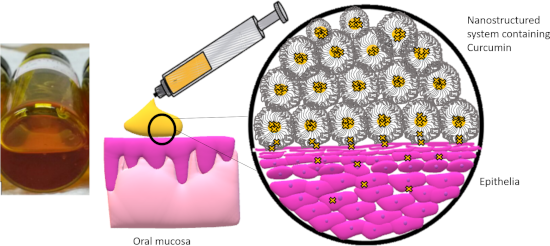
- represent 77%, 17% and 3% of the content of the dried extract from curcuma root, respectively [30][31]. CUR has shown anti-inflammatory, antirheumatic and antioxidant activities and it has been used in hepatic and other chronic diseases including diabetes [32]. Recently, the activity of CUR as an anticancer


Microfluidics as tool to prepare size-tunable PLGA nanoparticles with high curcumin encapsulation for efficient mucus penetration
Beilstein J. Nanotechnol. 2019, 10, 2280–2293, doi:10.3762/bjnano.10.220
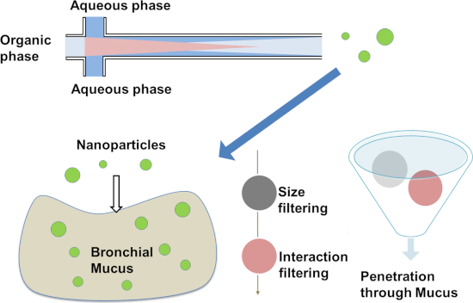
- vaccine delivery [1][2], in anticancer therapies [3][4], as well as for gene delivery [5][6]. Owing to the unique physicochemical properties of nanoparticles, the nanoparticle surface can be specifically modified to meet the needs of the desired application [7][8]. Such surface modifications can also be


Targeted therapeutic effect against the breast cancer cell line MCF-7 with a CuFe2O4/silica/cisplatin nanocomposite formulation
Beilstein J. Nanotechnol. 2019, 10, 2217–2228, doi:10.3762/bjnano.10.214
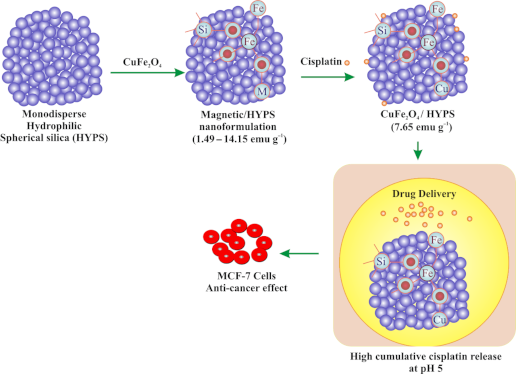
- /HYPS was applied as the support. An in vitro experiment was conducted to determine the potential of CuFe2O4/HYPS as an anticancer agent against the human breast cancer cell line MCF-7. The results show that the nanoparticle formulation can effectively target cancerous cells and could be an effective
- tumor imaging guide and drug delivery system. Keywords: anticancer; cisplatin; copper ferrite; drug delivery; multifunctional; nanomedicine; nanotherapeutics; spherical silica; tumour therapy; Introduction Due to the continuous advancements in the field of nanotechnology, the therapeutic prospects
- ), scanning electron microscopy (SEM) equipped with energy dispersive X-ray (EDX) spectroscopy and transmission electron microscopy (TEM) techniques. The study showed the high cisplatin release capability and targeted anticancer efficiency demonstrated in vitro in the breast cancer cell line MCF-7. Materials


Incorporation of doxorubicin in different polymer nanoparticles and their anticancer activity
Beilstein J. Nanotechnol. 2019, 10, 2062–2072, doi:10.3762/bjnano.10.201
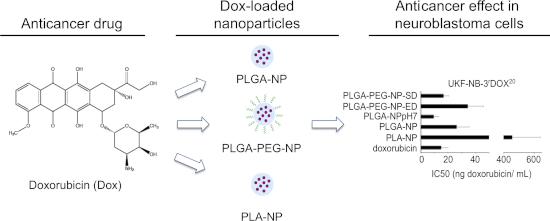
- , University of Kent, Canterbury CT2 7NJ, United Kingdom Institute for Medical Virology, University Hospital, Goethe-University, Paul Ehrlich-Straße 40, 60596 Frankfurt am Main, Germany 10.3762/bjnano.10.201 Abstract Background: Nanoparticles are under investigation as carrier systems for anticancer drugs
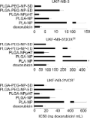
- solvent displacement and emulsion diffusion approaches and assessed their anticancer efficiency in neuroblastoma cells, including ABCB1-expressing cell lines, in comparison to doxorubicin solution. Results: The resulting nanoparticles covered a size range between 73 and 246 nm. PLGA-PEG nanoparticle
- strongest anticancer effects. However, nanoparticle-encapsulated doxorubicin did not display increased efficacy in ABCB1-expressing cells relative to doxorubicin solution. Conclusion: Doxorubicin-loaded nanoparticles made by different methods from different materials displayed substantial discrepancies in





Synthesis and potent cytotoxic activity of a novel diosgenin derivative and its phytosomes against lung cancer cells
Beilstein J. Nanotechnol. 2019, 10, 1933–1942, doi:10.3762/bjnano.10.189
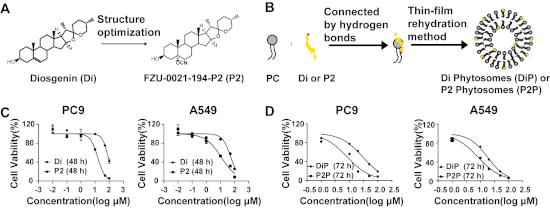
- , China College of Chemistry, Fuzhou University, Fuzhou, Fujian 350108, China 10.3762/bjnano.10.189 Abstract Diosgenin (Di), a steroidal sapogenin derived from plants, has been shown to exert anticancer effects in preclinical studies. Using Di as a starting material, various Di derivatives were designed
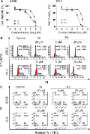
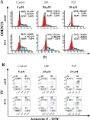
- efficiently than Di phytosomes after 72 h of incubation time by inducing cell cycle arrest and apoptosis. The results indicated that P2Ps could be a promising anticancer formulation for non-small-cell lung cancer. Keywords: diosgenin; non-small-cell lung cancer; phytosomes; sterol structure; Introduction
- Natural products are the most easily accessible source of lead compounds of anticancer drugs [1]. In recent years, chemists have been seeking extensively for effective new chemical entities from natural products and their derivatives. Diosgenin (3β-hydroxy-5-spirostene, Di), is a conventional herbal



Doxorubicin-loaded human serum albumin nanoparticles overcome transporter-mediated drug resistance in drug-adapted cancer cells
Beilstein J. Nanotechnol. 2019, 10, 1707–1715, doi:10.3762/bjnano.10.166
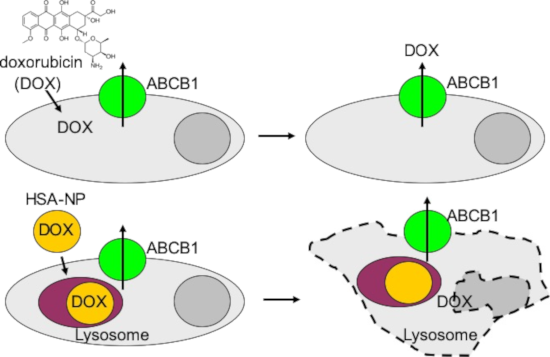
- Münster, Corrensstr. 48, 48149 Münster, Germany Institute for Medical Virology, University Hospital, Goethe-University, Paul Ehrlich-Straße 40, 60596 Frankfurt am Main, Germany 10.3762/bjnano.10.166 Abstract Resistance to systemic drug therapy is a major reason for the failure of anticancer therapies
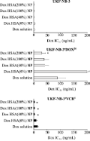
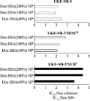
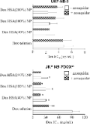
- . Here, we tested doxorubicin-loaded human serum albumin (HSA) nanoparticles in the neuroblastoma cell line UKF-NB-3 and its ABCB1-expressing sublines adapted to vincristine (UKF-NB-3rVCR1) and doxorubicin (UKF-NB-3rDOX20). Doxorubicin-loaded nanoparticles displayed increased anticancer activity in UKF
- important role in cancer cell drug resistance as a highly promiscuous transporter that mediates the cellular efflux of a wide range of structurally different substrates including many anticancer drugs. Different studies have reported that nanometer-sized drug carrier systems can bypass efflux-mediated drug


The systemic effect of PEG-nGO-induced oxidative stress in vivo in a rodent model
Beilstein J. Nanotechnol. 2019, 10, 901–911, doi:10.3762/bjnano.10.91
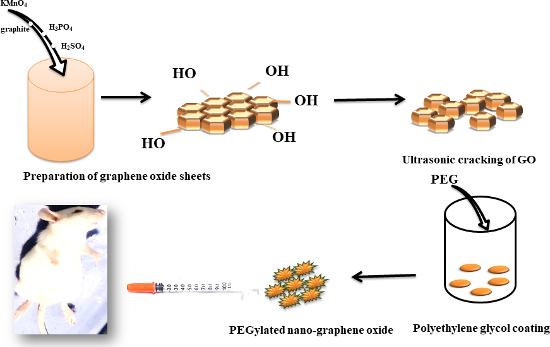
- a chitosan 3D scaffold and enhanced its bioactivity, mechanical properties, and pore formation with GO for optimal bone tissue engineering [15]. Zhang et al. improved the chemotherapy efficacy of anticancer drugs with polyethyleneimine (PEI)-grafted GO [16]. Liu et al. discussed the antibacterial
- ability of PEGylated GO (PEG-GO) to deliver proteins into cells [26]. In addition, functionalized PEG-GO has been used as a nano-carrier of photosensitizers and synergistic anticancer agents [27]. PEG-GO has been widely used in vivo studies. Li et al. demonstrated that PEG coating reduced the retention of
- has been utilized as a potent radiotracer and drug-delivery agent in vivo using positron emission tomography (PET) imaging by Jang and co-workers [31]. Liu et al. [32][33] used PEG for the first time to functionalize GO, which can then be use as a vehicle for anticancer drugs such as doxorubicin. The


Polydopamine-coated Au nanorods for targeted fluorescent cell imaging and photothermal therapy
Beilstein J. Nanotechnol. 2019, 10, 794–803, doi:10.3762/bjnano.10.79
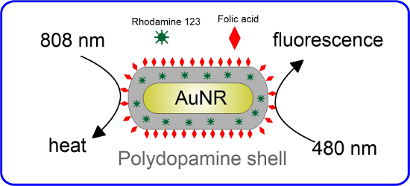
- . Meanwhile different imaging and therapeutic agents can be loaded into the shell of multifunctional nanocomposites. Various AuNR-based nanocomposites loaded with anticancer drugs [17][18][19], photodynamic dyes [20][21], MRI contrast agents [22] and many others ligands [23][24] have already been reported for


Biocompatible organic–inorganic hybrid materials based on nucleobases and titanium developed by molecular layer deposition
Beilstein J. Nanotechnol. 2019, 10, 399–411, doi:10.3762/bjnano.10.39
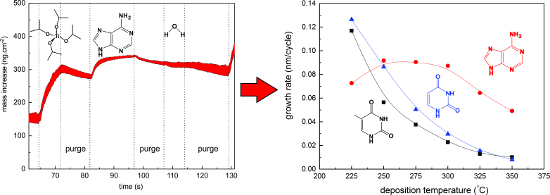
- refraction. Keywords: ALD; bioactive materials; hybrid materials; MLD; nucleobases; Introduction There is an ever-increasing interest in organometallic compounds in the field of medicinal chemistry. Organometallic complexes are now being developed as anticancer agents, radiopharmaceuticals for diagnosis
- anticancer complexes for better metallo-pharmaceutical activity and toxicity reduction [8]. This work describes the growth of films based on such organic nucleotides as complexes with the biocompatible metal titanium. As thin films, such materials can be better applied as coatings on scaffolds or implants




The nanoscaled metal-organic framework ICR-2 as a carrier of porphyrins for photodynamic therapy
Beilstein J. Nanotechnol. 2018, 9, 2960–2967, doi:10.3762/bjnano.9.275
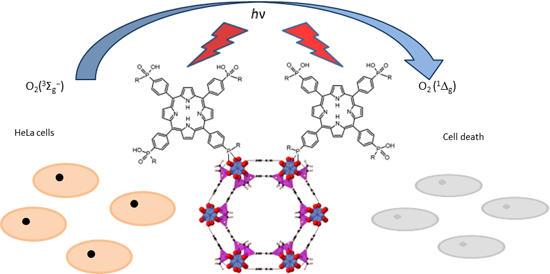
- ]. Singlet oxygen is a short-lived, highly oxidative species with bactericidal and virucidal properties [6]. The cytotoxic effect can be intentionally employed in anticancer treatment in the form of photodynamic therapy (PDT) [7][8]. The most commonly utilised photosensitizers in PDT are porphyrins or


Cytotoxicity of doxorubicin-conjugated poly[N-(2-hydroxypropyl)methacrylamide]-modified γ-Fe2O3 nanoparticles towards human tumor cells
Beilstein J. Nanotechnol. 2018, 9, 2533–2545, doi:10.3762/bjnano.9.236
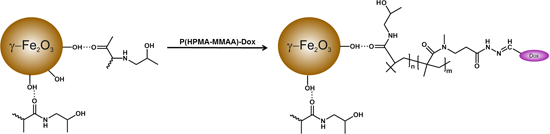
- free doxorubicin. The newly developed doxorubicin-conjugated PHPMA-coated magnetic particles seem to be a promising magnetically targeted vehicle for anticancer drug delivery. Keywords: cytotoxicity; doxorubicin; magnetic; nanoparticles; poly[N-(2-hydroxypropyl)methacrylamide]; Introduction Severe
- side effects are considered to be the main drawback of conventional anticancer drugs. The drug dosage is significantly limited and thus complete elimination of tumor cells in cancer patients is not guaranteed. Among antitumor drugs, special attention has been paid to the anthracycline antibiotic
- of its actions. Novel approaches are therefore being developed to enhance the anticancer activity of Dox and decrease its side effects. Polymer-coated γ-Fe2O3 nanoparticles conjugate to Dox seem to be the most promising candidate for the role of such agents to achieve a high specificity and low side


Enhanced antineoplastic/therapeutic efficacy using 5-fluorouracil-loaded calcium phosphate nanoparticles
Beilstein J. Nanotechnol. 2018, 9, 2499–2515, doi:10.3762/bjnano.9.233
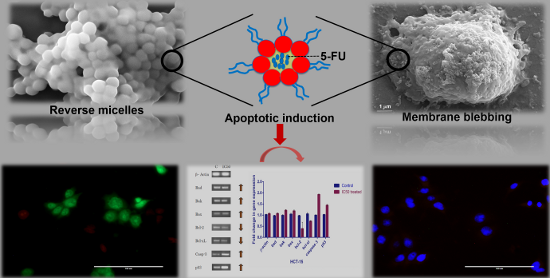
- /bjnano.9.233 Abstract In the past few decades, the successful theranostic application of nanomaterials in drug delivery systems has significantly improved the antineoplastic potency of conventional anticancer therapy. Several mechanistic advantages of nanomaterials, such as enhanced permeability
- alternative to the antimitotic drug, which causes severe side effects when administrated alone. Keywords: 5-FU; anticancer drug delivery; apoptosis; calcium phosphate nanoparticles; cell cycle; nanomedicine; Introduction Malignant neoplasms are reported as the second most common cause of mortality around
- for hepatoma targeted delivery of docetaxel with lactose as the targeting molecule [7]. Curcumin-loaded organically modified silica nanoparticles (ORMOSIL) were studied to check the potential anticancer property of ORMOSIL nanocarriers [8]. However, in some instances, after nanoparticle formation, the


Green synthesis of fluorescent carbon dots from spices for in vitro imaging and tumour cell growth inhibition
Beilstein J. Nanotechnol. 2018, 9, 530–544, doi:10.3762/bjnano.9.51
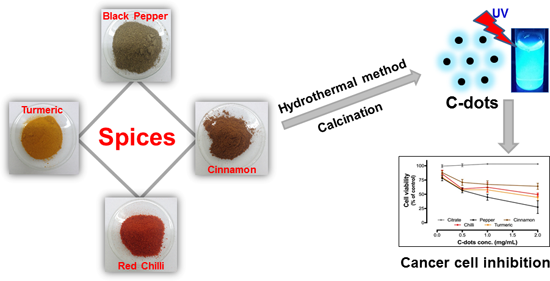
- antioxidant, anti-inflammatory, anticancer, antiviral and antibacterial activities [22]. Red chilli is another common spice the main pungent ingredient of which is capsaicin. It is used to alleviate neuropathic pain and itching in humans. Moreover, its anticancer properties have been reported in the
- the synthesis protocol [30]. Also, it has been reported that some food-based C-dots show anticancer properties, which strongly relies on the starting material employed for the synthesis [31][32]. Keeping the aforementioned fascinating medicinal activities of selected spices in mind, highly fluorescent
- ). Thus, we can assume that the autofluorescence of cells is no limitation to imaging applications with C-dots. In summary, the observed anticancer activity of the as-synthesized spice-derived C-dots, in particular those from turmeric and black pepper, along with their preferential accumulation in


Nanoparticle delivery to metastatic breast cancer cells by nanoengineered mesenchymal stem cells
Beilstein J. Nanotechnol. 2018, 9, 321–332, doi:10.3762/bjnano.9.32
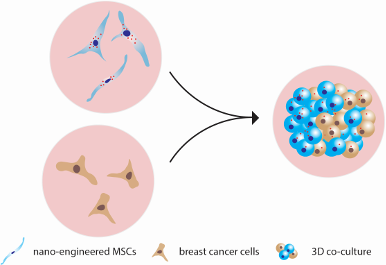
- drug efflux transporter P-glycoprotein, which ensures rapid excretion of toxic substances from MSCs. Thus, MSCs are an excellent vector for low cytotoxicity anticancer drugs [4]. Sadhukha et al. demonstrated that nanoengineered MSCs home to A549 lung cancer in vivo and remain there for at least 3 h
- , which could be sufficient time to release drugs into the tumour. The encapsulation of NP-linked anticancer drugs could ensure metered drug release in tumours [2]. QD linkage to photosensitisers, such as chlorin e6, causes damage to MiaPaCa2 cancer cells via light-induced cytotoxicity, demonstrating a



Methionine-mediated synthesis of magnetic nanoparticles and functionalization with gold quantum dots for theranostic applications
Beilstein J. Nanotechnol. 2017, 8, 1734–1741, doi:10.3762/bjnano.8.174
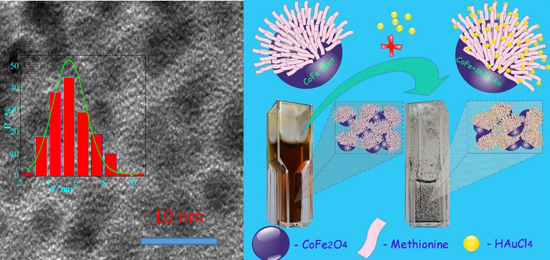
- conjugated with targeting and chemotherapy agents, such as cancer stem cell-related antibodies and the anticancer drug doxorubicin, for early detection and improved treatment. In order to verify our findings, high-resolution transmission electron microscopy (HRTEM), atomic force microscopy (AFM), FTIR


A nanocomplex of C60 fullerene with cisplatin: design, characterization and toxicity
Beilstein J. Nanotechnol. 2017, 8, 1494–1501, doi:10.3762/bjnano.8.149
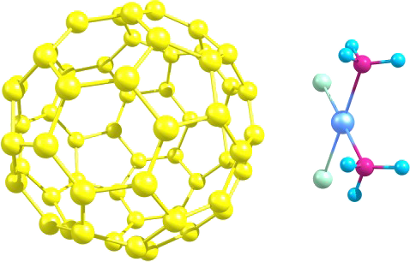
- action and binds covalently to DNA. In tumor cells Cis induces the selective inhibition of DNA synthesis and replication [2]. However, the action of Cis is accompanied by side effects that limit the use of Cis in anticancer chemotherapy. Сіs-induced nephro-, hepato- and cardiotoxicity, as well as
- evaluate the level of blast transformation (the fraction of lymphoblasts). Incubation of lymphocytes and lymphoblasts The cell suspension in RPMI 1640 medium (cell concentration in the range of 1 × 10⁵ to 5 × 10⁵ cells per mL) was incubated in the presence of either C60 fullerene (0.1 mg/mL), anticancer
- experiments were performed. As shown before [25], the molar ratio of 1:2.4 yields the highest anticancer activity of the С60+Cis complex and was therefore used in the experiments. Comet assay To obtain lysed cells (nucleoids) 20 µL of the cell suspension was mixed with 40 µL of 1% low-melting agarose (Sigma



Development of polycationic amphiphilic cyclodextrin nanoparticles for anticancer drug delivery
Beilstein J. Nanotechnol. 2017, 8, 1457–1468, doi:10.3762/bjnano.8.145
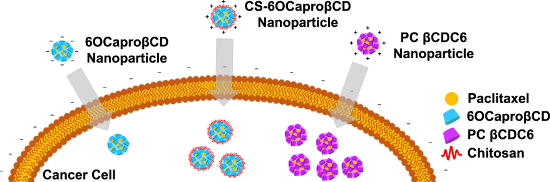
- , Spain Department of Organic Chemistry, University of Sevilla, C/ Prof García Gonzalez 1, Sevilla, 41012, Spain Department of Pharmaceutical Technology, Faculty of Pharmacy, Hacettepe University, Ankara, 06100, Turkey 10.3762/bjnano.8.145 Abstract Background: Paclitaxel is a potent anticancer drug that
- during chemotherapy. Amphiphilic cyclodextrins are favored oligosaccharides as drug delivery systems for anticancer drugs, having the ability to spontaneously form nanoparticles without surfactant or co-solvents. In the past few years, polycationic, amphiphilic cyclodextrins were introduced as effective
- -cytotoxic against L929 mouse fibroblast cell line. In addition, paclitaxel-loaded nanoparticles have a significant anticancer effect against MCF-7 human breast cancer cell line as compared with a paclitaxel solution in DMSO. Conclusion: According to the results of this study, both amphiphilic cyclodextrin





