


Search results
Search for "applications" in Full Text gives 1941 result(s) in Beilstein Journal of Nanotechnology. Showing first 200.
Improving magnetic properties of Mn- and Zn-doped core–shell iron oxide nanoparticles by tuning their size
Beilstein J. Nanotechnol. 2025, 16, 2285–2295, doi:10.3762/bjnano.16.157
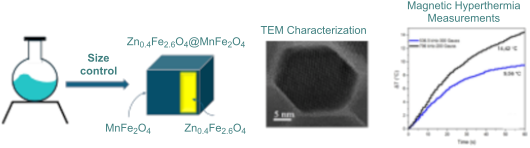
- /bjnano.16.157 Abstract Superparamagnetic iron oxide nanoparticles (SPIONs) offer promising applications in nanomedicine due to their appealing properties. Their magnetic and magnetic hyperthermia properties are considered as relevant tools for low invasive cancer therapeutic applications. In this work
- unique magnetic properties, small size, and biocompatibility, which enable them to be used in a wide range of biomedical applications. These applications include magnetic resonance imaging, magnetic separation, targeted drug delivery, and hyperthermia [1][2]. Magnetic hyperthermia has been extensively
- ), have been extensively studied due to their low toxicity, biocompatibility, and ease of synthesis [5]. However, SPIONs face several challenges related to their relatively low saturation magnetization (Ms) and specific loss power (SLP), which limit their effectiveness in hyperthermia applications



Chiral plasmonic nanostructures fabricated with circularly polarized light
Beilstein J. Nanotechnol. 2025, 16, 2245–2264, doi:10.3762/bjnano.16.154
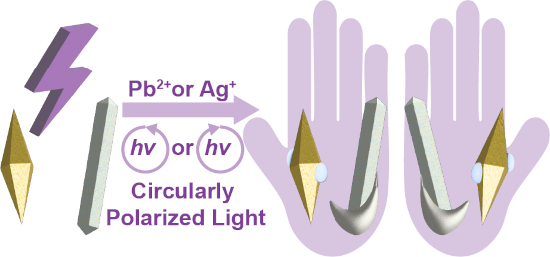
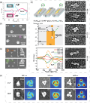
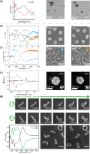
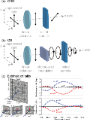
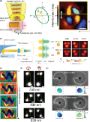
- regarding the outstanding questions related to cPNSs produced by CPL. Additionally, we will outline common techniques for characterizing the chiroptic effects of cPNSs in both the far field and the near field. Last, we will review the various applications of cPNSs and highlight the most promising
- applications of cPNSs fabricated using CPL. Keywords: circular dichroism; circularly polarized light; plasmonic nanocrystals; Introduction An object is considered chiral when it cannot be superimposed on its mirror image. Homochirality is a feature of life on Earth. For example, amino acids in living
- different cPNSs synthesized using this method. Section 3 will discuss universal metrics to characterize cPNSs. Furthermore, Section 4 will examine the roles of cPNSs in various applications. Finally, we will share insights into future directions for cPNSs fabricated using CPL. Review 1 Evolution of chiral





Optical bio/chemical sensors for vitamin B12 analysis in food and pharmaceuticals: state of the art, challenges, and future outlooks
Beilstein J. Nanotechnol. 2025, 16, 2207–2244, doi:10.3762/bjnano.16.153
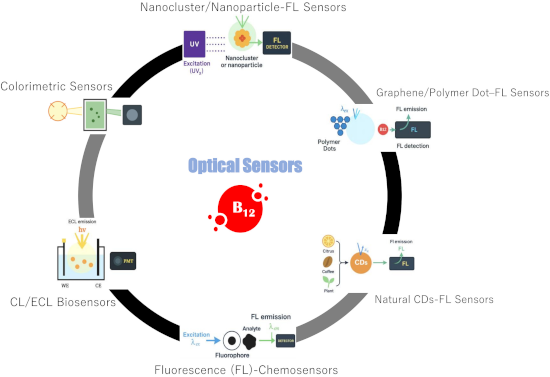
- reagents, which restrict their practical applications [2][13][28]. Consequently, there is a growing need to develop simple, rapid analytical systems such as biosensors to tackle these challenges by highly selective and sensitive detection of VB12 without requiring specialized skills. Nowadays
- membranes had potential for biomedical and food applications for VB12 determination in pharmaceuticals, human serum, egg yolk, and fish tissue [113]. Selvakumar and Thakur utilized a dipstick-based immuno-CL biosensor to detect VB12 in two different energy drinks, where the antibody–antigen interaction


Electromagnetic study of a split-ring resonator metamaterial with cold-electron bolometers
Beilstein J. Nanotechnol. 2025, 16, 2199–2206, doi:10.3762/bjnano.16.152
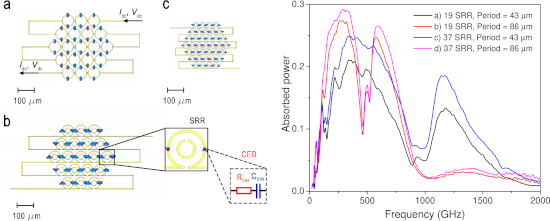
- ; metamaterial; split-ring resonator; Introduction Highly sensitive receivers with broadband antennas are of significant interest for advanced spectroscopic applications and various radioastronomy tasks [1][2][3][4][5]. In particular, broadband receiving systems are required for use with a Fourier-transform
- thickness (or by stacking and bonding multiple thinner substrates), or by employing a lens with a pedestal structure. Discussion Solving the problem of broadband high-sensitivity reception for terahertz applications naturally entails comparing the metamaterial-based approach presented here with traditional
- achieve an optimal balance between power load, responsivity, and total noise [17][22]. This capability is particularly critical for applications like cosmic microwave background polarimetry or high-resolution spectroscopy, where the detector must operate photon-noise-limited under a specific background


Ultrathin water layers on mannosylated gold nanoparticles
Beilstein J. Nanotechnol. 2025, 16, 2183–2198, doi:10.3762/bjnano.16.151
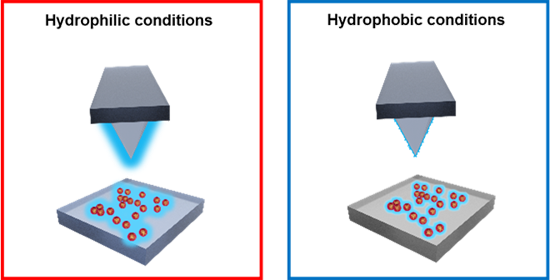
- in a realistic environment, the scientific bases are assumptions and analogies to chemically similar systems, rather than data. Several authors have synthesized and investigated (di)mannoside-coated AuNPs. While there are multiple applications [4], such NPs can also be seen as very crude models of
- selected surface [21][22][36][49]. However, these studies were performed on particle clusters in crowded environments, which induce collective phenomena [36][49] that are not in our scope. Conclusion Gold nanoparticles (AuNPs) have been widely investigated for biomedical applications like biochemical
- dimannose groups. The increased water adsorption of dimanno-AuNPs, compared to the well-studied PEG AuNPs, makes them candidates for gas sensing applications. Sensors are usually kept dry and then become hydrated in standard environments. Whenever dry conditions are problematic, our study suggests testing



Missing links in nanomaterials research impacting productivity and perceptions
Beilstein J. Nanotechnol. 2025, 16, 2168–2176, doi:10.3762/bjnano.16.149
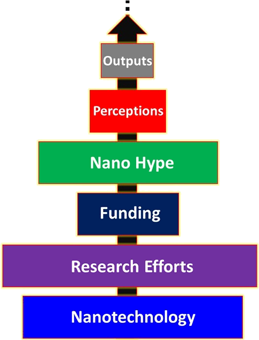
- of scientific progress, nanotechnology remains underutilized in public-facing applications. A major issue is the limited engagement of leading tech industries in developing nanotechnology-based products, prompting concerns about tangible societal and industrial outcomes. Far away, funding challenges
- ; public-facing technologies; standardization; translational barriers; Perspective Atom-by-atom innovation The historical creation of nanomaterials and their applications is much older than often assumed and has long been a subject of debate. It would be wrong to believe that nanomaterials have been
- branches of science and engineering. Importantly, all of these studies are directly related to the creation of nanomaterials aimed at delivering much higher efficiency for specific applications compared to their conventional counterparts. In this way, progress in nanomaterial research has seen a remarkable
Microplastic pollution in Himalayan lakes: assessment, risks, and sustainable remediation strategies
Beilstein J. Nanotechnol. 2025, 16, 2144–2167, doi:10.3762/bjnano.16.148
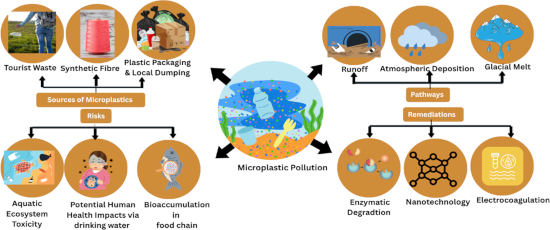
- them are new electrochemical technologies, membrane separation technologies, microbial technologies, and AOPs. The efficiency, mechanism, strengths, weaknesses, and applications of each technology are utilized to assess each technology. These technologies are indicative of the multidimensional
- demonstrated that electrostatically modified biofilms enhance adherence to moving water systems, rendering them a viable option for large-scale applications [43]. Biofilms along with other methods, like adding nutrients or immobilized bioreactors, have been used in field trials to show that MPs can be
- -altitude pH variability. 6 Nanomaterial applications in microplastic remediation 6.1 Role of photocatalysis in degradation Photocatalysis uses nanomaterials to break down MPs by converting light energy, often UV or visible light, into ROS. These ROS, which include superoxide anions and hydroxyl radicals


Electron transport through nanoscale multilayer graphene and hexagonal boron nitride junctions
Beilstein J. Nanotechnol. 2025, 16, 2132–2143, doi:10.3762/bjnano.16.147
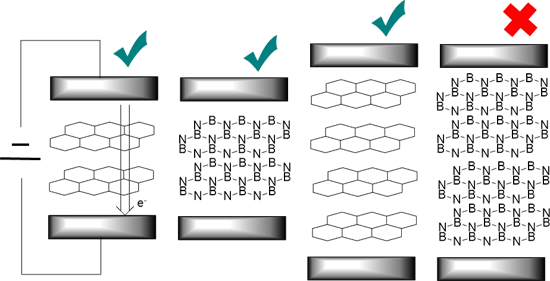
- composed of polar bonds with N acting as electron donor and B acting as electron acceptor. Unlike graphene and graphite, h-BN shows high resistivity and is a large-bandgap semiconductor [17]. h-BN has a wide range of applications due to its unique properties [18]. It is used as a substrate material for
- graphene-based electronics and as a dielectric material in nanoelectronics devices. It finds application regarding corrosion resistance and antioxidation protective coatings [19]. Due to its high thermal conductivity and electrical insulation, h-BN is used in thermal management applications. h-BN is used
- in far-ultraviolet light-emitting devices. These applications leverage h-BN’s properties like high temperature stability, electrical insulation, and chemical resistance [18][20][21]. An interesting application of multilayer h-BN is its deposition on electrode surfaces as an electron blocking layer


Quality by design optimization of microemulsions for topical delivery of Passiflora setacea seed oil
Beilstein J. Nanotechnol. 2025, 16, 2116–2131, doi:10.3762/bjnano.16.146
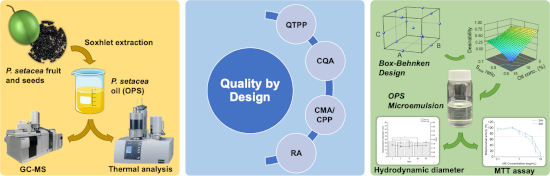
- , Brazil 10.3762/bjnano.16.146 Abstract Passiflora setacea seed oil is a natural source of bioactive unsaturated fatty acids, notably linoleic acid (ω-6) and oleic acid (ω-9), with promising antioxidant and anti-inflammatory potential for dermatological applications. However, its direct use is limited by
- linked to diverse biological effects, including anti-inflammatory, antioxidant, and skin-regenerative activities, underscoring its potential for dermatological applications [4]. Despite these promising attributes, the direct use of natural oils in topical applications is often limited by their
- for Passiflora setacea seed oil. QbD principles and experimental design methodologies were employed to guide formulation development. The microemulsion was designed to enhance physicochemical stability, improve skin application performance, and support future therapeutic applications. Results and


Rapid synthesis of highly monodisperse AgSbS2 nanocrystals: unveiling multifaceted activities in cancer therapy, antibacterial strategies, and antioxidant defense
Beilstein J. Nanotechnol. 2025, 16, 2105–2115, doi:10.3762/bjnano.16.145
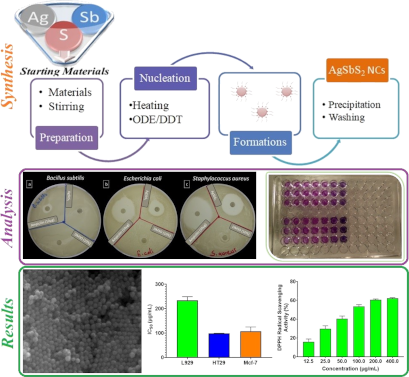
- effects by efficiently eliminating DPPH activity. This research highlights the potential of AgSbS2 NCs as versatile agents with applications in biomedical and environmental domains, including cancer therapy, antimicrobial strategies, and free radical neutralization. Keywords: AgSbS2 nanocrystals
- Humicola sp. in biomedical applications were investigated. Cancer experiments were carried out using breast cancer and Burkitt’s lymphoma cancer cells, while the biocompatibility tests of α-AgS nanoparticles were also conducted using human peripheral blood mononuclear cells (PBMCs) [18]. Additionally
- , these materials have also been used in various imaging applications for the detection of cancer cells. Ag2Te and Ag2S nanocrystals (NCs) were used in cancer imaging studies by Nieves and colleagues. In this study, computed tomography contrasts changes of NCs injected into mice were examined at 2 and 24


Toward clinical translation of carbon nanomaterials in anticancer drug delivery: the need for standardisation
Beilstein J. Nanotechnol. 2025, 16, 2092–2104, doi:10.3762/bjnano.16.144

- nanotubes, and carbon dots, have attracted considerable interest as nanocarriers for drug delivery due to their unique physicochemical properties. Their high surface area, biocompatibility, and modifiable surface chemistry make them highly attractive for a range of biomedical applications. However, concerns
- delivery systems (DDSs); nanocarriers; quality control (QC); Introduction Nanomaterials Nanomaterials (NMs) have an extensive array of various properties and applications across many industries, including the biomedical, health care, food/agriculture, industrial, environmental, electronic, and renewable
- energy sectors (Figure 1). NMs have seen use as antimicrobial agents [1], catalysts [2], bioimaging agents [3][4][5][6], magnetic particle imaging agents [7], nanofluids [8], antiviral agents [9], photothermal convertors [10], and in environmental remediation [11]. Topically, the biomedical applications




Molecular and mechanical insights into gecko seta adhesion: multiscale simulations combining molecular dynamics and the finite element method
Beilstein J. Nanotechnol. 2025, 16, 2055–2076, doi:10.3762/bjnano.16.141
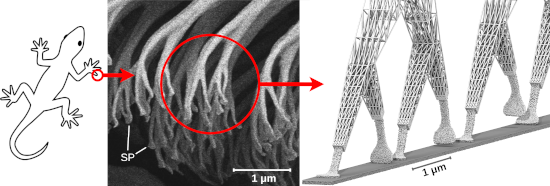
- structures on their feet [1][2]. This bioadhesion mechanism has been studied extensively, especially for biomimetic adhesive applications [3][4][5][6][7][8][9]. Understanding these interactions presents a formidable challenge in biophysics and materials science due to the extremely small length and time







Stereodiscrimination of guests in chiral organosilica aerogels studied by ESR spectroscopy
Beilstein J. Nanotechnol. 2025, 16, 2034–2054, doi:10.3762/bjnano.16.140
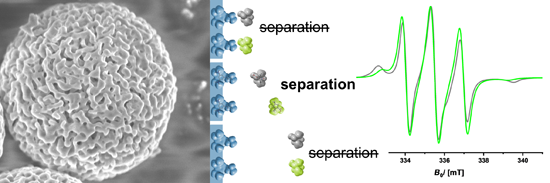
- Sebastian Polarz Yasar Krysiak Martin Wessig Florian Kuhlmann Institute of Inorganic Chemistry, Leibniz-University Hannover, Callinstrasse 9, 30167 Hannover, Germany 10.3762/bjnano.16.140 Abstract Macroporous materials containing surfaces with chiral groups are highly relevant for applications in
- Kotov and coworkers [4]. Chiral optical materials have unique optical activity, displaying phenomena such as circular dichroism and optical rotation. These characteristics are harnessed in applications like sensors, optical devices, and polarized materials. Material chirality can also lead to unusual
- more general relevance than just for chromatography. Transport processes in porous materials are fundamental phenomena that influence the behavior and performance of a wide range of natural and engineered systems. They are relevant in applications including catalysis, filtration, energy storage




Beyond the shell: exploring polymer–lipid interfaces in core–shell nanofibers to carry hyaluronic acid and β-caryophyllene
Beilstein J. Nanotechnol. 2025, 16, 2015–2033, doi:10.3762/bjnano.16.139
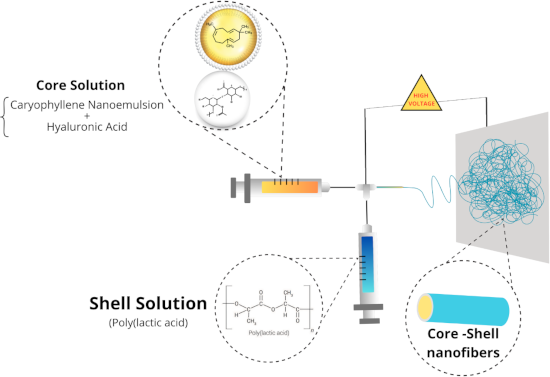
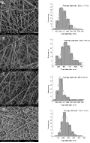
- membrane applications. Thermal and crystalline analyses demonstrated improved thermal stability upon NE-βCp incorporation. Collectively, these results provide robust evidence for the feasibility of producing multifunctional nanofiber membranes that successfully integrate a polymer–lipid hybrid core
- encapsulated within a PLA shell, highlighting substantial potential for biomedical applications by overcoming key material integration hurdles. Keywords: co-axial nanofibers; electrospinning; hybrid nanosystem; nanofibers; nanoemulsion; poly(lactic acid); Introduction Driven by the significant potential of
- conventional fibrous materials. Their flexibility in fabrication allows for integration into a broad range of applications, from drug delivery scaffolds to composite biomaterials, contributing to their increasing relevance in both scientific research and industrial development [11][12][13][14]. To leverage the




The cement of the tube-dwelling polychaete Sabellaria alveolata: a complex composite adhesive material
Beilstein J. Nanotechnol. 2025, 16, 1998–2014, doi:10.3762/bjnano.16.138
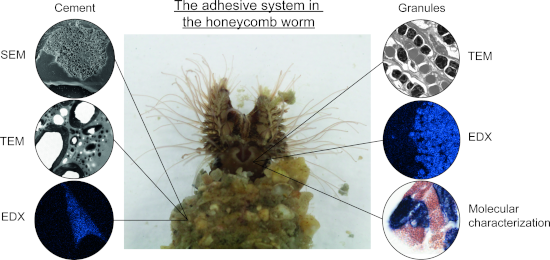
- of inspiration for developing biomimetic adhesives. However, a thorough understanding of their composition and operating mechanism is essential for advancing such applications. Sabellariid tubeworms are model organisms in bioadhesion research, and their adhesive system has been characterized in
- underwater adhesive materials for various applications, particularly in the industrial and biomedical fields [3][4]. Polychaetes of the family Sabellariidae are one of the model organisms that have been studied extensively for their adhesion and have fascinated researchers since the 18th century [5]. Two
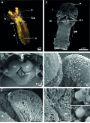
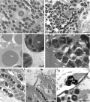
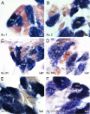
- applications in various fields. Structure of the tubes of Sabellaria alveolata. Picture of a reef fragment (Champeaux, Bay of Mont Saint-Michel) (A), with detailed views of the natural tubes (B, C). SEM image of an epoxy-embedded tube in cross section showing the arrangement of mineral particles (D



Laser ablation in liquids for shape-tailored synthesis of nanomaterials: status and challenges
Beilstein J. Nanotechnol. 2025, 16, 1963–1997, doi:10.3762/bjnano.16.137
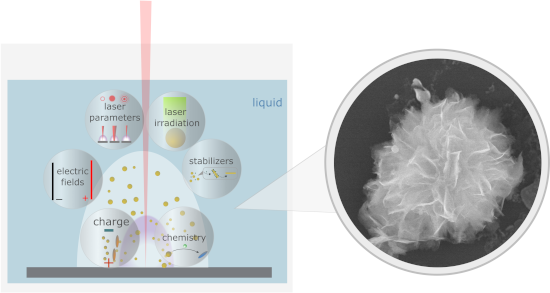
- . Despite many synthesis methods are still mainly focused on the production of near-spherical NPs, a number of emerging applications require nanomaterials of nonspherical shape and developed surface, which determine the functional performance of nanostructured devices. Laser ablation in liquids has been




Evaluating metal-organic precursors for focused ion beam-induced deposition through solid-layer decomposition analysis
Beilstein J. Nanotechnol. 2025, 16, 1942–1951, doi:10.3762/bjnano.16.135
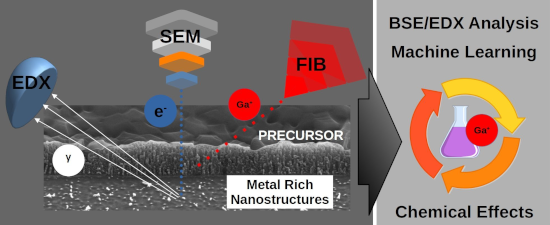
- irradiation differs from gas-phase deposition, we think that our method can be employed to optimize pre-screen and score new potential precursors for FIB applications by significantly reducing the time required and conserving valuable resources. Keywords: backscattered electrons (BSE); carboxylates; energy
- growth process, and greater flexibility in material selection (the ability to deposit a variety of different materials). The usage of ions opens new possibilities for materials development and applications [20][21]. Until now, the development of FEBID has relied on precursors used for chemical vapor
- complex with the same carboxylate and pentafluoropropamidine [Cu2(NH2(NH=)CC2F5)2(µ-O2CC2F5)4] [32], as new potential precursors for the applications in focus ion beam induced deposition (FIBID) using gallium ions. We focused on a commonly used 30 keV FIB ion beam energy in our systematic decomposition


PEGylated lipids in lipid nanoparticle delivery dynamics and therapeutic innovation
Beilstein J. Nanotechnol. 2025, 16, 1914–1930, doi:10.3762/bjnano.16.133
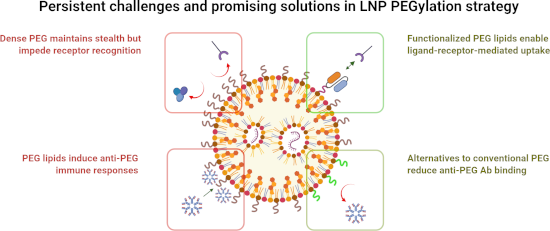
- though PEG polymers are broadly considered safe in consumer applications [66][67]. This immunogenicity of PEGylated LNPs not only raises safety concerns but also poses a risk to the structural integrity of the nanoparticles [68]. Anti-PEG antibodies can activate the complement system, leading to the
- activation in different mechanisms [57][65][66][67]. Although the immunogenicity of PEG lipids can be beneficial in certain cases to modulate immune responses for enhanced therapeutic outcomes, such applications are minimal compared to the well-documented downsides in LNP delivery function. Given this
- growing body of evidence, while PEG lipids have long been used to maintain LNP stability and reduce nonspecific interactions, their immunogenic liabilities may pose a critical barrier to safe and effective repeated dosing in clinical applications. Therefore, it is important to develop and evaluate



Targeting the vector of arboviruses Aedes aegypti with nanoemulsions based on essential oils: a review with focus on larvicidal and repellent properties
Beilstein J. Nanotechnol. 2025, 16, 1894–1913, doi:10.3762/bjnano.16.132
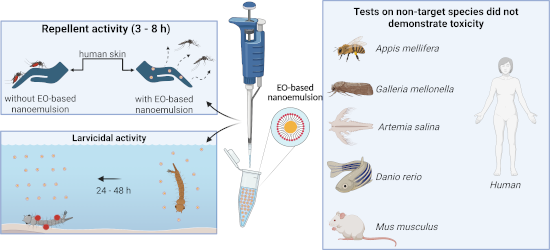
- efficacy of herbal products for mosquito control [80][81]. Nanoemulsions: Concepts and applications in larvicides and repellents Pharmaceutical nanotechnology offers innovative solutions for the delivery and targeting of molecules for therapeutic, prophylactic, or diagnostic purposes [82]. In 1995, the
- biomedical applications. These include: (a) superior stability during storage compared to that of macroemulsions, attributed to their small droplet size, which prevents flocculation, creaming, and sedimentation; (b) enhanced bioavailability and improved aqueous solubility of lipophilic molecules; (c
- ) increased cutaneous permeability of various molecules; (d) reduced emulsifier concentrations compared to that of macro- and microemulsions; (e) protection of molecules from adverse environmental conditions such as pH-induced hydrolysis and oxidation; and (f) versatile applications allowing administration in


Programmable soliton dynamics in all-Josephson-junction logic cells and networks
Beilstein J. Nanotechnol. 2025, 16, 1883–1893, doi:10.3762/bjnano.16.131

- of synaptic connections. The superconducting axon-synaptic matrix based on the WayMatrix concept seems to be a promising solution to the problem [47][48][49][50]. As mentioned above repeatedly, the field applications of kinetic inductance and, in particular, KICK, also extend to bio-inspired


Low-temperature AFM with a microwave cavity optomechanical transducer
Beilstein J. Nanotechnol. 2025, 16, 1873–1882, doi:10.3762/bjnano.16.130
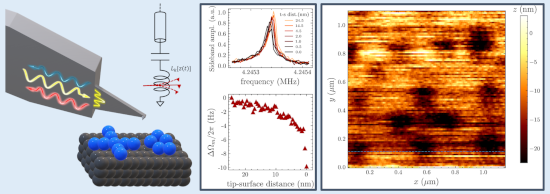
- , new record values of fundamental figures of merit have been reported at a surprisingly rapid rate. The field is now mature for the next challenge, that is, application-ready devices. Optomechanical interaction has been proposed to enable or improve many applications [1], including accelerometers [2


Self-assembly and adhesive properties of Pollicipes pollicipes barnacle cement protein cp19k: influence of pH and ionic strength
Beilstein J. Nanotechnol. 2025, 16, 1863–1872, doi:10.3762/bjnano.16.129
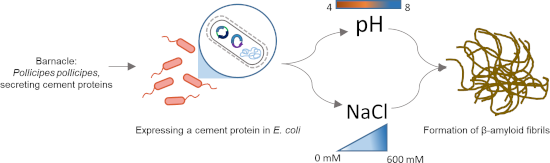
- scalability concerns [10]. Additionally, M. edulis Mfp exhibits optimal adhesion under acidic conditions [11], potentially limiting its biomedical application. Meanwhile, synthetic sealants based on DOPA functionalisation of natural or synthetic polymers have shown promise in biomedical applications, but


On the road to sustainability – application of metallic nanoparticles obtained by green synthesis in dentistry: a scoping review
Beilstein J. Nanotechnol. 2025, 16, 1851–1862, doi:10.3762/bjnano.16.128
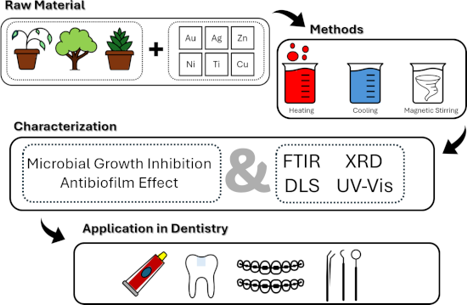
- , particularly in dentistry. This scoping review examines the rising focus on these nanoparticles regarding their antimicrobial, regenerative, and therapeutic potential in dental applications. Among the metals studied, silver and zinc oxide nanoparticles dominate because of their broad-spectrum antimicrobial
- bacteria, offers a sustainable alternative by leveraging natural reducing agents like polyphenols and flavonoids. These bioactive compounds not only facilitate nanoparticle formation but also improve stability and biological efficacy, making them ideal for dental applications such as caries prevention
- recently become the focus of significant attention [18][19]. The eco-friendly applications of AgNPs in the biomedical, pharmaceutical, cosmetic, sanitation, and electronic sectors have driven extensive research into their biosynthesis [20][21][22]. Silver nanoparticles exhibit unique physical and chemical


Current status of using adsorbent nanomaterials for removing microplastics from water supply systems: a mini review
Beilstein J. Nanotechnol. 2025, 16, 1837–1850, doi:10.3762/bjnano.16.127
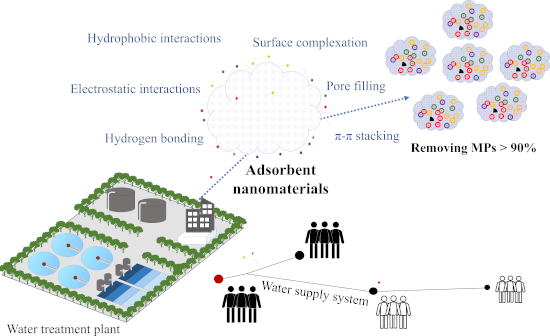
- daily life, and the potential application of adsorbent nanomaterials for MP removal. Sajid et al. provided an overview of various adsorbent materials and their efficiency [24]. However, the authors do not deeply explore the potential challenges related to large-scale applications or the integration of
- mechanisms and performance; and (iii) risk assessments and associated problems when applying adsorbent nanomaterials. In addition, it is important to identify critical gaps regarding large-scale applications and insufficient integration into existing systems. By expanding the scope of the research to
- protecting both human health and aquatic ecosystems. Review Sources and distribution pathways of MPs to water supply system Microplastics can be classified as primary or secondary. Primary MPs are intentionally manufactured for various applications, whereas secondary MPs result from the degradation or


Phytol-loaded soybean oil nanoemulsion as a promising alternative against Leishmania amazonensis
Beilstein J. Nanotechnol. 2025, 16, 1826–1836, doi:10.3762/bjnano.16.126

- effectiveness of PHYT-NE in maintaining colloidal stability under storage and stress conditions. For pharmaceutical applications and the intended therapeutic purpose, nanoemulsions must not only be functional but also safe and selective. That is, they should effectively damage the parasite without causing





