


Search results
Search for "batteries" in Full Text gives 185 result(s) in Beilstein Journal of Nanotechnology.
High-yield synthesis of silver nanowires for transparent conducting PET films
Beilstein J. Nanotechnol. 2021, 12, 624–632, doi:10.3762/bjnano.12.51
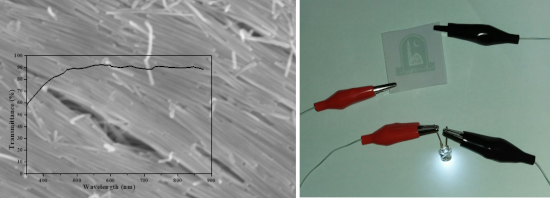
- the impact on the conductivity and flexibility of the PET film. The flexible and transparent film was bent to demonstrate its curved surface and flexibility (Figure 2c). To test the electrical conductivity of the film, a white LED was used connected to a pair of batteries and the PET film in series to


The preparation temperature influences the physicochemical nature and activity of nanoceria
Beilstein J. Nanotechnol. 2021, 12, 525–540, doi:10.3762/bjnano.12.43
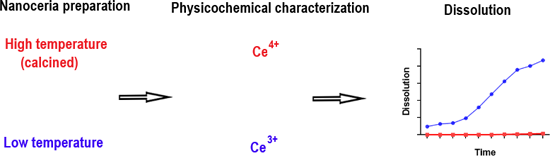
- family of metal oxide ENMs used industrially, as catalysts in diesel fuel, abrasives in chemical mechanical planarization, in integrated circuit manufacture, as structural supports for catalysts for fuel synthesis applications, in solid oxide fuel cells, and in rechargeable batteries [1][2]. Cerium oxide




Solution combustion synthesis of a nanometer-scale Co3O4 anode material for Li-ion batteries
Beilstein J. Nanotechnol. 2021, 12, 424–431, doi:10.3762/bjnano.12.34
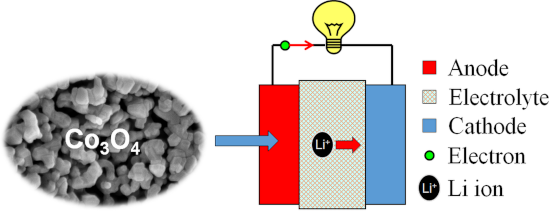
- Network ‒ Institute of Microelectronics and Photonics, Al. Lotników 32/46, 02-668 Warsaw, Poland Key Laboratory of Physics and Technology for Advanced Batteries (Ministry of Education), College of Physics, Jilin University, Changchun 130012, PR China Institute for Materials Discovery, University College
- obtained material was composed of loosely arranged nanoparticles whose average diameter was about 36 nm. The as-prepared cobalt oxide powder was also tested as the anode material for Li-ion batteries and revealed specific capacities of 1060 and 533 mAh·g−1 after 100 cycles at charge–discharge current
- cannot meet the requirements of the next-generation lithium-ion batteries (LiBs) due to their low capacity, sensitivity to electrolyte, and limited capability [1][2][3]. As a result, plenty of materials with high capacity and rate capability, good recyclability, and long lifetime have been proposed as


A stretchable triboelectric nanogenerator made of silver-coated glass microspheres for human motion energy harvesting and self-powered sensing applications
Beilstein J. Nanotechnol. 2021, 12, 402–412, doi:10.3762/bjnano.12.32
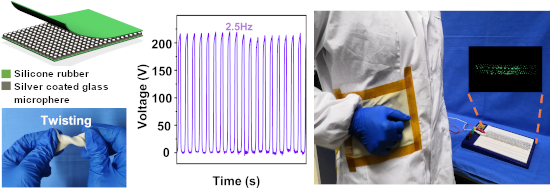
- motion energy; silver-coated glass microsphere; single-electrode mode; triboelectric nanogenerator; wearable; Introduction Traditional batteries cannot provide a durable and reliable power supply for small portable electronic devices, personalized healthcare, and Internet-of-Things (IoT) devices [1][2



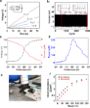


Paper-based triboelectric nanogenerators and their applications: a review
Beilstein J. Nanotechnol. 2021, 12, 151–171, doi:10.3762/bjnano.12.12
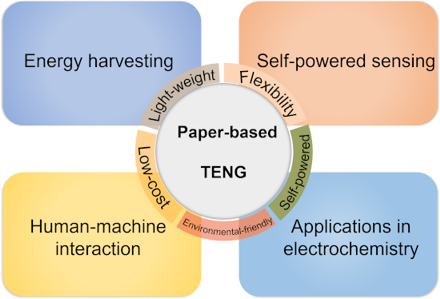
- [1][2]. Meanwhile, with the rapid growth of the Internet of Things (IoTs), the explosive growth of sensors has led to the massive use of batteries, which have also resulted in severe environmental issues in virtue of their short lifetime. In this regard, renewable energy sources, such as wind, wave
- technology for powering IoTs (e.g., traditional chemical batteries) faces a significant challenge due to a limited lifetime and powering distance, and due to the wide demand from the broadly distributed sensor networks. It is, therefore, urgent to investigate self-powered devices in order to promote the






ZnO and MXenes as electrode materials for supercapacitor devices
Beilstein J. Nanotechnol. 2021, 12, 49–57, doi:10.3762/bjnano.12.4
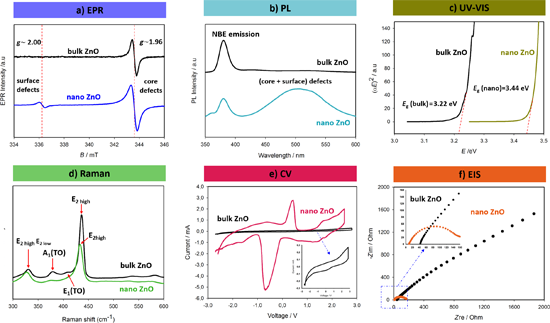
- high power density as well as due to the potential to further increase the energy density. Supercapacitors may act as batteries in electrochemical performance tests. The choice of the materials, their morphology, dimension, and synthesis technique, as well the synergy with the other components of the
- capacity and high energy density so that in the near future supercapacitors might work together with batteries as an integrated energy storage system. Metal oxides, MXenes, and perovskites are the most promising electrode materials for this end. However, the specific capacitance values of those electrodes
- batteries [15][20][21][23]. Gogotsi et al. [24][25][26], who are the pioneers of MXene materials, have defined the relation to MAX phases in a very clear way: MXenes can be produced by etching the A layer from MAX phases. The suffix “ene” is added to emphasize the similarity to graphene. MAX phases are a
Kondo effects in small-bandgap carbon nanotube quantum dots
Beilstein J. Nanotechnol. 2020, 11, 1873–1890, doi:10.3762/bjnano.11.169
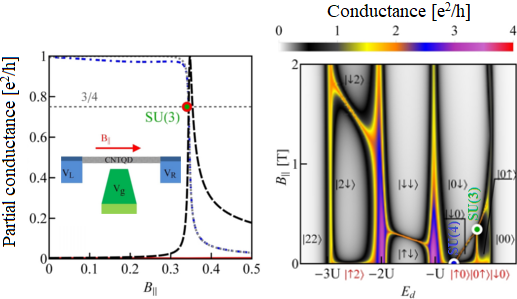
- , mechanical, and magnetic properties carbon nanotubes (CNTs) are of great interest in molecular electronics and spintronics with potential applications, for example, as field-effect transistors, nanoelectromechanical devices, logic gates, spin valves, spin diodes, and spin batteries [1][2][3][4][5][6][7][8][9



![[Graphic 37]](/bjnano/content/inline/2190-4286-11-169-i52.svg?max-width=637&scale=1.18182) as a functio...
as a functio...


Self-standing heterostructured NiCx-NiFe-NC/biochar as a highly efficient cathode for lithium–oxygen batteries
Beilstein J. Nanotechnol. 2020, 11, 1809–1821, doi:10.3762/bjnano.11.163
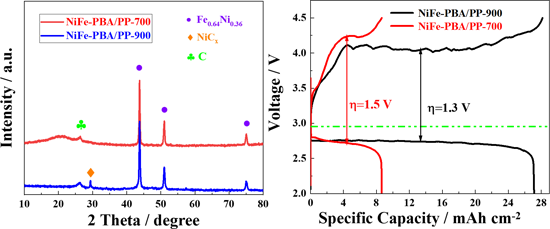
- , Norway Shanghai Time Shipping CO., LTD, Shanghai, 200126, China 10.3762/bjnano.11.163 Abstract Lithium–oxygen batteries have attracted research attention due to their low cost and high theoretical capacity. Developing inexpensive and highly efficient cathode materials without using noble metal-based
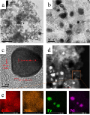
- catalysts is highly desirable for practical applications in lithium–oxygen batteries. Herein, a heterostructure of NiFe and NiCx inside of N-doped carbon (NiCx-NiFe-NC) derived from bimetallic Prussian blue supported on biochar was developed as a novel self-standing cathode for lithium–oxygen batteries. The
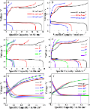
- . The structure of NiCx-NiFe-NC efficiently improved the electron and ion transfer between the cathode and the electrolyte during the electrochemical processes, resulting in superior electrocatalytic properties in lithium–oxygen batteries. This study indicates that nickel carbide supported on N-doped






A wideband cryogenic microwave low-noise amplifier
Beilstein J. Nanotechnol. 2020, 11, 1484–1491, doi:10.3762/bjnano.11.131
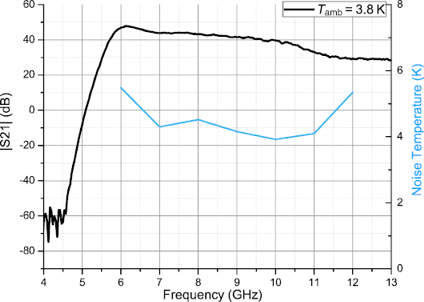
- lines. Gain and noise properties of the amplifier were characterized at the exact temperature of 3.8 K. We designed and implemented an independent eight-channel power supply unit based on Pb batteries, which allowed us to bias drain and gate circuits of each stage independently. The S-parameters of the




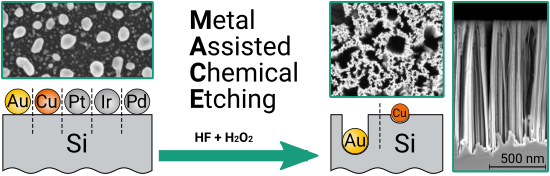
Wafer-level integration of self-aligned high aspect ratio silicon 3D structures using the MACE method with Au, Pd, Pt, Cu, and Ir
Beilstein J. Nanotechnol. 2020, 11, 1439–1449, doi:10.3762/bjnano.11.128
- transport and improve the efficiency of the thermoelectric generator [7]. Silicon nanowire arrays are also an emerging anode material for integrated lithium-ion batteries. They have a ten times higher theoretical capacity than graphite and can be used for cells with high energy density. However, these


Ultrasensitive detection of cadmium ions using a microcantilever-based piezoresistive sensor for groundwater
Beilstein J. Nanotechnol. 2020, 11, 1242–1253, doi:10.3762/bjnano.11.108
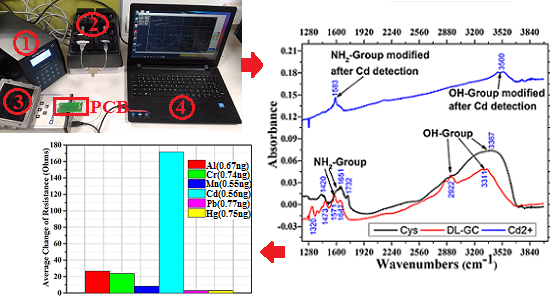
- , cement manufacturing units, electroplating industry, manufacturing units of PVC, Ni–Cd batteries, fertilizers, pesticides, photovoltaic devices, soil, and sediments. Cadmium is a highly toxic heavy metal ion (HMI). Cadmium poisoning may cause fatigue, headaches, nausea, vomiting, abdominal cramps, bone






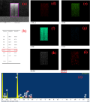
Magnetic-field-assisted synthesis of anisotropic iron oxide particles: Effect of pH
Beilstein J. Nanotechnol. 2020, 11, 1230–1241, doi:10.3762/bjnano.11.107
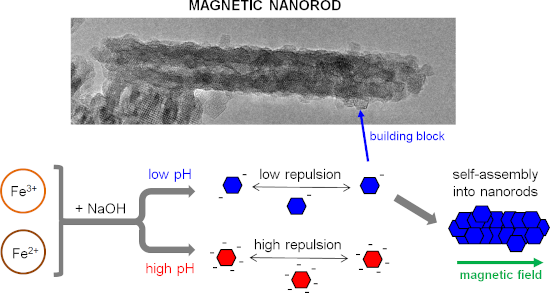
- batteries [8], preparation of hybrid organic–inorganic nanocomposites, and gels with polymer or surfactant-based matrices [20]. Among these applications, elongated particles (particularly nanorods) have many advantages over spherical nanoparticles [11][21][22]. Nanorods often have stronger magnetic

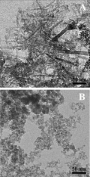

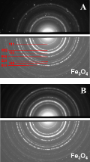
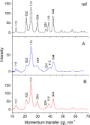




Gas sorption porosimetry for the evaluation of hard carbons as anodes for Li- and Na-ion batteries
Beilstein J. Nanotechnol. 2020, 11, 1217–1229, doi:10.3762/bjnano.11.106
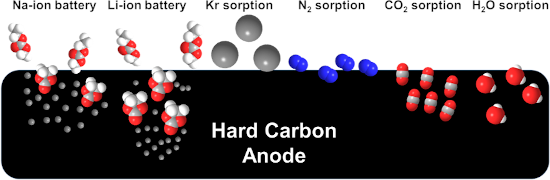
- -ku, Nagoya 464-8601, Japan 10.3762/bjnano.11.106 Abstract Hard carbons are promising candidates for high-capacity anode materials in alkali metal-ion batteries, such as lithium- and sodium-ion batteries. High reversible capacities are often coming along with high irreversible capacity losses during
- , sodium-ion batteries (SIBs) become interesting [1][2]. Compared to Co, which is still an essential component for state-of-the-art LIB cathode materials, Li is much more abundant in the earth’s crust [3][4]. Nevertheless, the market for mobile applications is increasing, especially for new BEVs, and thus
- precursors is by one order of magnitude less expensive [7]. LIBs and SIBs have different applications. While LIBs are used as traction batteries in BEVs, in which volumetric energy density is crucial for a long mobility range, SIBs are mainly used for grid energy storage applications due to their lower cost


Atomic layer deposition for efficient oxygen evolution reaction at Pt/Ir catalyst layers
Beilstein J. Nanotechnol. 2020, 11, 952–959, doi:10.3762/bjnano.11.79
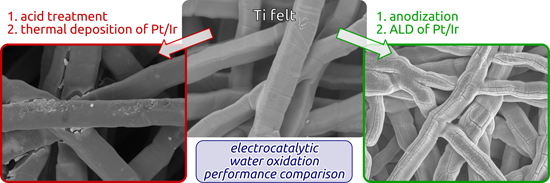
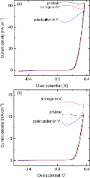
- , Universitetskii pr. 26, 198504 St. Petersburg, Russia 10.3762/bjnano.11.79 Abstract We provide a direct comparison of two distinct methods of Ti felt surface treatment and Pt/Ir electrocatalyst deposition for the positive electrode of regenerative fuel cells and vanadium–air redox flow batteries. Each method is
- ); Introduction Reversible electrochemical energy storage devices such as rechargeable batteries, redox flow batteries (RFBs) and regenerative fuel cells (bifunctional devices able to work as electrolyzers and fuel cells) are at the forefront of a renewable energy economy as they allow one to overcome the
- intermittency of renewable energy sources such as solar and wind power [1][2][3]. The water oxidation (oxygen evolution reaction, OER) and its reverse, the oxygen reduction reaction (ORR) represent the limiting half-reaction of regenerative fuel cells [4][5], of some batteries (metal–air batteries) [6][7] and


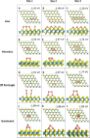
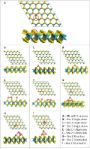
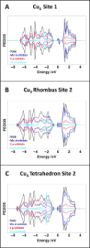
DFT calculations of the structure and stability of copper clusters on MoS2
Beilstein J. Nanotechnol. 2020, 11, 391–406, doi:10.3762/bjnano.11.30
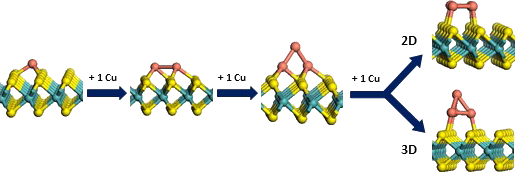
- variety of research areas [1]. These include catalysis [2][3], photonics [4][5], batteries [6], sensors [7][8] and semiconductors and electronics [9][10][11]. More recently, 2D materials have been explored as copper diffusion barriers in CMOS interconnect structures [12][13][14][15]. Furthermore, to
- on adsorption structures of Li at Se-doped MoS2, to study the suitability of the system for application in Li-ion batteries. Li adatoms prefer to adsorb above an Mo atom in the monolayer, and cause the system to become metallic once adsorbed. External strain was found to strongly modify the binding

An advanced structural characterization of templated meso-macroporous carbon monoliths by small- and wide-angle scattering techniques
Beilstein J. Nanotechnol. 2020, 11, 310–322, doi:10.3762/bjnano.11.23
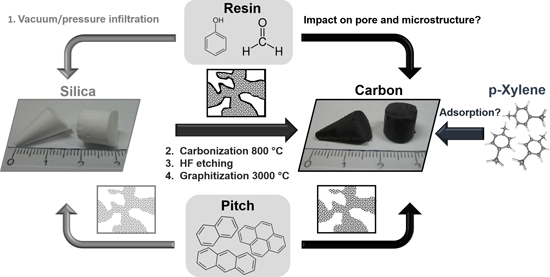
- -ray scattering (WAXS); Introduction and Motivation Porous sp2-hybridized carbon materials are frequently used in various applications such as supercapacitors or batteries for the storage of electric energy, as filters for the purification of air or water, and in adsorption processes [1][2][3][4][5][6


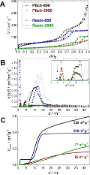


Size effects of graphene nanoplatelets on the properties of high-density polyethylene nanocomposites: morphological, thermal, electrical, and mechanical characterization
Beilstein J. Nanotechnol. 2020, 11, 167–179, doi:10.3762/bjnano.11.14
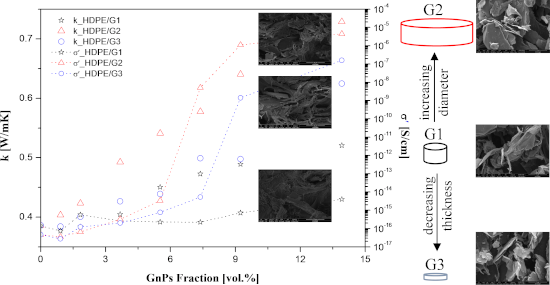
- composites (PMCs); thermal properties; Introduction In recent years, electrically and thermally conductive polymer nanocomposites have attracted considerable attention because of their potential use in many industrial applications, such as aerospace, electronics, packaging, automotives, sensors, batteries



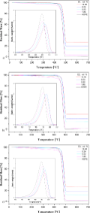
Simple synthesis of nanosheets of rGO and nitrogenated rGO
Beilstein J. Nanotechnol. 2020, 11, 68–75, doi:10.3762/bjnano.11.7
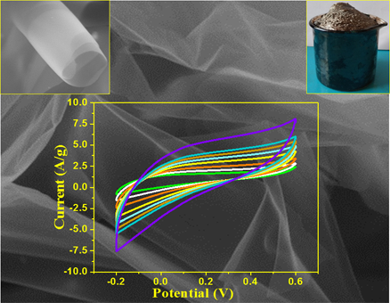
- hybrid systems such as batteries [6], electrodes [7] and photodetectors [8]. In 1958, Hummer and Offeman developed a chemical method to synthesize graphene oxide by acid treatment of graphite [9]. The graphene oxide thus obtained contains oxygen functional groups (–CO–, –COC–) on the surface and edges of


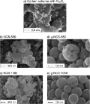
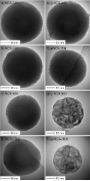
Synthesis of amorphous and graphitized porous nitrogen-doped carbon spheres as oxygen reduction reaction catalysts
Beilstein J. Nanotechnol. 2020, 11, 1–15, doi:10.3762/bjnano.11.1
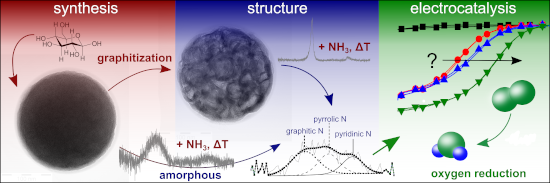
- microporosity of the materials is critical for an efficient ORR. Keywords: amorphous carbon; graphitized carbon; hydrothermal carbonization; nitridation; nitrogen doping; oxygen reduction reaction (ORR); porosity; Introduction Fuel cells and metal–air batteries are important renewable energy technologies





Antimony deposition onto Au(111) and insertion of Mg
Beilstein J. Nanotechnol. 2019, 10, 2541–2552, doi:10.3762/bjnano.10.245
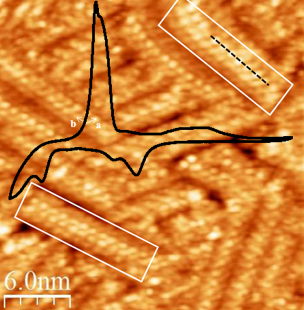
- , Egypt 10.3762/bjnano.10.245 Abstract Magnesium-based secondary batteries have been regarded as a viable alternative to the immensely popular Li-ion systems owing to their high volumetric capacity. One of the largest challenges is the selection of Mg anode material since the insertion/extraction
- : alloy; antimony; Au(111); electrodeposition; insertion; STM; Introduction Rechargeable batteries have become essential energy storing devices, which are widely used in portable electronic devices and hybrid electric vehicles. Magnesium-based secondary batteries have been regarded as a viable
- formation of a solid electrolyte interface (SEI) layer in Li systems. One of the main challenges in the commercialization of Mg-ion batteries is the incompatibility of the magnesium anode with the electrolytes because of the formation of this Mg2+ film. Recently, Sb has been suggested as an alternative






Design and facile synthesis of defect-rich C-MoS2/rGO nanosheets for enhanced lithium–sulfur battery performance
Beilstein J. Nanotechnol. 2019, 10, 2251–2260, doi:10.3762/bjnano.10.217
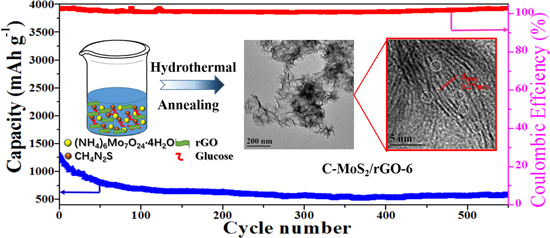
- composite with both large surface area and high porosity for the use as advanced electrode material in lithium–sulfur batteries. Double modified defect-rich MoS2 nanosheets are successfully prepared by introducing reduced graphene oxide (rGO) and amorphous carbon. The conductibility of the cathodes can be
- improved through the combination of amorphous carbon and rGO, which could also limit the dissolution of polysulfides. After annealing at different temperatures, it is found that the C-MoS2/rGO-6-S composite annealed at 600 °C yields a noticeably enhanced performance of lithium–sulfur batteries, with a high
- construction of other high-performance metal disulfide electrodes for electrochemical energy storage. Keywords: annealing; double modification; high-performance electrodes; lithium–sulfur battery; molybdenum disulfide (MoS2); reduced graphene oxide (rGO); Introduction Lithium–sulfur (Li–S) batteries have


Nontoxic pyrite iron sulfide nanocrystals as second electron acceptor in PTB7:PC71BM-based organic photovoltaic cells
Beilstein J. Nanotechnol. 2019, 10, 2238–2250, doi:10.3762/bjnano.10.216
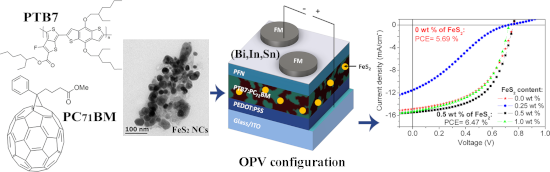
- follow the same trend. Keywords: iron disulfide; nanoparticles; organic photovoltaic cells (OPVs); PTB7; pyrite; Introduction Iron disulfide (FeS2) is a natural earth-abundant and nontoxic material with possible applications in lithium batteries, transistors or photovoltaic (PV) devices [1][2


A novel all-fiber-based LiFePO4/Li4Ti5O12 battery with self-standing nanofiber membrane electrodes
Beilstein J. Nanotechnol. 2019, 10, 2229–2237, doi:10.3762/bjnano.10.215
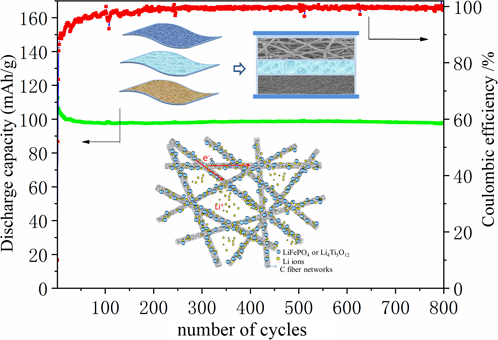
- , Chongqing, 400715, China 10.3762/bjnano.10.215 Abstract Electrodes with high conductivity and flexibility are crucial to the development of flexible lithium-ion batteries. In this study, three-dimensional (3D) LiFePO4 and Li4Ti5O12 fiber membrane materials were prepared through electrospinning and directly
- used as self-standing electrodes for lithium-ion batteries. The structure and morphology of the fibers, and the electrochemical performance of the electrodes and the full battery were characterized. The results show that the LiFePO4 and Li4Ti5O12 fiber membrane electrodes exhibit good rate and cycle
- attributed to the high electronic and ionic conductivity provided by the 3D network structure of the self-standing electrodes. This design and preparation method for all-fiber-based lithium-ion batteries provides a novel strategy for the development of high-performance flexible batteries. Keywords: 3D


Improvement of the thermoelectric properties of a MoO3 monolayer through oxygen vacancies
Beilstein J. Nanotechnol. 2019, 10, 2031–2038, doi:10.3762/bjnano.10.199
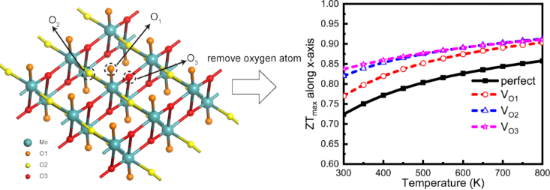
- materials. From insulating to semiconducting and conducting, TMOs exhibit wide-ranging electrical and magnetic characteristics that depend on their geometric structure, doping concentration and stoichiometry ratio [4]. TMOs have been used in many fields such as Li-ion batteries, electrochemical capacitors
- [7] and Li-ion batteries [8][9][10][11]. Like most TMOs, bulk MoO3 has a wide band gap (about 3.0 eV) and low electrical conductivity, which seems inappropriate for thermoelectric devices. However, the electrical properties (including band gap and conductivity) of MoO3 are strongly dependent on the


Facile synthesis of carbon nanotube-supported NiO//Fe2O3 for all-solid-state supercapacitors
Beilstein J. Nanotechnol. 2019, 10, 1923–1932, doi:10.3762/bjnano.10.188
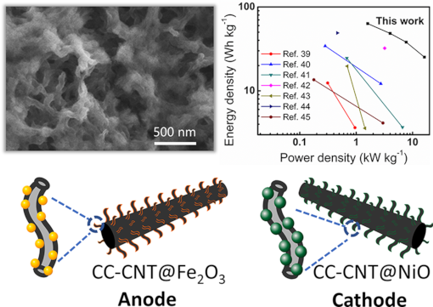
- are widely used in commercial supercapacitors [6][7][8][9]. Although they have a higher capacity than the conventional capacitors, their average energy density is low to about 10 Wh·kg−1 whereas batteries reach 200 Wh·kg−1. Transition metal oxides such as RuO2, MnO2, NiO, and Fe2O3 [10][11][12][13][14





