


Search results
Search for "bioavailability" in Full Text gives 101 result(s) in Beilstein Journal of Nanotechnology.
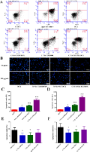
Nanostructured lipid carriers containing benznidazole: physicochemical, biopharmaceutical and cellular in vitro studies
Beilstein J. Nanotechnol. 2023, 14, 804–818, doi:10.3762/bjnano.14.66
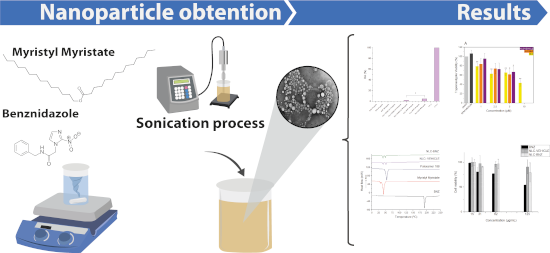
- bioavailability by modifying the absorption, distribution, and elimination of the drug. In this study, BNZ was successfully loaded into nanocarriers composed of myristyl myristate/Crodamol oil/poloxamer 188 prepared by ultrasonication. A stable NLC formulation was obtained, with ≈80% encapsulation efficiency (%EE


Quercetin- and caffeic acid-functionalized chitosan-capped colloidal silver nanoparticles: one-pot synthesis, characterization, and anticancer and antibacterial activities
Beilstein J. Nanotechnol. 2023, 14, 362–376, doi:10.3762/bjnano.14.31
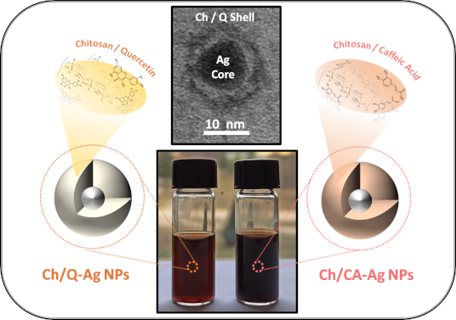
- , especially in medicine [1]. Nanomaterials, especially metallic nanomaterials, show good antibacterial and antimicrobial properties due to their physical and chemical properties and are, thus, an alternative approach to antibiotics [2]. In addition, low bioavailability and water solubility problems are the


Recent progress in cancer cell membrane-based nanoparticles for biomedical applications
Beilstein J. Nanotechnol. 2023, 14, 262–279, doi:10.3762/bjnano.14.24
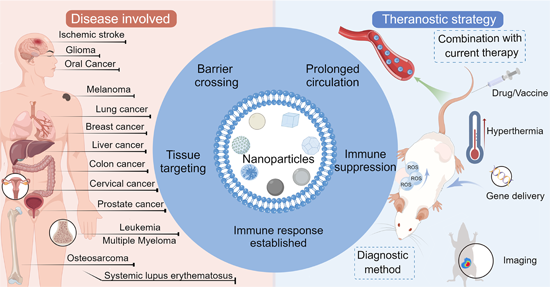
- in clinical cancer treatment. Its bioavailability and antitumor activity in the antitumor process have also been shown to be enhanced by encapsulation with liver cancer cell membranes [75]. Radiotherapy also plays an important role in tumor therapy. Nevertheless, it has been hindered by the
- therapy with biomimetic technology has been shown to effectively improve the biocompatibility and bioavailability of drugs. 4.5 Immunotherapy Traditional tumor treatment methods (e.g., surgical intervention, radiotherapy, and chemotherapy) have a certain effect in clinical antitumor treatment and can


Nanotechnology – a robust tool for fighting the challenges of drug resistance in non-small cell lung cancer
Beilstein J. Nanotechnol. 2023, 14, 240–261, doi:10.3762/bjnano.14.23
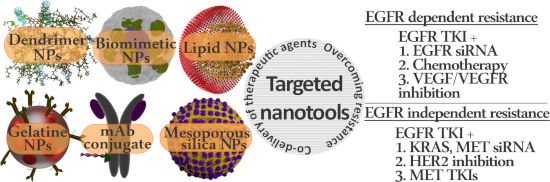
- bioavailability and pharmacokinetic parameters. Notably, the failure of delivery at the right time and at the right place contributes to severe systemic toxicities and ineffectiveness. Successful translation of scientific knowledge of the mechanisms of resistance combined with nanotechnology as a tool for


Orally administered docetaxel-loaded chitosan-decorated cationic PLGA nanoparticles for intestinal tumors: formulation, comprehensive in vitro characterization, and release kinetics
Beilstein J. Nanotechnol. 2022, 13, 1393–1407, doi:10.3762/bjnano.13.115
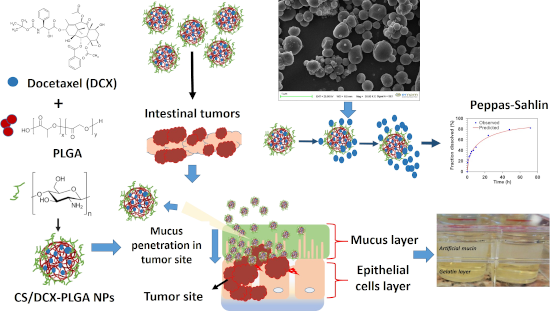
- third most lethal cancers globally, beginning as polyps in the intestine and spreading with a severe metastatic tendency. Chemotherapeutic drugs used in the treatment of intestinal tumors are usually formulated for parenteral administration due to poor solubility and bioavailability problems


Microneedle-based ocular drug delivery systems – recent advances and challenges
Beilstein J. Nanotechnol. 2022, 13, 1167–1184, doi:10.3762/bjnano.13.98
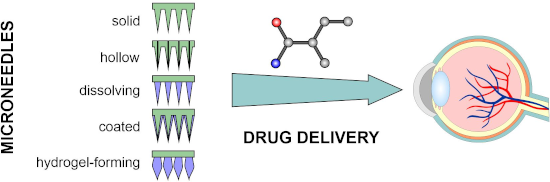
- represent an obvious alternative to the oral forms, which have many limitations such as low bioavailability due to hepatic circulation and potential food interactions, delayed onset of action, and systemic side-effects [34][35][36]. In addition, oral or intravenous administration require the use of higher
- vascular endothelium with tight junctions hampering the permeation of active ingredients to the intraocular area. When designing non-invasive ophthalmic drug dosage forms, the main aim is to improve the bioavailability by increasing the diffusion across sclera, cornea, and conjunctiva [42]. In the case of
- ability to overcome the external barriers of the human body decreasing the effectiveness of topical formulations, and minimal invasiveness. Ocular drug administration is usually associated with many challenges; poor bioavailability is among the most important ones [188]. Specific physiological conditions


Antibacterial activity of a berberine nanoformulation
Beilstein J. Nanotechnol. 2022, 13, 641–652, doi:10.3762/bjnano.13.56
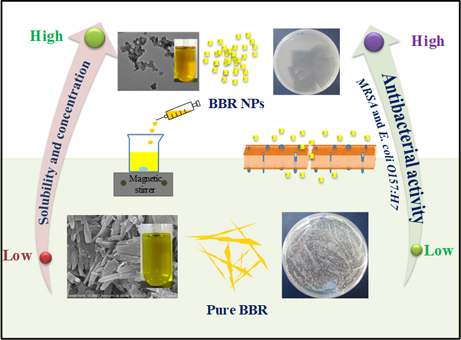
- belongs to the class-III drugs in the biopharmaceutical classification system, indicating that BBR is a lipophilic compound that has poor absorption and low bioavailability [24]. To improve the effectiveness of BBR, many approaches have been proposed, including synergistic effects with other drugs [3
- delivery efficiency of BBR. This nanoformulation increased the oral relative bioavailability to approximately 343% compared to that of the original BBR. Although nanoformulations have emerged as an effective approach to improve the bioavailability of BBR, several drawbacks should be addressed as follows


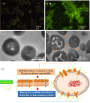

Ciprofloxacin-loaded dissolving polymeric microneedles as a potential therapeutic for the treatment of S. aureus skin infections
Beilstein J. Nanotechnol. 2022, 13, 517–527, doi:10.3762/bjnano.13.43
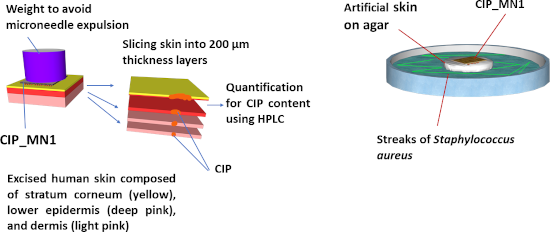
- low bioavailability of orally administered drugs due to poor absorption and enzymatic degradation in the gastrointestinal tract [3][4]. Among the different types of microneedles, dissolving microneedles have attracted research due to their advantages, which include low cost and simple preparation


Ethosomal (−)-epigallocatechin-3-gallate as a novel approach to enhance antioxidant, anti-collagenase and anti-elastase effects
Beilstein J. Nanotechnol. 2022, 13, 491–502, doi:10.3762/bjnano.13.41
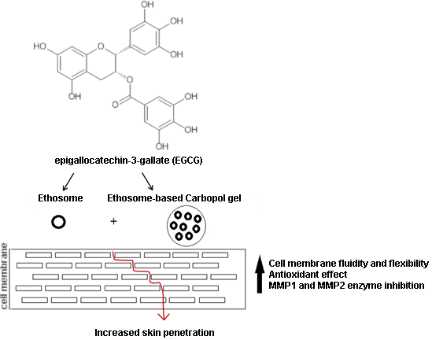
- neurodegenerative disorders [7][8][9]. However, there are some difficulties in the formulation of EGCG such as the first pass metabolism effect, enzymatic degradation, and low bioavailability [8][10]. Skin delivery, besides being painless and noninvasive, has many advantages such as controlled drug delivery



Micro- and nanotechnology in biomedical engineering for cartilage tissue regeneration in osteoarthritis
Beilstein J. Nanotechnol. 2022, 13, 363–389, doi:10.3762/bjnano.13.31
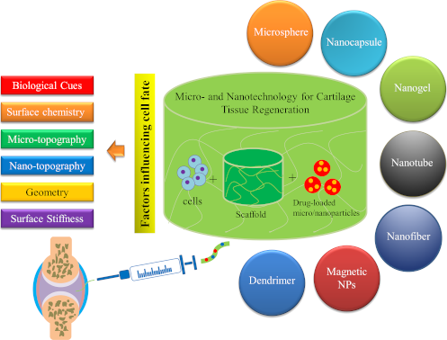
- -loaded NPs. The results of this study showed that the encapsulation of SM in PLGA NPs enhanced its chondroprotective effects by improving the stability and bioavailability of the SM [68]. Curcuminoid-loaded HA-chitosan NPs (HA-CNPs) have demonstrated excellent potential in OA treatment due to providing


Coordination-assembled myricetin nanoarchitectonics for sustainably scavenging free radicals
Beilstein J. Nanotechnol. 2022, 13, 284–291, doi:10.3762/bjnano.13.23
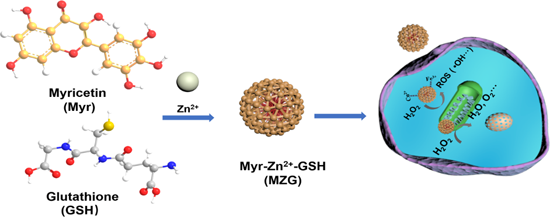
- signal pathways and, thus, of sustainably scavenging radicals. However, Myr is poorly soluble in water, which limits its bioavailability for biomedical applications, and even its clinical therapeutic potential. The antioxidant peptide glutathione (GSH) plays a role as antioxidant in cells and possesses
- offers a new design to harness stable, sustainable antioxidant nanoparticles with high loading capacity, high bioavailability, and good biocompatibility as antioxidants. Keywords: antioxidant; co-assembly; glutathione; myricetin; nanoarchitectonics; Introduction Oxidative stress, caused by an imbalance
- phosphopeptides, exhibited huge therapeutic potential in antioxidant treatments [11][12][13]. Nevertheless, a plenty of disadvantages restrict biomedical applications, namely low biocompatibility of the metal-based nanomaterials, low bioavailability of hydrophobic small-molecule compounds, and easy degradation of


Engineered titania nanomaterials in advanced clinical applications
Beilstein J. Nanotechnol. 2022, 13, 201–218, doi:10.3762/bjnano.13.15
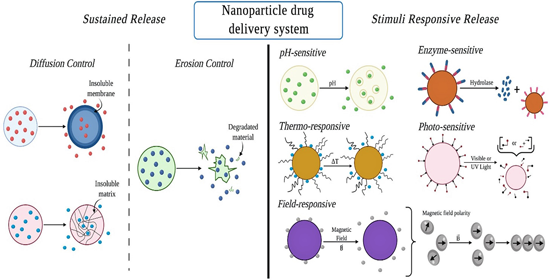
- dendrimer nps as well as inorganic nanoscale drug carriers are currently used for drug delivery [101]. Almost all of them show higher bioavailability as their uptake mechanism is by absorptive endocytosis, and the slow release of drugs in the blood circulatory system efficiently maintains the level of


Biocompatibility and cytotoxicity in vitro of surface-functionalized drug-loaded spinel ferrite nanoparticles
Beilstein J. Nanotechnol. 2021, 12, 1339–1364, doi:10.3762/bjnano.12.99
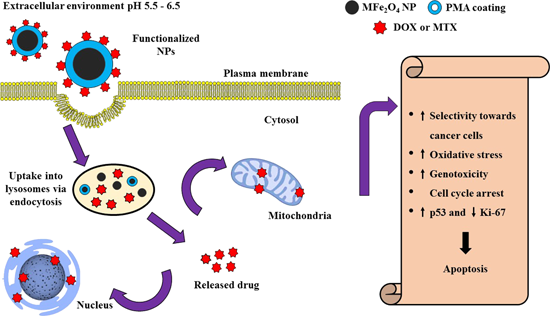
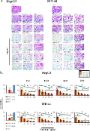
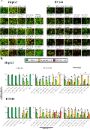
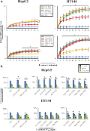
- bioavailability of the encapsulated drug which allows controlled release. Additionally, the attached drug is protected from degradation, which allows an increased circulation time [6]. The targeting of specific tumor tissue is therefore achieved by an increased biodistribution process known as enhanced
- potential values is the interaction between NPs and serum proteins present in DMEM [30]. In cell culture media, NPs agglomerate with serum proteins and are therefore recruited in cells via the protein corona effect, which increases the bioavailability of NPs by many folds [31]. PMA-coated samples have a
- controls. The efficient retention of polymer-functionalized NPs in cancer cells, with the help of the EPR effect and a leaky vasculature system (pore diameter = 100 nm–2 µm) [7], reduces their nonspecific biological interactions with plasma proteins, contributing to a higher bioavailability [37]. SRB





Self-assembly of amino acids toward functional biomaterials
Beilstein J. Nanotechnol. 2021, 12, 1140–1150, doi:10.3762/bjnano.12.85
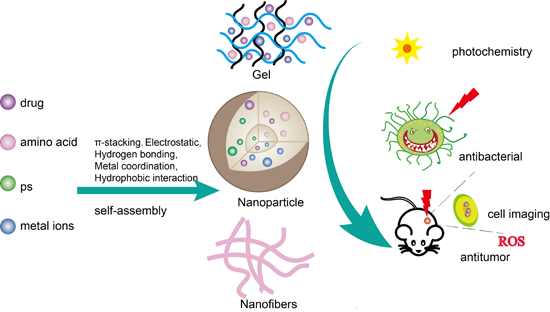
- promising natural antitumor drug, which can inhibit the transformation, proliferation, and migration of tumor cells through various ways, and has anti-angiogenic activity and good biocompatibility [72]. However, the poor water solubility and low bioavailability of curcumin hinder its direct application [73
- ]. Therefore, it is necessary to develop an encapsulation system to improve the bioavailability of curcumin in the tumor microenvironment in order to achieve effective delivery of curcumin and improve the therapeutic effect [74]. Li et al. [75] dissolved 9-Fmoc-ʟ-histidine (Fmoc-H) in hexafluoropropofol or
- inherent disadvantages of PS, such as hydrophobicity and easy aggregation under physiological conditions, reduce its therapeutic efficiency [77]. Using nanotechnology to encapsulate PS in nanoparticles can effectively solve this problem, improve the bioavailability of PS, and achieve targeted delivery of

Use of nanosystems to improve the anticancer effects of curcumin
Beilstein J. Nanotechnol. 2021, 12, 1047–1062, doi:10.3762/bjnano.12.78
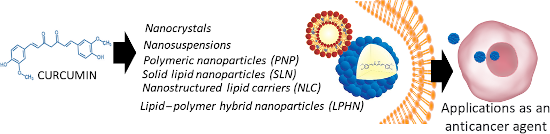
- metabolism, low bioavailability, and fast elimination of the molecule. Considering this, the present work reviews the use of CUR-based nanosystems as anticancer agents, including conventional nanosystems (i.e., liposomes, nanoemulsions, nanocrystals, nanosuspensions, polymeric nanoparticles) and nanosystems
- solubility, lack of specificity, high toxicity, poor therapy index, and multidrug resistance are other related drawbacks [6][7]. Orally administered chemotherapy is currently unsuitable due to the low bioavailability of chemotherapeutic agents [8], making intravenous the only viable route of administration
- , since it avoids bioavailability issues. However, this results in increased toxicity and side effects [3]. Therefore, one of the goals of new and/or improved cancer therapies is for the drug to only target malignant cells in sufficient concentrations and with minimal distribution to other tissues to


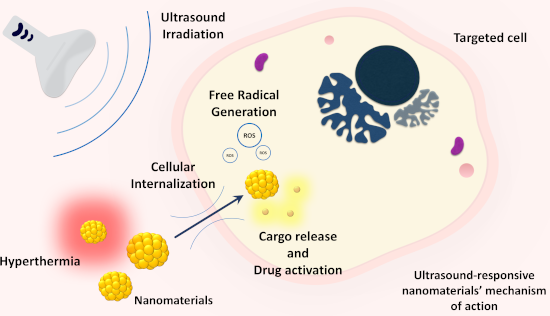
Comprehensive review on ultrasound-responsive theranostic nanomaterials: mechanisms, structures and medical applications
Beilstein J. Nanotechnol. 2021, 12, 808–862, doi:10.3762/bjnano.12.64


The impact of molecular tumor profiling on the design strategies for targeting myeloid leukemia and EGFR/CD44-positive solid tumors
Beilstein J. Nanotechnol. 2021, 12, 375–401, doi:10.3762/bjnano.12.31
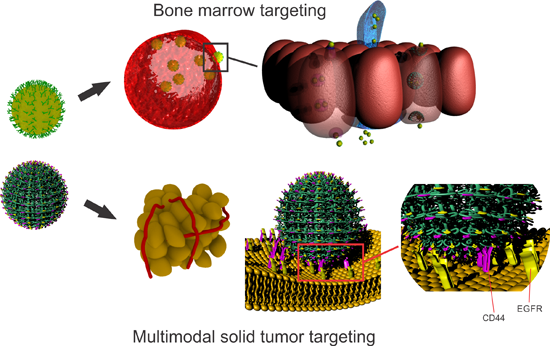
- transcription factors, but also as roadmaps for active targeting using novel nanoparticles (NPs). Furthermore, the use of nanotechnology for the delivery of cytotoxic drugs can also be valuable in facilitating cell-specific administration of drugs, improving their bioavailability, reducing side effects, and


Doxorubicin-loaded gold nanorods: a multifunctional chemo-photothermal nanoplatform for cancer management
Beilstein J. Nanotechnol. 2021, 12, 295–303, doi:10.3762/bjnano.12.24
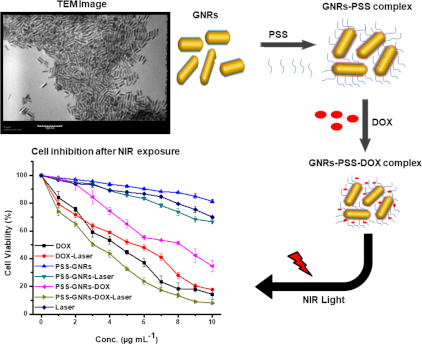
- limited due to several unwanted characteristics of poor solubility, broad bioavailability range, narrow therapeutic index, rapid elimination from systemic circulation, unselective site of action after oral/intravenous administration, and cytotoxic effects on normal tissues [6]. The anticancer drug


Characterization, bio-uptake and toxicity of polymer-coated silver nanoparticles and their interaction with human peripheral blood mononuclear cells
Beilstein J. Nanotechnol. 2021, 12, 282–294, doi:10.3762/bjnano.12.23
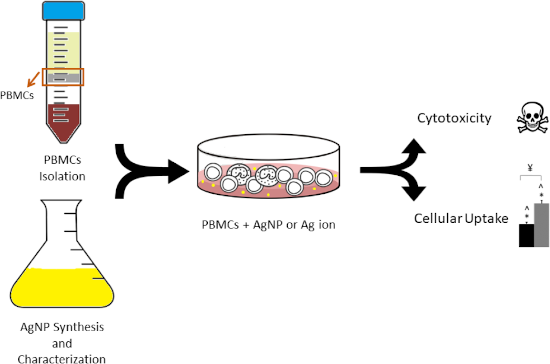
- anti-inflammatory cytokines. Despite the increased usage of and the likely increased exposure to AgNPs, there is a lack of quantitative analysis of bio-uptake and potential cytotoxicity in PBMCs after exposure to well-characterized AgNPs. A number of studies have investigated the bioavailability and



Differences in surface chemistry of iron oxide nanoparticles result in different routes of internalization
Beilstein J. Nanotechnol. 2021, 12, 270–281, doi:10.3762/bjnano.12.22
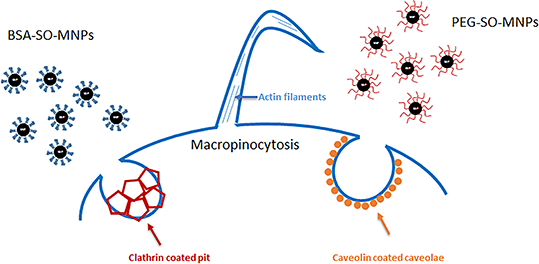
- 40–50 nm in diameter [14], or glycosylphosphatidylinositol (GPI)-anchored proteins [15]. Inorganic nanoparticles are frequently engineered with an organic surface coating to improve their biocompatibility, colloidal stability, and bioavailability. Moreover, the coating facilitates their further



PEG/PEI-functionalized single-walled carbon nanotubes as delivery carriers for doxorubicin: synthesis, characterization, and in vitro evaluation
Beilstein J. Nanotechnol. 2020, 11, 1728–1741, doi:10.3762/bjnano.11.155
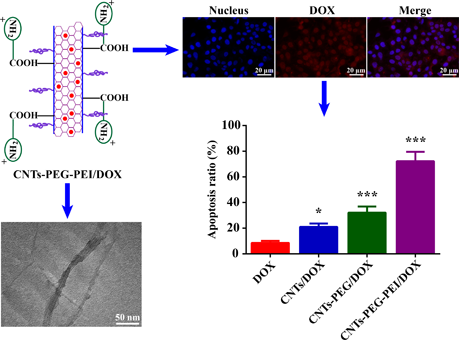
- , including CNTs [25]. Premature removal by the RES will inevitably hamper the absorption efficiency, resulting in a decrease of circulating half-life and reduced bioavailability at the intended delivery site [26][27]. Several strategies have been developed to modify particle surfaces to address this




Antimicrobial metal-based nanoparticles: a review on their synthesis, types and antimicrobial action
Beilstein J. Nanotechnol. 2020, 11, 1450–1469, doi:10.3762/bjnano.11.129
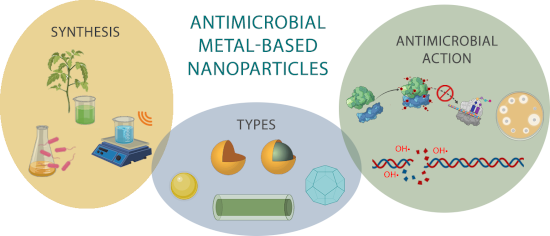
- Cu NPs. The bioavailability of these antimicrobial NPs had lower MIC values against E. coli and B. subtilis than copper hydroxide particles in suspension [143]. Silver carbon complexes with different formulations, including micelles and NPs, have also shown an antimicrobial effect since they inhibit


Key for crossing the BBB with nanoparticles: the rational design
Beilstein J. Nanotechnol. 2020, 11, 866–883, doi:10.3762/bjnano.11.72
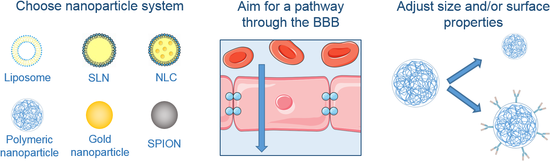
- study by Dal Magro et al., the brain bioavailability in mice of SLNs functionalized with an ApoE-derived peptide was studied depending on the administration route of the nanoparticles. The nanoparticles were administered either by the intraperitoneal, the intravenous or the intratracheal route [66


Luminescent gold nanoclusters for bioimaging applications
Beilstein J. Nanotechnol. 2020, 11, 533–546, doi:10.3762/bjnano.11.42
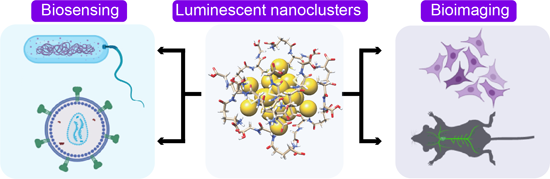
- , semiconductor quantum dots suffer from toxicity and are susceptible to oxidation. In this context, atomically precise gold nanoclusters protected by thiol monolayers have emerged as a new class of luminescent nanomaterials. Low toxicity, bioavailability, photostability as well as tunable size, composition, and
- bioavailability and luminescence and were non-toxic. The AuNCFs frameworks, because of their highly luminescent nature, also allowed for better imaging compared to [Au25(SG)18]-treated cells. In vivo bioimaging Conpared to cell-line and isolated in vitro studies, in vivo imaging using animal models faces
- selective formation and imaging (Figure 8). Conclusion The unique chemical, optical and catalytic properties of gold nanoclusters have led to rapid progress in their application. This can be attributed to tunable photoluminescence, low toxicity, high bioavailability and renal clearance. The studies on


Design of a nanostructured mucoadhesive system containing curcumin for buccal application: from physicochemical to biological aspects
Beilstein J. Nanotechnol. 2019, 10, 2304–2328, doi:10.3762/bjnano.10.222
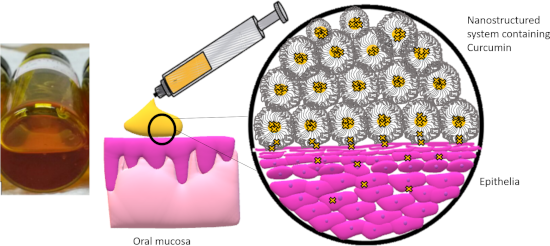
- due to some important characteristics. They can provide intimate contact between the dosage form and tissue, which could guarantee high drug flux through the absorbing tissue to subsequently increase drug permeation and bioavailability [14][15]. In addition, the incorporation of thermoresponsive
- formation of phenylate anions and high production of CUR radicals, since this polyphenol has demonstrated high lipophilicity (log P 3.29) and low solubility in aqueous solutions and under alkaline conditions (pH > 7) [30][31][42]. These physicochemical characteristics hinder the bioavailability and
- the cancer lesions with higher bioavailability [73]. The calculation of mucoadhesive force and adhesion work has already been discussed by other authors [70] since mucoadhesive force is the most commonly used parameter to describe mucoadhesion. However, adhesion work seems to be influenced by the





