Search results
Search for "energy-dispersive X-ray spectroscopy (EDX)" in Full Text gives 88 result(s) in Beilstein Journal of Nanotechnology.
Cyclodextrin-assisted synthesis of tailored mesoporous silica nanoparticles
Beilstein J. Nanotechnol. 2018, 9, 693–703, doi:10.3762/bjnano.9.64
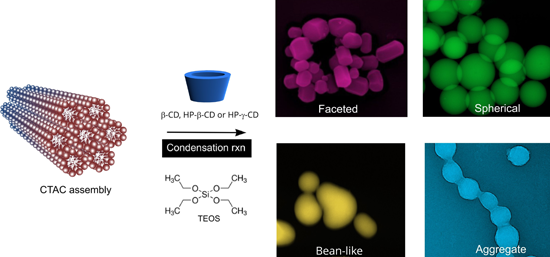
- . 100 particles from SEM images using ImageJ software (NIH, Bethesda, MD, USA). Energy-dispersive X-ray spectroscopy (EDX) was used to determine the elemental composition of the MSN samples at 30 kV and 4.5 mA. Transmission electron microscopy (TEM, FEI Tecnai G2F30) analysis was performed on the


Optimisation of purification techniques for the preparation of large-volume aqueous solar nanoparticle inks for organic photovoltaics
Beilstein J. Nanotechnol. 2018, 9, 649–659, doi:10.3762/bjnano.9.60
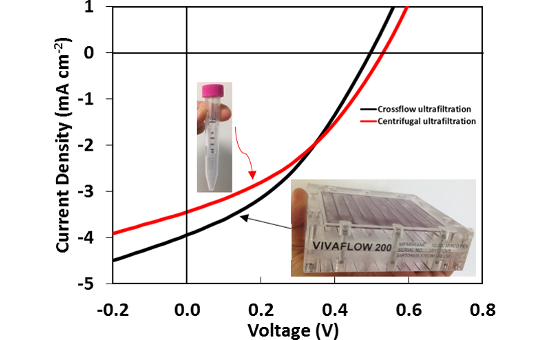
- accelerating voltage of 2 kV and magnification ranges of 10,000–100,000×), with concurrent energy dispersive X-ray spectroscopy (EDX) measurements. For SEM, NP films were coated on conductive silicon substrates by spin coating, where 2.5 µL of NP ink was diluted in 12.5 µL of water and spun at 3000 rpm speed


BN/Ag hybrid nanomaterials with petal-like surfaces as catalysts and antibacterial agents
Beilstein J. Nanotechnol. 2018, 9, 250–261, doi:10.3762/bjnano.9.27
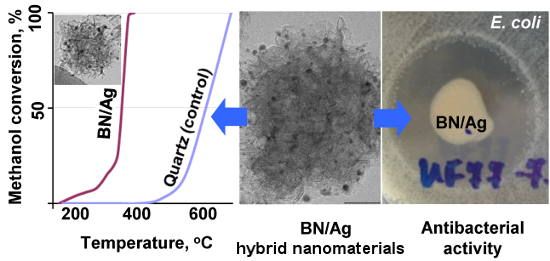
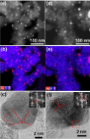
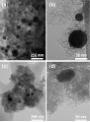
- means of high-resolution transmission electron microscopy (HRTEM), high-angular dark field scanning TEM (HADF-STEM) imaging and energy-dispersive X-ray spectroscopy (EDX) mapping using a JEM-2100 microscope (JEOL) equipped with an energy-dispersive X-ray spectrometer (Oxford Instruments) and a STEM





Gas-assisted silver deposition with a focused electron beam
Beilstein J. Nanotechnol. 2018, 9, 224–232, doi:10.3762/bjnano.9.24
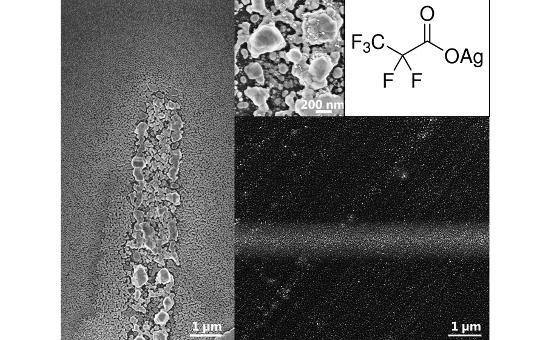
- diameter was chosen. For precise positioning, the GIS was fixed inside the chamber on a three-axis stage. The GIS was positioned at 200 µm lateral distance to the deposit and approximately 2 mm above the substrate. High resolution scanning electron microscopy and energy-dispersive X-ray spectroscopy (EDX


Comparative study of post-growth annealing of Cu(hfac)2, Co2(CO)8 and Me2Au(acac) metal precursors deposited by FEBID
Beilstein J. Nanotechnol. 2018, 9, 91–101, doi:10.3762/bjnano.9.11
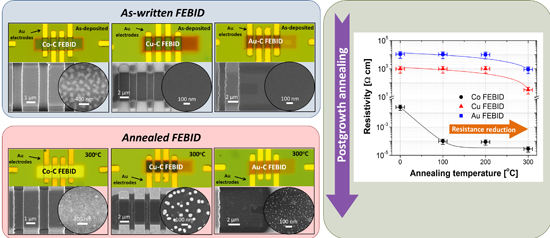
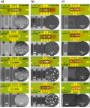
- pure Au agglomerates inside and on top of the carbonaceous matrix. Chemical characterisation EDX analysis The atomic percentages of the constituent elements of the Co–C–O, Cu–C–F–O and Au–C–O FEBID materials were determined using energy-dispersive X-ray spectroscopy (EDX), performed using a Hitachi S


The rational design of a Au(I) precursor for focused electron beam induced deposition
Beilstein J. Nanotechnol. 2017, 8, 2753–2765, doi:10.3762/bjnano.8.274
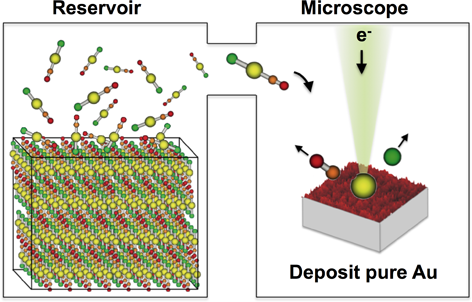
- EDAX detector for energy-dispersive X-ray spectroscopy (EDX). The samples were inserted free of oxygen and water. The composition and morphology were characterized directly after inserting, and after 12 h in high vacuum. X-ray diffraction High-quality single crystals of MeAuPMe3 were grown by


Enhanced photoelectrochemical water splitting performance using morphology-controlled BiVO4 with W doping
Beilstein J. Nanotechnol. 2017, 8, 2640–2647, doi:10.3762/bjnano.8.264
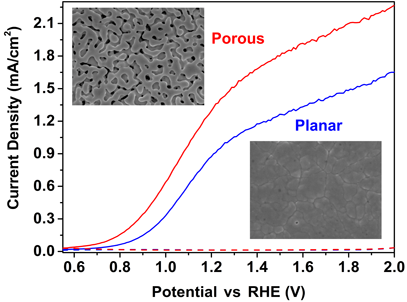
- °. Elemental analysis was conducted by energy-dispersive X-ray spectroscopy (EDX) equipped on a field-emission scanning electron microscopy (FESEM, JEOL JSM-7600F). Light absorption was measured using a UV–visible spectrophotometer by measuring the reflectance and transmittance with an integrating sphere


Localized growth of carbon nanotubes via lithographic fabrication of metallic deposits
Beilstein J. Nanotechnol. 2017, 8, 2592–2605, doi:10.3762/bjnano.8.260
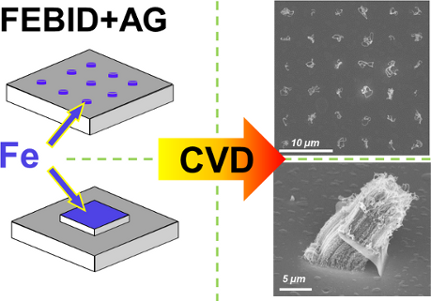
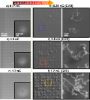
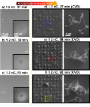
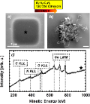
- ) CNT growth after a CVD experiment at 1133 K. (c) CNT growth after the CVD experiment at 1073 K. Energy dispersive X-ray spectroscopy (EDX) spectra were recorded at the indicated positions (1, 2 and 3) in (b) and details can be found in Supporting Information File 1. Lifted-up carbon nanotube (CNT
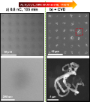
- ) forest structures produced on various Fe nanostructures. (a), (b) and (c) Bending forests grown on EBID Fe nanostructures with different shapes. (d) SEM micrographs at high magnification at the position indicated in (c). (e) Energy dispersive X-ray spectroscopy (EDX) spectrum at the position by the blue




Synthesis of metal-fluoride nanoparticles supported on thermally reduced graphite oxide
Beilstein J. Nanotechnol. 2017, 8, 2474–2483, doi:10.3762/bjnano.8.247
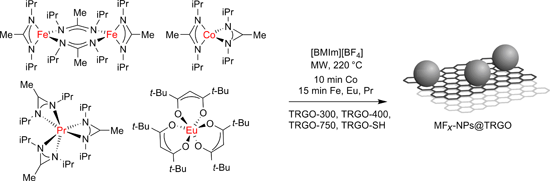
- identified by powder X-ray diffraction (PXRD) to be MF2 for M = Fe, Co and MF3 for M = Eu, Pr. The diameters and size distributions of MFx@TRGO were from (6 ± 2) to (102 ± 41) nm. Energy-dispersive X-ray spectroscopy (EDX) and X-ray photoelectron spectroscopy (XPS) were used for further characterization of


Near-infrared-responsive, superparamagnetic Au@Co nanochains
Beilstein J. Nanotechnol. 2017, 8, 1680–1687, doi:10.3762/bjnano.8.168
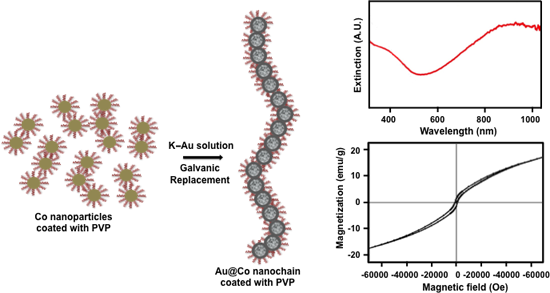
- electron diffraction (SAED) shown in the inset is also consistent with a single-phase fcc structure [36]. The chemical composition of the bimetallic nanochains was evaluated by energy dispersive X-ray spectroscopy (EDX) and X-ray photoelectron spectroscopy (XPS). Figure 4 shows the EDX spectrum with peaks


Group-13 and group-15 doping of germanane
Beilstein J. Nanotechnol. 2017, 8, 1642–1648, doi:10.3762/bjnano.8.164
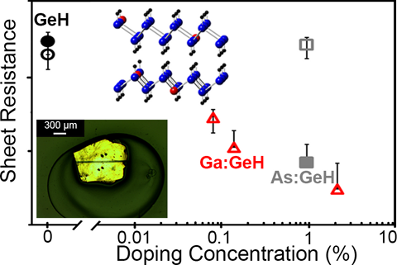
- % in GeH indicating that this is the maximum amount of As that can be substituted in CaGe2. The lack of any other distinguishing phase in the XRD suggests that Ga and As are part of the germanane lattice. Scanning electron microscopy (SEM) with energy-dispersive X-ray spectroscopy (EDX) provided



Preparation of thick silica coatings on carbon fibers with fine-structured silica nanotubes induced by a self-assembly process
Beilstein J. Nanotechnol. 2017, 8, 1145–1155, doi:10.3762/bjnano.8.116
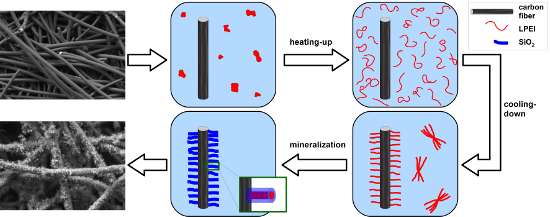
- /silica hybrid particles) and 150 °C (calcined silica nanotubes), respectively. Energy-dispersive X-ray spectroscopy (EDX) was performed with a XL30 FEG ESEM (environmental scanning electron microscope, FEI/Philips) equipped with an EDAX SiLi detector. The ESEM was used for electron micrographs in low


Growth, structure and stability of sputter-deposited MoS2 thin films
Beilstein J. Nanotechnol. 2017, 8, 1115–1126, doi:10.3762/bjnano.8.113
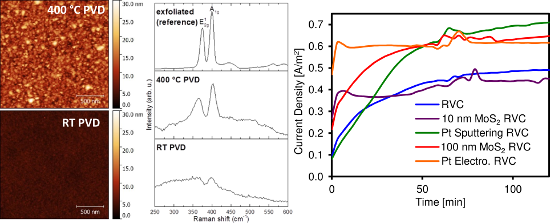
- process may result in non-stoichiometric, sulfur rich composition in our PVD films. In keeping with this, energy dispersive X-ray spectroscopy (EDX) analysis of the films in general gave slightly S-enriched Mo/S ratios of 1:2.1. Furthermore, also argon or residual oxygen might have been incorporated into
- incident angle of αi = 0.13° was chosen to enhance the scattered intensities of the adsorbate. The angular scans have been transferred to scattering vector notation using q = 4πsin(Θ)/λxt. Scanning electron microscopy (SEM) and energy dispersive X-ray spectroscopy (EDX) and focused ion beam (FIB


Role of oxygen in wetting of copper nanoparticles on silicon surfaces at elevated temperature
Beilstein J. Nanotechnol. 2017, 8, 425–433, doi:10.3762/bjnano.8.45
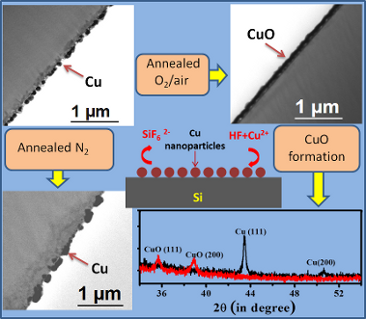
- rapid thermal annealing has been performed under various atmospheric conditions. In spite of the general tendency of the agglomeration of nanoparticles to lower the surface energy at elevated temperatures, our plan-view and cross-sectional transmission electron microscopy (TEM), energy dispersive X-ray
- spectroscopy (EDX) and X-ray diffraction (XRD) analysis shows that the thermal oxidation of the copper nanoparticles and formation of cupric oxide (CuO) on silicon surfaces leads to wetting rather than agglomeration. In contrast, agglomeration has been observed when copper nanoparticles were annealed in a


Photocatalysis applications of some hybrid polymeric composites incorporating TiO2 nanoparticles and their combinations with SiO2/Fe2O3
Beilstein J. Nanotechnol. 2017, 8, 272–286, doi:10.3762/bjnano.8.30
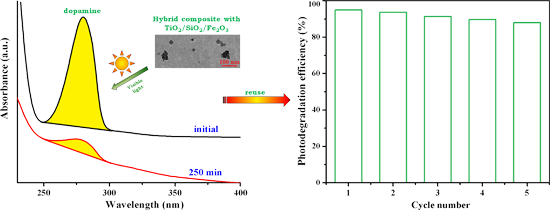
- urethane dimethacrylate (PTHF-UDMA) to be UV photopolymerized in the presence of Irgacure 819 as photoinitiator. This process led to the formation of flexible polymer networks (S1–S4). Energy-dispersive X-ray spectroscopy (EDX) was employed to evaluate the chemical composition (qualitative and quantitative


A composite structure based on reduced graphene oxide and metal oxide nanomaterials for chemical sensors
Beilstein J. Nanotechnol. 2016, 7, 1421–1427, doi:10.3762/bjnano.7.133
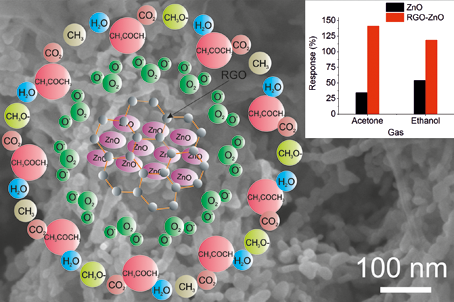
- and annealed the prepared hybrid material in a furnace at 250 °C in an atmosphere of 20% O2 and 80% Ar for 1 h. The surface morphology of the samples was studied by means of a LEO 1525 scanning electron microscope (SEM) equipped with a field emission gun. Energy dispersive X-ray spectroscopy (EDX) was


Mesoporous hollow carbon spheres for lithium–sulfur batteries: distribution of sulfur and electrochemical performance
Beilstein J. Nanotechnol. 2016, 7, 1229–1240, doi:10.3762/bjnano.7.114
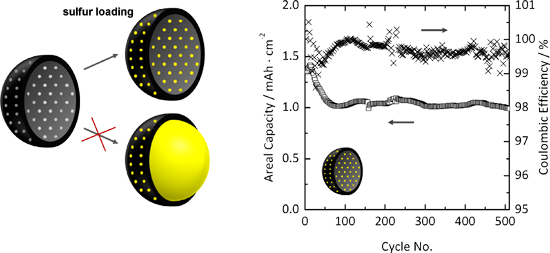
- spheres. It remains unclear at present, whether the cavity and the micro- or mesopores of the shell are both accessible for sulfur infiltration. The analysis of sulfur distribution in the literature is usually conducted by energy dispersive X-ray spectroscopy (EDX) measurements using either a transmission


A single-source precursor route to anisotropic halogen-doped zinc oxide particles as a promising candidate for new transparent conducting oxide materials
Beilstein J. Nanotechnol. 2015, 6, 2161–2172, doi:10.3762/bjnano.6.222
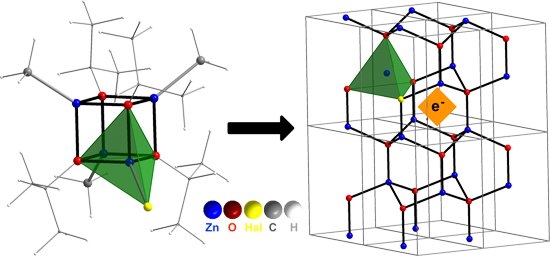
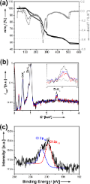
- selected-area energy dispersive X-ray spectroscopy (EDX) (Figure 2b) and X-ray photoelectron spectroscopy (Figure 2c). The maximum concentration of Cl in the ZnO lattice we could reach via this method is 3.6 atom % (≡ZnO0.964Cl0.036). The low chlorine values compared to the molecular precursor shows that



Optimized design of a nanostructured SPCE-based multipurpose biosensing platform formed by ferrocene-tethered electrochemically-deposited cauliflower-shaped gold nanoparticles
Beilstein J. Nanotechnol. 2015, 6, 1840–1852, doi:10.3762/bjnano.6.187
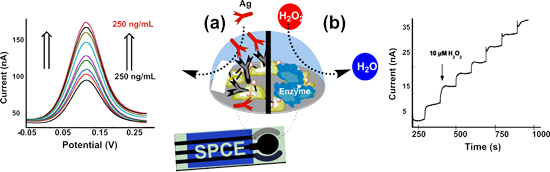
- employed to perform the electrochemical experiments. Each SPCE comprises of a 3 mm disk used as a carbon working electrode, a printed Ag/AgCl reference electrode and a carbon counter-electrode. SEM micrographs and energy-dispersive X-ray spectroscopy (EDX) analysis were recorded using a FEI Quanta 650 FEG


Structural transitions in electron beam deposited Co–carbonyl suspended nanowires at high electrical current densities
Beilstein J. Nanotechnol. 2015, 6, 1298–1305, doi:10.3762/bjnano.6.134
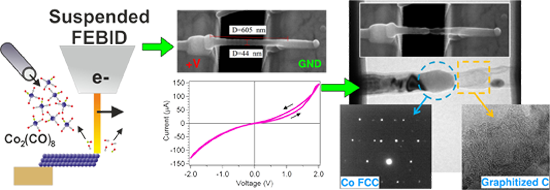
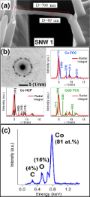
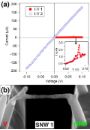
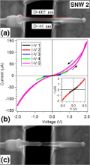
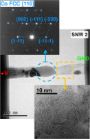
- was performed with a JEOL 2010 microscope, equipped with energy dispersive X-ray spectroscopy (EDX) system (Oxford INCA 100) for composition analysis. Results and Discussion In Figure 1a, an example of Co–carbonyl SNW deposited by FEBID is shown. The suspended wire is deposited across the slit and

Nanostructuring of GeTiO amorphous films by pulsed laser irradiation
Beilstein J. Nanotechnol. 2015, 6, 893–900, doi:10.3762/bjnano.6.92
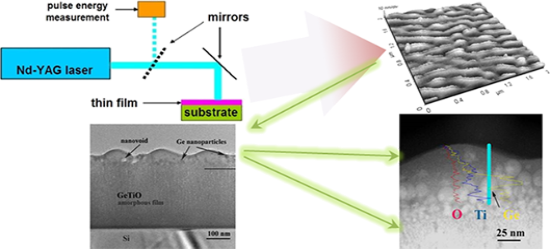
- annular dark field (STEM-HAADF) imaging and energy-dispersive X-ray spectroscopy (EDX). The estimation of the film surface temperature was performed by using the Heat Flow software [24]. Results A quasi-coherent wave relief with a periodicity of about 200 nm and 10 nm amplitude was observed on the surface


Low-cost formation of bulk and localized polymer-derived carbon nanodomains from polydimethylsiloxane
Beilstein J. Nanotechnol. 2015, 6, 744–748, doi:10.3762/bjnano.6.76
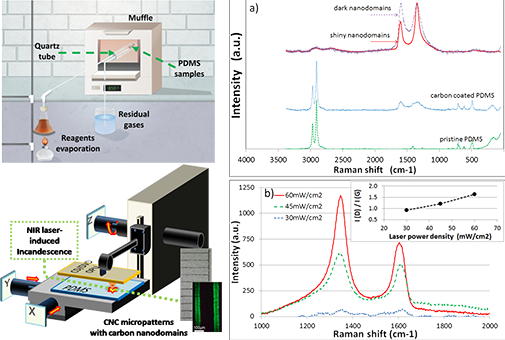
- has been clearly identified by the presence of fluorescent compounds inside the channels. The composition of the combustion residues has been characterized first with a NORAN energy dispersive X-ray spectroscopy (EDX) system working at 20 keV in a scanning electron microscope (Jeol JSM-5600LV). The


Interaction of dermatologically relevant nanoparticles with skin cells and skin
Beilstein J. Nanotechnol. 2014, 5, 2363–2373, doi:10.3762/bjnano.5.245
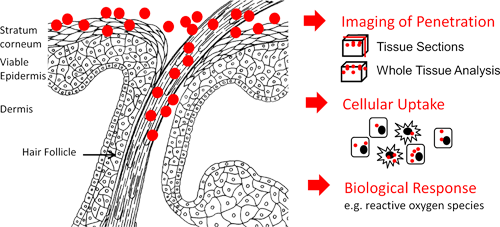
- spectroscopic data. Following similar approaches, Adachi et al. performed transmission electron microscopy (TEM) and energy dispersive X-ray spectroscopy (EDX) measurements on murine skin after up to 8 weeks of daily sunscreen application with similar results [10]. However, a loss of particles during fixation


PVP-coated, negatively charged silver nanoparticles: A multi-center study of their physicochemical characteristics, cell culture and in vivo experiments
Beilstein J. Nanotechnol. 2014, 5, 1944–1965, doi:10.3762/bjnano.5.205

- (TEM), this technique requires thin samples and, hence, slicing of the samples as well as additional staining, which both might change the properties of the samples. Furthermore, energy dispersive X-ray spectroscopy (EDX) combined with TEM has only limited spectral and spatial resolution and


Probing the electronic transport on the reconstructed Au/Ge(001) surface
Beilstein J. Nanotechnol. 2014, 5, 1463–1471, doi:10.3762/bjnano.5.159
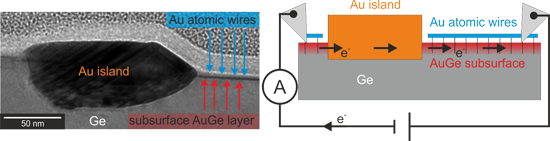
- a gas injection system by the electron beam and the FIB beam was used to cut out the lamella. The high resolution (HR) TEM and high angle annular dark field (HAADF) scanning TEM images together with energy dispersive X-ray spectroscopy (EDX) analysis of the sample were obtained by the FEI Tecnai