


Search results
Search for "infrared spectroscopy" in Full Text gives 187 result(s) in Beilstein Journal of Nanotechnology.
In search of cytotoxic selectivity on cancer cells with biogenically synthesized Ag/AgCl nanoparticles
Beilstein J. Nanotechnol. 2022, 13, 1505–1519, doi:10.3762/bjnano.13.124
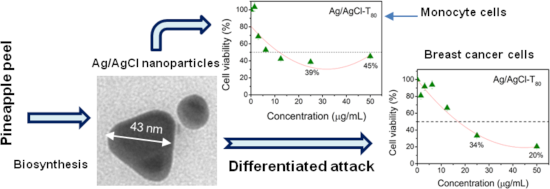
- pineapple peel extracts and their behavior on the breast cancer cell line MCF-7 is shown. Bioreactions were monitored at different temperatures. Fourier-transform infrared spectroscopy (FTIR), ultraviolet–visible spectroscopy (UV–vis), thermogravimetric analysis (TGA), X-ray diffraction (XRD), energy





Rapid and sensitive detection of box turtles using an electrochemical DNA biosensor based on a gold/graphene nanocomposite
Beilstein J. Nanotechnol. 2022, 13, 1458–1472, doi:10.3762/bjnano.13.120
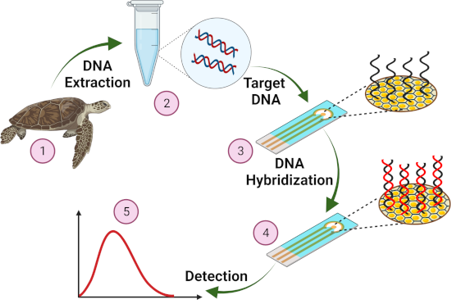
- scanning electron microscopy and structural characteristics were analysed by using energy-dispersive X-ray, UV–vis, and Fourier-transform infrared spectroscopy. The electrochemical characteristics of the modified electrodes were studied by cyclic voltammetry, differential pulse voltammetry (DPV), and
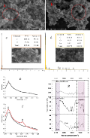
- the composite (Figure 2f) indicated the presence of AuNPs. Fourier-transform infrared spectroscopy (FTIR) was used to investigate the vibrational spectrum of the functional groups present in the nanoparticles and their composites. The FTIR spectra of Gr, AuNPs, and DNA/AuNPs/Gr were fused in Figure 2g



Application of nanoarchitectonics in moist-electric generation
Beilstein J. Nanotechnol. 2022, 13, 1185–1200, doi:10.3762/bjnano.13.99
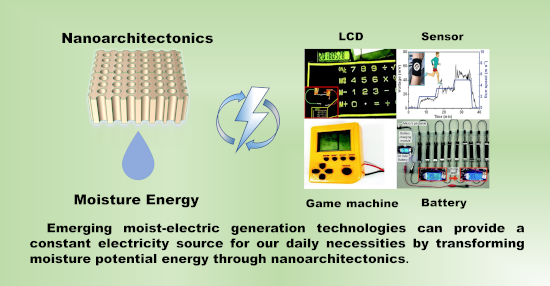
- bonding near the cathode, measured by infrared spectroscopy (Figure 8f,g). Under moist conditions, a voltage signal could be measured in the gradient structure device, while the PDA film without polarization treatment did not produce an obvious voltage or current signal. This lateral gradient


Rapid fabrication of MgO@g-C3N4 heterojunctions for photocatalytic nitric oxide removal
Beilstein J. Nanotechnol. 2022, 13, 1141–1154, doi:10.3762/bjnano.13.96
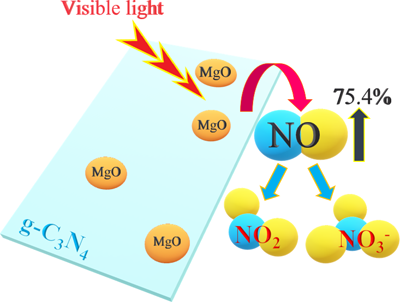
- -transform infrared spectroscopy (FTIR) was used to determine the chemical bond composition of the materials. Differential reflectance spectroscopy (DRS) determined the change in the bandgap of the materials. The elements of the materials were identified by high-resolution X-ray photoelectron spectroscopy





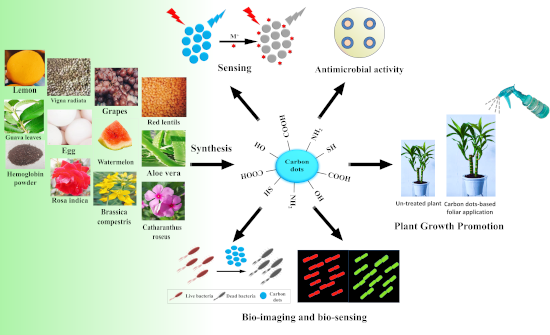
Recent advances in green carbon dots (2015–2022): synthesis, metal ion sensing, and biological applications
Beilstein J. Nanotechnol. 2022, 13, 1068–1107, doi:10.3762/bjnano.13.93




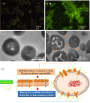
Antibacterial activity of a berberine nanoformulation
Beilstein J. Nanotechnol. 2022, 13, 641–652, doi:10.3762/bjnano.13.56
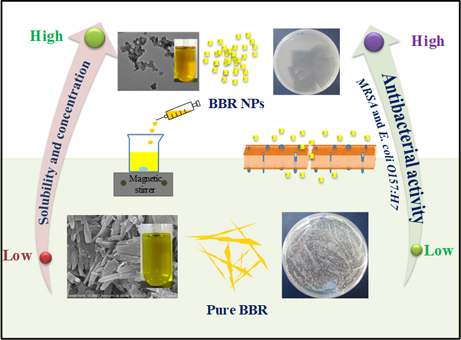
- solution were determined using Fourier-transform infrared spectroscopy (FTIR, NEXUS 670 from Nicolet). The FTIR analysis was conducted in transmission mode in the wavenumber range of 400 to 4000 cm−1. Size and shape of BBR NPs were investigated by scanning electron microscopy (SEM, S-4800, Hitachi) and



Investigation of electron-induced cross-linking of self-assembled monolayers by scanning tunneling microscopy
Beilstein J. Nanotechnol. 2022, 13, 462–471, doi:10.3762/bjnano.13.39
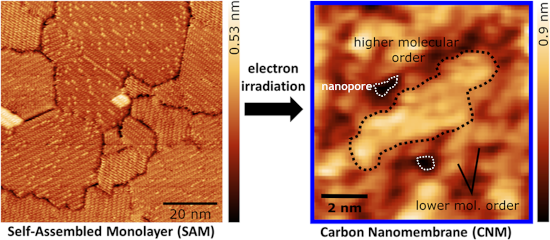
- separation [36][37][38][39][40][41][42]. The interactions between aromatic SAMs and electrons have been studied by X-ray photoelectron spectroscopy (XPS), near-edge X-ray-absorption fine-structure (NEXAFS) technique [43][44][45][46][47][48][49], infrared spectroscopy [43][50][51][52], high-resolution


The preparation temperature influences the physicochemical nature and activity of nanoceria
Beilstein J. Nanotechnol. 2021, 12, 525–540, doi:10.3762/bjnano.12.43
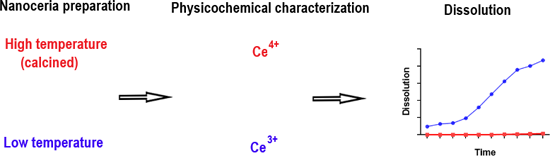
- 900 °C at 10 °C/min. Fourier-transform infrared spectroscopy (FTIR) (Nicolet 6700 FTIR with a diamond ATR crystal) was used to detect organic functional groups on the ENM surface. Thirty-two scans were completed. Nanoceria calcination Two samples (6.5 and 6.7 mg) of solvothermally synthesized
- determinations. Non-baseline corrected Fourier-transform infrared spectroscopy of NM-212 with peaks indicated by dashed lines at 1630, 1420, and 1320 cm−1. Transmission electron microscopy image of calcined solvothermally synthesized nanoceria. Electron energy loss spectroscopy of calcined solvothermally




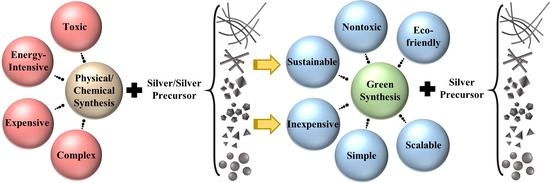
A review on the green and sustainable synthesis of silver nanoparticles and one-dimensional silver nanostructures
Beilstein J. Nanotechnol. 2021, 12, 102–136, doi:10.3762/bjnano.12.9


Bulk chemical composition contrast from attractive forces in AFM force spectroscopy
Beilstein J. Nanotechnol. 2021, 12, 58–71, doi:10.3762/bjnano.12.5
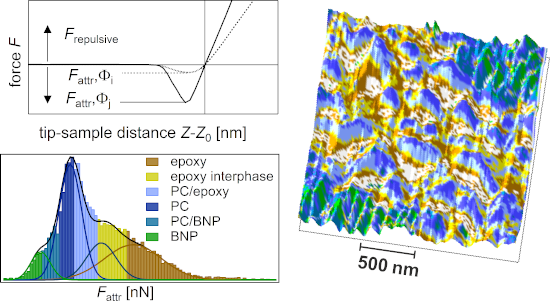
- material phases based on AFM topography. Additional chemical characterization on the nanoscale is performed by an AFM/infrared-spectroscopy hybrid method. Mechanical properties (kr) and attractive forces (Fattr) are calculated and a structure–property correlation is obtained by a manual principle component
- measurements are easier to implement, since no additional sample preparation is necessary [20]. There is a number of AFM-based methods, such as tip-enhanced Raman spectroscopy (TERS) [21], AFM-based infrared spectroscopy (AFM-IR) [16][22], noncontact AFM (ncAFM ) [23][24], chemical AFM (cAFM) [25][26], and


Unravelling the interfacial interaction in mesoporous SiO2@nickel phyllosilicate/TiO2 core–shell nanostructures for photocatalytic activity
Beilstein J. Nanotechnol. 2020, 11, 1834–1846, doi:10.3762/bjnano.11.165
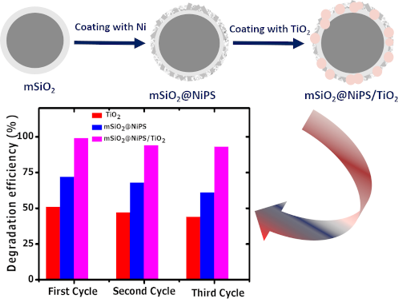
- yield a material that absorbs light in the UV and visible region [29][52][53]. These results suggest that a change in the bandgap could readily reduce the recombination of electrons and holes during UV irradiation of mSiO2@NiPS/TiO2 and, consequently, improve its photocatalytic activity. Infrared
- spectroscopy is a useful technique to determine the functional groups present in the silica and nickel phyllosilicate nanomaterials. Figure S2c in Supporting Information File 1 shows infrared absorption peaks of mSiO2 and mSiO2@NiPS at 813 and 1073 cm−1, characteristic of Si–O symmetric stretching and


Cardiomyocyte uptake mechanism of a hydroxyapatite nanoparticle mediated gene delivery system
Beilstein J. Nanotechnol. 2020, 11, 1685–1692, doi:10.3762/bjnano.11.150
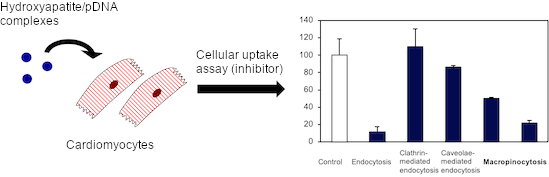
- HAp nanoparticles were prepared using the water-in-oil (W/O) emulsion method. The characterization of the prepared HAp nanoparticles was carried out using transmission electron microscopy (TEM), X-ray diffraction (XRD), and Fourier-transform infrared spectroscopy (FTIR). TEM provided insight into the


Ultrasensitive detection of cadmium ions using a microcantilever-based piezoresistive sensor for groundwater
Beilstein J. Nanotechnol. 2020, 11, 1242–1253, doi:10.3762/bjnano.11.108
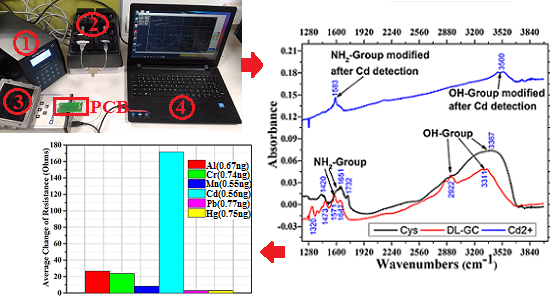
- 0.56 ng Cd(II) is 877.72 Ω. Characterization using Fourier-transform infrared spectroscopy (FTIR) FTIR is a mature technique for elemental analysis and the identification of functional groups. The FTIR results show –OH stretching in the range of 2900–3750 cm−1 and N–H bending (1350–1750 cm−1) [48][49


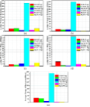


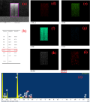
High permittivity, breakdown strength, and energy storage density of polythiophene-encapsulated BaTiO3 nanoparticles
Beilstein J. Nanotechnol. 2020, 11, 1190–1197, doi:10.3762/bjnano.11.103
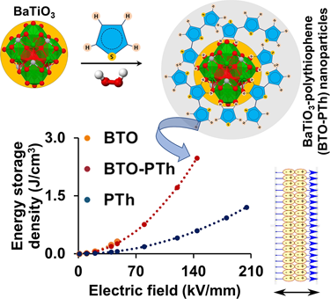
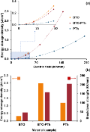
- mixture. All materials including BTO, BTO-PTh, and PTh are characterized using Fourier-transform infrared spectroscopy (Nicolet 520 FTIR spectrophotometer) and X-ray diffraction (STOE STADI P X-ray diffractometer). The morphology of BTO and BTO-PTh nanoparticles is studied using scanning electron




Gram-scale synthesis of splat-shaped Ag–TiO2 nanocomposites for enhanced antimicrobial properties
Beilstein J. Nanotechnol. 2020, 11, 1119–1125, doi:10.3762/bjnano.11.96

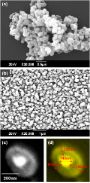
- Rigaku D/Max 2500 powder diffractometer with Cu Kα radiation (λ = 1.5406 Å). Scanning electron microscopy (SEM, JSM5610LV, JEOL, Japan) was used to observed the morphology of the Ag–TiO2 NPs. The sample components were examined by energy-dispersive X-ray spectroscopy. Fourier-transform infrared
- spectroscopy (FTIR, Nicolet IS50) was used to measure the infrared spectra. To detect the absorption profile of the prepared samples, the UV–vis spectroscopy technique was used. In vitro cytotoxicity The Cell Counting Kit-8 (CCK-8) was purchased from Beyotime Biotechnology (Shanghai, China). Human colon


Uniform Fe3O4/Gd2O3-DHCA nanocubes for dual-mode magnetic resonance imaging
Beilstein J. Nanotechnol. 2020, 11, 1000–1009, doi:10.3762/bjnano.11.84
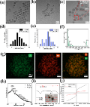
- (Figure 2i). Fourier-transform infrared spectroscopy (FTIR) was conducted to verify the nanocube surface modifiers before and after DHCA exchange. By comparing the FTIR spectra of FGOA and FGDA nanocubes (Figure 2i), it is possible to conclude that the two samples display distinct characteristic
- Kα (λ = 1.5406 Å)) was used to determine the crystalline structure of the nanocubes. The diffractometer was operated at 40 kV and 30 mA. Scanning was performed at 2θ values ranging from 20 to 80° at a rate of 0.05°·s−1. Fourier-transform infrared spectroscopy was performed on the samples over a



A 3D-polyphenylalanine network inside porous alumina: Synthesis and characterization of an inorganic–organic composite membrane
Beilstein J. Nanotechnol. 2020, 11, 938–951, doi:10.3762/bjnano.11.78
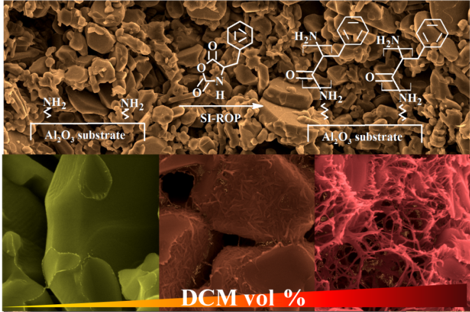
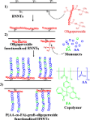
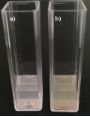
- electron microscopy (SEM), near-infrared spectroscopy (NIR) and contact angle measurements (CA) reveals a change in morphology of the grafted polymer films, which is due to the rearrangement of the secondary structure of the polypeptides. No significant loss of the surface-grafted polypeptides was




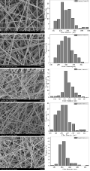
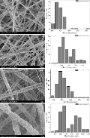
Preparation, characterization and photocatalytic performance of heterostructured CuO–ZnO-loaded composite nanofiber membranes
Beilstein J. Nanotechnol. 2020, 11, 631–650, doi:10.3762/bjnano.11.50
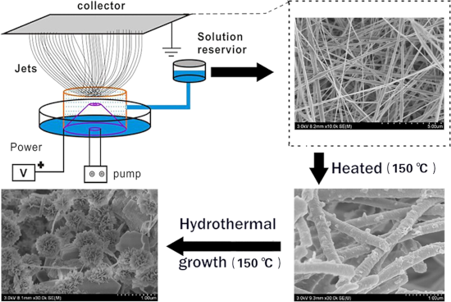
- -transform infrared spectroscopy (FTIR, Nicolet5700, Thermo Nicolet Company, Waltham, MA, USA), carrying out 32 scans within the wavenumber range of 400–4000 cm−1 with a resolution of 4 cm−1. X-ray diffraction (XRD) analyses were carried out using a Philips X’Pert-Pro MPD (PANalytical, Almelo & Eindhoven









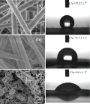


Soybean-derived blue photoluminescent carbon dots
Beilstein J. Nanotechnol. 2020, 11, 606–619, doi:10.3762/bjnano.11.48
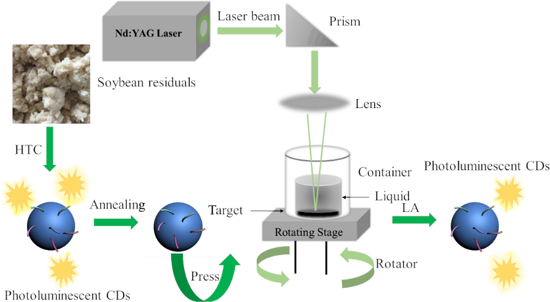
- –visible spectrophotometer (Thermal Scientific Evolution 201). The Fourier-transform infrared spectroscopy (FTIR) analysis of the prepared carbon nanoparticles was conducted on a Fourier transform infrared instrument (Nicolet iS50) in the wavenumber range of 400 to 4000 cm−1 at a resolution of 4 cm−1


Electrochemically derived functionalized graphene for bulk production of hydrogen peroxide
Beilstein J. Nanotechnol. 2020, 11, 432–442, doi:10.3762/bjnano.11.34
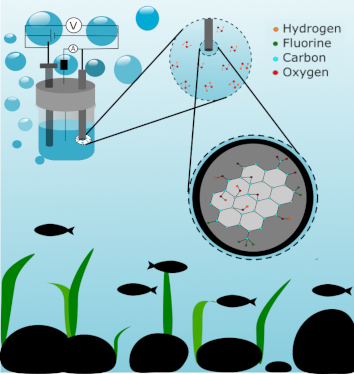
- EEG samples. This correlates with the Fourier-transform infrared spectroscopy (FTIR) based analysis (Figure S1b), which also shows the presence of covalent C–F functional groups in all the samples. The samples also contain fluorine as one of the dopants with a content varying from 2.3 to 3.9 atom


Poly(1-vinylimidazole) polyplexes as novel therapeutic gene carriers for lung cancer therapy
Beilstein J. Nanotechnol. 2020, 11, 354–369, doi:10.3762/bjnano.11.26
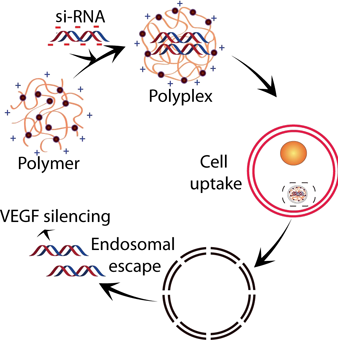
- reference. Fourier-transform infrared spectroscopy (FTIR): The FTIR spectra of the free siRNA, blank polymer nanoparticles and the polyplex were recorded between 4000 and 400 cm−1 averaging 10 scans per run in attenuated total reflection mode (ATR) using a Fourier-transform infrared spectrometer (Spectrum


Facile biogenic fabrication of hydroxyapatite nanorods using cuttlefish bone and their bactericidal and biocompatibility study
Beilstein J. Nanotechnol. 2020, 11, 285–295, doi:10.3762/bjnano.11.21
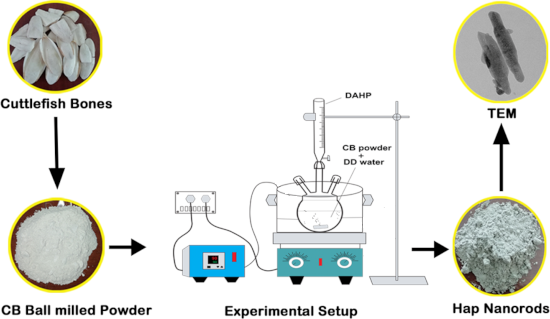
- ) nanorods using cuttlefish bone powder as a precursor (CB-Hap NRs). The obtained CB-Hap NRs were investigated using transmission electron microscopy (TEM), Fourier transform infrared spectroscopy (FTIR), X-ray diffraction (XRD) and thermogravimetric analysis (TGA) techniques to evaluate their
- setup via an oil bath approach to synthesize Hap nanorods from cuttlefish bone powders and optimize their synthesis parameters. The systematic characterization using X-ray diffraction (XRD), Fourier transform infrared spectroscopy (FTIR) and transmission electron microscopy (TEM) was performed to
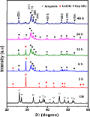
- graphite mortar and pestle and placed on the sample holder. The crystallite size and phase formation of the cuttlefish-bone-derived Hap nanorods were identified and confirmed by comparing the data with standard XRD patterns from JCPDS. Fourier transform infrared spectroscopy The presence of functional


pH-Controlled fluorescence switching in water-dispersed polymer brushes grafted to modified boron nitride nanotubes for cellular imaging
Beilstein J. Nanotechnol. 2019, 10, 2428–2439, doi:10.3762/bjnano.10.233
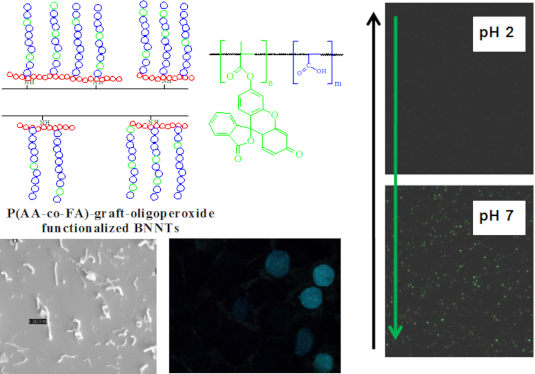
- thermogravimetric analysis (TGA), Fourier transform infrared spectroscopy (FTIR), dynamic light scattering (DLS), ultraviolet–visible spectrophotometry (UV–vis), laser scanning confocal microscopy (LSCM) and scanning electron microscopy (SEM). The DLS results demonstrated that P(AA-co-FA)-functionalized BNNTs
- heated from 30.00 to 600.00 °C at 10 °C/min. Fourier transform infrared spectroscopy (FTIR) FTIR spectra were recorded on a NICOLET iS50 FTIR spectrometer (Thermo Scientific, USA), equipped with a iS50 ATR multirange, diamond sampling station. The sample powders were either placed on diamond crystal or


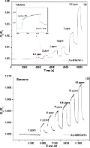
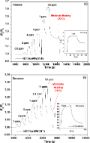
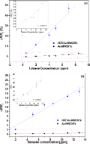
Multiwalled carbon nanotube based aromatic volatile organic compound sensor: sensitivity enhancement through 1-hexadecanethiol functionalisation
Beilstein J. Nanotechnol. 2019, 10, 2364–2373, doi:10.3762/bjnano.10.227
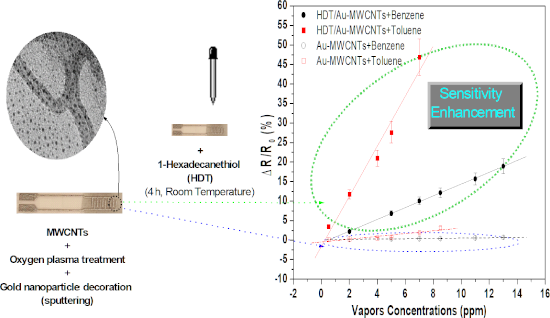
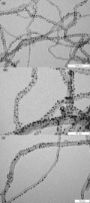
- temperature toluene and benzene sensor based on multiwall carbon nanotubes (MWCNTs) decorated with gold nanoparticles and functionalised with a long-chain thiol self-assembled monolayer, 1-hexadecanethiol (HDT). High-resolution transmission electron microscopy (HRTEM) and Fourier transform infrared
- spectroscopy (FTIR) were performed to characterize the gold nanoparticle decoration and to examine the thiol monolayer bonding to the MWCNTs. The detection of aromatic vapours using Au-MWCNT and HDT/Au-MWCNT sensors down to the ppm range shows that the presence of the self-assembled layer increases the




Targeted therapeutic effect against the breast cancer cell line MCF-7 with a CuFe2O4/silica/cisplatin nanocomposite formulation
Beilstein J. Nanotechnol. 2019, 10, 2217–2228, doi:10.3762/bjnano.10.214
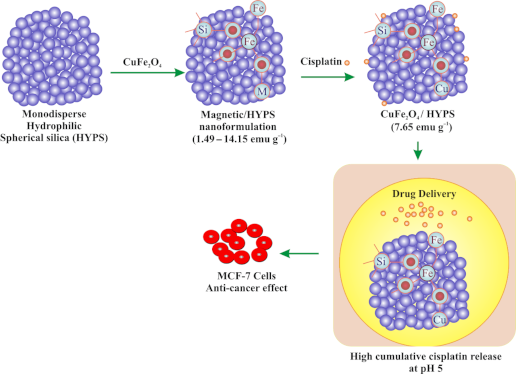
- saline solution. The presence of cubic spinel CuFe2O4 on HYPS was confirmed through powder X-ray diffraction (PXRD), Fourier transform infrared spectroscopy (FTIR) and diffuse reflectance UV–vis spectroscopy (DR UV–vis) analysis. The HYPS particles showed a surface area of 170 m2/g, pore size of 8.3 nm





