Search results
Search for "inhibition" in Full Text gives 205 result(s) in Beilstein Journal of Nanotechnology. Showing first 200.
Introducing third-generation periodic table descriptors for nano-qRASTR modeling of zebrafish toxicity of metal oxide nanoparticles
Beilstein J. Nanotechnol. 2024, 15, 1142–1152, doi:10.3762/bjnano.15.93
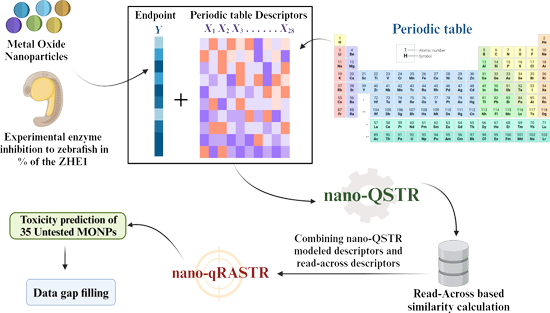
- inhibition of the zebrafish hatching enzyme ZHE1 with the nano-qRASTR approach to improve the model quality, predictability, and reliability significantly. Materials and Methods Dataset The percentage decrease in enzymatic activity expressed in the form of enzyme inhibition to zebrafish in % (%EIzebrafish
- approach for the inhibition of ZHE1 hatching enzyme activity: The first descriptor represents the total metal electronegativity in a specific metal oxide and shows a negative correlation to the inhibition of the ZHE 1 hatching enzyme. In this case, an increase in electronegativity will result in a
- ), suggesting that nanomaterials composed of atoms with larger radii are associated with a decrease in %EIzebrafish. A larger atomic radius might indicate weaker bonding and less effective interaction with the enzyme or its substrate, leading to less enzyme inhibition. This could be due to the diffuse nature of


Recent updates in applications of nanomedicine for the treatment of hepatic fibrosis
Beilstein J. Nanotechnol. 2024, 15, 1105–1116, doi:10.3762/bjnano.15.89
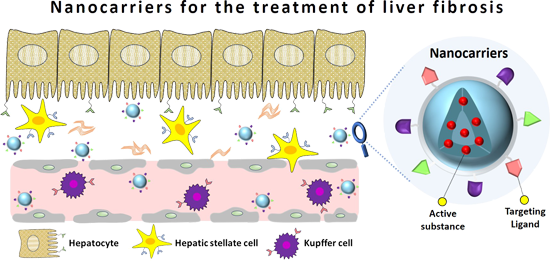
- the activation of HSCs is the most important strategy in liver fibrosis therapy. It includes both inhibition of HSC proliferation and of pro-fibrogenic cytokine and growth factor secretion. In the last few years, the research on interferon γ (IFNγ), the angiotensin II-receptor antagonist Losartan
- overexpressed in activated HSCs and strongly related to the transformation of HSCs into matrix-producing myofibroblasts during liver fibrinogenesis [68][69]. The HSC-mediated antifibrotic drugs work through several mechanisms, including inhibition of fibrogenesis (ECM synthesis), inhibition of HSC proliferation
- , inhibition of profibrogenic cytokine and growth factors secretion, and induction of ECM degradation [70]. A summary of liver-targeted delivery systems is shown in Table 1. Passive and active delivery strategies were combined by Luo and co-workers, who prepared silibinin–human serum albumin nanocrystals [71


Unveiling the potential of alginate-based nanomaterials in sensing technology and smart delivery applications
Beilstein J. Nanotechnol. 2024, 15, 1077–1104, doi:10.3762/bjnano.15.88
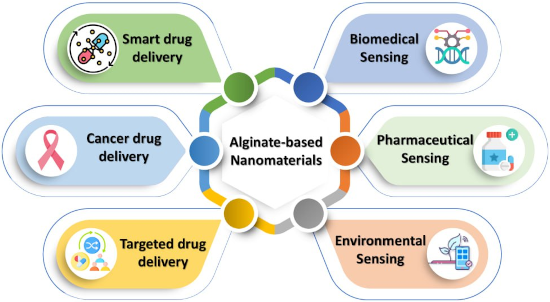
- the initial 120 h. Furthermore, in vitro tests showed the effective inhibition of MCF-7 human breast cells without any damage to human dermal fibroblasts (HDFs). The created new alginate-based nanoplatform can be used in targeted and prolonged drug delivery of capsaicin in cancer prevention and


Interface properties of nanostructured carbon-coated biological implants: an overview
Beilstein J. Nanotechnol. 2024, 15, 1041–1053, doi:10.3762/bjnano.15.85
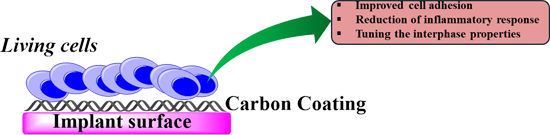
- the FimH protein complex involved in bladder infection. CNTs also prevent the formation of biofilm as reported by Sivaraj et al. [126], who obtained zones of inhibition of up to 12 mm. Morco et al. [127] suggested that the biofilm inhibition by CNTs is mainly due to the increase of surface



Entry of nanoparticles into cells and tissues: status and challenges
Beilstein J. Nanotechnol. 2024, 15, 1017–1029, doi:10.3762/bjnano.15.83
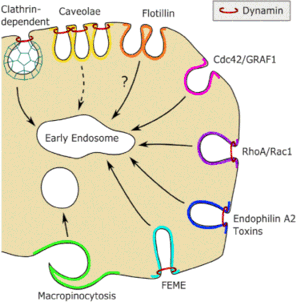
- as a control to see that the treatment reduces the uptake of this ligand. Chlorpromazine has been reported to lead to relocalization of clathrin and the adaptor AP2 from the plasma membrane and to endosomes [46]. Notably, this is associated with an inhibition of the recycling of receptors for α2


Electrospun polysuccinimide scaffolds containing different salts as potential wound dressing material
Beilstein J. Nanotechnol. 2024, 15, 781–796, doi:10.3762/bjnano.15.65
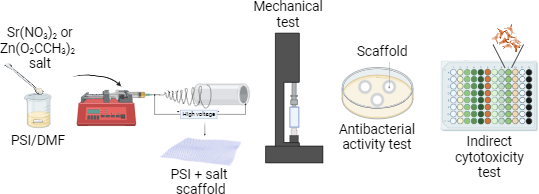
- 8 h; however, only 50% of the zinc acetate was dissolved. In addition, antibacterial activity tests were performed with four different bacterial strains relevant to skin surface injuries, leading to the appearance of inhibition zones around the scaffold discs in most cases. We also investigated the
- the discs were incubated at 37 °C for 24 h, and then inhibition/diffuse zones were observed. The diameter of the inhibition zones is the area where bacteria do not appear at all. The diffuse zones defined in our paper are areas where the salt could diffuse out from the scaffold and start some clean-up
- zone in the agar (not a totally clean area from bacteria). These zones were measured by the ImageJ software, and with Equation 6, the specific antibacterial area was calculated [22]. The dzone means the diameter of the inhibition or diffuse zone and dscaffold means the diameter of the scaffolds after



Laser synthesis of nanoparticles in organic solvents – products, reactions, and perspectives
Beilstein J. Nanotechnol. 2024, 15, 638–663, doi:10.3762/bjnano.15.54
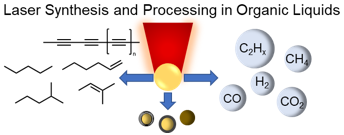
- nanocomposites based on sp-hybridized carbon chains [64]. Liang et al. specified the conditions for inhibition of phase crystallization and, hence, the formation of metallic glass nanoparticles in organic solvents, which was attributed to the carbon doping of the amorphous phase as well as carbon shell formation





Fabrication of nanocrystal forms of ᴅ-cycloserine and their application for transdermal and enteric drug delivery systems
Beilstein J. Nanotechnol. 2024, 15, 465–474, doi:10.3762/bjnano.15.42
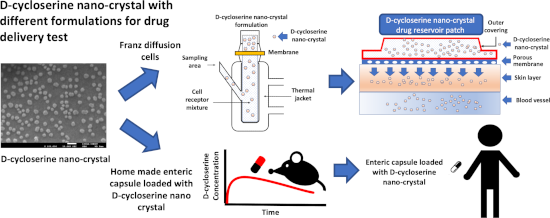
- absorber [20]. In addition, silver (Ag) nanoparticles were synthesized from cotton fabrics and exhibited strong inhibition activity against some bacteria [21]. Recently, pure active pharmaceutical ingredient (API) composed of nanocrystals was investigated, as opposed to drug nanocarrier platforms [22


Classification and application of metal-based nanoantioxidants in medicine and healthcare
Beilstein J. Nanotechnol. 2024, 15, 396–415, doi:10.3762/bjnano.15.36
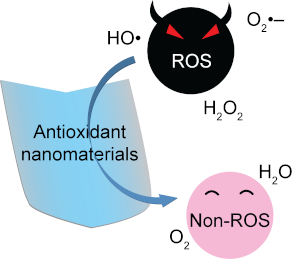
- % DPPH inhibition and exhibit in vivo hepatoprotective properties in laboratory mice [12]. The combination of copper and cerium in nanoparticle structures enhances antioxidant activity through a synergistic effect. CuCe nanoparticles have been demonstrated for therapeutic effects in ischemic vascular
- ]. Antioxidants contribute to cancer inhibition and cancer treatment by several mechanisms. First, nanoantioxidants reduce cancer initiation by protecting DNA molecules from oxidative stress and stimulating DNA repair. For example, platinum nanoparticles inhibited the growth of epithelial lung cancer cells by
- between cerium(IV) and cerium(III). SOD activity immobilized through cross-linking on a Zr framework (SOD-ZrMOF) demonstrates effective scavenging of ROS and inhibition of oxidative stress. A prolonged investigation using an animal model of acute myocardial infarction revealed that SOD-ZrMOF has the


Controllable physicochemical properties of WOx thin films grown under glancing angle
Beilstein J. Nanotechnol. 2024, 15, 350–359, doi:10.3762/bjnano.15.31
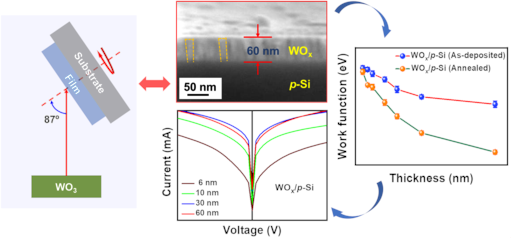
- inhibition of crystallization at lower thicknesses arises mainly because of a considerable contribution of the surface energy to the total Gibbs free energy of crystallization, resulting in a higher crystallization temperature and/or time [47][48]. It can be concluded that the annealing condition (i.e., 673


Vinorelbine-loaded multifunctional magnetic nanoparticles as anticancer drug delivery systems: synthesis, characterization, and in vitro release study
Beilstein J. Nanotechnol. 2024, 15, 256–269, doi:10.3762/bjnano.15.24
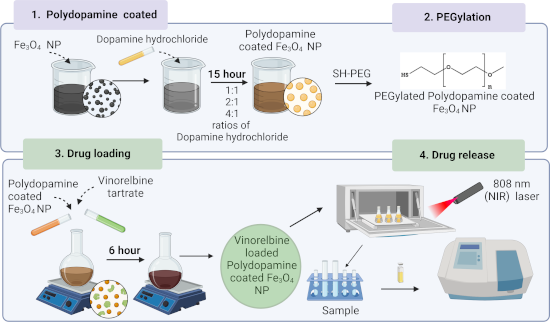
- cancer cell growth, slowing their proliferation and disrupting mitotic regulation, leading to the stimulation of the tumor suppressor gene p53 and the inhibition or inactivation of various signaling pathways [31][32]. Its widespread adoption in medicine can be attributed to its strong therapeutic


Assessing phytotoxicity and tolerance levels of ZnO nanoparticles on Raphanus sativus: implications for widespread adoptions
Beilstein J. Nanotechnol. 2024, 15, 115–125, doi:10.3762/bjnano.15.11
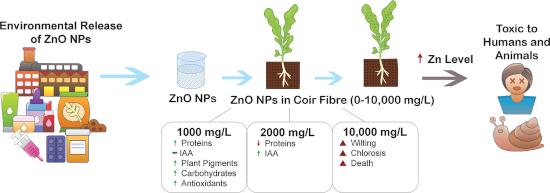
- ]. High concentrations of Zn are implicated in the shifting of soil microbial communities and inhibition of microbial enzymes, thereby affecting soil fertility [1]. The excess levels of Zn, disrupting soil homeostasis, negatively affects plants and human health by inducing acute toxicity due to the
- coir without displaying chlorosis, necrosis, or strong growth inhibition, indicating its tolerance to elevated Zn levels [47]. Its resilience may have implications not only for the plant but also for the surrounding soil environment, microflora, and potentially human health. Metal-based engineered
- noteworthy internalization of Zn by R. sativus at 10,000 mg/L exceeded the healthy level of Zn by 340%. Despite this, R. sativus demonstrated survival at 1000 mg/L without signs of chlorosis, necrosis, or growth inhibition, suggesting its Zn-tolerant nature. This study emphasized the need for proactive


Berberine-loaded polylactic acid nanofiber scaffold as a drug delivery system: The relationship between chemical characteristics, drug-release behavior, and antibacterial efficiency
Beilstein J. Nanotechnol. 2024, 15, 71–82, doi:10.3762/bjnano.15.7
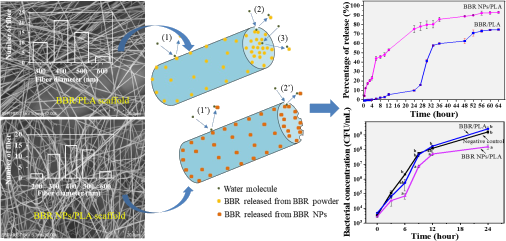
- inhibition concentration for MRSA. The release of BBR from PLA nanofiber scaffolds was best fit with Ritger–Peppas models, suggesting that BBR release was mainly controlled by a diffusion mechanism. Additionally, the BBR NPs/PLA nanofiber scaffold did not exhibit cytotoxic activity against MA-104 monolayer


Curcumin-loaded nanostructured systems for treatment of leishmaniasis: a review
Beilstein J. Nanotechnol. 2024, 15, 37–50, doi:10.3762/bjnano.15.4
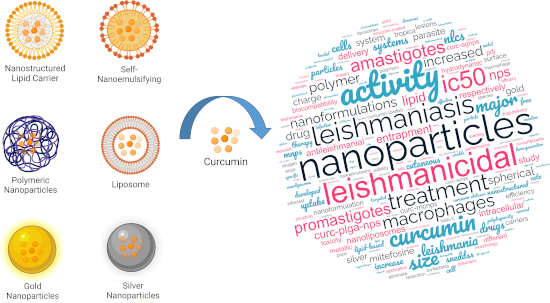
- model of visceral leishmaniasis. Percentages of inhibition in the liver and spleen were 82.4 ± 3.8% and 77.6 ± 5.5%, respectively [75]. The results of the studies highlighted in this topic confirm the relevance of the use of nanostructured formulations for the delivery of bioactive compounds and uptake


Fluorescent bioinspired albumin/polydopamine nanoparticles and their interactions with Escherichia coli cells
Beilstein J. Nanotechnol. 2023, 14, 1208–1224, doi:10.3762/bjnano.14.100
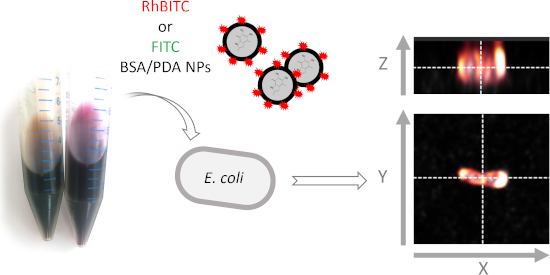
- progressive inhibition of the deposition of a PDA film on the wall of the reaction beaker, which was mentioned above and observed above a certain amount of BSA (Figure 3a). This allowed us to assume that BSA molecules below a critical amount cannot surround all DA molecules (some DA molecules thus form a thin
- of pristine and fluorescent BSA/PDA NPs. This effect, which is not elucidated so far, was also observed regarding the growth of S. aureus populations (Supporting Information File 1, Figure S9). Especially the absence of E. coli growth inhibition by RhBITC-BSA/PDA NPs allows us to envisage the use of
- -BSA/PDA NPs with a BSA/DA ratio of 10 was determined by calculating the bacterial growth inhibition from absorption measurements at 620 nm. Measurements were acquired with a Multiskan spectrophotometer (Fisher Scientific, Illkich, France). One colony of E. coli or S. aureus was transferred from the



Low temperature atomic layer deposition of cobalt using dicobalt hexacarbonyl-1-heptyne as precursor
Beilstein J. Nanotechnol. 2023, 14, 951–963, doi:10.3762/bjnano.14.78
- growth trend of these CVD experiments at 150, 125, 100, and 90 °C. The films grow with linear rates. We assume a linear dependency of type d = r·(t − t0) with film thickness d, deposition rate r, deposition time t, and the inhibition time t0, that is, the time where no CVD-like growth may occur. At
- deposition mechanism has changed. The thickness trend shows that the deposition seems to be inhibited in the initial phase as t0 rises significantly above 0. The assumed linear relationship has been plotted in Figure 3 for each deposition temperature. The calculated inhibition times are 13.2 min for 100 °C
- and 35.8 min for 90 °C. The slopes of the linear dependency on the temperature are plotted in Figure 4. This plot also includes the calculated inhibition times according to the assumed linear fit. This simplified assumption shows that the inhibition time in CVD mode rises significantly at temperatures


Antibody-conjugated nanoparticles for target-specific drug delivery of chemotherapeutics
Beilstein J. Nanotechnol. 2023, 14, 912–926, doi:10.3762/bjnano.14.75
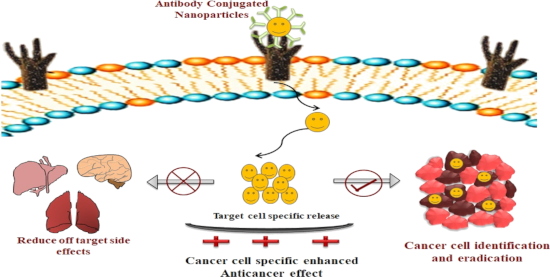
- , complement activation, complement-dependent cytotoxicity, or by inhibition of signal transduction [20][21]. Molecular cancer targets Cancer is a highly heterogeneous condition that arises from several mutations in transforming and tumor suppressor genes. High rates of metastasis, invasion, relapse, and drug



Nanostructured lipid carriers containing benznidazole: physicochemical, biopharmaceutical and cellular in vitro studies
Beilstein J. Nanotechnol. 2023, 14, 804–818, doi:10.3762/bjnano.14.66
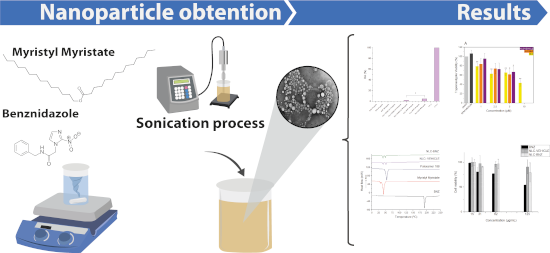
- (Figure 12B), and the corresponding EC50 were calculated. Benznidazole and NLC-BNZ presented inhibition of the intracellular growth of the parasites even at the lowest concentration, with no significant differences observed between the treatments. Benznidazole and NLC-BNZ EC50 values were 3.15 and 3.33 µM


Silver nanoparticles loaded on lactose/alginate: in situ synthesis, catalytic degradation, and pH-dependent antibacterial activity
Beilstein J. Nanotechnol. 2023, 14, 781–792, doi:10.3762/bjnano.14.64
- cytoplasm and cell wall, leading to increased permeability and, eventually, disruption of the bacterial cell wall [26]. This disruption can deactivate respiratory enzymes, resulting in the generation of reactive oxygen species [27] and the inhibition of adenosine triphosphate release [26]. The antibacterial
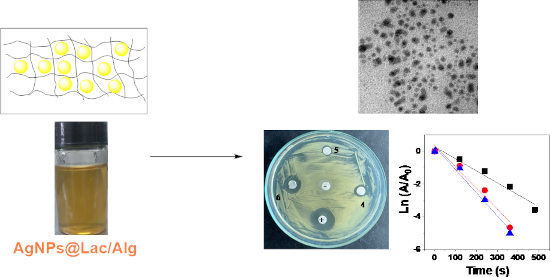
- bioactivity against either of the strains, indicating that the observed bioactivity was due to the nanocomposite alone (Supporting Information File 1, Figure S1). Inhibition images and inhibition zone plots of AgNPs@Lac/Alg at different pH values are presented in Figure 9. The results show that the
- , with the highest inhibition zone diameters recorded at pH 6 against S. aureus (10.8 ± 0.57 mm) and S. typhi (9.3 ± 1.34 mm). In contrast, the nanocomposite showed no inhibition in highly basic media (pH 11 and 12) because of the aggregation of nanoparticles, which hindered the leaching of silver into


Quercetin- and caffeic acid-functionalized chitosan-capped colloidal silver nanoparticles: one-pot synthesis, characterization, and anticancer and antibacterial activities
Beilstein J. Nanotechnol. 2023, 14, 362–376, doi:10.3762/bjnano.14.31
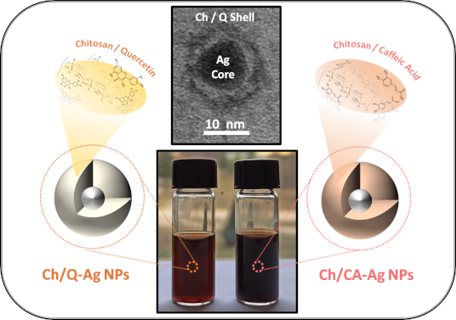
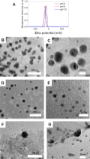
- antibacterial activity of NPs was compared to the inhibition zone diameters of control antibiotics. Amikacin antibiotic was used as a positive control for P. aeruginosa, and ampicillin antibiotic was used as a positive control for E. coli, S. aureus, and S. epidermidis. The susceptibility zone diameters were S
- bacterial strain. Then the inoculated plates were kept in an oven at 35 ± 2 °C for 18–24 h. The diameters of the inhibition zones formed around the discs in the medium were measured with millimetric rulers. This process was repeated three times for each antibacterial solution. A statistically average value
- studied against Gram-negative (P. aeruginosa and E. coli) and Gram-positive (S. aureus and S. epidermidis) bacteria using the disc diffusion method. The inhibition zone diameters obtained after adding Ch/Q- and Ch/CA-Ag NPs in three different concentrations (1/1, 1/3, and 1/5 dilutions) are presented in


The steep road to nonviral nanomedicines: Frequent challenges and culprits in designing nanoparticles for gene therapy
Beilstein J. Nanotechnol. 2023, 14, 351–361, doi:10.3762/bjnano.14.30
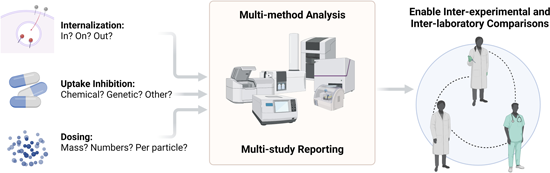
- proteins [33][34]. Overall, there is still a strong tendency for researchers to select pharmacological inhibition over genetic studies. This is due to several considerations, namely (i) rapid action in blocking the uptake route, (ii) equal inhibition of the overall cell population, and (iii) time- and
- should be closely monitored, as cell death can be misinterpreted as efficient inhibition, especially in metabolism-based assays. For these inhibitors that involve the permeablization of plasma membranes, such as filipin III, appropriate controls for plasma membrane integrity during the inhibition
- exposure should be included [35]. In order to overcome the poor specificity of pharmacological inhibitors, genetic approaches can be implemented to change the expression of specific proteins [29]. However, the complexity and care with which these studies must be undertaken are higher than an inhibition

Polymer nanoparticles from low-energy nanoemulsions for biomedical applications
Beilstein J. Nanotechnol. 2023, 14, 339–350, doi:10.3762/bjnano.14.29
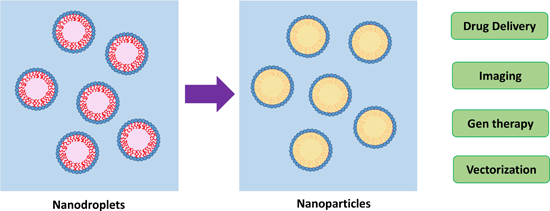
- targeting Renilla luciferase mRNA. Gene inhibition showed an optimum efficiency (40%) at a given nanoparticle/antisense oligonucleotide ratio, which is promising for in vitro cell transfection. When water was replaced with PBS (0.16 M) for the PIC preparation of nanoemulsions starting from
- cells incubated with the loaded nanoparticles were close to 100% for GAL concentrations of 0.3 mg/mL. The pharmacological activity of GAL was preserved after encapsulation (as measured by the acetylcholinesterase inhibition test). PLGA nanoparticles prepared from a 0.16 M PBS (W)/Polysorbate 80 (S)/(4
- content is not subject to CC BY 4.0. Luciferase activity inhibition (%) for complexes formulated with PLGA nanoparticles from nanoemulsions and a second-generation dendron at a nanoparticle/antisense oligonucleotide ratio of 0.75. Lipofectamine 2000 was used as the positive control and a scrambled




Recent progress in cancer cell membrane-based nanoparticles for biomedical applications
Beilstein J. Nanotechnol. 2023, 14, 262–279, doi:10.3762/bjnano.14.24
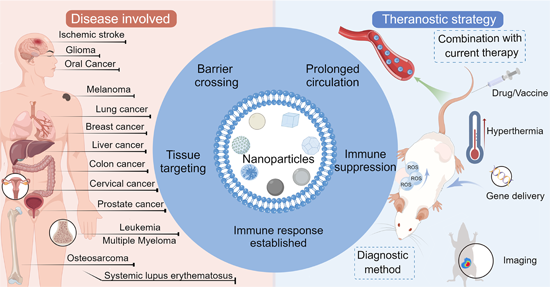
- tumor tissues. This effective inhibition of the TME improves antitumor efficiency by depleting GSH and generating ROS [39]. Similarly, chemodynamic therapy (CDT) can utilize the Fenton reaction to convert endogenous H2O2 into ROS, resulting in a toxic effect on cancer cells [108]. Biomimetic NPs of


Nanotechnology – a robust tool for fighting the challenges of drug resistance in non-small cell lung cancer
Beilstein J. Nanotechnol. 2023, 14, 240–261, doi:10.3762/bjnano.14.23
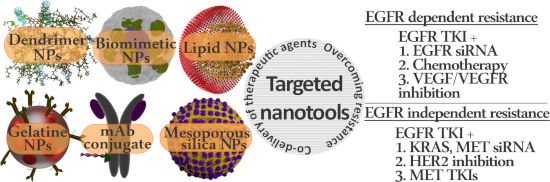
- pathways to prevent cross talk between multiple growth factor receptors have emerged as valid approaches that could be used to tackle cancer resistance and maximize the efficacy of EGFR inhibition. Presently, a combinatorial therapeutic strategy is believed to be a rational approach to combat the
- the adverse effects. Inhibitors of multiple targets within a single pathway exerting synergistic effects Amplification, overexpression, and mutation of MET and HER2 are heavily involved in EGFR TKI resistance development, and the cross talk of these receptors is a way to avoid TK inhibition in many
- , erlotinib, and afatinib) and EGFR-specific siRNA. The authors noted that combined therapy with the potent irreversible EGFR/HER TKI afatinib and EGFR-specific siRNA resulted in enhanced growth inhibition and apoptosis due to the inhibitory effect of the EGFR-specific siRNA on the overall EGFR oncogenic


Cyclodextrins as eminent constituents in nanoarchitectonics for drug delivery systems
Beilstein J. Nanotechnol. 2023, 14, 218–232, doi:10.3762/bjnano.14.21
- transferrin (tumor-targeting protein) which bears poly(ʟ-lysine), mitochondrion-targeting peptide, poly(ethylene glycol), and arylazopyrazole (trans isomer) [89]. Under irradiation with NIR light (808 nm), the photothermal effect disrupted mitochondrial function, leading to inhibition of tumor growth. 6 Some