


Search results
Search for "methanol" in Full Text gives 296 result(s) in Beilstein Journal of Nanotechnology. Showing first 200.
Silver-based SERS substrates fabricated using a 3D printed microfluidic device
Beilstein J. Nanotechnol. 2023, 14, 793–803, doi:10.3762/bjnano.14.65
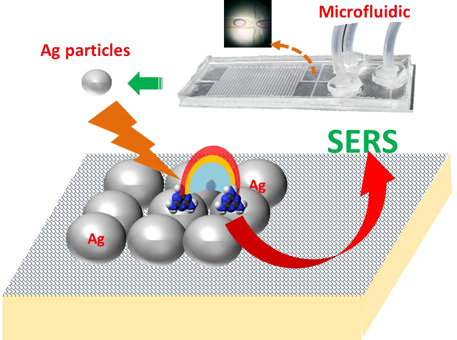
- submerged in concentrated HNO3, rinsed with deionized water, and then dried at room temperature to produce the PS substrates. Fabrication of the SERS substrate The deposition of Ag particles on the substrates is based on the SAM method. Colloidal Ag NPs solutions were generated at the methanol/air interface
- moved from water to hexane with the aid of acetone. The porous silicon (PS) template substrate was placed at the bottom of a beaker containing methanol. A pipette was then used to gradually transfer the Ag NPs suspension in hexane to the surface of methanol. After the hexane evaporated, a tightly packed
- monolayer of Ag NPs appeared at the methanol/air interface. The PS@Ag substrates were created by depositing a monolayer of Ag NPs on the substrate surface after allowing the methanol to slowly evaporate under ambient conditions. SERS substrate characterization Raman spectra were obtained using a 24 mW laser



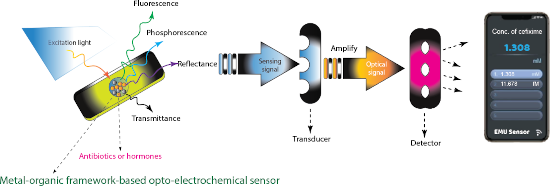
Metal-organic framework-based nanomaterials as opto-electrochemical sensors for the detection of antibiotics and hormones: A review
Beilstein J. Nanotechnol. 2023, 14, 631–673, doi:10.3762/bjnano.14.52


Titania nanoparticles for photocatalytic degradation of ethanol under simulated solar light
Beilstein J. Nanotechnol. 2023, 14, 616–630, doi:10.3762/bjnano.14.51
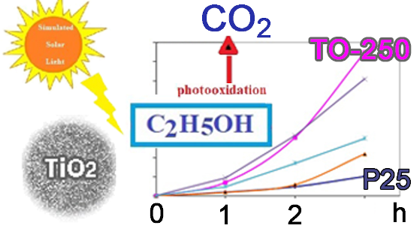
- approaches were tried to reduce the bandgap [24] by doping with, for example, nitrogen [17]. Recent investigations have shown a possible application of TiO2 for the photocatalytic production of hydrogen from water with the aid of sacrificial agents, such as methanol, ethanol, or glycols [21][22]. There are




Biocatalytic synthesis and ordered self-assembly of silica nanoparticles via a silica-binding peptide
Beilstein J. Nanotechnol. 2023, 14, 280–290, doi:10.3762/bjnano.14.25
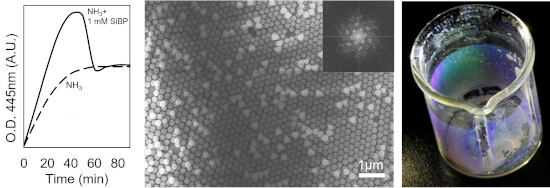
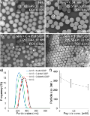
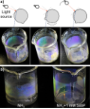
- the solvent, and NH3 (Thermo Fischer Scientific Inc, Waltham, MA, USA) was used as the catalyst. Briefly, the Stöber process involves hydrolysis of an alkoxysilane precursor, such as TEOS, in alcohol (typically methanol or ethanol) in the presence of a catalyst. This is followed by ethanol or water




Orally administered docetaxel-loaded chitosan-decorated cationic PLGA nanoparticles for intestinal tumors: formulation, comprehensive in vitro characterization, and release kinetics
Beilstein J. Nanotechnol. 2022, 13, 1393–1407, doi:10.3762/bjnano.13.115
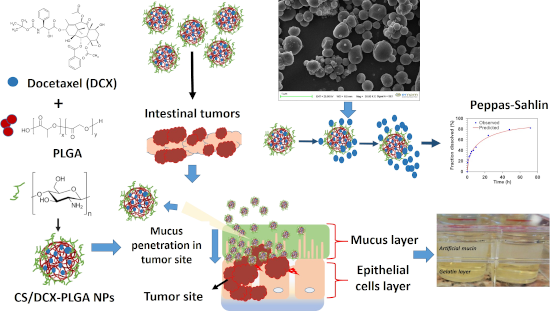
- prepared nanoparticles [78]. Encapsulated DCX was extracted from freeze-dried NPs formulations. Briefly, drug and polymer were dissolved by adding 1 mL of methanol to the lyophilized nanoparticles. This mixture was vortexed for 1 min, and then bath sonication was applied for 1 min. This mixture was then


Near-infrared photoactive Ag-Zn-Ga-S-Se quantum dots for high-performance quantum dot-sensitized solar cells
Beilstein J. Nanotechnol. 2022, 13, 1337–1344, doi:10.3762/bjnano.13.110
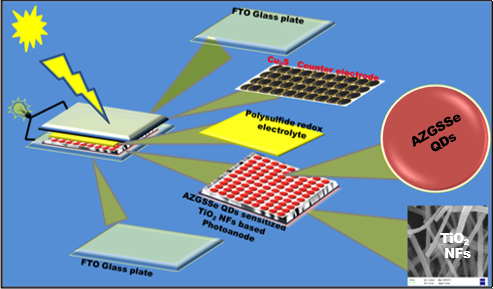
- (GaCl3), sulfur powder (S), 1-dodecanethiol (DDTh), ʟ-cysteine, copper(II) chloride, polyvinylidene fluoride (PVDF), titanium isisopropoxide (TIP), glycerol, oleylamine (OAM), titanium tetrachloride (TiCl4), N-methyl-2-pyrrolidine (NMP), chloroform, acetonitrile, ethanol, and methanol were purchased from
- min and quickly poured into cold methanol to form AZGSSe QDs. After purification purification via centrifugation, the QDs were dispersed in 5 mL chloroform. Preparation of a AZGSSe QD-sensitized TiO2 NF-based photoanode A pre-prepared TiO2 nanofiber (NF) paste was coated on FTO glass via the doctor


Recent trends in Bi-based nanomaterials: challenges, fabrication, enhancement techniques, and environmental applications
Beilstein J. Nanotechnol. 2022, 13, 1316–1336, doi:10.3762/bjnano.13.109
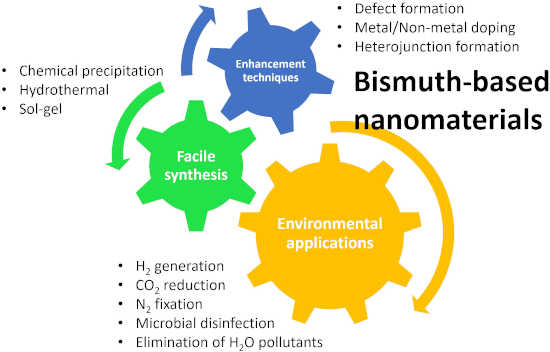
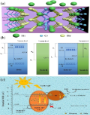
- times greater CO2 adsorption and enhanced light absorption. The enhanced properties were reflected in the photocatalytic activity, resulting in a rate of methanol synthesis of 75 mol·g−1·h−1, which was much greater than the rate produced by the unaltered Bi2WO6. As a result of the decrease in




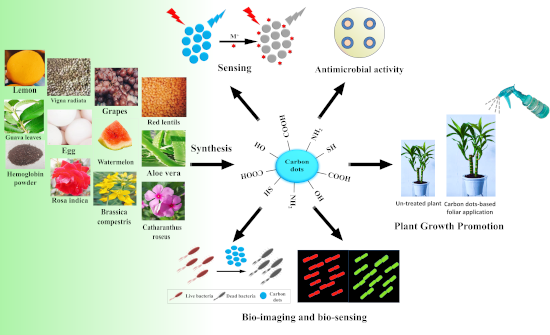
Recent advances in green carbon dots (2015–2022): synthesis, metal ion sensing, and biological applications
Beilstein J. Nanotechnol. 2022, 13, 1068–1107, doi:10.3762/bjnano.13.93




Gelatin nanoparticles with tunable mechanical properties: effect of crosslinking time and loading
Beilstein J. Nanotechnol. 2022, 13, 778–787, doi:10.3762/bjnano.13.68
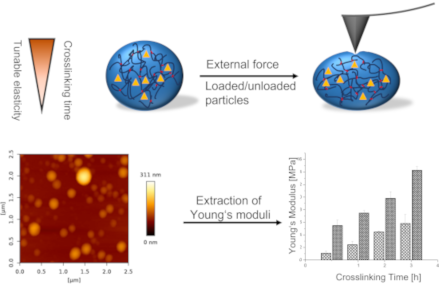
- ), Poloxamer 188 (Kolophor® P 188), 25% glutaraldehyde solution, branched polyethylene imine (25 kDa, PEI), sodium metabisulfite, trinitrobenzenesulfonic acid 5% in methanol, sodium hydrogen carbonate, lysozyme from chicken egg white, and solvents (HPLC grade) have been obtained from Sigma-Aldrich (Steinheim


A nonenzymatic reduced graphene oxide-based nanosensor for parathion
Beilstein J. Nanotechnol. 2022, 13, 730–744, doi:10.3762/bjnano.13.65
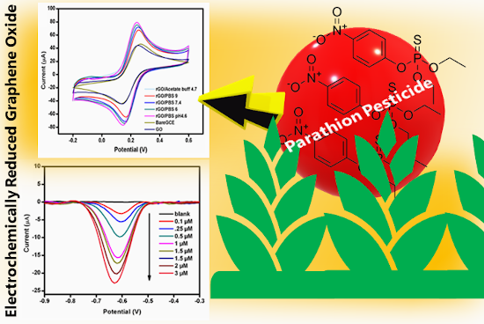
- micron alumina slurry (CHI Instruments) on micro cloth pads sequentially to a mirror-like finish with fine wet emery paper (grain size 4000), and rinsed with ultrapure water. Then the electrode was separately dipped into concentrated NaOH, nitric acid, and methanol for 120 s, followed by sonication in


Nanoarchitectonics of the cathode to improve the reversibility of Li–O2 batteries
Beilstein J. Nanotechnol. 2022, 13, 689–698, doi:10.3762/bjnano.13.61
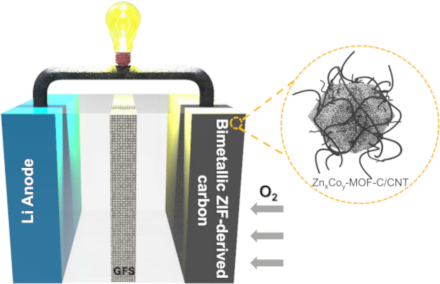
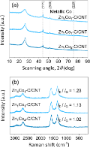
- 20%, 50%, and 80% of zinc ions in the metal precursors). Firstly, metal solutions were prepared by dissolving stoichiometric amounts of cobalt acetate tetrahydrate (Co(CH3COO)2⋅4H2O, Sigma-Aldrich, 98%) and zinc acetate dihydrate (Zn(CH3COO)2·2H2O, Sigma-Aldrich, 99%) in methanol (60 mL). Meanwhile
- , 59 mg of CNTs with diameters of 15–30 nm were dispersed in methanol (60 mL) containing 2.6 g of 2-methylimidazole (C4H6N2) by horn sonication for 30 min. After that, the metal solution was poured into the as-prepared CNT-containing solution. The mixture was continuously stirred for 30 min and then
- poured into a 200 mL Teflon-lined autoclave for heating at 90 °C for 6 h. After the temperature naturally dropped down to room temperature, the ZnxCoy/CNT precipitate was collected by vacuum filtration, washed with methanol, and then dried at 80 °C. After carbonization at 900 °C for 6 h under Ar


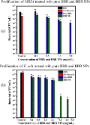
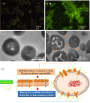
Antibacterial activity of a berberine nanoformulation
Beilstein J. Nanotechnol. 2022, 13, 641–652, doi:10.3762/bjnano.13.56
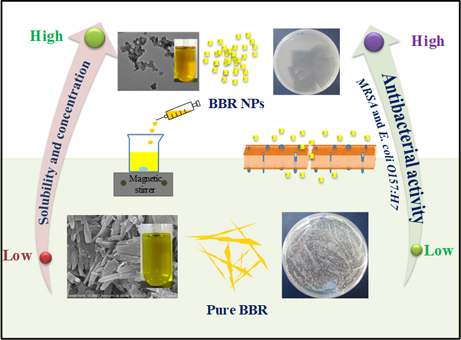
- BBR NPs Solvent molecules strongly affect the formation of crystalline structures and the stabilization of crystal lattices [35]. To the best of our knowledge, in most published papers regarding the synthesis of BBR NPs via the ASP method ethanol or methanol were used as solvents. This study is the



Comparative molecular dynamics simulations of thermal conductivities of aqueous and hydrocarbon nanofluids
Beilstein J. Nanotechnol. 2022, 13, 620–628, doi:10.3762/bjnano.13.54
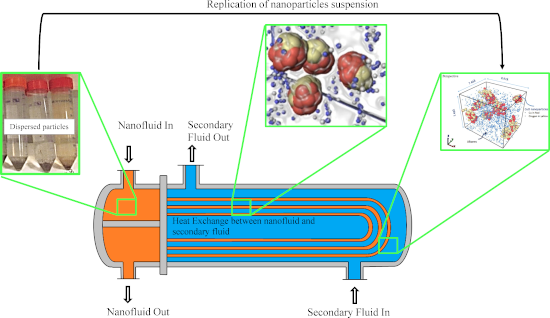
- As phase-change materials, alkane-based nanofluids are being used and it is found that as PCM nanofluids of CuO provide enhanced performance. Therefore, CuO nanoparticles in a nonpolar medium can serve as thermal storage materials [36]. Moreover, heat carrier metal/organic nanofluids of methanol and


Detection and imaging of Hg(II) in vivo using glutathione-functionalized gold nanoparticles
Beilstein J. Nanotechnol. 2022, 13, 549–559, doi:10.3762/bjnano.13.46
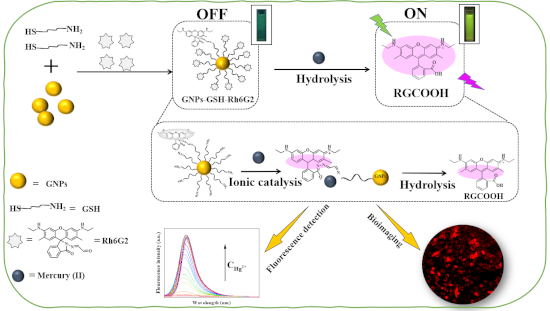
- GNPs were synthesized by a previously reported protocol [38], then the surface of GNPs was modified with GSH to form SAM-modified GNPs. Subsequently, the carbonyl group of Rh6G2 was conjugated with the amino groups of GSH-modified GNPs via Schiff base reaction in methanol solution [39][40]. It is worth


Stimuli-responsive polypeptide nanogels for trypsin inhibition
Beilstein J. Nanotechnol. 2022, 13, 538–548, doi:10.3762/bjnano.13.45
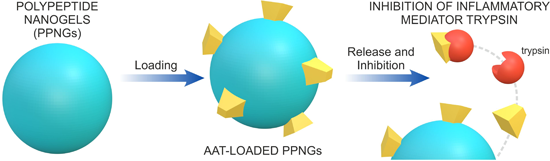
- the development of pancreatitis, will be determined. Finally, in vivo experiments with animal models will be conducted. Experimental Materials Benzene p.a., cyclohexane p.a. (CHX), chloroform p.a., N,N-dimethylformamide p.a. (DMF), 1,4-dioxane p.a., methanol p.a., and tetrahydrofuran p.a. (THF) were


Ethosomal (−)-epigallocatechin-3-gallate as a novel approach to enhance antioxidant, anti-collagenase and anti-elastase effects
Beilstein J. Nanotechnol. 2022, 13, 491–502, doi:10.3762/bjnano.13.41
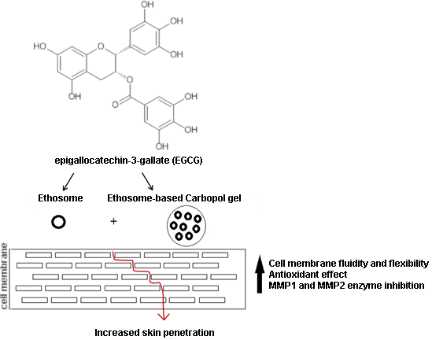
- flask, dissolved with chloroform: methanol (1:3 v/v), and evaporated to form a thin lipid film on the wall of the flask in a rotary evaporator (Heidolph) under vacuum. For hydration of the dry film, the EGCG hydroethanolic solution (15%, 30%, and 45% v/v) was used. The preparation was vortexed for 15



Alcohol-perturbed self-assembly of the tobacco mosaic virus coat protein
Beilstein J. Nanotechnol. 2022, 13, 355–362, doi:10.3762/bjnano.13.30
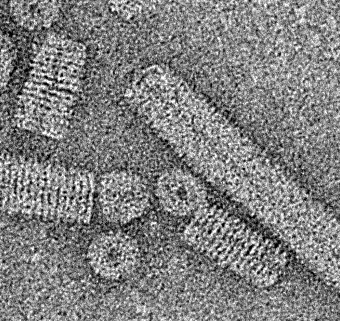
- alcohol having the strongest effect and methanol the weakest. We discuss several effects that may contribute to preventing the protein–protein interactions between disks that are necessary to form helical rods. Keywords: alcohol; hydrophobic effect; protein assembly; self-assembly; tobacco mosaic virus
- component, with increased hydrophobicity leading to longer stacked disks. The perturbation appears to be based on the hydrophobicity of the cosolvent, with methanol having the weakest effect, and isopropyl alcohol having the strongest effect among the alcohols investigated in this study. This work
- , TMV-cp was assembled by the same procedure at pH 5.5 in the presence of methanol or isopropyl alcohol (Figure 5). As expected, a higher concentration of methanol was required to exert the same effect as ethanol on VLP assembly. 3.5 and 5.0 mol % methanol samples still showed many helical rods, but


Interfacial nanoarchitectonics for ZIF-8 membranes with enhanced gas separation
Beilstein J. Nanotechnol. 2022, 13, 313–324, doi:10.3762/bjnano.13.26
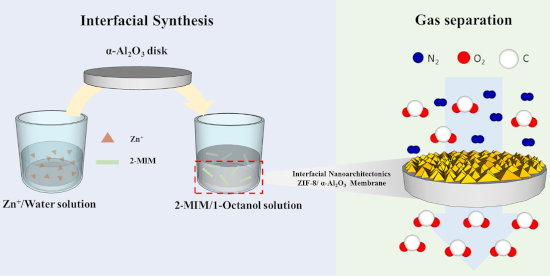
- reagent grade, methanol and 1-octanol of analysis grade were purchased from Sigma-Aldrich. Deionized water produced with a Merck Millipore system was used. The α-Al2O3 disks (30 mm in diameter and 1 mm in thickness) were purchased from Fraunhofer IKTS. Synthesis of ZIF-8 free-standing films Zinc nitrate
- -octanol solution was added dropwise to the zinc nitrate solution. The mixture was kept at 80 °C in an oil bath for 12 h to form a ZIF-8 free-standing thin film on the liquid–liquid interface. After the reaction, fragments of the ZIF-8 thin film were dispersed in methanol to remove solvents and unreacted
- -8 membranes. After the desired reaction time (3–15 h), the mixture was cooled down to room temperature in air. The cooled ZIF-8 membrane was immersed into methanol (50 mL) for 1 h to remove most of the unreacted reactants and solvents. Then, the ZIF-8 membrane was transferred into fresh methanol (50


Surfactant-free syntheses and pair distribution function analysis of osmium nanoparticles
Beilstein J. Nanotechnol. 2022, 13, 230–235, doi:10.3762/bjnano.13.17
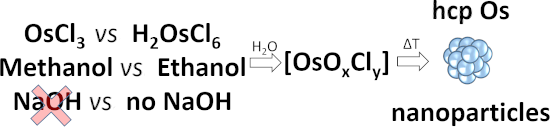
- effect of the precursor (OsCl3 or H2OsCl6), precursor concentration (up to 100 mM), solvent (methanol or ethanol), presence or absence of a base (NaOH), and addition of water (0 to 100 vol %) on the resulting nanomaterials is discussed. It is found that no base is required to obtain Os nanoparticles as
- influence of the precursors: OsCl3 and H2OsCl6, the nature of the solvent/reducing agent: methanol and ethanol, the absence or presence of a base (NaOH), and the effect of adding water at: 0, 10, 25, 50, 66, 75 or 100 vol %. Table S1, Supporting Information File 1, gives an overview of the different
- using small angle X-ray scattering (SAXS) analysis as presented in Figure S22 and Table S2, Supporting Information File 1. However, our experiment showed that either methanol or ethanol is needed for the reaction to proceed playing the role of reducing agents, as no product is formed when the synthesis


Sputtering onto liquids: a critical review
Beilstein J. Nanotechnol. 2022, 13, 10–53, doi:10.3762/bjnano.13.2






Biocompatibility and cytotoxicity in vitro of surface-functionalized drug-loaded spinel ferrite nanoparticles
Beilstein J. Nanotechnol. 2021, 12, 1339–1364, doi:10.3762/bjnano.12.99
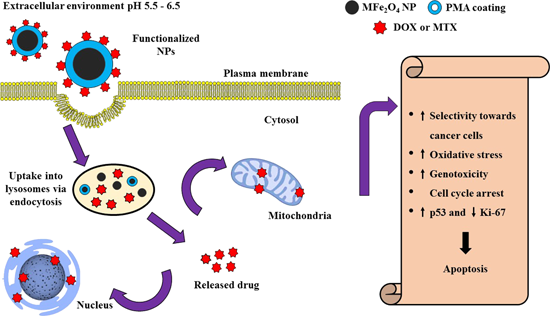
- methanol and resuspended in chloroform [30]. Physical characterizations Structural studies were carried out at an XRD D8-Advance Bruker AXS diffractometer with Cu Kα radiation (λ = 1.54 Å). The Debye–Scherrer formula (Equation 1) was used to calculate the average crystallite size of NPs from the XRD peak





Morphology-driven gas sensing by fabricated fractals: A review
Beilstein J. Nanotechnol. 2021, 12, 1187–1208, doi:10.3762/bjnano.12.88
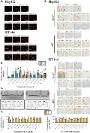
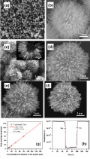
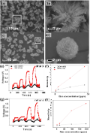
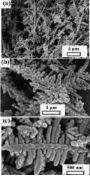
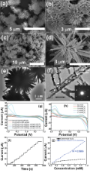
- structures with numerous nanoscale needles. Figure 15a–d depicts SEM images of sample obtained after different reaction times and after using different concentration ratios of the precursors. Figure 15e–h illustrates sensitivity and response–recovery curves for ethanol and methanol. The 3D structures
- and sensor sensitivity toward ethanol and (g, h) dynamic response–recovery curve and sensor sensitivity toward methanol. Figure 15a–h was reprinted from [76], Powder Technology, vol. 217, by X. Liu; J. Zhang; T. Yang; L. Wang; Y. Kang; S. Wang; S. Wu, “Self-assembled hierarchical flowerlike ZnO










Nanogenerator-based self-powered sensors for data collection
Beilstein J. Nanotechnol. 2021, 12, 680–693, doi:10.3762/bjnano.12.54
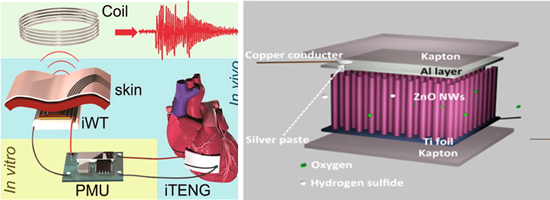
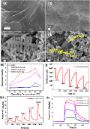
- smelling electronic skin is also negatively correlated with the concentration of the VOCs, as shown in Figure 2i. The smelling electronic skin responds to a variety of VOCs, such as methanol, propanol, butanol, and chloroform, as shown in Figure 2j. Self-powered implantable sensors Physiological data can
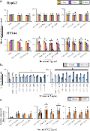
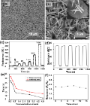
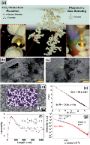
- (LPG) with high sensitivity, selectivity, and reliability [21]. The sensitivity of ZnSnO3/ZnO (1 h) NWs in 4000 ppm H2S, H2, ethanol, methanol, LPG, and saturated water vapor was measured. The sensitivity of ZnSnO3/ZnO NW for LPG is much higher than for other gases, as shown in Figure 5g
- ]. Figure 5f was reproduced with permission from [20], Copyright 2014 American Chemical Society. (g) Sensitivity of ZnSnO3/ZnO NW-based SPGS to H2S, H2, ethanol, methanol, LPG, and saturated moisture at 4000 ppm [21]. Figure 5g was reproduced with permission from [21], Copyright 2015 American Chemical



Stability and activity of platinum nanoparticles in the oxygen electroreduction reaction: is size or uniformity of primary importance?
Beilstein J. Nanotechnol. 2021, 12, 593–606, doi:10.3762/bjnano.12.49
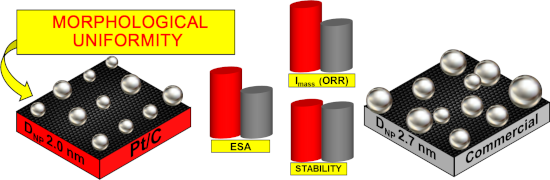
- hydrogen oxidation or an organic reducing agent oxidation (e.g. methanol) occur [4][5]. The need to carry out high-rate electrode reactions requires electrocatalysts (i.e., platinum nanoparticles – NPs – or its alloys), deposited mainly onto nano/microparticles of carbon supports, which are currently the


Influence of electrospray deposition on C60 molecular assemblies
Beilstein J. Nanotechnol. 2021, 12, 552–558, doi:10.3762/bjnano.12.45
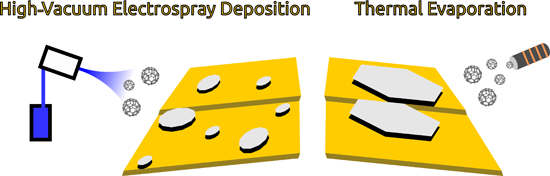
- connected, the vacuum level of the sample chamber is 1 × 10⁻⁷ mbar. The C60 molecules were dissolved in a toluene/methanol mixture (ratio 5:1 in volume). During spray deposition the pressure rose up to 1 × 10⁻⁶ mbar. The typically applied voltage was 1.2 kV with occasional necessary adjustments during spray





