


Search results
Search for "oxidative stress" in Full Text gives 107 result(s) in Beilstein Journal of Nanotechnology.
Structural, optical, and bioimaging characterization of carbon quantum dots solvothermally synthesized from o-phenylenediamine
Beilstein J. Nanotechnol. 2023, 14, 165–174, doi:10.3762/bjnano.14.17
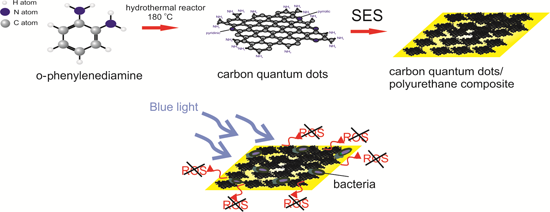
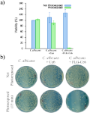
- . Photoluminescence of CQDs can be tuned, and quantum dots emit light in the range from blue to red. Some of them have very good prooxidant and antioxidant properties [14]. Under blue light irradiation, CQDs produce reactive oxygen species (ROS), which cause oxidative stress and further bacterial death [17][18][19


Micro- and nanotechnology in biomedical engineering for cartilage tissue regeneration in osteoarthritis
Beilstein J. Nanotechnol. 2022, 13, 363–389, doi:10.3762/bjnano.13.31
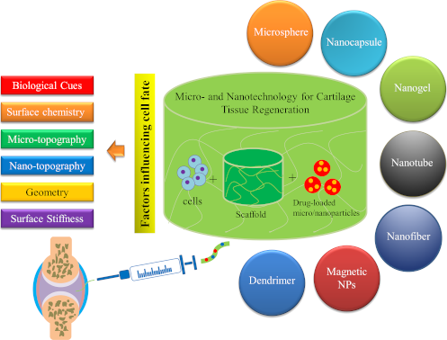
- under genomic and oxidative stress conditions. Furthermore, this formulation had a long residence time (>19 days) in the murine joint after intra-articular injection [29]. In addition, microspheres with a higher surface-to-volume ratio can provide a three-dimensional (3D) environment for cell anchorage
- monoiodoacetate-induced osteoarthritis in rats. The SM-loaded NPs showed suitable properties in terms of particle size (81.4 nm), zeta potential (−28.3 mV), and high encapsulation efficiency (97.5%). Histological criteria, knee bend score, and oxidative stress remarkably improved in rats treated with the SM


Coordination-assembled myricetin nanoarchitectonics for sustainably scavenging free radicals
Beilstein J. Nanotechnol. 2022, 13, 284–291, doi:10.3762/bjnano.13.23
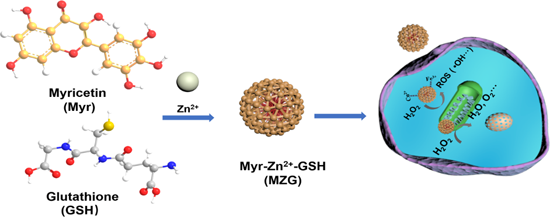
- , Beijing, P. R. China School of Chemical Engineering, University of Chinese Academy of Sciences, Beijing, P. R. China 10.3762/bjnano.13.23 Abstract Oxidative stress can lead to permanent and irreversible damage to cellular components and even cause cancer and other diseases. Therefore, the development of
- offers a new design to harness stable, sustainable antioxidant nanoparticles with high loading capacity, high bioavailability, and good biocompatibility as antioxidants. Keywords: antioxidant; co-assembly; glutathione; myricetin; nanoarchitectonics; Introduction Oxidative stress, caused by an imbalance
- between antioxidative and oxidative systems, leads to permanent and irreversible damage of cellular components, such as proteins, lipids, and nucleic acids [1]. Furthermore, oxidative stress leads to diseases including Alzheimer’s disease [2], cardiac disease [3], atherosclerosis [4], kidney disease [5


Biocompatibility and cytotoxicity in vitro of surface-functionalized drug-loaded spinel ferrite nanoparticles
Beilstein J. Nanotechnol. 2021, 12, 1339–1364, doi:10.3762/bjnano.12.99
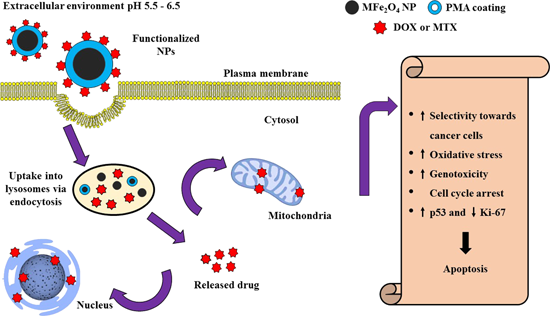
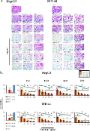
- . The nanoparticles caused cytotoxicity via oxidative stress, causing DNA damage and activation of p53-mediated cell cycle arrest (significantly elevated expression, p < 0.005, majorly G1 and G2/M arrest) and apoptosis. Cytotoxicity testing in 3D spheroids showed significant (p < 0.05) reduction in
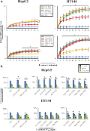
- or by leakage of the metal ions from the core surface, causing oxidative stress. This phenomenon can be controlled by coating the NPs with polymeric shells, which enhances their biocompatibility and stability [40]. All drug-loaded samples exhibited a dose-dependent response. Among DOX-loaded NPs, ZFO
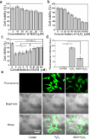
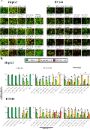
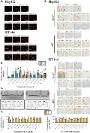
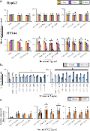
- biocompatibility of NPs-PMA at a given dose and treatment time. Cells undergo oxidative stress upon treatment with functionalized MFe2O4 NPs Generation of ROS has been associated with DNA damage, inflammation, apoptosis and senescence in cells [41]. The 2',7'-dichlorodihydrofluorescein diacetate (H2-DCFDA) assay





Comprehensive review on ultrasound-responsive theranostic nanomaterials: mechanisms, structures and medical applications
Beilstein J. Nanotechnol. 2021, 12, 808–862, doi:10.3762/bjnano.12.64


The preparation temperature influences the physicochemical nature and activity of nanoceria
Beilstein J. Nanotechnol. 2021, 12, 525–540, doi:10.3762/bjnano.12.43
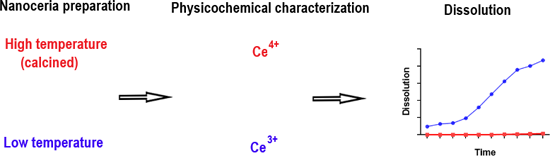
- have adverse consequences and raised the question whether its method of preparation and solubility are contributing factors. In contrast to the results with NM-212, other nanoceria have been demonstrated to have therapeutic potential for multiple conditions with an oxidative stress/inflammation
- ). The initial experiment was repeated with as-prepared and 75, 102, and 152 day partially dissolved nanoceria. Nanoceria reactivity Oxidative stress, as mass-based biological oxidative damage (mBOD), and surface-based biological oxidative damage (sBOD), of NM-211, NM-212, and the solvothermally
- more available oxygen on the surface of nanoceria not exposed to high temperature. Biological identity of as-prepared and partially dissolved nanoceria Nanoceria has the potential to act as a pro- or antioxidant, depending on its valence, and the oxidative stress level of the system under study




A review on nanostructured silver as a basic ingredient in medicine: physicochemical parameters and characterization
Beilstein J. Nanotechnol. 2021, 12, 440–461, doi:10.3762/bjnano.12.36
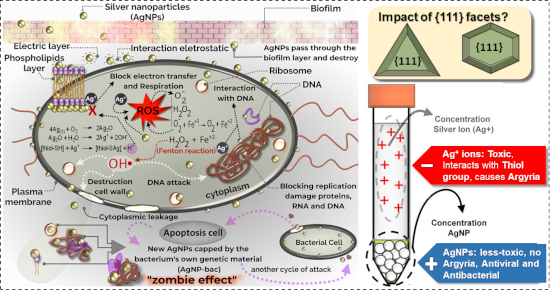
- considered the ion content (Ag+) of those nanoparticles. Toxicity assays could be performed by using oxidative stress and other reliable markers, such as 8-oxoguanine DNA glycosylase 1 (OGG1) and nuclear factor erythroid 2-related factor 2 (Nrf2) [132] or 3-(4,5-dimethylthiazol-2-yl)-2,5-diphenyltetrazolium


A review on the biological effects of nanomaterials on silkworm (Bombyx mori)
Beilstein J. Nanotechnol. 2021, 12, 190–202, doi:10.3762/bjnano.12.15
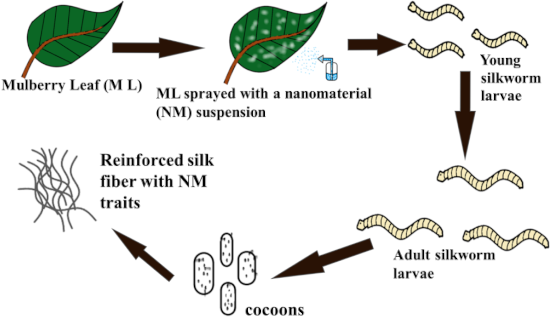
- to generate more reactive oxygen species (ROS) and to induce oxidative stress could be a reason for their antibacterial activity against R. solanacearum in tobacco plants [23]. Aside from MgO NPs, other nanomaterials, including titanium dioxide (TiO2 NPs), zinc oxide (ZnO NPs), copper oxide (CuO NPs
- oxidative stress response, which makes the p-translucent silkworm a good model to study Parkinson’s disease [92][93]. Mammalian model organisms are mostly used to study the efficacy of new drugs for human-related diseases and also in the screening of antimicrobial drugs [94]. Recent reports indicate
- concentrations of Ag NPs [122]. Reactive oxygen species (ROS), which are involved in cell signaling and homeostasis [123], are considered a characteristic side-effect of oxygen metabolism. High levels of ROS in living organisms induce oxidative stress, which results in damage to the DNA, proteins, and lipids


Effect of different silica coatings on the toxicity of upconversion nanoparticles on RAW 264.7 macrophage cells
Beilstein J. Nanotechnol. 2021, 12, 35–48, doi:10.3762/bjnano.12.3
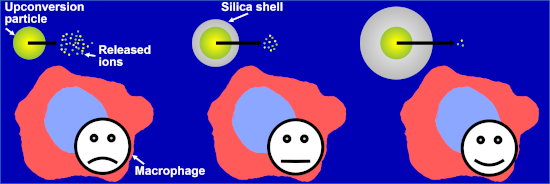
- oxidative stress and cause apoptosis. In addition, intracellular redox homeostasis and gene expression can be modulated [26]. Lanthanide ions are usually not reported as highly toxic. However, they can interact with proteins, enzymes, and other biomolecules [27][28] and might also cause oxidative damage or


Antimicrobial metal-based nanoparticles: a review on their synthesis, types and antimicrobial action
Beilstein J. Nanotechnol. 2020, 11, 1450–1469, doi:10.3762/bjnano.11.129
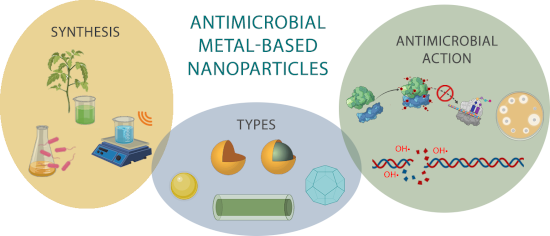
- induction of oxidative stress, the release of metal ions and the non-oxidative damage. Synthesis of antimicrobial nanoparticles Over the last years, techniques for synthesizing antimicrobial nanoparticles have advanced significantly due to their use in both biomedical and industrial applications. The
- ][132]. When the size of titanium dioxide is reduced to the nanoscale (TiO2 NPs), its photocatalytic property is greatly improved, generating more reactive oxygen species (ROS). ROS damages bacterial cells, DNA chains, and other cellular structures through oxidative stress. Therefore, the use of TiO2
- simpler way without major equipment requirements. Mechanisms of antimicrobial action The exact antibacterial mechanisms of NPs are being exhaustively investigated and some processes have been elucidated, including oxidative stress induction, metal ion release, and non-oxidative damage, which affect


Applications of superparamagnetic iron oxide nanoparticles in drug and therapeutic delivery, and biotechnological advancements
Beilstein J. Nanotechnol. 2020, 11, 1092–1109, doi:10.3762/bjnano.11.94
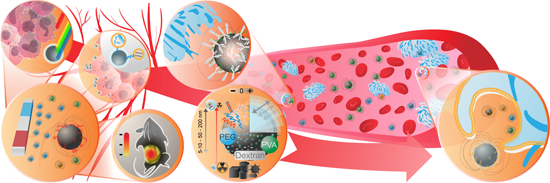
- are considered the most effective, but unfortunately pure iron is toxic because it leads to high oxidative stress. To avoid this problem there is a lot of ongoing work regarding the design of core–shell particles with pure iron cores [63][64]. Octopod SPIONs (30 nm) were also shown to be better than
- later by iron oxidative stress [81]. Dextran-coated SPIONs were found to accumulate in large amounts in tumor sites in mice, in contrast to PEG-coated SPIONs, which did not accumulate, even in the presence of an external magnet at the tumor site. The PEG-coated SPIONs exhibited a longer blood


A few-layer graphene/chlorin e6 hybrid nanomaterial and its application in photodynamic therapy against Candida albicans
Beilstein J. Nanotechnol. 2020, 11, 1054–1061, doi:10.3762/bjnano.11.90
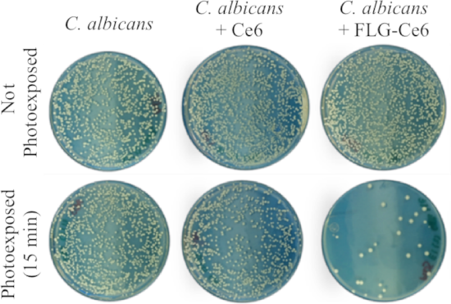
- environment. ROS refer to molecules like singlet oxygen, superoxide anion, and radicals, which are responsible for producing oxidative stress in cells followed by cell death [4]. Photosensitizer molecules must be nontoxic before irradiated with light, must produce high amounts of ROS when irradiated with


Identification of physicochemical properties that modulate nanoparticle aggregation in blood
Beilstein J. Nanotechnol. 2020, 11, 550–567, doi:10.3762/bjnano.11.44
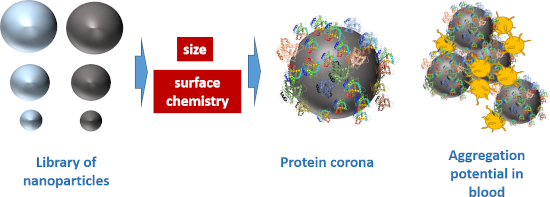
- platelets [16]. Additionally, SNPs were found to induce pre-thrombotic states through surface-driven activation of the coagulation factor XII [17][18]. Finally, SNPs are known to induce oxidative stress in several cell lines including endothelial cells [19] and leucocytes [20][21], a process that in vivo




Luminescent gold nanoclusters for bioimaging applications
Beilstein J. Nanotechnol. 2020, 11, 533–546, doi:10.3762/bjnano.11.42
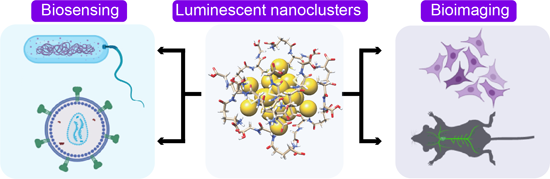
- of protamine also lowered the minimum inhibitory concentration by two orders of magnitude. This is attributed to the enhanced catalytic activity upon binding with protamine, which resulted in altered oxidative stress and a higher generation of reactive oxygen species (ROS). Kurdekar et al. developed


Multilayer capsules made of weak polyelectrolytes: a review on the preparation, functionalization and applications in drug delivery
Beilstein J. Nanotechnol. 2020, 11, 508–532, doi:10.3762/bjnano.11.41
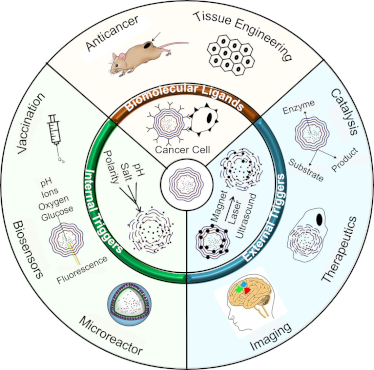


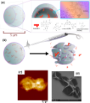

Poly(1-vinylimidazole) polyplexes as novel therapeutic gene carriers for lung cancer therapy
Beilstein J. Nanotechnol. 2020, 11, 354–369, doi:10.3762/bjnano.11.26
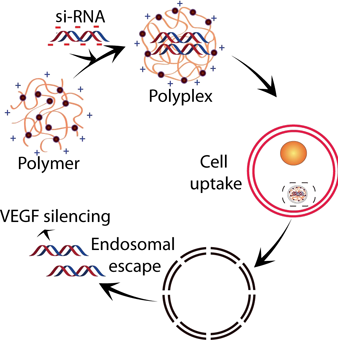
- mediated through oxidative stress. Hence, it is likely that the down-regulation of VEGF may have contributed to the reduced expression of LCLAT1 in the polyplex-treated cells. RFC5 (replication factor C 5) is generally associated with the proliferation of cell nuclear antigen (PCNA) [48] and has also been


Facile biogenic fabrication of hydroxyapatite nanorods using cuttlefish bone and their bactericidal and biocompatibility study
Beilstein J. Nanotechnol. 2020, 11, 285–295, doi:10.3762/bjnano.11.21
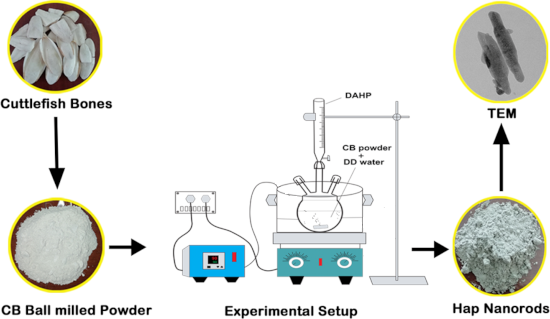
- and 200 µg/mL, respectively, was added to the blood samples. This indicates that the nanorods may exhibit a slight hemolytic behavior at a higher CB-Hap NR concentration. The hemolytic activity at higher concentrations can be attributed to the oxidative stress induced by introducing CB-Hap nanorods
- result in oxidative stress [61]. Conclusion This study is a pioneering work in the preparation of hydroxyapatite nanorods using marine waste cuttlefish bones using an oil-bath-mediated precipitation method. The resultant powders from the precipitation process were investigated via systematic


Toxicity and safety study of silver and gold nanoparticles functionalized with cysteine and glutathione
Beilstein J. Nanotechnol. 2019, 10, 1802–1817, doi:10.3762/bjnano.10.175
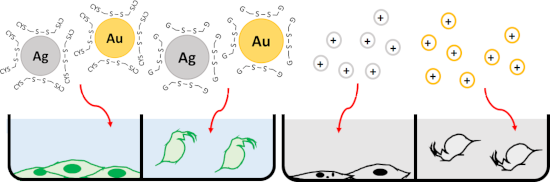
- studies indicating that AgNPs negatively impact cell membranes, interfere with signaling pathways, disrupt the cell cycle, and cause mitochondrial dysfunction, oxidative stress, DNA damage and apoptosis [7][8][9]. Many reports on AgNP toxicity attribute it fully or partially to dissolved or released ionic
- reduces or increases their safety. For this purpose, the efficiency of NP uptake, cell viability, apoptosis induction, oxidative stress response and genotoxicity parameters of L929 cells treated with prepared NPs were determined and compared with control cells. A range of NP concentrations were tested for
- significant number of late apoptotic cells, while CYS- and GSH-coated AgNPs were shown to be safer than expected. In both cases, more than 88% of fibroblasts survived the treatment with the highest dose applied (10 mg Ag L−1). As the exposure to NPs is known to induce oxidative stress in cells [75][76], ROS


Lipid nanostructures for antioxidant delivery: a comparative preformulation study
Beilstein J. Nanotechnol. 2019, 10, 1789–1801, doi:10.3762/bjnano.10.174
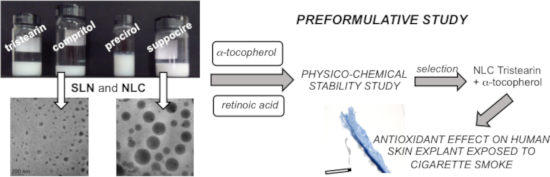
- oxidative stress [7]. The release of reactive oxygen species from tobacco smoke provokes a series of systemic immunomodulatory effects that leads to a compromised inflammatory response. These destructive mechanisms also affect collagen synthesis and the skin cellular reparative effects [8][9]. It has been
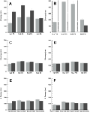
- size and the EE of TOC. Antioxidant effect of NLCs containing TOC Following the results obtained in the 2D cell model, the study of the protective effect of NLC T10-TOC was carried out on HSE. CS contains many components able to elicit oxidative stress, which can induce the cytoprotective enzyme heme

Scavenging of reactive oxygen species by phenolic compound-modified maghemite nanoparticles
Beilstein J. Nanotechnol. 2019, 10, 1073–1088, doi:10.3762/bjnano.10.108
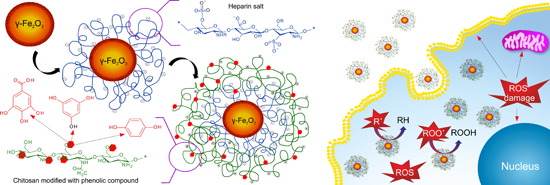
- . In conclusion, the high cellular uptake and the antioxidant properties associated with the phenolic moieties in the modified particles allow for a potential application in biomedical areas. Keywords: antioxidants; chitosan; maghemite nanoparticles; oxidative stress; phenolic compound; Introduction
- induce oxidative stress in living organisms via the Fenton reaction. Therefore, it is crucially important in biological applications of iron oxide nanoparticles to counteract this undesirable effect by antioxidants. The combination of magnetic targetability with antioxidant properties is an interesting
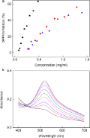
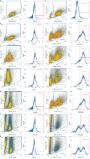
- most potent free radical scavenging activity measured by using the DPPH assay, all three phenolic compound-modified nanoparticles reduced intracellular ROS levels in a similar manner as the control, as indicated by flow cytometry. Because intracellular oxidative stress has been shown to be elevated in





Effects of gold and PCL- or PLLA-coated silica nanoparticles on brain endothelial cells and the blood–brain barrier
Beilstein J. Nanotechnol. 2019, 10, 941–954, doi:10.3762/bjnano.10.95
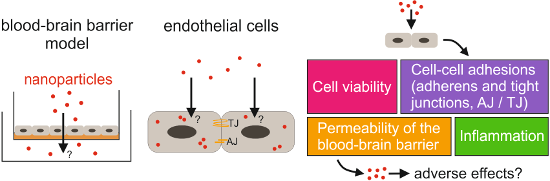
- and lysosomes in microglia [10]. None of the NPs investigated resulted in cytotoxicity, decreased cell viability, apoptosis, autophagy or inflammation. However, exposure to NPs led to oxidative stress via depletion of cellular glutathione and to a downregulation of neuronal differentiation markers in
- , oxidative stress and an increase in inflammatory cytokines in dopaminergic neuron-like cells. In vivo intranasal administration of these NPs corroborated these findings and showed localization of Si-NPs mainly in the striatum and hippocampus [13]. As LTS finds its application in vessels of the brain, the
- cytotoxicity in HUVECs. Furthermore, Si-NPs were shown to induce oxidative stress and inflammation mediated by mitogen-activated protein kinase (MAPK) and nuclear factor kappa-light-chain-enhancer of activated B cells (NF-κB) [21] pathways that are related to cell proliferation and differentiation but also to



The systemic effect of PEG-nGO-induced oxidative stress in vivo in a rodent model
Beilstein J. Nanotechnol. 2019, 10, 901–911, doi:10.3762/bjnano.10.91
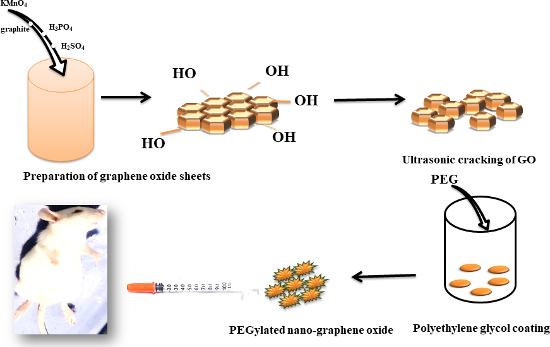
- , Kingdom of Saudi Arabia 10.3762/bjnano.10.91 Abstract Oxidative stress (OS) plays an important role in the pathology of certain human diseases. Scientists have developed great interest regarding the determination of oxidative stress caused after the administration of nano-graphene composites (PEG-nGO
- polyethylene glycol (PEG). PEGylation of nGO was confirmed by Fourier-transform infrared spectroscopy (FTIR), UV spectroscopy and TEM. The average size distribution of nGO and PEG-nGO was determined by using dynamic light scattering (DLS). Subsequently, an in vivo study measuring a marker for oxidative stress
- increased OS even after 4 h. In conclusion increased OS induced by PEG-nGO could be detrimental to brain, heart and kidneys. Keywords: nano-graphene oxide; nanomedicine; oxidative stress; PEGylation; Introduction The recent progress in nanoscience and nanotechnology that has facilitated the synthesis of


Wet chemistry route for the decoration of carbon nanotubes with iron oxide nanoparticles for gas sensing
Beilstein J. Nanotechnol. 2019, 10, 105–118, doi:10.3762/bjnano.10.10
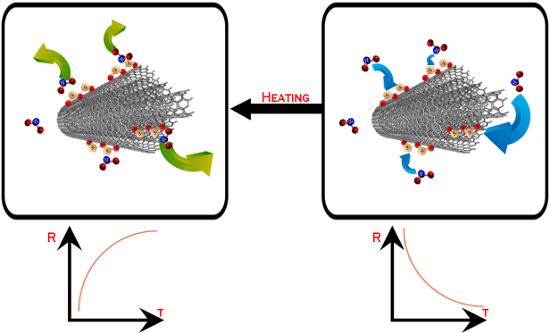
- conditions. As research studies show, exposure to this gas can lead to an increase in oxidative stress in the body, resulting in behavioral and learning-memory impairments. Also, there is a consistent relationship between NO2 and respiratory and asthmatic problems at mean daily concentrations (20–80 ppb




Enhanced antineoplastic/therapeutic efficacy using 5-fluorouracil-loaded calcium phosphate nanoparticles
Beilstein J. Nanotechnol. 2018, 9, 2499–2515, doi:10.3762/bjnano.9.233
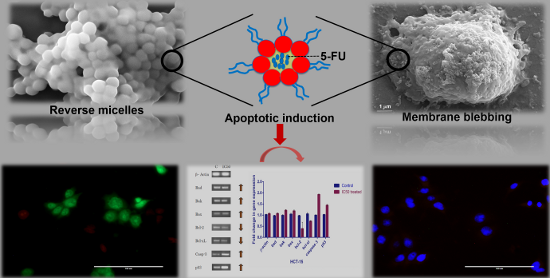
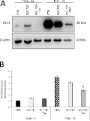
- a pivotal role in homeostatic regulation, growth and response in oxidative stress conditions in order to control or repair diseased cells by initiating apoptosis. As expected, the elevated expression of p53 up to 1.44-fold (Figure 8A) clearly suggests that apoptotic induction occurred in the treated
- CellROX deep red fluorescence intensity through flow cytometry following the manufacturer’s protocol. The oxidative stress upon CaP@5-FU NP treatment in the HCT-15 cell line was characterized by this assay. Briefly, HCT-15 cells were grown in a 35 mm dish followed by treatment with an IC50 concentration
- cell death involves the generation of intracellular reactive oxygen species (ROS) molecules (e.g., O2−, OH·, H2O2) [44]. The elevated level of ROS species interferes with the normal metabolism of the cells by disrupting cell structures such as lipids, proteins and DNA [45]. This increased oxidative


Review on nanoparticles and nanostructured materials: history, sources, toxicity and regulations
Beilstein J. Nanotechnol. 2018, 9, 1050–1074, doi:10.3762/bjnano.9.98

- reactions associated with NPs and NSMs and the regulations implemented by different countries to reduce the associated risks are also discussed. Keywords: nanomaterial classification; nanomaterial history; nanotoxicity; oxidative stress; reactive oxygen species; regulations; Review Introduction
- cells can cause granulomatous reactions, oxidative stress and inflammation, leading to fibroplasia and neoplasia in lungs. The results also suggested that humans are routinely exposed to carbon nanotubes and showed that the outcome is similar to the vehicle exhaust samples collected in Paris, ambient





