Search results
Search for "quartz" in Full Text gives 415 result(s) in Beilstein Journal of Nanotechnology. Showing first 200.
AFM-IR investigation of thin PECVD SiOx films on a polypropylene substrate in the surface-sensitive mode
Beilstein J. Nanotechnol. 2024, 15, 603–611, doi:10.3762/bjnano.15.51
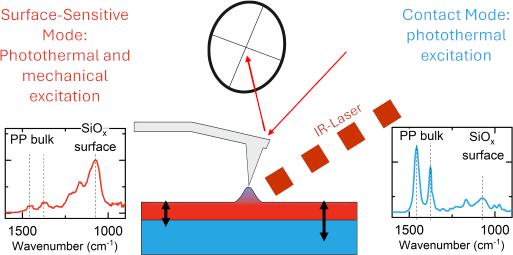
- , the partial pressure of argon was set to 0.1 mbar and the partial pressure of oxygen was set to 0.3 mbar. The monomer partial pressure was set to 0.05 mbar. The high partial pressure of oxygen in a ratio of 3:1 promotes the formation of SiOx structures. The film thickness was measured with a quartz


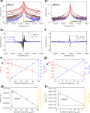
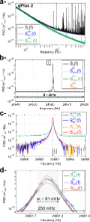
Stiffness calibration of qPlus sensors at low temperature through thermal noise measurements
Beilstein J. Nanotechnol. 2024, 15, 580–602, doi:10.3762/bjnano.15.50
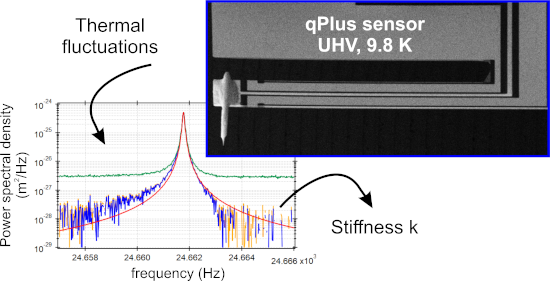
- little precision. An accurate stiffness calibration is therefore mandatory if accurate force measurements are targeted. In nc-AFM, the probe may either be a silicon cantilever, a quartz tuning fork (QTF), or a length extensional resonator (LER). When used in ultrahigh vacuum (UHV) and at low temperature
- the framework focuses on a particular kind of sensor, it may be adapted to any high-k, high-Q nc-AFM probe used under similar conditions, such as silicon cantilevers and LERs. Keywords: low temperature; non-contact atomic force microscopy; qPlus sensors; quartz tuning fork; stiffness calibration
- optical detection setup. Nc-AFM experiments are then mostly performed with quartz sensors, essentially implemented according to two geometries: quartz tuning fork (QTF) [19] or length-extensional resonator (LER) [20][21][22]. The commercial versions of these probes are the qPlus sensor (Scienta-Omicron

Aero-ZnS prepared by physical vapor transport on three-dimensional networks of sacrificial ZnO microtetrapods
Beilstein J. Nanotechnol. 2024, 15, 490–499, doi:10.3762/bjnano.15.44
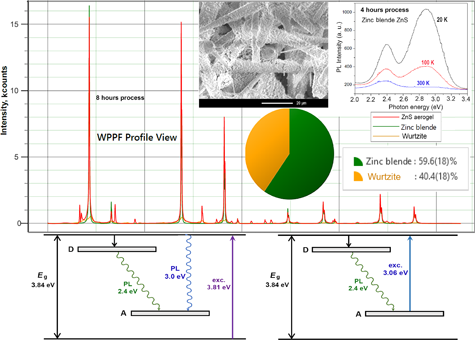
- evacuated quartz ampoules with an inner diameter of 15 mm, where Sn2S3 crystals as source material were placed at a distance of about 100 mm from the ZnO target consisting of a network of microtetrapods. The technological procedure was carried out in a two-zone horizontal furnace. The Sn2S3 crystals were
- quartz ampoule through physical vapor transport. The sacrificial network of ZnO microtetrapods with an arm length of 10–30 µm was prepared at Kiel University in Germany by a simple flame transport approach, which is described in [46]. The produced powder was pressed in an inox chamber with dimensions of


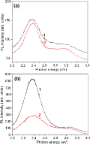
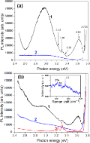

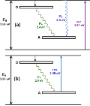
Determining by Raman spectroscopy the average thickness and N-layer-specific surface coverages of MoS2 thin films with domains much smaller than the laser spot size
Beilstein J. Nanotechnol. 2024, 15, 279–296, doi:10.3762/bjnano.15.26


Vinorelbine-loaded multifunctional magnetic nanoparticles as anticancer drug delivery systems: synthesis, characterization, and in vitro release study
Beilstein J. Nanotechnol. 2024, 15, 256–269, doi:10.3762/bjnano.15.24
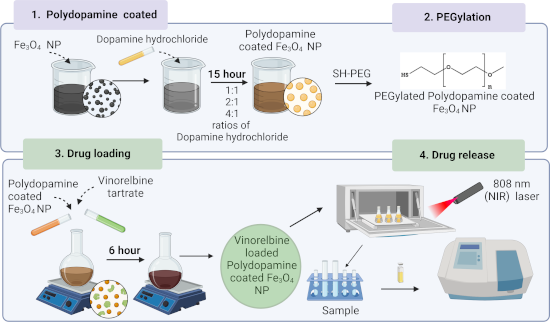
- , 80, 100, 200, and 400 µg/mL. These solutions were then placed in quartz cuvettes, and absorbance readings were taken using the UV–vis spectrophotometer at a wavelength of 268 nm [40]. The absorbance values obtained were utilized to construct the calibration curve. Determination of photothermal


Graphene removal by water-assisted focused electron-beam-induced etching – unveiling the dose and dwell time impact on the etch profile and topographical changes in SiO2 substrates
Beilstein J. Nanotechnol. 2024, 15, 190–198, doi:10.3762/bjnano.15.18
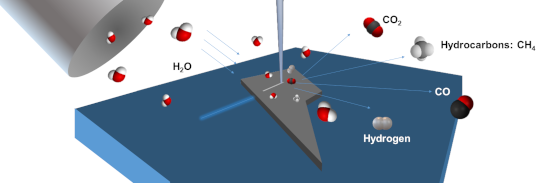
- (and their different adsorption mechanisms on quartz or amorphous silica surfaces), which would be responsible for those topographical changes. This hypothesis could also be supported by the fact that OH− groups can easily interact with the H-terminated surface of amorphous silica. However, they are
- less likely to oxidize quartz, where Si–O–Si bonds dominate on the surface. It is also consistent with other results, where oxygen gas was used for FEBIE of graphene and no etching of SiO2 substrate was detected by AFM. Although our studies already untangle some phenomena accompanying the graphene


CdSe/ZnS quantum dots as a booster in the active layer of distributed ternary organic photovoltaics
Beilstein J. Nanotechnol. 2024, 15, 144–156, doi:10.3762/bjnano.15.14
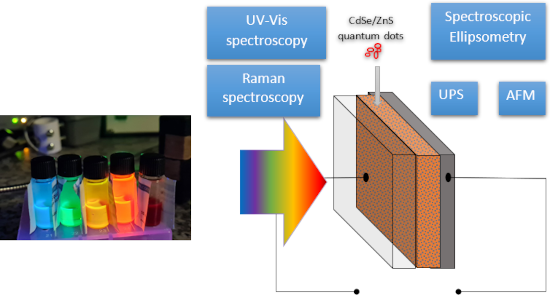
- spectra of a solid were studied as a thin film deposited on quartz, and measurements in solution were obtained in chloroform. The wavelength ranged from 250 to 1000 nm. A Woolam M-2000 ellipsometer was used for spectroscopic ellipsometry analysis. The measurement range was 350–1650 nm. The measurement was
- ultraviolet with a small exponentially decreasing band up to 500–600 nm (Figure 2). The absorption band maximum is about 260 nm in the solid state (quartz was used as reference) and 330 nm in chloroform solution. The photoluminescence spectra, excited by a 405 nm laser, are shown in Figure 3. This type of




Elasticity, an often-overseen parameter in the development of nanoscale drug delivery systems
Beilstein J. Nanotechnol. 2023, 14, 1149–1156, doi:10.3762/bjnano.14.95

- determine mechanical properties of nanoparticles (or their corresponding bulk materials) highlighting quartz crystal microbalance, rheology, and atomic force microscopy (AFM) are summarized by Li et al. [18]. Another often reported method is particle deformability, being extrusion a possibility for


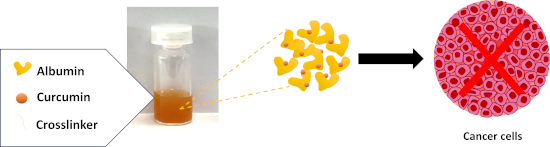
Curcumin-loaded albumin submicron particles with potential as a cancer therapy: an in vitro study
Beilstein J. Nanotechnol. 2023, 14, 1127–1140, doi:10.3762/bjnano.14.93
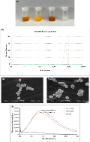
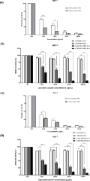
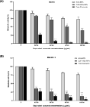
- using a J-1500 spectropolarimeter (JASCO, Tokyo, Japan) in the wavelength range of 200 to 260 nm. The measurements were conducted at 25 °C in quartz cuvettes with an optical path of 0.1 mm at a scanning speed of 100 nm/min. In vitro controlled release studies of CUR-HSA-MPs A total of 1 mL of the




Properties of tin oxide films grown by atomic layer deposition from tin tetraiodide and ozone
Beilstein J. Nanotechnol. 2023, 14, 1085–1092, doi:10.3762/bjnano.14.89
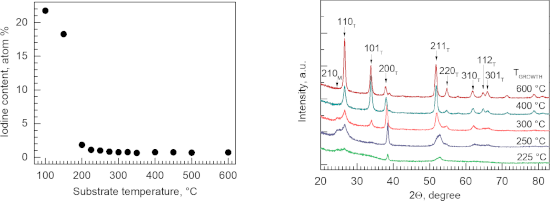
- pulse length for the iodide precursor, the SnI4–O3 process was, at first, examined in situ using a quartz crystal microbalance (QCM) [17]. The QCM data were acquired with a Q-pod quartz crystal monitor (Inficon) at a stabilized reactor temperature of 300 °C. For the film growth for ex situ measurements


Isolation of cubic Si3P4 in the form of nanocrystals
Beilstein J. Nanotechnol. 2023, 14, 971–979, doi:10.3762/bjnano.14.80
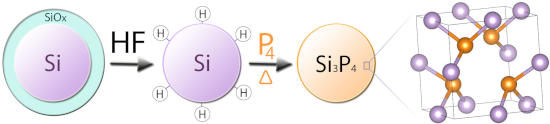
- . In order to obtain silicon phosphide samples, weighted amounts of hydrogenated Si NPs (ca. 10 mg) and red phosphorus (ca. 15 mg) were transferred to a clean degassed quartz ampoule, which was sealed under the residual pressure of 5 × 10⁻² mbar. Annealings were carried out in a muffle furnace SNOL-3
- gradually form on the surface oxide layer to prevent combustion. In an attempt to prevent hydrolysis/oxidation, a quartz ampoule with NPs synthesized at 400 °C was opened inside an evacuated and sealed copper ampoule partially filled with octadecene. Hydrosilylation was carried out for 30 min at 315 °C. In
- the case of alcoholysis passivation, degassed 1-dodecanol was introduced to the Si3P4 product powder without air contact. Si3P4 NPs samples were examined on a diffractometer DRON-4-07 (Cu Kα radiation) in the form of films on a polished quartz substrate; phase analysis was performed using the program


N-Heterocyclic carbene-based gold etchants
Beilstein J. Nanotechnol. 2023, 14, 865–871, doi:10.3762/bjnano.14.71
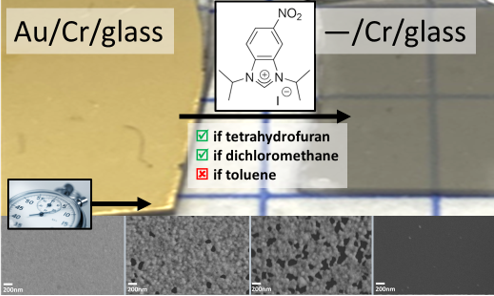
- integration time of 30 s. UV–vis spectra were collected using UVProbe 2.51 software on a Shimadzu UV-3600 Plus UV–vis–NIR spectrophotometer with a 1 cm path length quartz cuvette. Four species were examined, namely 1,3-diisopropyl-5-nitrobenzimidazolium iodide (1), 1,3-diisopropyl-5-nitrobenzimidazolium



Silver nanoparticles loaded on lactose/alginate: in situ synthesis, catalytic degradation, and pH-dependent antibacterial activity
Beilstein J. Nanotechnol. 2023, 14, 781–792, doi:10.3762/bjnano.14.64
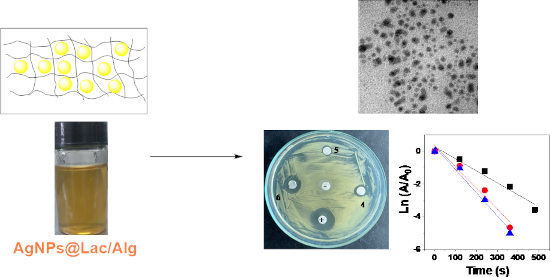
- quartz cell with a path length of 1 cm, 2.5 mL of a solution containing 0.1 mM of the contaminants and an aqueous nanocomposite solution of catalyst (AgNPs@Lac/Alg-0.7, in which the ratio of Ag+ to Lac/Alg was 0.7:1, w/w) at concentrations ranging from 1.0 to 3.0 μg/mL were added. Subsequently, 0.5 mL of


Control of morphology and crystallinity of CNTs in flame synthesis with one-dimensional reaction zone
Beilstein J. Nanotechnol. 2023, 14, 741–750, doi:10.3762/bjnano.14.61
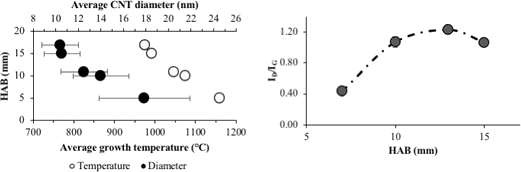
- comprises a premix chamber and a concentric nozzle tube outlet with diameters of 17 and 26 mm, respectively. A quartz tube with an outer diameter of 50 mm is placed around the burner nozzle. To synthesize the CNTs, a positioning system with an accuracy of 0.5 mm is employed, and the sample is placed on top
- of a mesh wire attached at the bottom of the sampling probe. The probe is vertically inserted into the quartz tube from the top, and the HAB values are varied between 5 and 17 mm by adjusting the insertion length. The sampling time is fixed at 1 min for all runs unless specified otherwise. The
- with an accuracy of 1 mm. Schematic diagram of the premixed flame synthesis setup with quartz tube and traversing arm. The one-dimensional flame is achieved by the utilization of sintered metal at the outlet of the burner. Average elemental composition of CNTs on nickel wire measured with EDX. Funding


Humidity-dependent electrical performance of CuO nanowire networks studied by electrochemical impedance spectroscopy
Beilstein J. Nanotechnol. 2023, 14, 683–691, doi:10.3762/bjnano.14.54
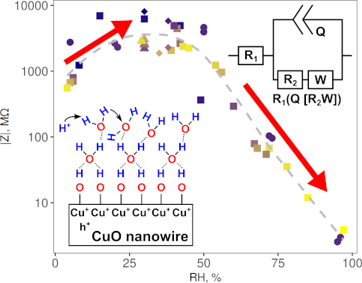
- % purity) by thermal oxidation [9]. The substrates were heated in air from room temperature to 500 °C for 30 min and maintained at the constant temperature for 210 min inside a GSL-1100X (MTI Corporation) quartz tube furnace. Then the heater was switched off, and the oxidized substrates cooled down


Investigations on the optical forces from three mainstream optical resonances in all-dielectric nanostructure arrays
Beilstein J. Nanotechnol. 2023, 14, 674–682, doi:10.3762/bjnano.14.53
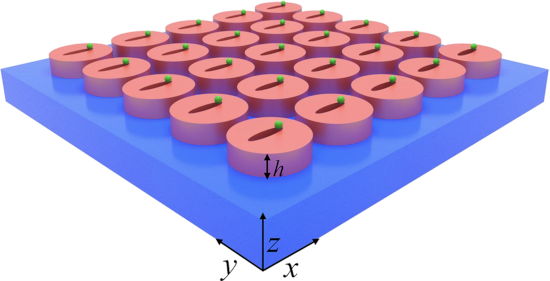
- top of the silicon disks represent the trapped PS spheres. The metasurface consists of a 225 nm thick array of silicon disks on a quartz substrate with elliptical slots etched perforating each disk. The number and positions of the slots depend on the specific mode to be excited, and may be different
- optical capturing of nanoscale particles and may have broad applications in medicine and biology. (a) Schematic overview of the metasurface structure composed of a silicon slotted-disk array on a quartz substrate. The trapped nanoscale particles and the incident plane wave are also illustrated. (b) Top


Quercetin- and caffeic acid-functionalized chitosan-capped colloidal silver nanoparticles: one-pot synthesis, characterization, and anticancer and antibacterial activities
Beilstein J. Nanotechnol. 2023, 14, 362–376, doi:10.3762/bjnano.14.31
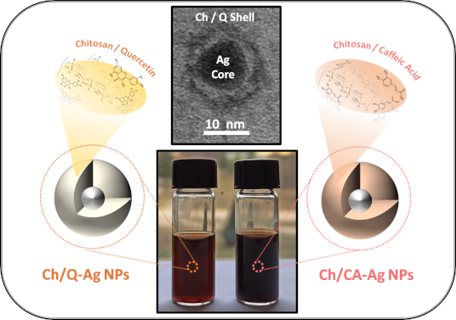
- nanoparticles The absorption spectra of quercetin, caffeic acid, chitosan, Ch-, Ch/Q-, and Ch/CA-Ag NPs were recorded on a UV–vis double-beam spectrophotometer (Hitachi U-2900) at wavelengths of 200 to 800 nm at 1.0 nm intervals with a quartz cell of 1.0 cm light path. Fourier-transform infrared (FTIR) spectra
- at 433 nm. Distilled water with a quartz cell of 1.0 cm light path was used as a reference for the measurements. Determination of amount of caffeic acid using total phenolic content Standard caffeic acid solutions at concentrations of 50–200 μg/mL were prepared in DMSO. Standard caffeic acid solution


Biocatalytic synthesis and ordered self-assembly of silica nanoparticles via a silica-binding peptide
Beilstein J. Nanotechnol. 2023, 14, 280–290, doi:10.3762/bjnano.14.25
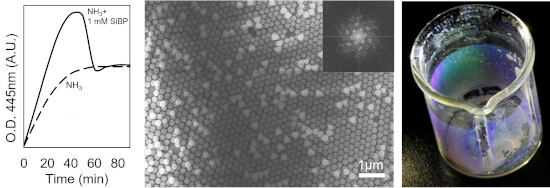
- Table 2 with a final volume of 10 mL. The particles were assembled by a vertical deposition method. For SEM analysis, the particles were assembled on regular microscope cover slides. For UV–vis spectroscopy analysis, the particles were assembled on quartz slides. One end of the slide was attached to a
- ). All SEM analyses were performed using a SU5000 SEM (Hitachi, Japan) at 10 kV accelerating voltage. UV–vis absorbance spectroscopy The particles were assembled on quartz slides by vertical deposition as described before. UV–vis absorbance analysis was made using a T80+ UV–vis spectrophotometer (PG
- , asterisk: clusters of approx. 10 nm particles). SEM micrographs of (a, c) single-layer and (b, d) multilayer self-assembled SiO2 particles (insets: corresponding fast Fourier transform diffraction pattern of the images). (e) UV–vis spectrogram of the self-assembled particles on a quartz surface. (f) Zeta




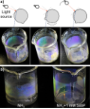
Concentration-dependent photothermal conversion efficiency of gold nanoparticles under near-infrared laser and broadband irradiation
Beilstein J. Nanotechnol. 2023, 14, 205–217, doi:10.3762/bjnano.14.20
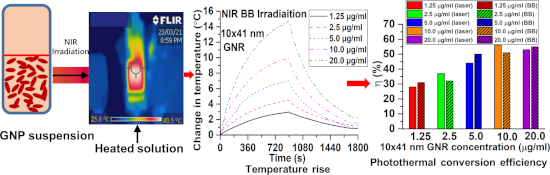
- concentrations in a standard quartz cuvette of 10 mm path length. GNPs were irradiated separately by using a NIR broadband source (754–816 nm, in-house development) or an 808 nm continuous-wave diode laser (INFINITY Laser, New Age Instruments & Materials Pvt. Ltd.) with an irradiation intensity of 0.8 W/cm2. The


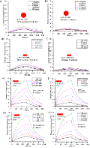


Structural, optical, and bioimaging characterization of carbon quantum dots solvothermally synthesized from o-phenylenediamine
Beilstein J. Nanotechnol. 2023, 14, 165–174, doi:10.3762/bjnano.14.17
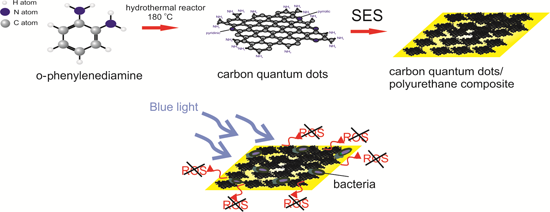
- /L. Samples were irradiated at 365 and 405 nm with intensities of 6 mW/cm2 and 40 mW/cm2, respectively. The fluorescence of the formed hydroxyterephthalic acid (h-TA) solutions taken after different times of irradiation was measured in 1 × 1 cm2 quartz cuvettes in a right-angle arrangement. The


Formation of nanoflowers: Au and Ni silicide cores surrounded by SiOx branches
Beilstein J. Nanotechnol. 2023, 14, 133–140, doi:10.3762/bjnano.14.14
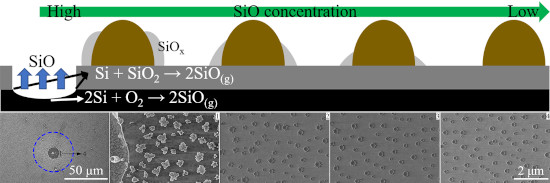
- always deposited after the Ni layer to prevent the oxidation of the Ni layer. The bilayer thicknesses of different systems were 15 nm Au/5 nm Ni, 10 nm Au/10 nm Ni and 5 nm Au/15 nm Ni, and the thickness of each layer was controlled by a quartz balance during the deposition. Thermal annealing was carried


Electrical and optical enhancement of ITO/Mo bilayer thin films via laser annealing
Beilstein J. Nanotechnol. 2022, 13, 1589–1595, doi:10.3762/bjnano.13.133
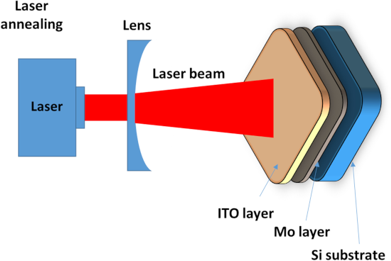
- plasma cleaner. In the IM structure, the thickness of ITO was 125 nm while the thickness of Mo was 10 nm. The thickness was controlled by two quartz crystal balances integrated within the chamber. After deposition, the bilayer thin film was treated using a Nd:YAG pulsed laser with a wavelength of 1064 nm


Supramolecular assembly of pentamidine and polymeric cyclodextrin bimetallic core–shell nanoarchitectures
Beilstein J. Nanotechnol. 2022, 13, 1361–1369, doi:10.3762/bjnano.13.112
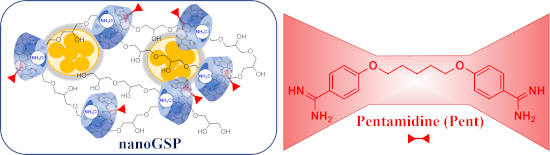
- (AgNO3), ascorbic acid, and pentamidine isethionate were commercially available (Merck). All reagents used (Merck) were used without further purification. Characterization techniques UV–vis spectra were obtained on an Agilent model 8453 diode array spectrophotometer using 1 cm path length quartz cells
- (nanoG) and 0.2 cm path length quartz cells (nanoGS and nanoGSP) at room temperature (≈25 °C). The zeta potential, average hydrodynamic diameter, and width of distribution (polydispersity index, PDI) measurements were carried out by a Zetasizer Nano ZS (Malvern Instrument, Malvern, U.K.) at 25 °C in


Design of surface nanostructures for chirality sensing based on quartz crystal microbalance
Beilstein J. Nanotechnol. 2022, 13, 1201–1219, doi:10.3762/bjnano.13.100
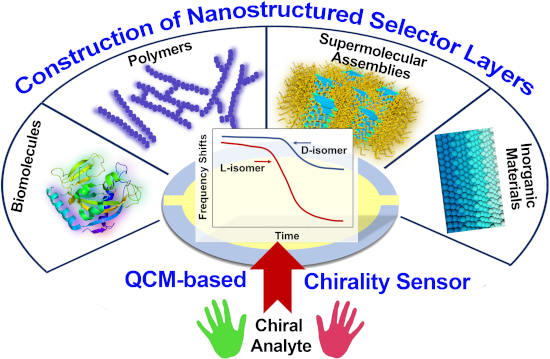
- Yinglin Ma Xiangyun Xiao Qingmin Ji Herbert Gleiter Institute for Nanoscience, School of Materials Science and Engineering, Nanjing University of Science and Technology, 200 Xiaolingwei, Nanjing, 210094, China 10.3762/bjnano.13.100 Abstract Quartz crystal microbalance (QCM) has been widely used
- ; chiral surface; chirality recognition; quartz crystal microbalance (QCM); sensing applications; surface architecture; Introduction Chirality is a prevalent phenomenon in nature. Many common biological macromolecules such as proteins, ribose, and cellulose are inherently chiral. Chiral molecules have two
- sensing systems for enantiomers, which still remains challenging. Quartz crystal microbalance (QCM) is a well-known mass-sensor technique capable of recording changes in nanogram or even picogram levels in both gas and liquid phases [20][21]. The sensing of mass changes is based on the oscillation


Solar-light-driven LaFexNi1−xO3 perovskite oxides for photocatalytic Fenton-like reaction to degrade organic pollutants
Beilstein J. Nanotechnol. 2022, 13, 882–895, doi:10.3762/bjnano.13.79
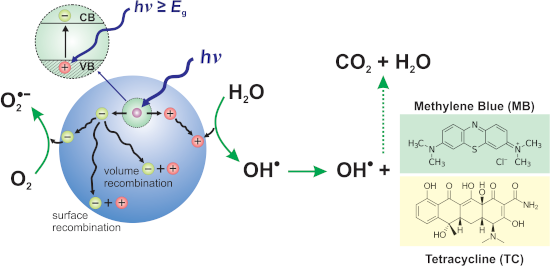
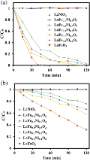
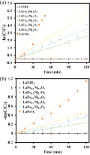
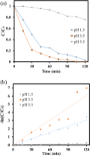
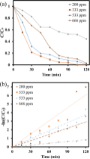
- calibrated with a light intensity meter Model 1919-R (Newport Corporation, USA). First, 150 mL of 20 ppm MB solution was prepared and transferred to a quartz reactor. Perovskite oxide photocatalysts with 30 mg, 50 mg, 80 mg, and 100 mg were placed into the reactor. Furthermore, different amounts of 50% H2O2