Search results
Search for "reactivity" in Full Text gives 283 result(s) in Beilstein Journal of Nanotechnology. Showing first 200.
Interface properties of nanostructured carbon-coated biological implants: an overview
Beilstein J. Nanotechnol. 2024, 15, 1041–1053, doi:10.3762/bjnano.15.85
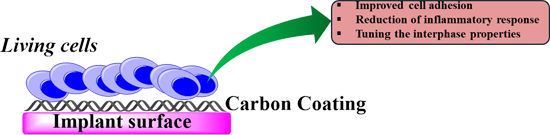
- temperature because the higher number of phonons increases the efficiency of thermal transport [75]. NDs show also exceptional mechanical strength and low chemical reactivity, making them sound candidates for thin film coatings [76]. These properties are counterbalanced by a low electrical conductivity due to
- reactivity of carbon coatings are the key features for the lowered immunological response. Contrary to NDs and graphene-related materials, CNT layers generally induce a strong immunological response because of their higher reactivity [98], which needs to be tuned through an appropriate functionalization
- thickness of 12 μm. The same technique was used by Chen et al. [155] for the deposition of GO onto magnesium alloys. The authors investigated the corrosion in 0.9 wt % NaCl solution, showing beneficial effects of GO mainly due to both being a physical barrier and having a low reactivity. Similar results can



Atomistic insights into the morphological dynamics of gold and platinum nanoparticles: MD simulations in vacuum and aqueous media
Beilstein J. Nanotechnol. 2024, 15, 995–1009, doi:10.3762/bjnano.15.81
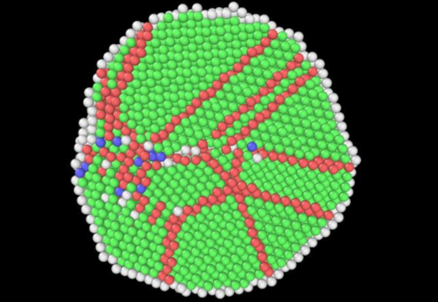
- picture of the NPs’ toxicity and reactivity emerges: Small/hot NPs are likely more toxic than their large/cold counterparts. Because of the small size of the NPs considered, the observed structural modifications are challenging to be studied by experimental techniques. The present approach can be readily
- information regarding the toxicity and reactivity of these NPs by monitoring the behaviour of nano-descriptors commonly employed in quantitative structure–activity relationship (QSAR) models and by measuring the water–NP energetic interactions. The extracted information from our simulations complements
- measure of surface roughness, as well as a proxy to NP reactivity, is the surface area-to-volume ratio [83]. Its variation with the NP diameter for Au (blue line) and Pt (orange line) NPs at 100 K is shown in Figure 8. In general, it is expected to be inversely proportional to where N is the number of


Identification of structural features of surface modifiers in engineered nanostructured metal oxides regarding cell uptake through ML-based classification
Beilstein J. Nanotechnol. 2024, 15, 909–924, doi:10.3762/bjnano.15.75

- dimensions within the range of 1 to 100 nm [2]. The diminutive size of nanoparticles contributes to a significantly high surface area with respect to volume, resulting in enhanced reactivity, improved stability, and augmented functionality. In the field of nanomaterials, ENMOs are a notable subset. These
- because of their enhanced reactivity, large surface area, and tunable properties [7][8]. ENMOs can enter the human body [9] and engage with various biomacromolecules, including sugars, lipids, proteins, and nucleic acids. These biomolecules rapidly envelop the nanoparticle surface, creating a dynamic


A review on the structural characterization of nanomaterials for nano-QSAR models
Beilstein J. Nanotechnol. 2024, 15, 854–866, doi:10.3762/bjnano.15.71
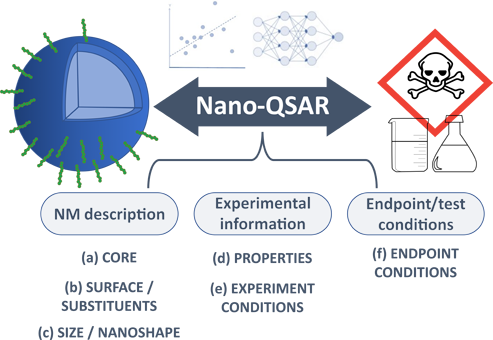
- descriptor of the category “a” or “b” in our classification). Kudrinskiy et al. also modelled silver nanoparticles with different coatings without introducing directly the capping agent in the model, but only by observing the differences in size, reactivity, and electric behavior of the nanoforms with


Exploring surface charge dynamics: implications for AFM height measurements in 2D materials
Beilstein J. Nanotechnol. 2024, 15, 767–780, doi:10.3762/bjnano.15.64
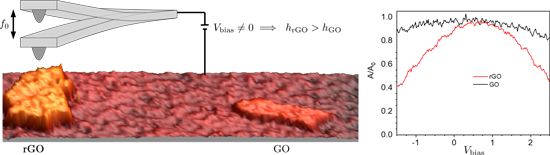
- ratio. Moreover, their extensive surface exposure renders them highly sensitive to ambient and external influences, amplifying chemical reactivity [13] and bestowing attractive properties regarding electrochemical and catalytic reactions [14]. Furthermore, the ability to stack these materials


Simultaneous electrochemical determination of uric acid and hypoxanthine at a TiO2/graphene quantum dot-modified electrode
Beilstein J. Nanotechnol. 2024, 15, 719–732, doi:10.3762/bjnano.15.60
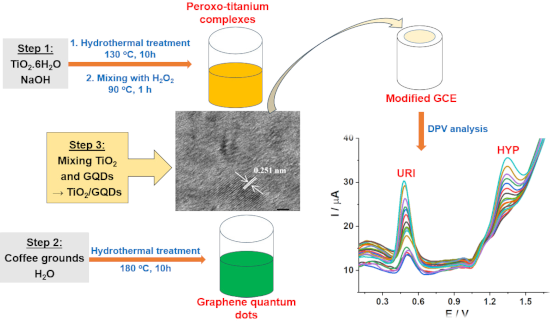
- , titanium alkoxides and halides are extensively used as precursors [20][21]. Because of their high reactivity, a complicate control over the reaction conditions is critical to achieve the desired crystalline structures and morphology [22]. Recently, a synthesis using stable water-soluble titanium complexes


Laser synthesis of nanoparticles in organic solvents – products, reactions, and perspectives
Beilstein J. Nanotechnol. 2024, 15, 638–663, doi:10.3762/bjnano.15.54
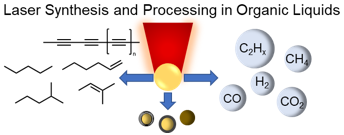
- thousand kelvins and pressures up to the gigapascal range that prevail during nanoparticle synthesis [58][168][169]. Furthermore, the Nernst potential is temperature-dependent, increasing the reactivity of metal precursor and formed





Electron-induced deposition using Fe(CO)4MA and Fe(CO)5 – effect of MA ligand and process conditions
Beilstein J. Nanotechnol. 2024, 15, 500–516, doi:10.3762/bjnano.15.45
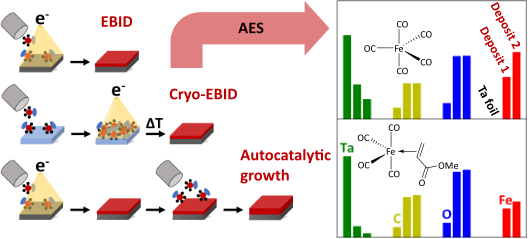
- would be converted predominantly to products that are equally non-volatile at 100 K. We note that MMA has also been reported to polymerize under electron irradiation [50]. The same reactivity is anticipated for free MA, leading to larger oligomeric products with low volatility. Electron irradiation of
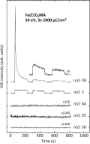
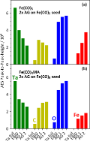
- from Fe(CO)5 (Figure 8a) is in line with the previous result [27]. However, a much smaller intensity increase and also a less pronounced attenuation of the TaNNN signal was observed when AG was performed with Fe(CO)5MA (Figure 8b), pointing to a lesser extent of thermal surface reactivity on the Fe



Unveiling the nature of atomic defects in graphene on a metal surface
Beilstein J. Nanotechnol. 2024, 15, 416–425, doi:10.3762/bjnano.15.37
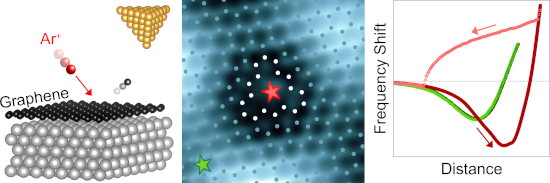
- similar conclusion was inferred from spatially resolved force spectroscopy across a phthalocyanine molecule on Ag(111) whose pyrrolic H atoms had been removed. Despite the bonds formed by the H-detached N atoms of the molecule with the metal substrate, an increased reactivity was reported [58]. Intact
- graphene on Ru(0001) was previously demonstrated to exhibit locally different chemical reactivity on the basis of current-versus-distance characteristics [59]. For the second kind of defects, spatially resolved vertical-force traces are nearly identical and, therefore, do not hint at varying differences in


Classification and application of metal-based nanoantioxidants in medicine and healthcare
Beilstein J. Nanotechnol. 2024, 15, 396–415, doi:10.3762/bjnano.15.36
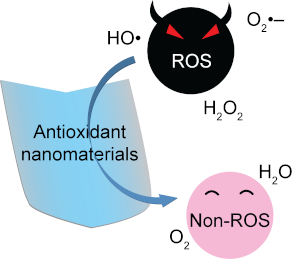
- reactivity because of the presence of an unpaired electron in their atomic structure. In this review, we summarize some novel metal-based nanoantioxidants and classify them into two main categories, namely chain-breaking and preventive antioxidant nanomaterials. In addition, the applications of antioxidant
- ]. Antioxidant nanomaterials can be synthesized from carbon-based compounds, polymeric compounds, and metal-based compounds. Metal-based nanoantioxidants exhibit strong reactivity because there are atoms with unpaired electrons on the surface. Therefore, metal-based nanoantioxidants have a significant advantage
- over natural antioxidants as well as other types of nanoantioxidants with lower reactivity and stability. As a result, metal-based nanoantioxidants have gathered significant attention from scientists. Many efforts have been made to develop new metal-based nanoantioxidants, understand the mechanisms of


Exploring the relationships between physiochemical properties of nanoparticles and cell damage to combat cancer growth using simple periodic table-based descriptors
Beilstein J. Nanotechnol. 2024, 15, 297–309, doi:10.3762/bjnano.15.27
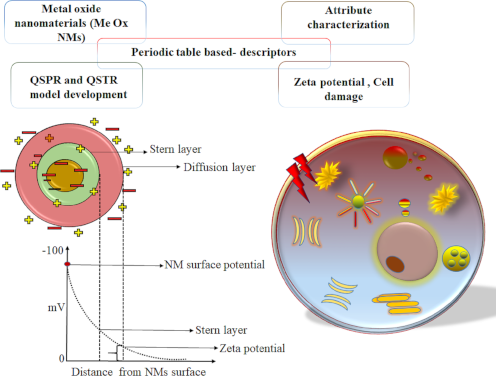
- “valence electron potential” (−eV) determines the elements’ reactivity and is based on the charge of the valence electrons and the ionic radius: Here, k is a proportionality factor expressing the energy of the valence electrons in electronvolts. n is the valence, and r is the ionic radius. This descriptor


Multiscale modelling of biomolecular corona formation on metallic surfaces
Beilstein J. Nanotechnol. 2024, 15, 215–229, doi:10.3762/bjnano.15.21
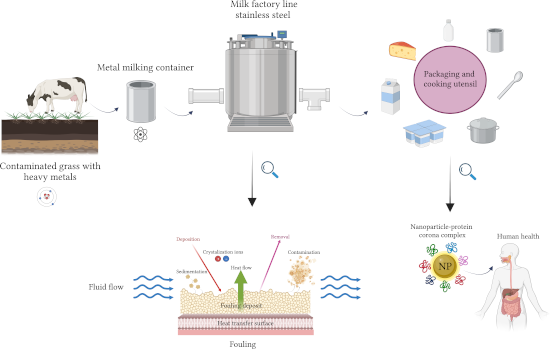
- concerns regarding the safety of nanoparticles (NPs) in relation to human and animal health. The toxicity of NPs is closely linked to their chemical aggressiveness and varies with their physicochemical properties, including surface area, charge, and reactivity. Understanding the intricate interplay between
- reactivity, sensitivity of NPs, as well as their cellular uptake and systemic transfer [21]. However, in order to develop predictive models, a deeper understanding of the interactions at the bionano interface and their relationship to material and protein properties is necessary. Gathering more information




A combined gas-phase dissociative ionization, dissociative electron attachment and deposition study on the potential FEBID precursor [Au(CH3)2Cl]2
Beilstein J. Nanotechnol. 2023, 14, 1178–1199, doi:10.3762/bjnano.14.98
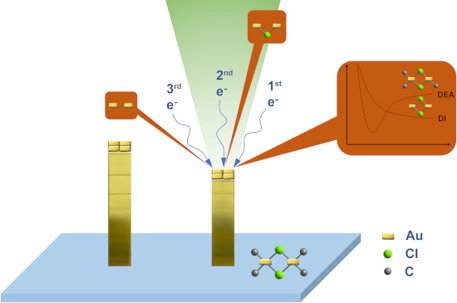
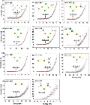
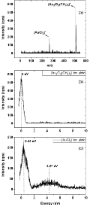
- the precursor decomposition and thus in the deposit formation [16]. Hence, the decomposition of the precursor molecules is not only effectuated by the primary electron beam. In fact, the reactivity of these low-energy electrons [24] may even determine the fragmentation of the precursor molecules



In situ magnesiothermic reduction synthesis of a Ge@C composite for high-performance lithium-ion batterie anodes
Beilstein J. Nanotechnol. 2023, 14, 751–761, doi:10.3762/bjnano.14.62
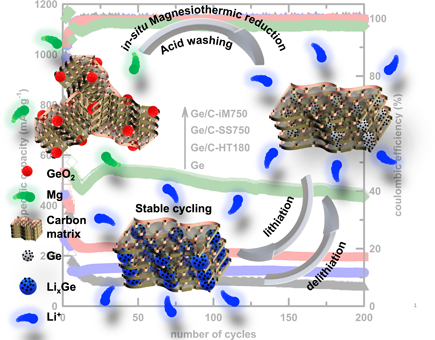
- /bjnano.14.62 Abstract Metallothermic, especially magnesiothermic, solid-state reactions have been widely applied to synthesize various materials. However, further investigations regarding the use of this method for composite syntheses are needed because of the high reactivity of magnesium. Herein, we


Metal-organic framework-based nanomaterials as opto-electrochemical sensors for the detection of antibiotics and hormones: A review
Beilstein J. Nanotechnol. 2023, 14, 631–673, doi:10.3762/bjnano.14.52
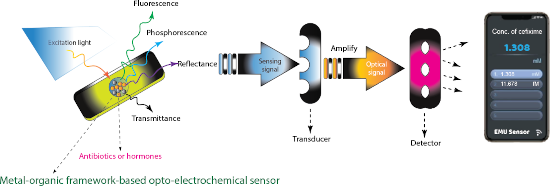
- . Even though this sensitive ELISA approach provided the necessary sensitivity for hormone detection in biological samples, it had a number of drawbacks, including limited specificity, high cost, cross-reactivity, and significant kit variability. The conventional ELISA method necessitates a laborious


SERS performance of GaN/Ag substrates fabricated by Ag coating of GaN platforms
Beilstein J. Nanotechnol. 2023, 14, 552–564, doi:10.3762/bjnano.14.46
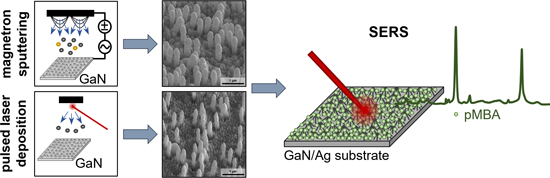
- [31], gene mutation identification [34][35], and investigations of the reactivity of organic monoradicals [36]. In our previous studies, nanostructured GaN platforms were coated with pure metals or alloys using magnetron sputtering (MS) in an argon atmosphere [28][29][30][31][32]. Until now, no other


Evaluation of electrosynthesized reduced graphene oxide–Ni/Fe/Co-based (oxy)hydroxide catalysts towards the oxygen evolution reaction
Beilstein J. Nanotechnol. 2023, 14, 420–433, doi:10.3762/bjnano.14.34
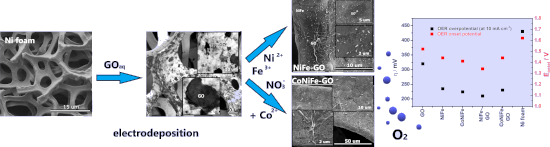
- graphene material with Ni-, Fe- and/or Co-based oxides/hydroxides with high chemical reactivity provides both an effective electron pathway through the catalyst [20] and high specific surface area [21], which is desirable for the OER process [13]. The overall electrocatalytic performance of the hybrid




Plasmonic nanotechnology for photothermal applications – an evaluation
Beilstein J. Nanotechnol. 2023, 14, 380–419, doi:10.3762/bjnano.14.33
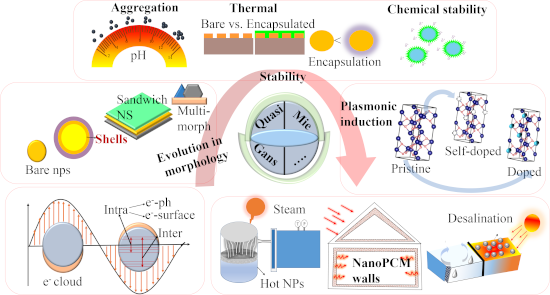
- temperature and reactivity. With broad applications in therapy [22][23], laser combined imaging, solar vapour generation [24], and biosensors [25], the global market for PT devices is expected to be a multimillion dollar enterprise by 2025 [26]. This review will focus on concepts such as the theoretical




Solvent-induced assembly of mono- and divalent silica nanoparticles
Beilstein J. Nanotechnol. 2023, 14, 52–60, doi:10.3762/bjnano.14.6
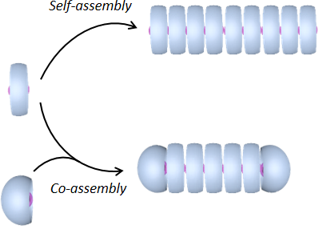
- -controlled step-growth polymerization, in which the reactivity of the patches is independent of the chain length [38]. At longer times (t > 2 h), one can observe that no longer varies linearly with time (Figure 6b). The polymerization of 2-PSN seems to follow a different pathway that is, most likely, a


Non-stoichiometric magnetite as catalyst for the photocatalytic degradation of phenol and 2,6-dibromo-4-methylphenol – a new approach in water treatment
Beilstein J. Nanotechnol. 2022, 13, 1531–1540, doi:10.3762/bjnano.13.126
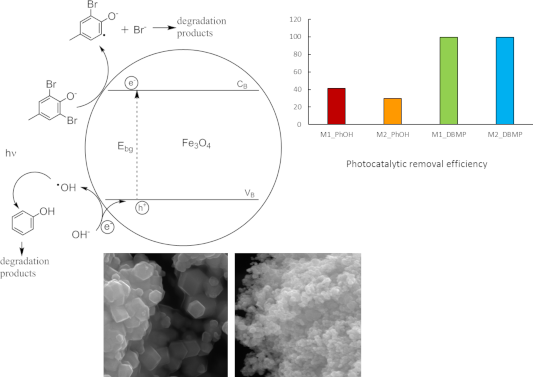
- constants and the half-lives are summarized in Table 2. Significant differences in reactivity were observed for phenol and DBMP. The dissociation constant (pKa) of DBMP is approx. 7.21, hence, almost 90% of the DBMP was dissociated at pH 8, while phenol was mainly (98%) undissociated (Figure 3). The high
- the given reaction conditions (89% of DBMP was dissociated vs only 13% of phenol). The presence of hydroxyl radicals in the solution and a higher reactivity of phenoxide ions compared to that of undissociated forms contributed to a higher degradation efficiency of DBMP in ozonolysis. DBMP is easier to


Hydroxyapatite–bioglass nanocomposites: Structural, mechanical, and biological aspects
Beilstein J. Nanotechnol. 2022, 13, 1490–1504, doi:10.3762/bjnano.13.123
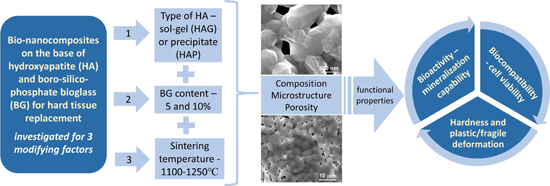
- glass in the HA-BG composites may stimulate the transformation of HA into tricalcium phosphate (TCP) during the sintering at high temperatures, inducing more reactivity of the material in the physiologic environment [4][20]. The HA-TCP transformation can be controlled through the glass fraction and the
Recent trends in Bi-based nanomaterials: challenges, fabrication, enhancement techniques, and environmental applications
Beilstein J. Nanotechnol. 2022, 13, 1316–1336, doi:10.3762/bjnano.13.109
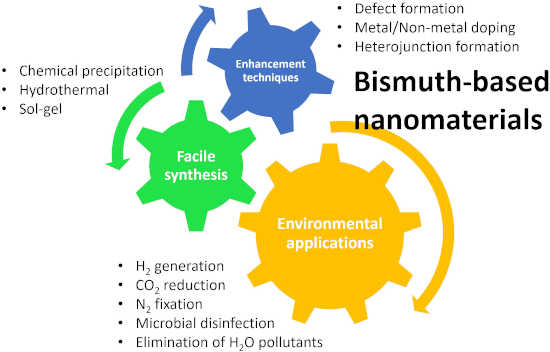
- /storage due to their reactivity, surface area, and advantageous features compared to their bulk counterparts [2][3][4]. In recent years, many efforts have increased the photocatalytic performance. However, the relative photocatalytic performance is still deficient, and it does not fulfil the criteria for




Role of titanium and organic precursors in molecular layer deposition of “titanicone” hybrid materials
Beilstein J. Nanotechnol. 2022, 13, 1240–1255, doi:10.3762/bjnano.13.103
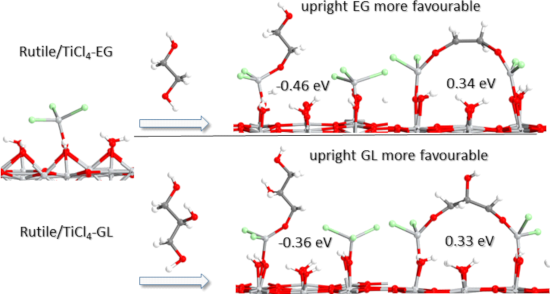
- surfaces. This is attributed to the stronger Ti–Cl bonds in TiCl4 compared to Ti–N bonds in Ti(DMA)4. Ti(DMA)4 also shows high reactivity to the organics compared to TiCl4. Double reactions of EG and GL with the TiCl3 species from TiCl4 and TiDMA species from Ti(DMA)4 are also explored to better understand
- Ti–N bond compared to the Ti–Cl bond and hence a higher reactivity for the Ti(DMA)4 precursor towards the surface and towards the co-reactant is expected. In addition, due to the bulky DMA ligands of Ti(DMA)4, the “reservior” effect, which is very common for small molecules such as TiCl4 [30], DEZ
- , respectively. The results are attributed the higher reactivity of the OH group with TiCl4 in comparison to the NH2 group and the higher tendency of the heterobifunctional organic precursor to orientate in an upright configuration and avoid unwanted double reactions on the surface [42]. TiCl4 was also coupled


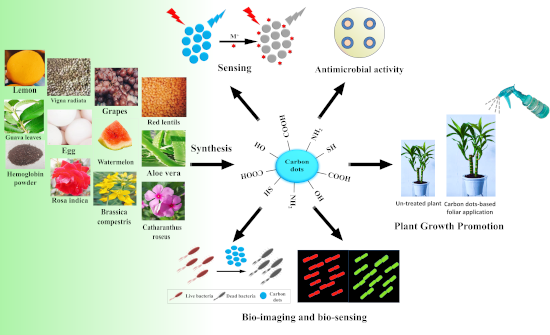
Recent advances in green carbon dots (2015–2022): synthesis, metal ion sensing, and biological applications
Beilstein J. Nanotechnol. 2022, 13, 1068–1107, doi:10.3762/bjnano.13.93




Electrocatalytic oxygen reduction activity of AgCoCu oxides on reduced graphene oxide in alkaline media
Beilstein J. Nanotechnol. 2022, 13, 1020–1029, doi:10.3762/bjnano.13.89
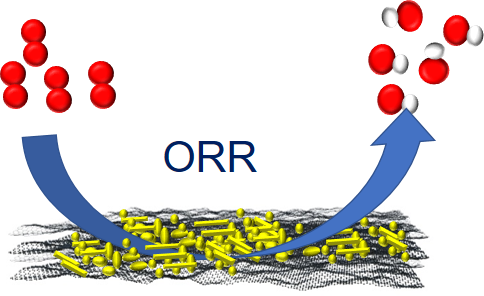
- effects, and carbon monoxide poisoning [16][17]. The electrocatalytic reactivity (mechanism and kinetics) of silver has similarities to that of Pt regarding the ORR performance, with considerably high onset potential, half-wave potential, current density, and number of transferred electrons. The important