Search results
Search for "saline" in Full Text gives 215 result(s) in Beilstein Journal of Nanotechnology. Showing first 200.
Nanocarrier systems loaded with IR780, iron oxide nanoparticles and chlorambucil for cancer theragnostics
Beilstein J. Nanotechnol. 2024, 15, 180–189, doi:10.3762/bjnano.15.17
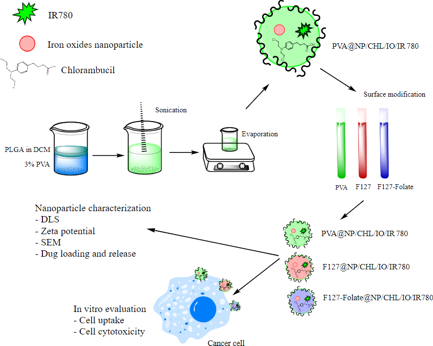
- -127 (P2443), poly(vinyl alcohol) (PVA) (P8136), phosphate buffered saline (PBS) (P4417), dimethyl sulfoxide (DMSO) (472301), dichloromethane (DCM), 3-[4,5-dimethylthiazol-2-yl]-2,5 diphenyl-2H-tetrazolium bromide (MTT) (M2128), and coumarin-6 (442631), K3[Fe(CN)6] (1049730100) were purchased from


Study of the reusability and stability of nylon nanofibres as an antibody immobilisation surface
Beilstein J. Nanotechnol. 2024, 15, 83–94, doi:10.3762/bjnano.15.8
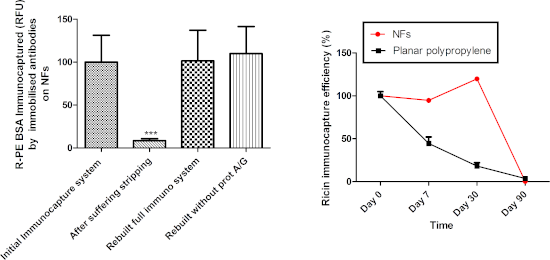
- surrogate. FITC-labelled sheep polyclonal antibody against BSA was purchased from Thermo Fisher Scientific Inc. The blocking buffer was phosphate-buffered saline (PBS) with casein (Pierce). Solvents and additives were purchased from Aldrich (Spain). PBS was purchased from Fisher Scientific. Nanofiber


Berberine-loaded polylactic acid nanofiber scaffold as a drug delivery system: The relationship between chemical characteristics, drug-release behavior, and antibacterial efficiency
Beilstein J. Nanotechnol. 2024, 15, 71–82, doi:10.3762/bjnano.15.7
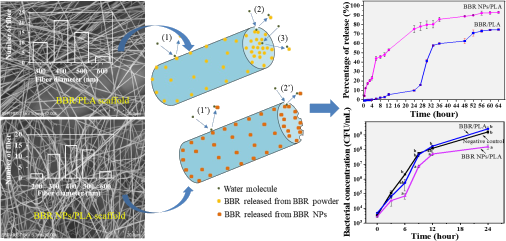
- bacteria during 24 h of incubation with and without samples was evaluated by counting the bacterial colonies growing on the agar surface. Briefly, at each incubation time interval (0, 3, 6, 9, 12, 24 h), the solutions in each test tube were diluted many times in physiological saline. A volume of 100 µL of


Hierarchically patterned polyurethane microgrooves featuring nanopillars or nanoholes for neurite elongation and alignment
Beilstein J. Nanotechnol. 2023, 14, 1157–1168, doi:10.3762/bjnano.14.96
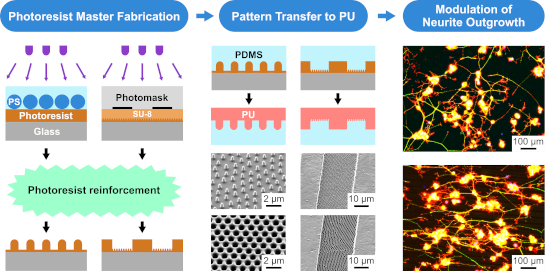
- Materials, Inc. (OH, USA), respectively. Dimethylacetamide (Alfa Aesar), phosphate-buffered saline (PBS), sera, rhodamine–phalloidin (RP), 4′,6-diamidino-2-phenylindole (DAPI), and Alexa Fluor 488–beta-III tubulin antibody (AF488-anti-β3 tubulin) were obtained from Thermo Fisher Scientific (MA, USA). RPMI


Curcumin-loaded albumin submicron particles with potential as a cancer therapy: an in vitro study
Beilstein J. Nanotechnol. 2023, 14, 1127–1140, doi:10.3762/bjnano.14.93
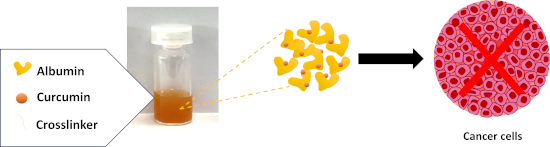
- phosphate-buffered saline (PBS), pH 7.4, were purchased from Bio basic (Toronto, Canada). Dulbecco’s modified Eagle’s medium, Ham’s F-12 nutrient mixture (DMEM/F12), and fetal bovine serum (FBS) were purchased from Gibco-BRL Life Technologies (Gibco–Thermo Fisher Scientific, Waltham, MA, USA). Fluorescein




Recognition mechanisms of hemoglobin particles by monocytes – CD163 may just be one
Beilstein J. Nanotechnol. 2023, 14, 1028–1040, doi:10.3762/bjnano.14.85
- chloride was purchased from B. Braun SE, Melsungen, Germany. Phosphate-buffered saline (PBS) 10-fold solution was purchased from Fisher scientific, Fair Lawn, New Jersey, USA. Human serum albumin (Plasbumin®20) was purchased from Grifols Deutschland GmbH, Frankfurt am Main, Germany. Trypan blue 0.4




Green SPIONs as a novel highly selective treatment for leishmaniasis: an in vitro study against Leishmania amazonensis intracellular amastigotes
Beilstein J. Nanotechnol. 2023, 14, 893–903, doi:10.3762/bjnano.14.73
- promastigotes (control and treated cells) were washed in phosphate-buffered saline (PBS) pH 7.2 and adhered for 10 min on glass coverslips previously coated with poly-ʟ-lysine (Sigma-Aldrich, Germany). The intracellular amastigotes were obtained after infection of RAW 264.7 macrophages at a ratio of ten


Nanostructured lipid carriers containing benznidazole: physicochemical, biopharmaceutical and cellular in vitro studies
Beilstein J. Nanotechnol. 2023, 14, 804–818, doi:10.3762/bjnano.14.66
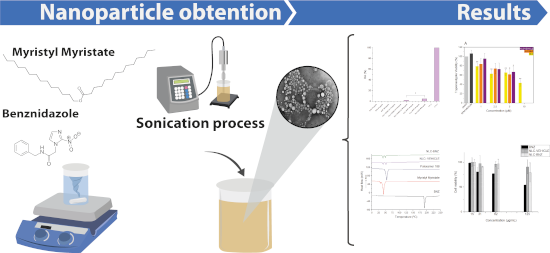
- , and NLC-BNZ (0, 15, 31, 62, and 125 μg·mL−1). The MTT reagent (5 mg·mL−1 in phosphate-buffered saline (PBS)) was then added for 3 h. Dimethyl sulfoxide (DMSO,100 µL per well) was added under agitation for 10 min to dissolve the MTT. The color was measured in a microplate reader (MultiskanTM GO
- (10%), saline solution, NLC-VEHICLE, and BNZ were used as the positive, negative, vehicle, and reference drug controls, respectively. The hemolytic activity was calculated as [56]: where A540 nmsample represents the absorbance value of the sample, A540 nmTriton the absorbance value of the positive


A graphene quantum dots–glassy carbon electrode-based electrochemical sensor for monitoring malathion
Beilstein J. Nanotechnol. 2023, 14, 701–710, doi:10.3762/bjnano.14.56
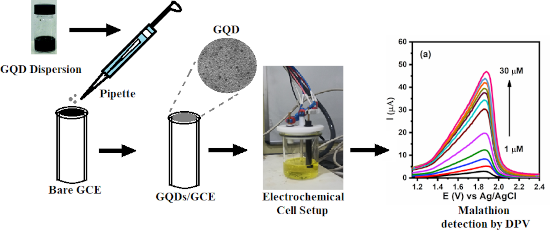
- , differential pulse voltammetry experiments were conducted with 0.1 M phosphate-buffered saline at pH 7. Results and Discussion Characterization of graphene quantum dots The UV–vis absorption spectrum of the GQDs in distilled water is depicted in Figure 2a, which shows two prominent absorption peaks around 270


Recent progress in cancer cell membrane-based nanoparticles for biomedical applications
Beilstein J. Nanotechnol. 2023, 14, 262–279, doi:10.3762/bjnano.14.24
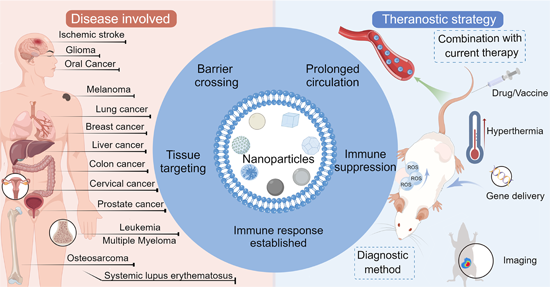
- middle cerebral artery occlusion rats. The infarct area of rats treated with 4T1 breast cancer membrane-coated pH-sensitive polymeric nanoparticles loaded with succinobucol (MPP/SCB) was significantly reduced on T2W MRI compared with bare nanoparticles (PP/SCB) and saline (tMCAO). (a) Experimental


Gap-directed chemical lift-off lithographic nanoarchitectonics for arbitrary sub-micrometer patterning
Beilstein J. Nanotechnol. 2023, 14, 34–44, doi:10.3762/bjnano.14.4
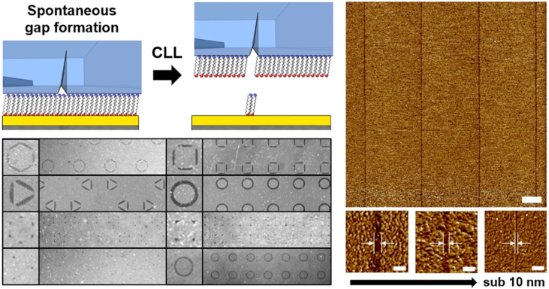
- Grove, PA, USA). Bovine serum albumin (BSA) and 10× phosphate buffered saline (PBS, contains 1.37 M NaCl, 0.027 M KCl, 0.10 M Na2HPO4, and 0.018 M KH2PO4) were purchased from Bioman Scientific Co., Ltd. (Taipei, Taiwan). Ethanol (99.5 wt %), acetone (99.5 wt %), and isopropanol (99.9 wt %) were


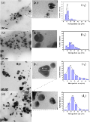
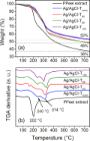
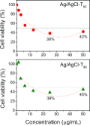
In search of cytotoxic selectivity on cancer cells with biogenically synthesized Ag/AgCl nanoparticles
Beilstein J. Nanotechnol. 2022, 13, 1505–1519, doi:10.3762/bjnano.13.124
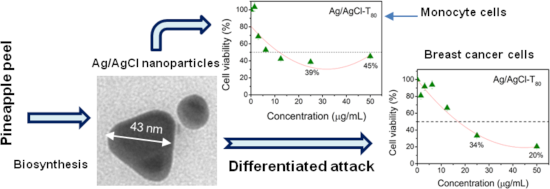
- bovine serum, 100 U/mL of penicillin, 100 µg/mL of streptomycin, and 2 mM ʟ-glutamine. The cells were kept at 37 °C with saturated humidity and 5% CO2. The culture medium was removed to collect the human breast cancer cells, which were then washed with phosphate buffered saline (PBS). A cell dissociation





Facile preparation of Au- and BODIPY-grafted lipid nanoparticles for synergized photothermal therapy
Beilstein J. Nanotechnol. 2022, 13, 1432–1444, doi:10.3762/bjnano.13.118
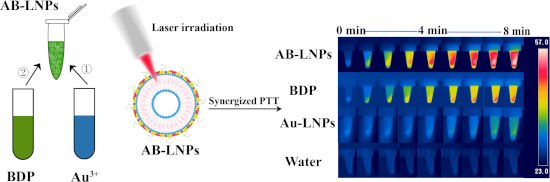
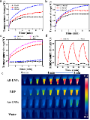
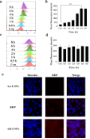
- mean particle size and zeta potential of the samples in phosphate-buffered saline (PBS) or in RPMI-1640 medium with 10% FBS over a period of 7 days. Samples were collected at specific time points to monitor the changes in particle size and zeta potential. In vitro drug release properties of AB-LNPs The




DNA aptamer selection and construction of an aptasensor based on graphene FETs for Zika virus NS1 protein detection
Beilstein J. Nanotechnol. 2022, 13, 873–881, doi:10.3762/bjnano.13.78
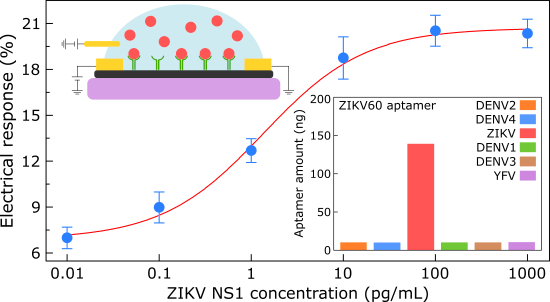
- solution dispersed in 1 mM PBS (phosphate-buffered saline: 0.0001 M phosphate buffer, 0.000027 M potassium chloride, and 0.00137 M sodium chloride), pH 7.4. After incubation, the graphene devices were rinsed with 1 mM PBS, followed by sequential rinsing with deionized water and drying in a nitrogen flow



A nonenzymatic reduced graphene oxide-based nanosensor for parathion
Beilstein J. Nanotechnol. 2022, 13, 730–744, doi:10.3762/bjnano.13.65
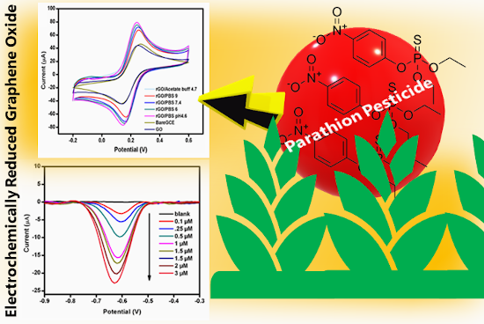
- nonenzymatic approach through electrochemical nanosensing which can also be used in other biosensing applications. Experimental Chemicals The chemicals used in this work are summarized in Supporting Information File 1, Table S1. Sodium dihydrogen phosphate was used to prepare phosphate buffer saline (pH 4.6


Antibacterial activity of a berberine nanoformulation
Beilstein J. Nanotechnol. 2022, 13, 641–652, doi:10.3762/bjnano.13.56
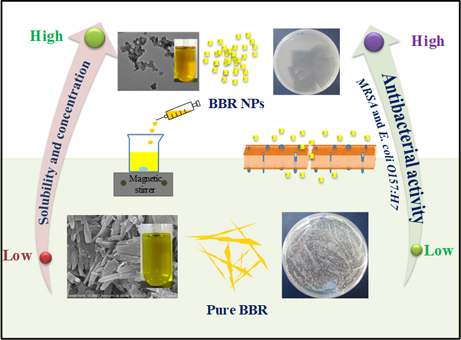
- positive controls. The sample layout is presented in Figure 8. The antibacterial activity of BBR and BBR NPs was confirmed again via determining the minimum bacterial concentration (MBC). For MBC determination, 20 µL of the inoculated solutions in the wells was diluted into 80 µL of physiological saline
- in physiological saline from the initial concentration. Subsequently, these solutions were spread onto the agar surface in Petri dishes and incubated at 37 °C for colony counting. After 24 h, the number of bacterial colonies was counted on the agar surface. The difference in bacterial colonies


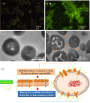

Ciprofloxacin-loaded dissolving polymeric microneedles as a potential therapeutic for the treatment of S. aureus skin infections
Beilstein J. Nanotechnol. 2022, 13, 517–527, doi:10.3762/bjnano.13.43
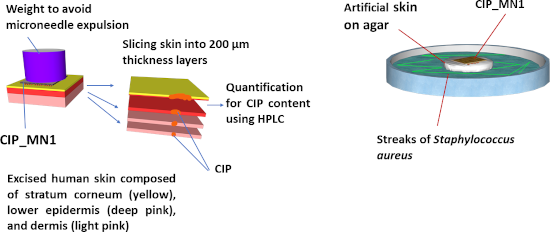
- × phosphate-buffered saline (PBS), pH 7.4, for 15 min. A section of full-thickness human skin was placed, with the stratum corneum facing upward, onto a piece of tissue paper soaked with PBS in a weighing boat. CIP_MN1 were adhered to a piece of plastic tape and manually applied to the skin. To prevent the


Coordination-assembled myricetin nanoarchitectonics for sustainably scavenging free radicals
Beilstein J. Nanotechnol. 2022, 13, 284–291, doi:10.3762/bjnano.13.23
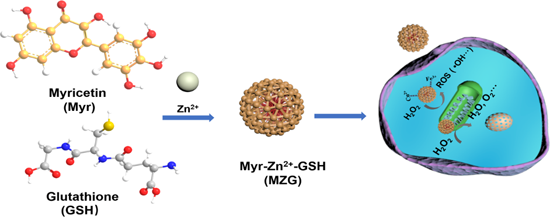
- necessary for cell redox homeostasis and survival [38]. In this work, the ABTS assay was employed to evaluate the radical scavenging activity [39]. The UV–vis absorption intensity of ABTS+ solution (0.7 mM) was 0.7 ± 0.02 in phosphate-buffered saline (PBS). The diluted ABTS+ solution was incubated with GSH


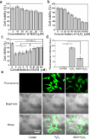
Systematic studies into uniform synthetic protein nanoparticles
Beilstein J. Nanotechnol. 2022, 13, 274–283, doi:10.3762/bjnano.13.22
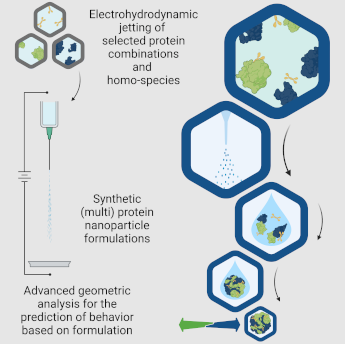
- metric for the comparison of various SEM distributions. Collection and processing of SPNPs The SPNP collection process followed standardized protocols previously described [25]. Briefly, a 2 mL solution of 0.01% of Tween20 in Dulbecco's phosphate-buffered saline (DPBS) was added to the crosslinked SPNPs


Photothermal ablation of murine melanomas by Fe3O4 nanoparticle clusters
Beilstein J. Nanotechnol. 2022, 13, 255–264, doi:10.3762/bjnano.13.20
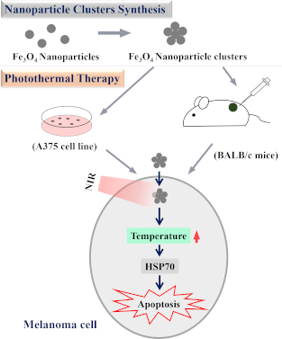
- density of 1 W·cm−2. This effect was time-dependent with longer irradiation leading to higher temperatures. Eventually, the solution temperature was elevated at the end of irradiation by a net increment of 24.1 °C. In contrast, only a modest increase of 10.2 °C was observed for saline solution, validating
- of the NPCs in vitro, we first incubated A375 cells with increasing concentrations of Fe3O4 NPCs (0.0375, 0.0625, 0.125, 0.25 mg/mL) or saline control, then treated them with NIR irradiation for 10 min or did not irradiate them at all. After 24 h, we stained the cells with trypan blue and found that
- at high concentrations. Similarly, cells in the saline + NIR sample seemed as healthy as those in the saline control group. Consistent with these microscopy observations, flow cytometry analysis, which utilized Annexin V and propidium iodide to quantitate apoptosis and necrosis, showed that the


Engineered titania nanomaterials in advanced clinical applications
Beilstein J. Nanotechnol. 2022, 13, 201–218, doi:10.3762/bjnano.13.15
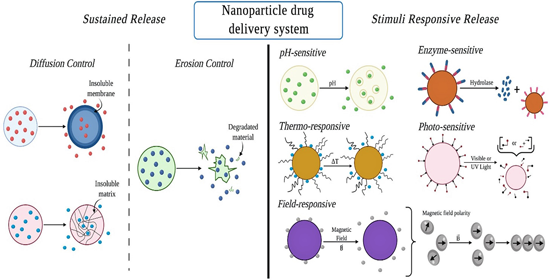
- (Figure 8a). Moreover, the tumor growth rate was monitored to analyze the phototherapeutic efficacy, and the results are presented in Figure 8b. The complete elimination of the tumor in the mice treated with G-TiO2−x-TPP+NIR was noticed, whereas mice treated with physiological saline, G-TiO2−x-TPP, or NIR


Bacterial safety study of the production process of hemoglobin-based oxygen carriers
Beilstein J. Nanotechnol. 2022, 13, 114–126, doi:10.3762/bjnano.13.8
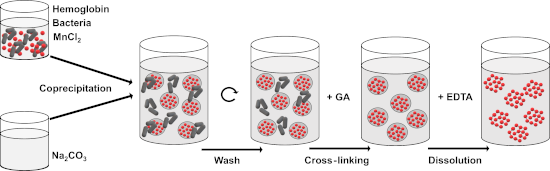
- the CCD method after precipitation, as well as after cross-linking, dissolution, and final washing steps are shown in Figure 1. The zeta potential of HbMP in phosphate-buffered saline (PBS), pH 7.4, was −8.51 ± 0.9 mV. The zeta potential in PBS, pH 7.0, of E. coli was −16 mV, that of S. epidermidis


Theranostic potential of self-luminescent branched polyethyleneimine-coated superparamagnetic iron oxide nanoparticles
Beilstein J. Nanotechnol. 2022, 13, 82–95, doi:10.3762/bjnano.13.6
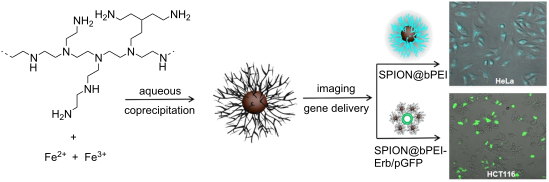
- content of the particles was determined by thermogravimetric analysis (TGA). Erbitux conjugation to SPION@bPEI Before any application, Erbitux (Erb) (Merck Serono, UK) with a stock concentration of 5 mg/mL was washed with phosphate-buffered saline (PBS) (Biomatik, Canada) using an ultracentrifugation




Alteration of nanomechanical properties of pancreatic cancer cells through anticancer drug treatment revealed by atomic force microscopy
Beilstein J. Nanotechnol. 2021, 12, 1372–1379, doi:10.3762/bjnano.12.101
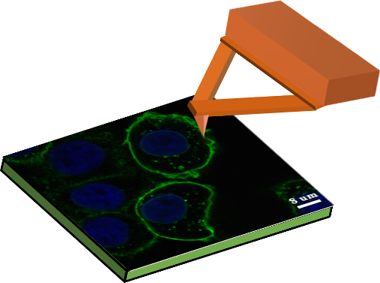
- increasing DOX concentrations was shown. This study may be conducive regarding innovations in cancer prevention, diagnosis methods, and the application of drug screening. Materials and Methods Materials Dulbecco’s modified eagle medium (DMEM), RPMI-1640 and phosphate-buffered saline (PBS) were obtained from


Biocompatibility and cytotoxicity in vitro of surface-functionalized drug-loaded spinel ferrite nanoparticles
Beilstein J. Nanotechnol. 2021, 12, 1339–1364, doi:10.3762/bjnano.12.99
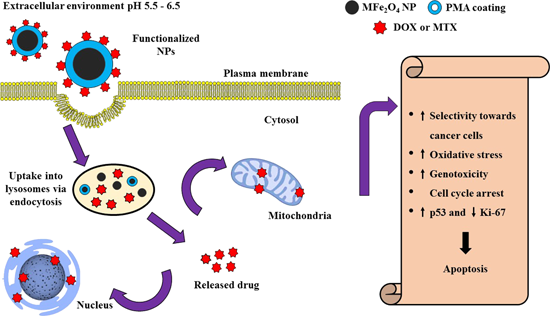
- specificity with significantly higher (p < 0.005) drug release in an acidic environment (pH 5.5). The nanoparticles were highly colloidal (zeta potential = −35 to −26 mV) in deionized water, phosphate buffer saline (PBS), and sodium borate buffer (SBB). They showed elevated and dose-dependent cytotoxicity in
- ) dispersed in deionized water, sodium borate buffer (SBB) pH 9.0, phosphate buffer saline (PBS) pH 7.4, and DMEM were used for zeta potential measurements. The purpose of using buffers (i.e., SBB, PBS) was to get indirect surface charge information. Deionized water was used to check the influence of