Search results
Search for "titanium" in Full Text gives 304 result(s) in Beilstein Journal of Nanotechnology. Showing first 200.
Nanostructured lipid carriers containing benznidazole: physicochemical, biopharmaceutical and cellular in vitro studies
Beilstein J. Nanotechnol. 2023, 14, 804–818, doi:10.3762/bjnano.14.66
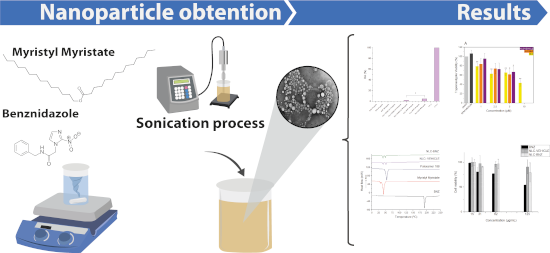
- % amplitude using an ultrasonic processor (130 Watts, Cole-Parmer, USA) equipped with a 6 mm titanium tip. After the sonication process, NLC-BNZ were obtained by leaving the hot suspension to cool to room temperature. The remaining volume was then measured. Measurement of the encapsulation efficiency


Titania nanoparticles for photocatalytic degradation of ethanol under simulated solar light
Beilstein J. Nanotechnol. 2023, 14, 616–630, doi:10.3762/bjnano.14.51
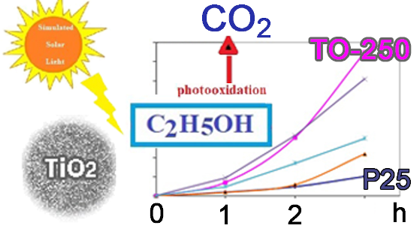
- components to substances that catalyze decomposition processes. They have a bandgap that varies from one material to another. Titanium dioxide is a semiconductor material and has been investigated, at first, for solar cells [1][2][3][4] and as optoelectronic component [5][6][7]. In recent years, it has been
- been done. Calcined TiO2 powders contain titanium and oxygen and small traces of impurities (ca. 1%). The compositions of all calcined powder samples are presented in Table 1. Theoretically, the ratio between O and Ti should be 2:1. However, because of impurities and crystal structure imperfections
- donor levels, for example chlorine atoms [66], but most probably they are acceptor levels created by titanium vacancies [67][68]. Band-to-band transitions have not been detected as separate PL bands, taking into account the obtained bandgap values from the optical properties. But, they are surely a part




Mixed oxides with corundum-type structure obtained from recycling can seals as paint pigments: color stability
Beilstein J. Nanotechnol. 2023, 14, 467–477, doi:10.3762/bjnano.14.37
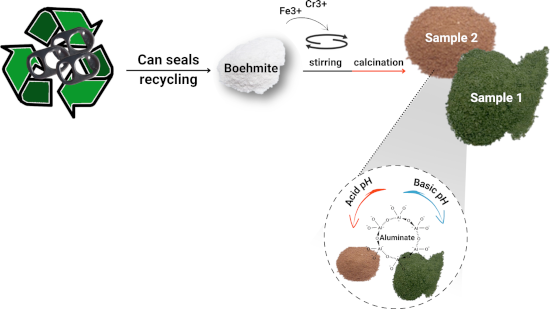
- atmospheres than organic pigments [12]. In addition, inorganic pigments offer the advantage of lower production cost [12] when using recycling materials as a precursor. Global demand for pigments was around 12 million tons in 2020 and is dominated by titanium dioxide white pigment [11]. However, iron oxide




Plasmonic nanotechnology for photothermal applications – an evaluation
Beilstein J. Nanotechnol. 2023, 14, 380–419, doi:10.3762/bjnano.14.33
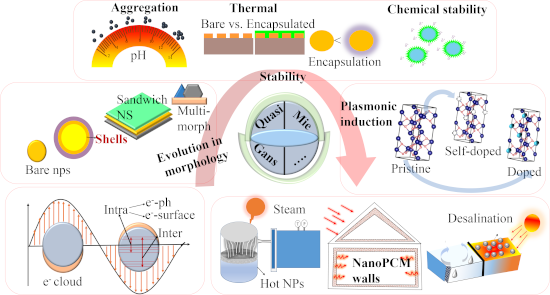
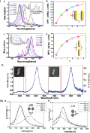
- elements, nanospheres of gold, silver, platinum, cobalt, zinc, nickel, titanium, copper, aluminium, molybdenum, vanadium, and palladium have been analysed [98]. Although there were assumptions of homogeneity, sphericity, and no interaction between particles, the Mie theory-based scattering cross sections




Quercetin- and caffeic acid-functionalized chitosan-capped colloidal silver nanoparticles: one-pot synthesis, characterization, and anticancer and antibacterial activities
Beilstein J. Nanotechnol. 2023, 14, 362–376, doi:10.3762/bjnano.14.31
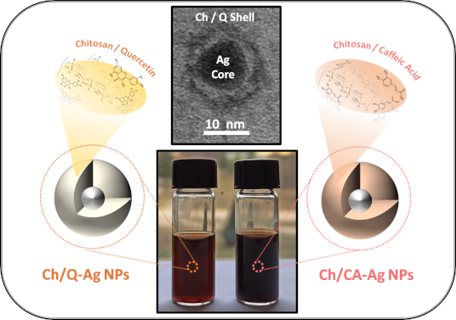
- , caffeic acid has also been reported to have antiviral, anticoagulant, anti-inflammatory, antibacterial, and anticancer activities [31][32][33][34]. Silver nanoparticles are an important example of different types of nanomaterials (copper, zinc, titanium, magnesium, gold, and alginate) that have been


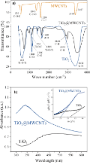
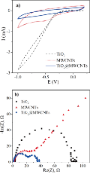
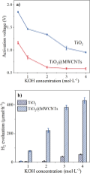
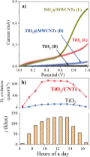
A TiO2@MWCNTs nanocomposite photoanode for solar-driven water splitting
Beilstein J. Nanotechnol. 2022, 13, 1520–1530, doi:10.3762/bjnano.13.125
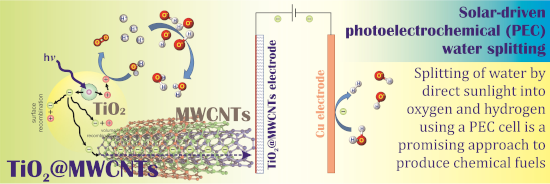
- via chemical vapor deposition were supplied by Vinanotech (Vietnam). Titanium tetrachloride (purity >99%) was purchased from Sigma-Aldrich (USA), and pure potassium hydroxide and potassium chloride (purity >85%) were provided from Merck (Germany). All other chemical reagents used in this study were of



Near-infrared photoactive Ag-Zn-Ga-S-Se quantum dots for high-performance quantum dot-sensitized solar cells
Beilstein J. Nanotechnol. 2022, 13, 1337–1344, doi:10.3762/bjnano.13.110
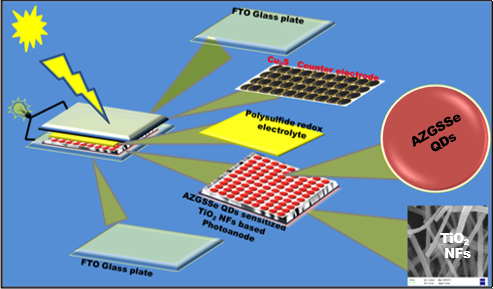
- (GaCl3), sulfur powder (S), 1-dodecanethiol (DDTh), ʟ-cysteine, copper(II) chloride, polyvinylidene fluoride (PVDF), titanium isisopropoxide (TIP), glycerol, oleylamine (OAM), titanium tetrachloride (TiCl4), N-methyl-2-pyrrolidine (NMP), chloroform, acetonitrile, ethanol, and methanol were purchased from
- blade method, which was followed by sintering at 450 °C for 30 min as described earlier [8][9][10]. The glass plate was dipped in 0.12 M of titanium tetrachloride solution at 70 °C for 30 min and was then rinsed with distilled water thoroughly and dried at 60 °C. After that, the electrode was soaked for


Laser-processed antiadhesive bionic combs for handling nanofibers inspired by nanostructures on the legs of cribellate spiders
Beilstein J. Nanotechnol. 2022, 13, 1268–1283, doi:10.3762/bjnano.13.105
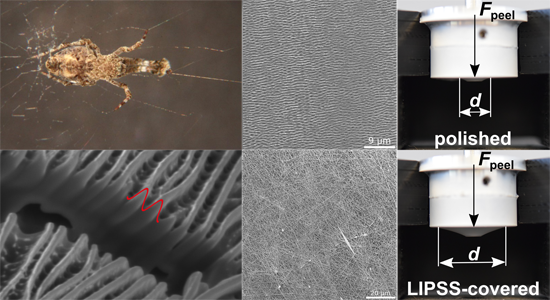
- ). Subsequently, by means of a newly established peel-off test, the adhesion of an electrospun polyamide fiber-based nonwoven was quantified on such LIPSS-covered aluminium alloy, steel, and titanium alloy samples, as well as on polished (flat) control samples as reference and, additionally, on samples with
- structures (LIPSS) [29] represent a technical analogon of the nanoripples found on the calamistrum of the spider. They were produced by ultrashort pulse laser processing on different technically relevant metal surfaces (aluminium alloy, steel, and titanium alloy) according to theoretical predictions
- fibers In order to test the theory derived above, electrospinning of polyamide 6 (PA-6) in a laboratory setup onto structured metal samples (aluminum alloy, steel, and titanium alloy) was performed and the peel-off forces were determined using a custom-made peel-test device. PA-6 has an elastic modulus E







Role of titanium and organic precursors in molecular layer deposition of “titanicone” hybrid materials
Beilstein J. Nanotechnol. 2022, 13, 1240–1255, doi:10.3762/bjnano.13.103
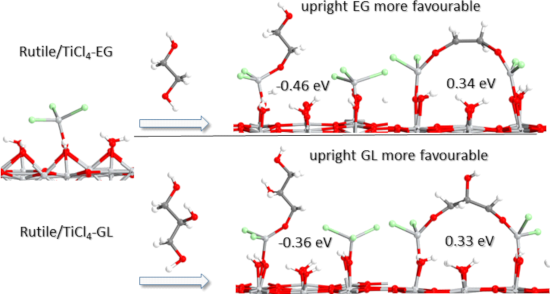
- (MLD) allows the deposition of these hybrid films using sequential, self-limiting reactions, similar to atomic layer deposition (ALD). In this paper, we use first principles density functional theory (DFT) to investigate the growth mechanism of titanium-containing hybrid organic–inorganic MLD films
- , known as “titanicones”. We investigate in detail the chemistry between the most common Ti precursors, namely titanium tetrachloride (TiCl4) and tetrakis(dimethylamido)titanium (Ti(DMA)4), and ethylene glycol (EG) and glycerol (GL) as the organic precursors. We analyse the impact of the substrate on the
- organic backbones, e.g., aromatic rings, have been used, the field tends to use the term “metalcone” as a general description for these hybrid materials. One of the most extensively researched metalcones are titanicones. Titanicones are deposited by coupling a titanium inorganic precursor, such as


A super-oscillatory step-zoom metalens for visible light
Beilstein J. Nanotechnol. 2022, 13, 1220–1227, doi:10.3762/bjnano.13.101
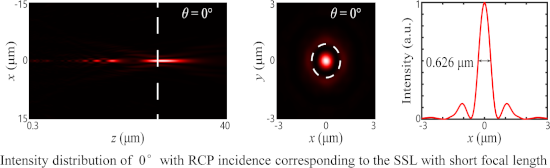
- , the higher the refractive index of the material in the visible band is, the weaker the coupling among the unit cells will be, which leads to a higher efficiency of the metasurface. Thus, rectangular nanopillars composed of titanium dioxide (the refractive index is 2.87 at a wavelength of 632.8 nm) are
- summary, we have proposed a super-oscillatory step-zoom lens composed of titanium dioxide nanopillars. The device operates at a wavelength of 632.8 nm and has two working modes with long or short focal lengths, corresponding to the telescopic and wide-angle application scenarios, respectively. In the


Design of surface nanostructures for chirality sensing based on quartz crystal microbalance
Beilstein J. Nanotechnol. 2022, 13, 1201–1219, doi:10.3762/bjnano.13.100
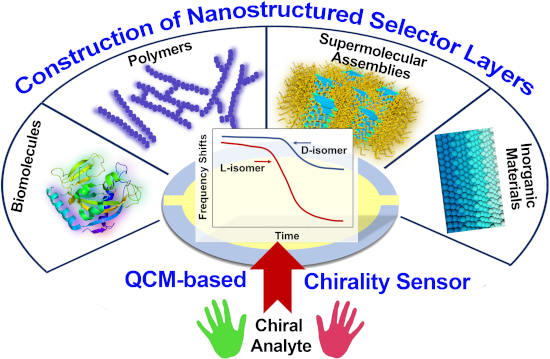
- -TiO2 nanofibers by using N-stearoyl- ʟ/ᴅ-glutamic acid (C18-ʟ/ᴅ-Glu) lipid as the chiral template and titanium diisopropoxide bis(acetylacetonate) as the titanium source based on a sol–gel process [119]. The average length and width of the TiO2 nanofiber were ca. 200 and 30 nm, respectively. The


Microneedle-based ocular drug delivery systems – recent advances and challenges
Beilstein J. Nanotechnol. 2022, 13, 1167–1184, doi:10.3762/bjnano.13.98
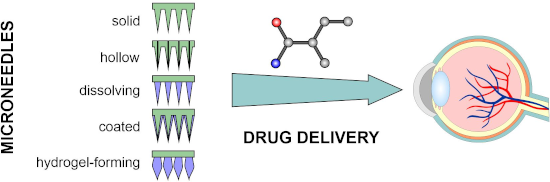
- if the needles break and are deposited in the tissue [117][118]. Other non-degradable materials utilized to fabricate microneedles, include metals such as stainless steel [119] and titanium [120], ceramics, such as aluminum oxide [121], or synthetic polymers comprising polyvinylpyrrolidone (PVP) [122
- of the microneedle system and the material from which it is to be made. In addition, the technique must be adapted to the properties of the drug. The most common materials used in the production of microneedles are silicon, ceramics, and metals, such as stainless steel and titanium. Also


A cantilever-based, ultrahigh-vacuum, low-temperature scanning probe instrument for multidimensional scanning force microscopy
Beilstein J. Nanotechnol. 2022, 13, 1120–1140, doi:10.3762/bjnano.13.95
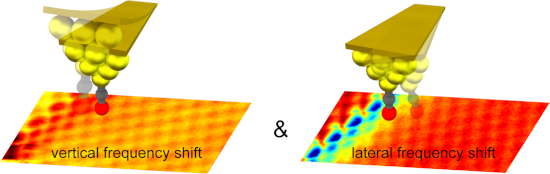
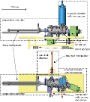
- in the microscope, customized magnetic feedthrough manipulators with hex-key end-pieces are used. Cryostat and preparation chamber are both pumped with 300 L/s ion pumps, which also include titanium sublimation sources. The load-lock chamber is pumped with a 67 L/s turbo pump. The bath cryostat






Biomimetic chitosan with biocomposite nanomaterials for bone tissue repair and regeneration
Beilstein J. Nanotechnol. 2022, 13, 1051–1067, doi:10.3762/bjnano.13.92
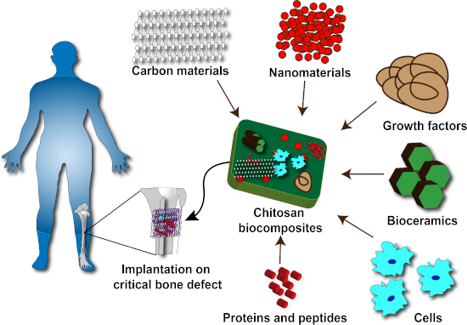
- , researchers have tried several ways to develop different materials using chitosan-based nanocomposites of silver, copper, gold, zinc oxide, titanium oxide, carbon nanotubes, graphene oxide, and biosilica. The combination of materials helps in the expression of ideal bone formation genes of alkaline
- , uniform raw materials quality, and are abundant. Chitosan is a natural polymeric substance and an extensively studied material for bone tissue engineering due to its biocompatibility, biodegradability, and antimicrobial properties [7][8][9][10]. Chitosan in combination with silver, gold, copper, titanium
- and regeneration [14]. Nanomaterials such as silver [15], gold [16][17], titanium oxide [18], zinc oxide [19][20], carbon nanotubes [21][22], graphene [23] and biosilica have been studied in terms of their osteogenic potential in stem cell differentiation. Chitosan materials are often combined with
Bioselectivity of silk protein-based materials and their bio-inspired applications
Beilstein J. Nanotechnol. 2022, 13, 902–921, doi:10.3762/bjnano.13.81


Hierarchical Bi2WO6/TiO2-nanotube composites derived from natural cellulose for visible-light photocatalytic treatment of pollutants
Beilstein J. Nanotechnol. 2022, 13, 745–762, doi:10.3762/bjnano.13.66
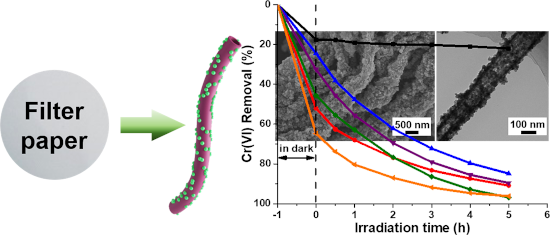
- sulfuric acid (H2SO4) were purchased from Sinopharm Chemical Reagent Co., Ltd. (China). Titanium n-butoxide [Ti(OnBu)4], p-benzoquinone (p-BQ), bismuth nitrate pentahydrate [Bi(NO3)3·5H2O], sodium tungstate dihydrate (Na2WO4·2H2O), 1,5-diphenylcarbazide, and potassium iodate (KIO3) were bought from J&K


Direct measurement of surface photovoltage by AC bias Kelvin probe force microscopy
Beilstein J. Nanotechnol. 2022, 13, 712–720, doi:10.3762/bjnano.13.63
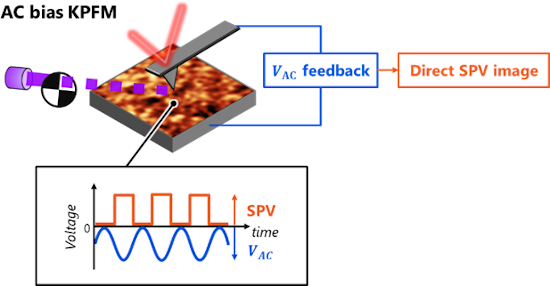
- modulated external disturbances. Keywords: atomic force microscopy; Kelvin probe force microscopy; photocatalyst; surface photovoltage; titanium dioxide; Introduction Surface photovoltage (SPV) is the change in surface potential caused by light illumination [1][2] and is measured to determine such


Sodium doping in brookite TiO2 enhances its photocatalytic activity
Beilstein J. Nanotechnol. 2022, 13, 599–609, doi:10.3762/bjnano.13.52
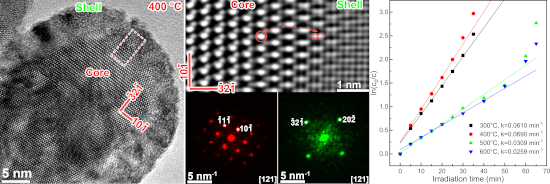
- structure and produce microstructures such as the core–shell structure, local lattice distortion, interstitial atoms, and atomic vacancies, which are critical to its excellent photocatalytic activity. Keywords: brookite titanium dioxide; core–shell structure; photocatalytic activity; sodium doping; twins
- ; Introduction Titanium dioxide (TiO2) has been extensively studied for many potential applications in the environmental and energy fields, such as treatment of polluted water [1][2], air purification [3][4], and water splitting [5][6]. In recent years, the interest in the brookite phase of TiO2 has been
- titanium dioxide, 7 g of the precipitate from different batches was uniformly mixed and divided into seven parts, which were then calcinated at 300–900 °C for 2 h to obtain the products. Photocatalytic activity measurement The photocatalytic activity of the products was examined by photodegrading the


Micro- and nanotechnology in biomedical engineering for cartilage tissue regeneration in osteoarthritis
Beilstein J. Nanotechnol. 2022, 13, 363–389, doi:10.3762/bjnano.13.31
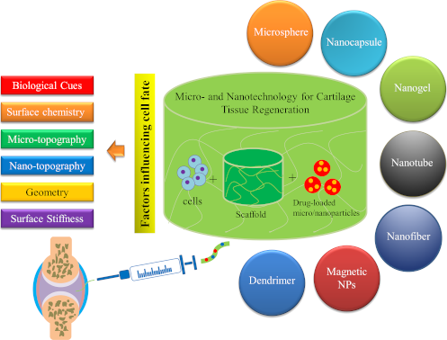
- nanotubes exhibit considerable results regarding bone TE due to their ability to provide a surface with proper roughness, which facilitates osteoblast attachment and proliferation, and can provide an active site for the deposition of inorganic calcium apatite [138]. In addition to silica, titanium dioxide


Investigation of a memory effect in a Au/(Ti–Cu)Ox-gradient thin film/TiAlV structure
Beilstein J. Nanotechnol. 2022, 13, 265–273, doi:10.3762/bjnano.13.21
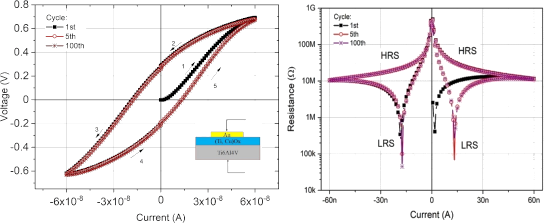
- -sectional elemental analysis. Experimental The deposition system and the method for the preparation of gradient thin films have already been described in detail in [41][42][43][44][45]. The thin films were deposited via reactive magnetron co-sputtering, using two circular titanium targets (99.995%) and one
- these pulses (pulse width modulation, PWM). One of the biggest difficulties in the preparation of mixed (Ti,Cu)Ox thin films with defined composition using co-sputtering of Ti and Cu targets is that titanium and copper differ from each other in the sputtering yield in oxygen by a factor of more than ten
- . Therefore, to increase the sputtering flux of titanium species, two Ti and one Cu targets were sputtered in the so-called simultaneous mode. The magnetrons were arranged in a confocal configuration. To obtain a gradient distribution of elements as a function of the thickness of the deposited layers



Engineered titania nanomaterials in advanced clinical applications
Beilstein J. Nanotechnol. 2022, 13, 201–218, doi:10.3762/bjnano.13.15
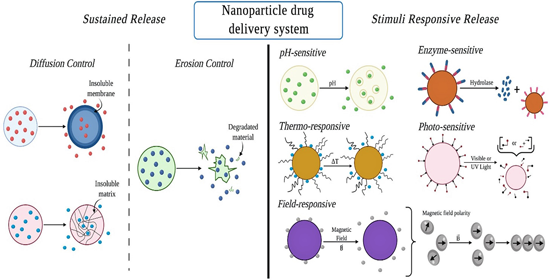
- systems for theranostic purposes. Titanium dioxide (titanium(IV) oxide/titania/TiO2) has garnered considerable attention as one of the most extensively studied metal oxides in clinical applications. Owing to the unique properties of titania, such as photocatalytic activity, excellent biocompatibility
- review aims to present a comprehensive and up-to-date overview of TiO2-based nanotherapeutics and the corresponding future challenges. Keywords: clinical application; nanostructures; physicochemical; theranostics; titanium dioxide (TiO2); Introduction Nanomaterials can be described as any organic
- become superhydrophilic under UV light, function well as photosensitizer. Subsequently, another study established the use of nanoscale TiO2 as a redox coating of in implants [9]. Titanium and its alloys are considered the most promising materials for implants due to their superior properties, which


Thermal oxidation process on Si(113)-(3 × 2) investigated using high-temperature scanning tunneling microscopy
Beilstein J. Nanotechnol. 2022, 13, 172–181, doi:10.3762/bjnano.13.12
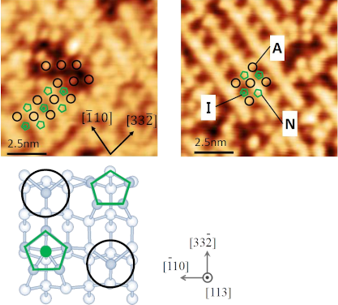
- ) has been used as the ideal tool to investigate reaction dynamics on surfaces. In our previous studies, we applied our VT-STM to investigate hydrogen diffusion [5] and titanium silicide formation [6] on Si(001). In our previous studies of oxidation on Si(113), we investigated the electronic states of




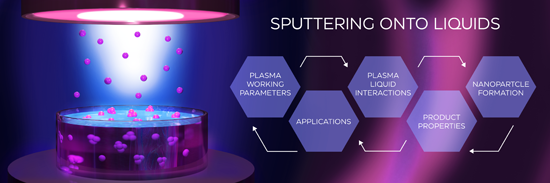
Sputtering onto liquids: a critical review
Beilstein J. Nanotechnol. 2022, 13, 10–53, doi:10.3762/bjnano.13.2
- gas phase and subsequent film growth can be computed using, for example, SIMTRA [37] and NASCAM [38] codes, respectively. The evolution of the sputtering yield calculated by SRIM for carbon (C), titanium (Ti), and Au targets as a function of the kinetic energy of the bombarding argon ions is presented
- ion impacts. The sputtering yield is influenced by the surface binding energy (Eb) of the target material, here Eb = 7.41, 4.89, and 3.8 eV for carbon, titanium, and gold, respectively. These values are provided by the SRIM code. Atoms leaving the target surface have an average kinetic energy of the






Plasmon-enhanced photoluminescence from TiO2 and TeO2 thin films doped by Eu3+ for optoelectronic applications
Beilstein J. Nanotechnol. 2021, 12, 1271–1278, doi:10.3762/bjnano.12.94
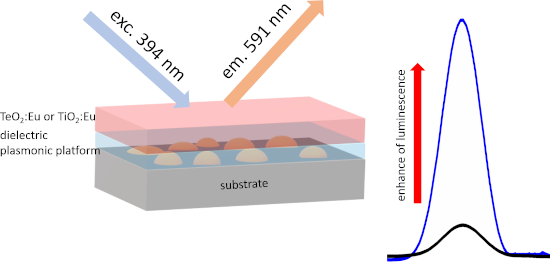
- luminescence properties of europium-doped titanium dioxide and tellurium oxide thin films enhanced by gold plasmonic nanostructures. We propose a new type of plasmon structure with an ultrathin dielectric film between plasmonic platform and luminescent material. Plasmonic platforms were manufactured through
- , so-called plasmonic platforms, and thin films. Among different plasmonic materials, gold nanostructures exhibit resonance in the visible range and have been extensively studied as a material for light absorption and emission improvement [4][5][6][7][8]. Titanium dioxide seems to be one of the most
- ) transitions (intra-configurational 4f transitions), observed in the range of 570–840 nm [21][22][23]. As a red light emitter, Eu3+ may be employed in various optical devices. In this work we compare two types of matrix for europium ions, namely titanium dioxide and tellurium dioxide. We show possibilities to


Morphology-driven gas sensing by fabricated fractals: A review
Beilstein J. Nanotechnol. 2021, 12, 1187–1208, doi:10.3762/bjnano.12.88
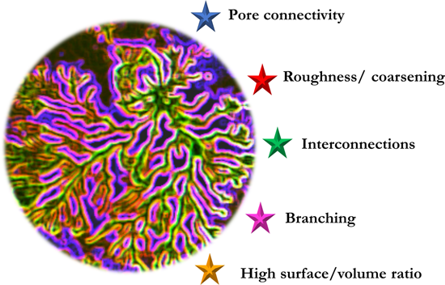
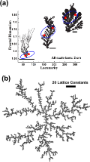
- , carbon monoxide, ammonia, nitrous oxide, and ethanol (Figure 10e,f) at 250 °C. The estimated fractal dimensions were 1.82 for the pore network and 1.72 for the foam sensor. Titanium oxide-based fractals Fusco et al. modified dielectric titanium oxide (TiO2) nanoparticles with fractal structure with a