Search results
Search for "SEM" in Full Text gives 1106 result(s) in Beilstein Journal of Nanotechnology. Showing first 200.
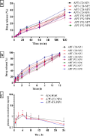
Aprepitant-loaded solid lipid nanoparticles: a novel approach to enhance oral bioavailability
Beilstein J. Nanotechnol. 2025, 16, 652–663, doi:10.3762/bjnano.16.50
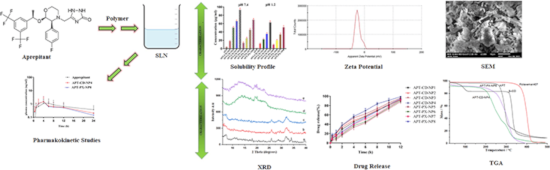
- microscopy (SEM), X-ray diffraction (XRD), differential scanning calorimetry (DSC) and thermogravimetric analysis (TGA), in vitro drug release in 0.1 M HCl (pH 1.2) and phosphate-buffered saline (PBS, pH 7.4), and pharmacokinetic studies. The optimal formulation (APT-CD-NP4) containing the highest
- concentration of β-CD showed the highest drug solubility (93.50% ± 3.73%) in PBS (pH 7.4) and drug content (96.75% ± 0.24%); particle size, zeta potential, and polydispersity index of APT-CD-NP4 were 121.1 ± 0.72 nm, −18.8 ± 0.94 mV, and 0.15 ± 0.35, respectively. SEM analysis showed that APT was converted from
- solubility and enhanced dissolution using a minimum quantity of carriers. The developed SLNs were evaluated regarding drug content and using scanning electron microscopy (SEM), thermal gravimetric analysis (TGA) and differential scanning calorimetry (DSC), as well as polydispersity index (PDI), particle size



Feasibility analysis of carbon nanofiber synthesis and morphology control using a LPG premixed flame
Beilstein J. Nanotechnol. 2025, 16, 581–590, doi:10.3762/bjnano.16.45
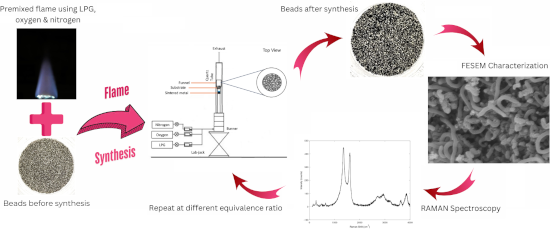
- deposition with nickel as the catalyst and hydrogen as the plasma source. SEM and TEM characterization showed vertically aligned CNFs. This method highlights the impact of plasma conditions and gas ratios on CNF morphology and alignment [12]. An experiment by Li et al. showed CNT growth at decomposition
- aluminum foil covered drum was placed 18 cm from the needle to collect the nanofibers. The flow rate of the solution was 0.5 mL/h. The as-prepared nanofibers underwent thermal treatments, and it was found that the nanofibers exhibited optimal properties after treatment at 850 °C. The SEM and TEM image
- . The temperature was kept below 700 °C, and the efficiency of conversion of carbon precursors into fibers found was 70%. The diameter found was approximately 100 nm, and the TEM and SEM characterization revealed the morphology and the internal structures of the fibers [19]. Ruiz-Cornejo et al



Retrieval of B1 phase from high-pressure B2 phase for CdO nanoparticles by electronic excitations in CdxZn1−xO composite thin films
Beilstein J. Nanotechnol. 2025, 16, 551–560, doi:10.3762/bjnano.16.43

- spectrometer (Bruker), equipped with an Ar ion laser (532 nm) with 0.2 mW laser operating power. Scanning electron microscopy (SEM) analysis was carried out with a HITACHI SU8020 model, using an electron beam energy of 3.0 keV. X-ray photoelectron spectroscopy (XPS) was performed using an ESCA-5000 Versa Probe
- of the B2 phase of CdO nanoparticles. Microscopic modifications observed from SEM micrographs Figure 3a–c illustrates the SEM micrographs for the CZ900_Pris, CZ900_313O, and CZ900_313Ag thin films, respectively. In the CZ900_Pris sample, an interconnected homogenous distribution of grains is not


Functionalized gold nanoflowers on carbon screen-printed electrodes: an electrochemical platform for biosensing hemagglutinin protein of influenza A H1N1 virus
Beilstein J. Nanotechnol. 2025, 16, 540–550, doi:10.3762/bjnano.16.42
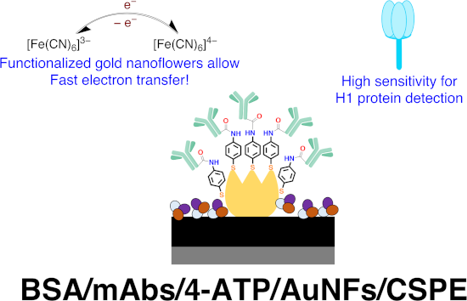
- protein at clinically relevant concentrations. Scanning electron microscopy Scanning electron microscopy (SEM) analysis was explored to characterize the surface of the electrodes after electrodeposition of gold nanoparticles (Figure 2). Because of the high conductivity of gold, a difference in contrast is
- . DPV measurements were performed with equilibration of 5 s, scanning potential from 0.3 to −0.3 V (vs Ag/AgCl), Estep = 0.01 V, Epulse = 0.086 V, and tpulse = 4 s at a scan rate of 100 mV/s. SEM analysis of AuNFs Prior to SEM imaging, the electrode samples were sputtered with a layer of gold/palladium
- biosensing system and the effect on electrochemical current upon H1 protein recognition. SEM images of (A) CSPE and (B, C) AuNFs/CSPE; (D) size distribution of the gold nanoflowers on AuNFs/CSPE. CV characterization at different steps of the electrode modification, measurements performed in 0.1 M KCl


Electron beam-based direct writing of nanostructures using a palladium β-ketoesterate complex
Beilstein J. Nanotechnol. 2025, 16, 530–539, doi:10.3762/bjnano.16.41
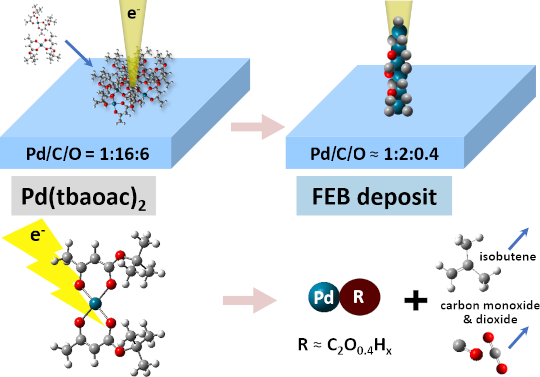
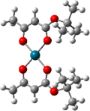
- following the method outlined by Butrymowicz and colleagues [42]. FEBID was performed using a Hitachi S3600 scanning electron microscope (SEM), which features a high-vacuum chamber and a tungsten filament electron source. Native-oxide Si(100) was employed as a substrate, which was thoroughly cleaned with
- SEM microscope with the same temperatures and GIS positions as those employed for FEB depositions on native-oxide silicon substrates. A square area of 0.97 × 0.97 µm2 was deposited at 20 keV electron energy, with a dwell time of 500 ns and a point-to-pitch of 9.5 nm. The stage current was measured to
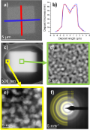
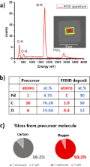
- 0.35 nA. The operating pressure was 1.5 × 10⁻⁵ mbar. Results and Discussion The square deposit, fabricated on the native-oxide Si(100) substrate using a spiral inward scanning strategy, was analyzed to assess its morphology and structure. Secondary electron detection in SEM imaging reveals the


Zeolite materials with Ni and Co: synthesis and catalytic potential in the selective hydrogenation of citral
Beilstein J. Nanotechnol. 2025, 16, 520–529, doi:10.3762/bjnano.16.40
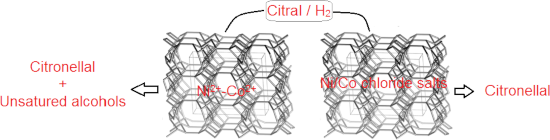
- . Results and Discussion Composition and characterization of the materials XRD patterns and a SEM micrograph of the starting zeolite mineral (ZSA) are shown in Figure 1 and Figure 2, respectively. The diffraction patterns are normalized and evidence the presence of mordenite and clinoptilolite–heulandite
- -type zeolites through their main diffraction peaks indicated on the ZSA graph. Other minor phases such as quartz are also present. The SEM image shows a variety of crisscross crystals, which have the morphology expected for the zeolite types evidenced by XRD [16][17]. Very elongated crystals with
- acicular to fibrous characteristics, associated with mordenite, can be observed. Additionally, clinoptilolite–heulandite crystals with slats and tabular morphology are present. The amounts of clinoptilolite–heulandite and mordenite crystals displayed in the SEM image correspond to the intensity order of


Quantification of lead through rod-shaped silver-doped zinc oxide nanoparticles using an electrochemical approach
Beilstein J. Nanotechnol. 2025, 16, 422–434, doi:10.3762/bjnano.16.33
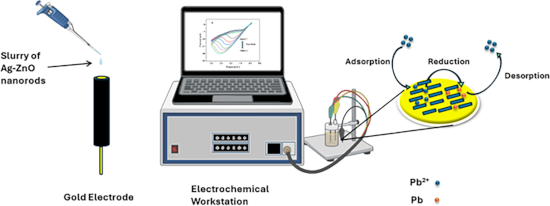
- electron microscopy (FESEM) image of the as-obtained nanomaterials. The produced nanomaterials had rod-shaped morphologies and were grown at extremely high densities, as seen by the SEM image. Figure 2b represents the average diameter of Ag@ZnO NRs which was calculated using the Image J software. The
- at 70 °C for 2 h. Finally, the nanoparticles were annealed by subjecting them to a temperature of 450 °C in a muffle furnace for 1 h. Evaluation of Ag@ZnO nanorods The Ag@ZnO NRs obtained above were assessed for their morphological, structural, and optical characteristics. The FE-SEM experiments and
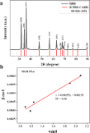
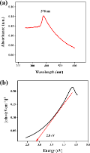
- NRs and (b) M–H plot of Ag@ZnO NRs. (a) SEM images, (b) diameter distribution of nanorods, and (c) EDS of Ag@ZnO NRs. FTIR of Ag@ZnO NRs. (a) UV–vis spectrum and (b) bandgap of Ag@ZnO NRs. Zeta potential of Ag@ZnO NRs. Raman spectra of Ag@ZnO NRs. XPS of Ag@ZnO NRs: (a) full scan spectrum, (b) scan of





Size control of nanoparticles synthesized by pulsed laser ablation in liquids using donut-shaped beams
Beilstein J. Nanotechnol. 2025, 16, 407–417, doi:10.3762/bjnano.16.31
- the morphology and size of the NPs synthesized by PLAL, the colloidal samples were drop-cast on a silicon wafer and dried for microscopic analysis. All NPs were characterized using scanning electron microscopy (SEM, Quanta 400 FEG, FEI Company, USA and TESCAN MIRA3 LMH, Brno, Czech Republic). The
- crystal structure of the HEA NPs was determined by X-ray diffraction (XRD) using a Smartlab diffractometer (Rigaku, Japan). SEM was used to characterize the nanoparticle size distribution and to determine the beam shape influence while maintaining comparable PLAL parameters for both beams to minimize the
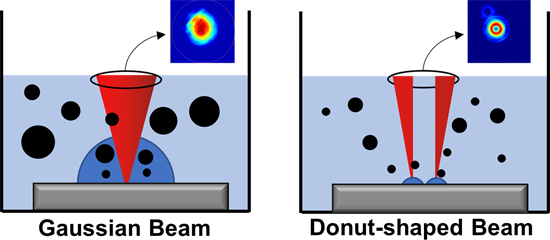
- File 1). Therefore, results obtained only with the radially polarized donut-shaped beam will be presented below. Figure 3 compares SEM images and size distributions of Y2O3 NPs produced by PLAL with the donut-shaped and the Gaussian beams at a pulse energy of 217 µJ for both beams (fluences of 3.5 and


Engineered PEG–PCL nanoparticles enable sensitive and selective detection of sodium dodecyl sulfate: a qualitative and quantitative analysis
Beilstein J. Nanotechnol. 2025, 16, 385–396, doi:10.3762/bjnano.16.29
- microscopy (SEM). The nanoparticles obtained from the 10 mg/mL stock solution were diluted 100-fold for the SEM analysis. The slide for SEM imaging was prepared with a sputter coating of gold as a conductive material, followed by the addition of 10 μL of nanoparticles, and air drying. The imaging was
- performed using SEM (FEI Quanta 250, Netherlands). Transmission electron microscopy (TEM) was also performed to measure nanoparticle mean size and their distribution. The sample was diluted 1000-fold from the stock solution, and 5 µL of the sample was placed onto a carbon-coated copper grid with 200 mesh
- physicochemical properties, such as size, shape, surface charge, and elemental composition using DLS, TEM, SEM, and XPS (Figure 2). The PEG–PCL NPs were characterized using a zetasizer (Nano ZS, Malvern, UK) to comprehensively assess their size, surface charge, monodispersity, and average hydrodynamic size


Development of a mucoadhesive drug delivery system and its interaction with gastric cells
Beilstein J. Nanotechnol. 2025, 16, 371–384, doi:10.3762/bjnano.16.28

- ) nanoparticles, topography, surface composition, size, and charge distribution of the delivery system were determined. The topography of the nanoparticles was studied with SEM (Figure 1). Both Alg and EudAlg nanoparticles are spherical with smooth surfaces (Figure 1A,B). It should be noted that during SEM
- nanoparticles Morphology of nanoparticles The morphological characterization of nanoparticles was done via scanning electron microscopy (SEM, Zeiss, GeminiSEM500) and scanning transmission electron microscopy (STEM, Ziess, GeminiSEM500). For SEM analysis, nanoparticles were air-dried on SEM stabs and coated
- viability testing and particle size measurements were assessed by one-way ANOVA with Tukey post-hoc analysis. A p value ≤ 0.05 was considered statistically significant. Micrographs of nanoparticles. SEM micrographs of (A) Alg NPs and (B) EudAlg NPs. STEM micrographs of (C) Alg NPs and (D) EudAlg NPs. Scale


Pulsed laser in liquid grafting of gold nanoparticle–carbon support composites
Beilstein J. Nanotechnol. 2025, 16, 349–361, doi:10.3762/bjnano.16.26
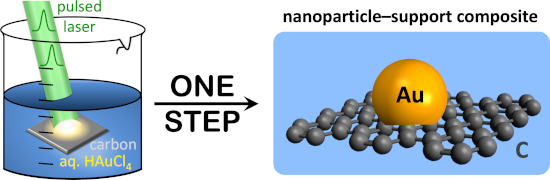
- , rapid, scalable, acid-free process to make carbon fiber paper hydrophilic without destroying the carbon network, as other carbon fiber paper oxidation methods do [22], evident from scanning electron microscopy (SEM) imaging (Figure 2A). Hydrophilicity was achieved by graphitic edge carbon oxygenation
- custom-made Teflon tub, in 2.0 mL of commercially available aqueous colloid of citrate-capped gold nanoparticles (100 nm, nanoComposix), followed by drying under a heat lamp at 60 °C for 20 min. Physical characterization Scanning electron microscopy (SEM) images were obtained at UR-Nano. A Zeiss Auriga
- scanning electron microscope with a Schottky field-emission emitter was operated at 20.00 kV with a working distance of 4.9 mm. Energy-dispersive X-ray (EDX) spectroscopy data were collected using an SEM-integrated EDAX Octane elect plus spectrometer with a with silicon drift detector. Double sided carbon


Graphene oxide–chloroquine conjugate induces DNA damage in A549 lung cancer cells through autophagy modulation
Beilstein J. Nanotechnol. 2025, 16, 316–332, doi:10.3762/bjnano.16.24
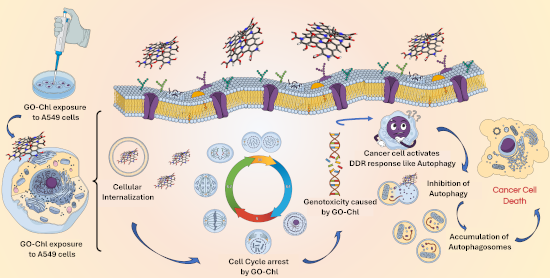
- exposed to GO–Chl: A dose-dependent increase in the concentration of cells with compromised cell membranes was observed. Values are expressed as mean ± SEM of three independent experiments. A value of p < 0.05 (*) was considered statistically significant. Flow-cytometry-based cell cycle analysis of A549
- cells exposed to GO–Chl. Different gates were used to represent the cells in various phases of the cell cycle: P2 represents the G1 phase, P3 represents the S phase, P4 represents the G2 phase, and P5 represents the subG1 phase. Values are expressed as mean ± SEM of three independent experiments. A
- –Chl. Values are expressed as mean ± SEM of three independent experiments. A value of p < 0.05 (*) was considered statistically significant. Accumulation of autophagosomes in GO–Chl-exposed A549 lung cancer cells: (a) Representative monodansylcadaverine staining photomicrographs of A549 cells exposed



Fabrication and evaluation of BerNPs regarding the growth and development of Streptococcus mutans
Beilstein J. Nanotechnol. 2025, 16, 308–315, doi:10.3762/bjnano.16.23
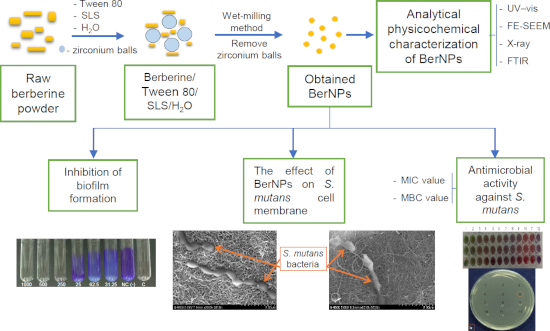
- prepared using a wet-milling method with zirconium balls to enhance bioavailability and expand potential applications. The particle size and physicochemical properties of the BerNPs were analyzed using field-emission scanning electron microscopy (FE-SEM), UV–vis spectroscopy, X-ray diffraction, and Fourier
- -transform infrared spectroscopy. The broth dilution method was used to determine the antimicrobial activity of the BerNPs against Streptococcus mutans (S. mutans). The impact of the BerNPs on the cell surface of S. mutans was evaluated through FE-SEM analysis, focusing on its ability to inhibit biofilm
- formation of S. mutans. In summary, BerNPs demonstrated a potent inhibitory effect on the activities of S. mutans at selectively applied concentrations. Keywords: antibacterial; berberine nanoparticles; BerNPs; biofilm; FE-SEM; Streptococcus mutans; Introduction According to the Global Burden of Disease




Enhancing mechanical properties of chitosan/PVA electrospun nanofibers: a comprehensive review
Beilstein J. Nanotechnol. 2025, 16, 286–307, doi:10.3762/bjnano.16.22

- electron microscopy (SEM) and field-emission scanning electron microscopy (FESEM) are more commonly used to analyze the fiber diameter, distribution, and overall surface morphology [144]. Microscopic images obtained from these techniques help to identify defects such as beading or non-uniformity in fibers
- , which can adversely affect mechanical performance. Besides SEM and FESEM, transmission electron microscopy (TEM) has the additional ability to visualize fiber cross sections and can be employed to examine core–shell, encapsulated, and particle-incorporated fiber structures [112][145][146]. Atomic force
- diameter measurements from SEM, Hartatiek et al. [148] observed an inversely proportional correlation between fiber diameter and the ultimate tensile strength of the chitosan/PVA/collagen nanofibers, with the smallest average diameter of 154 nm resulting in the highest tensile strength of 5.6 MPa due to


Radiosensitizing properties of dual-functionalized carbon nanostructures loaded with temozolomide
Beilstein J. Nanotechnol. 2025, 16, 229–251, doi:10.3762/bjnano.16.18
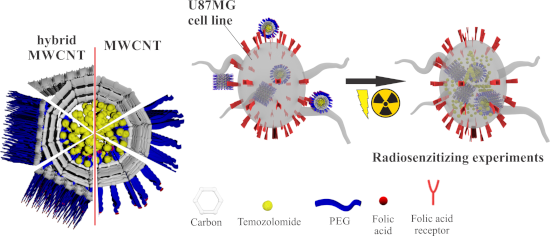
- points to surface attachment of FA, although its physical entrapment into the tubes cannot be excluded. After incorporation of TMZ, the mean particle size was increased by 30–40 nm, suggesting again the embedment of TMZ not only into the tubes, but also on the surface of the CNs (as shown in the SEM
- images in this study and the SEM and TEM images in [43]). In all series, a relatively unimodal particle size distribution was observed, with PDI values not higher than 0.541. In the irradiated series, the mean particle size ranged from 222 nm (I-MWCNTs-PEG6000-FA) to 347 nm (I-MWCNTs-G-PEG6000-FA-TMZ
- [48][49][50][51][52][53]. Morphology In the SEM images of the MWCNTs-COOH (presented in our previous study [43]), a dense structure of randomly aggregated, convoluted, and highly tangled tubes was observed. The image of MWCNTs-G shows a hybrid structure of multiwalled nanotubes dispersed within the




Synthesis and the impact of hydroxyapatite nanoparticles on the viability and activity of rhizobacteria
Beilstein J. Nanotechnol. 2025, 16, 216–228, doi:10.3762/bjnano.16.17
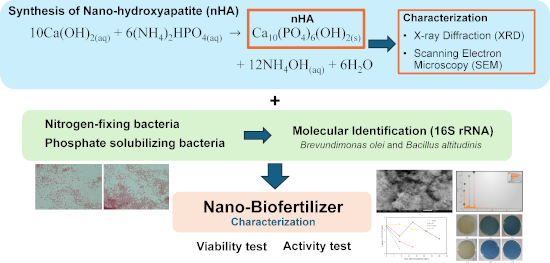
- . The morphology of the analyzed sample, observed through scanning electron microscopy (SEM) at magnifications of 15,000× and 50,000× are depicted in Figure 3. Figure 3 provides a clear view of the sample demonstrating spherical shapes with a consistent particle size distribution. The SEM analysis
- results reveal an average particle size of 68.08 nm, as displayed in Figure 3b. Moreover, a more comprehensive examination of the SEM image using OriginLab software yields a sample porosity of 54.78%, as illustrated in Figure 3d. In this representation, the blue regions correspond to the solid volume of
- nm. SEM analysis revealed a spherical shape with an average particle size of 68.08 nm and a porosity of 54.78%. Rhizobacteria loaded onto the nHA carrier exhibited viability comparable to rhizobacteria incubated without a carrier. Over the observation period, the viability of both types of


A review of metal-organic frameworks and polymers in mixed matrix membranes for CO2 capture
Beilstein J. Nanotechnol. 2025, 16, 155–186, doi:10.3762/bjnano.16.14
- MMMs Material characterization techniques are pivotal for the assessment of novel MOF-based MMMs structures. Electron microscopy enables direct imaging of a sample with up to sub-nanometer resolution [139]. Scanning electron microscopy (SEM) is a popular and straightforward method to obtain images of
- MOF-based MMMs [113][118][122][124][125][128][131][132]. Often, the membrane is broken apart to enable a cross-sectional view of the MOF-based MMM, which may effortlessly reveal interfacial defects as in Figure 8 [132]. In addition to SEM, TEM and HRTEM are often used to obtain information about MOF




TiO2 immobilized on 2D mordenite: effect of hydrolysis conditions on structural, textural, and optical characteristics of the nanocomposites
Beilstein J. Nanotechnol. 2025, 16, 128–140, doi:10.3762/bjnano.16.12
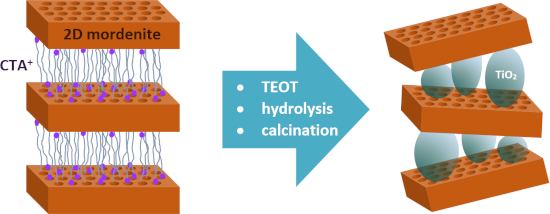
- complementary characterization techniques, including XRD, SEM-EDX, TGA, N2 sorption, NMR, XPS and UV–vis spectrometry. It was observed that treatment in 70% ethanol solution preserves the ordered layered structure of 2D mordenite because TEOT hydrolysis is slowed down. This, in turn, leads to higher
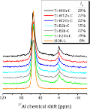
- ) samples are labeled as Ti-WNh-C and Ti-ENh-C with N = 6, 12, and 24 for materials hydrolyzed in water (W) and 70% ethanol solution (E) for 6, 12, and 24 h, respectively. The non-calcined samples are designated as Ti-WNh and Ti-ENh. XRD, 27Al NMR, and SEM-EDX studies Figure 1a and Figure 1b show small
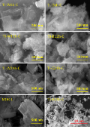
- treatment. For Ti-E24h-C, the lower TiO2 content compared to TI-E12h-C can be attributed to the formation of 3D mordenite fibers, clearly visible in the SEM images (see below in Figure 3). From the comparison of the surface (XPS) and volume (EDX) content of TiO2, we can not only deduce a fairly uniform



Characterization of ZnO nanoparticles synthesized using probiotic Lactiplantibacillus plantarum GP258
Beilstein J. Nanotechnol. 2025, 16, 78–89, doi:10.3762/bjnano.16.8
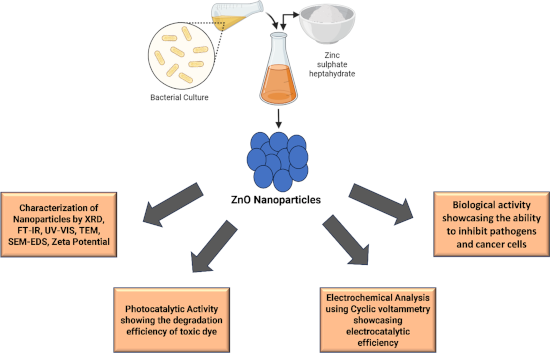
- nanoparticles (ZnO NPs), utilizing lactic acid bacteria isolated from curd as the key biological agent. Bacteria function as agents for both reduction and capping processes, which aids the synthesis of ZnO NPs. Various characterization techniques including XRD, FTIR, UV–vis, TEM, SEM-EDX, and zeta potential
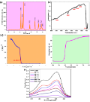
- ZnO NPs confirms the XRD results, that is, the hexagonal wurtzite structure (Figure 3). SEM and EDX analysis SEM was used to analyze the surface morphology of a modified nanocomposite film, and the image displays a consistent coverage of a web-like structure. Close-up views revealed a crumpled and
- . Microscopic examination via TEM and SEM offered details about nanoparticle size and shape. Our study reported a size range from 7 to 98 nm, with an average size of 10 nm. Suba et al. [22] reported an average size of 32 nm, while Mohd Yusof et al. [23] synthesized ZnO NPs with a size of 291 nm (flower-like



Bioinspired nanofilament coatings for scale reduction on steel
Beilstein J. Nanotechnol. 2025, 16, 25–34, doi:10.3762/bjnano.16.3

- shear stress at the plate is reported in Figure 2D for different angular velocities and corresponding volumetric flow rates. Super-hydrophobicity of SNF coatings on steel Figure 3A shows a scanning electron microscopy (SEM) image of a stainless-steel surface coated with SNFs. The wire-type structures
- – we can conclude that nanofilaments can be deposited on steel surfaces and that the grown structures render the steel surface super-hydrophobic [24]. The morphology and function of the SNF steel coatings remain intact during the shear stress test. The SEM image of the SNF coating after shear exposure
- can be seen in in the optical images in Figure 5A and Figure 5B, no defects are visible after the explosion/decompression test, demonstrating the stability of the SNF coating on steel. This is also borne out by the SEM analysis (Figure 5C), which shows the SNF structures are fully intact after the


Orientation-dependent photonic bandgaps in gold-dust weevil scales and their titania bioreplicates
Beilstein J. Nanotechnol. 2025, 16, 1–10, doi:10.3762/bjnano.16.1
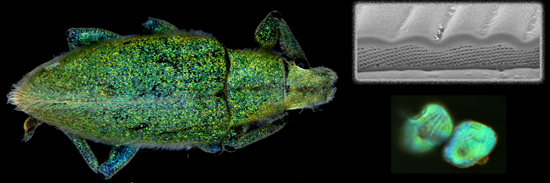
- . The domains in lattice orientation {100} exhibited polarization conversion. The structure inferred from optical measurements was confirmed using conventional and focused ion beam scanning electron microscopy (FIB-SEM). By averaging the reciprocal space images obtained from different lattice
- cortex is thinner (≈0.5 μm) and flat (Figure 2c). From the FIB-SEM cuts, we estimated the chitin fill fraction of the chitin network to be 0.44 ± 0.06. By adjusting the power and duration of the argon plasma etching, we were able to selectively etch the lower cortex of the scales (Figure 2d), revealing
- was roughly {111}-oriented. SEM images shown in Figure 4d,e confirmed the successful replication with an increased fill fraction, compared to the original material (Figure 2); the two fill fractions, f, were expected to be conserved but exchanged (i.e., titania f ≈ 0.56 and void f ≈ 0.44). The


Fabrication of hafnium-based nanoparticles and nanostructures using picosecond laser ablation
Beilstein J. Nanotechnol. 2024, 15, 1639–1653, doi:10.3762/bjnano.15.129
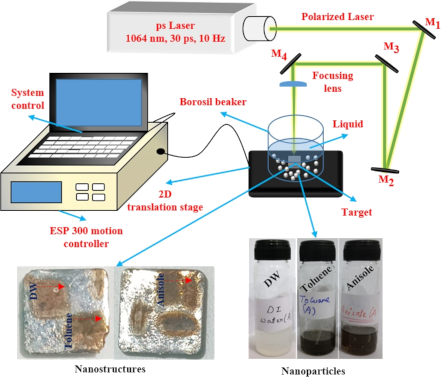
- morphology was analysed using field-emission scanning electron microscopy (FESEM); the composition was determined by EDX attached to the FESEM (Carl Zeiss Smart SEM ULTRA 55). Reflectivity was investigated using a UV–vis–NIR spectrometer (PerkinElmer Lambda 750). For photoluminescence (PL) measurements, a




Natural nanofibers embedded in the seed mucilage envelope: composite hydrogels with specific adhesive and frictional properties
Beilstein J. Nanotechnol. 2024, 15, 1603–1618, doi:10.3762/bjnano.15.126
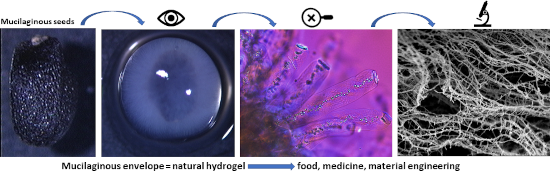
- its composition [14][15][16]. The nanoscale level of the spatial organisation of mucilage observed with scanning electron microscopy (SEM) reveals the complexity of the mucilage with special features, such as 3D organisation of polysaccharides in a net-like structure [7][13]. In the last years, the
- proper characterisation of their micro- and nanostructures. In the last years, SEM visualisation, combined with the critical point drying (CPD) procedure, has been widely used in nanostructural studies of diverse hydrogel-like samples, containing cellulose fibrils, or biofilms [7][40][41]. The CPD method
- atomic force microscopy (AFM), transmission electron microscopy (TEM), SEM, or cryo-SEM [45][57][63][64][65][66]. Very often, the procedures for preparing mucilage envelope samples can destroy and/or influence the organisation of polysaccharides, making the analysis of spatial structure of the mucilage


Facile synthesis of size-tunable L-carnosine-capped silver nanoparticles and their role in metal ion sensing and catalytic degradation of p-nitrophenol
Beilstein J. Nanotechnol. 2024, 15, 1576–1592, doi:10.3762/bjnano.15.124
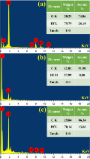
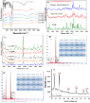
- the experimental results well. FTIR and Raman spectroscopy confirm the successful capping of silver nanoparticles with ʟ-carnosine. The presence of Ag in ʟ-carnosine-capped AgNPs was also assessed using SEM-EDX. Figure 4d and Figure 4e confirm that Ag is present in ʟ-car-AgNP1 and ʟ-car-AgNP2
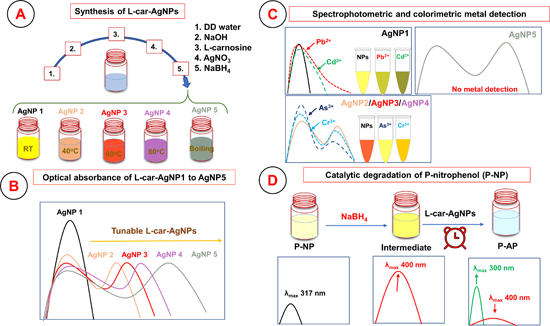
- spectroscopy, TEM, SEM-EDX, and XRD. This comprehensive analysis elucidates the optical absorbance, sizes, surface charges, functional group interactions, elemental compositions, and diffraction patterns of ʟ-car-AgNPs. Furthermore, different sizes of ʟ-car-AgNPs (ʟ-car-AgNP1 to ʟ-car-AgNP5) were explored
- -car-AgNP4, and (f) ʟ-car-AgNP5. (a) FTIR spectra of ʟ-carnosine and ʟ-car-AgNPs. Raman spectra of (b) ʟ-carnosine (solid and aqueous solution) and (c) ʟ-car-AgNPs. SEM-EDX data confirms the presence of silver in (d) ʟ-car-AgNP1 and (e) ʟ-car-AgNP2. (f) XRD pattern of ʟ-carnosine AgNP1. Heavy metal ion




Ultrablack color in velvet ant cuticle
Beilstein J. Nanotechnol. 2024, 15, 1554–1565, doi:10.3762/bjnano.15.122

- of the ultrablack cuticle in Traumatomutilla bifurca, an enigmatic and visually striking species of velvet ants (Hymenoptera, Mutillidae). Using a combination of scanning electron microscopy (SEM), transmission electron microscopy (TEM), confocal laser scanning microscopy (CLSM), and optical
- spectroscopy, we conducted a comprehensive analysis of the cuticle to elucidate its unique optical properties. SEM imaging provided a detailed surface morphology, while TEM provided insights into the internal structure. CLSM showed that the cuticle exhibits no autofluorescence. Our findings reveal a highly
- sunlight (personal observations). For subsequent analyses, we utilized female specimens collected from Caatinga regions in Pernambuco, Brazil (09°19’44.2’’S, 42°33’30’’W) in February 2022. The specimens were preserved in absolute alcohol. Scanning electron microscopy (SEM) To investigate the internal