


Search results
Search for "UV–vis spectroscopy" in Full Text gives 165 result(s) in Beilstein Journal of Nanotechnology.
Preservation of rutin nanosuspensions without the use of preservatives
Beilstein J. Nanotechnol. 2019, 10, 1902–1913, doi:10.3762/bjnano.10.185
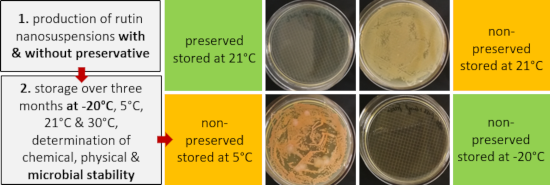
- reduced DPPH can be accessed via UV–vis spectroscopy. For the determination of the IC50 values, 100 µL of the samples containing different concentrations of the nanocrystals (200, 100, 50, 25, 12.5, 6.25, 3.125 µg/mL) were added to 100 µL of a 0.3 mM methanolic solution of DPPH. After 30 min incubation


Charge-transfer interactions between fullerenes and a mesoporous tetrathiafulvalene-based metal–organic framework
Beilstein J. Nanotechnol. 2019, 10, 1883–1893, doi:10.3762/bjnano.10.183
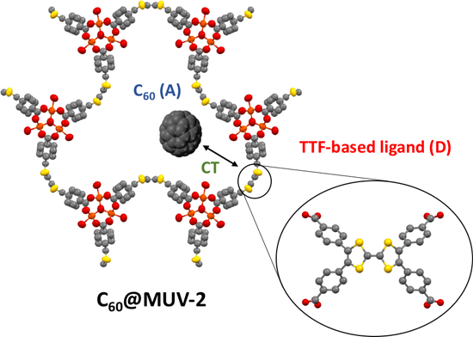
- needle-like morphology of C60@MUV-2 also remained similar to the one of MUV-2 as confirmed by scanning electron microscopy (SEM) (Figure S1, Supporting Information File 1). Raman and UV–vis spectroscopy Raman spectra of C60, MUV-2 and C60@MUV-2 crystals were measured using a Raman excitation wavelength




Highly ordered mesoporous silica film nanocomposites containing gold nanoparticles for the catalytic reduction of 4-nitrophenol
Beilstein J. Nanotechnol. 2019, 10, 1368–1379, doi:10.3762/bjnano.10.135
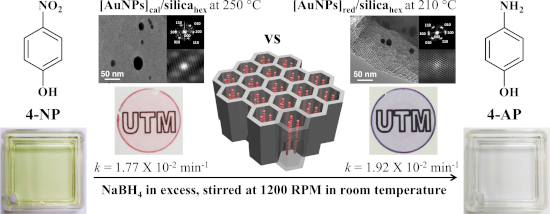
- ) measurements were carried out at on a Bruker D8 Advance diffractometer with Cu Kα radiation. Ultraviolet–visible (UV–vis) spectra were recorded on a Thermo Scientific model GENESYS 10S UV–vis spectroscopy. Transmission electron microscopy (TEM) images were obtained by using a JEOL JEM-2100 device operating at


A highly efficient porous rod-like Ce-doped ZnO photocatalyst for the degradation of dye contaminants in water
Beilstein J. Nanotechnol. 2019, 10, 1157–1165, doi:10.3762/bjnano.10.115
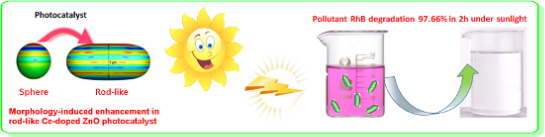
- Wuxi ZhanWang Chemical Reagent Co., LTD. 2-methylimidazole was provided by Shanghai Bide Pharmaceutical Technology Co., LTD. All other reagents used were purchased from Sinopharm Group Chemical Reagent Co., LTD. A Newport 94023A (USA) device was used as the sunlight stimulator. The UV–vis spectroscopy
- centrifuged before this process began. The supernatant was diluted with an equal amount of deionized water, then taken out for the measurement of absorbance (A0) at 554 nm by UV–vis spectroscopy. Every 20 min the sampling process was repeated, and the absorbance was determined. The degradation rate (DR) was


Fabrication of silver nanoisland films by pulsed laser deposition for surface-enhanced Raman spectroscopy
Beilstein J. Nanotechnol. 2019, 10, 882–893, doi:10.3762/bjnano.10.89
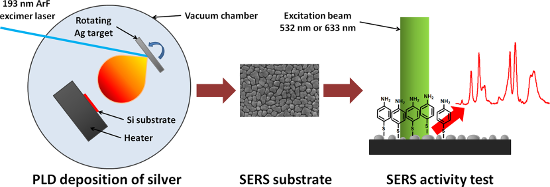
- measurements of the chemical composition of the fabricated SNIFs by using X-ray photoelectron spectroscopy (XPS) and their optical properties by using UV–vis spectroscopy. Finally, we describe the SERS performance of SNIFs in the measurements of para-mercaptoaniline (pMA) molecules. Results and Discussion




Reduced graphene oxide supported C3N4 nanoflakes and quantum dots as metal-free catalysts for visible light assisted CO2 reduction
Beilstein J. Nanotechnol. 2019, 10, 448–458, doi:10.3762/bjnano.10.44
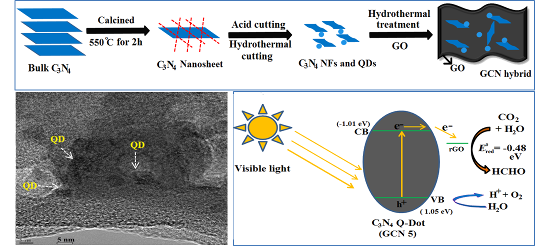
- , X-ray photoelectron spectroscopy, Fourier transform infrared spectroscopy, field emission scanning electron microscopy, transmission electron microscopy (TEM), and UV–vis spectroscopy. High-resolution TEM images clearly show that C3N4 QDs (average diameter of 2–3 nm) and NFs (≈20–45 nm) are





Gold nanoparticles embedded in a polymer as a 3D-printable dichroic nanocomposite material
Beilstein J. Nanotechnol. 2019, 10, 442–447, doi:10.3762/bjnano.10.43
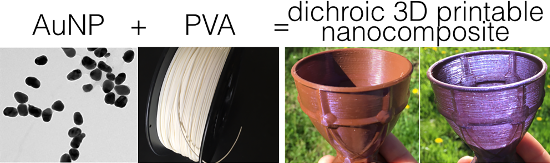
- change during the synthesis hints that the dichroic nanoparticle formation is not just seeded growth, but a more complex mechanism. Therefore, we studied the evolution of the nanoparticle formation over time using UV–vis spectroscopy and TEM (Supporting Information File 1, Figures S3 and S4). The time



Thermal control of the defunctionalization of supported Au25(glutathione)18 catalysts for benzyl alcohol oxidation
Beilstein J. Nanotechnol. 2019, 10, 228–237, doi:10.3762/bjnano.10.21
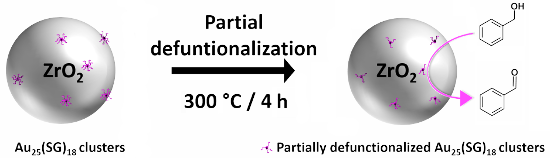
- S1, Supporting Information File 1). The transmission electron microscopy (TEM) image shows that the ZrO2 particles have a diameter of around 50 nm. Au25(SG)18 was synthesized according to a reported method [33]. The characterization of the clusters by UV–vis spectroscopy shows two absorption peaks




New micro/mesoporous nanocomposite material from low-cost sources for the efficient removal of aromatic and pathogenic pollutants from water
Beilstein J. Nanotechnol. 2019, 10, 119–131, doi:10.3762/bjnano.10.11
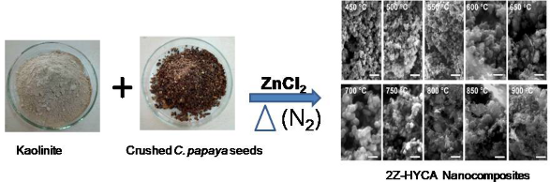
- FTIR, 4000–400 cm−1, 40 Scans) using KBr pellets prepared with a Shimadzu MHP-1 mini hand press. The background correction was performed with a pure KBr pellet, and the samples were measured at 10% in 90% KBr. UV–vis spectroscopy was performed on a Shimadzu 1650pc UV–vis spectrophotometer for analysis




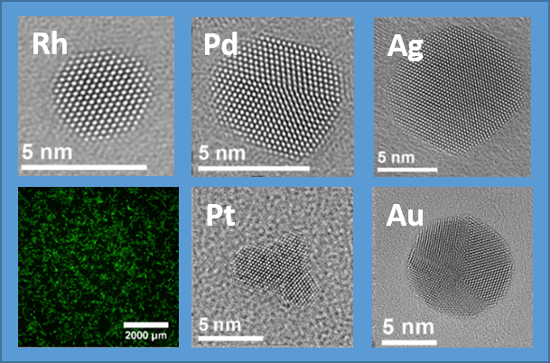
Comparative biological effects of spherical noble metal nanoparticles (Rh, Pd, Ag, Pt, Au) with 4–8 nm diameter
Beilstein J. Nanotechnol. 2018, 9, 2763–2774, doi:10.3762/bjnano.9.258
- backward scattering mode. The primary data were derived from the correlation function of the scattered intensity as a number-weighed size distribution. Ultraviolet–visible (UV–vis) spectroscopy was performed with a Varian Cary 300 instrument from 200 to 800 nm with background correction. Suprasil® cuvettes
- [89]. It was shown by Ino that metal nanoparticles (Ag, Au, Cu, Pd, Pt) prefer an icosahedral structure if their diameter is smaller than approximately 10 nm. Nanocrystals with larger diameters prefer the shape of a truncated octahedron [88][90]. UV–vis spectroscopy gives information on the optical


Impact of the anodization time on the photocatalytic activity of TiO2 nanotubes
Beilstein J. Nanotechnol. 2018, 9, 2628–2643, doi:10.3762/bjnano.9.244
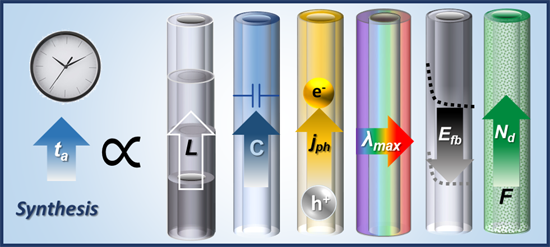
- surface of the electrode. At 1.0 V/Ag|AgCl, jph is maximized and recombination is suppressed, which provides the conditions for efficient photoelectrochemical oxidation of MB. UV–vis spectroscopy was used to evaluate the effect of the treatment and the results are presented in Figure 9c. The couple of


Enhanced antineoplastic/therapeutic efficacy using 5-fluorouracil-loaded calcium phosphate nanoparticles
Beilstein J. Nanotechnol. 2018, 9, 2499–2515, doi:10.3762/bjnano.9.233
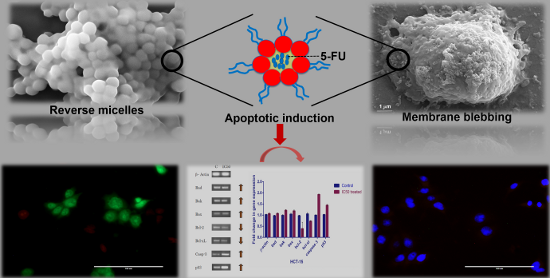
- synthesized CaP@5-FU NPs were characterized with UV–vis spectroscopy over a range of 200 to 800 nm. The spectrum obtained displayed a characteristic peak at 230 nm [25] for unloaded CaP NPs and CaP@5-FU NPs as shown in Figure 1B. Also an absorption maximum was found at 265 nm for 5-FU, which was depressed in


Nanoconjugates of a calixresorcinarene derivative with methoxy poly(ethylene glycol) fragments for drug encapsulation
Beilstein J. Nanotechnol. 2018, 9, 2057–2070, doi:10.3762/bjnano.9.195
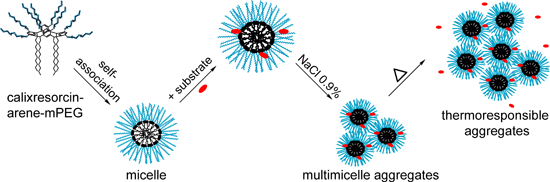
- macrocycle platform on substrate binding, 3 and mPEG-550 were compared regarding their influence on physico-chemical properties of the substrates by using UV–vis spectroscopy and fluorimetry). The influence of substrate encapsulation on the size of micelles of 3 was determined by using DLS (Table S1


Sulfur-, nitrogen- and platinum-doped titania thin films with high catalytic efficiency under visible-light illumination
Beilstein J. Nanotechnol. 2018, 9, 1629–1640, doi:10.3762/bjnano.9.155
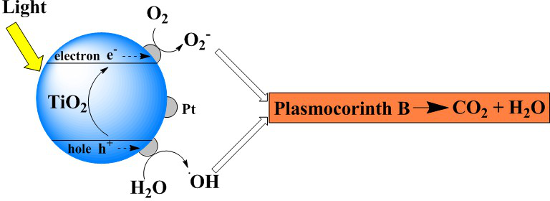
- ), scanning electron microscopy (SEM), UV–vis spectroscopy and band gap measurements. Results and Discussion Titania thin films were prepared by a particulate sol–gel synthesis, using titanium tetrachloride (TiCl4) as a precursor. During the synthesis, different quantities hydrochloric or sulfuric acid were
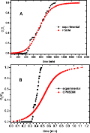
- 7a) and synthesized with H2SO4 (Figure 7b). Different dots represent experimental data (acquired with UV–vis spectroscopy) and lines represent a fitted kinetic model. A kinetic model for adsorption (zero-order rate constant, k0) and subsequent degradation (first-order rate constant, k1) was used to


Closed polymer containers based on phenylboronic esters of resorcinarenes
Beilstein J. Nanotechnol. 2018, 9, 1594–1601, doi:10.3762/bjnano.9.151
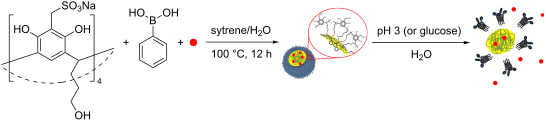
- File 1, Figure S6). The weight of p(SRA-B) slowly decreases by 4% with the increase of temperature in the range of 250–375 °C. The p(SRA-B) dispersion is steady in water because of the negatively charged surface formed by sulfonated groups. The ζ-potential of p(SRA-B) is −50 mV. UV–vis spectroscopy was


Colorimetric detection of Cu2+ based on the formation of peptide–copper complexes on silver nanoparticle surfaces
Beilstein J. Nanotechnol. 2018, 9, 1414–1422, doi:10.3762/bjnano.9.134
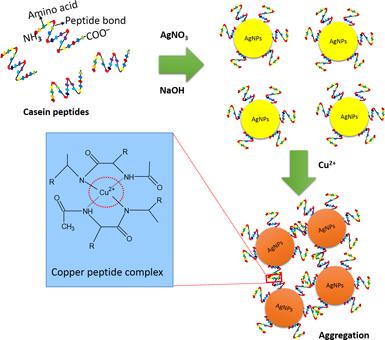
- stock AgNPs solution comprised 0.05, 0.1, and 0.2 mL, respectively, to enable detection over a wide range (0.08–1.44 µM Cu2+). After the coordination reaction was performed at 24 °C for 20 min, the spectral shift was detected by UV–vis spectroscopy, and the solution color was observed with the naked eye
- below the normal blood concentration of Cu2+, which is in the range of 24–135 µg/dL [27]. The interaction of Cu2+ with the peptide ligands on the AgNP surfaces attracts neighboring AgNPs, which is observed as a color change from yellow to red. The change in absorbance was monitored by UV–vis
- spectroscopy at various Cu2+ concentrations (0.08 to1.44 µM). The absorbance intensity at 520 nm increased with an increase of the Cu2+ concentration, and the sensitivity was purely dependent upon the volume of added AgNPs stock solution as presented in Figure 5. Thus, the quantitative features, including the


Semi-automatic spray pyrolysis deposition of thin, transparent, titania films as blocking layers for dye-sensitized and perovskite solar cells
Beilstein J. Nanotechnol. 2018, 9, 1135–1145, doi:10.3762/bjnano.9.105
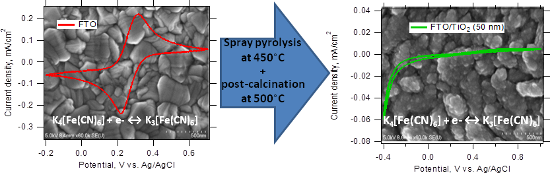
- microscopy (SEM) (Hitachi FE SEM S-4800 microscope), and UV–vis spectroscopy (Varian CARY 100 with integrating sphere DRA-CA-30I and 8° reflectance geometry, Varian, USA). X-ray fluorescence spectroscopy (XRF) analysis was performed on an ARL 9400 XP sequential WD-XRF spectrometer (Thermo ARL, Switzerland


Perovskite-structured CaTiO3 coupled with g-C3N4 as a heterojunction photocatalyst for organic pollutant degradation
Beilstein J. Nanotechnol. 2018, 9, 671–685, doi:10.3762/bjnano.9.62
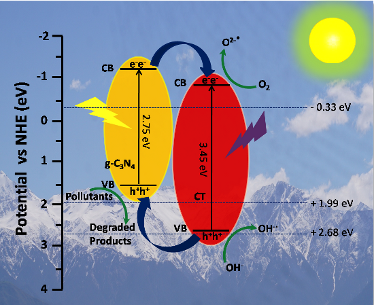
- CTCN heterojunction and the corresponding control samples was investigated by studying the degradation of a model dye pollutant, rhodamine B (RhB) under UV, visible and natural sunlight irradiations. The prominent absorption peak of RhB at 554 nm was monitored by employing UV–vis spectroscopy to


Optimisation of purification techniques for the preparation of large-volume aqueous solar nanoparticle inks for organic photovoltaics
Beilstein J. Nanotechnol. 2018, 9, 649–659, doi:10.3762/bjnano.9.60
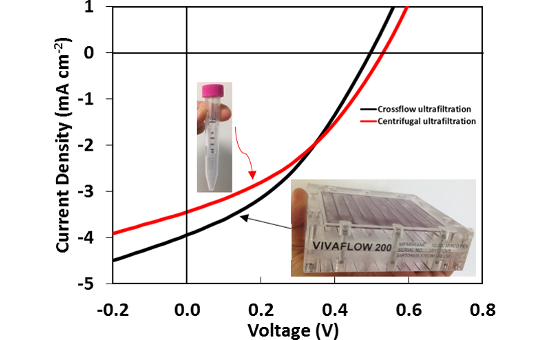
- (DLS) (Zetasiser Nano-ZS ZEN3500, Malvern Instruments) with a 633 nm laser and a backscatter detector angle of 173°. Samples for DLS were prepared by diluting 5 µL of NP ink in 10 mL Milli-Q water in order to reduce the solids content from 6 to 0.003%. Free SDS concentration UV-vis spectroscopy: An
- processes: centrifugal and crossflow ultrafiltration. The impact of purification is twofold: firstly, removal of excess sodium dodecyl sulfate (SDS) surfactant from the ink and, secondly, concentration of the photoactive components in the ink. The removal of SDS was studied in detail both by a UV–vis
- spectroscopy-based method and by surface tension measurements of the nanoparticle ink filtrate; revealing that centrifugal ultrafiltration removed SDS at a higher rate than crossflow ultrafiltration even though a similar filter was applied in both cases (10,000 Da Mw cut-off). The influence of SDS


Fabrication and photoactivity of ionic liquid–TiO2 structures for efficient visible-light-induced photocatalytic decomposition of organic pollutants in aqueous phase
Beilstein J. Nanotechnol. 2018, 9, 580–590, doi:10.3762/bjnano.9.54
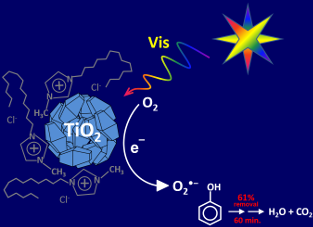
- further growth and agglomeration. For the TiO2_O(1:3) sample, the dominant fraction were microspheres with diameter ranging from 2–3 μm (38%), whereas for TiO2_T(1:3), the main fraction was particles with an average diameter of 3–5 μm (42%). Diffuse reflectance spectroscopy, UV–vis spectroscopy and BET




Colloidal solution of silver nanoparticles for label-free colorimetric sensing of ammonia in aqueous solutions
Beilstein J. Nanotechnol. 2018, 9, 499–507, doi:10.3762/bjnano.9.48
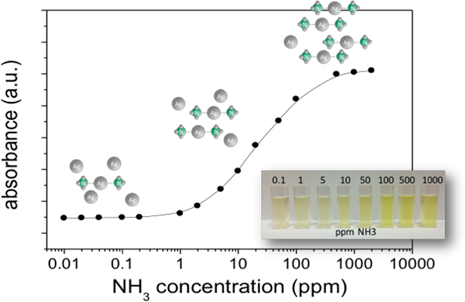
- –vis spectroscopy; Introduction Important sources of ammonia include synthetic fertilizers, oceans, the burning of biomass, the decomposition of plants, natural land [1] and the chemical industry [2]. Ammonia is also an organic compound normally produced by human metabolism [3] through the urea cycle
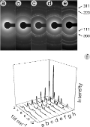
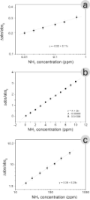
- been identified: very low ammonia concentrations from 0.01 to 0.2 ppm, high ammonia concentrations from 20 to 350 ppm and, most importantly, the intermediate or physiological range of ammonia from 0.5 to 10 ppm. Keywords: electron diffraction; electron microscopy; NH3 sensors; silver nanoparticles; UV



Synthesis and characterization of electrospun molybdenum dioxide–carbon nanofibers as sulfur matrix additives for rechargeable lithium–sulfur battery applications
Beilstein J. Nanotechnol. 2018, 9, 262–270, doi:10.3762/bjnano.9.28
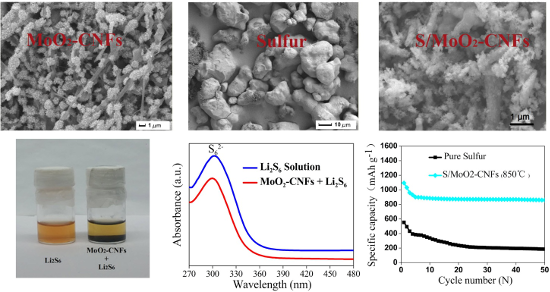
- obtained solution containing about 1.8 mg mL−1 Li2S6 was used for the sulfide adsorption test. MoO2–CNFs were added to 10.0 mL of Li2S6/TFH solution and the mixture was adequately stirred for 0.5 h. The ability of the MoO2–CNF composite to adsorb Li2S6 was evaluated by UV–vis spectroscopy (UV-1800PC


Synthesis and characterization of noble metal–titania core–shell nanostructures with tunable shell thickness
Beilstein J. Nanotechnol. 2017, 8, 2083–2093, doi:10.3762/bjnano.8.208
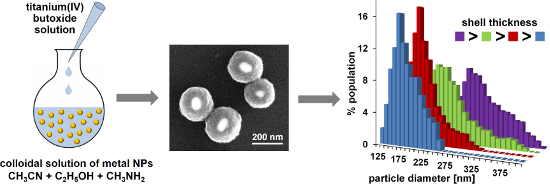
- ). Their sizes and shell thicknesses were determined using tunable resistive pulse sensing (TRPS) technique. The optical properties of the synthesized structures were characterized using UV–vis spectroscopy. Ag@TiO2 and Au@TiO2 structures with shell thickness in the range of ≈40–70 nm and 90 nm, for the Ag
- prevent it. In addition, the confirmation of the shell formation (in almost all reported cases) has been based only on electron microscopy (mainly TEM) images and UV–vis spectroscopy, with a few exceptions of the additional use of either static or dynamic light scattering (SLS or DLS) [21][27]. Here, we
- this article, is complicated. Traditionally, only electron microscopy techniques (TEM or SEM) and UV–vis spectroscopy have been used to prove that the coating was in fact achieved and to provide information regarding shell thickness [21][24][25][26][27][28][29][30][31][32][33][34][35][36][37][38][39


(Metallo)porphyrins for potential materials science applications
Beilstein J. Nanotechnol. 2017, 8, 1786–1800, doi:10.3762/bjnano.8.180
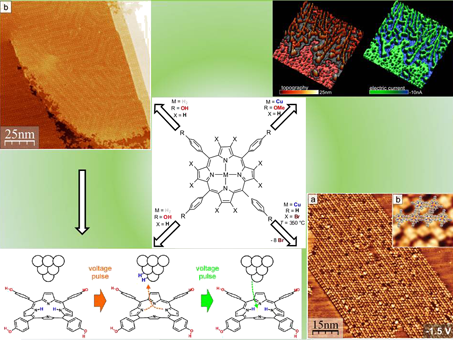
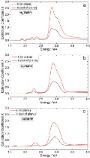
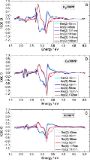
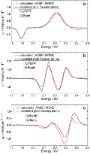
- samples MCD spectroscopy is often carried out in combination with UV–vis spectroscopy to characterize the electronic properties of molecules, including porphyrinoids. For a better comparison with the existing literature about the magneto-optical response of porphyrinoids we calculated from the Voigt







Near-infrared-responsive, superparamagnetic Au@Co nanochains
Beilstein J. Nanotechnol. 2017, 8, 1680–1687, doi:10.3762/bjnano.8.168
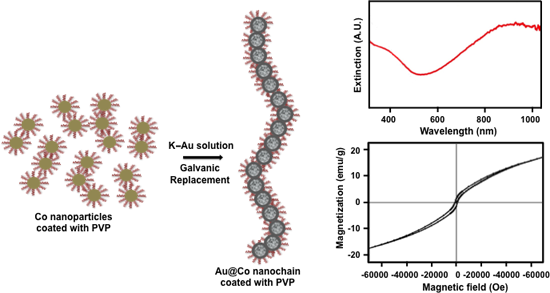
- both PVP and the use of a magnetic stirrer contribute to the assembly of these magnetic nanoparticles into nanochains. Optical properties of the Au@Co nanochains The optical properties of the Au@Co nanochains were characterized by UV–vis spectroscopy. Figure 7 shows the characteristic extinction





