


Search results
Search for "composition" in Full Text gives 1133 result(s) in Beilstein Journal of Nanotechnology. Showing first 200.
The role of biochar in combating microplastic pollution: a bibliometric analysis in environmental contexts
Beilstein J. Nanotechnol. 2025, 16, 1401–1416, doi:10.3762/bjnano.16.102

- composition, MPs, rice biochar, enrichment, dissolved organic carbon, and modified biochar. As depicted in Figure 3a, the clustering and proximity of these items indicate frequent co-citation among the publications. Their temporal evolution is visualized in Figure 3b, while Figure 3c shows the frequency and
- interactions in soil [31]. Biochar properties The physical and chemical properties of biochar depend significantly on the composition of its feedstock [46]. Molecular model calculations and quantum chemistry analyses suggest that biochar derived from wood exhibits superior physical properties, such as porosity
- composition, and microbial community. Regarding soil physical properties, MPs modify porosity and aeration, which in turn disrupt water and air circulation, leading to soil compaction and dryness that adversely affect root development [52][54][56]. These changes are exemplified by the reduction in water



Parylene-coated platinum nanowire electrodes for biomolecular sensing applications
Beilstein J. Nanotechnol. 2025, 16, 1392–1400, doi:10.3762/bjnano.16.101
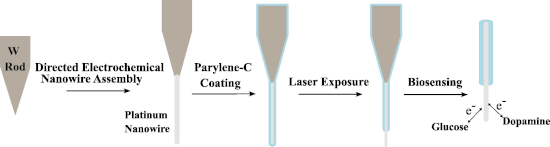
- , Pt, Fe, Cu, or Ir) solution are used for nanowire growth, where adjustments to the AC field parameters and solution composition allow the fabrication of either single cylindrical nanowires (ranging from 15 to 600 nm in diameter and up to several hundreds of micrometers in length) or dendritic
- complete as intended and these electrodes were discarded. A thin layer of copper deposition on the exposed platinum nanowire tip was further examined using SEM imaging and energy-dispersive X-ray spectroscopy (EDS) elemental composition analysis. Figure 2b presents an SEM image of the copper-coated


Synthesis and antibacterial properties of nanosilver-modified cellulose triacetate membranes for seawater desalination
Beilstein J. Nanotechnol. 2025, 16, 1380–1391, doi:10.3762/bjnano.16.100
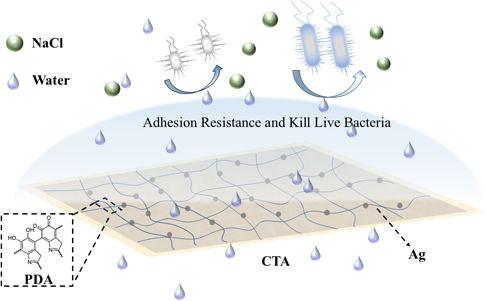
- lifespan of the membranes. The widely used antimicrobial nanoparticles can be categorized based on their composition and properties as follows: metallic nanoparticles, carbon-based nanomaterials, oxide nanoparticles, and composite nanomaterials. Zheng’s group used an in situ synthesis method to embed AgNPs
- provide compelling evidence for the successful surface modification of CTA with PDA and the subsequent immobilization of Ag on the PCTA surface via coordination bonds. In order to clarify the valence state of Ag, XPS was employed to provide detailed information about the elemental composition and chemical
- layer. EDS is again used to analyze the elemental composition of the coating. It can be seen that the coating has been compromised and Na+ has penetrated the coating. Furthermore, the AgNPs partially aggregate or migrate within the PDA layer due to changes in the local chemical environment (Supporting


Enhancing the therapeutical potential of metalloantibiotics using nano-based delivery systems
Beilstein J. Nanotechnol. 2025, 16, 1350–1366, doi:10.3762/bjnano.16.98
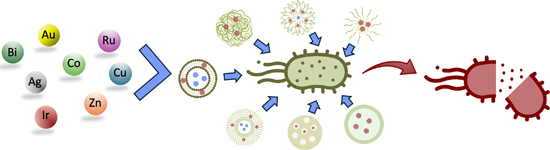
- delivery mechanism are broadly categorized into passive and active targeting [38]. Passive targeting is controlled by size, charge, and composition of the nanoparticle, which influences the localization, cell penetration, and release of the drug as physicochemical features of pathogenic tissues facilitate
- , significantly expanding their applications [58]. The structure of liposomes can vary, with unilamellar and multilamellar vesicles being the two main forms, offering flexibility in the types of drugs they can deliver. In addition, size, surface charge, and lipid composition of these nanoparticles can be tailored


Ferroptosis induction by engineered liposomes for enhanced tumor therapy
Beilstein J. Nanotechnol. 2025, 16, 1325–1349, doi:10.3762/bjnano.16.97
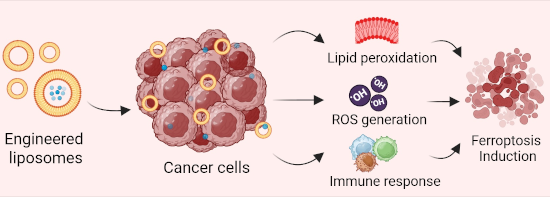
- have been used for various therapeutic agents, including antibiotics, analgesics, and anticancer drugs [114]. Microfluidics enables the production of liposomes with precise control over size, composition, and EE. Microfluidics-based methods can produce liposomes with uniform size, which is critical for


Deep-learning recognition and tracking of individual nanotubes in low-contrast microscopy videos
Beilstein J. Nanotechnol. 2025, 16, 1316–1324, doi:10.3762/bjnano.16.96
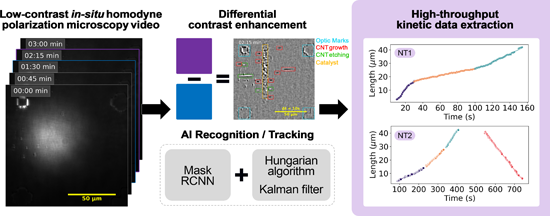
- , finding numerous applications in scientific research. Deep learning models have been used to identify two-dimensional materials in microscopic images [6], characterize mineral composition in scanning electron microscopy (SEM) samples [7], and determine nanotube chirality from transmission electron


Wavelength-dependent correlation of LIPSS periodicity and laser penetration depth in stainless steel
Beilstein J. Nanotechnol. 2025, 16, 1302–1315, doi:10.3762/bjnano.16.95
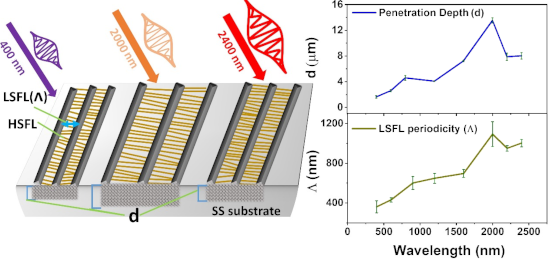
- is the effective mass of the electron. Stainless steel has a more complex electron density than pure metals because it is composed of a mix of iron, chromium, nickel, and other elements. Stainless steel’s electron density varies depending on the composition and microstructure of the alloy, typically
- redistribution of metallic particles in the surrounding areas. This rapid process leads to the formation of intricate surface nanostructures, as elucidated in the previous sections. Here, we examine whether the fundamental composition of SS undergoes any alterations with varying incident wavelengths. To
- weight percentages of Cr, Fe, and Ni across all three areas. This uniformity suggests that the elemental composition remains unchanged throughout the whole laser-treated surface. For a comparative study, we also measured the elements on a polished stainless steel surface, depicted in Figure 10e. Figure




Enhancing the photoelectrochemical performance of BiOI-derived BiVO4 films by controlled-intensity current electrodeposition
Beilstein J. Nanotechnol. 2025, 16, 1289–1301, doi:10.3762/bjnano.16.94
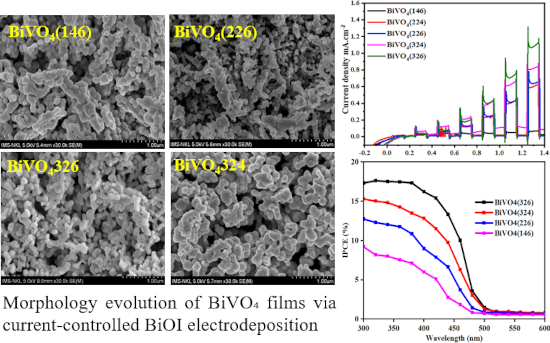
- , controlled crystallinity, and superior film uniformity achieved via the controlled-intensity current electrodeposition of BiOI. Surface chemical composition (XPS) X-ray photoelectron spectroscopy (XPS) was employed to investigate the surface chemical states and composition of the BiVO4 photoanodes, focusing



Acrocomia aculeata oil-loaded nanoemulsion: development, anti-inflammatory properties, and cytotoxicity evaluation
Beilstein J. Nanotechnol. 2025, 16, 1277–1288, doi:10.3762/bjnano.16.93
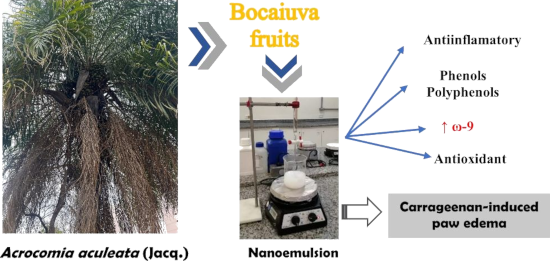
- composition may be attributed to variations in environmental conditions, such as climatic conditions, temperature, and pulp drying duration before oil extraction. Additionally, the specific extraction technique employed can influence lipid degradation and promote the formation of free fatty acids [19
- speed was set at 2,500 mL/min. The composition (in percent) was calculated using the peak normalization method. Preparation of nanoemulsions Acrocomia aculeata oil nanoemulsions were prepared using the phase inversion method [61][62]. The formulations comprised 5% w/w bocaiúva oil, 5% surfactants (Span


Better together: biomimetic nanomedicines for high performance tumor therapy
Beilstein J. Nanotechnol. 2025, 16, 1246–1276, doi:10.3762/bjnano.16.92
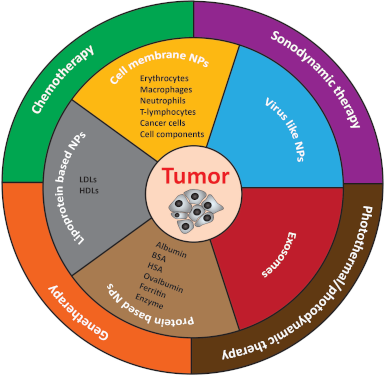
- and apo A-II) that can bind SR-BI receptors overexpressed on cancer cells. Unlike LDL, HDL is transported directly into the cytosol bypassing lysosomal degradation [68]. Reconstituted HDL (rHDL) is now developed by changing the chemical composition or morphology to optimize drug delivery. When loaded







Functional bio-packaging enhanced with nanocellulose from rice straw and cinnamon essential oil Pickering emulsion for fruit preservation
Beilstein J. Nanotechnol. 2025, 16, 1234–1245, doi:10.3762/bjnano.16.91
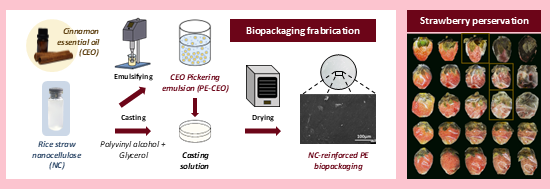
- against a range of Gram positive and Gram negative bacteria thanks to the cinnamic aldehyde and eugenol content in its composition [31][32][33]. The effectiveness of incorporating CEO in the preservation of fruits has been demonstrated. The preservation of mangoes was extended by 7 days [34] and the color




Hydrogels and nanogels: effectiveness in dermal applications
Beilstein J. Nanotechnol. 2025, 16, 1216–1233, doi:10.3762/bjnano.16.90
- that can be topically and systemically applied [66]. Table 1 summarizes the composition, cross-linkers, and preparation methods of hydrogels related to dermal applications. Chitosan is one of the most versatile polymers used to prepare hydrogels. It can be combined with gelatin [122], pectin [123
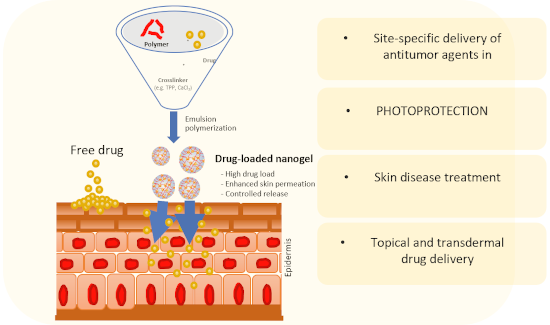
- [145][146][147]. Nanogel formulations Nanogels can be prepared via different methods by using monomers [148] or polymers [149] as raw materials, which can be both of natural [18][150] and synthetic origin [151][152]. Depending on the composition and preparation method, nanogels can be designed to act
- delivery Topical drug delivery is a challenging issue, notably due to the barrier function of the skin, which is mainly exerted by its outermost layer, the stratum corneum (SC) [169][170]. The skin barrier is based on the specific content and composition of the SC and, in particular, on the exceptional


Crystalline and amorphous structure selectivity of ignoble high-entropy alloy nanoparticles during laser ablation in organic liquids is set by pulse duration
Beilstein J. Nanotechnol. 2025, 16, 1141–1159, doi:10.3762/bjnano.16.84
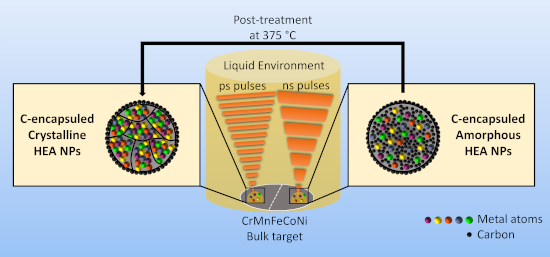
- energy: 0.50 mJ, repetition rate: 10 kHz, incident fluence: 7 J/cm2) of the bulk target in all three solvents yielded colloids at mass concentrations of 100–200 mg/L, determined by differential weighing of the target before and after ablation. The total composition of the colloids in acetone were
- are in good agreement with the near-equimolar composition of the bulk target (Cr21Mn18Fe21Co18Ni22), determined by both XRF and SEM-EDX measurements, quantifying not only the surface compositions of the corresponding targets but also bulk compositions determined from a target cross-section (Supporting
- Information File 1, Figure S2). Pulse duration effects on the crystal structure and composition The first objective of this study was to investigate the influence of pulse durations during LAL in acetone (dried, distilled, and degassed) on the crystal structure and composition of the corresponding HEA NPs




Towards a quantitative theory for transmission X-ray microscopy
Beilstein J. Nanotechnol. 2025, 16, 1113–1128, doi:10.3762/bjnano.16.82
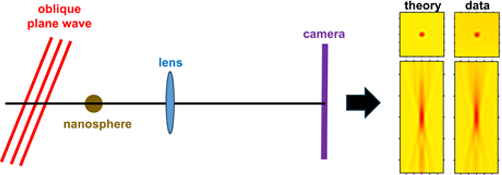
- , Section S13) to determine the nanosphere’s shape, composition, diameter, and density. Both SEM and TEM showed that the nanospheres were indeed roughly spherical and of similar size (Supporting Information File 1, Section S13). Specifically, we measured the diameter of 35 nanospheres by SEM and obtained a



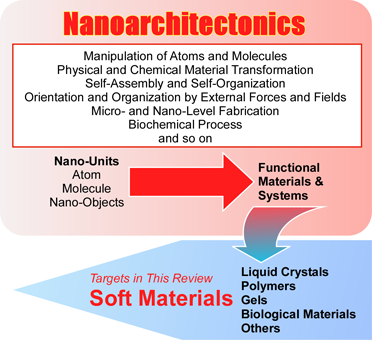
Soft materials nanoarchitectonics: liquid crystals, polymers, gels, biomaterials, and others
Beilstein J. Nanotechnol. 2025, 16, 1025–1067, doi:10.3762/bjnano.16.77
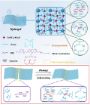
- composition of living cells and organisms includes a multitude of biomolecules, which can be regulated in terms of both concentration and spatial distribution. This enables the exertion of complex biological functions. Synthetic multinetwork hydrogels can be considered analogous to extracellular matrices, and






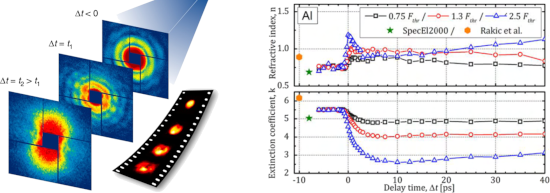
Time-resolved probing of laser-induced nanostructuring processes in liquids
Beilstein J. Nanotechnol. 2025, 16, 968–1002, doi:10.3762/bjnano.16.74


Tendency in tip polarity changes in non-contact atomic force microscopy imaging on a fluorite surface
Beilstein J. Nanotechnol. 2025, 16, 944–950, doi:10.3762/bjnano.16.72
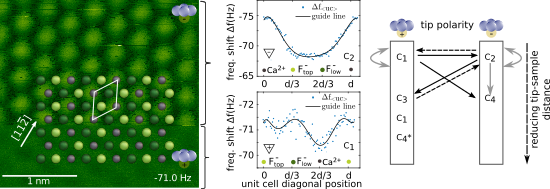
- tip apex in slight contact with the surface under investigation to form a tip cluster yielding atomic contrast [18]. As structure and chemical composition of the resulting tip-terminating cluster are not known, the understanding of contrast formation with non-functionalized tips has been developed


Synthesis of biowaste-derived carbon-dot-mediated silver nanoparticles and the evaluation of electrochemical properties for supercapacitor electrodes
Beilstein J. Nanotechnol. 2025, 16, 933–943, doi:10.3762/bjnano.16.71
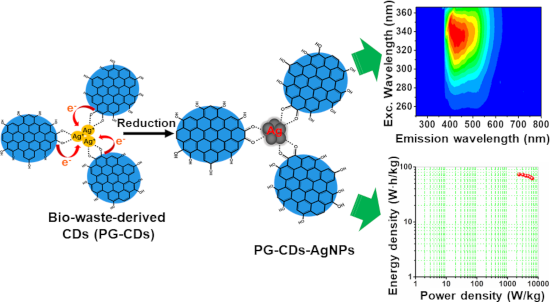
- phase composition could be classified according to the face-centered cubic structure of silver. The XRD spectrum showed that the formed PG-CDs-AgNPs were nanocrystals, as confirmed by the peaks at 2θ ≈ 28.20°, 32.66°, 38.61°, 46.60°, and 57.86°. These Bragg diffraction peaks are equivalent to the (110
- analysis was implemented to study the elemental composition of PG-CDs-AgNPs and the corresponding chemical interaction between PG-CDs and AgNPs, as depicted in Figure 2b–d. As illustrated in Figure 2b, XPS total survey profile of the PG-CDs-AgNPs is composed of carbon and silver elements, with binding
- mechanism for PG-CDs-AgNPs, as evidenced by the quasi-rectangular CV profile [38]. The electrochemistry of any electrode material is purposefully controlled by the composition of the electrolyte. Since KCl is used as a neutral electrolyte, PG-CDs-AgNPs exhibit capacitive behavior through a surface-charge


Structural and magnetic properties of microwave-synthesized reduced graphene oxide/VO2/Fe2O3 nanocomposite
Beilstein J. Nanotechnol. 2025, 16, 921–932, doi:10.3762/bjnano.16.70
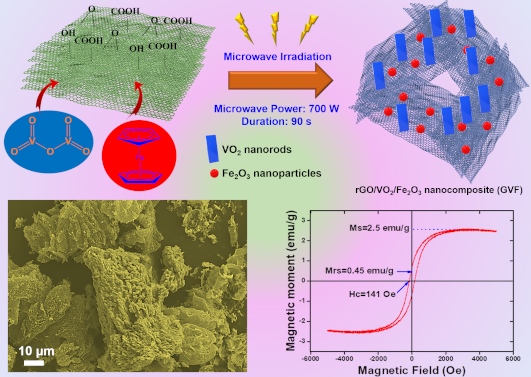
- demonstrating improved magnetic characteristics due to alterations in the electronic structure. To further comprehend the elemental composition of GVF, the elemental analysis was also performed, and the corresponding elemental distribution and EDX spectrum are shown in Figure 5a,b. The SEM image displays a wide



Focused ion beam-induced platinum deposition with a low-temperature cesium ion source
Beilstein J. Nanotechnol. 2025, 16, 910–920, doi:10.3762/bjnano.16.69
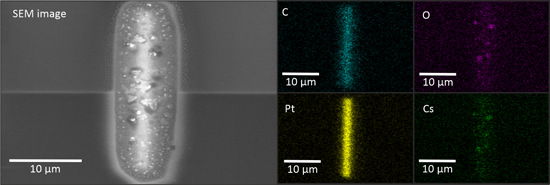
- currents. Deposition rate, material composition, and electrical resistivity were examined and compared with layers deposited at comparable settings with a standard gallium (Ga) FIB. The deposition rate is found to depend linearly on the current density. The rate is comparable for Cs+ and Ga+ under similar
- Cs+ FIB in comparison to results of layer deposition induced by Rb+ and Ga+. Pt was deposited at different acceleration voltages and ion beam currents to evaluate the deposition rate and the electrical resistivity of the layers. To measure the grain structure as well as the material composition using
- characterization in terms of elemental composition and structure was done with a JEOL ARM 200F (S)TEM system equipped with an Oxford EDS detector. Results and Discussion Deposit surface First, to reveal possible surface modifications, Pt layers were deposited with Cs+ ions at 16, 8, 5, and 2 kV with a current


Characterization of ion track-etched conical nanopores in thermal and PECVD SiO2 using small angle X-ray scattering
Beilstein J. Nanotechnol. 2025, 16, 899–909, doi:10.3762/bjnano.16.68
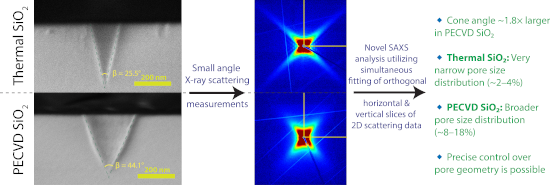
- calculations for PECVD SiO2 thin films used values for the density and composition from our previous study [47]. In both layers, the projected ranges when irradiated with 185 and 89 MeV Au ions were ≈20 μm and ≈14 μm, respectively, whereas the projected ranges for thermal and PECVD SiO2 irradiated with 1.6 GeV
- etching rate and the bulk etching rate between these materials, which in turn affect the nanopore geometry. Nanopores in PECVD SiO2 exhibit cone angles approximately 1.8 times larger than those in thermally grown SiO2 – a variation attributable to differences in material density, composition, and


Synchrotron X-ray photoelectron spectroscopy study of sodium adsorption on vertically arranged MoS2 layers coated with pyrolytic carbon
Beilstein J. Nanotechnol. 2025, 16, 847–859, doi:10.3762/bjnano.16.64
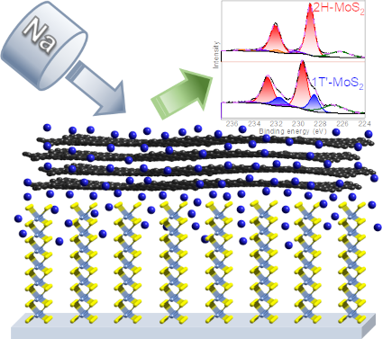
- determination of the surface composition of the films. At 830 eV, the probing depth is about 3 nm, which corresponds to almost the entire volume of the thin films under study. The S/Mo ratio in the MoS2 film is 6 on the surface and 3.1 in the bulk (Figure 4a,b). Excess sulfur in the MoS2 film is associated with


Facile one-step radio frequency magnetron sputtering of Ni/NiO on stainless steel for an efficient electrode for hydrogen evolution reaction
Beilstein J. Nanotechnol. 2025, 16, 837–846, doi:10.3762/bjnano.16.63
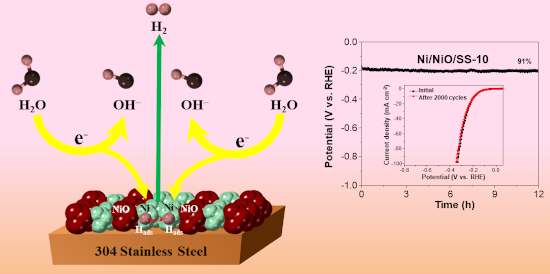
- /SS-15, and Ni/NiO/SS-20 electrodes became rougher, as shown in Figure 2b–d, which was attributed to a higher metal oxide content. More importantly, the composition of the samples (wt %) changed with different O2 flow rates in the sputtering process. The proportion of O increases when the O2 flow rate
- distribution in materials were studied using EDX. The Raman spectra were studied using a LabRAM-HR Evolution Raman microscope with a laser wavelength of 532 nm. The composition of the thin films was investigated using XPS on a Thermo Scientific K-Alpha XPS system. Electrochemical measurements The HER catalytic


Synthesis and magnetic transitions of rare-earth-free Fe–Mn–Ni–Si-based compositionally complex alloys at bulk and nanoscale
Beilstein J. Nanotechnol. 2025, 16, 823–836, doi:10.3762/bjnano.16.62
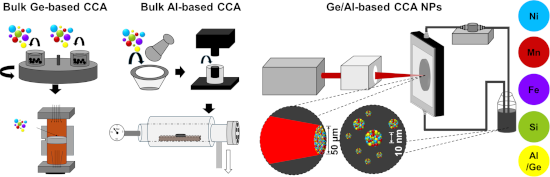
- fluctuations or trigger mechanical responses, making them essential in automation, industrial processes, and healthcare monitoring technologies. Considerable research has been dedicated to tailoring the Curie temperature and associated magnetic properties through material design. Advances in composition
- modification, doping strategies, and material synthesis have been shown to effectively tune the phase transition characteristics, such as the temperature, coercivity (Hc), magnetization, and Curie or Néel temperatures [7][8][9]. For instance Zhou et al. [10] reported that adjusting the composition of NiMnGa to
- combinations that control the configurational entropy of mixing, phase, and free energy of the material. Consequently, the magnetic phase transition of CCAs can be tuned by altering their chemical composition because of the different elemental interactions [17]. A significant advantage of using CCAs is their


Supramolecular hydration structure of graphene-based hydrogels: density functional theory, green chemistry and interface application
Beilstein J. Nanotechnol. 2025, 16, 806–822, doi:10.3762/bjnano.16.61
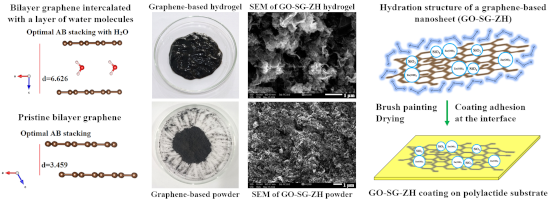
- transmittance spectroscopy, microscopic structure and elemental composition of graphene oxide–nanosilica–zinc hydroxide coating on polylactide films Nanosilica hydrogels and graphene oxide–nanosilica–zinc hydroxide hydrogels were utilized as aqueous paints for brush coating on PLA films. After drying, thin
- appeared in Figure 8e, and nanoparticles of SG and ZH were shown in Figure 8f. Integrated EDS analysis presented the elemental composition on the surface of the GO-SG-ZH/PLA film (Table 3). With the atomic contents of 8.13% of silicon and 6.36% of zinc, the atomic proportions of SiO2 and Zn(OH)2 in the
- elemental composition of the GO-SG-ZH coating on the PLA substrate. Mechanical properties of blank PLA, SG/PLA, and GO-SG-ZH/PLA thin films. Supporting Information Figure of SEM-EDS analyses of graphene-based powder and hydrogel, figures of nanocomposite hydrogel and its dispersions in water, figures and





