


Search results
Search for "copper" in Full Text gives 577 result(s) in Beilstein Journal of Nanotechnology. Showing first 200.
Assessing phytotoxicity and tolerance levels of ZnO nanoparticles on Raphanus sativus: implications for widespread adoptions
Beilstein J. Nanotechnol. 2024, 15, 115–125, doi:10.3762/bjnano.15.11
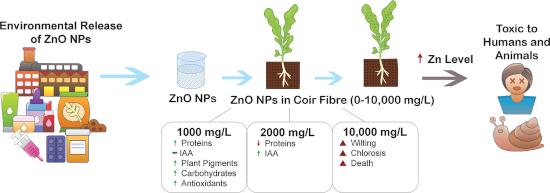
- elevated accumulation of Zn [1][3]. Long-term, high-dose Zn supplementation disrupts copper intake, induces brain cell death, contributes to prostate cancer, and also functions as a gliotoxin and a neurotoxin [3][4]. Conversely, the most common micronutrient deficiency of crop plants is Zn deficiency


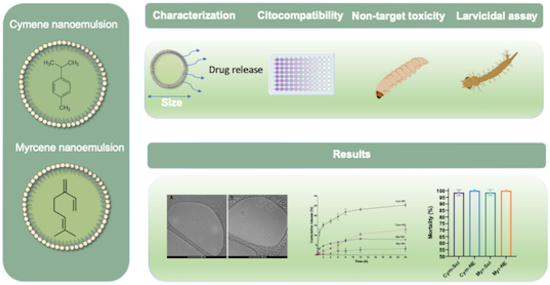
Development and characterization of potential larvicidal nanoemulsions against Aedes aegypti
Beilstein J. Nanotechnol. 2024, 15, 104–114, doi:10.3762/bjnano.15.10
- deviation. Cryogenic transmission electron microscopy The nanoemulsions were mounted onto a copper grid with lacy carbon film (300 mesh). The acquisition was carried out with a MET Talos Arctica G2 apparatus. In vitro terpene release profile The in vitro release assays were conducted assuring sink


Measurements of dichroic bow-tie antenna arrays with integrated cold-electron bolometers using YBCO oscillators
Beilstein J. Nanotechnol. 2024, 15, 26–36, doi:10.3762/bjnano.15.3

- junction was created by a current flowing through the copper wire coil. A bolometer chip was placed on a 300 mK plate with a horn on the front side of the silicon substrate. The copper shield with a black body covered the receiver to avoid reflections. Changing the central frequency of the generator


A multi-resistance wide-range calibration sample for conductive probe atomic force microscopy measurements
Beilstein J. Nanotechnol. 2023, 14, 1141–1148, doi:10.3762/bjnano.14.94
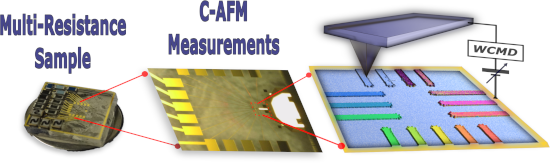
- in Figure 3. The resistance values for the electrode arms i = 3, 4, and 5 (i.e., 10 kΩ, 100 kΩ, and 1 MΩ, respectively) were corrected by accounting for the tip resistance, which was measured on a copper film at Rtip = 6591 Ω with a relative uncertainty of 1% (conservative value). It is worth noting


Curcumin-loaded albumin submicron particles with potential as a cancer therapy: an in vitro study
Beilstein J. Nanotechnol. 2023, 14, 1127–1140, doi:10.3762/bjnano.14.93
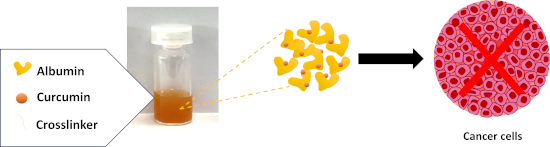
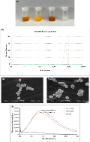
- morphology of the particles was examined in a JSM-5910 SEM (JEOL USA, Peabody, MA, USA). The microparticle samples were diluted in distilled water, and a drop of the particle suspension was applied on copper tape and then allowed to dry at RT overnight. The dried samples were then sputter-coated with gold




A visible-light photodetector based on heterojunctions between CuO nanoparticles and ZnO nanorods
Beilstein J. Nanotechnol. 2023, 14, 1018–1027, doi:10.3762/bjnano.14.84
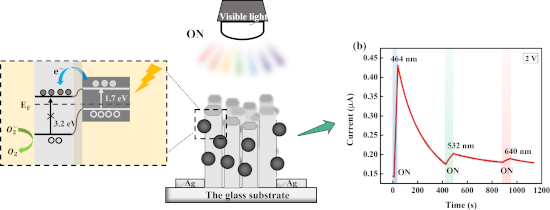
- ]) to extend the light absorption towards the visible region. Copper oxide (CuO) is a candidate because of its narrow bandgap (ca. 1.35 eV), which is suitable for visible-light detection. Hence, CuO can be a potential material for solving the problem of limited light absorption of ZnO. Conduction and
- ), zinc nitrate hexahydrate (Zn(NO3)2·6H2O, 99%, Xilong Scientific), copper(II) nitrate pentahydrate (Cu(NO3)2·5H2O, 99%, Xilong Scientific), sodium hydroxide (NaOH, 99%, Sigma-Aldrich Chemistry), ethanol (C2H5OH, 99.5%, Chemsol), and acetone (CH3OCH3, 99.7%, Chemsol). Synthesis process The synthesis


Nanoarchitectonics of photothermal materials to enhance the sensitivity of lateral flow assays
Beilstein J. Nanotechnol. 2023, 14, 988–1003, doi:10.3762/bjnano.14.82
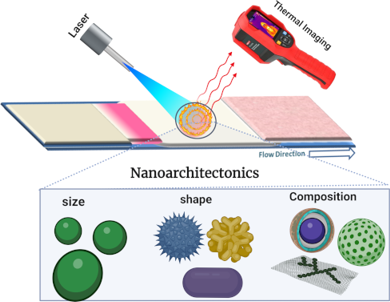
- non-radiatively in the form of phonons. The phonons generate heat in these materials [36] (Figure 4C). Transition metal sulfide nanomaterials gain much attention in photothermal applications, because of their low cost, high biocompatibility, and considerably high PCE. Nanoparticles of copper sulfide
- structures of CuS nanoparticles showed high PCE due to multiple reflections of light enhancing photon absorption. Compared to hexagonal copper sulfide nanoparticles, the flower-like structure of CuS exhibited a 50% increase in photothermal conversion efficiency. By controlling the content of Cu in core–shell


Fragmentation of metal(II) bis(acetylacetonate) complexes induced by slow electrons
Beilstein J. Nanotechnol. 2023, 14, 980–987, doi:10.3762/bjnano.14.81
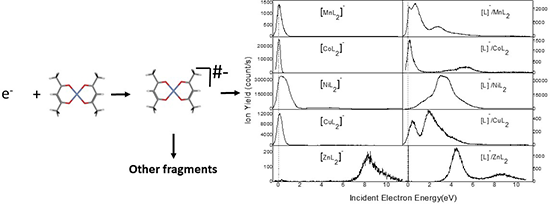
- result suggests that under the same experimental conditions (sublimation temperatures), the production of [ML2]− is comparable. The stabilization of the precursor anion, [ML2]−, observed for electron attachment to copper hexafluoroacetylacetone, has been suggested to arise from the isomerization from the


Isolation of cubic Si3P4 in the form of nanocrystals
Beilstein J. Nanotechnol. 2023, 14, 971–979, doi:10.3762/bjnano.14.80
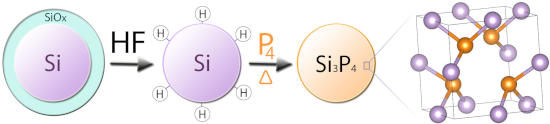
- gradually form on the surface oxide layer to prevent combustion. In an attempt to prevent hydrolysis/oxidation, a quartz ampoule with NPs synthesized at 400 °C was opened inside an evacuated and sealed copper ampoule partially filled with octadecene. Hydrosilylation was carried out for 30 min at 315 °C. In
- “WinXPow”. Elemental analysis was carried out on an X-ray fluorescence spectrometer S2 Picofox (Bruker) with total external reflection. Transmission electron microscopy (TEM) samples were dispersed in an ultrasonic bath with hexane and then deposited on copper grids with lacey carbon film (SPI Supplies
- , and for charge density at 240 Ry. IR spectra of Si NPs (a) upon etching and (b) before etching. XRD diffraction patterns of (a) Si, (b) SP900, (c) SP670, and (d) SP400. The asterisk denotes a peak from the copper admixture, as discussed in the main text. The vertical lines correspond to the


Metal-organic framework-based nanomaterials for CO2 storage: A review
Beilstein J. Nanotechnol. 2023, 14, 964–970, doi:10.3762/bjnano.14.79

- interactions with other chemical species. Extensive literature has been devoted to the investigation of MOFs with OMSs. Notably, HKUST-1, featuring copper OMSs, displayed a CO2 uptake of 4.1 mmol·g−1 at 298 K and 1 bar [22]. The effectiveness of OMSs has been exemplified in a study conducted by Caskey and




Low temperature atomic layer deposition of cobalt using dicobalt hexacarbonyl-1-heptyne as precursor
Beilstein J. Nanotechnol. 2023, 14, 951–963, doi:10.3762/bjnano.14.78
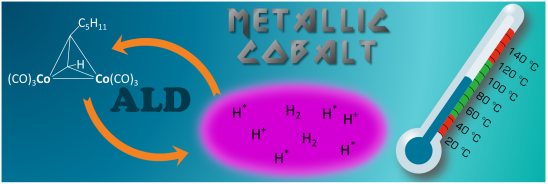
- -temperature ALD; PEALD; plasma-enhanced ALD; XPS; Introduction The atomic layer deposition (ALD) of cobalt films is an ongoing topic of interest [1]. Cobalt thin and ultrathin films play an important role in current generations of integrated circuits [2]. Compared to copper, the metal offers a greater
- copper-based local interconnects. In consequence, other metals such as tungsten and cobalt are used to replace copper. Recent studies show a line resistance benefit of cobalt compared to tungsten [2][3][4][5]. Because of its ferromagnetism, cobalt is a frequently used metal for magnetic sensor systems
- . Further work will include the application of this process to high-aspect ratio structures. We will test the feasibility of the cobalt ALD film for direct electroplating of metallic copper. The film resistance has to be investigated and optimised as well. Schematic sketch of the scia Atol 200 processing


Upscaling the urea method synthesis of CoAl layered double hydroxides
Beilstein J. Nanotechnol. 2023, 14, 927–938, doi:10.3762/bjnano.14.76
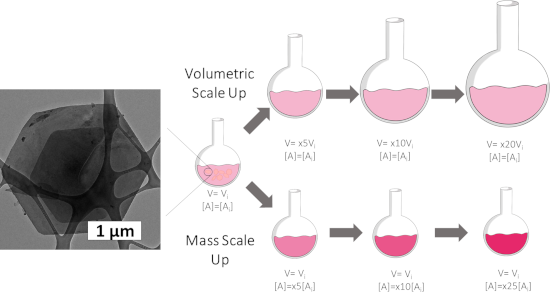
- powder diffraction (PXRD) patterns were obtained on a PANalytical Empyrean X-ray platform with a capillary platform and copper radiation (Cu Kα = 1.54178 Å). Measurements were carried in triplicate in the 2-theta range of 2–70° with a step size of 0.02°/step and an integration time of 1 s. Attenuated


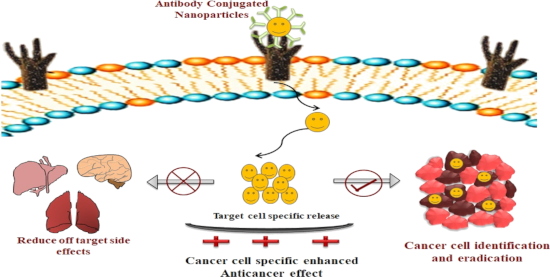
Antibody-conjugated nanoparticles for target-specific drug delivery of chemotherapeutics
Beilstein J. Nanotechnol. 2023, 14, 912–926, doi:10.3762/bjnano.14.75
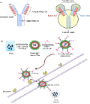
- byproducts. Click chemistry involves a copper-catalyzed cycloaddition between an organic azide and a terminal alkyne to form a stable 1,4-disubstituted 1,2,3-triazole ring (Figure 4c) [58][59]. Azides and alkynes are inert towards most functional groups and biomolecules. Hence, the NPs are functionalized
- copper-free click reaction to decorate fluorescent silica NPs with bicyclononyne. They exposed the NPs to media that mimicked in vitro culture conditions (10% serum) and biological fluids present in vivo (100% serum). They observed an increase in size and a slight decrease in negative charge in serum



Ni, Co, Zn, and Cu metal-organic framework-based nanomaterials for electrochemical reduction of CO2: A review
Beilstein J. Nanotechnol. 2023, 14, 904–911, doi:10.3762/bjnano.14.74

- architectures, pronounced porosity, abundant active sites, and well-distributed metallic nodes. This article commences by elucidating the mechanistic aspects of CO2 reduction, followed by a comprehensive exploration of diverse materials encompassing MOFs based on nickel, cobalt, zinc, and copper for efficient
- -based MOFs are high-potential materials for the electrochemical CO2 reduction because of their cost-effectiveness, nontoxicity, and diversity of active sites. Hinogami et al. reported that a copper rubeanate MOF has a higher catalytic activity than Cu metal for the CO2 conversion into formic acid
- by Wu et al., Cu-based MOF nanosheets were utilized for CO2 reduction to formate and acetate (Figure 5a,b) [49]. The authors observed that Cu2+ nodes underwent conversion to copper oxides under operational conditions. The presence of these species, along with a porphyrin–Cu(II) complex, resulted in


Biomimetics on the micro- and nanoscale – The 25th anniversary of the lotus effect
Beilstein J. Nanotechnol. 2023, 14, 850–856, doi:10.3762/bjnano.14.69

- be solved was to protect copper air delivery tubes from molten iron during the smelting process. The initial concept was to maintain a layer of air between the vulnerable copper surface and the molten iron. The obvious archetypes, Salvinia and Collemba, which do something similar in their natural


A wearable nanoscale heart sound sensor based on P(VDF-TrFE)/ZnO/GR and its application in cardiac disease detection
Beilstein J. Nanotechnol. 2023, 14, 819–833, doi:10.3762/bjnano.14.67
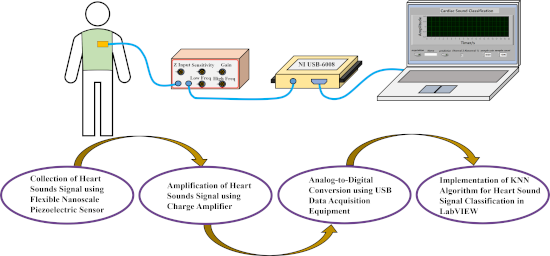
- length and 3 cm in width is cut, and a layer of conductive silver paste is evenly applied to both sides of the film. The paste is then dried completely by heating on a plate at 55 °C for 2 h. Copper foil tape is used as an electrode to attach to the conductive silver paste layer on both sides, and wires
- are welded onto the edges of the copper foil. In the mold shown in Figure 2, a thin layer of silica gel is injected and left to stand until it is dry. The nanofilm attached to the electrode is then placed in the mold, and an appropriate amount of silica gel is slowly injected until the film is


Carboxylic acids and light interact to affect nanoceria stability and dissolution in acidic aqueous environments
Beilstein J. Nanotechnol. 2023, 14, 762–780, doi:10.3762/bjnano.14.63
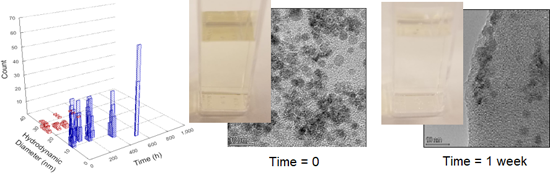
- , ACS grade, 7697-37-2; and sodium azide, Sigma, 99.8%, 26628-22-8. Lacey carbon, 300 mesh, copper grids (product #01895) from Ted Pella, Inc. were used for electron microscopy. Methods Hexagonal nanoceria particles (4.2 ± 1.2 nm) (mean ± SD) were synthesized using a hydrothermal method [55] and
- transmission electron microscopy (TEM) imaging, samples were sonicated for 10 min in a sonication bath. Lacey carbon, 300 mesh, copper grids were dipped into the solution for approximately 5 s and dried overnight at room temperature. TEM was used to obtain images of particles throughout the experiment’s
In situ magnesiothermic reduction synthesis of a Ge@C composite for high-performance lithium-ion batterie anodes
Beilstein J. Nanotechnol. 2023, 14, 751–761, doi:10.3762/bjnano.14.62
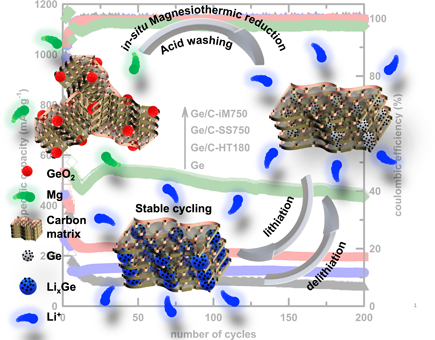
- electrodes. The obtained slurry was cast onto copper foil using an automatic film coater and dried in a vacuum oven at 80 °C for 10 h. Discs (diameter of 12 mm with a mass loading of the active material of around 1.2 mg·cm−2) punched from the film were used as a working electrodes. CR2032 coin cells, in half


Humidity-dependent electrical performance of CuO nanowire networks studied by electrochemical impedance spectroscopy
Beilstein J. Nanotechnol. 2023, 14, 683–691, doi:10.3762/bjnano.14.54
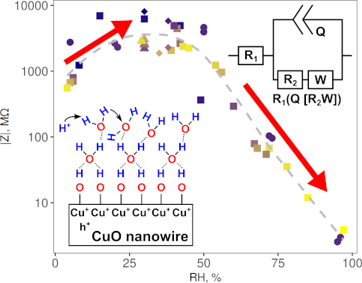
- , Riga, Latvia 10.3762/bjnano.14.54 Abstract Electrochemical impedance spectroscopy was applied for studying copper oxide (CuO) nanowire networks assembled between metallic microelectrodes by dielectrophoresis. The influence of relative humidity (RH) on electrical characteristics of the CuO nanowire
- ]. Copper oxide (CuO) nanowires are excellent candidates for applications in such devices owing to the inexpensive, simple and scalable bottom-up synthesis, and robust physical properties [7][8][9]. A high specific surface area of nanowires and a p-type semiconductor structure are suggested for highly
- nanowires synthesized by thermal annealing of copper are a p-type semiconductor material [9][12][14]; its majority charge carriers are positive holes (h+) related to the presence of Cu vacancies or impurities. Under dry conditions, possible ionosorption of oxygen species from air on the nanowire surface


Metal-organic framework-based nanomaterials as opto-electrochemical sensors for the detection of antibiotics and hormones: A review
Beilstein J. Nanotechnol. 2023, 14, 631–673, doi:10.3762/bjnano.14.52



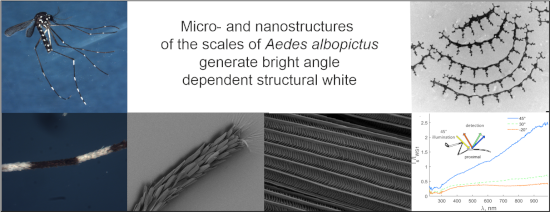
The origin of black and white coloration of the Asian tiger mosquito Aedes albopictus (Diptera: Culicidae)
Beilstein J. Nanotechnol. 2023, 14, 496–508, doi:10.3762/bjnano.14.41
- buffer, dehydrated in ascending ethanol concentrations, and finally embedded in an Epon-Araldite resin mixture (Sigma-Aldrich). Afterwards, ultrathin sections were cut using a Leica EM UC6 ultramicrotome (Leica Microsystem GmbH, Wetzlar, Germany), collected on formvar-coated copper grids, and examined

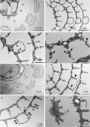


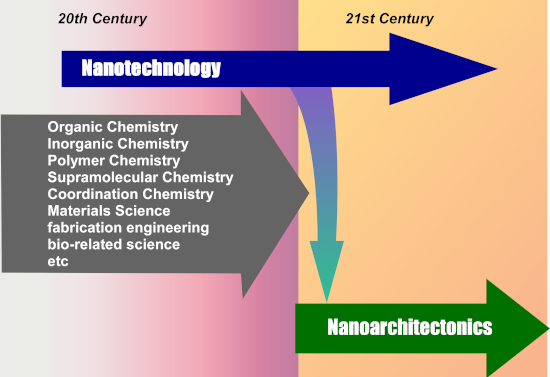
Molecular nanoarchitectonics: unification of nanotechnology and molecular/materials science
Beilstein J. Nanotechnol. 2023, 14, 434–453, doi:10.3762/bjnano.14.35
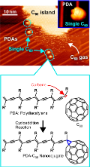
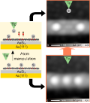
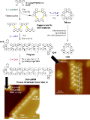
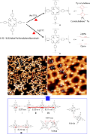
- )-substituted 5,15-bis(10-bromoanthracen-9-yl)-10,20-bis(trifluoromethyl)porphyrin precursors (Figure 9) [125]. The ends of the formed oligomer preserve CF3 groups after the single-component oligomerization, further enabling sequential block coupling. After annealing the initially built copper porphyrin
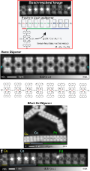
- . Sequential block oligomerization was actually demonstrated using cobalt porphyrin molecules and copper porphyrin oligomers upon annealing again at 210 °C. The block elongation was confirmed through the contrast difference of porphyrin centers (concave and convex), corresponding to Cu and Co porphyrin units
- were successfully synthesized by sequential coupling of CF3-substituted copper, cobalt, and palladium porphyrins on the surface. The assembly of different porphyrin oligomers combines multiple functional properties such as gas adsorption and magnetism in a one-dimensional structure. This approach could







Plasmonic nanotechnology for photothermal applications – an evaluation
Beilstein J. Nanotechnol. 2023, 14, 380–419, doi:10.3762/bjnano.14.33
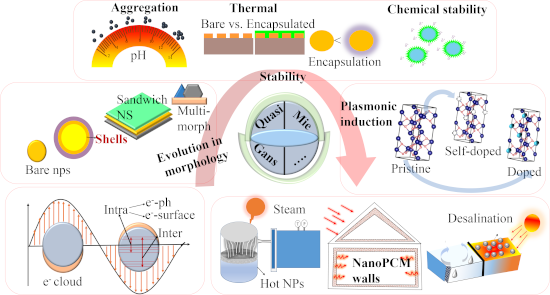
- of electrons and holes for Al, Ag, Au, and Cu. This distribution takes the characteristic of a symmetric/continuous distribution of electrons and holes in aluminium, a bimodal distribution in silver, and an antisymmetric hole-dominant distribution in copper and gold. Also, decreasing the thickness of
- elements, nanospheres of gold, silver, platinum, cobalt, zinc, nickel, titanium, copper, aluminium, molybdenum, vanadium, and palladium have been analysed [98]. Although there were assumptions of homogeneity, sphericity, and no interaction between particles, the Mie theory-based scattering cross sections




Quercetin- and caffeic acid-functionalized chitosan-capped colloidal silver nanoparticles: one-pot synthesis, characterization, and anticancer and antibacterial activities
Beilstein J. Nanotechnol. 2023, 14, 362–376, doi:10.3762/bjnano.14.31
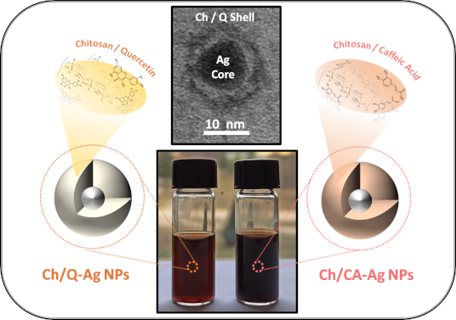
- , caffeic acid has also been reported to have antiviral, anticoagulant, anti-inflammatory, antibacterial, and anticancer activities [31][32][33][34]. Silver nanoparticles are an important example of different types of nanomaterials (copper, zinc, titanium, magnesium, gold, and alginate) that have been
- . Small volumes of Ch/Q- and Ch/CA-Ag NPs were placed on carbon-coated copper grids and allowed to evaporate at room temperature. For negative staining, a drop of freshly prepared 2% uranyl acetate solution was dripped on the copper grid, and excess liquid is removed by a piece of paper after 2 min. Zeta


Structural, optical, and bioimaging characterization of carbon quantum dots solvothermally synthesized from o-phenylenediamine
Beilstein J. Nanotechnol. 2023, 14, 165–174, doi:10.3762/bjnano.14.17
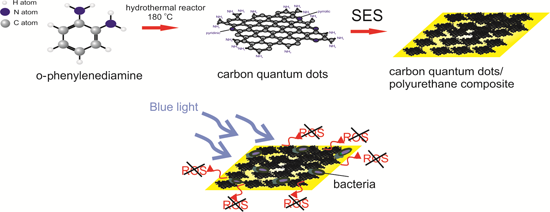
- ), CQDs were deposited on graphene oxide copper grids with 300 mesh by drop casting. For AFM imaging, all CQDs samples were deposited on freshly cleaved mica. The AFM measurements were conducted using a Quesant microscope operating in tapping mode in air at ambient temperature. Statistical analysis of all





