


Search results
Search for "diagnostics" in Full Text gives 117 result(s) in Beilstein Journal of Nanotechnology.
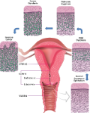
Optical techniques for cervical neoplasia detection
Beilstein J. Nanotechnol. 2017, 8, 1844–1862, doi:10.3762/bjnano.8.186

- [10], the low-grade squamous intraepithelial lesion (LSIL) usually indicates mild dysplasia (CIN 1), high-grade squamous intraepithelial lesion (HSIL) refers to moderate and severe dysplasia (CIN 2–3). This classification system is used for reporting cervical cytological diagnostics and for choosing
- screening and diagnostics techniques. Typically it requires up to three visits to a medical professional and several weeks in total in order to obtain the diagnosis and treatment, if necessary [23]. The implementation of new optical techniques may bring an alternative to the Pap/HPV test for screening and
- an improvement of colposcopy for guiding the biopsy and diagnosis. The performance of new techniques is estimated in terms of accuracy, time and cost of diagnostics, combined with patient comfort, which is relevant to the rate of participation in screening programs. Currently several optical methods



Synthesis and functionalization of NaGdF4:Yb,Er@NaGdF4 core–shell nanoparticles for possible application as multimodal contrast agents
Beilstein J. Nanotechnol. 2017, 8, 1815–1824, doi:10.3762/bjnano.8.183
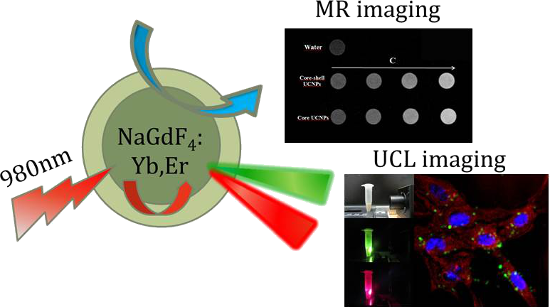
- biologically active molecules, UCNPs could be multifunctional in both therapy and diagnostics (theranostics) [9]. However, biomedical applications require ultrasmall multifunctional nanoparticles to be hydrophilic, biocompatible and have intense upconversion emission and efficient paramagnetic properties


Development of an advanced diagnostic concept for intestinal inflammation: molecular visualisation of nitric oxide in macrophages by functional poly(lactic-co-glycolic acid) microspheres
Beilstein J. Nanotechnol. 2017, 8, 1637–1641, doi:10.3762/bjnano.8.163
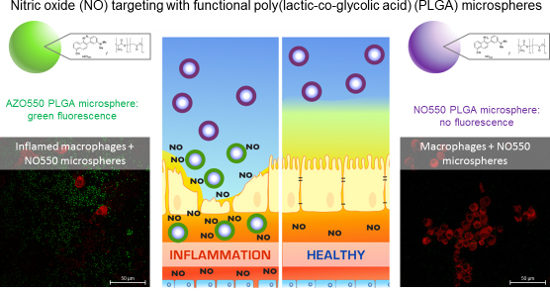
- visualise these cells in NO-mediated intestinal inflammation in vivo by fluorescent particle-based diagnostics in a second step. Here, we used a NO-sensitive dye, namely NO550, as a model molecule to proof the concept of a particle-based diagnostic as part of an advanced diagnostic concept for detecting


Calcium fluoride based multifunctional nanoparticles for multimodal imaging
Beilstein J. Nanotechnol. 2017, 8, 1484–1493, doi:10.3762/bjnano.8.148
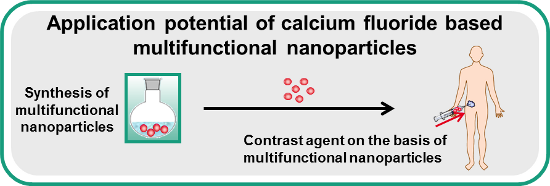
- different imaging techniques, such as photoluminescence (PL) microscopy and magnetic resonance imaging (MRI), open new possibilities for medical imaging, e.g., in the fields of diagnostics or tissue characterization in regenerative medicine. The focus of this study is on the synthesis and characterization
- nanoparticles; magnetic resonance imaging (MRI); multifunctional nanoparticles; multimodal imaging; photoluminescence; Introduction In recent years, medical imaging has become an important approach in the fields of diagnostics, therapy and regenerative medicine. Besides the classical technology of X-ray


Nano-engineered skin mesenchymal stem cells: potential vehicles for tumour-targeted quantum-dot delivery
Beilstein J. Nanotechnol. 2017, 8, 1218–1230, doi:10.3762/bjnano.8.123
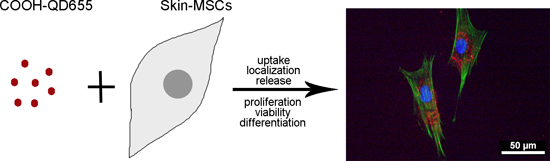
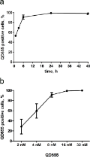
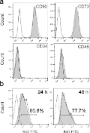
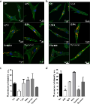
- QDs indicate their great potential in cancer diagnostics. The photoluminescence spectrum of carboxyl QD655 makes them ideal candidates for cancer theranostics as it overlaps with the optical transparency window of biological tissue [11]. Additionally, large and easily altered surfaces facilitate
- modifications increase the potential of QDs for the use in targeted cancer diagnostics and therapies. There is still doubt regarding the potential harmful effects of NPs or QDs on the differentiation capacity and self-renewal ability of adult stem cells. CdSe/ZnS QD labelling has been reported to adversely





α-((4-Cyanobenzoyl)oxy)-ω-methyl poly(ethylene glycol): a new stabilizer for silver nanoparticles
Beilstein J. Nanotechnol. 2017, 8, 627–635, doi:10.3762/bjnano.8.67
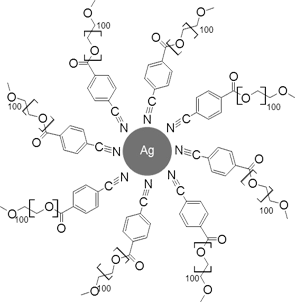
- in, e.g., electronics or medicine [1][2][3]. Metallic nanoparticles intended for use in medicine or diagnostics are generally modified with an organic coating designed to prevent or at least to reduce aggregation in aqueous media [4][5][6][7][8][9][10][11][12][13]. A good stabilizing agent is thus
- , Zhang et al. [25] demonstrated the passivating effect of a PEG/silica hybrid coating on CdSe quantum dots. Thus, there is a growing interest in PEG-based stabilizers for a large variety of applications including catalysis, diagnostics, biology or biomedicine. There are numerous examples in which the
- the nanoparticle dispersion. The new polymeric stabilizer CBAmPEG may thus be interesting for application in biology, medicine, or diagnostics. A) 1H NMR spectrum, B) magnified view of the NMR signals, C) overview FTIR spectrum, and D) detailed view of the spectral region with the most intense signals


Streptavidin-coated gold nanoparticles: critical role of oligonucleotides on stability and fractal aggregation
Beilstein J. Nanotechnol. 2017, 8, 1–11, doi:10.3762/bjnano.8.1
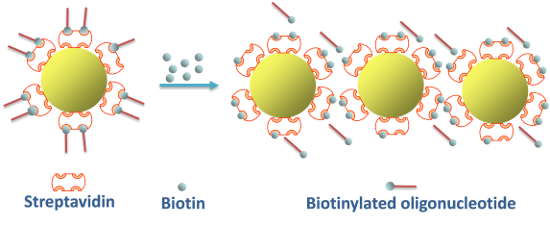
- Andrea Doria 6, I-95125, Catania, Italy 10.3762/bjnano.8.1 Abstract Gold nanoparticles (AuNPs) exhibit unique properties that can be modulated through a tailored surface functionalization, enabling their targeted use in biochemical sensing and medical diagnostics. In particular, streptavidin-modified
- innovative diagnostic approaches we believe that these results will directly impact the ability to produce more reliable and sensitive nanoparticle-based diagnostics assays which could lead to advanced applications in nanomedicine which benefit of the ultrasensitive detection of nucleic acids. In addition




Graphene-enhanced plasmonic nanohole arrays for environmental sensing in aqueous samples
Beilstein J. Nanotechnol. 2016, 7, 1564–1573, doi:10.3762/bjnano.7.150
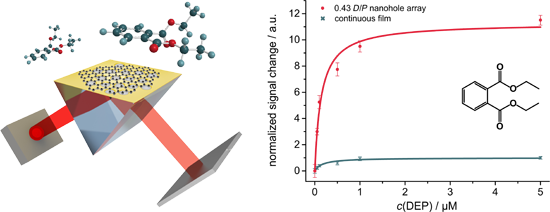
- detection limits in the environmental interesting concentration is important for water safety and direly needed. Surface plasmon resonance spectroscopy (SPR) is a widely-used technique for quantifying and characterizing biomolecular interactions in biosensors for medical diagnostics, food safety and




Photothermal effect of gold nanostar patterns inkjet-printed on coated paper substrates with different permeability
Beilstein J. Nanotechnol. 2016, 7, 1480–1485, doi:10.3762/bjnano.7.140
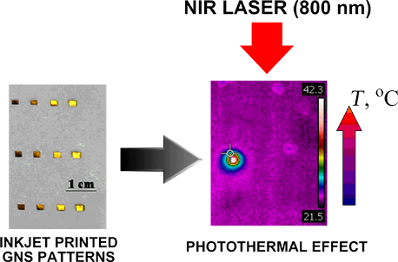
- fabrication of analytical and diagnostics tools. These methods could be extended to non-spherical gold nanoparticles that can efficiently release heat locally when irradiated in the near infrared (NIR) wavelength region, due to localized surface plasmon resonance (LSPR). However, this promising application


A composite structure based on reduced graphene oxide and metal oxide nanomaterials for chemical sensors
Beilstein J. Nanotechnol. 2016, 7, 1421–1427, doi:10.3762/bjnano.7.133
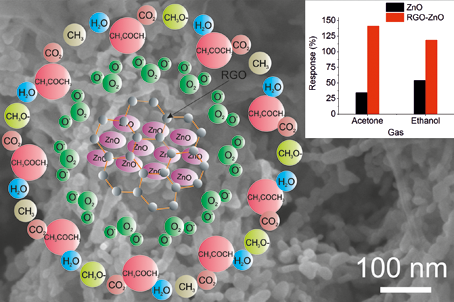
- , allergies and unconsciousness [4]. Therefore, the detection of VOCs such as acetone and ethanol is essential. Nowadays, chemical and physical methods for environmental and medical diagnostics are rapidly developing. Medical monitoring technologies mainly focus on breath and blood for clinical diagnostics [5


A terahertz-vibration to terahertz-radiation converter based on gold nanoobjects: a feasibility study
Beilstein J. Nanotechnol. 2016, 7, 983–989, doi:10.3762/bjnano.7.90
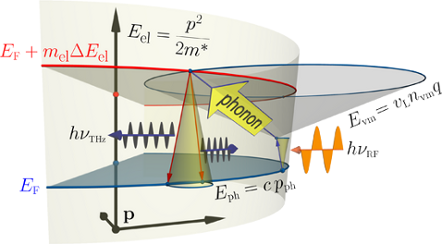
- sources is apparent in the areas of application such as early cancer diagnostics, nondestructive inspection of pharmaceutical tablets, visualization of concealed objects. We outline the operation principle and suggest the design of a simple appliance for generating terahertz radiation by a system of
- radiation might be hopefully created, which would find applications, e.g., for the study of biological objects (cancer diagnostics) and/or for detection of concealed objects. The further studies of underlying physics may have impact on applications as well as on research of interactions of electrons with

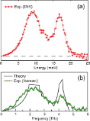


The role of morphology and coupling of gold nanoparticles in optical breakdown during picosecond pulse exposures
Beilstein J. Nanotechnol. 2016, 7, 869–880, doi:10.3762/bjnano.7.79
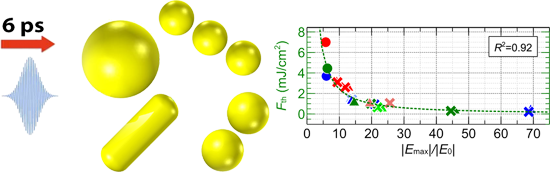
- ; Introduction Over the last decade the interaction of pulsed lasers with gold nanoparticles has been studied in many emerging fields, such as sensing and medical diagnostics and therapy [1][2]. This interest is sparked by the ability to overcome diffraction-limited optics and to control electromagnetic field




Tight junction between endothelial cells: the interaction between nanoparticles and blood vessels
Beilstein J. Nanotechnol. 2016, 7, 675–684, doi:10.3762/bjnano.7.60
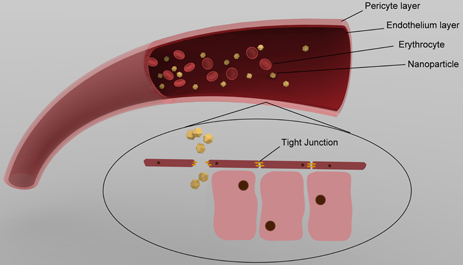
- easily find them in, e.g., cosmetics [1], food additives [2], industrial process [3] and, especially, in medical therapy [4] and diagnostics [5]. In light of medical therapy, NPs have shown their extraordinary potential in cancer chemotherapeutics [6] and drug delivery systems [7], which successfully

Novel roles for well-known players: from tobacco mosaic virus pests to enzymatically active assemblies
Beilstein J. Nanotechnol. 2016, 7, 613–629, doi:10.3762/bjnano.7.54
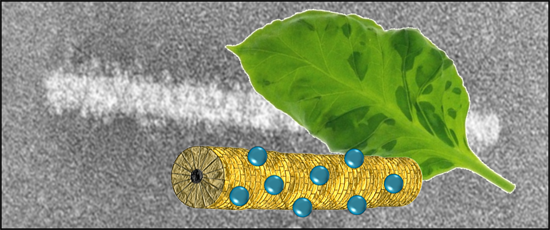
- diverse achievements obtained with TMV-based particles, compares them to the progress with related viruses, and focuses on latest results revealing special advantages for enzyme-based biosensing formats, which might be of high interest for diagnostics employing 'systems-on-a-chip'. Keywords: biotemplate
- has been growing enormously since then [170][171], which parallels the investigation of viral biotemplates (see above). The main emerging application area is medical diagnostics, namely “point-of-care” on-site analytics circumventing the need for expensive instrumentation [172], with further uses
- becoming apparent in environmental, food, or intoxication diagnostics (for a recent detailed review, refer to [171]). Lab-on-a-chip solutions may integrate sample preparation and enrichment routines with multiple diagnostic tasks, requiring low total amounts of analytes as well as biorecognition elements


Rigid multipodal platforms for metal surfaces
Beilstein J. Nanotechnol. 2016, 7, 374–405, doi:10.3762/bjnano.7.34


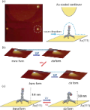


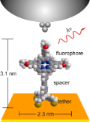


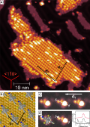


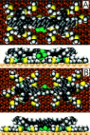


Early breast cancer screening using iron/iron oxide-based nanoplatforms with sub-femtomolar limits of detection
Beilstein J. Nanotechnol. 2016, 7, 364–373, doi:10.3762/bjnano.7.33
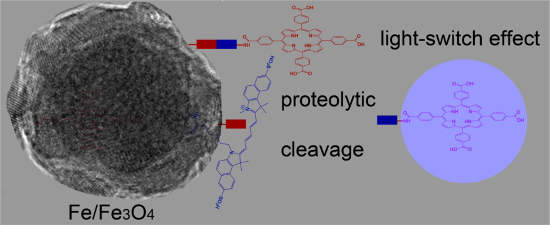
- -based [7] protease sensors have been developed for in vivo imaging and in vitro diagnostics of proteases that rely on fluorescence and magnetic principles [8]. This technology is characterized by high versatility and specificity, because consensus sequences feature high selectivities for the proteases
- -care diagnostics, it is still more than minimally invasive, because the nanoworms have to be given intravenously. An ideal “liquid biopsy” [30] will require only the drawing of a simple blood sample to detect cancer, without introducing a reagent to the patient’s body first. In this report, we would


Functional fusion of living systems with synthetic electrode interfaces
Beilstein J. Nanotechnol. 2016, 7, 296–301, doi:10.3762/bjnano.7.27
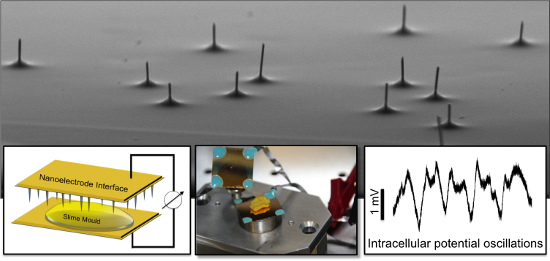
- diagnostics utilizing biomolecular machineries “perfected” during billion years of evolution. To date, hardware–wetware interfaces that sample or modulate bioelectric potentials, such as neuroprostheses or implantable energy harvesters, are mostly based on microelectrodes brought into the closest possible


Mismatch detection in DNA monolayers by atomic force microscopy and electrochemical impedance spectroscopy
Beilstein J. Nanotechnol. 2016, 7, 220–227, doi:10.3762/bjnano.7.20
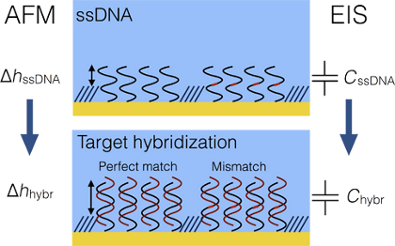
- diagnostics of SNPs. Moreover a comparative analysis between the two techniques allows for a deep understanding of hybridization processes in the presence of single and multiple mismatches. Experimental Fabrication and measurement processes of AFM-based assays Gold-coated substrates were immersed in 300 μM of
- . Due to the relatively simple geometry, the device could be easily further miniaturized and integrated in multiplexed arrays through microfluidic systems, allowing for point-of-care diagnostics. Our results demonstrated that nano-mechanical and EIS strategies are state of the art for the detection of


Single-molecule mechanics of protein-labelled DNA handles
Beilstein J. Nanotechnol. 2016, 7, 138–148, doi:10.3762/bjnano.7.16
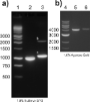
- -digoxigenin antibodies (200 µg/mL in PBS; Roche Diagnostics, Rotkreuz, Switzerland) were incubated for 1 h at room temperature and washed once by pelleting in 0.05 M sodium tetraborate, pH 8.2. The anti-DIG antibodies were then cross-linked to the protein G beads using 10 mg/mL DMP crosslinker (Pierce/Fisher



Application of biclustering of gene expression data and gene set enrichment analysis methods to identify potentially disease causing nanomaterials
Beilstein J. Nanotechnol. 2015, 6, 2438–2448, doi:10.3762/bjnano.6.252
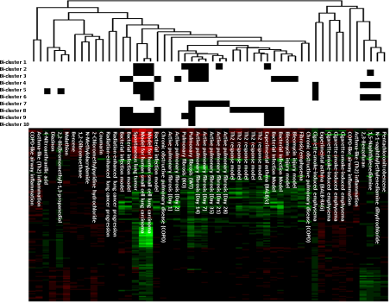
- applications [43]. Current applications of NMs include therapeutic applications (e.g., nanomedicine, drug delivery, diagnostics), agriculture, manufacturing, electronics, cosmetics, textiles, and environmental remediation and protection. Although NMs are synthesized from their corresponding, known, bulk
Optimized design of a nanostructured SPCE-based multipurpose biosensing platform formed by ferrocene-tethered electrochemically-deposited cauliflower-shaped gold nanoparticles
Beilstein J. Nanotechnol. 2015, 6, 1840–1852, doi:10.3762/bjnano.6.187
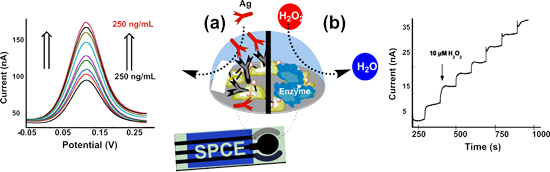
- ]. Rapid diagnostics in war zones, remote areas or on-field monitoring of warfare agents, explosives, pesticides and herbicides are few among many applications of such a technology. The elaboration of sensors to satisfy these needs is highly regarded [4][5]. Screen-printed electrodes on polymeric


Experiences in supporting the structured collection of cancer nanotechnology data using caNanoLab
Beilstein J. Nanotechnol. 2015, 6, 1580–1593, doi:10.3762/bjnano.6.161
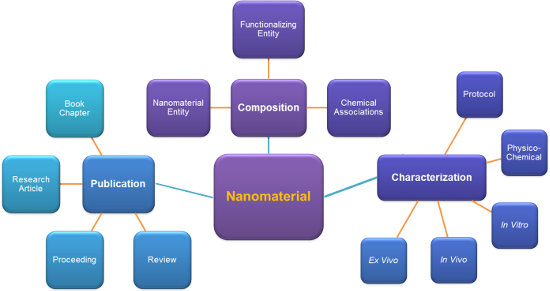
- review, comparison, and re-use, with the ultimate goal of accelerating the translation of nanotechnology-based cancer therapeutics, diagnostics, and imaging agents to the clinic. In this paper, we will discuss challenges associated with developing a nanomaterial database and recognized needs for
- burden of cancer is clear, calling for earlier detection and treatment modalities to alleviate this problem. Standard cancer therapeutics are often characterized by poor water solubility and rapid degradation leading to narrow therapeutic windows and doses limited by toxicity [3]. In turn, diagnostics
- are often hindered at the level of sensitivity, and time between testing and diagnosis. Opportunities for the potential to improve current cancer therapeutics and diagnostics are sorely needed. Nanotechnology provides tremendous opportunities in applications to medicine to make improvements in both





DNA–melamine hybrid molecules: from self-assembly to nanostructures
Beilstein J. Nanotechnol. 2015, 6, 1432–1438, doi:10.3762/bjnano.6.148
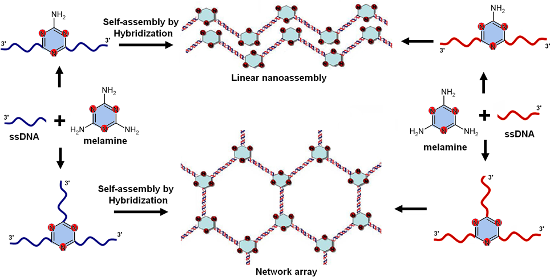
- molecules can result in unique DNA-based nanostructures for application in molecular and cellular biophysics, as biomimetic systems, in energy transfer and photonics, and in diagnostics and therapeutics [18][19][20][21]. Moreover, as a bottom-up technique, such a methodology can contribute to molecular
- , and others [41][42][43][44]. The large increase in stability and melting temperature of the short duplexes could find a number of applications in biotechnology, such as in more sensitive DNA detection and diagnostics [30]. The self-assembled DNA–organic molecule hybrid forms a linear nanoassembly that



Pulmonary surfactant augments cytotoxicity of silica nanoparticles: Studies on an in vitro air–blood barrier model
Beilstein J. Nanotechnol. 2015, 6, 517–528, doi:10.3762/bjnano.6.54
- day at a dilution of 1:3 and 1:6 until passage 50 and 35, respectively. Monocultures (MC) in experimental procedures: Prior to seeding cells, the 96-well plates (TPP, Switzerland) or 8 well µ-slides (ibidi) were coated with 50/300 µL fibronectin for 1 h at 37 °C (5 µg/mL, Roche Diagnostics, Mannheim


Synergic combination of the sol–gel method with dip coating for plasmonic devices
Beilstein J. Nanotechnol. 2015, 6, 500–507, doi:10.3762/bjnano.6.52
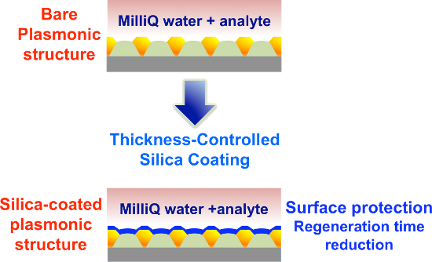
- conical poly(methyl methacrylate) (PMMA) pillars [32][33][34]. Such a plasmonic platform has been shown to work efficiently as an SPR-sensitive surface for biosensing applications in medical diagnostics [35]. A sketch of the pillar profile along a normal cross section is provided in Figure 4, where the





