Search results
Search for "glucose" in Full Text gives 177 result(s) in Beilstein Journal of Nanotechnology.
Transient coating of γ-Fe2O3 nanoparticles with glutamate for its delivery to and removal from brain nerve terminals
Beilstein J. Nanotechnol. 2020, 11, 1381–1393, doi:10.3762/bjnano.11.122
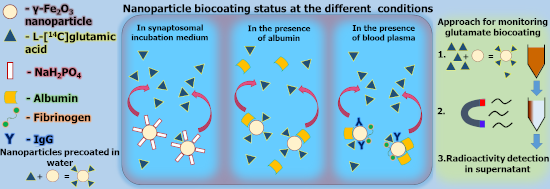
- an oxygenated standard salt solution (NaCl 126 mM, KCl 10 mM, MgCl2 2.0 mM, NaH2PO4 1.0 mM, HEPES 20 mM, pH 7.4; and ᴅ-glucose 10 mM) at 37 °C for 8 min. γ-Fe2O3 nanoparticles were added to the synaptosomal suspension and further incubated for 10 min. The uptake of the neurotransmitter was started by


Silver-decorated gel-shell nanobeads: physicochemical characterization and evaluation of antibacterial properties
Beilstein J. Nanotechnol. 2020, 11, 620–630, doi:10.3762/bjnano.11.49
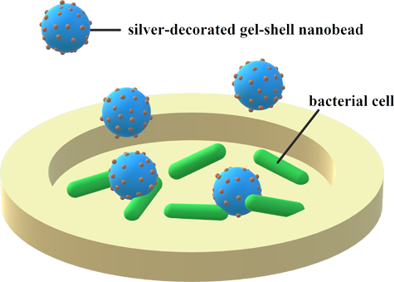
- –Hinton broth (MH; Biocorp Poland). The medium was supplemented with glucose when required (Chempur, Poland). For the analysis of bacterial viability the LIVE/DEAD BacLight bacterial viability kit (Promega) was used. Instrumentation Microscopy Scanning electron microscopy and electron microprobe (EDS
- supplemented with 0.45% glucose and different concentrations of nanobeads in the wells of the microtiter plate (the final cell density was 1 × 10⁶ CFU/mL). After static incubation at 37 °C for 24 h, the lowest concentration of the nanobeads that inhibited biofilm growth, as determined by crystal violet
- supplemented with 0.45% glucose and MBIC of 0.5 µg/mL of the nanobeads. Then the biofilms were grown on glass microscope dishes for 24 h at 37 °C. After incubation, the liquid medium was removed and the biofilms were gently rinsed with distilled water twice. Bacterial cells were stained with SYTO-9 and


Soybean-derived blue photoluminescent carbon dots
Beilstein J. Nanotechnol. 2020, 11, 606–619, doi:10.3762/bjnano.11.48
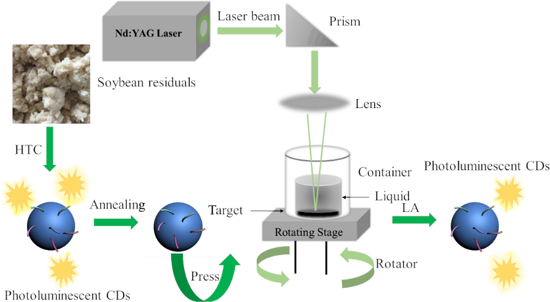
- luminescence properties. Hydrothermal carbonization (HTC), which can be considered as a “green technology”, has been used to produce photoluminescent CDs from biomass, including glucose, sucrose, citric acid [19], chitosan [20], orange juice [21], grass [22] and soy milk [10]. For example, Sahu et al. [21
- varies with pH and temperature [18]. Wang et al. [18] studied the fluorescence of the CDs made from glucose with glutathione in a temperature range of 15 to 90 °C and observed the change of the color from dark blue to light blue and the quenching of the fluorescence at high temperatures. They attributed
- nm made from glucose with glutathione in a temperature range of 15 to 90 °C by Wang et al. [18]. Figure 3a–c shows the PL spectra of the soybean-derived CDs. The HTC-CDs exhibited strong emission under the irradiation of UV and visible light in the wavelength range of 250 nm to 480 nm (Figure 3a


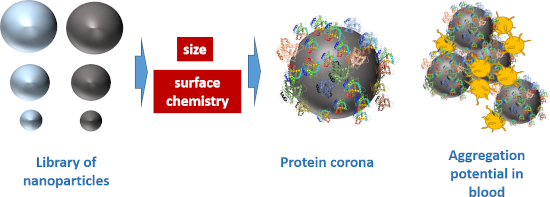
Identification of physicochemical properties that modulate nanoparticle aggregation in blood
Beilstein J. Nanotechnol. 2020, 11, 550–567, doi:10.3762/bjnano.11.44
- aggregation. Materials and Methods Reagents Sodium polyacrylate, ᴅ-(+)-glucose, thionine acetate salt, phosphate buffered saline powder, EDTA, glutathione reduced and 5,5′-dithiobis(2-nitrobenzoic acid), tetraethyl orthosilicate (TEOS), phosphate buffered saline (PBS) tablets were obtained from Sigma-Aldrich
- (CNPs) were produced starting from glucose using a one-step hydrothermal process as previously described by Kokalari et al. 2019 [24]. Briefly, glucose was dissolved in 50 mL of ultrapure water followed by the addition of 15 mg of sodium polyacrilate. The solution was introduced in a pressure reactor




Multilayer capsules made of weak polyelectrolytes: a review on the preparation, functionalization and applications in drug delivery
Beilstein J. Nanotechnol. 2020, 11, 508–532, doi:10.3762/bjnano.11.41



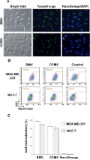
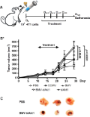
Brome mosaic virus-like particles as siRNA nanocarriers for biomedical purposes
Beilstein J. Nanotechnol. 2020, 11, 372–382, doi:10.3762/bjnano.11.28
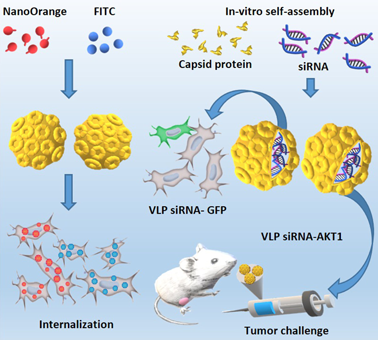
- ) under the control of an NF-κB/AP-1 inducible promoter. RAW-Blue cells can be used as pattern-recognition receptor reporter cells to assess macrophage activation. All these cells were cultured with high-glucose DMEM media (Biowest). The breast-tumor cell line 4T1 (ATCC) was derived from a spontaneously


Poly(1-vinylimidazole) polyplexes as novel therapeutic gene carriers for lung cancer therapy
Beilstein J. Nanotechnol. 2020, 11, 354–369, doi:10.3762/bjnano.11.26
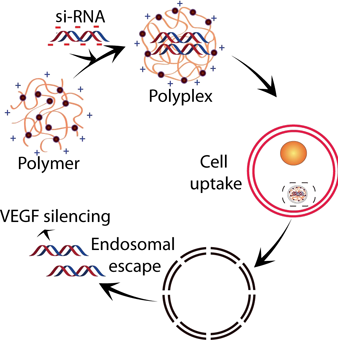
- and the enzyme glucose oxidase for glucose-sensing applications [11]. A hydrogel of xanthan gum and poly(1-vinylimidazole) was recently explored for protein encapsulation and delivery. The system exerted no toxic effects on cells and maintained the functionality of the protein [12]. A pyrrole


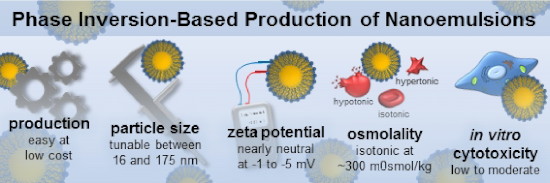
Phase inversion-based nanoemulsions of medium chain triglyceride as potential drug delivery system for parenteral applications
Beilstein J. Nanotechnol. 2020, 11, 213–224, doi:10.3762/bjnano.11.16
- – high glucose (DMEM), fetal calf serum (FCS), penicillin-streptomycin, ʟ-glutamine solution and sodium pyruvate solution as well as the fluorescent dye resazurin sodium salt were purchased from Sigma-Aldrich Chemie GmbH (Germany, Steinheim). The near infrared fluorescent dye DiR was purchased from




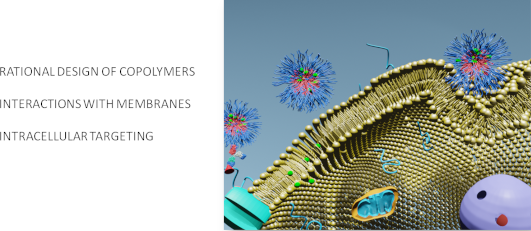
Rational design of block copolymer self-assemblies in photodynamic therapy
Beilstein J. Nanotechnol. 2020, 11, 180–212, doi:10.3762/bjnano.11.15






Molecular architectonics of DNA for functional nanoarchitectures
Beilstein J. Nanotechnol. 2020, 11, 124–140, doi:10.3762/bjnano.11.11
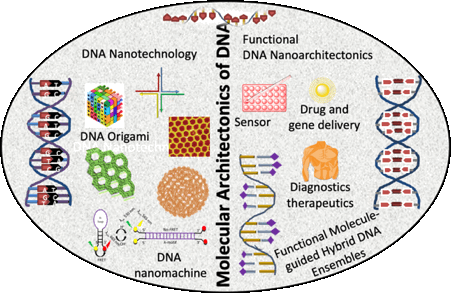
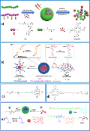
- scaffold embedded with Ru(bpy)32+-conjugated silica nanoparticles. The DNA tetrahedron geometry acted as a capture DNA that repelled the nonspecific DNA entanglement along the ECL platform and stimulated the hybridization of glucose oxidase (GOD) enzyme-conjugated DNA (GOD-S). In a programmable cyclic
- amplification pathway, the target DNA triggered the release of GOD-S that catalyzed glucose to form hydrogen peroxide, followed by changing the ECL signal. The ECL sensing solution was made up of tripropylamine (TPrA) and glucose (10 mM). The concentration of target DNA could easily be assessed by quantifying


Simple synthesis of nanosheets of rGO and nitrogenated rGO
Beilstein J. Nanotechnol. 2020, 11, 68–75, doi:10.3762/bjnano.11.7
- has been developed to obtain rGO through the reduction of exfoliated GO using various reducing agents such as hydrazine or dimethylhydrazine [21], NaBH4 [22], hydroquinone [23], or glucose [24]. However, these methods have not yet turned into a global strategy to prepare pure rGO in a scalable fashion
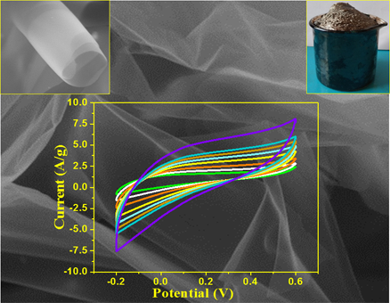
- , respectively, with their lateral dimension in the range of several hundred nanometers. The experimental process and the digital photographs of rGO and N-rGO products are shown in Figure 7. Sucrose consists of one molecule of glucose and one molecule of fructose. The sucrose molecule contains –OH, -CH2OH, and


Synthesis of amorphous and graphitized porous nitrogen-doped carbon spheres as oxygen reduction reaction catalysts
Beilstein J. Nanotechnol. 2020, 11, 1–15, doi:10.3762/bjnano.11.1
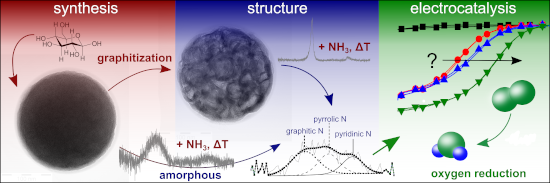
- synthesized by hydrothermal treatment of a glucose solution yielding carbon spheres with sizes of 330 ± 50 nm, followed by nitrogen doping via heat treatment in ammonia atmosphere. The influence of a) varying the nitrogen doping temperature (550–1000 °C) and b) of a catalytic graphitization prior to nitrogen
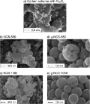
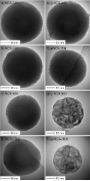
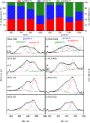
- properties and of the ORR activity and mechanism is given elsewhere [27]. Results and Discussion 1 Synthesis and structural/chemical analysis of (graphitized) N-doped carbon spheres Carbon spheres were synthesized by hydrothermal treatment of a glucose solution (Figure 1), following a previously reported
- is needed, however, to improve the relative high peroxide yields obtained so far. Conclusion The N-doped carbon spheres (NCS) synthesized in the present work are characterized by a well-defined spherical shape and smooth surface. Originating from glucose, the carbon matrix of the spheres initially




The different ways to chitosan/hyaluronic acid nanoparticles: templated vs direct complexation. Influence of particle preparation on morphology, cell uptake and silencing efficiency
Beilstein J. Nanotechnol. 2019, 10, 2594–2608, doi:10.3762/bjnano.10.250
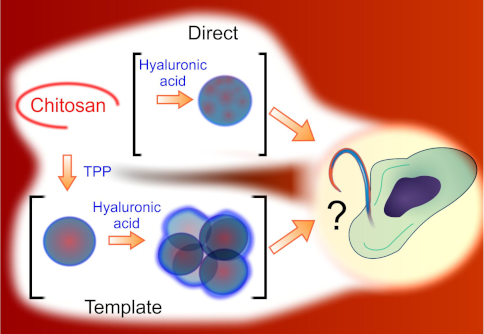
- performing better in macrophages and those with high-MW chitosan in HCT-116. Keywords: aggregation; chitosan; field flow fractionation; light scattering; targeted drug delivery; Introduction Chitosan is a linear copolymer of β-1,4-ᴅ-glucose-2-amine and N-acetyl-ᴅ-glucose-2-amine, and is commonly employed
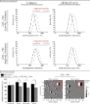
- images were analysed using ImageJ software (v1.49p, http://rsb.info.nih.gov/ij). Cell studies HCT-116 and RAW 264.7 cell lines were cultured in complete media (McCoy’s 5A or high glucose DMEM, respectively) under standard conditions for cell culture (5% v/v CO2 in air, 37 °C). Further details of the



Small protein sequences can induce cellular uptake of complex nanohybrids
Beilstein J. Nanotechnol. 2019, 10, 2477–2482, doi:10.3762/bjnano.10.238
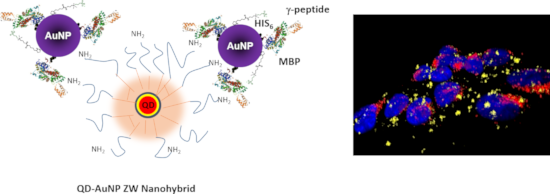
- . In one study, Jana and co-workers reported the design of fluorescent and plasmonic nanohybrids by covalent attachment of luminescent quantum dots (QDs) and Au nanorods. Further functionalization with glucose, using glutaraldehyde coupling chemistry, yielded nanohybrids that could subsequently be used

Design of a nanostructured mucoadhesive system containing curcumin for buccal application: from physicochemical to biological aspects
Beilstein J. Nanotechnol. 2019, 10, 2304–2328, doi:10.3762/bjnano.10.222
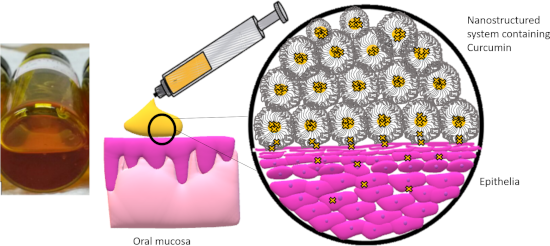
- ), sodium chloride was purchased from Nuclear (Diadema, SP, Brazil) and polyssorbate 80 (Tween 80®) came from Synth® (Diadema, SP, Brazil). Dulbecco’s Modified Eagle’s Medium high glucose (DMEM), fetal bovine serum (FBS), ʟ-glutamine, penicillin, streptomycin and trypsin


Design and facile synthesis of defect-rich C-MoS2/rGO nanosheets for enhanced lithium–sulfur battery performance
Beilstein J. Nanotechnol. 2019, 10, 2251–2260, doi:10.3762/bjnano.10.217
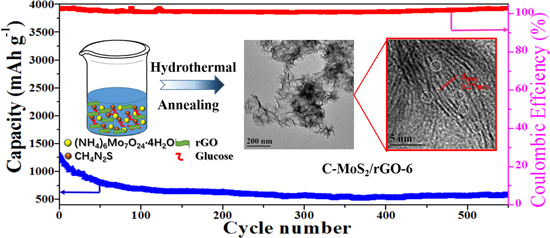
- nanosheets For the synthesis of the C-MoS2/rGO nanosheets, 1.23 g hexaammonium heptamolybdate tetrahydrate, 0.89 g of glucose, and 2.28 g thiourea were dissolved in 25 mL of deionized water to form solution A; 0.03 g of GO was dissolved into 10 mL of deionized water by ultrasonic to form solution B. Then
- 60 °C in vacuum. For comparison, the pristine MoS2 were synthesized using an identical process without GO or glucose. After that, the obtained composites were annealed at 400, 600 and 800 °C for 6 h in 10% H2/Ar atmosphere to improve the crystallinity. After thermal annealing, the samples were
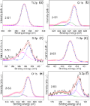
- [33]. The peaks located at 285.1 and 286.2 eV correspond to the binding energy of carbon in C–C bonds and C–O bonds, respectively, owing to an amorphous carbon layer originated from glucose. The two weak peaks originating from C–O and C=O bonds illustrate that the oxygen-containing functional groups


Mannosylated brush copolymers based on poly(ethylene glycol) and poly(ε-caprolactone) as multivalent lectin-binding nanomaterials
Beilstein J. Nanotechnol. 2019, 10, 2192–2206, doi:10.3762/bjnano.10.212
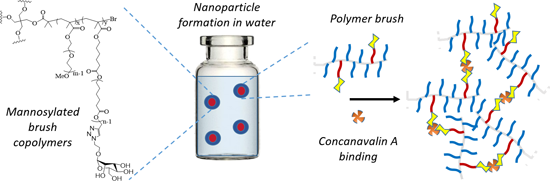
- -functionalized monomer, starting from a four-arm initiator based on poly(ε-caprolactone), led to a library of glucose-functionalized aggregates able to bind the glucose- and mannose-binding lectin Concanavalin A (Con A) [12]. The combination of ATRP of protected alkyne monomers and a copper-catalyzed azide



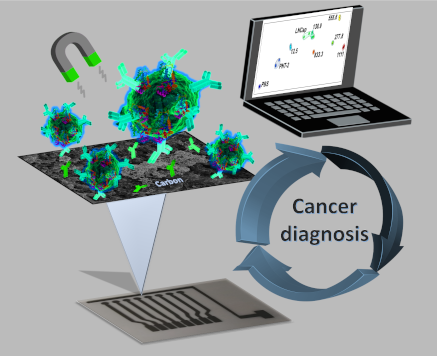
Use of data processing for rapid detection of the prostate-specific antigen biomarker using immunomagnetic sandwich-type sensors
Beilstein J. Nanotechnol. 2019, 10, 2171–2181, doi:10.3762/bjnano.10.210
- Prussian blue (PB) interlayer and a gold shell. The enzymes horseradish peroxidase and glucose oxidase were immobilized to improve sensitivity, with linear ranges between 0.01 and 80.0 ng·mL−1 for CEA and from 0.014 to 142 ng·mL−1 for AFP, and detection limits of 4 pg·mL−1 and 7 pg·mL−1, respectively [25


Improved adsorption and degradation performance by S-doping of (001)-TiO2
Beilstein J. Nanotechnol. 2019, 10, 2116–2127, doi:10.3762/bjnano.10.206
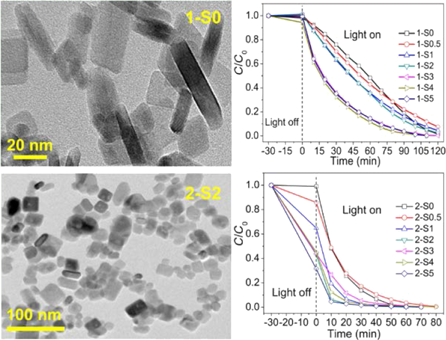
- performance. Li et al. synthesized composites of mesoporous (001)-TiO2 and C applying a one-pot hydrothermal strategy in the presence of glucose and hydrofluoric acid (HF). The composites an exhibited excellent visible-light-driven photocatalytic performance [14]. Chen et al. synthesized a composite of g-C3N4




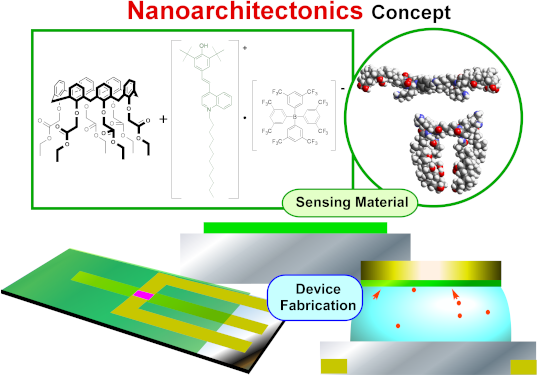
Review of advanced sensor devices employing nanoarchitectonics concepts
Beilstein J. Nanotechnol. 2019, 10, 2014–2030, doi:10.3762/bjnano.10.198
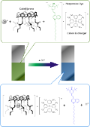
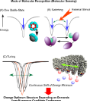
- mechanically controlled indicator displacement assay for aqueous glucose detection based on fluorescence resonance energy transfer was also reported [180]. The mechanisms of molecular recognition and sensing are roughly summarized in Figure 9. The most basic mechanism (Figure 9) is considered to form the most





Optimization and performance of nitrogen-doped carbon dots as a color conversion layer for white-LED applications
Beilstein J. Nanotechnol. 2019, 10, 2004–2013, doi:10.3762/bjnano.10.197
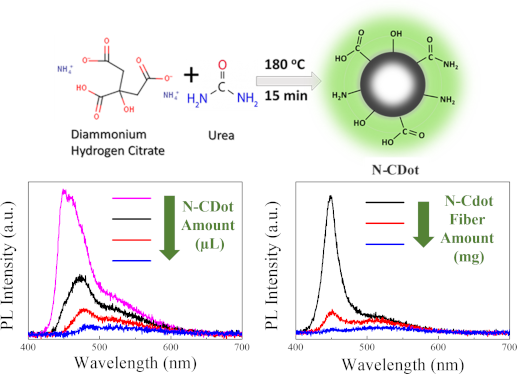
- using glucose and polyethylene glycol 200. It is reported that the WLED showed a superior performance indicated by Commission Internationale de l'Éclairage (CIE) coordinates of (0.32, 0.37) and a CCT of 5584 K. In another study, Joseph et al. reported the synthesis of CDots by the electrochemical


Gold-coated plant virus as computed tomography imaging contrast agent
Beilstein J. Nanotechnol. 2019, 10, 1983–1993, doi:10.3762/bjnano.10.195
- -hydroxysulfosuccinimide (sulfo-NHS), bicinchoninic acid (BCA) protein assay kit, RPMI, foetal calf serum, and T125 mm tissue culture flasks were purchased from ThermoFisher Scientific; EGM-2 medium was purchased from Lonza. Cell culture medium phenol red-free (high-glucose Dulbecco modified eagle medium (DMEM


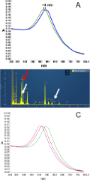


Engineered superparamagnetic iron oxide nanoparticles (SPIONs) for dual-modality imaging of intracranial glioblastoma via EGFRvIII targeting
Beilstein J. Nanotechnol. 2019, 10, 1860–1872, doi:10.3762/bjnano.10.181
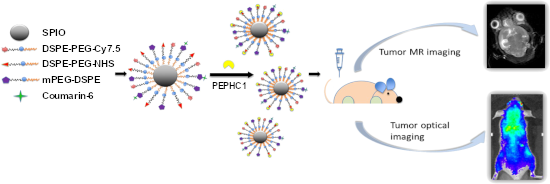
- Sigma (USA) and Cy7.5 NHS ester was purchased from Nanocs (USA). Fetal bovine serum (FBS), phosphate buffered saline (PBS), trypsin-EDTA (0.25%), high glucose Dulbecco’s modified Eagle’s medium (DMEM) and penicillin-streptomycin were purchased from Gibco (CA, USA). The MTT cell proliferation and


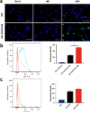


Biocatalytic oligomerization-induced self-assembly of crystalline cellulose oligomers into nanoribbon networks assisted by organic solvents
Beilstein J. Nanotechnol. 2019, 10, 1778–1788, doi:10.3762/bjnano.10.173
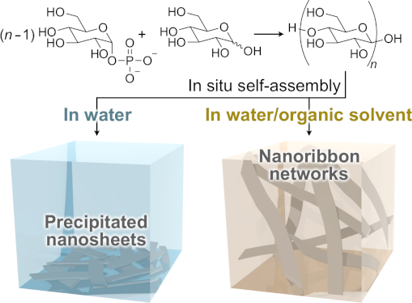
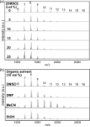
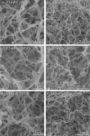
- self-assembly of cellulose oligomers into hierarchical nanoribbon network structures. In this study, we dealt with the cellodextrin phosphorylase-catalyzed oligomerization of phosphorylated glucose monomers from ᴅ-glucose primers, which produce precipitates of nanosheet-shaped crystals in aqueous
- ][28]. For example, the cellulase-catalyzed oligomerization of β-ᴅ-cellobiosyl fluoride monomers [29] and the cellodextrin phosphorylase (CDP)-catalyzed oligomerization of α-ᴅ-glucose 1-phosphate (αG1P) monomers from ᴅ-glucose [30][31] and cellobiose [32][33] primers have been demonstrated, where the
- been successfully synthesized by using glucose derivatives as primers for the CDP-catalyzed oligomerization. By exploiting those enzyme-catalyzed oligomerization systems, various nanostructures, including nanofibrous assemblies [41], rectangular nanosheet-shaped lamellar crystals [30][31][39][42





Materials nanoarchitectonics at two-dimensional liquid interfaces
Beilstein J. Nanotechnol. 2019, 10, 1559–1587, doi:10.3762/bjnano.10.153
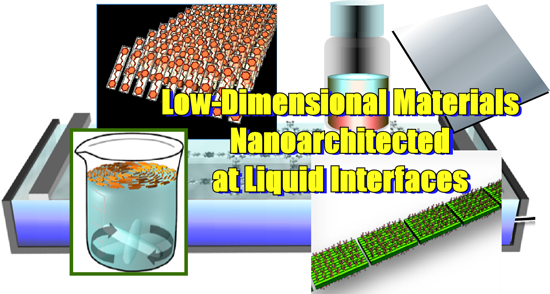
- changes of the molecular machines, for instance, to capture and release guest molecules [167][168], to rotate of molecular rotors [169][170], to open and close molecular pliers [171][172], or in indicator displacement assays of glucose based on fluorescence resonance energy transfer [173]. Subtle