Search results
Search for "mechanical properties" in Full Text gives 374 result(s) in Beilstein Journal of Nanotechnology. Showing first 200.
Carbon nanotube-cellulose ink for rapid solvent identification
Beilstein J. Nanotechnol. 2023, 14, 535–543, doi:10.3762/bjnano.14.44
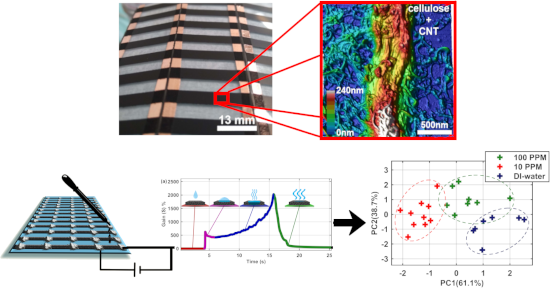
- properties of carbon nanostructured materials with the polymer’s distinguished mechanical properties. These composites are usually non-selective and can react to various ambient stimuli [20][22][23][24][25][26][27][28][29]. Among polymers, cellulose is the most abundant natural organic polymer on earth. It
- has resurfaced recently as a smart material because of its excellent thermal-mechanical properties, biocompatibility, biodegradability, and flexibility [22][23][30][31]. Composites based on carbon nanotubes or graphene and cellulose have been reported for, among other things, humidity and vapor


Microneedle patches – the future of drug delivery and vaccination?
Beilstein J. Nanotechnol. 2023, 14, 494–495, doi:10.3762/bjnano.14.40

- originally developed for the microelectronics industry; they were inevitably made from silicon. Since then, silicon MNs have been largely abandoned in favour of polymer versions because of their superior mechanical properties, biocompatibility, ease of manufacture, and ultimate scalability [5][6]. Polymer
Antimicrobial and mechanical properties of functionalized textile by nanoarchitectured photoinduced Ag@polymer coating
Beilstein J. Nanotechnol. 2023, 14, 95–109, doi:10.3762/bjnano.14.11
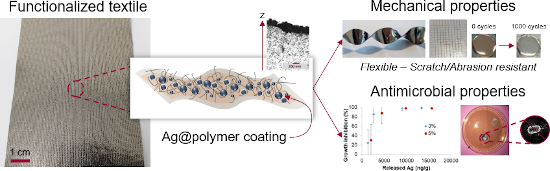
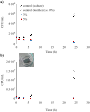
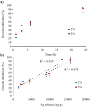
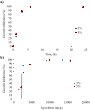
- the textile support. After assessing their optical and mechanical properties, the antimicrobial properties of the functionalized textiles were tested against Escherichia coli (E. coli) and Candida albicans (C. albicans) strains. In addition to being flexible and adherent to the textile substrates, the
- and plate diffusion assays) of AgNP@polymer nanocomposites-coated textiles against Escherichia coli (E. coli) and Candida albicans (C. albicans) strains. The mechanical properties (flexibility, adhesion, abrasion) were also studied using a Mini-Martindale device, a standard scratch test kit, scanning
- 5). This result is of great importance because it confirms the complete photoreduction of the precursor and the absence of any oxidized form of silver in the Ag@polymer coating. Mechanical properties Flexibility and adhesion Functionalization of the textiles with the Ag@polymer does not



Liquid phase exfoliation of talc: effect of the medium on flake size and shape
Beilstein J. Nanotechnol. 2023, 14, 68–78, doi:10.3762/bjnano.14.8
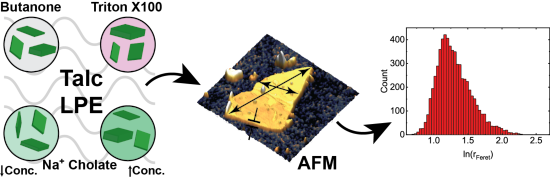
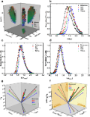
- phyllosilicate that can be exfoliated into nanoflakes with great mechanical properties. Sodium cholate at two different concentrations (below and at the critical micelar concentration), butanone, and Triton-X100 were employed as exfoliation medium for talc. Using recent published statistical analysis methods
- pharmaceutical and cosmetics uses [17]. It was shown that monolayer talc has outstanding mechanical properties of the same order of magnitude as graphene [12]. The breaking strength for uniaxial deformations ranges from 29 to 33 N·m−1, and the two-dimensional elasticity modulus is E = 181 N·m−1. Also, talc’s



Hydroxyapatite–bioglass nanocomposites: Structural, mechanical, and biological aspects
Beilstein J. Nanotechnol. 2022, 13, 1490–1504, doi:10.3762/bjnano.13.123
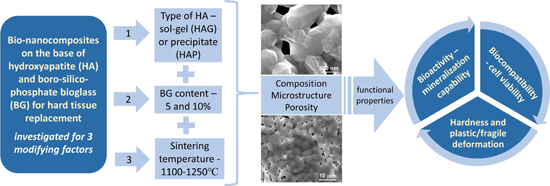
- can induce new chemical, biological, and mechanical properties to HA-BG composites, which can be controlled by modifying glass fraction and composition. In this study, we have elaborated and investigated HA-BG composites containing a boro-silico-phosphate bioglass of the following composition: 10B2O3
- . Moreover, two more modifying factors, namely BG fraction and sintering temperature, were introduced to study their influence on structure, mechanical properties, and biological activity depending on the type of HA (HAP or HAG) used for fabricating the HA-BG composites. Materials and Methods Preparation of
- composition. Mechanical properties The mechanical properties were investigated by means of depth-sensing microindentation (MI). Before the MI measurements, the samples were polished with sandpaper with grit sizes of P1000, P2000, and P3000, consecutively, and with wet Cr2O3 powder on a cloth for final
Frequency-dependent nanomechanical profiling for medical diagnosis
Beilstein J. Nanotechnol. 2022, 13, 1483–1489, doi:10.3762/bjnano.13.122
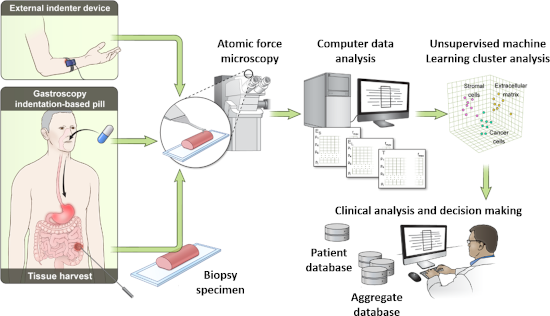
- mechanical changes in the affected tissues. Keywords: atomic force microscopy; healthcare; mechanical properties; mechanobiology; medical diagnosis; Introduction Since its invention in the early 1980s, atomic force microscopy (AFM) has been extensively used for topographical, mechanical, electrical, and
- ”). Further, there is often no direct connection to specific technological applications. For example, multiple studies have shown that the mechanical properties of cancerous cells differ from those of healthy cells [15][20], but it is not clear how those measurements could be exploited for medical treatment
- . This is in sharp contrast to typical macroscale applications where, for example, the mechanical properties of steel and concrete can be directly used by engineers to design a bridge and predict its performance under real-life conditions. Finally, there is not sufficient communication between AFM


Bending and punching characteristics of aluminum sheets using the quasi-continuum method
Beilstein J. Nanotechnol. 2022, 13, 1303–1315, doi:10.3762/bjnano.13.108
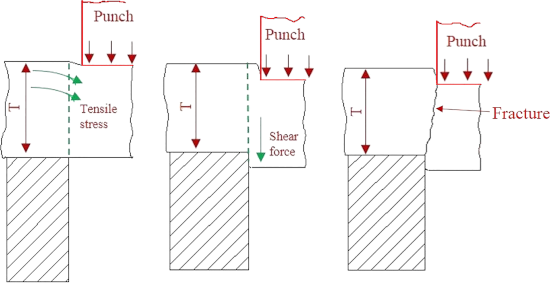
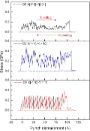
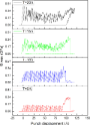
- were discussed under various conditions. The stress–displacement curve and stress/strain image were used to analyze various mechanical properties. Effect of crystal orientation on the nano-punching process Before discussing the influence of different crystal orientations on the nano-punching process
- , the effect of crystal orientation on the materials will be firstly considered. The mechanical properties of single-crystal materials can be strongly affected by the crystal orientation [56], such as the elastic stress [57], thermomechanical fatigue behavior [58], and the dislocation effect of





Studies of probe tip materials by atomic force microscopy: a review
Beilstein J. Nanotechnol. 2022, 13, 1256–1267, doi:10.3762/bjnano.13.104
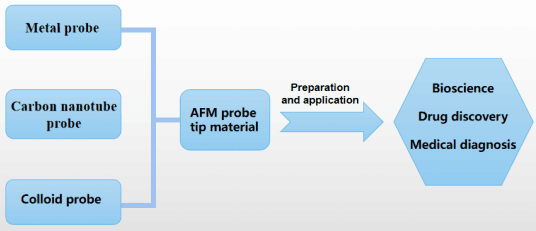
- mechanical properties of the cantilever beam directly affect the performance, measurement resolution, and image quality of the AFM instrument. AFM probe tips [9][10] are generally fabricated with coatings, carbon nanotubes, magnetic nanoparticles, or even protein functionalization. A combination of probe
- probe Manufacturing nanoprobes that meet the requirements for cutting-edge mechanical properties, dimensions, and morphology is practically challenging. Modern technology has made it possible to produce macroscopic materials with certain functions by combining several components into composite materials
- (shell) covered nanotubes to produce reinforced carbon–carbon composite nanotools; combining amorphous carbon with the extreme mechanical properties of CNTs can facilitate the production of nanotools with high aspect ratios. Inappropriate properties such as vibration and flexibility can be controlled
Role of titanium and organic precursors in molecular layer deposition of “titanicone” hybrid materials
Beilstein J. Nanotechnol. 2022, 13, 1240–1255, doi:10.3762/bjnano.13.103
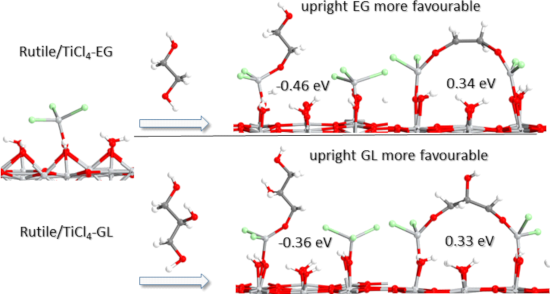
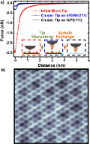
- are described as O–M–O–(CHx)y–O–M–O. Metalcones are known to be flexible in nature due to the flexible organic backbones present in their architectures and with excellent mechanical properties at the atomic and molecular level arising from the organometallic precursors [16][17]. The first metalcone


Microneedle-based ocular drug delivery systems – recent advances and challenges
Beilstein J. Nanotechnol. 2022, 13, 1167–1184, doi:10.3762/bjnano.13.98
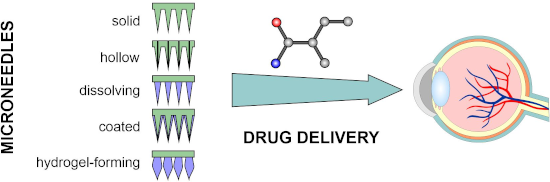
- fluconazole, a widely known antifungal agent, employed in this formulation for potential keratitis treatment. As justification for the use of PLA, the authors indicated poor mechanical properties of HA and the associated risk of needle deformation during production and application. PLA served both as a
- . Multiple parameters were evaluated, namely the physical and mechanical properties, ocular permeation, FS remaining in ocular tissue, dissolution time, insertion force, insertion depth, and ex vivo ocular drug delivery. The permeation studies on porcine eyeballs showed that, after application of the MN


A cantilever-based, ultrahigh-vacuum, low-temperature scanning probe instrument for multidimensional scanning force microscopy
Beilstein J. Nanotechnol. 2022, 13, 1120–1140, doi:10.3762/bjnano.13.95
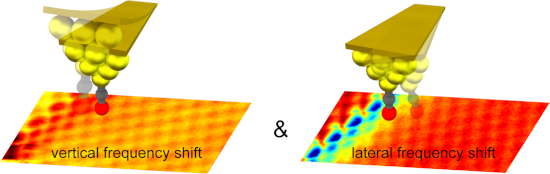
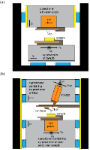
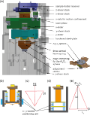
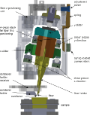
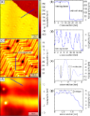
- conditions are performed with tuning fork-based AFM, the vast majority of the AFM works performed under ambient conditions rely on microfabricated cantilevers that detect based on various mechanical properties and tips. Microfabricated cantilevers can be optimized for different AFM applications and






Biomimetic chitosan with biocomposite nanomaterials for bone tissue repair and regeneration
Beilstein J. Nanotechnol. 2022, 13, 1051–1067, doi:10.3762/bjnano.13.92
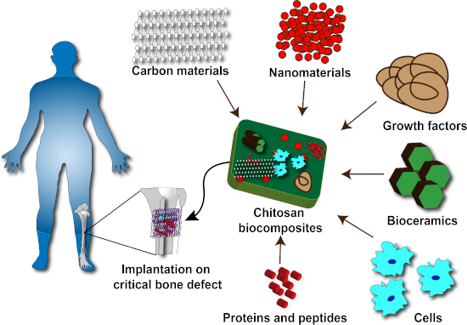
- matrix structure (cancellous interior) [30]. Also, the mechanical properties of cancellous bones are controlled by the structural organization of the matrix [31]. The bone microstructure mainly comprises collagen threads of lamellae coiled around layers to form a 200–250 µm diameter osteon which can vary
Bioselectivity of silk protein-based materials and their bio-inspired applications
Beilstein J. Nanotechnol. 2022, 13, 902–921, doi:10.3762/bjnano.13.81
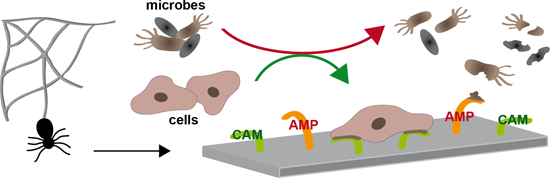
- also been reported to be suitable as tissue scaffolds due to their biocompatibility and their highly tunable morphologies and mechanical properties. Exemplary, silkworm silk has been studied as a matrix material for tissue-engineered anterior cruciate ligaments [123], and silk fibroin


Gelatin nanoparticles with tunable mechanical properties: effect of crosslinking time and loading
Beilstein J. Nanotechnol. 2022, 13, 778–787, doi:10.3762/bjnano.13.68
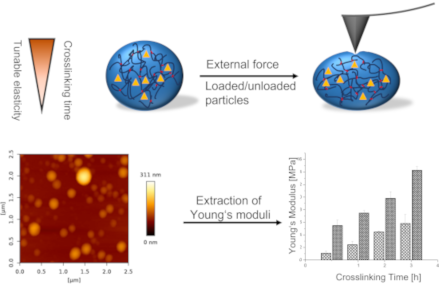
- revealed the influence of loading a macromolecular model drug (FITC-dextran) on the mechanical properties, which decreased with raising amounts of loaded drug. Loaded particles were significantly softer, with Young’s moduli between 1.06 and 5.79 MPa for the same crosslinking time, than the blank GNPs. In
- contrast to this, lysozyme as a crosslinkable macromolecule did not influence the mechanical properties. A good in vitro cell compatibility was found investigating blank GNPs and FITC-dextran-loaded GNPs in viability assays with the cancer cell line A549 and the human primary cell-derived hAELVi cell line
- optimal treatment. Therefore, the characteristics of nanoparticles regarding mechanical properties, size, surface charge, surface composition, and degradation and drug release mechanisms must be considered during formulation development [1]. Except for the mechanical properties, the research activities do


Recent advances in nanoarchitectures of monocrystalline coordination polymers through confined assembly
Beilstein J. Nanotechnol. 2022, 13, 763–777, doi:10.3762/bjnano.13.67
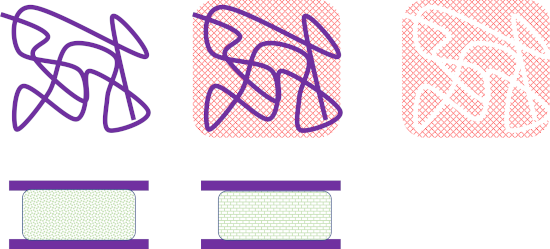
- steric effects. Confined environments offer geometrical confinement and local flow with shear forces, which were particularly effective for generating laminar stacking structures. The packed coordination polymers showed unique mechanical properties and performed excellent in batteries and pollutant
- Chemistry from [149] (“An X-state solid–liquid mixture with unusual mechanical properties formed by water and coordination polymer nanosheet nanoarchitectonics” by C. Shi et al., Nanoscale, vol. 14, issue 20, © 2022); permission conveyed through Copyright Clearance Center, Inc. This content is not subject




Fabrication and testing of polymer microneedles for transdermal drug delivery
Beilstein J. Nanotechnol. 2022, 13, 629–640, doi:10.3762/bjnano.13.55
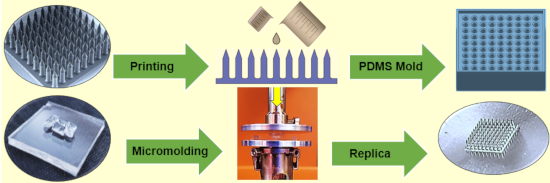
- fabrication of MNs. The low manufacturing cost and desirable mechanical properties of medical-grade thermoplastics such as COPs make them a particularly attractive choice of materials [15][16]. MN thermoplastic replicas are readily fabricated using injection molding or hot embossing [17]. However, process
- -made applicator with e) impact velocity of 3 m/s, and f) impact velocity of 4.5 m/s. g) Graph representation of the effects of the prototype applicator on APE (n = 3) for different impact speeds. Mechanical properties of different skin layers used in ANSYS Explicit Dynamics simulation


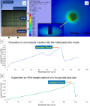

Effects of substrate stiffness on the viscoelasticity and migration of prostate cancer cells examined by atomic force microscopy
Beilstein J. Nanotechnol. 2022, 13, 560–569, doi:10.3762/bjnano.13.47
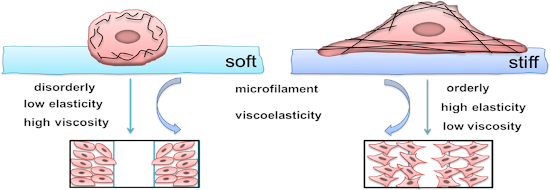
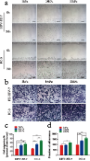
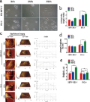
- unclear how mechanical properties regulate the cellular response to the environmental matrix. In this study, atomic force microscopy (AFM) and laser confocal imaging were used to qualitatively evaluate the relationship between substrate stiffness and migration of prostate cancer (PCa) cells. Cells
- mechanical properties may be correlated with the migration of PCa cells. After actin depolymerisation, the elasticity of the PCa cells decreased while the viscosity increased, and the migration ability was correspondingly decreased. In conclusion, this study clearly demonstrated the relationship between
- substrate stiffness and the mechanical properties of cells in prostate tumour metastasis, providing a basis for understanding the changes in the biomechanical properties at a single-cell level. Keywords: actin cytoskeleton; atomic force microscopy; migration; prostate cancer cells; substrate stiffness



Ciprofloxacin-loaded dissolving polymeric microneedles as a potential therapeutic for the treatment of S. aureus skin infections
Beilstein J. Nanotechnol. 2022, 13, 517–527, doi:10.3762/bjnano.13.43
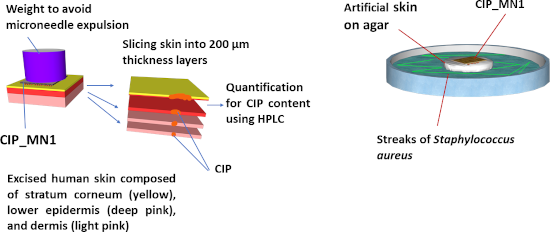
- activity of ciprofloxacin-loaded polymeric microneedles against S. aureus. Agarose gel, a transparent gelatinous substance composed of a carbohydrate polymer extracted from certain red seaweed, was proposed in recent studies as an in vitro model for the mechanical properties of the human skin [22][23
- skin. Parafilm has been proposed as a model that simulates the mechanical properties of porcine skin [36], which is similar in barrier properties to human skin [37]. In a study to assess the insertion depth of microneedles in Parafilm, no significant difference was shown in the insertion depth between
- mechanical properties, many studies have shown better mechanical properties of PVA/PVP hydrogels [39][40][41]. In one study, the tensile strength of PVA hydrogel was increased by 133% after blending with less than 2% w/w PVP [42]. This is due to the formation of relatively strong hydrogen bonds between the


Design and characterization of polymeric microneedles containing extracts of Brazilian green propolis
Beilstein J. Nanotechnol. 2022, 13, 503–516, doi:10.3762/bjnano.13.42
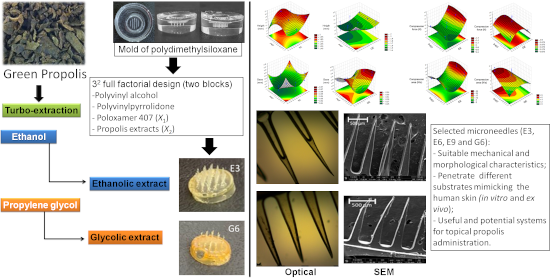
- time, the design of MNs composed of PVA, PVP, and P407 as a polymeric platform for the delivery of alcoholic and glycolic green propolis extracts. MN formulations were characterized regarding their morphology, dimensions, and mechanical properties. Selected MN formulations (E3, E6, E9, and G6


Effect of sample treatment on the elastic modulus of locust cuticle obtained by nanoindentation
Beilstein J. Nanotechnol. 2022, 13, 404–410, doi:10.3762/bjnano.13.33
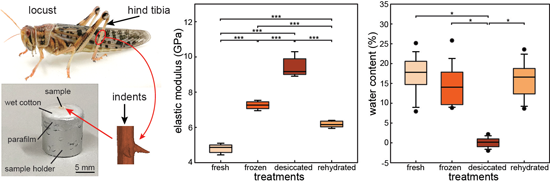
- materials. This is mostly because measuring the mechanical properties of insect cuticle is very challenging in practice. One of these challenges is associated with the rather fast desiccation rate of cuticle, as it loses its water shortly after removal from insect body [5]. Only small changes in the water
- properties obtained from nanoindentations are not influenced by the geometry of specimens. Hence, nanoindentation is one of the most suitable methods to measure the mechanical properties of cuticle specimens, which usually have complicated shapes. We chose locust hind tibiae as they were used in the former
- study by Aberle et al. [9], enabling us to compare our results with those from the literature. Our results not only allowed us to systematically analyze the effect of different treatments on the mechanical properties of insect cuticle but also to provide a guideline for more accurate measurements of the


Micro- and nanotechnology in biomedical engineering for cartilage tissue regeneration in osteoarthritis
Beilstein J. Nanotechnol. 2022, 13, 363–389, doi:10.3762/bjnano.13.31
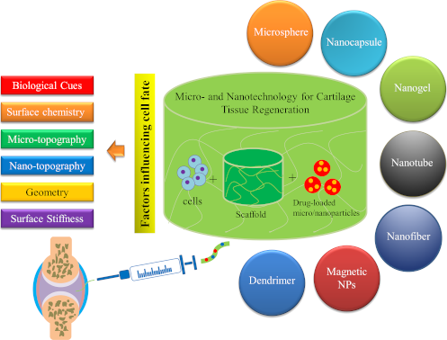
- the mechanical properties of cartilage [7][9]. Collagen type II is believed to account for 75% of fetal collagen. This amount increases to 90% in mature adults. Collagen type II is found in articular cartilage and the eyes and is considered an indicator of hyaline cartilage [7]. Collagen synthesis is
- purposes is the subject of many studies [19] in which natural polymers, synthetic polymers, or their combination were used to provide a biomimetic microenvironment, which not only includes biological cues, but also provides the desired mechanical properties. The progress in materials science has revealed
- factors in the microsphere-incorporated scaffolds. Microspheres can be independently assembled and used as building blocks for microsphere-based scaffold structures to provide the desired mechanical properties and improve the capability to control release [21]. Designing a properly controlled release


Effects of drug concentration and PLGA addition on the properties of electrospun ampicillin trihydrate-loaded PLA nanofibers
Beilstein J. Nanotechnol. 2022, 13, 245–254, doi:10.3762/bjnano.13.19
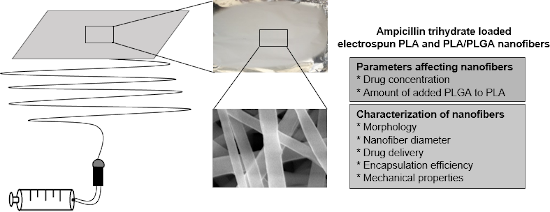
- concentration (4–12%) and addition of PLGA (20–80%) on the spinnability of the solutions, morphology, average nanofiber diameter, encapsulation efficiency, drug release, and mechanical properties of PLA and PLA/PLGA nanofibers were examined. All nanofibers were bead-free and uniform. They had favorable
- encapsulation efficiency (approx. 90%) and mechanical properties. The increase in the amount of ampicillin trihydrate caused an increase in the diameter and burst effect of the nanofibers. The drug release ended on the 7th and 3rd day with nanofibers containing 4% and 12% of drug, respectively. The prolonged
- produced with enhanced encapsulation efficiency and mechanical properties, resulting in controlled and tailored release of ampicillin trihydrate for at least ten days. In conclusion, it was demonstrated that the addition of PLGA in different ratios and the amount of drug can be manipulated to obtain the


Relationship between corrosion and nanoscale friction on a metallic glass
Beilstein J. Nanotechnol. 2022, 13, 236–244, doi:10.3762/bjnano.13.18
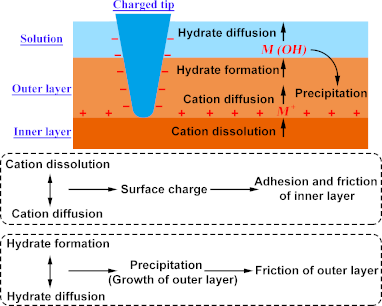
- ); corrosion; friction; metallic glass; passive film; Introduction Metallic glasses (MGs) exhibit excellent mechanical properties including extraordinary hardness and strength [1][2]. Thus, MGs have emerged as novel wear-resistant materials with high potential in tribological applications [3][4][5][6][7][8


Engineered titania nanomaterials in advanced clinical applications
Beilstein J. Nanotechnol. 2022, 13, 201–218, doi:10.3762/bjnano.13.15
- , proliferation, and differentiation of the osteoblasts. However, the low fracture toughness and brittleness of akermanite have limited its use in load-bearing sites of bone tissue. To strengthen the mechanical properties nanoscale titania (nano-TiO2) was distributed into the ceramic matrix. A remarkable
- improvement in the mechanical properties was observed after the incorporation of 5 wt of nano-TiO2 and a bone-like apatite structure was formed in simulated body fluid (SBF), which supported cell attachment and growth, showing the potential for bone TE applications [73]. Human gingival fibroblasts (HGFs) are


Theoretical understanding of electronic and mechanical properties of 1T′ transition metal dichalcogenide crystals
Beilstein J. Nanotechnol. 2022, 13, 160–171, doi:10.3762/bjnano.13.11
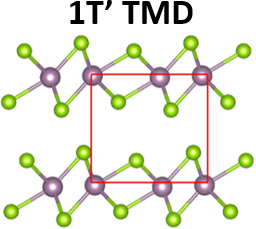
- properties of the monolayers shows that the interlayer van der Waals forces can slightly weaken the TM–X covalent bonding strength, which can further influence the mechanical properties. These insights revealed by our theoretical studies may boost more applications of 1T′ TMD materials. Keywords: 1T
- to their composition and structural polytypes. However, experimental measurements of the electronic and mechanical properties of 2D materials face the challenge of synthesizing high-quality pristine crystals. Thus, numerical simulations have become a promising alternative due to the relatively good
- ability to predict the mechanical characteristics of 1T′ TMD materials [33]. In this comparative study, the electronic and mechanical properties including shear modulus (G), bulk modulus (B), Young’s modulus (Y), Poisson’s ratio (ν), and microhardness (H), of MoS2, MoSe2, WS2, and WSe2 crystals with the