


Search results
Search for "metals" in Full Text gives 652 result(s) in Beilstein Journal of Nanotechnology. Showing first 200.
Atomistic insights into the morphological dynamics of gold and platinum nanoparticles: MD simulations in vacuum and aqueous media
Beilstein J. Nanotechnol. 2024, 15, 995–1009, doi:10.3762/bjnano.15.81
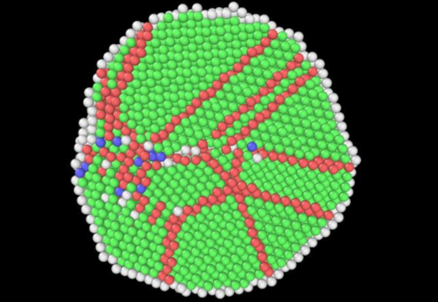
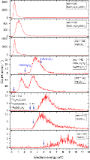
- have been some promising theoretical models [27] and in situ observations [28], crucial elements that can harmonize thermodynamic and kinetic controls remain unclear at the nanoscale. The plentiful theoretical efforts to understand and interpret structural modifications in metals upon thermal treatment


Recent progress on field-effect transistor-based biosensors: device perspective
Beilstein J. Nanotechnol. 2024, 15, 977–994, doi:10.3762/bjnano.15.80
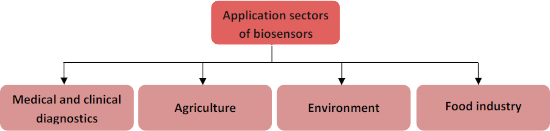
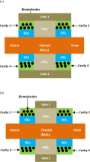
- high-sensing performance. Also, two different metals were considered for the electrode gates. A uniform doping concentration was considered for channel, source, and drain regions for simplifying the device fabrication. The current sensitivity, intrinsic delay, and power consumption of this biosensor
- this case, two different gate metals with distinct work functions were designed to achieve maximum on-state current and an improved Ion/Ioff ratio. The fabrication process flow for the proposed biosensor structure is detailed in [120]. Sensitivity parameters were assessed by measuring the drain-current




Beyond biomimicry – next generation applications of bioinspired adhesives from microfluidics to composites
Beilstein J. Nanotechnol. 2024, 15, 965–976, doi:10.3762/bjnano.15.79
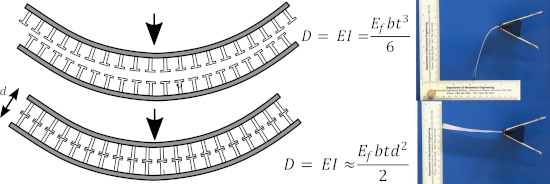
- non-planar surfaces, bonded to microelectromechanical systems (MEMS), and their use in droplet generation with oil and water. Laplace barriers within geckofluidic channels have directed room-temperature liquid metals (eutectic gallium–indium) with extremely high surface tension to properly fill


A review on the structural characterization of nanomaterials for nano-QSAR models
Beilstein J. Nanotechnol. 2024, 15, 854–866, doi:10.3762/bjnano.15.71

- -based descriptors, common in QSAR models of discrete molecules, to characterize the substituents, and they constitute the only identifier of each datapoint [43][44][45][46]. In datasets with substituents that are mainly transition metals (deposited in the nanoparticle or present in the solution


Intermixing of MoS2 and WS2 photocatalysts toward methylene blue photodegradation
Beilstein J. Nanotechnol. 2024, 15, 817–829, doi:10.3762/bjnano.15.68
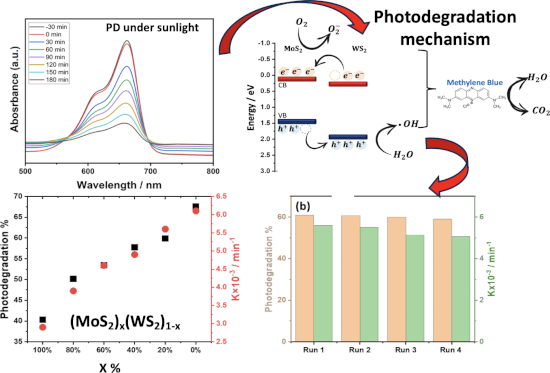
- place corrective actions for the development of efficient strategies for water treatment [3]. Following these measures, various technologies have proven their efficacy for water depollution, including adsorption and photocatalysis, and are often utilized for heavy metals, pharmaceuticals, pesticide


Synthesis of silver–palladium Janus nanoparticles using co-sputtering of independent sources: experimental and theorical study
Beilstein J. Nanotechnol. 2024, 15, 808–816, doi:10.3762/bjnano.15.67
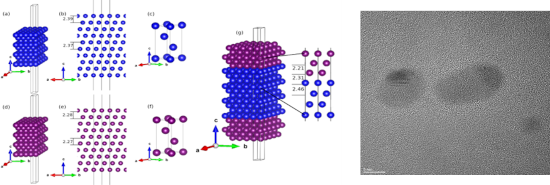
- , an original synthesis equipment built by Mantis Ltd. was modified by the inclusion of an additional magnetron in a second chamber, which allowed us to use two monometallic targets to sputter the two metals independently. With this arrangement, we could find appropriate settings at room temperature to
- their possible technological applications in catalysis and biosensors, and within materials science in general [3]. To date, most published articles on BNPs have focused on the synthesis of miscible metals, such as PtPd or CuPd; the literature on bimetallic nanoparticles of non-miscible metals, such as
- AuNi and PdRu, is limited [4]. In this sense, the production of nanoalloys made of immiscible metals in volume has generated a large amount of interest because this lack of miscibility may be used as an advantage for the design of nanomaterials with new functional properties, distinct from those




Electron-induced ligand loss from iron tetracarbonyl methyl acrylate
Beilstein J. Nanotechnol. 2024, 15, 797–807, doi:10.3762/bjnano.15.66
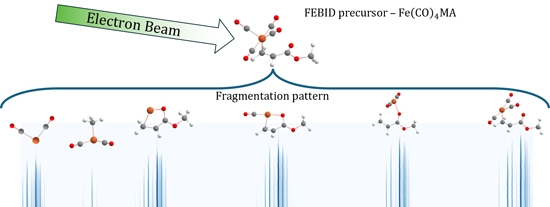
- (FEBID). FEBID is an emerging method for the fabrication of 3D nanostructures. It relies on the local decomposition of precursors in the focal area of an electron beam [1][2][3][4]. In the case of deposition of metals, the interaction with the electrons should ideally lead to a cleavage of all metal
- –ligand bonds and leave a pure metallic deposit. However, this has been achieved only for a handful of metals and their precursors. The actual deposits are often contaminated by a high amount of impurities [5]. Several reasons have been put forward for this incomplete dissociation [6]. One of them is the



Gold nanomakura: nanoarchitectonics and their photothermal response in association with carrageenan hydrogels
Beilstein J. Nanotechnol. 2024, 15, 678–693, doi:10.3762/bjnano.15.56

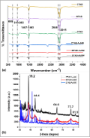
- temperature [2]. The mean free path of an electron is influenced by shape/size of the metal nanoparticles which ultimately governs their physical, chemical, optical, magnetic, catalytic, and electronic properties [3]. All plasmonic metals exhibit optical phenomena over a range of electromagnetic radiation







Laser synthesis of nanoparticles in organic solvents – products, reactions, and perspectives
Beilstein J. Nanotechnol. 2024, 15, 638–663, doi:10.3762/bjnano.15.54
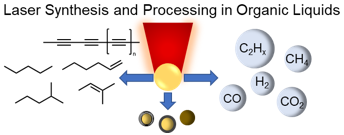
- , RLML, and LRL of various (base, noble, and alloy) metals and their possible use in the future. Marabotti et al., in contrast, focused on polyyne formation only, highlighting the different formation mechanisms, the effect of aqueous or organic solvents, the influence of the irradiated target, and
- porous nanoparticles when the liquid is saturated with hydrogen, depending on the specific metals and their properties (e.g., hydrogen permeability and diffusion coefficient of hydrogen) [91]. To summarize, the generated nanoparticles can be oxidized or reduced depending on process parameters such as
- % [68][69], while platinum surfaces are partially oxidized with 20–73% [70][92], and nickel particles are completely oxidized [70]. This was further investigated by Kalus et al., who ablated seven different metals (Au, Pt, Ag, Cu, Fe, Ti, and Al) in water while quantifying the formed hydrogen and oxygen







Superconducting spin valve effect in Co/Pb/Co heterostructures with insulating interlayers
Beilstein J. Nanotechnol. 2024, 15, 457–464, doi:10.3762/bjnano.15.41
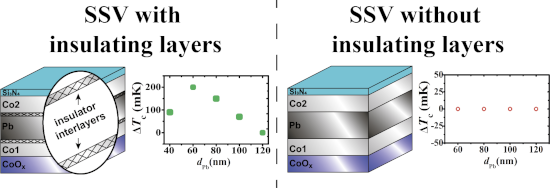
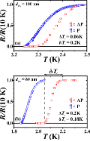
- as a minimum of Tc at the orthogonal magnetizations’ geometry [29]. A large number of theoretical and experimental works have been devoted to the study of this effect [29][30][31][32][33][34][35][36][37][38][39]. By now, many such SSVs using various elemental metals and alloys have been studied in



![[Graphic 6]](/bjnano/content/inline/2190-4286-15-41-i6.svg?max-width=637&scale=1.18182)
Heat-induced morphological changes in silver nanowires deposited on a patterned silicon substrate
Beilstein J. Nanotechnol. 2024, 15, 435–446, doi:10.3762/bjnano.15.39
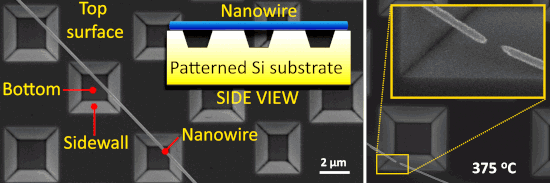
- organics. However, when the size of the structures is reduced to the nanoscale, metals exhibit distinct behavior at elevated temperatures compared to their larger counterparts [20][21]. Generally, a reduction in the melting point occurs as the size and dimensionality of the nanostructures decrease [20][22


Potential of a deep eutectic solvent in silver nanoparticle fabrication for antibiotic residue detection
Beilstein J. Nanotechnol. 2024, 15, 426–434, doi:10.3762/bjnano.15.38
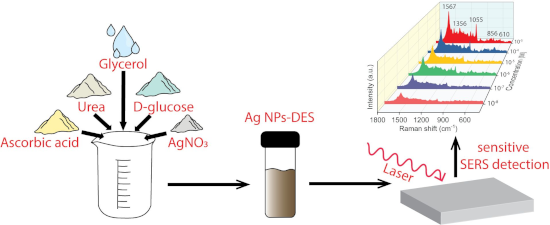
- ], and other analytical measurements regarding food, medical, and environmental issues [12][13][14]. Undeniably, SERS is the future for sensor design. So far, most achievements regarding SERS rely on the development of plasmonic materials. Noble metals (e.g., Au, Ag, and Cu) are the most important group
- biosensors are commonly made of LSPR materials [17]. With the development of synthesis techniques, numerous nanostructures of noble metals have been extensively studied to improve the intrinsic parameters of sensors. Silver nanoparticles (Ag NPs) exhibit great performance in sensing applications owing to the
- best LSPR properties among the noble metals [18]. One of the decisive factors regarding the SERS performance of Ag NP-based platforms is the agglomeration state of the nanoparticles [19], which directly affects the “hot spots”. There have been many studies in which agglomeration of Ag NPs was adjusted


Classification and application of metal-based nanoantioxidants in medicine and healthcare
Beilstein J. Nanotechnol. 2024, 15, 396–415, doi:10.3762/bjnano.15.36
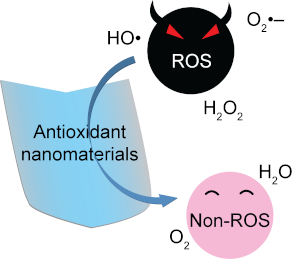
- radicals through several pathways such as chelating transition metals, quenching singlet oxygens, decomposing hydrogen peroxides, and deactivating superoxides without generating active radicals [17][18][19]. Transition metals such as Fe2+ and Cu2+ initiate a Fenton reaction in the presence of hydrogen
- employ the properties of transition metals and metal oxides (e.g., cobalt, iron, cerium, and gold), which can generate a cycle of reduction and oxidation stages [20][21][22][23]. Among these metal oxides, cerium oxide-based nanomaterials have been deeply studied with regard to the mechanisms of CAT
- sites are responsible for the adsorption, activation, and dissociation of the reactants, while the desorption occurs at the gold sites. The combination of multiple metals significantly improves the catalytic efficiency through synergistic effects. The nanocomposites not only disrupt the redox



On the mechanism of piezoresistance in nanocrystalline graphite
Beilstein J. Nanotechnol. 2024, 15, 376–384, doi:10.3762/bjnano.15.34
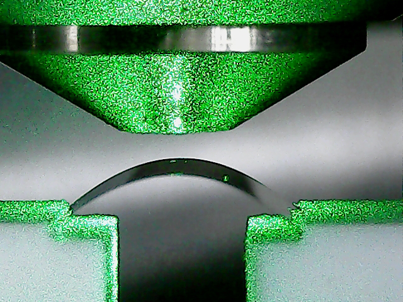
- smaller grain sizes and diminishes with larger grains. The mechanism has been proposed as a cause of plastic deformation in metals. Wang et al. showed for a platinum nanocrystalline film [42] that the rotation due to strain at room temperature does not occur because of cross-grain gliding, GB sliding, or


Investigating structural and electronic properties of neutral zinc clusters: a G0W0 and G0W0Г0(1) benchmark
Beilstein J. Nanotechnol. 2024, 15, 310–316, doi:10.3762/bjnano.15.28
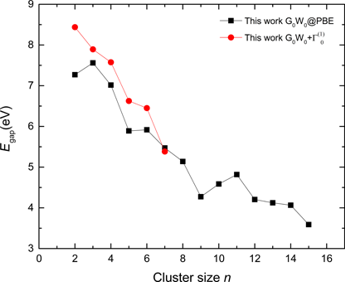
- that of the bulk material, that is, the HOMO–LUMO gap decreases. As seen in Figure 4, the bandgap values obtained from GW calculations are far from the bulk limit of metals. In our work, the HOMO–LUMO gap decreases from ca. 8.5 eV to approximately 3.5 eV, but it is still sizable compared with the bulk


![[Graphic 14]](/bjnano/content/inline/2190-4286-15-28-i15.svg?max-width=637&scale=1.18182)
Exploring the relationships between physiochemical properties of nanoparticles and cell damage to combat cancer growth using simple periodic table-based descriptors
Beilstein J. Nanotechnol. 2024, 15, 297–309, doi:10.3762/bjnano.15.27
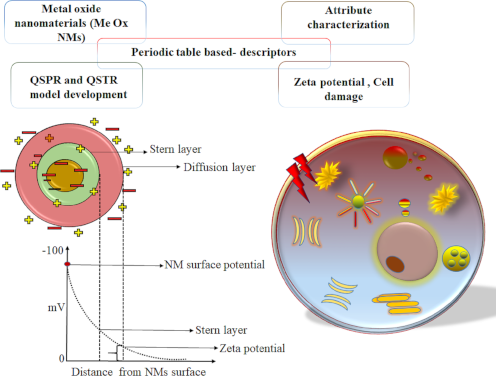
- solution. It is closely related to suspension stability and morphology. In metals, the zeta potential can be altered by altering pH, concentration, and conductivity of the components of NPs [10]. Zeta potential can provide information regarding the fate, behavior, and toxicity of NPs in the environment as
- “tot_metal_alpha” defines the core environment of the metal. It also defines the molecular bulk of the metal oxide. This descriptor has vital characteristics that are heavily influenced by the number of metals present in the metal oxide. Furthermore, the electronegativity of the metal is a crucial factor in
- metals in the cellular membrane can lead to the leakage of cellular content [22]. The “D1metal” descriptor signifies the total number of metal atoms in the MeOx NP composition. An increase in the number of metals can have a detrimental effect on cells by impacting ROS generation. The positive coefficient


Determining by Raman spectroscopy the average thickness and N-layer-specific surface coverages of MoS2 thin films with domains much smaller than the laser spot size
Beilstein J. Nanotechnol. 2024, 15, 279–296, doi:10.3762/bjnano.15.26
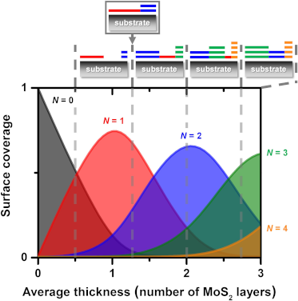
- generally, this point is critical for the characterization of samples synthesized using new methods or new precursors that can lead to the co-deposition of several by-products (such as carbon, oxides, and metals), which can significantly change the measured Raman intensities. Based on the results presented


Multiscale modelling of biomolecular corona formation on metallic surfaces
Beilstein J. Nanotechnol. 2024, 15, 215–229, doi:10.3762/bjnano.15.21
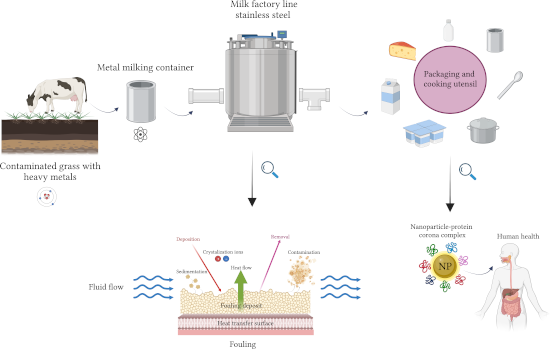
- and scientific equipment [7]. Figure 1 presents a schematic contamination cycle of dairy products, showcasing potential sources and pathways of aluminum pollution. It illustrates the journey of milk from a cow grazing on grass contaminated with heavy metals, highlighting the crucial role of metallic
- and metals. However, traditional safety assessment methods can be costly, time-consuming, and often involve animal studies. In this regard, in silico modelling offers a promising alternative that can predict the interactions of NPs with living organisms. By leveraging computational approaches, in
- explanation of the theoretical model developed to study the interaction between protein and lactose with metals, as well as the rationale behind the parameterization scheme used. Subsequently, we discuss the simulation results and analyze the individual adsorption affinities predicted for molecules






Graphene removal by water-assisted focused electron-beam-induced etching – unveiling the dose and dwell time impact on the etch profile and topographical changes in SiO2 substrates
Beilstein J. Nanotechnol. 2024, 15, 190–198, doi:10.3762/bjnano.15.18
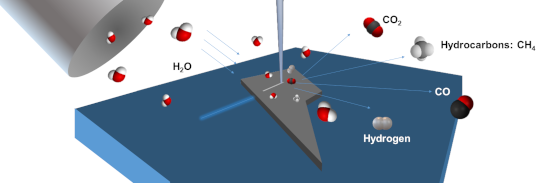
- reactions between H2O molecules and silica could occur, especially in the post-purification of granular materials composed of noble metals, such as Pt–C or Au–C which are directly deposited onto Si or SiO2 substrate. Experimental Sample preparation For this experiment, we chose mechanically exfoliated


Nanotechnological approaches in the treatment of schistosomiasis: an overview
Beilstein J. Nanotechnol. 2024, 15, 13–25, doi:10.3762/bjnano.15.2

- ) are derived from metals or silica [25]. The most common metal used in the production of IN found in this work was gold, even though it was also possible to observe a great amount of works using silver and zinc (Figure 5). While silica-derived nanoparticles are used in the treatment against


TEM sample preparation of lithographically patterned permalloy nanostructures on silicon nitride membranes
Beilstein J. Nanotechnol. 2024, 15, 1–12, doi:10.3762/bjnano.15.1
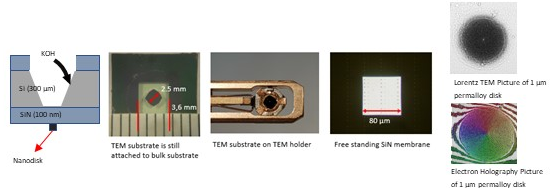
- sides of the resist. There are, however, a few limitations to consider: The spin-coated resist may be inhomogeneous (edge bead effect) on smaller substrates, reducing the region where high-quality structures may be obtained. Furthermore, one cannot deposit metals at high temperature, and one has to


Density functional theory study of Au-fcc/Ge and Au-hcp/Ge interfaces
Beilstein J. Nanotechnol. 2023, 14, 1093–1105, doi:10.3762/bjnano.14.90
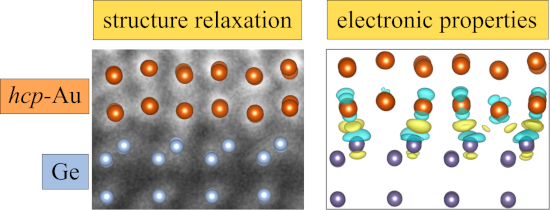
- several other metals. It is worth mentioning that also stable hexagonal silver dhcp nanostructures have been synthesized [20][21]. Nanostructures of hcp gold were found after growing Ge nanowires with Au as catalyst [22]. A possible mechanism responsible for the formation of hcp gold has been suggested



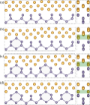


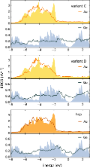
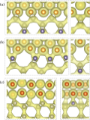

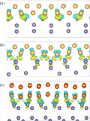
A visible-light photodetector based on heterojunctions between CuO nanoparticles and ZnO nanorods
Beilstein J. Nanotechnol. 2023, 14, 1018–1027, doi:10.3762/bjnano.14.84
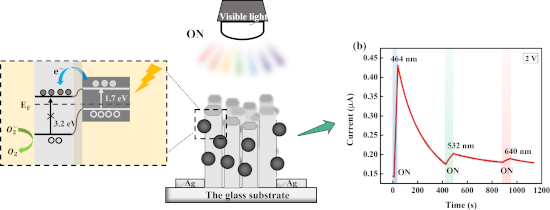
- the visible range is still a challenge regarding the widespread use of this nanomaterial. Traditional methods to modify ZnO, such as doping with transition metals [24] and decorating with noble metals [25], offer additional flexibility. Doping can significantly influence the optical and electrical
- properties of ZnO nanostructures, such as bandgap or conductivity [26]. Decorating ZnO with metals such as Ag, Au, Pd, Pt, and Al [27][28] can provide surface plasmonic effects that assist the electron transfer process in materials and extend the light absorption range of a photodetector [29][30]. However


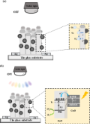
Nanoarchitectonics of photothermal materials to enhance the sensitivity of lateral flow assays
Beilstein J. Nanotechnol. 2023, 14, 988–1003, doi:10.3762/bjnano.14.82
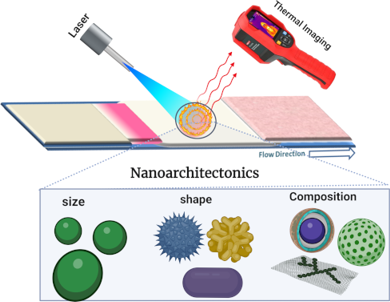
- material [75]. For example, nanocomposite materials have been developed by combining noble metal nanoparticles (Au–Ag, Au–Pt, and Au–Ag–Pt) or hybrids of noble metals, metals, and/or carbon materials (Au–Fe, Au–carbon, and Au–Fe–carbon). The resultant nanocomposites exhibit properties of all constituents
- optimizing the nanoarchitectonics of nanomaterials to achieve superior light-to-heat conversion. We have briefly explained different photothermal nanomaterials, including noble metals, carbon-based materials, polymeric nanomaterials, and semiconductor materials, with their respective mechanism responsible


Low temperature atomic layer deposition of cobalt using dicobalt hexacarbonyl-1-heptyne as precursor
Beilstein J. Nanotechnol. 2023, 14, 951–963, doi:10.3762/bjnano.14.78

- copper-based local interconnects. In consequence, other metals such as tungsten and cobalt are used to replace copper. Recent studies show a line resistance benefit of cobalt compared to tungsten [2][3][4][5]. Because of its ferromagnetism, cobalt is a frequently used metal for magnetic sensor systems





