Search results
Search for "methanol" in Full Text gives 296 result(s) in Beilstein Journal of Nanotechnology. Showing first 200.
On the stability of microwave-fabricated SERS substrates – chemical and morphological considerations
Beilstein J. Nanotechnol. 2021, 12, 541–551, doi:10.3762/bjnano.12.44
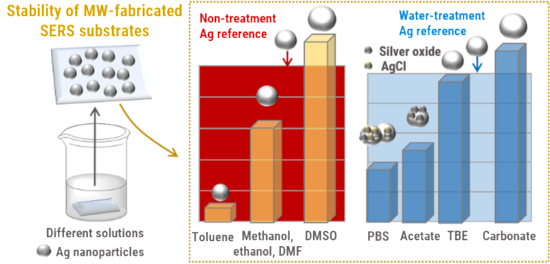
- substrates treated with methanol, ethanol, or N,N-dimethylformamide (DMF) were comparable and showed overall good stability and did not show severe morphological changes or a strong decrease in their Raman activity. Toluene treatment resulted in a strong decrease in the Raman activity whereas dimethyl
- SERS substrates for all tested solvents and buffer systems to provide a comprehensive overview. In a first set of experiments, the influence of five different organic solvents (methanol, ethanol, N,N-dimethylformamide (DMF), toluene, dimethyl sulfoxide (DMSO)) and water on the nanoparticle film
- Raman signals; however, obvious deviations from the reference sample morphology are observed. While for methanol, ethanol, and DMF the reduction of the obtained Raman intensity decreases moderately, the Raman signals are strongly decreased by the toluene treatment. For the treatment with ethanol this


Spontaneous shape transition of MnxGe1−x islands to long nanowires
Beilstein J. Nanotechnol. 2021, 12, 366–374, doi:10.3762/bjnano.12.30
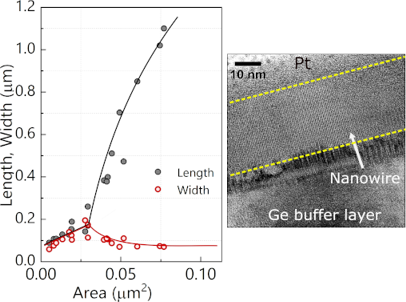
- . Experimental Samples were grown in a MBE chamber with a base pressure of 3 × 10⁻¹¹ Torr. Ge(111) wafers were ultrasonically cleaned in methanol and trichloroethylene, followed by removal of the native oxide using sulfuric acid and formation of a volatile oxide by dipping in H2O2/NH3OH/H2O. Prior to Mn


Bio-imaging with the helium-ion microscope: A review
Beilstein J. Nanotechnol. 2021, 12, 1–23, doi:10.3762/bjnano.12.1
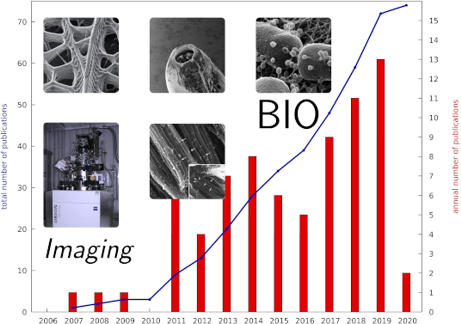
- sometimes treated with additional chemicals, such as 1% tannic acid (TA), and/or osmium-fixed to promote membrane integrity [61]. After fixation, water is removed from samples via dehydration in ethanol or methanol with increasing concentrations, for example, 30%, 75%, 95%, and 100% for 10 min each [60][62
- operated. Rice et al. used methanol during the dehydration stage, purged the samples with cold liquid CO2, and raised temperature and pressure to, respectively, 42 °C and 1200 psi for equilibration for more than 4 min [15]. The pressure was then reduced (<100 psi/min) at constant temperature (32 °C) until


Nanocasting synthesis of BiFeO3 nanoparticles with enhanced visible-light photocatalytic activity
Beilstein J. Nanotechnol. 2020, 11, 1822–1833, doi:10.3762/bjnano.11.164
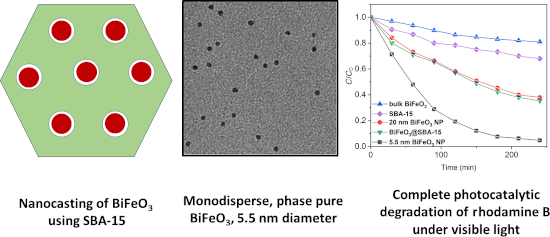
- as methanol, dimethylformamide, acetonitrile, hexane/water mixtures, and toluene as well as toluene/water mixtures, in the presence or absence of tartaric acid and oxalic acid, lead either to the formation of multiple phases or amorphous products. In order to improve product formation using 2




PEG/PEI-functionalized single-walled carbon nanotubes as delivery carriers for doxorubicin: synthesis, characterization, and in vitro evaluation
Beilstein J. Nanotechnol. 2020, 11, 1728–1741, doi:10.3762/bjnano.11.155
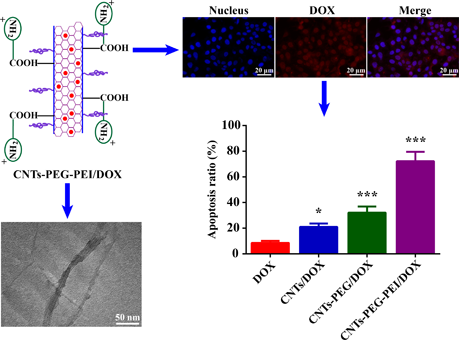
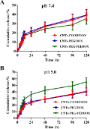
- mL of methanol and ultrasonically treated for 1 h. EDC·HCl and NHS were added under stirring at room temperature for 4 h. 200 mg of PEI was added and reacted with the CNTs-PEG solution under stirring for 24 h. Then, the precipitate was washed with methanol and deionized water alternately. The product




Gas sorption porosimetry for the evaluation of hard carbons as anodes for Li- and Na-ion batteries
Beilstein J. Nanotechnol. 2020, 11, 1217–1229, doi:10.3762/bjnano.11.106
- wt % methanol) (Sigma-Aldrich, Germany) was added under vigorous stirring. After mixing for 5 min, the solution was kept at 40 °C for 24 h for gelation and then aged at 80 °C for 24 h. The gel was washed with ethanol at 60 °C for 4 h three times and dried at 60 °C. The dried gel was subsequently


Straightforward synthesis of gold nanoparticles by adding water to an engineered small dendrimer
Beilstein J. Nanotechnol. 2020, 11, 1110–1118, doi:10.3762/bjnano.11.95
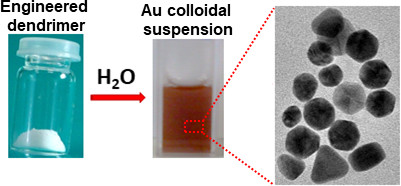
- compound 4 in organic solvents such as methanol or DMSO yielded colorless solutions. On the other hand, when the white powdered form of compound 4 was dissolved in water it instantaneously led to a deep red colloidal suspension, as shown in Figure 2. The red color was a strong indicator of the presence of


A few-layer graphene/chlorin e6 hybrid nanomaterial and its application in photodynamic therapy against Candida albicans
Beilstein J. Nanotechnol. 2020, 11, 1054–1061, doi:10.3762/bjnano.11.90
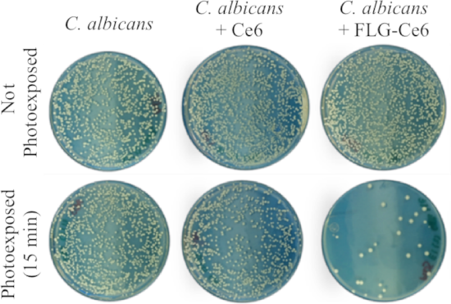
- by the exfoliation of graphite in sterile deionized water using Ce6 as the stabilizing molecule. To do this, graphite was sterilized by exposure to ultraviolet light for 45 min, and a methanol solution of Ce6 was filtered using a 0.2 μm pore size filter to ensure the sterility of the sample. The
- Bay Carbon, Inc., respectively. 1 mg of graphite and 2 mL of a solution of Ce6/methanol at 1 mg/mL was added to 8 mL of deionized water. The sample was sonicated for 45 min using a Branson 2510 ultrasonic bath with a frequency of 40 kHz and power of 130 W, then centrifuged at 500 rpm for 90 min. The


A 3D-polyphenylalanine network inside porous alumina: Synthesis and characterization of an inorganic–organic composite membrane
Beilstein J. Nanotechnol. 2020, 11, 938–951, doi:10.3762/bjnano.11.78
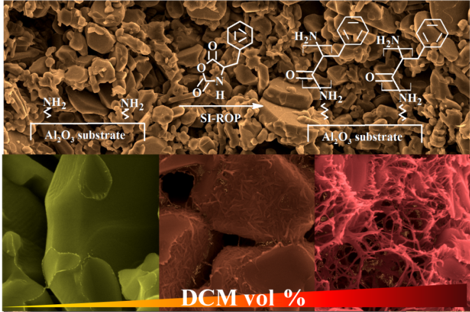
- fraction of DCM in the solvent mixture), the adsorption capability is decreased by a decreasing number of available flow channels. Owing to the remaining water in the elution fraction, the calculation of the amount of desorbed chloroanilic acid after the elution step with methanol is challenging. In this
- methanol followed by equilibration with 2 mL of deionized water with the same flow rate. The amount of adsorbed chloroanilic acid (analyte) was determined from the collected solution of the loading step by UV–vis spectroscopy at a wavelength of 331 nm [73]. The membranes were placed in a stainless-steel


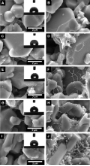


Transition from freestanding SnO2 nanowires to laterally aligned nanowires with a simulation-based experimental design
Beilstein J. Nanotechnol. 2020, 11, 843–853, doi:10.3762/bjnano.11.69
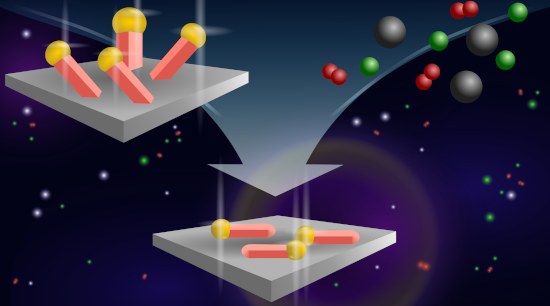
- methanol. After a rest duration of 10 min, the samples were cleaned with DI water and dried with nitrogen. The as-cleaned samples were dried in a desiccator and afterwards cleaned in a UV/ozone cleaning system to remove residual organics at the substrate surface. Growth and characterization of the


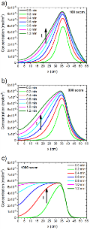
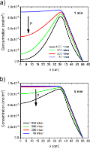



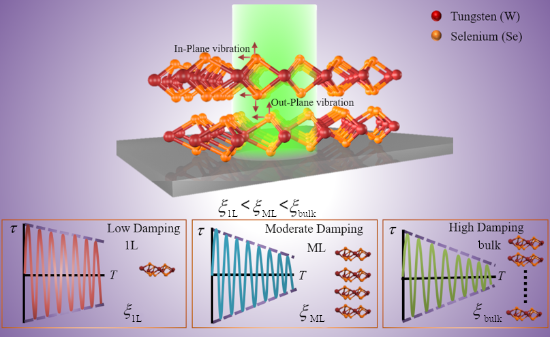
Light–matter interactions in two-dimensional layered WSe2 for gauging evolution of phonon dynamics
Beilstein J. Nanotechnol. 2020, 11, 782–797, doi:10.3762/bjnano.11.63
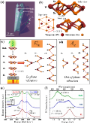
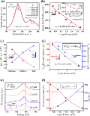
- substrates were cleaned using acetone, isopropyl alcohol and methanol solution in an ultrasonicator, and rinsed with DI water. Nitrogen blow drying and substrate heating on a hotplate at T = 110 °C for 5 min allowed any residual moisture from the substrate surface to be removed. The micro-Raman and PL
Exfoliation in a low boiling point solvent and electrochemical applications of MoO3
Beilstein J. Nanotechnol. 2020, 11, 662–670, doi:10.3762/bjnano.11.52
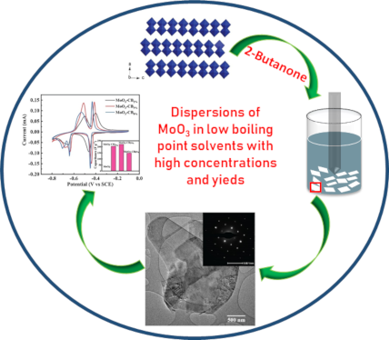
- boiling point, such as isopropyl alcohol (IPA) [5]. Alternative approaches for obtaining MoO3 dispersions in low boiling point solvents have also been reported. For instance, Alsaif et al. have exfoliated MoO3 in mixtures of water and alcohols (methanol, ethanol, IPA) [12]. In these dispersions molybdenum

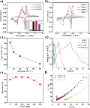
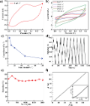
Interfacial charge transfer processes in 2D and 3D semiconducting hybrid perovskites: azobenzene as photoswitchable ligand
Beilstein J. Nanotechnol. 2020, 11, 466–479, doi:10.3762/bjnano.11.38
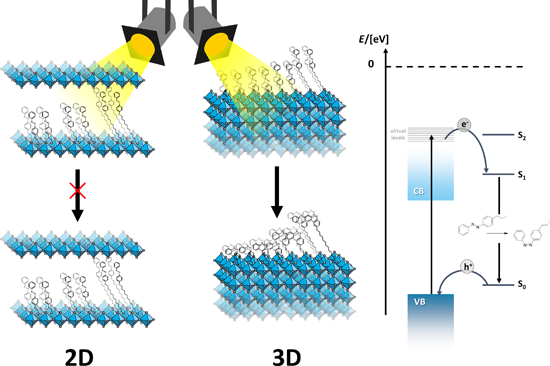
- temperature. The solvent was removed, and the residue was dissolved in ethyl acetate (EA) and methanol (MeOH) (5:1) and filtered over silica gel. The solvent was removed and a yellowish powder was obtained [61]. The product was characterized by using 1H NMR spectroscopy. 1H NMR (400 MHz, DMSO-d6) n = 1: δ


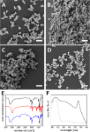


Nanoparticles based on the zwitterionic pillar[5]arene and Ag+: synthesis, self-assembly and cytotoxicity in the human lung cancer cell line A549
Beilstein J. Nanotechnol. 2020, 11, 421–431, doi:10.3762/bjnano.11.33
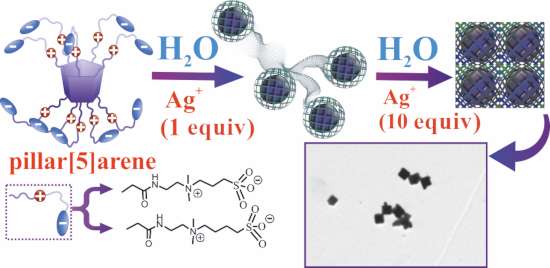
- [5]arene (2) Pillar[5]arene 1 (0.30 g, 0.2 mmol) was suspended in methanol (10 mL). Then N,N-dimethylethan-1,2-diamine (0.26 g, 3.0 mmol, 0.33 mL) was added to the reaction mixture. The reaction mixture was refluxed for 72 h. The residue was dissolved in chloroform (20 mL) and washed several times




Poly(1-vinylimidazole) polyplexes as novel therapeutic gene carriers for lung cancer therapy
Beilstein J. Nanotechnol. 2020, 11, 354–369, doi:10.3762/bjnano.11.26
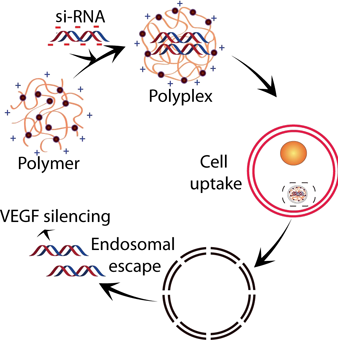
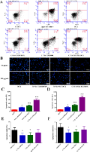
- seeded in the upper compartment of the transwell chamber and the lower chamber contained complete media with 10% FBS. After 24 h, the cells migrated through the membrane were quick fixed with 100% cold methanol for 15 min at −20 °C and then rinsed with DPBS. The fixed cells were stained with 0.5% crystal


High-performance asymmetric supercapacitor made of NiMoO4 nanorods@Co3O4 on a cellulose-based carbon aerogel
Beilstein J. Nanotechnol. 2020, 11, 240–251, doi:10.3762/bjnano.11.18
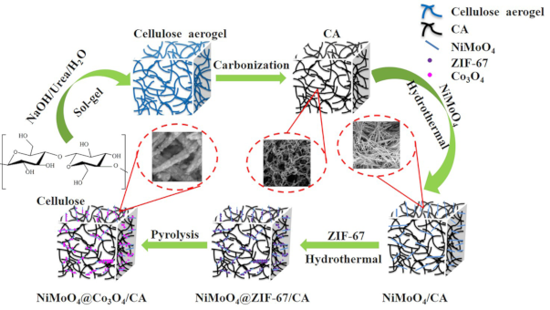
- cellulose (MC) (particle size: 50 μm) were purchased from Aladdin Chemical Reagent Co. Ltd. Sodium hydroxide (NaOH), urea, methanol and anhydrous ethanol were purchased from Sinopharm Chemical Reagent Co. Ltd. AC was purchased from Fujian Xinsen Carbon Industry Co. Ltd. All chemical reagents were used
- . Typically, 1 mmol Co(NO3)2·6H2O and 4 mmol 2-MeIM were dissolved in 25 mL methanol. The solutions were mixed under vigorous stirring for 2 min. Then, the solutions and the activated NiMoO4/CA were placed in a Teflon-lined autoclave. The autoclave was kept at 100 °C for 24 h and then cooled to room




Bombesin receptor-targeted liposomes for enhanced delivery to lung cancer cells
Beilstein J. Nanotechnol. 2019, 10, 2553–2562, doi:10.3762/bjnano.10.246
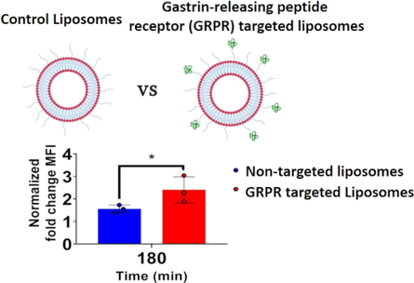
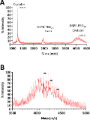
- cystabn (13.3 μmol in 2 mL methanol) and stirred for 24 h at RT under nitrogen gas. After confirmation of successful conjugation by MALDI–TOF mass spectrometry analysis the solvent was evaporated and the reaction mixture re-dissolved in milli-Q water. Unreacted peptide was removed by dialysis against

Synthesis and acetone sensing properties of ZnFe2O4/rGO gas sensors
Beilstein J. Nanotechnol. 2019, 10, 2516–2526, doi:10.3762/bjnano.10.242
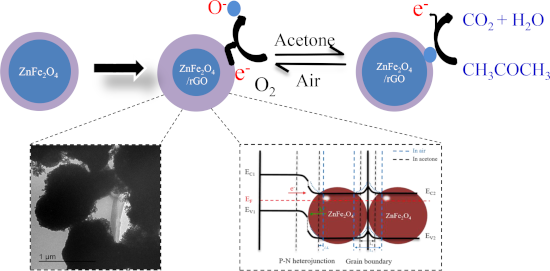
- sensors is an important issue for practical applications. Herein, ethanol, methanol and formaldehyde were selected to measure the selectivity of the 0.5 wt % ZnFe2O4/rGO gas sensor at 200 °C. As shown in Figure 10, the responses to 10 ppm acetone, ethanol, methanol and formaldehyde were 8.18, 2.76, 2.05
- spheres of pure ZnFe2O4 and (b) of ZnFe2O4/rGO with 0.5 wt % rGO to acetone at different concentration. Response of the 0.5 wt % ZnFe2O4/rGO sensor to 10 ppm of acetone, ethanol, methanol and formaldehyde at 200 °C. Schematic of the proposed acetone sensing mechanism of ZnFe2O4/rGO. Band diagram of rGO




Air oxidation of sulfur mustard gas simulants using a pyrene-based metal–organic framework photocatalyst
Beilstein J. Nanotechnol. 2019, 10, 2422–2427, doi:10.3762/bjnano.10.232
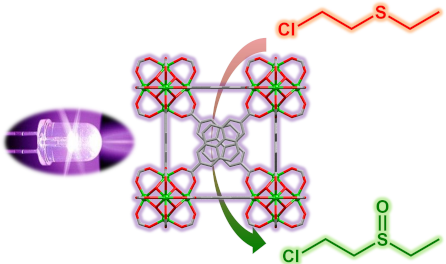
- points, filtered using syringe filters and, after dilution with dichloromethane, analyzed by GC-FID to monitor the reaction kinetics. Oxidation products were analyzed by NMR spectroscopy using deuterated methanol as a solvent. Under these conditions, reaction monitoring revealed that complete and




Semitransparent Sb2S3 thin film solar cells by ultrasonic spray pyrolysis for use in solar windows
Beilstein J. Nanotechnol. 2019, 10, 2396–2409, doi:10.3762/bjnano.10.230
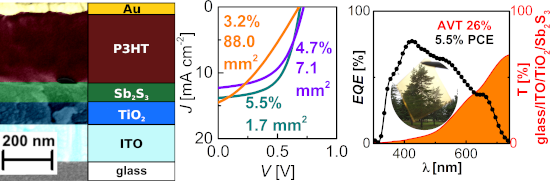
- annealed at 450 °C for 30 min in air to form anatase. Amorphous layers of Sb2S3 were deposited by ultrasonic spray pyrolysis in air from a solution of SbCl3 (99% w/w) and SC(NH2)2 (98% w/w), Sb/S molar ratio 1:3, dissolved in methanol (99.8% v/v), according to a previously published procedure [46]. The
- Sb2S3 thin film thickness was controlled by varying the concentration of SbCl3 and SC(NH2)2 (1:3) in methanol. The Sb2S3 thin films were crystallized by annealing in vacuum (≤4 × 10⁻⁶ torr) at 170 °C for 5 min. We observed that without annealing of Sb2S3, the solar cells of the same structure showed a



Multiwalled carbon nanotube based aromatic volatile organic compound sensor: sensitivity enhancement through 1-hexadecanethiol functionalisation
Beilstein J. Nanotechnol. 2019, 10, 2364–2373, doi:10.3762/bjnano.10.227
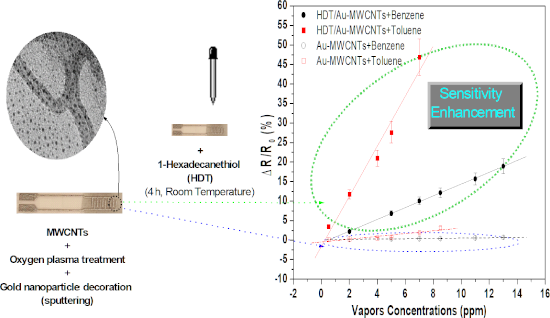
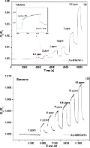
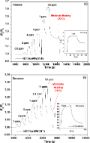
- , and are unlikely to interact with the nonpolar vapours. In order to prove the improved selectivity of the developed sensor toward benzene and toluene vapours, we tested the sensor response to methanol and acetone vapours, which are polar solvents. The sensor response to these nonaromatic VOC vapours
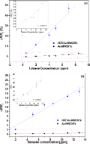
- are summarized in Supporting Information File 1 (Figures S1 and S2). The associated calibration curves and compared sensitivities are presented in Figure 7 and Table 1, respectively. The sensitivity of the HDT sensors with aromatic solvents is larger in comparison with methanol and acetone. This can
- methanol and acetone nonaromatic VOC detection. (a) Response and (b) recovery times of Au-MWCNT and HDT/Au-MWCNT sensors towards tested vapours. Au-MWCNT and HDT/Au-MWCNT sensor sensitivity for aromatic and nonaromatic vapours. Supporting Information Supporting Information File 270: Details on the HDT/Au




Design of a nanostructured mucoadhesive system containing curcumin for buccal application: from physicochemical to biological aspects
Beilstein J. Nanotechnol. 2019, 10, 2304–2328, doi:10.3762/bjnano.10.222


Nontoxic pyrite iron sulfide nanocrystals as second electron acceptor in PTB7:PC71BM-based organic photovoltaic cells
Beilstein J. Nanotechnol. 2019, 10, 2238–2250, doi:10.3762/bjnano.10.216
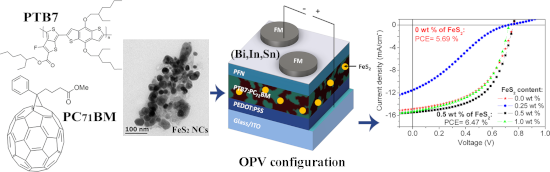
- was heated and contained at 220 °C for 2 h. Once the reaction was finished, the product was cooled down to 110 °C. Subsequently, 5 mL of chloroform was added, and the solution was kept at room temperature. Finally, 35 mL of methanol was added to purify the product by centrifugation. This step was


Ultrathin Ni1−xCoxS2 nanoflakes as high energy density electrode materials for asymmetric supercapacitors
Beilstein J. Nanotechnol. 2019, 10, 2207–2216, doi:10.3762/bjnano.10.213
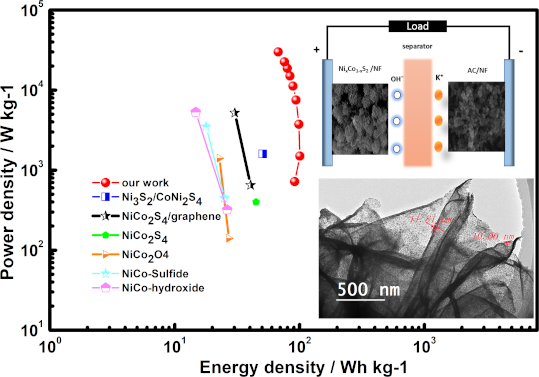
- hexahydrate (Co(NO3)2·6H2O), 2-methylimidazole (2MI), sulfur powder, absolute methanol and all other reagents were analytical grade and used as received without further purification unless otherwise stated. Deionised water was provided by a Milli-Q water system. YP-50F activated carbon was bought from Kuraray
- nitrate hexahydrate and 40 mmol·L−1 2MI were first dissolved in absolute methanol, and then mixed to make a total volume of 60 mL solution. After stirring at 400 rpm for 10 to 15 min, the well-mixed solution was transferred into a 120 mL Teflon-lined stainless steel autoclave reactor. The reaction was
- carried out at 120 °C for 14 h. After cooling to room temperature, the as-prepared precipitates were rinsed with absolute methanol at least four times till the pink–purple colour of the solution turned into yellow. The precipitates were fully dried in air at 75 °C for 12 h before being ground to powder


Mannosylated brush copolymers based on poly(ethylene glycol) and poly(ε-caprolactone) as multivalent lectin-binding nanomaterials
Beilstein J. Nanotechnol. 2019, 10, 2192–2206, doi:10.3762/bjnano.10.212
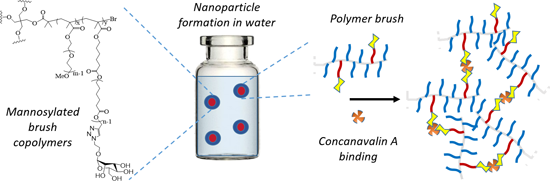
- crude in 22 mL of methanol and dropping it in 1320 mL of vigorously stirred water. The resulting precipitate was isolated by removing the supernatant, dissolved in CH2Cl2 and anhydrified with anhydrous sodium sulphate. Subsequently it was filtered, and the filtrate was dried under reduced pressure