


Search results
Search for "nanostructure" in Full Text gives 366 result(s) in Beilstein Journal of Nanotechnology. Showing first 200.
Numerical study on all-optical modulation characteristics of quantum cascade lasers
Beilstein J. Nanotechnol. 2022, 13, 1011–1019, doi:10.3762/bjnano.13.88
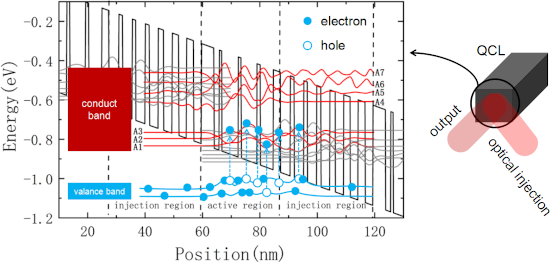
- optimizing its use and dielectric nanostructure design. Keywords: all-optical modulation; dielectric nanostructures; high refractive index materials; numerical study; quantum cascade lasers; Introduction The quantum cascade laser (QCL) was invented nearly 30 years ago [1], and its cavity consists of
- simulation, it would be very helpful for optimizing its use and dielectric nanostructure design. Although there has been much research on all-optical modulation of QCLs, only optical injection locking [14] and quenching [15][16] can currently provide one-sided numerical support. Based on the classical 1


Effects of focused electron beam irradiation parameters on direct nanostructure formation on Ag surfaces
Beilstein J. Nanotechnol. 2022, 13, 1004–1010, doi:10.3762/bjnano.13.87
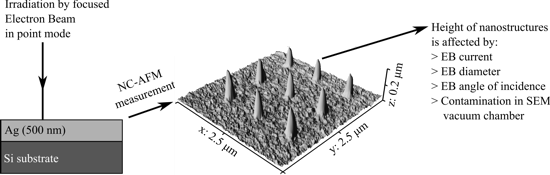
- surfaces undergoing irradiation by a focused electron beam. Keywords: atomic force microscopy; electron beam; lithography; nanostructure; silver; sputtering; surface; Introduction Metallic nanostructures have various uses, including in nano-electro-mechanical systems [1], plasmonic biosensors [2], and
- fields of nanotechnology [33][34][35][36]. Therefore, understanding the process of nanostructure formation from hydrocarbon deposition on metal surfaces via focused electron irradiation is important. In this work we sought to deepen that understanding by observing how changing individual irradiation
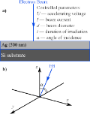
- of the nanostructure from 200 to 60 nm, as the angle of incidence increased up to 50° (Figure 4). We expected to observe a displacement of the peaks of the nanostructures towards the direction of the EB as the angle of incidence was increased; however, Figure 5 shows this did not happen. When




A nonenzymatic reduced graphene oxide-based nanosensor for parathion
Beilstein J. Nanotechnol. 2022, 13, 730–744, doi:10.3762/bjnano.13.65
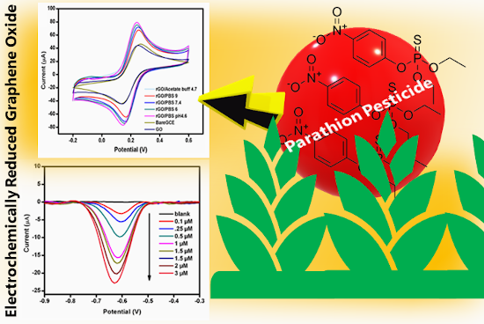
- GO. The SEM micrograph of ERGO (Figure 3G) also shows graphene sheet exfoliated layers compared to GO (Figure 3F). The FESEM image also depicts the flaked nanostructure of RGO (Figure 3H). Electrochemical characterization of the modified electrode The electronic properties of graphene materials


Detection and imaging of Hg(II) in vivo using glutathione-functionalized gold nanoparticles
Beilstein J. Nanotechnol. 2022, 13, 549–559, doi:10.3762/bjnano.13.46
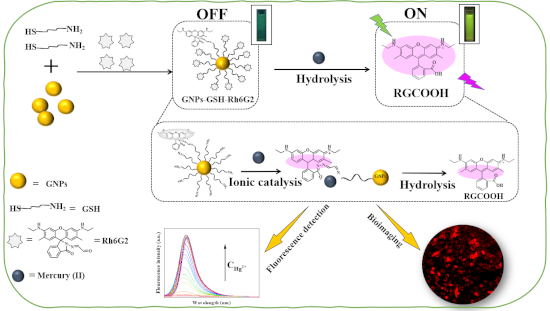
- GSH-Rh6G2 was observed (Figure S3, Supporting Information File 1). GSH binds to GNPs via the thiol moiety, leading to an exposure of the amino group. Functional molecules can be directly bound via GSH, providing a stable environment based on the GNP nanostructure. The UV–vis absorption and
- may be due to the introduction of gold nanostructures. Previous studies showed that GNPs-GSH-Rh6G2 permeate well into cells [48][57][58]. Cytotoxicity studies of nanomaterials are important to determine the effects of different components of the nanostructure [59][60]. The cytotoxicity of GSH-Rh6G2


Zinc oxide nanostructures for fluorescence and Raman signal enhancement: a review
Beilstein J. Nanotechnol. 2022, 13, 472–490, doi:10.3762/bjnano.13.40
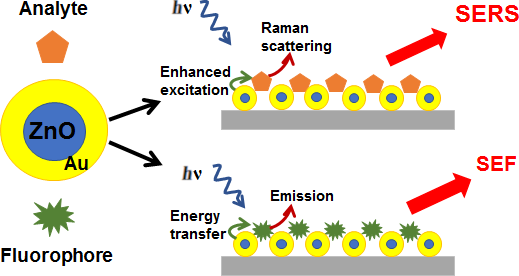
- fluorophore and the surface plasmon field of the metallic nanostructure. This interaction leads to the enhancement of fluorophore emission, being an adequate method to improve the sensitivity of fluorescence detection of molecules. Based on the above, MEF is also referred to as plasmon-enhanced fluorescence
- (PEF). The excitation of localized surface plasmon resonances in the metal nanostructures can lead to an enhancement of the local field and emission intensity. The coupling between the confined field of surface plasmons of the metal nanostructure with the emission spectra of the fluorophores is




A non-enzymatic electrochemical hydrogen peroxide sensor based on copper oxide nanostructures
Beilstein J. Nanotechnol. 2022, 13, 424–436, doi:10.3762/bjnano.13.35
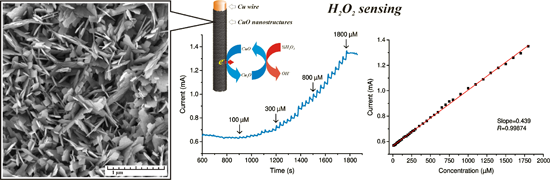
- precursor of Cu ions as well as a substrate for the nanostructure growth. In this case there is no need to use an additional seed layer of CuO [74], which greatly simplifies the electrode manufacturing process and improves the adhesion of the nanostructured layer to Cu. The spherical shape of the obtained




The effect of metal surface nanomorphology on the output performance of a TENG
Beilstein J. Nanotechnol. 2022, 13, 298–312, doi:10.3762/bjnano.13.25
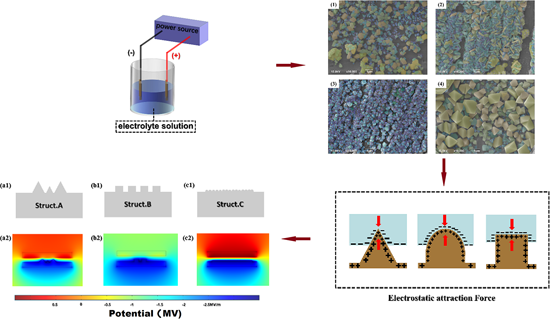
- image that when a pressure of 3 MPa is applied to the PTFE surface at the top of the Cu nanoparticles, the surface structure of the PTFE polymer is bent (Figure 11). The large nanostructures on both edges are in contact with the polymer surface, but the small nanostructure in the middle is not in





Sputtering onto liquids: a critical review
Beilstein J. Nanotechnol. 2022, 13, 10–53, doi:10.3762/bjnano.13.2

- ][25]. Also, the micro/nanostructure of the films is a very important aspect of the tailoring, and the sputtering process usually allows for controlling coating density, crystallinity, and micro/nanostructure to some extent by carefully varying the working parameters. For instance, energy transferred






Alteration of nanomechanical properties of pancreatic cancer cells through anticancer drug treatment revealed by atomic force microscopy
Beilstein J. Nanotechnol. 2021, 12, 1372–1379, doi:10.3762/bjnano.12.101
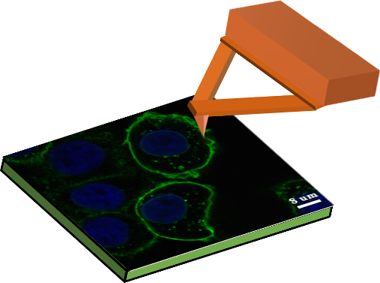
- been elucidated. Such elucidation could hint to possible early ways of diagnosis and efficient drugs for controlling or even curing pancreatic cancer. Herein, nanostructure and Young's modulus of normal and PCCs were measured with AFM. The results illustrate that the Young's modulus of normal cells
- membranes were stained with Hoechst 33342 (1 µg/mL) or AF488-WGA (1 µg/mL) for 10 min. Then, the cells were rinsed three times with PBS before imaging with laser confocal microscopy. To investigate the effect of DOX on the nanostructure of MIA-PaCa-2, cell nuclei and the cytoskeleton were stained with DAPI
- < 0.001. Results and Discussion The nanostructure of different types of cells The morphology of different types of cells characterized by laser confocal microscopy is shown in Figure 2a–d. It is apparent that HPDE6-C7 cells are oval or round with a cell size of tens of micrometers (Figure 2a). BxPC-3


Plasmon-enhanced photoluminescence from TiO2 and TeO2 thin films doped by Eu3+ for optoelectronic applications
Beilstein J. Nanotechnol. 2021, 12, 1271–1278, doi:10.3762/bjnano.12.94
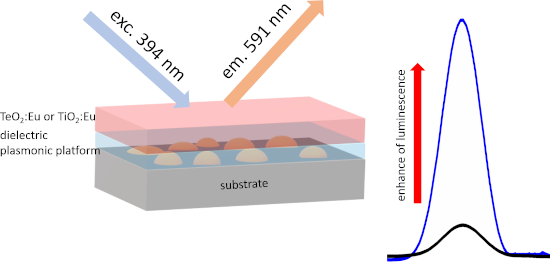
- nanostructure with a diameter of ca. 50 nm is not perfectly spherical, but flattened on the substrate side. An exemplary transmittance spectrum recorded for the plasmonic platform is presented in Figure 3. A strong transmittance minimum, corresponding to plasmon resonance is observed at about 530 nm. The rapid


Morphology-driven gas sensing by fabricated fractals: A review
Beilstein J. Nanotechnol. 2021, 12, 1187–1208, doi:10.3762/bjnano.12.88
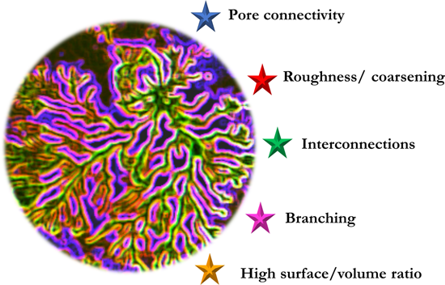
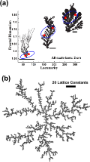
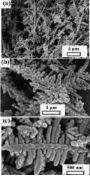
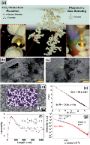
- ethanol and citric acid played a vital role in the growth of the dendrite nanostructure, which exhibited a fractal dimension of 1.94. Bismuth vanadate -based fractals Zhao et al. synthesized large-scale highly uniform hyperbranched monoclinic BiVO4 (h-BiVO4) structures by a surfactant-free hydrothermal
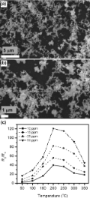
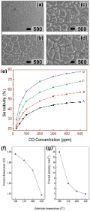
- substrate, respectively. Figure 22d illustrates the SEM image of Au–Bi2O3 fractal employed for box-counting. Figure 22e–g shows the estimation of the fractal dimensions of the fabricated cluster. Pang et al. synthesized a dendrite-like Co3O4 nanostructure composed of numerous nanorods (15–20 nm diameter and
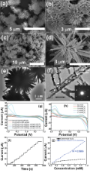
- 2–3 µm length) by a hydrothermal method and calcined the fabricated nanostructure precursors in air [84]. Figure 23a–f shows SEM and TEM micrographs with selected-area electron diffraction (SAED) patterns of the Co3O4 nanostructures. Hydrogen peroxide (H2O2) was detected by an electrochemical sensor










Irradiation-driven molecular dynamics simulation of the FEBID process for Pt(PF3)4
Beilstein J. Nanotechnol. 2021, 12, 1151–1172, doi:10.3762/bjnano.12.86
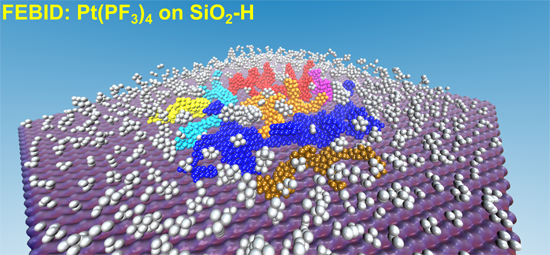
- fragmentation and the related mechanism of nanostructure formation and growth using FEBID, which are essential for the further advancement of FEBID-based nanofabrication. The developed computational methodology is general and applicable to different precursor molecules, substrate types, and irradiation regimes
- . The methodology can also be adjusted to simulate the nanostructure formation by other nanofabrication techniques using electron beams, such as direct electron beam lithography. In the present study, the methodology is applied to the IDMD simulation of the FEBID of Pt(PF3)4, a widely studied precursor
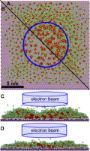
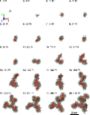
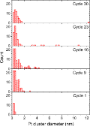
- molecule, on a SiO2 surface. The simulations reveal the processes driving the initial phase of nanostructure formation during FEBID, including the nucleation of Pt atoms and the formation of small metal clusters on the surface, followed by their aggregation and the formation of dendritic platinum








Self-assembly of amino acids toward functional biomaterials
Beilstein J. Nanotechnol. 2021, 12, 1140–1150, doi:10.3762/bjnano.12.85
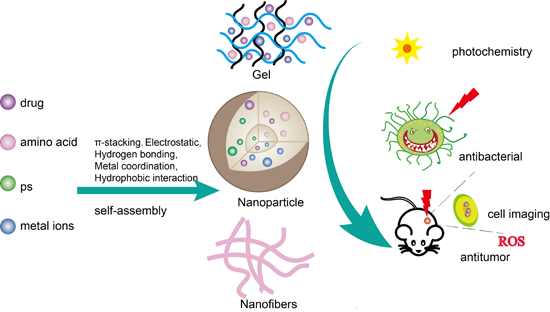
- biomedical science. The nanostructure of amino acids can be a good substitute for therapeutic delivery due to its good biocompatibility, functionalization, and ease of design/synthesis. Self-assembled nanostructures have become smart tools in the biomedical field, as demonstrated by the ability of self

Comprehensive review on ultrasound-responsive theranostic nanomaterials: mechanisms, structures and medical applications
Beilstein J. Nanotechnol. 2021, 12, 808–862, doi:10.3762/bjnano.12.64
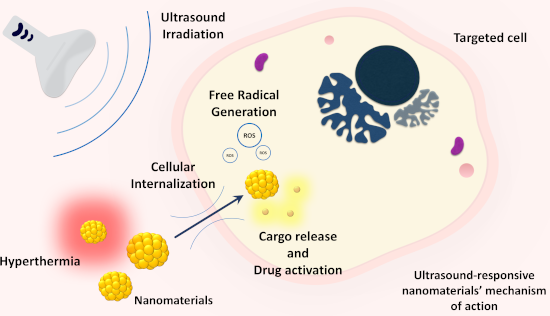
- ]. In other cases, disruption and destabilization of the complex nanostructure subsequent to US vibration leads to drug release [28][29][30]. In addition, the ultrasonication of certain complexes can generate free radicals that can cause cell damage or activation of cellular signaling pathways [31
- ]. Many studies have demonstrated further applications of ARF in biomedical fields [109][110]. It is possible to deliver force in a noncontact manner using ARF [90], and ARF has been considered as one possible mechanism in nanostructure-based theranostics [111]. The biomedical applications of ARF have
- ]. Various nanostructures have been developed for free radical generation under US irradiation. A novel nanostructure was constructed based on a BNN-type NO-releasing molecule and superparamagnetic iron oxide nanoparticles (SPION)-encapsulated mesoporous silica NPs (MSN) which could generate NO free radicals


Nanoporous and nonporous conjugated donor–acceptor polymer semiconductors for photocatalytic hydrogen production
Beilstein J. Nanotechnol. 2021, 12, 607–623, doi:10.3762/bjnano.12.50
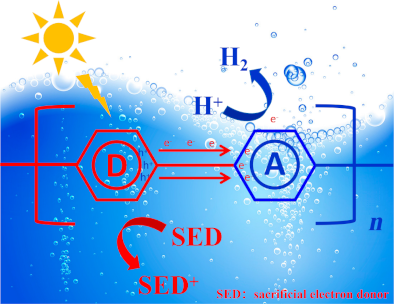
- units. The challenges and prospects associated with D–A polymer-based photocatalysts are described as well. Keywords: π-conjugated polymeric photocatalysts; donor–acceptor junctions; nanostructure semiconductors; photocatalytic hydrogen production; Introduction To date, fossil fuels still are the




Local stiffness and work function variations of hexagonal boron nitride on Cu(111)
Beilstein J. Nanotechnol. 2021, 12, 559–565, doi:10.3762/bjnano.12.46
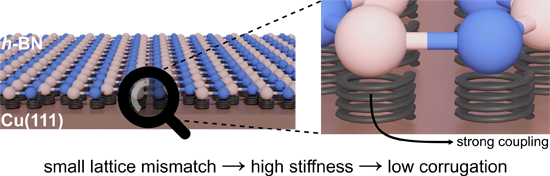
- measurement techniques agree well in their qualitative results as it is evident from the ΔΦ maps (see Figure 3c,e). Stiffness Probing the force perpendicular to the substrate, F⟂, at varying tip–sample separations z, the effective stiffness of a nanostructure can be evaluated by comparing the F⟂(z) behaviour


Boosting of photocatalytic hydrogen evolution via chlorine doping of polymeric carbon nitride
Beilstein J. Nanotechnol. 2021, 12, 473–484, doi:10.3762/bjnano.12.38
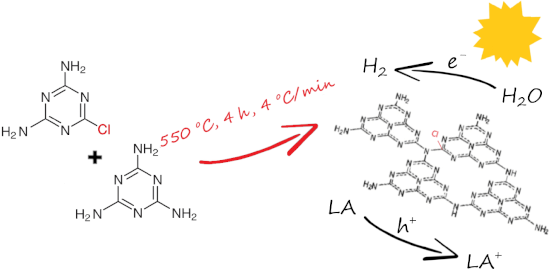
- the long-wavelength region, sluggish kinetics, and high recombination of photoexcited electron–hole pairs [19][20][21]. Tremendous efforts have been made in order to increase the photocatalytic activity of PCN materials by optimizing their nanostructure and improving their chemical surface texture


A review on nanostructured silver as a basic ingredient in medicine: physicochemical parameters and characterization
Beilstein J. Nanotechnol. 2021, 12, 440–461, doi:10.3762/bjnano.12.36
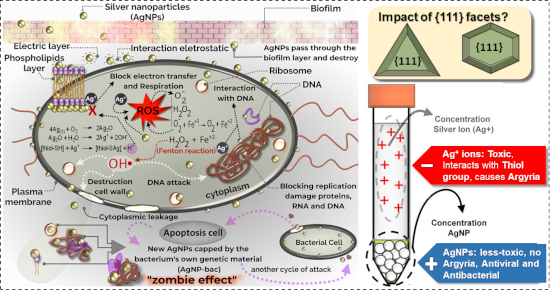
- dipolar surface plasmon frequency [61][62]. SPR can be modulated by controlling the shape of AgNPs, which in turn controls the ways in which the electrons oscillate. The light is spread and absorbed inside the nanostructure and intensifies the local electric fields [63]. In general, smaller nanoparticles


Solution combustion synthesis of a nanometer-scale Co3O4 anode material for Li-ion batteries
Beilstein J. Nanotechnol. 2021, 12, 424–431, doi:10.3762/bjnano.12.34
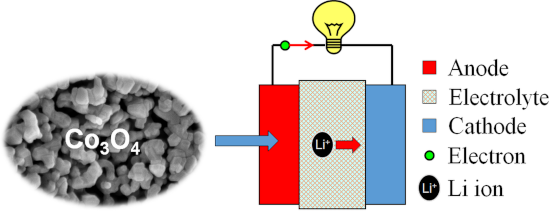
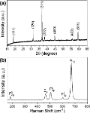
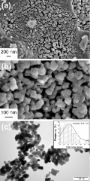
- materials (cf. Table S1 in Supporting Information File 1). Nevertheless, it is important to point out that the cobalt oxide nanostructure synthesized in this work has one of the lowest specific areas. This indicates a good reversibility of the lithium storage and release in the case of the investigated


Nickel nanoparticle-decorated reduced graphene oxide/WO3 nanocomposite – a promising candidate for gas sensing
Beilstein J. Nanotechnol. 2021, 12, 343–353, doi:10.3762/bjnano.12.28
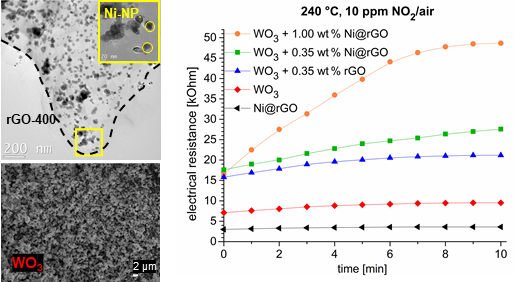
- recovery rate. Also, it should work at low cost and with low power consumption [3]. In comparison to conventional gas sensors, nanostructure-based gas sensors are more sensitive because of their increased detection area [4]. The most common mode used in gas sensing is the resistance mode, where the change
- composite create a hierarchical nanostructure and facilitate the diffusion of NO2 molecules, increasing the contacts and enhancing the chemisorption of the gas. rGO has large specific area and more active sites. Gas sensors of n-type semiconductors based on oxides exhibit resistance changes induced by


Exploring the fabrication and transfer mechanism of metallic nanostructures on carbon nanomembranes via focused electron beam induced processing
Beilstein J. Nanotechnol. 2021, 12, 319–329, doi:10.3762/bjnano.12.26
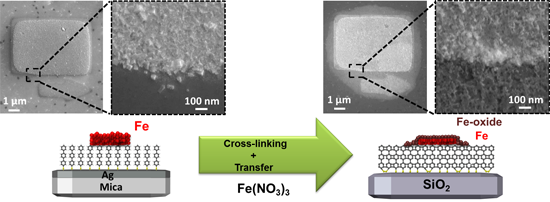
- hybrid structure can be lifted off from the substrate and transferred onto bulk substrates, such as SiO2, or onto TEM grids in order to obtain a free-standing CNM with a metallic nanostructure on top. It was shown that the membrane is mechanically stable enough during the whole process and that the
- the SAM, etching solution, and metallic nanostructures needs to be considered. Especially regarding the large amount of possible precursors in FEBIP [4], for each type of metallic nanostructure a suitable transfer mechanism needs to be investigated and the interactions during the transfer process need
- precursor dissociates locally on the activated sites. (e) Initial deposit that is formed by EBID respectively EBISA. (f) AG process that occurs on top of the initial deposit upon further precursor dosage. (g) Final well-defined nanostructure on top of a TPT on Ag(111)/mica sample. Results of FEBIP


Paper-based triboelectric nanogenerators and their applications: a review
Beilstein J. Nanotechnol. 2021, 12, 151–171, doi:10.3762/bjnano.12.12
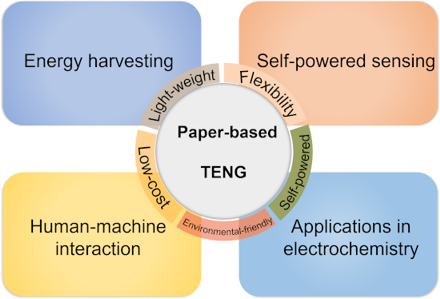
- introduce electronegative or electropositive functional groups) and micro-/nanostructure engineering (to introduce charge-trapping points to facilitate charge transfer) are effective ways to modulate the electronegativity. The surface modification of the friction materials is performed to implement chemical






A review on the green and sustainable synthesis of silver nanoparticles and one-dimensional silver nanostructures
Beilstein J. Nanotechnol. 2021, 12, 102–136, doi:10.3762/bjnano.12.9
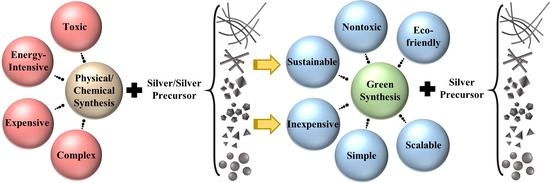
- reaction parameters, such as temperature, pH, precursor, and reagent concentration, on silver nanostructure size and morphology are discussed. Also, green synthesis techniques used for the synthesis of one-dimensional (1D) silver nanostructures have been reviewed, and the potential of alternative green
- morphologies (especially 1D ones) and the possibility of altering current techniques towards more environmentally friendly, more energy-efficient, less hazardous, simpler, and cheaper procedures. Keywords: green nanotechnology; green reagents; green synthesis; one-dimensional silver nanostructure; silver
- nanoparticles. The main purpose of such methodologies is to minimize environmental toxicity and health-related hazards [104][214][251][252][253]. In most green silver nanostructure synthesis processes, the reduction of Ag+ to Ag0 is performed either by biological species or by bio-based compounds derived from a


Bio-imaging with the helium-ion microscope: A review
Beilstein J. Nanotechnol. 2021, 12, 1–23, doi:10.3762/bjnano.12.1
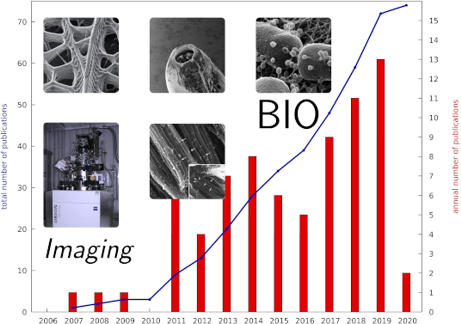
- nanopillar texture on the wing of a dragonfly Orthetrum villosovittatum was studied. In addition to imaging the wing alone, samples were prepared with E. coli bacteria on them, to study the bactericidal properties of the nanostructure. Along similar lines, the nanostructures on the wings of three different
- rhizobacterial biofilm on the root under dryland and irrigation conditions was studied by fluorescent microscopy and SEM on a larger scale. HIM was used to visualise the nanostructure of the bacterial colonies; however, no micrographs with sub-20 nm resolution are shown. The second publication is an extended


Unravelling the interfacial interaction in mesoporous SiO2@nickel phyllosilicate/TiO2 core–shell nanostructures for photocatalytic activity
Beilstein J. Nanotechnol. 2020, 11, 1834–1846, doi:10.3762/bjnano.11.165
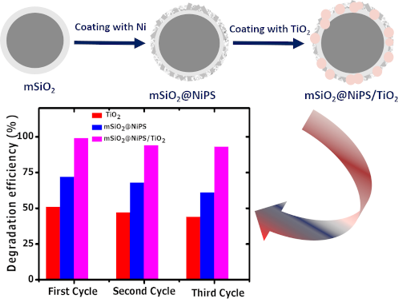
- @NiPS/TiO2) core–shell nanostructures. The TEM results showed that the mSiO2@NiPS composite has a core–shell nanostructure with a unique flake-like shell morphology. XPS analysis revealed the successful formation of 1:1 nickel phyllosilicate on the SiO2 surface. The addition of TiO2 to the mSiO2@NiPS
- the core–shell nanostructure and yielded superior photocatalytic properties. Keywords: bandgap energy; core–shell; dye degradation; nickel phyllosilicate; photocatalysts; Introduction Textile dyes and organic compounds are major water pollutants, which create an environmental hazard to aquatic
- good support for the TiO2 nanoparticles. Further, a coating of TiO2 on the SiO2@NiPS surface greatly impacted the surface features and optoelectronic properties of the core–shell nanostructure and yielded superior photocatalytic properties. Results and Discussion Morphological features, textural, and





