


Search results
Search for "reactivity" in Full Text gives 283 result(s) in Beilstein Journal of Nanotechnology. Showing first 200.
DNA aptamer selection and construction of an aptasensor based on graphene FETs for Zika virus NS1 protein detection
Beilstein J. Nanotechnol. 2022, 13, 873–881, doi:10.3762/bjnano.13.78
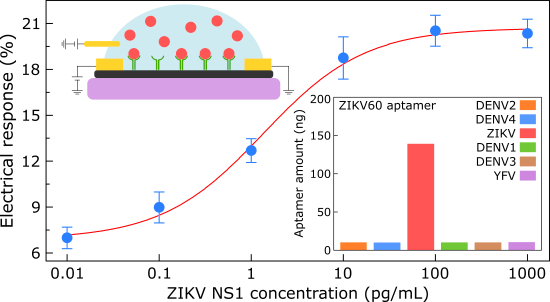
- where more than one flavivirus co-circulates and YFV vaccination is mandatory. The traditional serological approaches present relatively high antigenic cross-reactivity. Molecular techniques have been successfully applied for flavivirus infection diagnosis offering the advantages of speed, sensitivity
- detection. Results and Discussion A simple, economical, sensitive, and specific diagnostic test is required to help to control flavivirus infections. The serological approaches currently available are limited due to the cross-reactivity between the members of the Flavivirus genus. Molecular diagnosis
- and is the same as found in biological samples. To obtain aptamers specific for the ZIKV NS1 protein, counterselections with NS1 proteins of DENV (serotypes 1, 2, 3, and 4) and YFV were included. Carrying out counterselections with homologous proteins is advantageous to avoid cross-reactivity. By this



Temperature and chemical effects on the interfacial energy between a Ga–In–Sn eutectic liquid alloy and nanoscopic asperities
Beilstein J. Nanotechnol. 2022, 13, 817–827, doi:10.3762/bjnano.13.72
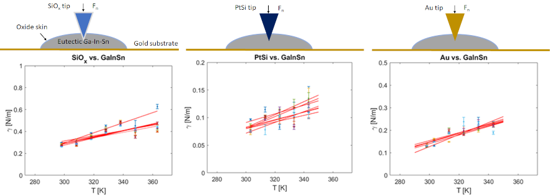
- increase of the interfacial energy as a function of the temperature, which can be explained by the reactivity between SiOx and Ga and the occurrence of chemical segregation at the liquid alloy surface. Keywords: atomic force microscopy (AFM); interfacial energy; liquid alloy; Introduction Recently, room
- could be tuned by texturing the substrate surface. The wetting of gallium-based liquid alloys is thus complex and depends on the stability of the oxide at the liquid–substrate interface, the reactivity with the substrate material, and the substrate topography. In this work, we applied atomic force
- depend on the chemistry of the asperities. Furthermore, we observe a weak increase of the interfacial energy as a function of the temperature. We discuss our results based on the reactivity between SiOx and Ga and the occurrence of chemical segregation at the liquid alloy surface. Experimental We



Optimizing PMMA solutions to suppress contamination in the transfer of CVD graphene for batch production
Beilstein J. Nanotechnol. 2022, 13, 796–806, doi:10.3762/bjnano.13.70
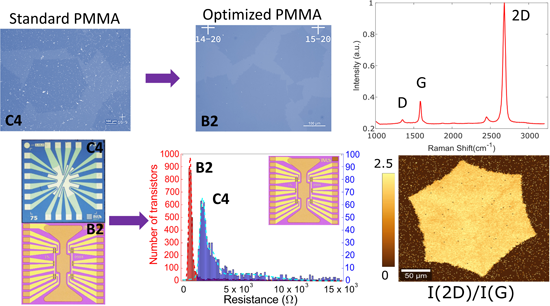
- stability and impermeability to gases and liquids. In contrast, the surrounding exposed areas of the Cu foil surface exhibited high reactivity and were readily oxidized to copper oxides with a noticeable color change. The apparent color contrast between the oxidized and non-oxidized Cu surfaces made the




Hierarchical Bi2WO6/TiO2-nanotube composites derived from natural cellulose for visible-light photocatalytic treatment of pollutants
Beilstein J. Nanotechnol. 2022, 13, 745–762, doi:10.3762/bjnano.13.66
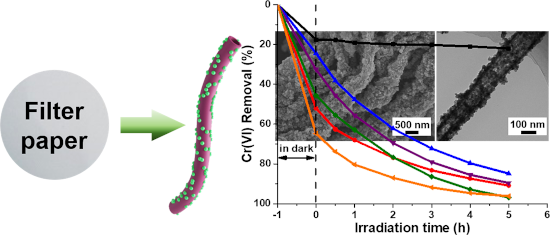
- method for the reduction of Cr(VI) into Cr(III) due to its high efficiency, energy-saving, and nonpolluting advantages [4]. Among the various photocatalysts, traditional titania (TiO2) photocatalysts have received great attention due to their high reactivity, excellent stability, and nontoxicity [5][6][7


Engineered titania nanomaterials in advanced clinical applications
Beilstein J. Nanotechnol. 2022, 13, 201–218, doi:10.3762/bjnano.13.15
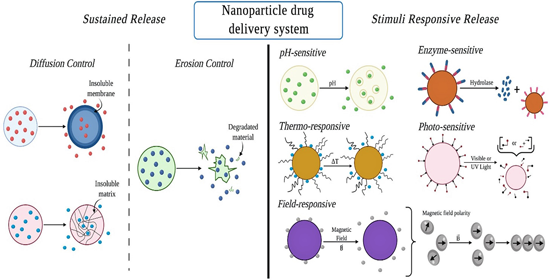
- found that nps smaller than 100 nm produce more ROS due to their higher surface area [29]. Properties of nps such as surface charge density and zeta potential are influential in determining their reactivity, agglomeration properties, interaction with cells, stability in complex media, and adsorption of


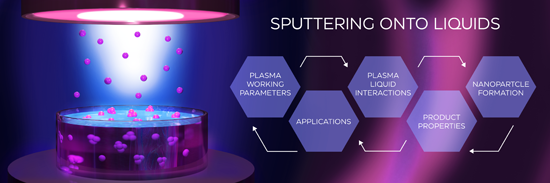
Sputtering onto liquids: a critical review
Beilstein J. Nanotechnol. 2022, 13, 10–53, doi:10.3762/bjnano.13.2






Biocompatibility and cytotoxicity in vitro of surface-functionalized drug-loaded spinel ferrite nanoparticles
Beilstein J. Nanotechnol. 2021, 12, 1339–1364, doi:10.3762/bjnano.12.99
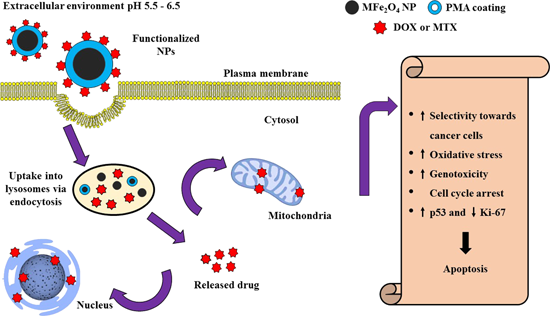
- , magnetite NPs have some serious limitations, such as chemical reactivity, rapid oxidation, particle agglomeration, and high surface energy which may affect their biocompatibility and performance [11]. Moreover, they have low magnetization at a smaller size and the presence of iron has been associated with





Identifying diverse metal oxide nanomaterials with lethal effects on embryonic zebrafish using machine learning
Beilstein J. Nanotechnol. 2021, 12, 1297–1325, doi:10.3762/bjnano.12.97
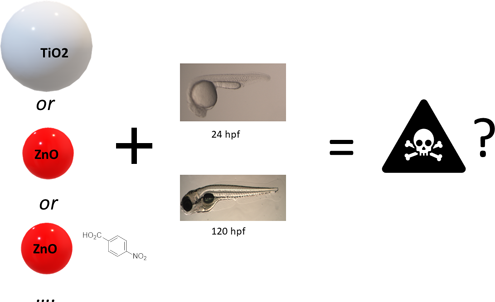
- characteristics related to intermolecular interactions, which could affect agglomeration or uptake by cells, and reactivity, which could trigger toxicity. (Dummy values, lower than the minimum of observed values, were inserted where the corresponding coating was absent, in keeping with recommended practice [45


pH-driven enhancement of anti-tubercular drug loading on iron oxide nanoparticles for drug delivery in macrophages
Beilstein J. Nanotechnol. 2021, 12, 1127–1139, doi:10.3762/bjnano.12.84
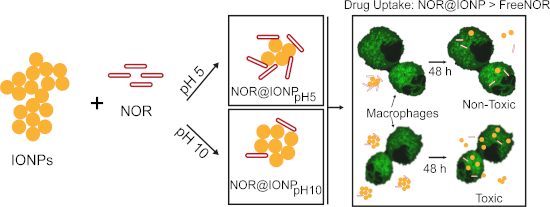
- aqueous solution to Fe present on the surface of the nanoparticles. Such Fe–OH associations are often found on iron oxide nanoparticles due to their high reactivity [28][35]. Characteristic peaks for NOR observed at 1258 cm−1, 1615 cm−1, 1734 cm−1, 2852 cm−1 and 3418 cm−1 in Figure 2f are indicative of



Use of nanosystems to improve the anticancer effects of curcumin
Beilstein J. Nanotechnol. 2021, 12, 1047–1062, doi:10.3762/bjnano.12.78
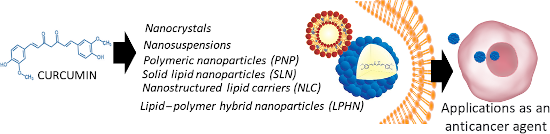
- is distributed within a polymeric matrix (i.e., surrounded by the polymer) they are referred to as nanocapsules. Alternatively, if the drug is homogeneously dispersed in the polymeric matrix they are called nanospheres [78][79]. Their main advantages include their reactivity, surface area, stability


Revealing the formation mechanism and band gap tuning of Sb2S3 nanoparticles
Beilstein J. Nanotechnol. 2021, 12, 1021–1033, doi:10.3762/bjnano.12.76
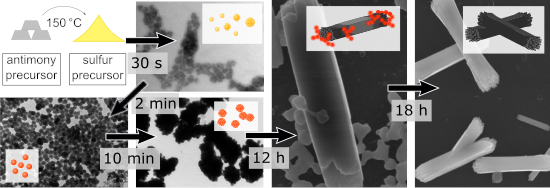
- compound, the highest reactivity was reached. However, TMS is toxic and also costly compared to the widely used elemental sulfur, limiting a broad use in the preparation of Sb2S3 materials [19]. Li et al. have performed mechanistic studies on the temperature dependency of Sb2S3 nanoparticles in the range
- application. In the present work, a hot-injection approach at a moderate temperature (150 °C) is presented. The reaction was analyzed in the time sections from 30 s to 30 h. The precursor S-OlAm was selected to achieve a high reactivity while avoiding toxic substances such as TMS. A relatively low injection


Progress and innovation of nanostructured sulfur cathodes and metal-free anodes for room-temperature Na–S batteries
Beilstein J. Nanotechnol. 2021, 12, 995–1020, doi:10.3762/bjnano.12.75
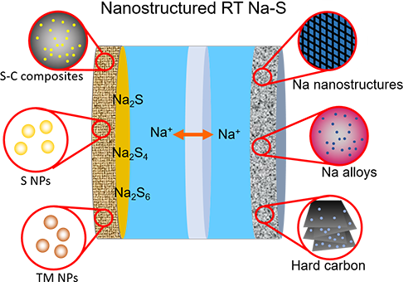
- this technology has currently developed and where future research could be directed at. Review Conventional sulfur–carbon cathode materials Sulfur–carbon composites are the most widely studied cathode materials because carbon increases the cathode conductivity and also improves the reactivity of sulfur
- cathode is reported to display a capacity of 153 mAh·g−1 after 500 cycles at 1C [39], while the latter has 257 mAh·g−1 after 200 cycles at 1C [40]. This problem is a consequence of the low sulfur content of the polymer, which is usually less than 50 wt % and the limited redox reactivity of sulfur [38][41
- ]. In order to overcome the consequences of the limited reactivity, a small amount of selenium can be added to the cathode and uniformly distributed through selenium–sulfur bonds. A significant improvement in redox reaction kinetics is achieved since selenium has a higher conductivity than sulfur and




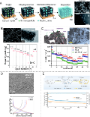
Molecular assemblies on surfaces: towards physical and electronic decoupling of organic molecules
Beilstein J. Nanotechnol. 2021, 12, 950–956, doi:10.3762/bjnano.12.71

- layer; molecular self-assembly; scanning probe microscopy; surface science; Over the past two decades, organic molecules adsorbed on atomically defined metal surfaces have been intensively studied to obtain an in-depth understanding of their self-assembly behavior, on-surface reactivity, as well as
The role of deep eutectic solvents and carrageenan in synthesizing biocompatible anisotropic metal nanoparticles
Beilstein J. Nanotechnol. 2021, 12, 924–938, doi:10.3762/bjnano.12.69
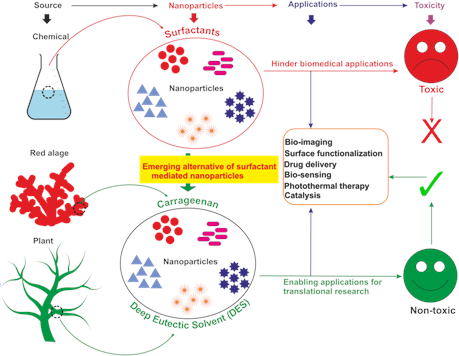
- oxide nanoparticles [28]. Numerous indispensable parameters including surface tension, polarity, viscosity, and hydrogen bonding have an important influence on the reactivity of species. Also, the formation of nanostructures is governed by the mass transport properties of the DES components. It is also


Impact of GaAs(100) surface preparation on EQE of AZO/Al2O3/p-GaAs photovoltaic structures
Beilstein J. Nanotechnol. 2021, 12, 578–592, doi:10.3762/bjnano.12.48
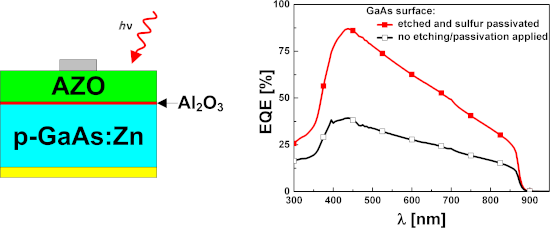
- [3]. Due preparation of the substrate, seems to be one of the most important aspects here as the oxide-based states of the GaAs surface are known to adversely affect device performance. Thus, in this present work we focus on the methods to limit their role. Reactivity of the surface of gallium




Influence of electrospray deposition on C60 molecular assemblies
Beilstein J. Nanotechnol. 2021, 12, 552–558, doi:10.3762/bjnano.12.45
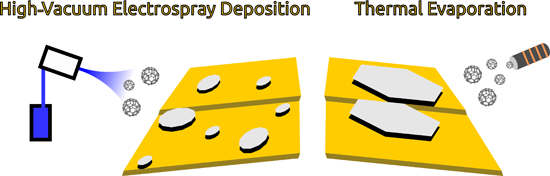
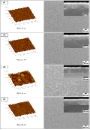
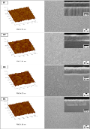
- reactivity of the surface, the presence of defects, already reported [37] and visible as small holes, should be noted. C60 on the surface can easily be identified as large bright areas corresponding to monolayer islands. These islands show irregular contour paths without preferential orientation as well as


The preparation temperature influences the physicochemical nature and activity of nanoceria
Beilstein J. Nanotechnol. 2021, 12, 525–540, doi:10.3762/bjnano.12.43
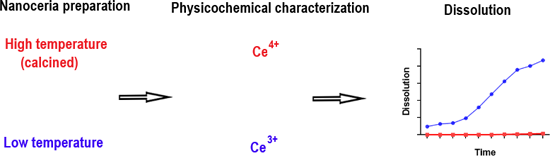
- from partial nanoceria dissolution led to less cellular protein carbonyl formation, attributed to an increased amount of surface Ce3+ species. Surface reactivity was greater for the solvothermally synthesized nanoceria, which had more Ce3+ species at the surface. The results show that temperature
- applications), the influence of carboxylic acids and immobilized phosphate on their dissolution, the influence of nanoceria after partial dissolution on a selected biological effect, and the surface reactivity. Based on reports of very limited NM-212 dissolution and physicochemical differences between
- of nanoceria dissolution on its biological identity was assessed as the protein carbonyl level in response to partially dissolved nanoceria. The catalytic potential was assessed using a reactivity assay. Experimental Materials NM-211 and NM-212 were obtained from the European Commission Joint




A review on nanostructured silver as a basic ingredient in medicine: physicochemical parameters and characterization
Beilstein J. Nanotechnol. 2021, 12, 440–461, doi:10.3762/bjnano.12.36
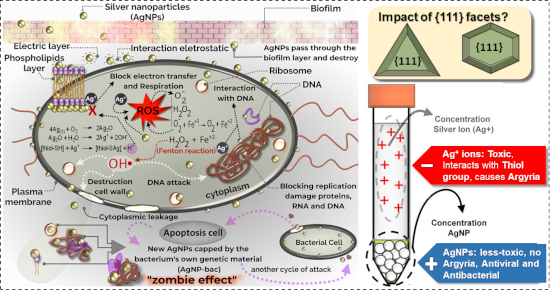
- }, {100}, and possibly {110} exposed facets in AgNPs are different not only in the densities of the surface atoms, but also in their electronic structure, bonding, and chemical reactivity [34][35][36]. Figure 2 depicts these surfaces (facets) more clearly. Agnihotri et al. studied the bactericidal
- activity against E. coli, Bacillus subtilis, and Staphylococcus aureus of spherical AgNPs of various sizes and concluded that their effectiveness increased with decreasing size, regardless of the bacterial strains [43]. On the other hand, studies indicate that the reactivity and antibacterial activity of


The impact of molecular tumor profiling on the design strategies for targeting myeloid leukemia and EGFR/CD44-positive solid tumors
Beilstein J. Nanotechnol. 2021, 12, 375–401, doi:10.3762/bjnano.12.31
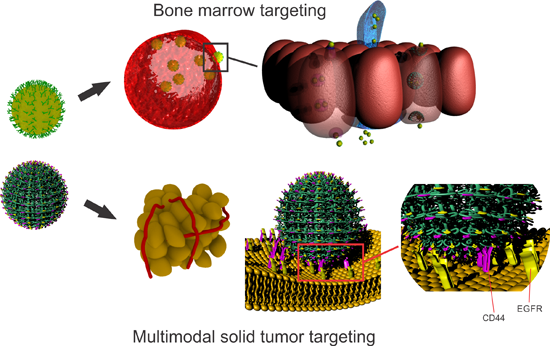
- -selectin thioaptamer ligand (ESTA), which binds to E-selectin with high affinity and at the same time expresses minimal cross-reactivity to other selectin family members [36]. The formulation demonstrated an eightfold increase in the BM localization of the encapsulated liposomes, relative to the equivalent


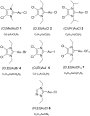
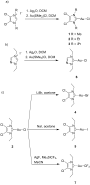
Gold(I) N-heterocyclic carbene precursors for focused electron beam-induced deposition
Beilstein J. Nanotechnol. 2021, 12, 257–269, doi:10.3762/bjnano.12.21
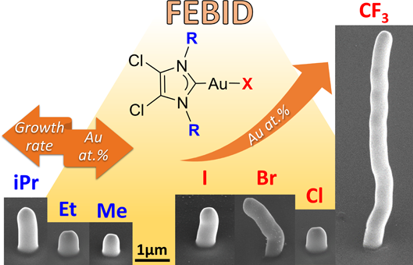
- , and decompose in a clean manner to the desired products. Furthermore, it should be inexpensive and easy to prepare, non-toxic, and easy to store and handle [17]. The choice of such molecules requires a compromise to be made between volatility, stability, and reactivity induced by electron irradiation




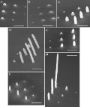

Extended iron phthalocyanine islands self-assembled on a Ge(001):H surface
Beilstein J. Nanotechnol. 2021, 12, 232–241, doi:10.3762/bjnano.12.19
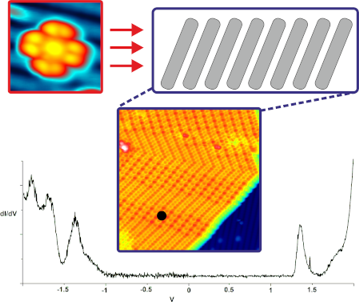
- the passivation of semiconducting materials, which removes surface dangling bonds and significantly reduces surface reactivity, may also provide a sufficiently insulating layer for an efficient decoupling of molecular structures from the substrate influence. Among such surfaces, hydrogen-passivated Si
TiOx/Pt3Ti(111) surface-directed formation of electronically responsive supramolecular assemblies of tungsten oxide clusters
Beilstein J. Nanotechnol. 2021, 12, 203–212, doi:10.3762/bjnano.12.16
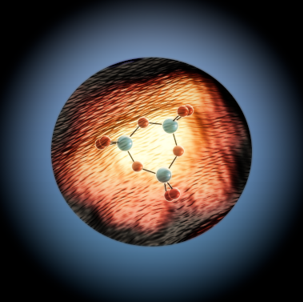
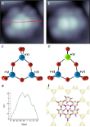
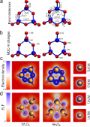
- field-triggered electronic manipulation of nanoscopic W3O9 clusters. Depending on the operating conditions, two different stable oxide phases, z’-TiOx and w’-TiOx, were produced. These phases show a strong effect on the adsorption characteristics and reactivity of W3O9 clusters, which are formed as a
- titanium oxide layers grown on a Pt3Ti(111) surface. The given case study with the nanoscopic W3O9 clusters as the main components of tungsten trioxide vapor, which have been evidenced by mass spectrometric studies [9][10], showcases remarkable TiOx/Pt3Ti(111)-directed reactivity of W3O9 to hierarchical



ZnO and MXenes as electrode materials for supercapacitor devices
Beilstein J. Nanotechnol. 2021, 12, 49–57, doi:10.3762/bjnano.12.4
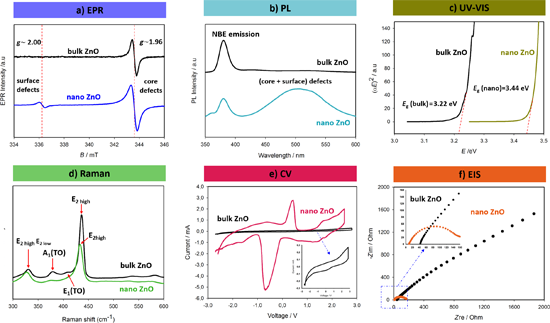
- structure. After the etching process, MXenes have a great number of active groups, such as –OH and =O, which results in superior hydrophilicity, chemical reactivity, and large contact area. This implies a potential of MXenes for the use in supercapacitors [16][18][19][22][23][28]. Moreover, MXenes can be
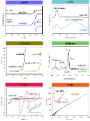
Unravelling the interfacial interaction in mesoporous SiO2@nickel phyllosilicate/TiO2 core–shell nanostructures for photocatalytic activity
Beilstein J. Nanotechnol. 2020, 11, 1834–1846, doi:10.3762/bjnano.11.165
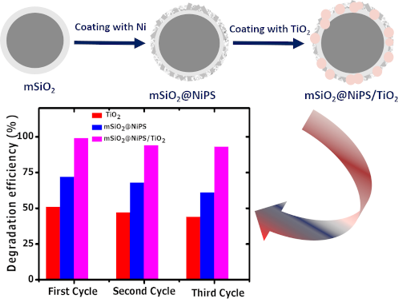
- surface [23]. Thus, silica-based core–shell nanocomposites offer added advantages of manipulating the pore structure, surface area, morphology, and catalyst reactivity [28]. Unlike the metal oxide–metal oxide composites, the use of metal oxide core@metal nanocomposites as dopants for titania


Electron beam-induced deposition of platinum from Pt(CO)2Cl2 and Pt(CO)2Br2
Beilstein J. Nanotechnol. 2020, 11, 1789–1800, doi:10.3762/bjnano.11.161
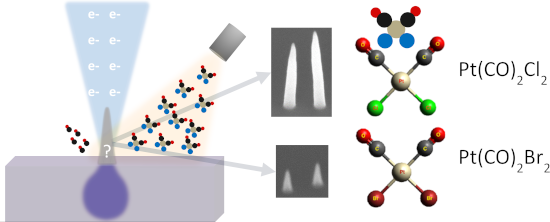
- is more volatile than the chloride (vide infra), facilitating delivery to the substrate, although a study of the electron-induced reactivity of (η3-C3H5)Ru(CO)3Br and (η3-C3H5)Ru(CO)3Cl under UHV conditions demonstrated that the response of the halides to electron flux was similar for both compounds





