Search results
Search for "reflectance" in Full Text gives 228 result(s) in Beilstein Journal of Nanotechnology. Showing first 200.
Hybridization vs decoupling: influence of an h-BN interlayer on the physical properties of a lander-type molecule on Ni(111)
Beilstein J. Nanotechnol. 2020, 11, 1168–1177, doi:10.3762/bjnano.11.101
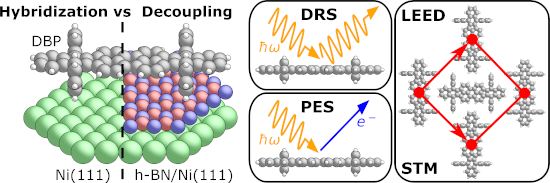
- atomically thin h-BN interlayer to investigate its possible decoupling effect. To this end, we use in situ differential reflectance spectroscopy as an established method to distinguish between hybridized and decoupled molecules. By inserting an h-BN interlayer we fabricate a buried interface and show that
- comprehensive study we utilized differential reflectance spectroscopy (DRS), low-energy electron diffraction (LEED), low-temperature scanning tunneling microscopy (LT-STM), as well as photoelectron spectroscopy (PES). Our results reveal that DBP on h-BN/Ni(111) is well decoupled from the metal substrate Ni(111
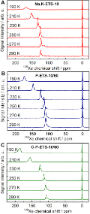
- ). Furthermore, it was possible to obtain large domains of highly ordered molecules by depositing at an elevated substrate temperature of 170 °C. Results and Discussion Optical spectroscopy Figure 1 shows the comparison of the differential reflectance (DR) spectra (definition see Experimental section) of DBP on


Excitonic and electronic transitions in Me–Sb2Se3 structures
Beilstein J. Nanotechnol. 2020, 11, 1045–1053, doi:10.3762/bjnano.11.89
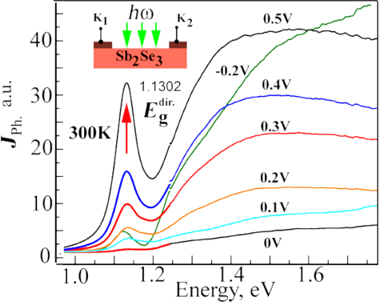
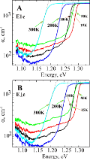
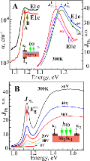
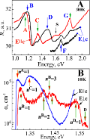
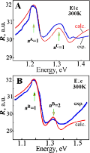
- crystal layers were characterized by a high reflectance, which is characteristic of metallic aluminum mirrors. Some measurements were also carried out on the spectrometer DFS-32 coupled with a Specord M-40 and a Jasco V-670. The photoconductivity spectra were obtained on a single spectrometer (MDR-2) with


Highly sensitive detection of estradiol by a SERS sensor based on TiO2 covered with gold nanoparticles
Beilstein J. Nanotechnol. 2020, 11, 1026–1035, doi:10.3762/bjnano.11.87
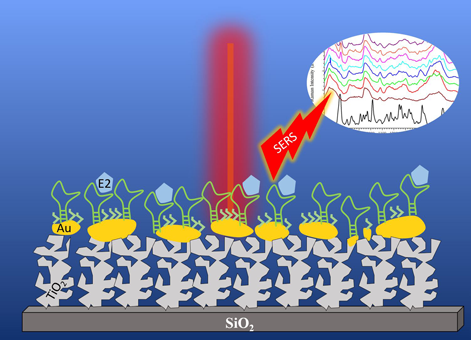
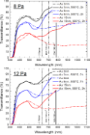
- TiO2 porosity. Optical properties Figure 4 reports the optical transmittance of the TiO2/Au samples. Our previous studies involving TiO2/Au systems have shown that the reflectance has low values of about 5% and can thus be considered negligible [28]. A general decrease of the optical transmittance was



A 3D-polyphenylalanine network inside porous alumina: Synthesis and characterization of an inorganic–organic composite membrane
Beilstein J. Nanotechnol. 2020, 11, 938–951, doi:10.3762/bjnano.11.78
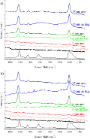
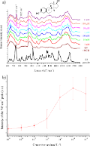
- ALOX surface and the crystal of the ATR module could not be achieved, therefore we employed diffuse reflectance infrared Fourier transform spectroscopy (DRIFT) to analyze surface-grafted polymers. Figure 7 shows the NIR spectra of the outer surface of the pPA-functionalized ALOX-membranes. All observed




A set of empirical equations describing the observed colours of metal–anodic aluminium oxide–Al nanostructures
Beilstein J. Nanotechnol. 2020, 11, 798–806, doi:10.3762/bjnano.11.64
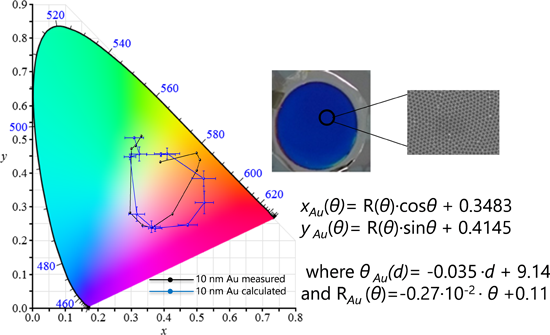
- aluminium oxide films and a metal layer (8 nm Cr and 25, 17.5 and 10 nm of Au), respectively. AAO films of different thickness were anodized and the Yxy values (Y is the luminance value, and x and y are the chromaticity values) were obtained via reflectance measurements. An empirical model based on the
- (AAO) films; anodization; structural colours; reflectance; polar coordinates; plasmonic effects; Introduction Recently, the reproduction of the vivid colours found in nature has received increasing interest [1]. These colours appear when light interacts with periodic structures. With regard to this
- design of colours by choosing a specific thickness [14]. Also, there is a model based on optical measurements (ellipsometry integrating indirectly thickness, porosity) in combination with total reflectance measurements to access the colours, in terms of L*a*b* values, of AAO–Al nanostructures filled with


Hexagonal boron nitride: a review of the emerging material platform for single-photon sources and the spin–photon interface
Beilstein J. Nanotechnol. 2020, 11, 740–769, doi:10.3762/bjnano.11.61
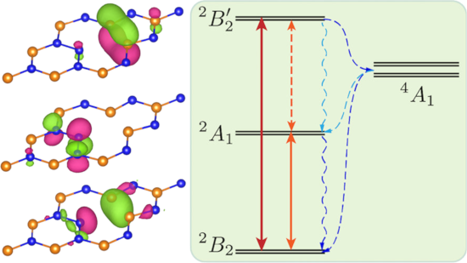
- means, such as optical reflectance and absorption, electron energy loss spectroscopy, X-ray absorption, emission, and inelastic scattering. Regarding luminescence studies, PL is the light emission, i.e., the electromagnetic radiation from matter after the absorption of photons. It is originated by




Effect of Ag loading position on the photocatalytic performance of TiO2 nanocolumn arrays
Beilstein J. Nanotechnol. 2020, 11, 717–728, doi:10.3762/bjnano.11.59
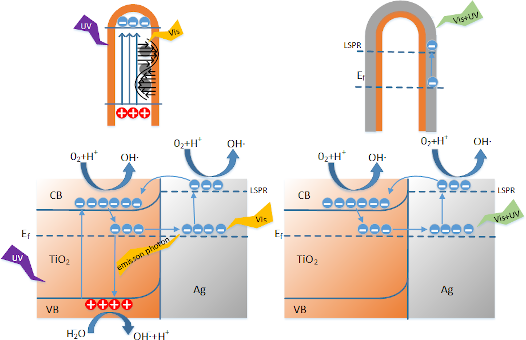
- the array was measured using a laser of 325 nm excitation wavelength and a grating spectrometer (Horiba, JY iHR550). The diffuse reflectance absorption spectrum of the array was measured using an ultraviolet–visible spectrophotometer (UV–vis, Shimadzu, UV-3600). Photocatalytic experiments. The


Nanoparticles based on the zwitterionic pillar[5]arene and Ag+: synthesis, self-assembly and cytotoxicity in the human lung cancer cell line A549
Beilstein J. Nanotechnol. 2020, 11, 421–431, doi:10.3762/bjnano.11.33
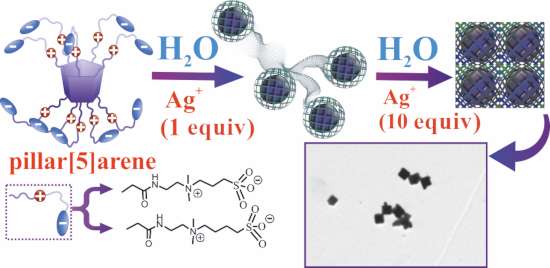
- solutions was 3–5%. The attenuated total internal reflectance IR spectra were recorded with a Spectrum 400 (Perkin Elmer) Fourier spectrometer. Elemental analysis was performed with a Perkin Elmer 2400 Series II instrument. Mass spectra (MALDI-TOF) were recorded on an Ultraflex III mass spectrometer in a 4





Synthesis and enhanced photocatalytic performance of 0D/2D CuO/tourmaline composite photocatalysts
Beilstein J. Nanotechnol. 2020, 11, 407–416, doi:10.3762/bjnano.11.31
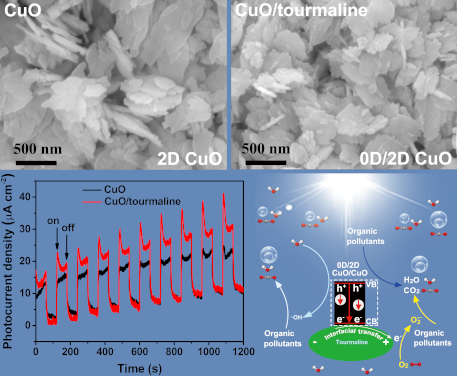
- ) spectra. UV–visible diffuse reflectance spectra were measured using a Lambda 750S UV–vis spectrophotometer (Perkin-Elmer, USA) calibrated using barium sulfate. Photoluminescence (PL) spectra were measured with a F-4600 fluorescence spectrophotometer (Hitachi, Japan) with an excitation wavelength of 400 nm
- (15.219 nm, 0.049 cm3 g−1) were analyzed according to the Barrett–Joyner–Halenda (BJH) method (Figure 4b). The larger pore volume and BET specific surface area confirmed that the CuO/tourmaline composite with 0D/2D CuO structure possessed an increased number of active sites. UV–vis diffuse reflectance
- ) BJH pore size distribution of the CuO, tourmaline, and CuO/tourmaline composite. (a) UV–vis diffuse reflectance spectra, (b) plots of (Ahν)2 vs hν, (c) transient photocurrent, and (d) time-resolved PL spectra of the CuO and CuO/tourmaline composite. (a) MB degradation, (b) the apparent pseudo-first


Facile biogenic fabrication of hydroxyapatite nanorods using cuttlefish bone and their bactericidal and biocompatibility study
Beilstein J. Nanotechnol. 2020, 11, 285–295, doi:10.3762/bjnano.11.21
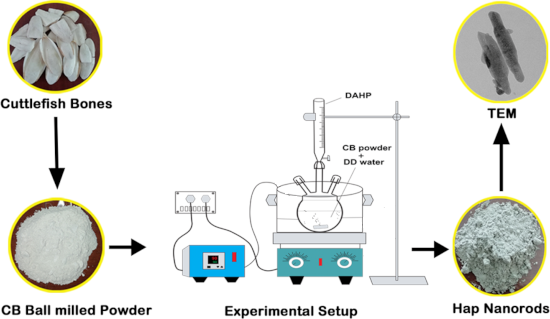
- attenuated total reflectance (ATR) mode. Transmission electron microscopy and energy dispersive X-ray analysis (EDX) TEM micrographs of CB Hap NRs were obtained using TEM (model JEOL, Japan) at an operation voltage of 200 kV. A sufficient quantity of CB-Hap NR powder was placed on the carbon-coated copper


Gold and silver dichroic nanocomposite in the quest for 3D printing the Lycurgus cup
Beilstein J. Nanotechnol. 2020, 11, 16–23, doi:10.3762/bjnano.11.2
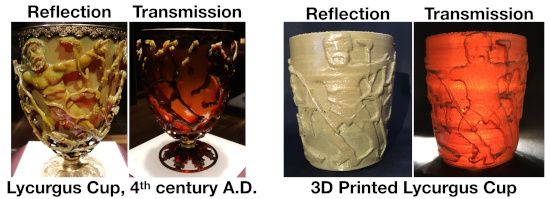
- study the reflected and transmitted colours we measured the 3D printed material using a reflectance spectrophotometer with the two different light sources (Figure 2). From the spectra of the two light sources, it is clear that the CRI 95 LED covers a larger part of the visible spectrum compared to the
- flashlight LED. The reflectance spectra of the 3D printed AgNP@PVA reflect this discrepancy in the illumination system, showing a greener colour when illuminated by the flashlight LED and a red-shifted spectrum when illuminated by the CRI 95 LED. The transmission spectra are more similar for the two
- Lycurgus cup might be possible by studying the reflectance and transmittance spectra from the Lycurgus cup and matching them with freshly synthesised Au and Ag nanoparticles in PVA. However, such spectra are missing in literature and the only few present are hand-drawn [13], making it impossible to



Multiple Fano resonances with flexible tunablity based on symmetry-breaking resonators
Beilstein J. Nanotechnol. 2019, 10, 2459–2467, doi:10.3762/bjnano.10.236
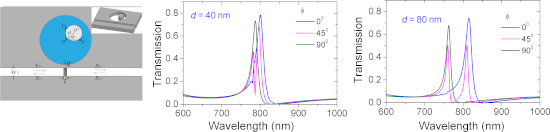
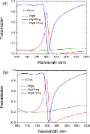
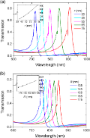
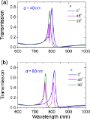
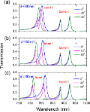
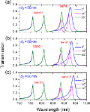
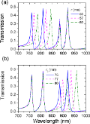
- reflectance). In addition to PhC waveguides, metal–dielectric–metal (MDM) waveguides are very attractive for researchers because they can support surface plasmon polaritons (SPPs) and allow for the control of light at the subwavelength scale. MDM waveguides provide an effective approach to chip-scale photonic




Targeted therapeutic effect against the breast cancer cell line MCF-7 with a CuFe2O4/silica/cisplatin nanocomposite formulation
Beilstein J. Nanotechnol. 2019, 10, 2217–2228, doi:10.3762/bjnano.10.214
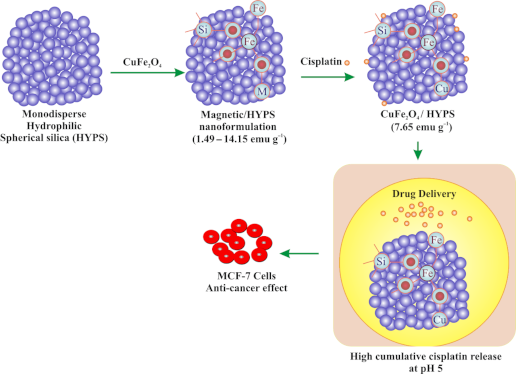
- saline solution. The presence of cubic spinel CuFe2O4 on HYPS was confirmed through powder X-ray diffraction (PXRD), Fourier transform infrared spectroscopy (FTIR) and diffuse reflectance UV–vis spectroscopy (DR UV–vis) analysis. The HYPS particles showed a surface area of 170 m2/g, pore size of 8.3 nm
- multifunctional biomedical applications. The crystalline phase, morphology, magnetization, and coordination environment of various spinel species were characterized using X-ray diffraction (XRD), BET surface area measurements, vibrating sample magnetometry (VSM), diffuse reflectance UV–vis spectroscopy (DR UV–vis
- /HYPS, the sample was analyzed using diffuse reflectance spectroscopy. Ferrite is a cubic spinel consisting of tetrahedral and octahedral crystalline sites [19]. Before cisplatin functionalization, a wide and strong absorption was observed between 200 and 700 nm that is characteristic of the spinel


Improved adsorption and degradation performance by S-doping of (001)-TiO2
Beilstein J. Nanotechnol. 2019, 10, 2116–2127, doi:10.3762/bjnano.10.206
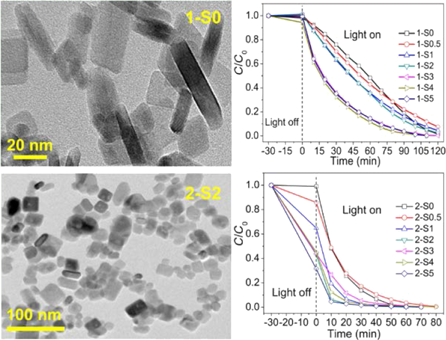
- -ray diffractometer (XRD, Rigaku Industrial Corporation, Osaka, Japan) with Cu Kα radiation (λ = 1.5406 Å, operated at 40 kV and 100 mA). Transmission electron microscopy (TEM; JEM-2100, JEOL, Tokyo, Japan) was used to characterize the morphology of the samples. Ultraviolet–visible diffuse reflectance




Synthesis of highly active ETS-10-based titanosilicate for heterogeneously catalyzed transesterification of triglycerides
Beilstein J. Nanotechnol. 2019, 10, 2039–2061, doi:10.3762/bjnano.10.200
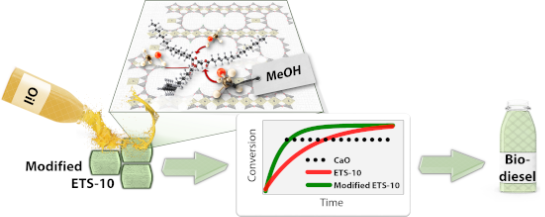
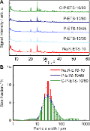
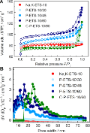
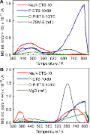
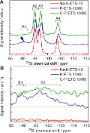
- this temperature range for P-ETS-10/60 might be due to the partial removal of the cations (decrease of the Na wt % from 9 to 7 after treatment with H2O2, see Table 2 (last column)) and of the H-bridged surface hydroxyl groups, as is also evident from the diffuse reflectance infrared Fourier transform








Toxicity and safety study of silver and gold nanoparticles functionalized with cysteine and glutathione
Beilstein J. Nanotechnol. 2019, 10, 1802–1817, doi:10.3762/bjnano.10.175
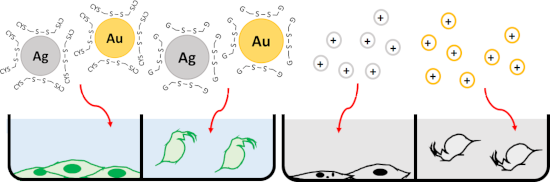
- with phalloidin to stain actin and visualize cell cytoskeleton (green), nucleic acid staining using Hoechst 33258 fluorescent dye (blue) and CLSM reflectance signals (red). The overlay of fluorescence stains and segmented reflectance signals are given in (g,h). The control cells show no high intensity
- reflective spots (g), while NP reflectance signals are visible as bright red signals and indicated by white arrows (c,d). The effect of silver (AgNPs) and gold nanoparticles (AuNPs) stabilized with cysteine (CYS) or glutathione (GSH), Ag+ and Au3+ ions on (a) total DNA damage and (b) DNA double-stranded


Growth dynamics and light scattering of gold nanoparticles in situ synthesized at high concentration in thin polymer films
Beilstein J. Nanotechnol. 2019, 10, 1768–1777, doi:10.3762/bjnano.10.172
- plot. The incidence and scattered angles correspond to the values reported on the horizontal segment along the radius of the circle. The scattered azimuth angles correspond to the values reported along the outer circle. BRDF measurements show that the sample reflectance is neither isotropic nor


Remarkable electronic and optical anisotropy of layered 1T’-WTe2 2D materials
Beilstein J. Nanotechnol. 2019, 10, 1745–1753, doi:10.3762/bjnano.10.170
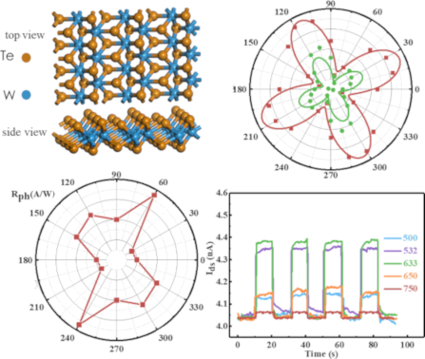
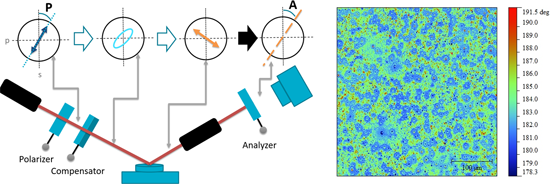
- to understanding its structural and optical properties has been undertaken. Here we report quantitative, comprehensive work on the highly anisotropic, optical, electrical and optoelectronic properties of few-layer 1T’-WTe2 by azimuth-dependent reflectance difference microscopy, DC conductance
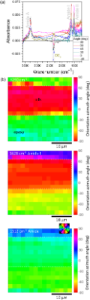
- and azimuth-dependent reflectance difference microscopy (ADRDM), we firstly identified the 1T’-phase WTe2 to have an optical anisotropic crystal structure. Secondly, a 12-electrode-structure was designed for the evaluation the electrical anisotropy of 1T’-WTe2, and the results demonstrated up to 103
- those reported from exfoliated thin nanosheet samples previously reported [29][30]. Additionally, a similar negative-direction shift of the peak positions is witnessed as the sample thickness increases [29]. Anisotropic crystal structure identification by azimuth-dependent reflectance difference


The impact of crystal size and temperature on the adsorption-induced flexibility of the Zr-based metal–organic framework DUT-98
Beilstein J. Nanotechnol. 2019, 10, 1737–1744, doi:10.3762/bjnano.10.169
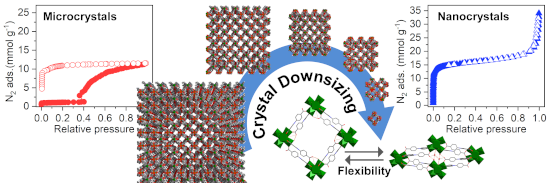
- ]. The diffuse reflectance Fourier transform (DRIFT) spectroscopy results show typical vibrations corresponding to the linker and OH groups of the MOFs in all materials (Supporting Information File 1, Figure S12). To analyze whether adsorption of water can promote contraction in small crystals of DUT



BiOCl/TiO2/diatomite composites with enhanced visible-light photocatalytic activity for the degradation of rhodamine B
Beilstein J. Nanotechnol. 2019, 10, 1412–1422, doi:10.3762/bjnano.10.139
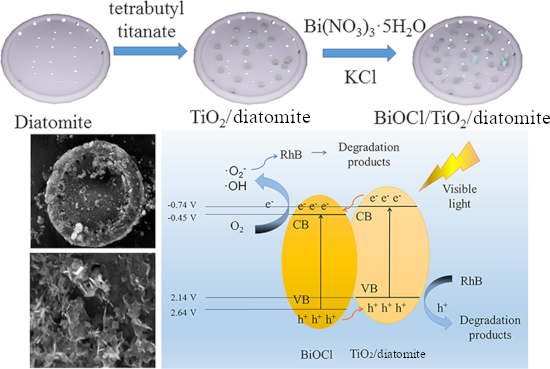
- reflectance spectra of TiO2, BiOCl, TiO2/diatomite, and BTD. The results show that TiO2, BiOCl, TiO2/diatomite and BTD have strong absorption in the ultraviolet region. The absorption edge of TiO2 is about 390 nm. The absorption of BiOCl is mainly concentrated in the range of <380 nm, while the absorption


Construction of a 0D/1D composite based on Au nanoparticles/CuBi2O4 microrods for efficient visible-light-driven photocatalytic activity
Beilstein J. Nanotechnol. 2019, 10, 1360–1367, doi:10.3762/bjnano.10.134
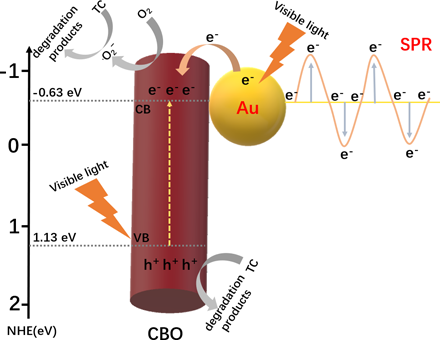
- work suggests a rational structure design of efficient photocatalysts for environmental remediation. Synthesis of Au/CBO composite. (a) XRD patterns of CBO and 2.5 wt % Au/CBO; (b) UV–vis diffuse reflectance spectra of as-prepared composites. (a, b) SEM images and (c) EDX spectrum of the 2.5 wt % Au


A silver-nanoparticle/cellulose-nanofiber composite as a highly effective substrate for surface-enhanced Raman spectroscopy
Beilstein J. Nanotechnol. 2019, 10, 1270–1279, doi:10.3762/bjnano.10.126
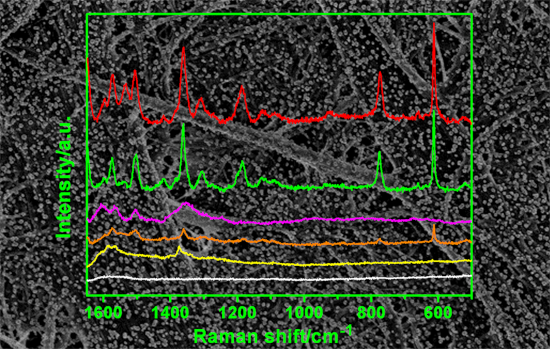
- results. The reflectance UV–vis spectra of the samples are presented in Figure 3b. No obvious absorption band was observed for the bare cellulose filter paper (Supporting Information File 1, Figure S4). For sample Ag-NP/cellulose-NF–A, the strong surface plasmon resonance absorption band of silver
- manually. Powder X-ray diffraction (XRD) patterns were acquired on a Philips X’Pert Pro diffractometer with a Cu Kα (λ = 0.15405 nm) radiation source. Diffuse reflectance UV–vis spectra were recorded by using a Shimadzu UV-2450 spectrophotometer in the diffuse-reflectance mode using an integrating sphere
- nanoparticle showing the lattice of metallic silver (b). X-ray diffraction patterns (a) and diffuse reflectance UV–vis spectra (b) of Ag-NP/cellulose-NF–A, B, C, D, and E. X-ray photoelectron spectroscopy (XPS) survey spectrum (c) and high-resolution XPS spectrum of the Ag 3d region (d) of sample Ag-NP


Angle-dependent structural colors in a nanoscale-grating photonic crystal fabricated by reverse nanoimprint technology
Beilstein J. Nanotechnol. 2019, 10, 1211–1216, doi:10.3762/bjnano.10.120
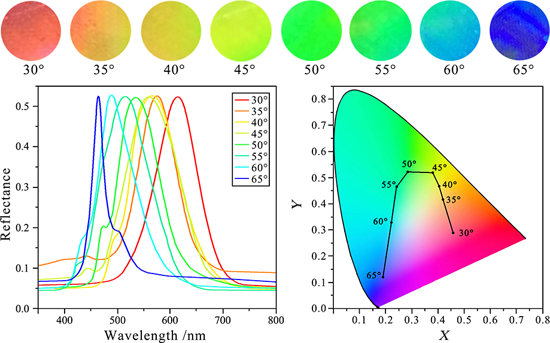
- grating photonic crystal fabricated through reverse nanoimprint lithography is investigated. The photonic crystal exhibited a wide range color spectrum from red to blue. Periodicity and angle-dependence of the reflection wavelengths are explored through measuring reflectance spectra. Based on the
- angle of 45°. Figure 3b shows the reflection wavelength of the photonic crystal as a function of the horizontal observation angle measured with a fiber spectrometer. Generally, the maximum reflectance is larger than 50%. When the horizontal observation angle changes from 30° to 65°, the reflection


Revisiting semicontinuous silver films as surface-enhanced Raman spectroscopy substrates
Beilstein J. Nanotechnol. 2019, 10, 1048–1055, doi:10.3762/bjnano.10.105
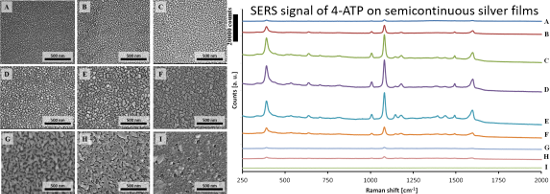
- ][48][49][50][51][52][53][54][55]. However, transmittance, reflectance and absorption are rarely reported in these studies, and it is difficult to link the optical properties of these nanostructures with their SERS performance. In our earlier initial study we investigated SSFs as SERS substrates [55
- quartz crystal microbalance. Characterization of semicontinuous silver films Optical properties of SSFs were characterized using UV–vis–NIR Perkin Elmer Lambda 900 spectrometer. Transmittance was measured using a standard detector, while reflectance was measured with an integrating sphere module
- . Absorption was calculated assuming the sum of transmittance, reflectance, and absorption is 100%. The morphology of the fabricated structures was measured using a Quanta 3D FEG Dual Beam scanning electron microscope (SEM) and an atomic force microscope (AFM). The SEM images of SSFs were converted to black




Nanoscale optical and structural characterisation of silk
Beilstein J. Nanotechnol. 2019, 10, 922–929, doi:10.3762/bjnano.10.93
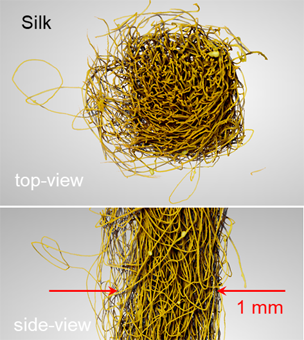
- orientation dependency of the birefringence Δn and dichroism Δκ, define the optical response of a material. The reflectance R is proportional to the real part, while the absorbance A corresponds to the imaginary part of . Recently, we demonstrated that the IR measurements of silk performed using three
- differences between the reflectance and absorbance of silk fibers with ca. 10 nm resolution. Cross sections of silk fibers were prepared using an ultramicrotome. Silk was chosen due to its well-known spectral properties and its increasing applications as a biocompatible and biodegradable material [13][14
- /I0, OD is the optical density, ω is the cyclic frequency of light, and c is the speed of light. The reflectance for the normal incidence from air is defined as R = [(n− 1)2 + κ2]/[(n + 1)2 + κ2]. Results and Discussion X-ray diffraction is the method of choice to reveal the internal structure of