Search results
Search for "skin" in Full Text gives 191 result(s) in Beilstein Journal of Nanotechnology.
Engineered titania nanomaterials in advanced clinical applications
Beilstein J. Nanotechnol. 2022, 13, 201–218, doi:10.3762/bjnano.13.15
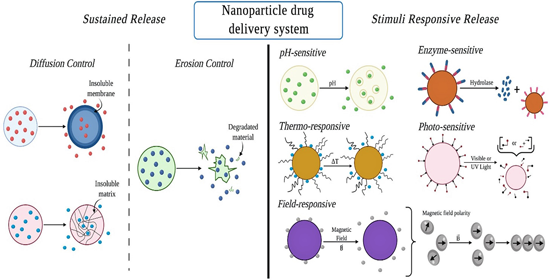
- proteins. The entry of TiO2 nps inside the human body could be through inhalation, ingestion of food, skin lesions, and injections [30][31]. The circulatory system then distributes them to different parts of the body. Kreyling et al. studied the biokinetics and clearance of 48V-radiolabeled, pure TiO2
- administration is not sufficient. Infection can occur in the blood, bone, or soft tissue such as heart or skin [87]. It often ends with a chronic infection, which is a challenging health care issue and a leading cause of death worldwide. Various reports have concluded that TiO2 nps are an effective system for
- small size of nanomaterials enables them to permeate through biological barriers in the body, such as the blood–brain barrier, the pulmonary system, and through the tight junction of endothelial cells of the skin. The main goal of loading drugs on nanomaterials is the delivery to specific target cells


A comprehensive review on electrospun nanohybrid membranes for wastewater treatment
Beilstein J. Nanotechnol. 2022, 13, 137–159, doi:10.3762/bjnano.13.10
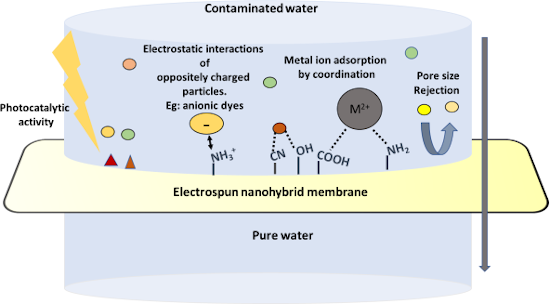
- magnetic fibers by dispersing garnet nanoparticles for magnetically assisted bioseparation [10] and also they developed bandages of 165Ho iron garnet nanoparticles incorporated in electrospun PAN to be used against skin cancers [11]. Bugatti and co-workers developed an antimicrobial electrospun hybrid
- . developed a superhydrophilic and underwater superoleophobic nanofibrous membrane of PAN with hierarchically structured skin constructed by electrospraying silica nanoparticles (SiO2 NPs) mixed in a dilute PAN solution on the top surface of an electrospun PAN membrane. The SiO2 NPs have been used to increase




Bacterial safety study of the production process of hemoglobin-based oxygen carriers
Beilstein J. Nanotechnol. 2022, 13, 114–126, doi:10.3762/bjnano.13.8
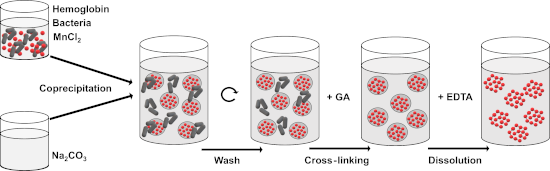
- . coli is mainly found in the intestines of humans and animals, is Gram-negative, and has an approximate length of 2 µm with a diameter of 1 µm and a cylindrical shape [31]. S. epidermidis lives on human skin but is also frequently responsible for infections of immunocompromised patients in hospitals [32
- . epidermidis occurs in particular due to the colonization of the skin and inadequate disinfection of the puncture site during blood donation [38][39]. As a result, bacterial contamination that is not detected by testing could occur during the preparation of blood products as well as during the production of


Morphology-driven gas sensing by fabricated fractals: A review
Beilstein J. Nanotechnol. 2021, 12, 1187–1208, doi:10.3762/bjnano.12.88
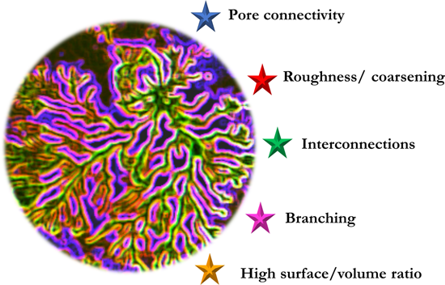
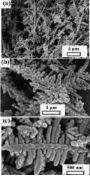
- areas ranging from food packaging to medical diagnosis. Fractals can also help in mimicking the wound healing process as tissue grows to connect the torn skin across the wound and offer an insight into microfluids as part of wound healing management. Besides application-oriented research the










Use of nanosystems to improve the anticancer effects of curcumin
Beilstein J. Nanotechnol. 2021, 12, 1047–1062, doi:10.3762/bjnano.12.78
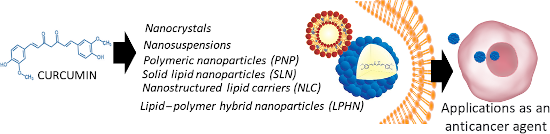
- Conventional nanosystems are particularly attractive for the biopharmaceutics classification system (BCS) class IV drugs, such as CUR, which require increases in their solubilization, pharmacokinetics, and permeation [43]. Curcumin has been targeted against carcinogenic lesions in the colon, skin, cervix
- damage to cancer cells), as well as controlled and constant dosing. Therefore, CUR-loaded nanosystems used as photosensitive therapeutic agents could be an alternative to treat some forms of cancer where similar therapies are already in use (such as cutaneous T-cell lymphoma, basal skin cancer, and


An overview of microneedle applications, materials, and fabrication methods
Beilstein J. Nanotechnol. 2021, 12, 1034–1046, doi:10.3762/bjnano.12.77
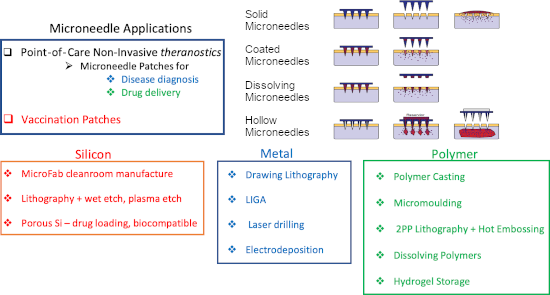
- expand the scope for delivery of vaccines and therapeutic agents through the skin and withdrawing biofluids for point-of-care diagnostics – so-called theranostics. Unskilled and painless applications of microneedle patches for blood collection or drug delivery are two of the advantages of microneedle
- of the skin, the stratum corneum (SC), was first introduced in 1976 [1]. However, the lack of microfabrication technologies delayed the experimental research of the concept until the 1990s when developments in microfabrication tools facilitated the manufacturing of microstructures and
- microelectromechanical systems (MEMS) and provided a platform for microfabrication of compact miniaturized medical devices for human health screening, monitoring, and diagnostic purposes. Microneedles are microstructures that are sharp and robust enough for skin penetration, made using MEMS technology. The application


Comprehensive review on ultrasound-responsive theranostic nanomaterials: mechanisms, structures and medical applications
Beilstein J. Nanotechnol. 2021, 12, 808–862, doi:10.3762/bjnano.12.64
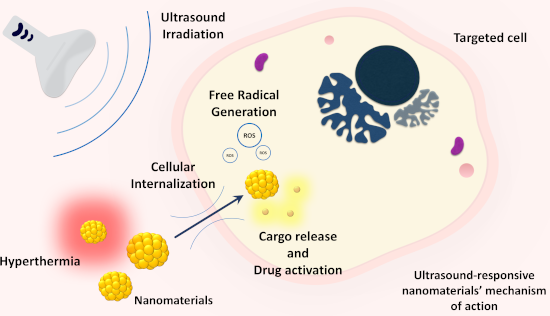
- and enhance therapeutic efficacy by providing local control of energy absorption and minimizing the treatment time and tissue damage [120]. The US-induced vaporization of a NE can also provide the force to increase the penetration and delivery of drug cargos through the skin with the goal of
- decreased without enhancing the risk of skin damage [131]. It has been established that ADV-mediated delivery of several chemotherapeutic drugs, including DOX [132], paclitaxel [133], and chlorambucil, could be achieved when loaded into PFC droplets [134]. The NDs could be successfully accumulated in a


Nanogenerator-based self-powered sensors for data collection
Beilstein J. Nanotechnol. 2021, 12, 680–693, doi:10.3762/bjnano.12.54
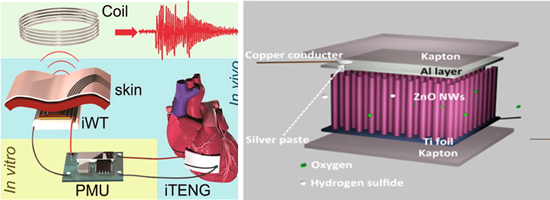
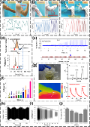
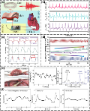
- ][44][45][46], waste milk carton [15], and skin [47][48][49]. Thus, low-cost self-powered sensors can be deployed on a large scale and are a good candidate for data sources for the Internet of things (IoT), big data, and artificial intelligence (AI). NGs can be used as both pressure sensors and as
- energy supplies. Triboelectric nanogenerators (TENGs) were used as electronic skin for pressure detection and material identification [50][51]. Pressure sensors based on piezoelectric nanogenerators (PENGs) were used to detect tiny pressure deviations from water droplets [52][53], wind flow [53][54][55
- for the design of sterilization and algae removal [72], wastewater treatment [73][74], and electrochemical corrosion protection of metal surfaces and battery cathodes [56][75][76]. TENG-based special flexible pressure sensors can be placed on the surface of human skin to monitor the physiological



Fate and transformation of silver nanoparticles in different biological conditions
Beilstein J. Nanotechnol. 2021, 12, 665–679, doi:10.3762/bjnano.12.53
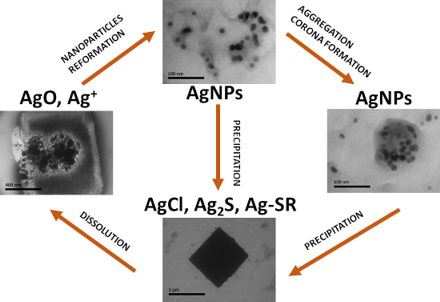
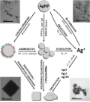
- nanoparticulate, ionic, metallic, and complex salts forms [9][10][11][12][13][14]. Despite many scientific and medical evidences for (bio)chemical transformation patterns of AgNPs [15], questions about their final fate in the body are still open. Irreversible skin discoloration or argyria was described in
- are created by several pathways, including partial AgNPs dissolution in the gastric fluid, uptake and systemic transport of ionic and nanoparticulate Ag as thiol and selenium complexes, and final deposition in the near-skin regions [15]. Especially important is the process of interaction with thiols




A review on nanostructured silver as a basic ingredient in medicine: physicochemical parameters and characterization
Beilstein J. Nanotechnol. 2021, 12, 440–461, doi:10.3762/bjnano.12.36
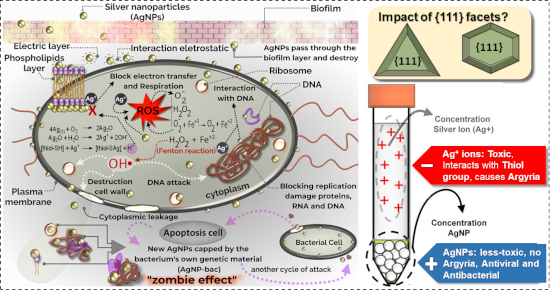
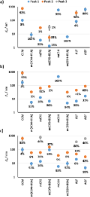
- agents responsible for the toxicity of silver and argyria in our body. When Ag+ enters the bloodstream, it is transported bound to albumin and thiol groups. When it reaches a region close to the skin, in areas affected by light, it can easily be photoreduced to AgNPs, which are then immobilized in the
- condition characterized by pigmentary changes secondary to exposure to silver salts which accumulate in the skin and mucous membranes. The toxicity of AgNPs is closely related to the release of Ag+ [57]. Studies with human mesenchymal stem cells (hMSCs) treated, under cell culture conditions, with different


A stretchable triboelectric nanogenerator made of silver-coated glass microspheres for human motion energy harvesting and self-powered sensing applications
Beilstein J. Nanotechnol. 2021, 12, 402–412, doi:10.3762/bjnano.12.32
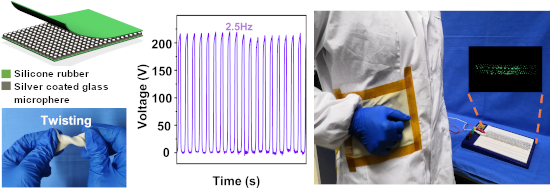
- source for electronic devices. Another potential application for the S-TENG is as flexible tactile sensor that can serve as electronic skin for a more comfortable interactive experience between humans and external objects by sensing all kinds of information, such as size, shape, and texture [26][27]. The



The impact of molecular tumor profiling on the design strategies for targeting myeloid leukemia and EGFR/CD44-positive solid tumors
Beilstein J. Nanotechnol. 2021, 12, 375–401, doi:10.3762/bjnano.12.31
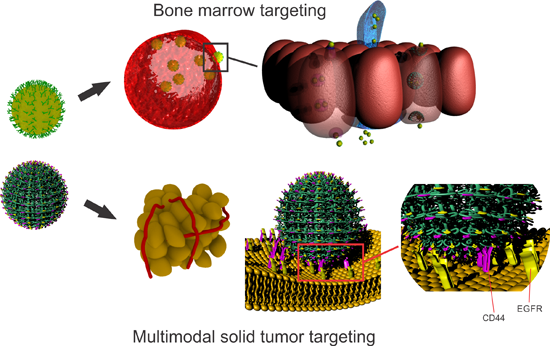
- can lead to side effects, mainly diarrhea and skin toxicity [15]. Also, all TKIs have short half-lives (in the case of imatinib and its main metabolite 18 and 40 h, respectively) and require daily dosing. More importantly, similar to the traditional cytotoxic agents, resistance to TKIs and early


Intracranial recording in patients with aphasia using nanomaterial-based flexible electronics: promises and challenges
Beilstein J. Nanotechnol. 2021, 12, 330–342, doi:10.3762/bjnano.12.27
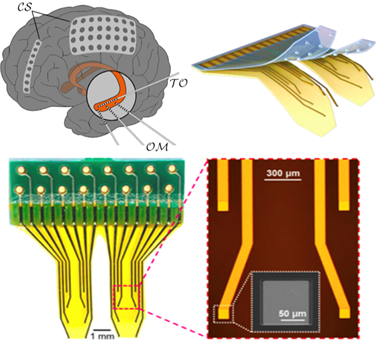
- ratio (SNR) than other modalities, such as fMRI or scalp EEG. The SNR of ECoG is 100 times higher than that of scalp EEG due to the reduction of environmental and physiological noise such as muscle contractions or skin potentials [42][46]. ECoG electrodes are characterised by a circular plate shape


A review on the biological effects of nanomaterials on silkworm (Bombyx mori)
Beilstein J. Nanotechnol. 2021, 12, 190–202, doi:10.3762/bjnano.12.15
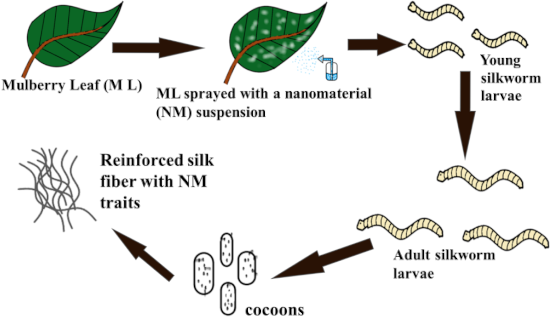
- nanomaterials include the production of soaps, skin moisturizers, and plastic films as seen in Table 1. Silkworm as a model organism Invertebrate model organisms are the most preferred in experimental trials because of their short generation time and prolific nature when compared to mammalian models, which are


Toward graphene textiles in wearable eye tracking systems for human–machine interaction
Beilstein J. Nanotechnol. 2021, 12, 180–189, doi:10.3762/bjnano.12.14
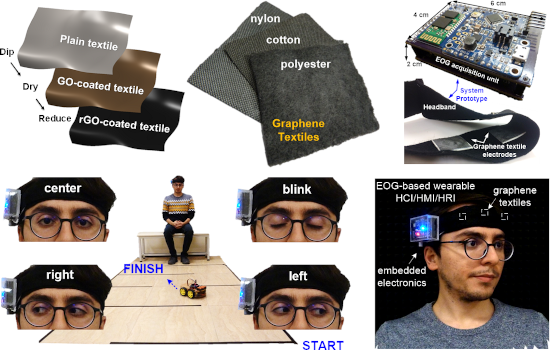
- this way, “passive” graphene textile electrodes were formed, which can be directly used to capture surface biopotentials without further modification. Conductivity measurements showed resistance values of the textiles between 1 and 10 kΩ and skin-electrode impedance values from 87.5 kΩ (at 10 Hz) to
- 11.6 kΩ (at 1 kHz). Additionally, since the operation of the textile electrodes relies on charge flow, moisture and sweat can increase the interface conductivity of the skin electrodes and provide an even better signal-to-noise ratio (SNR) in long-term monitoring applications in contrast to “wet
- ” electrodes, the functionality of which degrades over time [23]. However, one common issue in dry electrodes is the relatively high skin-electrode contact impedance, which causes susceptibility to physical movements and power line interferences resulting in signal distortions. While the flexible, foldable


Paper-based triboelectric nanogenerators and their applications: a review
Beilstein J. Nanotechnol. 2021, 12, 151–171, doi:10.3762/bjnano.12.12
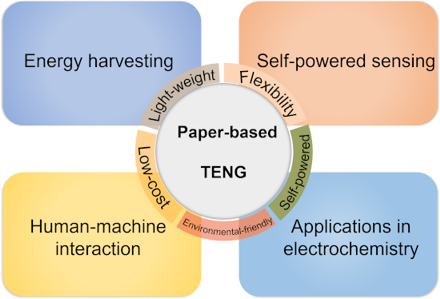
- induced potential variation. The application scenarios of TENGs with an SE mode are broad, including direct finger/hand/skin touch or body motions. The FT mode uses two unconnected symmetrical electrodes as the reference electrodes. When the top free-standing (i.e., noncontact) dielectric layer moves from






A review on the green and sustainable synthesis of silver nanoparticles and one-dimensional silver nanostructures
Beilstein J. Nanotechnol. 2021, 12, 102–136, doi:10.3762/bjnano.12.9
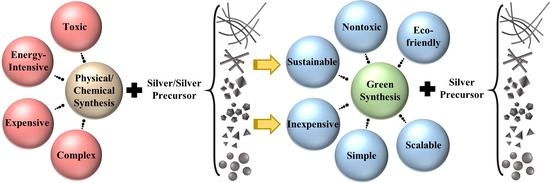
- devices [94], organic light emitting diodes (OLED) [95], transparent conductive electrodes [96][97], artificial skin [98], liquid crystal display (LCD) [99][100], and smart windows [101][102]. AgNWs can be embedded in flexible touch-screen substrates and electronic displays to provide an enhanced decrease


Bulk chemical composition contrast from attractive forces in AFM force spectroscopy
Beilstein J. Nanotechnol. 2021, 12, 58–71, doi:10.3762/bjnano.12.5
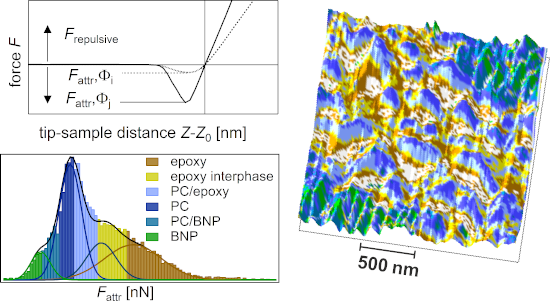
- hypothesis is also supported by the left-sided epoxy measurements. The left-sided epoxy was initially cured facing air which leads to a denser structure at the surface, usually referred to as the skin effect [44]. In both measurements, the IR amplitude and Fattr show significant higher values for the skin


Nanocasting synthesis of BiFeO3 nanoparticles with enhanced visible-light photocatalytic activity
Beilstein J. Nanotechnol. 2020, 11, 1822–1833, doi:10.3762/bjnano.11.164
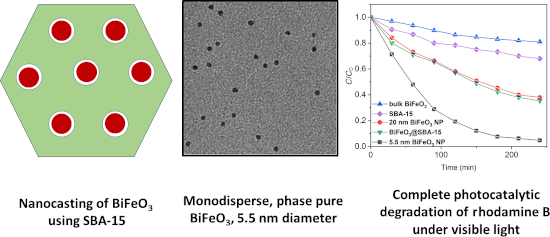
- lead to a decrease in photocatalytic activity due to crystal defects and local distortions altering the skin layer of the BiFeO3 photocatalysts [28][53][56]. From this results we conclude that the nanocasting method for the synthesis of BiFeO3 does not only produce pure-phase, uniform BiFeO3 with a




Out-of-plane surface patterning by subsurface processing of polymer substrates with focused ion beams
Beilstein J. Nanotechnol. 2020, 11, 1693–1703, doi:10.3762/bjnano.11.151
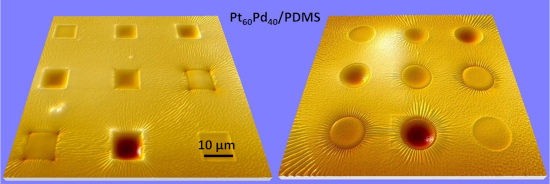
- investigated [21][22][23][24]. It has been shown that the ion beam irradiation can result in a significant compacting and, under certain conditions, in swelling of the irradiated PDMS areas [25]. In addition, a stiff “skin” layer produced by ion irradiation on the PDMS surface leads to the formation of ordered
- referred to in the literature as ”wrinkles”) on the irradiated PDMS surface has also been reported. This is attributed to the formation of a silica-like, stiff skin layer that buckles to release the accumulated strain energy [29]. Remarkably, we did not observe any rippling in the irradiated areas within
- the entire fluence range. The only ripple patterns we observed were those generated by the stress field outside the irradiated regions, where there is no skin or any other structural or compositional material modification. One of the likely reasons for the absence of rippling inside of the irradiated


Antimicrobial metal-based nanoparticles: a review on their synthesis, types and antimicrobial action
Beilstein J. Nanotechnol. 2020, 11, 1450–1469, doi:10.3762/bjnano.11.129
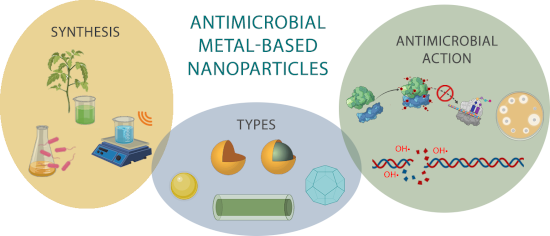
- NPs has been directed towards water disinfection, food packaging in addition to their known use as a UV filter to prevent skin cancer [114]. Lopez de Dicastillo et al. (2019) developed hollow TiO2 nanotubes and nanospheres with high antimicrobial activity through the combination of electrospinning and


Magnetohydrodynamic stagnation point on a Casson nanofluid flow over a radially stretching sheet
Beilstein J. Nanotechnol. 2020, 11, 1303–1315, doi:10.3762/bjnano.11.114
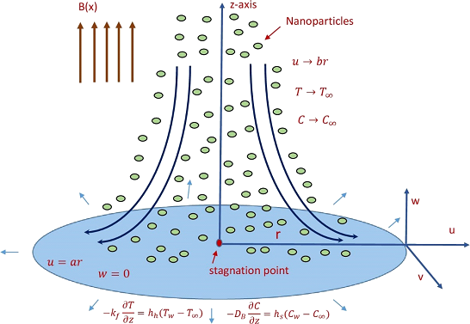
- written as The transformed boundary conditions are and the dimensionless parameters are defined as The formulas for the dimensional form of the skin-friction coefficient Cf, the Nusselt number Nu, and Sherwood number Sh, are given by and the formulas for τw, qw, and qm are The result of the transformation
- criteria for the shooting method is set as: in which ε is set as a very small positive number. In this work, ε is set as 10−5 whereas η∞ is set as 7. Results and Discussion In this section, the numerical results of the skin-friction coefficient, Nusselt and Sherwood numbers are listed in tables and shown
- ≤ 2.0, γ = 1.0, 1 ≤ Bi1 ≤ 2.0, and 1 ≤ Bi2 ≤ 2.0. Skin-friction coefficient, Nusselt and Sherwood numbers Prabhakar et al. [24] used a fourth-order Runge–Kutta method to obtain the numerical solution of the discussed model, whereas Attia [37] used the shooting technique and the computational software


Effect of magnetic field, heat generation and absorption on nanofluid flow over a nonlinear stretching sheet
Beilstein J. Nanotechnol. 2020, 11, 976–990, doi:10.3762/bjnano.11.82
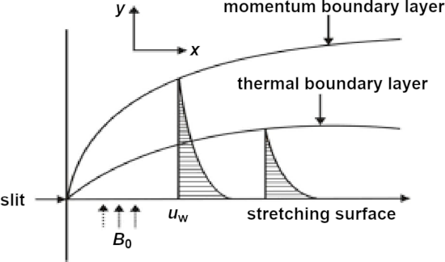
- the boundary layer, thus causing a reduction in its thickness for nanofluids. This is due to the fact that an increase in the slip parameter causes a reduction in the skin friction at the surface acting between the stretching sheet and the fluid flow, thus drastically decreasing the velocity gradient


Luminescent gold nanoclusters for bioimaging applications
Beilstein J. Nanotechnol. 2020, 11, 533–546, doi:10.3762/bjnano.11.42
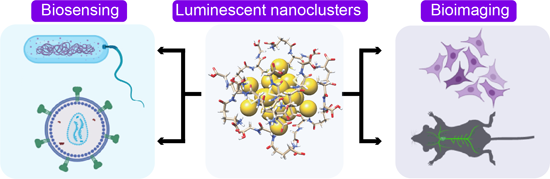
- after 24 h in the whole body except liver and bladder, suggesting the clearance of the Au-BSA NCs through the urinary clearance system. Under ex vivo imaging conditions, the harvested organs, including liver, spleen, kidney, heart, lung muscle, skin, and intestine, showed a fluorescence comparable to
- observed for [Au25(ZWMe2)18] in the tumor after 5 h and a slight decrease after 24 h. The tumor-to-skin ratio was determined after 1 and 24 h. It was found to be higher for [Au25(ZWMe2)18] and remained constant. To further validate the uptake in orthotropic brain tumors, NCs were injected into mice bearing
- organs (liver, spleen, left kidney, right kidney, heart, lung, muscle, skin, and intestine from left to right). C) (a) Fluorescence images of mice bearing an MDA-MB-45 tumor and (b) ex vivo fluorescence image of the tumor tissue and the muscle tissue around the tumor from the mice. D) In vivo whole-body


Nanoparticles based on the zwitterionic pillar[5]arene and Ag+: synthesis, self-assembly and cytotoxicity in the human lung cancer cell line A549
Beilstein J. Nanotechnol. 2020, 11, 421–431, doi:10.3762/bjnano.11.33
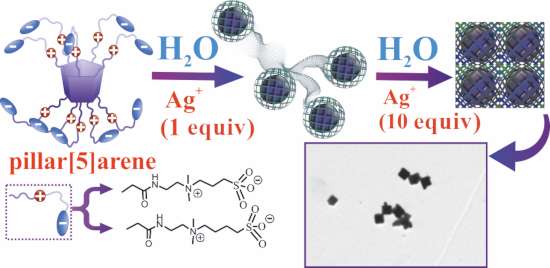
- [2][3][4]. Silver is well known for its antimicrobial activity, and Ag+ ion is usually considered a biologically active substance [5][6][7][8]. However, it is known that the effect of Ag+ on the human body is toxic and can cause diseases such as argyria (irreversible staining of the skin in gray