


Search results
Search for "stability" in Full Text gives 1337 result(s) in Beilstein Journal of Nanotechnology. Showing first 200.
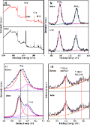
Ambient pressure XPS at MAX IV
Beilstein J. Nanotechnol. 2025, 16, 1677–1694, doi:10.3762/bjnano.16.118
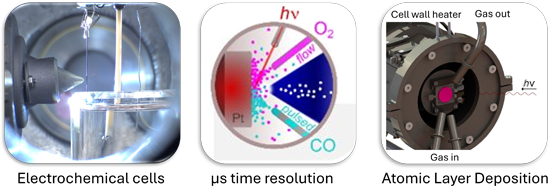
- provides unique insight into surface reactions, charge transfer, and interface stability, which are central to the performance and degradation mechanisms of electrochemical systems. Electrochemical interfaces can be studied by APXPS using two primary cell types, namely, membrane-based flow cells and “dip





Energy spectrum and quantum phase transition of the coupled single spin and an infinitely coordinated Ising chain
Beilstein J. Nanotechnol. 2025, 16, 1668–1676, doi:10.3762/bjnano.16.117
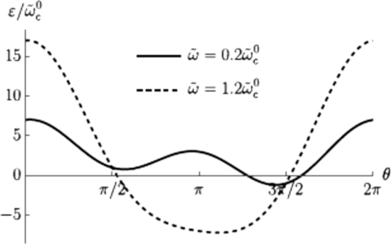
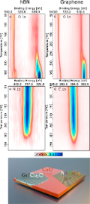
- ⟩| = |Scosθ| = S. The second solution corresponds to sinφ = 0 and It describes the broken symmetry phase in which |⟨Sz⟩| ≠ S. We found the critical values of the parameters, at which the phase transition occurs, by checking the stability of the symmetric phase. Namely, if it is stable, the sinθ = 0 and cosφ
- , corresponding to described extrema configurations, can be found in Figure 4. We also derive the conditions for stability of the points θ = 0, π, 2π. Calculating the second derivatives we find: Accordingly, the point θ = π is a minimum if and points θ = 0, 2π are stable if Two important observations can be made

![[Graphic 39]](/bjnano/content/inline/2190-4286-16-117-i63.svg?max-width=637&scale=1.18182)


![[Graphic 51]](/bjnano/content/inline/2190-4286-16-117-i75.svg?max-width=637&scale=1.18182)
Prospects of nanotechnology and natural products for cancer and immunotherapy
Beilstein J. Nanotechnol. 2025, 16, 1644–1667, doi:10.3762/bjnano.16.116
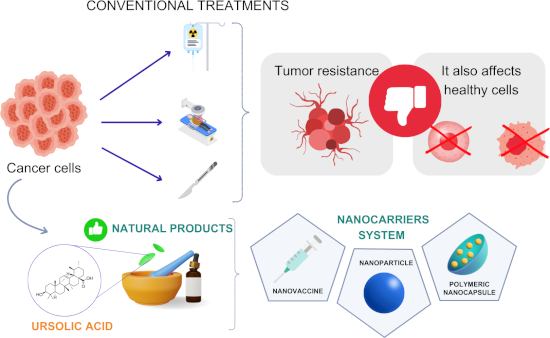
- , enhancing stability, and reducing adverse effects. Concurrently, natural products are being extensively researched for their anticancer and immunomodulatory properties. This patent review aims to analyze publications that integrate nanotechnology with natural products to develop cancer treatments and
- ]. Additionally, the use of biomimetic nanoparticles, including exosome-based delivery systems and cell membrane-coated nanoparticles, has shown promise in improving targeting efficiency and immune evasion [18][19]. Despite these advances, significant challenges remain, including nanoparticle stability in
- factors such as bioavailability and stability, while also reducing toxicity [27]. China (CN) leads the ranking of published inventions with 14 documents, followed by the World Intellectual Property Organization (WO), the Republic of Korea (KR), and the United States of America (USA), each with one patent


Venom-loaded cationic-functionalized poly(lactic acid) nanoparticles for serum production against Tityus serrulatus scorpion
Beilstein J. Nanotechnol. 2025, 16, 1633–1643, doi:10.3762/bjnano.16.115
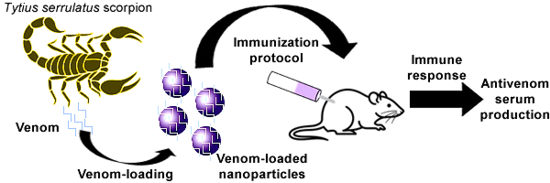
- analysis supported small and narrow-sized cationic functionalized nanoparticles. Atomic force microscopy and scanning electron microscopy images showed nanoparticles with a spherical and smooth shape. The stability of tested formulations was accessed for six weeks, and the sustained release of proteins
- improve safety but also effectively deliver complex venom proteins. The bioactive proteins that compound the Tityus serrulatus venom are complex molecules that should have the structural integrity preserved for the specific biological activity. The poor stability of these proteins, both in vivo and in
- as the mean diameters of nanoparticles (Figure 2). Physical stability assay Distinct NPs with venom-loaded formulations were analyzed for particle size and PDI (Figure 3). The tracking was accomplished for 42 days (six weeks) and the formulations do not show significant differences in particle size


Nanotechnology-based approaches for the removal of microplastics from wastewater: a comprehensive review
Beilstein J. Nanotechnol. 2025, 16, 1607–1632, doi:10.3762/bjnano.16.114
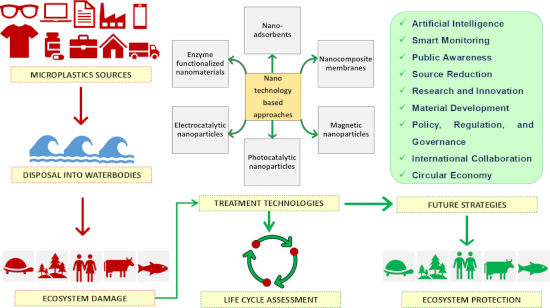
- hydrophobic nature make them highly effective in capturing various organic pollutants, including methylene blue, neutral red, and polycyclic aromatic hydrocarbons. Notably, the unique hexagonal honeycomb crystal structure imparts exceptional stability, allowing them to perform efficiently under challenging
- consistent and efficient adsorption across reuse cycles. Layered double hydroxides (LDHs) are a distinctive group of 2D inorganic materials known for their remarkable physical and chemical characteristics. Their exceptional ion exchange ability, large surface area, high thermal stability, and customizable
- concludes that PSF/MIL-100 (Fe) composite membrane offers a promising solution for the removal of MPs [117]. Chen et al. [118] developed a series of zirconium-based MOF foam materials with interconnected pores, excellent stability, and high structural uniformity for the removal of MPs from both seawater and


Bioinspired polypropylene-based functionally graded materials and metamaterials modeling the mistletoe–host interface
Beilstein J. Nanotechnol. 2025, 16, 1592–1606, doi:10.3762/bjnano.16.113
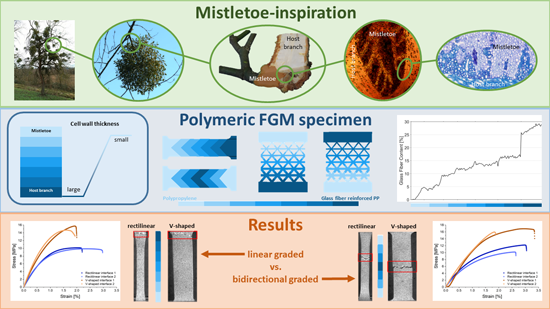
- nutrients and to maintain mechanical stability during joint growth for over 20 years, despite its ever-increasing weight and the additional loads caused by wind and snow [29]. Analyses of the tissue and cell structure have revealed a chemical lignification gradient along the V-shaped interface between the


Photocatalytic degradation of ofloxacin in water assisted by TiO2 nanowires on carbon cloth: contributions of H2O2 addition and substrate absorbability
Beilstein J. Nanotechnol. 2025, 16, 1567–1579, doi:10.3762/bjnano.16.111
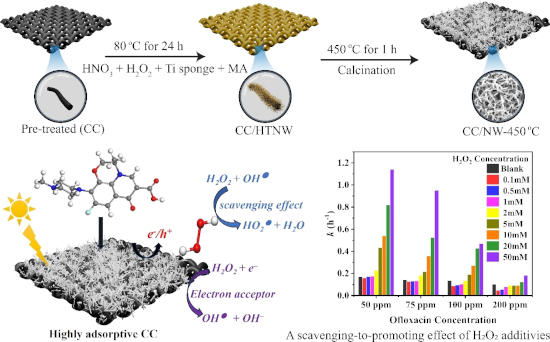
- retained over 90% of its efficiency even after 6 cycles demonstrates the stability of the CC/NW-450 °C photocatalyst. SEM and XRD data of the catalyst after the recycling experiment are shown in Figure S8 in Supporting Information File 1, from which no remarkable change can be seen because of its high
- structural stability. High photocatalytic activity over multiple cycles, along with simple, low-cost, and stable operation, are the key parameters for their promising applications in practical wastewater treatment, in which the frequent replacement or regeneration of the catalyst must be avoided. Influence
- (pH 2) and highly basic (pH 12) conditions reduce the degradation efficiency, likely due to reduced ROS stability or altered surface interactions. It demonstrates that the carbon cloth-supported TiO2 nanowires are capable of functioning in wastewater with a wide pH range. The active radical species


Modeling magnetic properties of cobalt nanofilms used as a component of spin hybrid superconductor–ferromagnetic structures
Beilstein J. Nanotechnol. 2025, 16, 1557–1566, doi:10.3762/bjnano.16.110
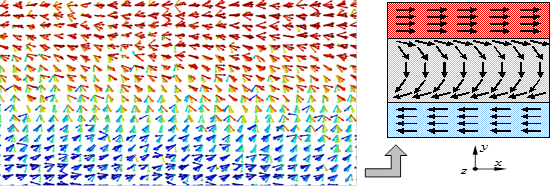
- step 0.1 fs, but the algorithm remains sufficiently accurate up to a time step of 10.0 fs. Therefore, for conducting computational experiments, an integration step of up to 10.0 fs can be used. According to [22], numerical results obtained with a time step of 0.1 fs show the greatest stability and


Transient electronics for sustainability: Emerging technologies and future directions
Beilstein J. Nanotechnol. 2025, 16, 1545–1556, doi:10.3762/bjnano.16.109

- ; pH 7.4 phosphate-buffered saline (PBS) at 37 °C) [37][53]. In contrast, Mo and W degrade significantly more slowly with dissolution rates of 0.001 µm/day (Mo; pH 7 buffer at rt) [58] and 0.48–1.44 µm/day (W; pH 7.4 SBF at rt) [59], which is advantageous for long-term device stability but poses
- meeting the multifunctional demands of implantable bioelectronics, which require precise control over electrical stability, mechanical flexibility, and degradation timing. A versatile material portfolio enables customized device designs tailored to operation duration, implantation site, and mechanical


Influence of laser beam profile on morphology and optical properties of silicon nanoparticles formed by laser ablation in liquid
Beilstein J. Nanotechnol. 2025, 16, 1533–1544, doi:10.3762/bjnano.16.108
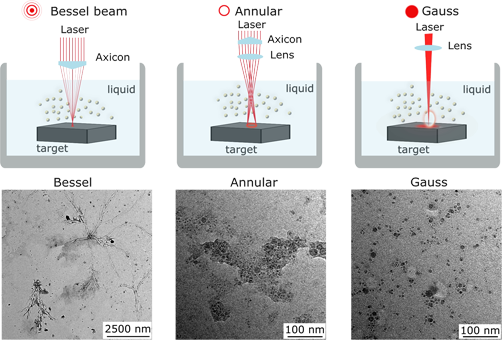
- charge and discharge, facilitating the charge transfer processes [47][48][49]. As a result, parameters such as specific capacitance and cycling stability are enhanced [13]. In our case, high values of specific capacitance can be expected because of the developed surface of the silicon NPs prepared by
- number of benefits from the mechanical and chemical stability of the carbon cloth material, which, together with its low cost and large surface area, make it especially promising for the flexible devices. The results of these experiments are the subject of upcoming works. Conclusion In summary, laser


Dendrimer-modified carbon nanotubes for the removal and recovery of heavy metal ions from water
Beilstein J. Nanotechnol. 2025, 16, 1522–1532, doi:10.3762/bjnano.16.107

- dendrimers on a solid support can also improve the dispersibility, accessibility of binding sites, chemical recyclability, and mechanical stability [16][17]. In fact, dendrimers have been supported by various nanomaterials such as silica, graphene oxide, and carbon nanotubes (CNTs), broadening their
- and 150 °C for the unfunctionalized CNTs, which is attributed to the release of physically adsorbed water. Moreover, bare CNTs exhibited thermal stability up to 800 °C with a residual weight of 97.80% suggesting the absence of organic functional groups. In contrast, CNTs functionalized with MA and EDA
- 800 °C, indicating significant thermal stability, but surely less than unfunctionalized CNTs due to the presence of organic functional groups. Further thermal analysis of CNTs functionalized with dendrimers such as CNTs-G1, CNTs-G2, CNTs-G3, and CNTs-G5 have shown more pronounced weight losses at


Cross-reactivities in conjugation reactions involving iron oxide nanoparticles
Beilstein J. Nanotechnol. 2025, 16, 1504–1521, doi:10.3762/bjnano.16.106
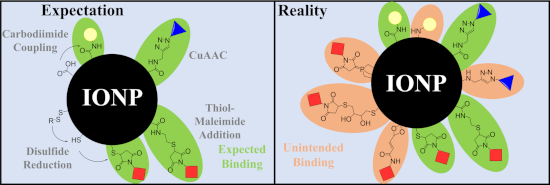
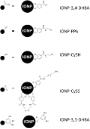
- commonly used click reactions and shows high specificity [15][16]. The Cu(I) catalyst increases the coupling rate of azides and alkynes by up to seven orders of magnitude, forming triazole rings, which possess exceptional chemical stability [16]. For these reasons, the CuAAC has been utilized extensively







Laser processing in liquids: insights into nanocolloid generation and thin film integration for energy, photonic, and sensing applications
Beilstein J. Nanotechnol. 2025, 16, 1428–1498, doi:10.3762/bjnano.16.104
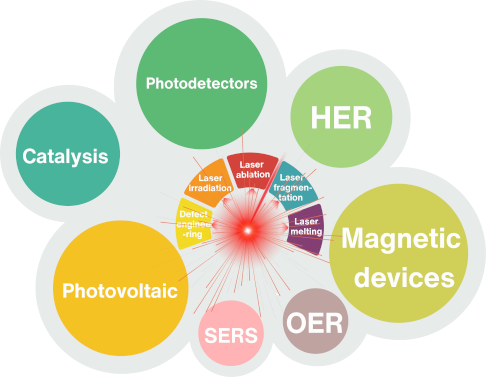
- stability in addition to other benefits like tunable size and morphology, crystalline phases, new compounds and alloys, and defect engineering. These nanocolloids are useful for fabricating different devices mainly with applications in optoelectronics, catalysis, sensors, photodetectors, surface-enhanced
- parameters, researchers have been able to selectively create and stabilize the desired type and distribution of defects within the electrode materials, leading to improvements in energy density, power density, and cycling stability of electrochemical energy storage devices [88][89][90][91]. Furthermore, LDL






Photochemical synthesis of silver nanoprisms via green LED irradiation and evaluation of SERS activity
Beilstein J. Nanotechnol. 2025, 16, 1417–1427, doi:10.3762/bjnano.16.103
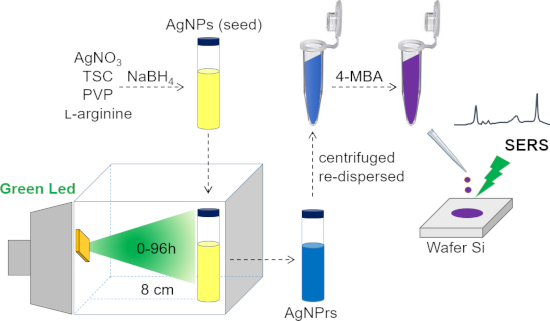
- , photochemical methods utilizing physical agents such as lasers [5], UV light [6], or LEDs [7][8][9] have gained attention due to their superior spatial and temporal control, high stability of the resulting AgNPrs and avoidance of environmentally unfriendly reducing agents [8][10]. The strong surface plasmon
- , this method avoids excessive oxidative–reductive agents such as H2O2, thereby improving the structural integrity, stability, and potential applicability of the resulting AgNPrs. Formation mechanism of AgNPrs During the seed development process leading to the formation of AgNPrs, two critical components


The role of biochar in combating microplastic pollution: a bibliometric analysis in environmental contexts
Beilstein J. Nanotechnol. 2025, 16, 1401–1416, doi:10.3762/bjnano.16.102
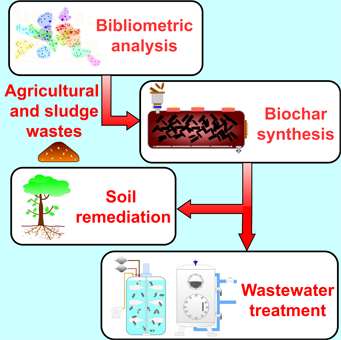
- physicochemical properties, remediation efficiency, and environmental stability of MPs. Evaluating biochar’s potential for MP remediation in agricultural soils, focusing on improvements in soil properties, crop yield, gene expression, and microbial communities. Examining biochar’s adsorption mechanisms and MP
- modifiers, magnetic-derived amphoteric metals and cooperative microbes [31][32][33][34]. Traditional biochar synthesis aims to optimize specific surface area and structural stability by controlling reaction time, heating rate and reactor temperature [35]. For example, biochar produced from oilseed rape
- , enhanced diffusion, surface adsorption, and cation–π electron interactions were observed at 550 °C in Polygonum amphibium L. biochar. However, pyrolysis temperatures above 550 °C led to reduced stability [42]. Similarly, pyrolysis at 700 °C can increase SSA but may degrade oxygen-containing functional



Parylene-coated platinum nanowire electrodes for biomolecular sensing applications
Beilstein J. Nanotechnol. 2025, 16, 1392–1400, doi:10.3762/bjnano.16.101
- stability of metal nanoparticles limits their application in biological systems and decreases their performance [12]. Other materials like silicon quantum dots, ion-imprinted polymer, and hydrogels have unique biocompatibility and specificity advantages, but long-term stability and cost make them
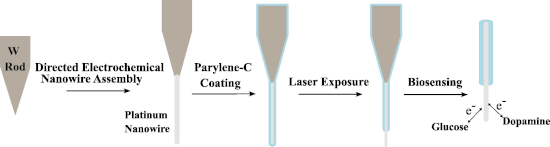
- biocompatibility, catalytic efficiency, and stability [24]. Parylene-C was utilized for the encapsulation and insulation of the electrodes. Dopamine and glucose were selected as analytes for testing biosensing capabilities of the electrodes. Nanoscale electrode growth steps are explained including nanowire growth
- . Additionally, surface modification can improve the stability and durability of the electrode, further enhancing its applicability. Conclusion This study presents a method for fabricating nano-scale electrodes with platinum nanowire tip lengths as small as 1.2 µm, and diameters down to 120 nm. This size


Synthesis and antibacterial properties of nanosilver-modified cellulose triacetate membranes for seawater desalination
Beilstein J. Nanotechnol. 2025, 16, 1380–1391, doi:10.3762/bjnano.16.100
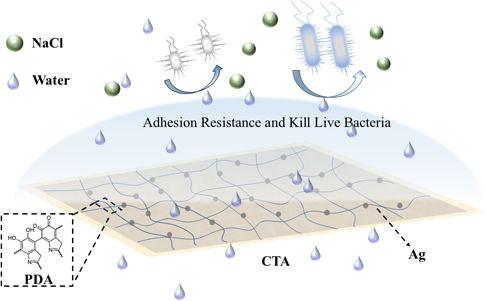
- PDA peaks in the NMR spectra, resulting in the absence of observable characteristic peaks of PDA. Thermogravimetric analysis (TGA) was used to evaluate the membrane’s thermal stability, with the results presented in Figure 2b–d. The minimal differences observed among the three TGA curves also indicate
- Ag nanoparticles. The stability of Ag, even in such low quantities, is indicated by their resistance to decomposition or volatilization at temperatures up to 800 °C. However, due to the extremely low content of Ag, the residual mass is within the detection limit of the TGA instrument, and thus the


Enhancing the therapeutical potential of metalloantibiotics using nano-based delivery systems
Beilstein J. Nanotechnol. 2025, 16, 1350–1366, doi:10.3762/bjnano.16.98
- instance, liposomal formulations of antibiotics such as polymyxin B, cefepime, and vancomycin have demonstrated superior antibacterial effects compared to their free drug counterparts [64][65][66]. Liposomes enhance drug stability, increase drug concentration at the target site, and facilitate drug uptake
- ]. To address these issues, researchers have developed nanostructured lipid carriers, which incorporate liquid lipids into a solid lipid matrix, resulting in improved drug loading capacity and stability [75]. In summary, SLNs have garnered significant attention as a promising drug delivery system
- encapsulate a wide variety of therapeutic agents, from hydrophilic to hydrophobic compounds. Due to their biocompatibility and easy formulation, polymeric NPs can be engineered to offer precise control over drug release, stability, and targeting, making them ideal candidates in the treatment of infections [77


Ferroptosis induction by engineered liposomes for enhanced tumor therapy
Beilstein J. Nanotechnol. 2025, 16, 1325–1349, doi:10.3762/bjnano.16.97
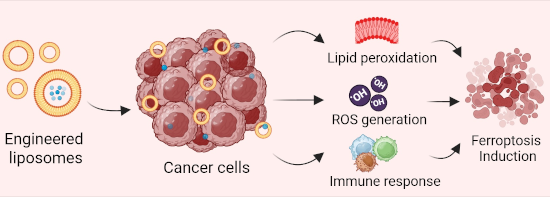
- high EE and stability [117]. These new technologies in liposome synthesis offer improved methods for producing liposomes with customized properties, which increased their potential as drug delivery systems for various therapeutic applications [114][117][118][119]. The optimal method of liposome
- plays a crucial role in determining their stability and interactions with biological systems. EE can be determined by separating the liposomes from the non-encapsulated drug using techniques such as size exclusion chromatography or centrifugation, followed by quantification of the encapsulated drug
- liposomes is preserved [110]. The surface charge of liposomes, often expressed as zeta potential, is an important parameter that influences their stability and interaction with biological systems. Electrophoretic light scattering is often used to measure the zeta potential of liposomes [110][125]. Cryo-TEM


Deep-learning recognition and tracking of individual nanotubes in low-contrast microscopy videos
Beilstein J. Nanotechnol. 2025, 16, 1316–1324, doi:10.3762/bjnano.16.96
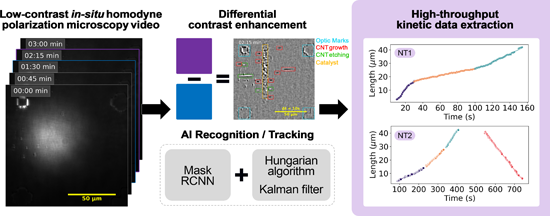
- , augmentations were applied to account for possible variations in image brightness, contrast, and nanotube localization (Supporting Information File 1, Figure S4). This approach not only expanded the dataset without additional manual labeling but also increased the robustness and stability of the trained model
- labeling the dataset used to train the DL model, allowing for comparison of data obtained by both methods to validate their coherence. Properly designed training datasets and augmentations improve model robustness and stability without increasing training data volume. Despite significant advancements


Enhancing the photoelectrochemical performance of BiOI-derived BiVO4 films by controlled-intensity current electrodeposition
Beilstein J. Nanotechnol. 2025, 16, 1289–1301, doi:10.3762/bjnano.16.94
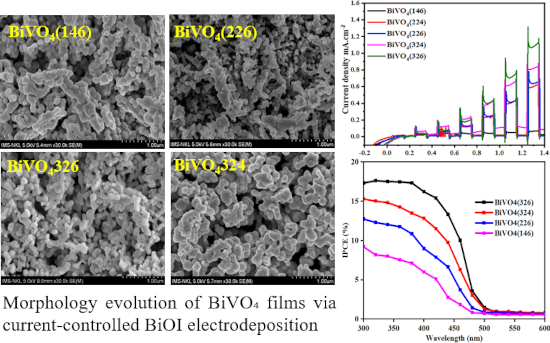
- limited by material challenges, including insufficient light absorption, high electron–hole recombination rates, and poor stability under operating conditions [5][6]. Among various semiconductor materials, bismuth vanadate (BiVO4) has attracted considerable interest due to its strong visible light
- absorption, moderate bandgap (≈2.4 eV), high theoretical photocurrent density (≈7.5 mA·cm−2), and chemical stability in aqueous environments [7][8][9]. Nevertheless, BiVO4 suffers from intrinsic drawbacks such as low charge carrier mobility, limited conductivity, and rapid recombination of photogenerated
- , as well as the reduced electron–hole recombination rates observed in the Raman and UV–vis analyses. The long-term photoelectrochemical stability of the optimized BiVO4(326) photoanode was evaluated using chronoamperometry under continuous AM1.5G illumination at 1.23 V vs RHE in 0.50 M Na2SO4



Acrocomia aculeata oil-loaded nanoemulsion: development, anti-inflammatory properties, and cytotoxicity evaluation
Beilstein J. Nanotechnol. 2025, 16, 1277–1288, doi:10.3762/bjnano.16.93
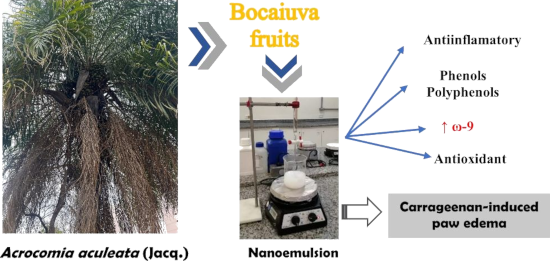
- , nutraceutical, and industrial applications. However, due to the chemical and physicochemical characteristics as well as the solubility and stability of this oil, it was decided to make a nanoemulsion to enhance its already known therapeutic benefits. Nanoemulsions are nanoemulsified systems, either oil-in-water
- (O/W) or water-in-oil (W/O), which are isotropic, homogeneous, and thermodynamically unstable, with droplet sizes ranging from 20 to 200 nm [20]. They present properties such as high surface area per unit volume, robust kinetic stability, and tunable rheology [21]. It has been demonstrated that
- presence of phenols and carotenoids, which were characterized in this study. These secondary metabolites are considered to have high antioxidant activity and provide high stability to the oil [5]. These metabolites have been shown to possess anti-inflammatory and immunostimulant properties [1][33


Better together: biomimetic nanomedicines for high performance tumor therapy
Beilstein J. Nanotechnol. 2025, 16, 1246–1276, doi:10.3762/bjnano.16.92
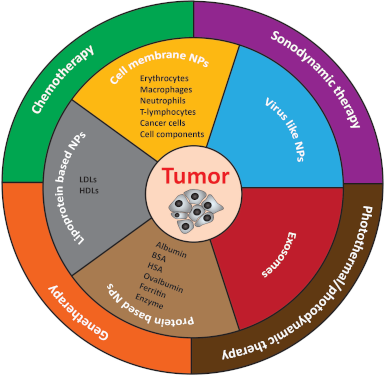
- . BSA has some immunogenic effects and is therefore used in immunotherapy and analytic bioassay applications [78][81][82][83]. 1.3.3 Human serum albumin. Human serum albumin (HSA) has biomedical applications as HAS-templated NPs exhibit immune escape, enhanced stability, and high drug loading [84][85
- “disassembly–reassembly” technology to obtain reconstituted RBCs (rRBCs) for a membrane-coated delivery platform. It was found that the rRBC membrane improved stability, circulation time, and immune escape after removing the endogenous proteins and lipids on the membrane. After synthesizing biomimetic rRBC







Functional bio-packaging enhanced with nanocellulose from rice straw and cinnamon essential oil Pickering emulsion for fruit preservation
Beilstein J. Nanotechnol. 2025, 16, 1234–1245, doi:10.3762/bjnano.16.91
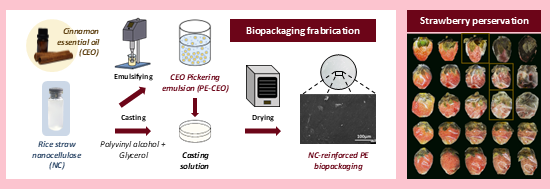
- matrix properties, including tensile strength, elasticity, and thermal stability, due to its high surface area, hydroxy groups forming hydrogen bonds, and excellent dispersion within the matrix [20][21]. This improvement is attributed to interaction between hydroxy groups in NC and PVA, effectively
- dispersibility of essential oils in biopolymer matrices but also enhances the overall compatibility and performance of the biopackaging material [22]. Our previous research has demonstrated that nanocellulose can effectively encapsulate CEO into a PE with small particle sizes (<700 nm), high stability, and
- release [42]. At temperatures above 380 °C, carbonaceous residues decomposed. The addition of NC shifted the degradation onset temperature to a higher range, indicating improved thermal stability. This could be due to the rigid nature of NC particles, which enhance the structural integrity of the




Hydrogels and nanogels: effectiveness in dermal applications
Beilstein J. Nanotechnol. 2025, 16, 1216–1233, doi:10.3762/bjnano.16.90
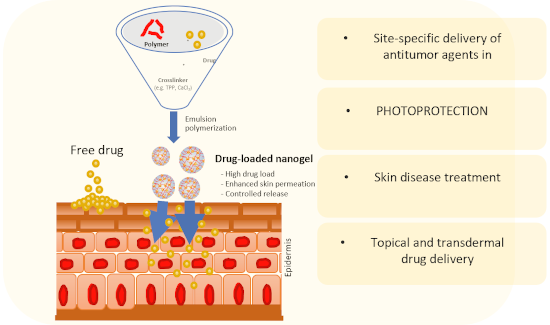
- stability, absorption, and biodistribution impairments. Among the DDSs, we can highlight hydrogels and nanogels, which are easy to obtain, show good biocompatibility, and have several applications in the design of drug carriers for dermal and ocular administration. In this review, we introduce a brief
- properties to a gel previously composed of a more rigid and brittle network, a double network gel with an IPN structure is obtained. This approach significantly contributes to improving the mechanical properties and stability of the system [43][52]. Synthetic polymers, including acrylates [53], acrylamide
- amine (NH2) and hydroxyl (OH) functional groups [77], as shown in Figure 1. The stability of hydrogels is maintained by cross-links that, in aqueous media, prevent the dissolution of polymer chains [134]. Another polymer widely used in the preparation of hydrogels is cellulose. Cellulose hydrogels have





