


Search results
Search for "acetone" in Full Text gives 366 result(s) in Beilstein Journal of Nanotechnology. Showing first 200.
Imaging of SARS-CoV-2 infected Vero E6 cells by helium ion microscopy
Beilstein J. Nanotechnol. 2021, 12, 172–179, doi:10.3762/bjnano.12.13
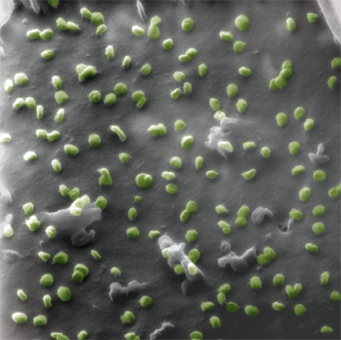
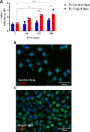
- ethanol (50%, 70%, 95%, 99.5% (2×)), transferred to water-free acetone and critical point dried in carbon dioxide. HIM was performed with an Orion Plus microscope (Carl Zeiss) at an acceleration voltage of about 36 kV and a working distance of 20 mm. The spot control was set to 6 to obtain a beam current


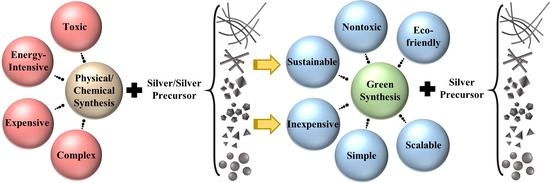
A review on the green and sustainable synthesis of silver nanoparticles and one-dimensional silver nanostructures
Beilstein J. Nanotechnol. 2021, 12, 102–136, doi:10.3762/bjnano.12.9


Atomic layer deposited films of Al2O3 on fluorine-doped tin oxide electrodes: stability and barrier properties
Beilstein J. Nanotechnol. 2021, 12, 24–34, doi:10.3762/bjnano.12.2
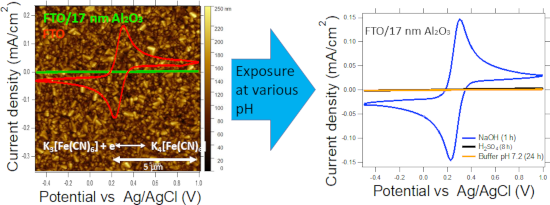
- grade. 0.1 M sodium phosphate buffer solution, pH 7.2, was obtained from Fluka. Triply distilled water was used for the preparation of solutions. Fluorine-doped tin oxide-coated 2 mm thick glass (TEC-7, 7 Ω/□, Sigma-Aldrich), was ultrasonically pre-cleaned with isopropanol, treated with acetone, ethanol
- , and water and dried in a stream of argon. Si(100) wafers with a 300 nm thick thermal oxide layer (Silicon Quest International, USA) were treated successively with acetone/ethanol/water. Al2O3 films were grown by using an ALD system R200 (Picosun, Finland) in the thermal mode with varying numbers of


Towards 3D self-assembled rolled multiwall carbon nanotube structures by spontaneous peel off
Beilstein J. Nanotechnol. 2020, 11, 1865–1872, doi:10.3762/bjnano.11.168
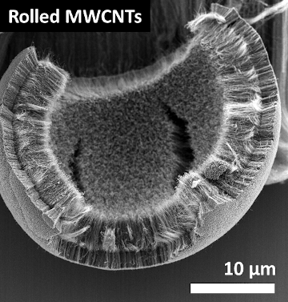
- piezoelectric generator, a quartz tube (2.2 cm inner diameter), a 50 cm long horizontal tube furnace, a gas flow controller, and an acetone gas trap. The total gas flow was 2500 sccm for all experiments. In order to obtain different compositions within the MWCNTs, different sequences of different precursors


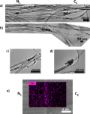

Piezotronic effect in AlGaN/AlN/GaN heterojunction nanowires used as a flexible strain sensor
Beilstein J. Nanotechnol. 2020, 11, 1847–1853, doi:10.3762/bjnano.11.166
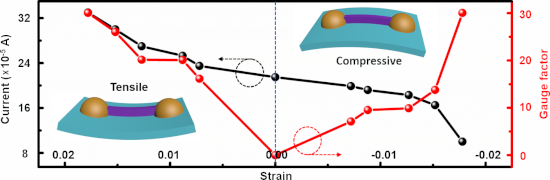
- , the striped photoresist mask, which covers the surface, was removed with acetone to obtain the structure shown in Figure 2a. The settings for the stripe width (900 nm) and the interval between the stripes (3 μm) were controlled during stepper lithography. After ICP dry etching, the sample was placed


A self-powered, flexible ultra-thin Si/ZnO nanowire photodetector as full-spectrum optical sensor and pyroelectric nanogenerator
Beilstein J. Nanotechnol. 2020, 11, 1623–1630, doi:10.3762/bjnano.11.145
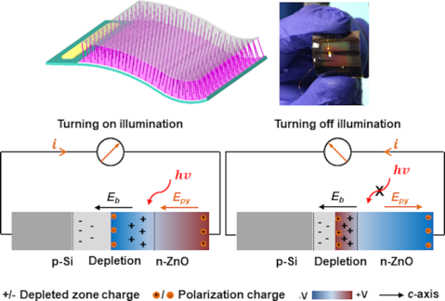
- etching. More specifically, a 500 μm p-type high conductivity Si substrate was dipped into potassium hydrate (KOH) solution with a concentration of 50% at 130 °C for 6–8 h. Then, the obtained 45 μm p-Si was washed with acetone, isopropanol, and deionized water. Secondly, a thin ZnO seed layer was


Effect of localized helium ion irradiation on the performance of synthetic monolayer MoS2 field-effect transistors
Beilstein J. Nanotechnol. 2020, 11, 1329–1335, doi:10.3762/bjnano.11.117
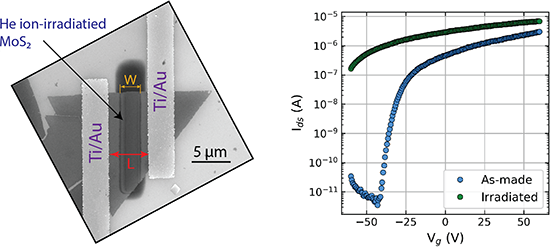
- by lift-off in acetone and metal deposition by evaporation (5 nm Ti and 35 nm Au). Electrical testing was carried out using a dual-channel source–measure unit connected to tungsten micromanipulator probes (Imina miBot) in the vacuum chamber of a customized Zeiss EVO scanning electron microscope (SEM


Wet-spinning of magneto-responsive helical chitosan microfibers
Beilstein J. Nanotechnol. 2020, 11, 991–999, doi:10.3762/bjnano.11.83
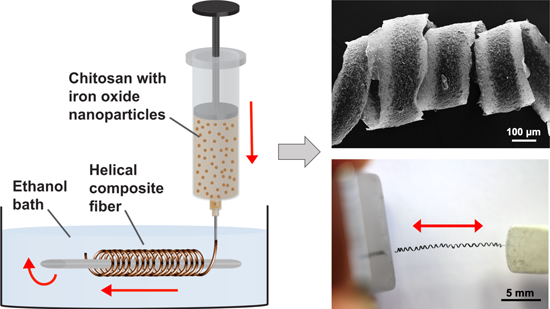
- acetone [26][27], alcohols [28][29] or alkaline solvents [30][31][32]. Regarding future tissue engineering applications, wet-spun chitosan fibers have already been found to serve as scaffolds for osteoblasts [20], Schwann cells [33], hepatoma HepG2 cells [34] and porcine valvular interstitial cells [35


Electrochemical nanostructuring of (111) oriented GaAs crystals: from porous structures to nanowires
Beilstein J. Nanotechnol. 2020, 11, 966–975, doi:10.3762/bjnano.11.81
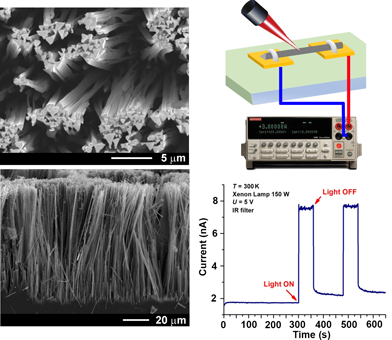
- sonicated in acetone for 15 min, cleaned in distilled water and dried. In order to remove the native oxide from the surface, the samples were dipped in a HCl/H2O (1:3) solution for 2 min. The electrical contacts to the sample were prepared with silver paste, then the samples were pressed against an O-ring




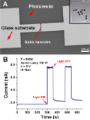

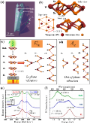
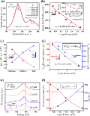
Light–matter interactions in two-dimensional layered WSe2 for gauging evolution of phonon dynamics
Beilstein J. Nanotechnol. 2020, 11, 782–797, doi:10.3762/bjnano.11.63
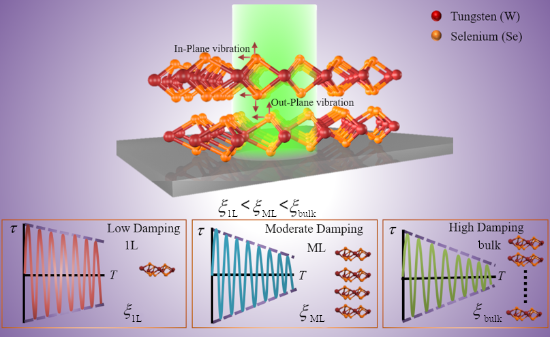
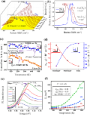
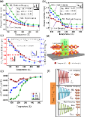
- substrates were cleaned using acetone, isopropyl alcohol and methanol solution in an ultrasonicator, and rinsed with DI water. Nitrogen blow drying and substrate heating on a hotplate at T = 110 °C for 5 min allowed any residual moisture from the substrate surface to be removed. The micro-Raman and PL
Nickel nanoparticles supported on a covalent triazine framework as electrocatalyst for oxygen evolution reaction and oxygen reduction reactions
Beilstein J. Nanotechnol. 2020, 11, 770–781, doi:10.3762/bjnano.11.62
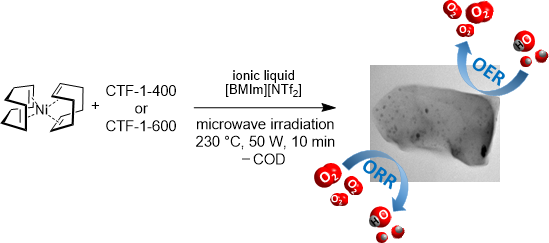
- , it was washed with 200 mL diluted hydrochloric acid (HCl) (2 mol/L) for 24 h. The washing process was further continued with millipore water (3 × 75 mL), tetrahydrofuran (THF) (3 × 75 mL) and acetone (3 × 75 mL). The resulted product was dried under high vacuum at 120 °C overnight. The same procedure


Quantitative determination of the interaction potential between two surfaces using frequency-modulated atomic force microscopy
Beilstein J. Nanotechnol. 2020, 11, 729–739, doi:10.3762/bjnano.11.60
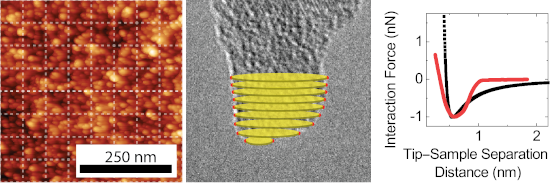
- with acetone and subsequently ethanol for 20 min with each solvent. The samples were then transferred into the vacuum chamber and baked at 120 °C for 8 h. A non-reflective silicon AFM probe (PPP-NCL, Nanosensors) was used in AFM measurements. TEM images were taken of the AFM tip apex before mounting


Structural optical and electrical properties of a transparent conductive ITO/Al–Ag/ITO multilayer contact
Beilstein J. Nanotechnol. 2020, 11, 695–702, doi:10.3762/bjnano.11.57
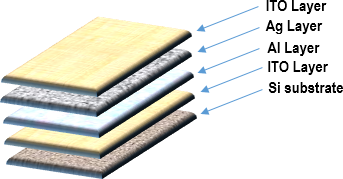
- diameter was used for the thin films preparation. The top and bottom ITO layers were deposited using RF sputtering while DC sputtering was applied for the deposition of the Al–Ag bilayer. Prior to deposition, Si substrates were heated in acetone at 55 °C for 5 min, rinsed in isopropanol and deionized water


Interfacial charge transfer processes in 2D and 3D semiconducting hybrid perovskites: azobenzene as photoswitchable ligand
Beilstein J. Nanotechnol. 2020, 11, 466–479, doi:10.3762/bjnano.11.38
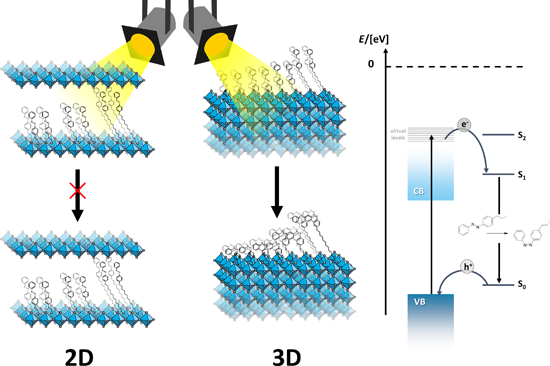
- perovskite phase a 1.0 M PbBr2 stock solution in DMF was prepared. 2.0 equiv of the appropriate Azo-(O)Cn ligand was added to the solution. Under vigorous stirring 0.2 mL of the precursor solution was added quickly into 30 mL DCM (n = 2) or acetone (n = 4, 12). The suspension was stirred for 1 h, then the
- precipitation was centrifuged, washed three times with 3 mL DCM/acetone and dried under reduced pressure. The samples were kept under nitrogen atmosphere to prevent decomposition. Synthesis of functionalized 3D perovskite particles For the material synthesis of 3D perovskite particles, a 1.0 M PbBr2 stock


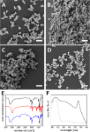


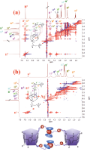
Nanoparticles based on the zwitterionic pillar[5]arene and Ag+: synthesis, self-assembly and cytotoxicity in the human lung cancer cell line A549
Beilstein J. Nanotechnol. 2020, 11, 421–431, doi:10.3762/bjnano.11.33
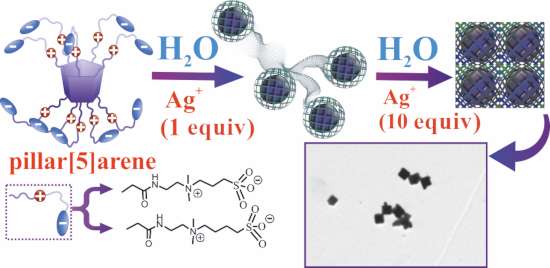
- was cooled and poured into 20 mL of diethyl ether. The resulting yellow powder was collected by filtration. The crude product was recrystallized from acetone/water 10:3 (20 mL). The resulting light yellow powder was dried under reduced pressure. 4,8,14,18,23,26,28,31,32,35-deca-[N-(2',2'-dimethyl-2




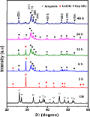
Facile biogenic fabrication of hydroxyapatite nanorods using cuttlefish bone and their bactericidal and biocompatibility study
Beilstein J. Nanotechnol. 2020, 11, 285–295, doi:10.3762/bjnano.11.21
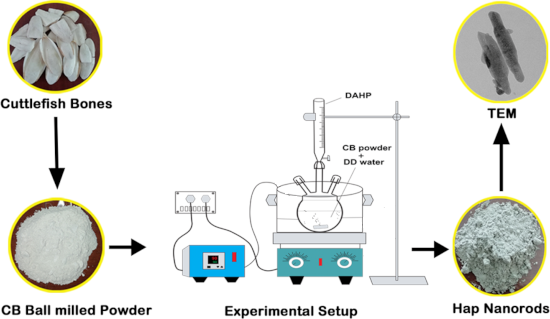
- washed with distilled water, followed by acetone and ethanol to remove surface contaminants. The washed bones were dried in a hot air oven (Indfurr model OR-3795) at 60 °C for 24 h and 20 g of cuttlefish bone pieces were taken for top down processing using high-energy ball milling (VB Ceramic Consultants


Long-term stability and scale-up of noncovalently bound gold nanoparticle-siRNA suspensions
Beilstein J. Nanotechnol. 2019, 10, 2568–2578, doi:10.3762/bjnano.10.248
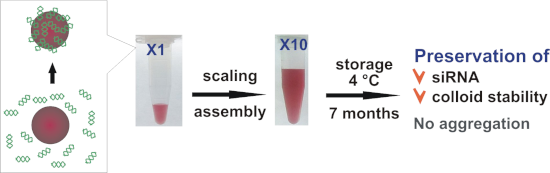
- from the gel with water and precipitated as the sodium salt in acetone. The siRNA samples containing complementary oligoribonucleotides (25 µM each) and 350 mM NaCl were subjected to heating for 3 min at 95 °С, followed by cooling to 25 °С. The samples of native siRNA (1) and fluorescently labeled


Bombesin receptor-targeted liposomes for enhanced delivery to lung cancer cells
Beilstein J. Nanotechnol. 2019, 10, 2553–2562, doi:10.3762/bjnano.10.246
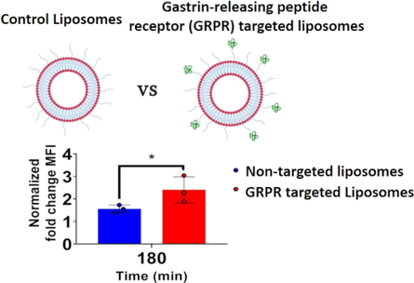
- then heated to 55 °C and vortexed extensively to produce MLVs. Five cycles of freeze-thawing (dry ice-acetone followed by heating to 55 °C) were performed to produce reduce the lamellarity of the vesicles. Finally, lipid suspensions were extruded (21×) through polycarbonate membranes of 200 nm, 100 nm

Synthesis and acetone sensing properties of ZnFe2O4/rGO gas sensors
Beilstein J. Nanotechnol. 2019, 10, 2516–2526, doi:10.3762/bjnano.10.242
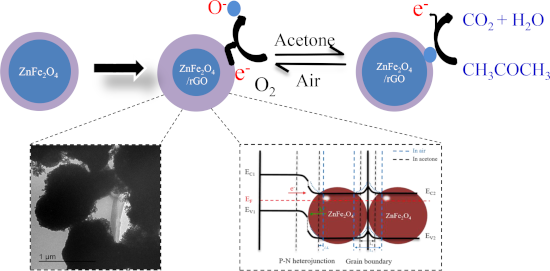
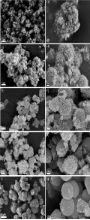
- about 600–1000 nm. The gas sensing test revealed that the introduction of rGO improved the performance of the sensing of acetone to low concentration, and the ZnFe2O4/rGO composite gas sensor containing 0.5 wt % of rGO exhibited a high sensitivity in sensing test using 0.8–100 ppm acetone at 200 °C. The
- response of the 0.5 wt % ZnFe2O4/rGO sensor to 0.8 ppm acetone was 1.50, and its response to 10 ppm acetone was 8.18, which is around 2.6 times more pronounced than the response of pure ZnFe2O4 (10 ppm, 3.20). Moreover, the sensor showed a wide linear range and good selectivity. Keywords: acetone
- ; composites; gas sensor; reduced graphene oxide (rGO); ZnFe2O4 hollow spheres; Introduction As a synthetic raw material in industrial production, acetone is chemically active and extremely flammable. It is toxic if its concentration exceeds 173 ppm, and long-term exposure to acetone poses a serious threat to




Label-free highly sensitive probe detection with novel hierarchical SERS substrates fabricated by nanoindentation and chemical reaction methods
Beilstein J. Nanotechnol. 2019, 10, 2483–2496, doi:10.3762/bjnano.10.239
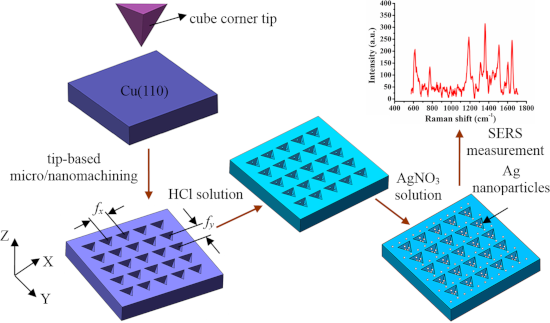
- ° and a radius of 200 nm. The normal force for the fabrication of the micro/nanostructures is 10 mN, the feed in the x-direction ranges from 2 to 10 μm, and the feed in the y- direction ranges from 1 to 10 μm. The structured copper surface was cleaned with an excess of alcohol followed by acetone. A 10


Polyvinylpyrrolidone as additive for perovskite solar cells with water and isopropanol as solvents
Beilstein J. Nanotechnol. 2019, 10, 2374–2382, doi:10.3762/bjnano.10.228
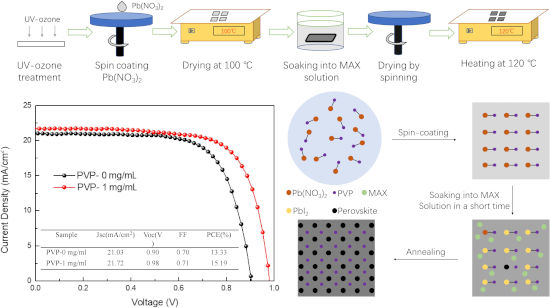
- . Device fabrication Prior to spin-coating, the ITO glass substrate was cleaned sequentially with detergent, acetone, ethanol, deionized water, each for 15 min, then dried with a nitrogen flow, and then cleaned with UV/ozone for 20 min. A thin layer of SnO2 nanoparticles was spin-coated on the ITO




Multiwalled carbon nanotube based aromatic volatile organic compound sensor: sensitivity enhancement through 1-hexadecanethiol functionalisation
Beilstein J. Nanotechnol. 2019, 10, 2364–2373, doi:10.3762/bjnano.10.227
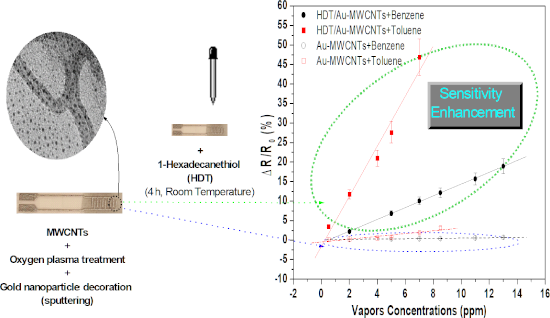
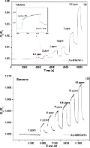
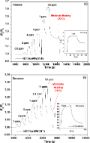
- , and are unlikely to interact with the nonpolar vapours. In order to prove the improved selectivity of the developed sensor toward benzene and toluene vapours, we tested the sensor response to methanol and acetone vapours, which are polar solvents. The sensor response to these nonaromatic VOC vapours
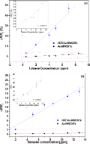
- are summarized in Supporting Information File 1 (Figures S1 and S2). The associated calibration curves and compared sensitivities are presented in Figure 7 and Table 1, respectively. The sensitivity of the HDT sensors with aromatic solvents is larger in comparison with methanol and acetone. This can
- methanol and acetone nonaromatic VOC detection. (a) Response and (b) recovery times of Au-MWCNT and HDT/Au-MWCNT sensors towards tested vapours. Au-MWCNT and HDT/Au-MWCNT sensor sensitivity for aromatic and nonaromatic vapours. Supporting Information Supporting Information File 270: Details on the HDT/Au




Microfluidics as tool to prepare size-tunable PLGA nanoparticles with high curcumin encapsulation for efficient mucus penetration
Beilstein J. Nanotechnol. 2019, 10, 2280–2293, doi:10.3762/bjnano.10.220
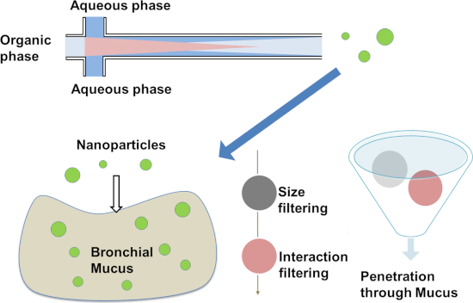
- of the solvent on the colloidal properties of our drug carrier would be meaningful. Different solvents were used to elaborate their impact on NP size namely, dimethyl sulfoxide (DMSO), acetonitrile and acetone. We observe no correlation between the viscosity of the used solvent and the final NP size
- but the Hildebrand solubility parameter (Table 1) correlates with the formation of small NPs [50]. When DMSO was used as solvent, the NP size was reduced from 120 to 40 nm at a 0.05 flow rate ratio in comparison to acetone and acetonitrile (ACN), as can be seen in Figure 6. This data illustrates that
- overview of the concentration of the different components is given in Table 2. The indicated volume of solvents was used for synthesis with 600 mg PLGA and should be adjusted accordingly for other quantities. For the purification step, the polymer was dissolved in 20 mL of acetone and precipitated by


A novel all-fiber-based LiFePO4/Li4Ti5O12 battery with self-standing nanofiber membrane electrodes
Beilstein J. Nanotechnol. 2019, 10, 2229–2237, doi:10.3762/bjnano.10.215
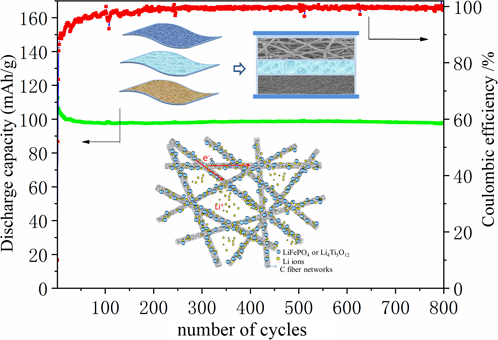
- hexafluoropropylene (PVDF-HFP) copolymer was used as the electrolyte membrane matrix in this experiment, and acetone was used as the solvent. The PVDF-HFP solution was prepared by dissolving PVDF-HFP in acetone (PVDF-HFP (mass/g): acetone (volume/mL) = 1:15) through stirring at room temperature. The solution was


Microbubbles decorated with dendronized magnetic nanoparticles for biomedical imaging: effective stabilization via fluorous interactions
Beilstein J. Nanotechnol. 2019, 10, 2103–2115, doi:10.3762/bjnano.10.205
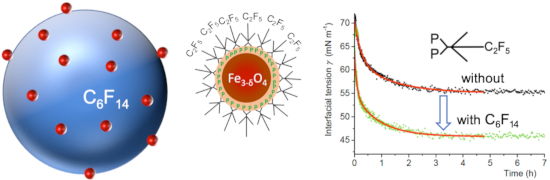
- min−1. After cooling, a black suspension was collected and precipitated by addition of acetone. Finally, the nanoparticles were washed three times with a mixture of CHCl3/acetone (1:4). In a 30 mL vial, a nanoparticle suspension in tetrahydrofuran (THF) (5 mg of iron) was introduced together with the





