Search results
Search for "dye" in Full Text gives 347 result(s) in Beilstein Journal of Nanotechnology. Showing first 200.
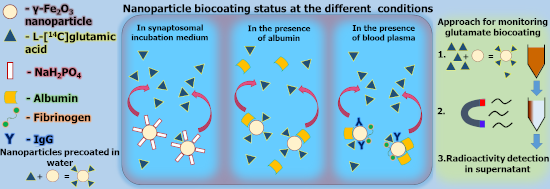
Transient coating of γ-Fe2O3 nanoparticles with glutamate for its delivery to and removal from brain nerve terminals
Beilstein J. Nanotechnol. 2020, 11, 1381–1393, doi:10.3762/bjnano.11.122
- membrane potential was examined using rhodamine 6G (0.5 µM), a potentiometric fluorescent dye. The synaptosomal suspension at a concentration of 0.2 mg protein per mL was preincubated at 37 °C for 10 min in a stirred thermostated cuvette. In order to estimate alterations in the membrane potential, the
- measurements were carried out using the potential-sensitive fluorescent dye rhodamine 6G, which binds to negatively charged membranes. The addition of synaptosomes to the dye-containing medium was accompanied by a partial decrease in fluorescence signal due to rhodamine 6G binding to the synaptosomal plasma
- membrane. First, the membrane potential index at the steady-state level was reached after a period of 3 min. As shown in Figure 4, the application of γ-Fe2O3 nanoparticles at a concentration of 1 µg/mL did not change the fluorescence signal of the dye. An increase in the nanoparticle concentration up to 50


Gram-scale synthesis of splat-shaped Ag–TiO2 nanocomposites for enhanced antimicrobial properties
Beilstein J. Nanotechnol. 2020, 11, 1119–1125, doi:10.3762/bjnano.11.96
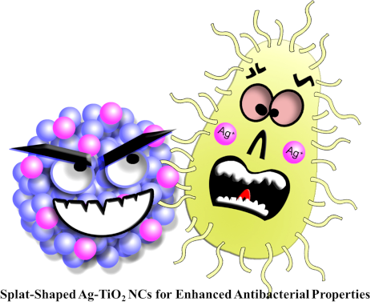
- nanocomposites may also have potential to be used in wound healing, photocatalytic and toxic dye removal applications. X-ray diffraction (XRD) patterns of pure TiO2 NPs and Ag–TiO2 nanocomposites at different ratios. SEM and EDS images of the synthesized splat-shaped nanoparticles: (a) pure TiO2 NPs, (b, c) Ag


Applications of superparamagnetic iron oxide nanoparticles in drug and therapeutic delivery, and biotechnological advancements
Beilstein J. Nanotechnol. 2020, 11, 1092–1109, doi:10.3762/bjnano.11.94
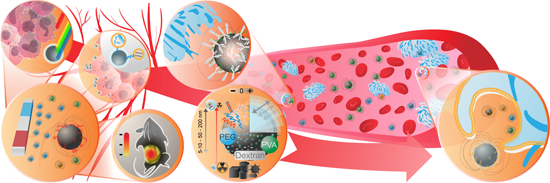
- for MRI and fluorescence imaging with good cytocompatibility. Park et al. [161] synthesized SPIONs coated with folate containing 64Cu for positronic emission tomography and MRI. Cai et al. [162] obtained 12 nm SPIONs coated with a near-infrared fluorescent dye for dual in vivo imagistics (MRI and


Key for crossing the BBB with nanoparticles: the rational design
Beilstein J. Nanotechnol. 2020, 11, 866–883, doi:10.3762/bjnano.11.72
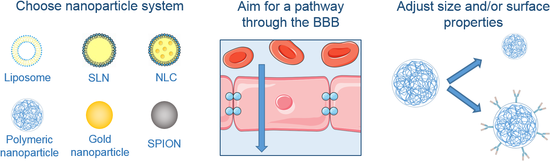
- model and showed that CBSA-nanoparticles had an apparent permeability (Pe) seven times higher than that of BSA-nanoparticles. Furthermore, a leaching study of coumarin-6 was performed at pH 4.0 and 7.4 and showed that less than 1% of the dye was released from the nanoparticles after 80 h. Thus, coumarin


Effect of Ag loading position on the photocatalytic performance of TiO2 nanocolumn arrays
Beilstein J. Nanotechnol. 2020, 11, 717–728, doi:10.3762/bjnano.11.59
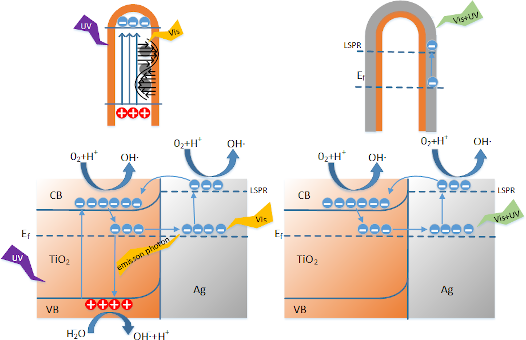
- (200–400 nm), and the high hole–electron pair recombination rate restricts its photocatalytic efficiency [6][7]. Many efforts have been devoted to solve these problems with the aim of improving the catalytic performance of TiO2, which include doping with nonmetal elements [8], dye sensitization [9
- the catalyst, so the catalyst needs to have a certain adsorption capacity for dye molecules. Due to the presence of oxygen vacancies, the surface of TiO2 is usually negatively charged and has a good adsorption capacity for cationic dye molecules [36]. Commonly used cationic dyes are rhodamine, methyl
- blue, methylene blue, etc. This article uses methylene blue (MB) as the dye molecule. To evaluate the influence of the different structures on the catalytic reaction, UV–vis photocatalytic experiments were carried out on different samples using MB solution as the reactant, as shown in Figure 7. In


Adsorptive removal of bulky dye molecules from water with mesoporous polyaniline-derived carbon
Beilstein J. Nanotechnol. 2020, 11, 597–605, doi:10.3762/bjnano.11.47
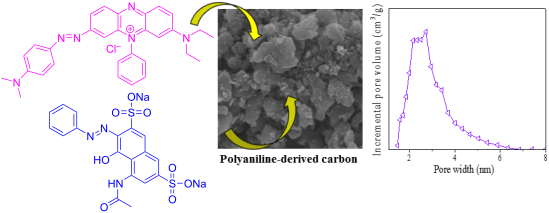
- under different temperatures and applied for the purification of water contaminated with dye molecules of different sizes and charge by adsorption. With increasing pyrolysis temperature, it was found that the hydrophobicity, pore size and mesopore volume increased. A mesoporous PDC sample obtained via
- pyrolysis at 900 °C showed remarkable performance in the adsorption of dye molecules, irrespective of dye charge, especially in the removal of bulky dye molecules, such as acid red 1 (AR1) and Janus green B (JGB). For example, the most competitive PDC material showed a Q0 value (maximum adsorption capacity
- ) 8.1 times that of commercial, activated carbon for AR1. The remarkable adsorption of AR1 and JGB over KOH-900 could be explained by the combined mechanisms of hydrophobic, π–π, electrostatic and van der Waals interactions. Keywords: acid red 1; adsorption; bulky dye molecules; Janus green B


Identification of physicochemical properties that modulate nanoparticle aggregation in blood
Beilstein J. Nanotechnol. 2020, 11, 550–567, doi:10.3762/bjnano.11.44
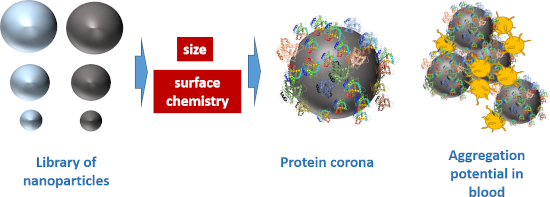
- size range. Note that the zeta potential curve of CNP-L is not reported since this sample rapidly agglomerates by lowering the pH value, making the measurement unfeasible. The presence of acidic groups at the surface of CNPs was quantified by titration using the dye thionine acetate [30]. The density




Luminescent gold nanoclusters for bioimaging applications
Beilstein J. Nanotechnol. 2020, 11, 533–546, doi:10.3762/bjnano.11.42
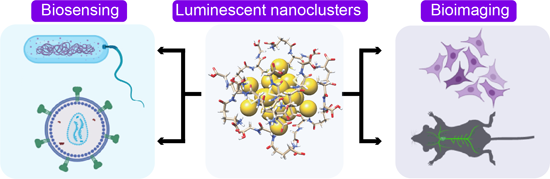
- ). The Au-MUDA-NLS NCs were easily internalized and distributed in the nucleus when studied using HeLa cell lines (Figure 4A). The intracellular and nuclear distribution was studied using a membrane dye WGA-Alexa 594 and a nuclear dye, SYTO59. This suggested that Au-MUDA-NLS NCs were well distributed in
- labeling and imaging using AuNCs. A) HeLa cells were treated with (a, b) Au-MUDA NCs and (e, f) Au-MUDA-NLS NCs for 1.5 h. The left panel shows the one-color image. The right panel shows the two-color colocalization image of HeLa cells incubated with Au-MUDA-NLS NCs and counterstained with membrane dye WGA
- –Alexa 594 and nuclear dye SYTO 59; scale bar: 25 μm. B) Schematics showing the etching method to prepare luminescent AuNCs and their conjugation with streptavidin. C) (a) Fluorescence, (b) bright-field, (c) and overlay of fluorescent and bright-field images of human hepatoma (HepG2) cells stained with


Multilayer capsules made of weak polyelectrolytes: a review on the preparation, functionalization and applications in drug delivery
Beilstein J. Nanotechnol. 2020, 11, 508–532, doi:10.3762/bjnano.11.41
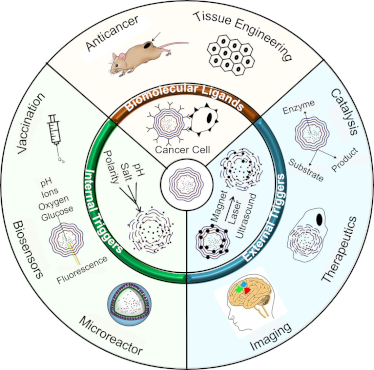
- -hydroxypropylmethacrylamide) (PHPMA) [92]. The first hollow capsules based on CuAAc method was formed by azide and alkyne modified PAA along with rhodamine dye over a silica template. The hollow capsules exhibited a pH responsive behavior with reversible swelling and shrinking at acidic and basic pH [93]. In a separate study



Synthesis and enhanced photocatalytic performance of 0D/2D CuO/tourmaline composite photocatalysts
Beilstein J. Nanotechnol. 2020, 11, 407–416, doi:10.3762/bjnano.11.31
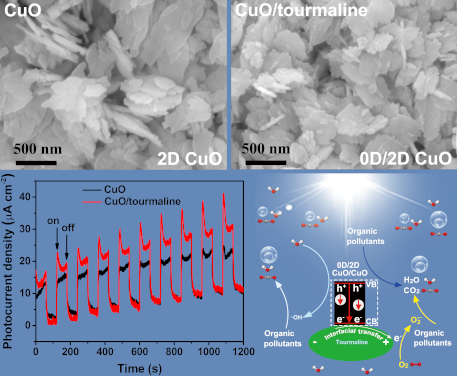
- 0.01 g L−1 MB aqueous solution, followed by 1 h of magnetic stirring in the dark to make sure the adsorption saturation of MB onto the photocatalysts was achieved. Then, the photocatalyst–dye aqueous suspension system was exposed to light. 4 mL of the aqueous suspension was extracted every 20 min and
- 0D/2D CuO structure and interfacial interaction between CuO and tourmaline. The initial solution pH affected the photocatalytic performance mainly via changing the adsorption of dye molecules onto photocatalysts (Figure 7a), as adsorption occurred firstly during the photodegradation reactions [42


Brome mosaic virus-like particles as siRNA nanocarriers for biomedical purposes
Beilstein J. Nanotechnol. 2020, 11, 372–382, doi:10.3762/bjnano.11.28
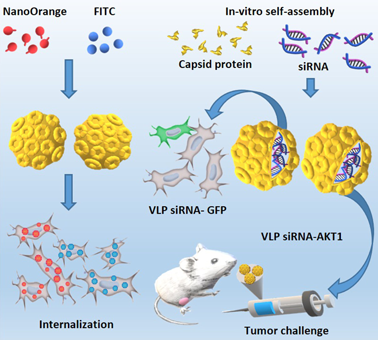
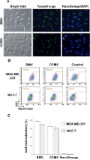
- internalization of VLPs In order to test the cell internalization of VLPs, BMV and CCMV VLPs were loaded with NanoOrange, a hydrophobic fluorescent dye. Both BMV and CCMV viruses have hydrophobic residues in their capsid protein in which hydrophobic molecules, such as NanoOrange, are bound. Due to the high


Poly(1-vinylimidazole) polyplexes as novel therapeutic gene carriers for lung cancer therapy
Beilstein J. Nanotechnol. 2020, 11, 354–369, doi:10.3762/bjnano.11.26
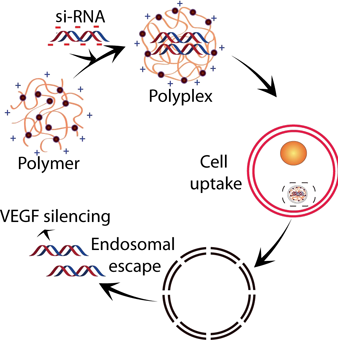
- : The polyplexes with a tracking dye (bromophenol blue, 2 µL), were loaded on a 1% agarose gel. The electrophoresis was carried in Tris/boric acid buffer (TBE) buffer at 80 V for 45 min. The gel was imaged after staining with ethidium bromide in a UV transilluminator using a gel documentation system
- absence of cytotoxicity of the blank PVI polymer suggests that this carrier could be a cyto-compatible system for gene therapy. (A) Gel retardation assay for polyplexes formed with different ratios (v/v) of PVI/siRNA. Ethidium bromide dye (2 µg/mL) was used. The bands were visualized using UV


Phase inversion-based nanoemulsions of medium chain triglyceride as potential drug delivery system for parenteral applications
Beilstein J. Nanotechnol. 2020, 11, 213–224, doi:10.3762/bjnano.11.16
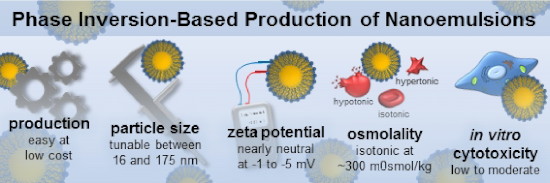
- – high glucose (DMEM), fetal calf serum (FCS), penicillin-streptomycin, ʟ-glutamine solution and sodium pyruvate solution as well as the fluorescent dye resazurin sodium salt were purchased from Sigma-Aldrich Chemie GmbH (Germany, Steinheim). The near infrared fluorescent dye DiR was purchased from
- al. [10]. For the encapsulation of the fluorescent dye DiR as a potential label for noninvasive optical in vivo imaging, the solvent ethanol was evaporated from the dye stock solution and the remaining DiR was dissolved in MCT at a concentration of 0.3 mg/g. Kolliphor HS 15, which was molten at 50 °C




Rational design of block copolymer self-assemblies in photodynamic therapy
Beilstein J. Nanotechnol. 2020, 11, 180–212, doi:10.3762/bjnano.11.15




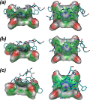


Molecular architectonics of DNA for functional nanoarchitectures
Beilstein J. Nanotechnol. 2020, 11, 124–140, doi:10.3762/bjnano.11.11
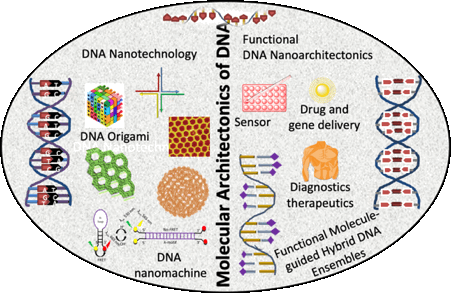
- double-helical DNA through ᴅ- and ʟ-threolinol linkers to analyze the molecular exciton theory of heterodimeric chromophores [95]. NMR studies revealed the antiparallel orientation of the two dyes across the duplex strand. Further studies indicated that the increment in dye number could dramatically
- affect the spectroscopic behavior and the solution properties of the dye. DNA–metal nanoparticle architectures Interactions of DNA with nanoparticles are an attractive area for the fabrication of functional DNA nanoarchitectures [96]. The surface properties of the nanoparticles are greatly influenced by


Fully amino acid-based hydrogel as potential scaffold for cell culturing and drug delivery
Beilstein J. Nanotechnol. 2019, 10, 2579–2593, doi:10.3762/bjnano.10.249
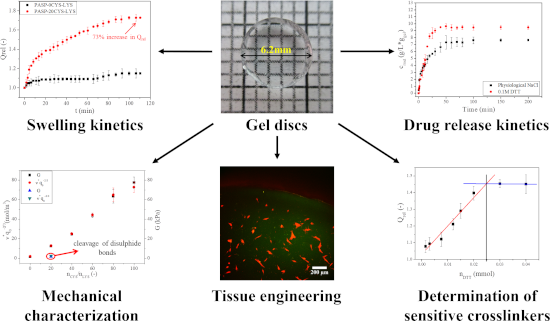
- measured at 450 nm using a microplate reader (Model 3550, Bio-Rad Laboratories, Japan) with a reference wavelength of 655 nm. Gel disks without cells were used as background controls. Microscopic study of the cells To visualize the PDLCs, the cells were labelled with a vital dye called Vybrant DiD
- washed twice and then stored in PBS at 4 °C. The examination was carried out under a two-photon microscope (Femto2d, Femtonics, Hungary). A SpectraPhysics DeepSee laser was used at a wavelength of 800 nm to excite the photoactive dye. Images were taken with a 10x objective by the MES4.4v program. The


Long-term stability and scale-up of noncovalently bound gold nanoparticle-siRNA suspensions
Beilstein J. Nanotechnol. 2019, 10, 2568–2578, doi:10.3762/bjnano.10.248
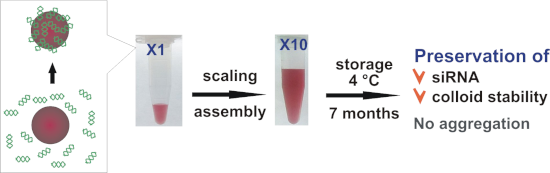
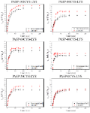
- duplex. Difference in intensity of bands (lanes 4 and 3) is related to different concentration of siRNA in samples (concentration of desorbed from AuNPs was four times less than control). Arrow shows BrPh dye. The electrophoretic analysis was carried out in 15% native polyacrylamide gel. (C) Optical


Bombesin receptor-targeted liposomes for enhanced delivery to lung cancer cells
Beilstein J. Nanotechnol. 2019, 10, 2553–2562, doi:10.3762/bjnano.10.246
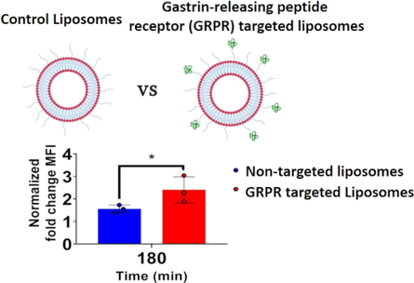
- fluorescence trace from H345 cells loaded with Ca2+ reporter dye, Fura-2 AM before injection of GRPR agonist, Tyr4-Bn. Baseline fluorescence was monitored for 30 s before peptide injection. (B) Escalating concentrations of Tyr4-Bn were injected into H345 or H82 cells and the Fura-2 AM fluorescence emission

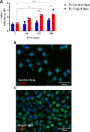
Small protein sequences can induce cellular uptake of complex nanohybrids
Beilstein J. Nanotechnol. 2019, 10, 2477–2482, doi:10.3762/bjnano.10.238
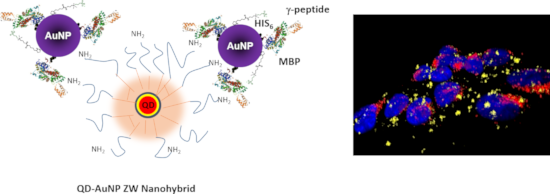
- not fully overlapped with the endosomal compartments counterstained with a red dye. We tested the effects of decreasing the overall concentration of the nanohybrids or the number of MBP-γ per nanohybrid assembly on the staining levels of the cells. We found that reducing the overall concentration of
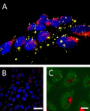
- cellular fate of these structures rather than appearance in solution. The confocal microscopy data were further exploited to generate a z-stack, to visualize the fluorescence distribution of the nanocomposites side-by-side with that of the Cy5 dye and cell nuclei. The 3D-stack, shown in Figure 2A, confirms

Semitransparent Sb2S3 thin film solar cells by ultrasonic spray pyrolysis for use in solar windows
Beilstein J. Nanotechnol. 2019, 10, 2396–2409, doi:10.3762/bjnano.10.230
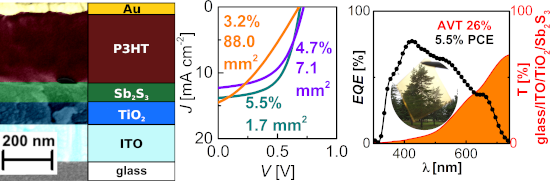
- building electricity demand can be produced on site [1]. Solar windows can be split into two groups: perforated grids of opaque solar cells, such as silicon, or one continuous semitransparent thin film solar cell (dye-sensitized, perovskite, quantum dot, etc.) [1]. Perforated solar windows, comprised of
- following for reference: dye-sensitized – PCE of 9.2% at 60% AVT [5]; polymer – PCE of 4.0% at 66% AVT [6]; halide perovskite – PCE of 6.4% at 30% AVT [7]. Dye-sensitized, organic, and halide perovskite absorbers are generally sensitive to moisture, especially in combination with sunlight and air [8][9][10



Polyvinylpyrrolidone as additive for perovskite solar cells with water and isopropanol as solvents
Beilstein J. Nanotechnol. 2019, 10, 2374–2382, doi:10.3762/bjnano.10.228
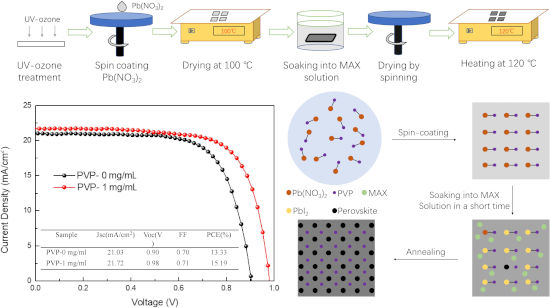
- photoanode and CH3NH3PbX3 (X = I, Br) as light absorbing material to derive perovskite dye-sensitized solar cells with conversion efficiencies of 3.81% (X = I) and 3.13% (X = Br). However, the corrosion of the perovskite material used in the electrolyte results in a poor stability of the devices [5]. In July




Microfluidics as tool to prepare size-tunable PLGA nanoparticles with high curcumin encapsulation for efficient mucus penetration
Beilstein J. Nanotechnol. 2019, 10, 2280–2293, doi:10.3762/bjnano.10.220
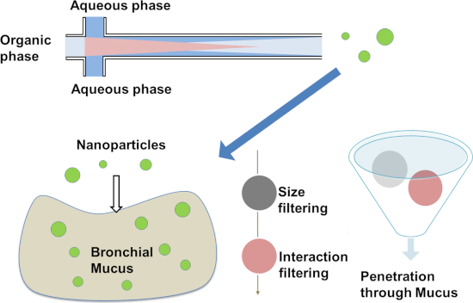
- fluorescence dye (2) is activated with DCC in water-free DCM and reacts with the terminal alcohol group of PLGA (1) under DMAP catalysis to the functionalized polymer (3). Properties and miscibility of organic solvents with water according to the Hildebrand solubility parameter. Overview of the concentration


Nontoxic pyrite iron sulfide nanocrystals as second electron acceptor in PTB7:PC71BM-based organic photovoltaic cells
Beilstein J. Nanotechnol. 2019, 10, 2238–2250, doi:10.3762/bjnano.10.216
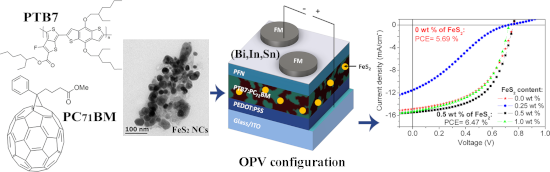
- electrodes in dye-sensitized solar cells (DSSCs) [9][12][13], as electron acceptors or donors in inorganic or hybrid solar cells [10][14][15][16][17] and as second electron acceptors in organic photovoltaic cells (OPVs) [18]. An iron pyrite thin film used as a counter electrode showed a conversion efficiency


Nitrogen-vacancy centers in diamond for nanoscale magnetic resonance imaging applications
Beilstein J. Nanotechnol. 2019, 10, 2128–2151, doi:10.3762/bjnano.10.207


Review of advanced sensor devices employing nanoarchitectonics concepts
Beilstein J. Nanotechnol. 2019, 10, 2014–2030, doi:10.3762/bjnano.10.198
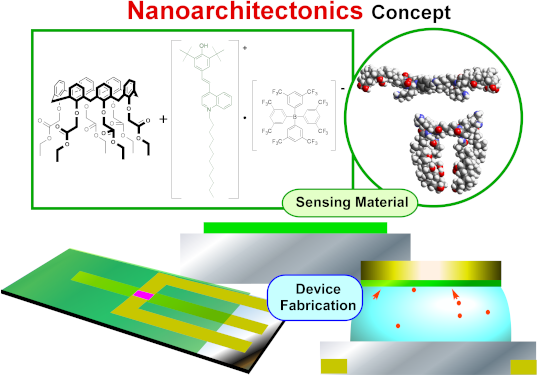
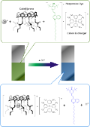
- , responsive dye KD-M1337, and a cation exchanger sodium tetrakis[3,5-bis(trifluoromethyl)phenyl]borate. The binding of cesium ions to the calix[6]arene derivative shifts the equilibrium, resulting in color changes even in domestic water and seawater. Sonicating this optode mixture provides nano-optode sensor
- moisture, which results in the generation of internal stress. An optode sensor to visually detect cesium ions in domestic water and seawater, comprised of a calix[6]arene derivative, responsive dye KD-M1337, and cation exchanger. An electrolyte-gated organic field-effect transistor with anti-bisphenol A