Search results
Search for "electrolyte" in Full Text gives 301 result(s) in Beilstein Journal of Nanotechnology. Showing first 200.
Effects of surface charge and boundary slip on time-periodic pressure-driven flow and electrokinetic energy conversion in a nanotube
Beilstein J. Nanotechnol. 2019, 10, 1628–1635, doi:10.3762/bjnano.10.158
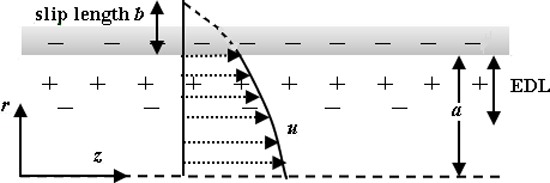
- charge-dependent slip; Introduction Micro- and nanofluidic devices [1] have a wide range of applications in science and engineering, e.g., liquid pumping and energy conversion. In many of these devices, a pressure gradient is often used to manipulate the transport of electrolyte solutions in
- contact with an electrolyte solution, most of them acquire surface electric charge [2] due to ion adsorption and acid–base reactions [3]. The charged surface attracts counterions and repels co-ions in the nearby electrolyte solution, and hence an electric double layer (EDL) with net charge density forms
- in the nearby electrolyte solution. The flow of electrolyte solution actuated by the pressure field generates both a streaming current and a streaming potential. The streaming current in a nanochannel can offer a simple and effective way to convert the mechanical energy to electric energy [4]. The


Upcycling of polyurethane waste by mechanochemistry: synthesis of N-doped porous carbon materials for supercapacitor applications
Beilstein J. Nanotechnol. 2019, 10, 1618–1627, doi:10.3762/bjnano.10.157
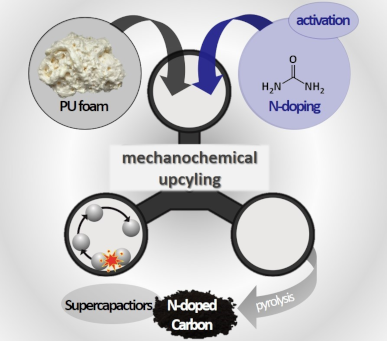
- values of 1–8 wt %, high specific surface area values of up to 2150 m2·g−1 (at a N content of 1.6 wt %) and large pore volume values of up to 0.9 cm3·g−1. The materials were tested as electrodes for supercapacitors in aqueous 1 M Li2SO4 electrolyte (100 F·g−1), organic 1 M TEA-BF4 (ACN, 83 F·g−1) and
- carbon materials can be functionalized with heteroatoms such as nitrogen, which was reported to affect the electrical conductivity [39][40][41][42], the energy storage capacity, and the wettability of the electrodes with electrolyte [43][44][45]. Commonly, nitrogen is inserted into the carbon framework
- aqueous Li2SO4, organic TEA-BF4 in acetonitrile, and an ionic liquid EMIM-BF4 electrolyte. Results and Discussion Characterization and mechanochemical treatment of PU Polyurethane is a polymer formed by polyaddition of diisocyanates R1(–NCO)2 with polyols R2(–OH)n. It is characterized by the resulting


Materials nanoarchitectonics at two-dimensional liquid interfaces
Beilstein J. Nanotechnol. 2019, 10, 1559–1587, doi:10.3762/bjnano.10.153
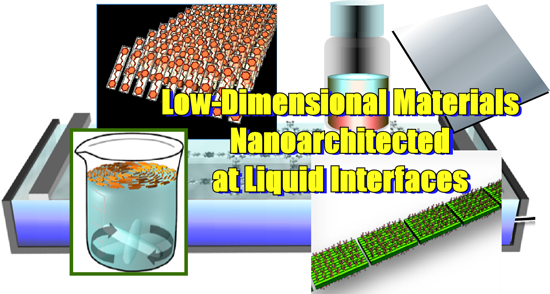
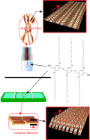
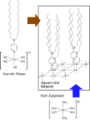
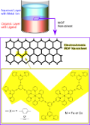
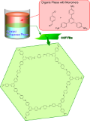
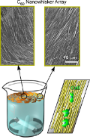
- nanoarchitectonics (controlled single atom/ion transfer) to regulate the number of dopant atoms in one-dimensional solid electrolyte nanodots (α-Ag2+δS) [127]. The nanoarchitectonic construction of one-dimensional nanowires from II–VI semiconductors was demonstrated for the use as wavelength division multiplexer as













Synthesis of P- and N-doped carbon catalysts for the oxygen reduction reaction via controlled phosphoric acid treatment of folic acid
Beilstein J. Nanotechnol. 2019, 10, 1497–1510, doi:10.3762/bjnano.10.148
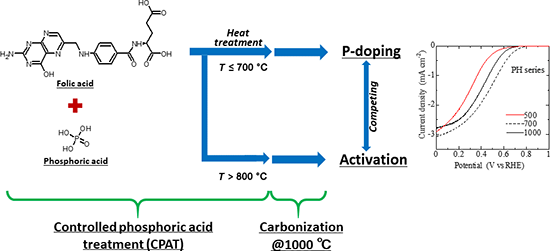
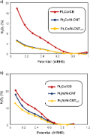
- acid; oxygen reduction reaction; phosphoric acid treatment; PN-doped carbon catalysts; polymer electrolyte fuel cells; Introduction The widespread application of fuel cells as clean energy sources is the most desirable way of realizing a low-CO2-emission society. In conventional polymer electrolyte
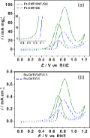
- 200 μg·cm−2). A reversible hydrogen electrode (RHE) and a glassy carbon plate were employed as reference and counter electrodes, respectively. The electrolyte was a 0.5 M solution of H2SO4 in deionized water. Prior to the measurements, dissolved oxygen in the acid solution was purged by bubbling





Flexible freestanding MoS2-based composite paper for energy conversion and storage
Beilstein J. Nanotechnol. 2019, 10, 1488–1496, doi:10.3762/bjnano.10.147
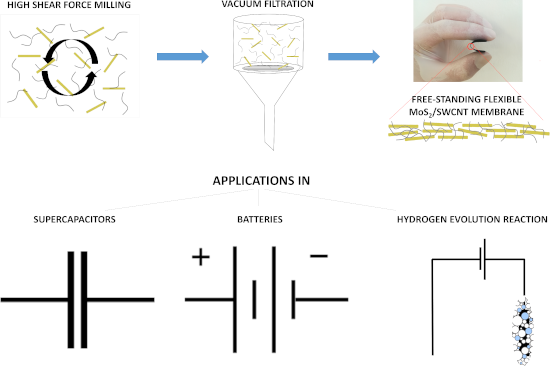
- ]. Moreover, Mo can occupy multiple oxidation states, which enables a pseudo-capacitive charge transfer by insertion of electrolyte ions, such as Li+, Na+, K+ and H+ [28][29]. Upon cycling, MoS2 sheets can restack resulting in a decreased surface area, which is then followed by poor capacitive performance
- electrode that comes into contact with the electrolyte solution S. The calculation was performed using equation: C = (2·I) / (S·U/t). The calculated values are summarized for each discharging current in Table 1. Charging–discharging curves of MoS2-based composite paper obtained using the chronoamperometry
- the following Equation 3) and the decomposition of the electrolyte followed by the formation of a solid electrolyte interphase (SEI) layer [18][20]. The prominent anodic peak at ≈2.5 V results from the conversion of Li2S to sulfur and lithium ions (see the following Equation 4) [20]. During the


Hierarchically structured 3D carbon nanotube electrodes for electrocatalytic applications
Beilstein J. Nanotechnol. 2019, 10, 1475–1487, doi:10.3762/bjnano.10.146
- energy conversion and storage, since they, in addition to their nonpolluting nature and low operating temperature, run on an easily handled and cheap liquid fuel. However, the slow kinetics of methanol oxidation at the anode and the methanol crossover through the electrolyte membrane from anode to
- voltammograms were recorded at a scan rate of 20 mV s−1 in the potential range of 0.05–1.1 V vs RHE after CO adsorption in N2-purged 0.1 M HClO4 solution for ECSA determination as well as investigation of CO tolerance as shown in Figure 9. HClO4 was used as the electrolyte for these investigations instead of
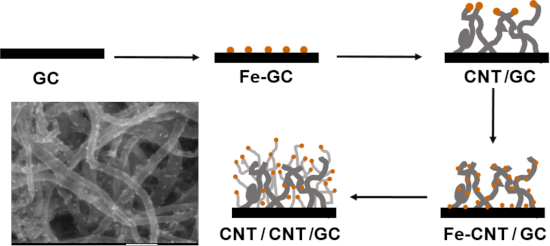
- oxygen functional groups as anchoring sites. Afterwards, Fe nanoparticles were grown on the oxidized GC by double pulse deposition [57] in 0.005 M FeSO4·7H2O (≥99.5%, Roth, Germany) and 0.5 M MgSO4·7H2O (pure, Roth, Germany) aqueous solution. MgSO4 simply serves as a conducting electrolyte to avoid high





Growth of lithium hydride thin films from solutions: Towards solution atomic layer deposition of lithiated films
Beilstein J. Nanotechnol. 2019, 10, 1443–1451, doi:10.3762/bjnano.10.142
- charge-controller circuits, inherent safety is still desirable. Since the hazardous components in lithium-ion batteries are organic solvents used as electrolyte, their exclusion would greatly improve the inherent safety of lithium-ion batteries. Solid-state batteries that are already in use, such as the
- LIPON battery in which the solid electrolyte consists of nitrogen-doped lithium phosphate, present several shortcomings. One of them is the use of sputtering [1] for the deposition of the thin layers. Inherently, sputtering does not yield coatings with high conformity on non-planar substrates. Low
- conformity leads to low surface area and thick films are needed to avoid pinholes. This, in turn, leads to low capacity mainly due to the low surface area. The whole concept of a solid-state battery needs to be reconsidered, particularly if we wish to surpass the capacity of current liquid-electrolyte


Warped graphitic layers generated by oxidation of fullerene extraction residue and its oxygen reduction catalytic activity
Beilstein J. Nanotechnol. 2019, 10, 1391–1400, doi:10.3762/bjnano.10.137
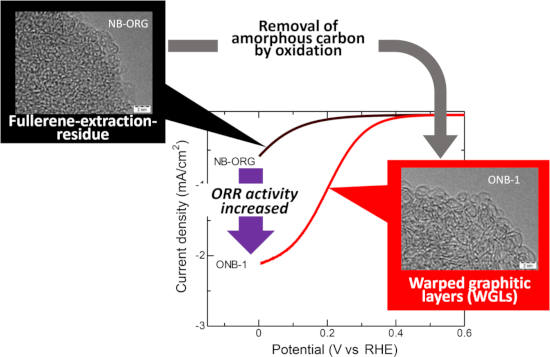
- Abstract Carbon-based oxygen reduction reaction (ORR) catalysts are regarded as a promising candidate to replace the currently used Pt catalyst in polymer electrolyte fuel cells (PEFCs); however, the active sites remain under discussion. We predicted that warped graphitic layers (WGLs) are responsible for
- maximum specific ORR activity after 1 h of oxidation time. WGLs were found to lower the heat of adsorption for O2 and to increase the occurrence of heterogeneous electron transfer. Keywords: carbon alloy catalysts; fullerene extraction residue; oxygen reduction reaction (ORR); polymer electrolyte fuel
- cells; warped graphitic layers; Introduction Polymer electrolyte fuel cells (PEFCs) are used as the power supply for automobiles and stationary devices. Cost reduction, specifically the cost reduction of cathode catalysts, is imperative to apply PEFCs for practical use [1]. Increasing the specific



A biomimetic nanofluidic diode based on surface-modified polymeric carbon nitride nanotubes
Beilstein J. Nanotechnol. 2019, 10, 1316–1323, doi:10.3762/bjnano.10.130
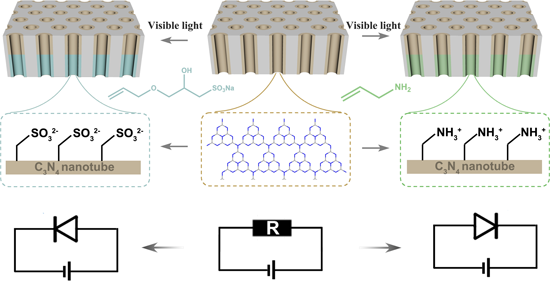
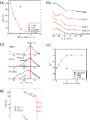
- with electron-rich –NH terminal groups. The negative surface charge is a crucial factor in ion transport. To confirm that confinement effects as well as the surface charge control the ion-transport properties [36][37][38], we measured the conductance of KCl electrolyte both in bulk solution and across
- ). The membrane was caught in a H-cell with electrolyte. A Ag/AgCl electrode was used to collect the ionic current. The I–V curves were adjusted to zero current at zero voltage to remove small offsets experienced between runs. All measurements were carried out at ambient temperature. The main
- transmembrane potential used in this work was stepped from −0.5 to +0.5 V at 0.05 V/step with 1 s/step (0.05 V/s). CNNMs before and after modification were mounted between two chambers of a custom-made H cell, which was filled with electrolyte. Ag/AgCl electrodes were used to collect the current and voltage


Alloyed Pt3M (M = Co, Ni) nanoparticles supported on S- and N-doped carbon nanotubes for the oxygen reduction reaction
Beilstein J. Nanotechnol. 2019, 10, 1251–1269, doi:10.3762/bjnano.10.125
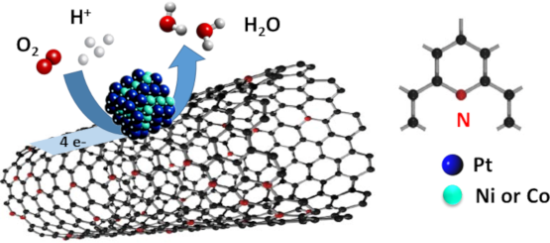
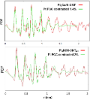
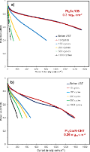
- management and interaction with the electrolyte, iii) a good dispersibility in the ink to limit mass transfer, and iv) structural features allowing high conductivity and chemical stability. As some of these characteristics are not compatible (e.g., a high metal dispersion should be favored on defective
- concentration of defects in these supports, where a high ratio favors metal dispersion. A high percentage of surface heteroatoms should favor metal dispersion and interaction with the electrolyte but may have negative impacts on the electronic conductivity, the stability, and can modify the metal/support
- works have shown that the ORR activities of Pt catalysts are strongly dependent on the electrolyte [54]. According to these studies, activities were found to increase from H2SO4 to HClO4 due to the specific effect of the adsorbed anion on different Pt(hkl) sites. Furthermore, the thin film RRDE method








Porous N- and S-doped carbon–carbon composite electrodes by soft-templating for redox flow batteries
Beilstein J. Nanotechnol. 2019, 10, 1131–1139, doi:10.3762/bjnano.10.113
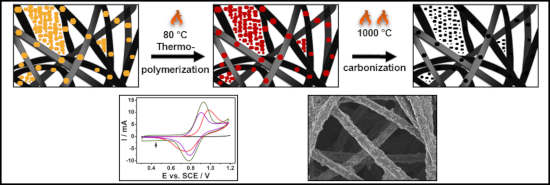
- CV measurements, the co-doped electrode possesses the largest double-layer capacity of the electrode/electrolyte interface, which is beneficial for the charge transfer of the positive side reaction [30]. The combined results of CV and EIS allow for the conclusion that an increased amount of
- with the electrolyte. This method does not rely on expensive precursors and thus enables an environmentally friendly way to achieve porous carbon electrode materials without the utilization of zinc chloride or other hazardous substances. Experimental Materials 2-Thiophenecarboxaldehyde (98%), pyrrole-2
- respective carbon felts served as working electrodes and were pierced in their center with a 1 mm thick glassy carbon rod for contacting. For studying the VO2+/VO2+ redox reaction the electrolyte consisting of 100 mL of 0.2 mol/L vanadylsulfate (VOSO4, Sigma-Aldrich) dissolved in 2.0 mol/L sulfuric acid



Glucose-derived carbon materials with tailored properties as electrocatalysts for the oxygen reduction reaction
Beilstein J. Nanotechnol. 2019, 10, 1089–1102, doi:10.3762/bjnano.10.109
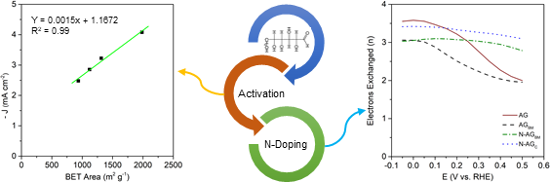
- basic electrolyte at 1600 rpm and the Nyquist plot obtained from electrochemical impedance spectroscopy measurements are shown in Figure 2a and 2b, respectively. To evaluate the performance of the prepared electrocatalysts, cyclic voltammetry (CV) and linear sweep voltammetry (LSV) were performed. LSV
- that a more developed microporous structure favors the electrolyte diffusion to the most electrochemically active pores, which also contributed to the ORR kinetics. Moreover, clear differences regarding ionic transportation are also observed at medium frequencies. Sample AG1h shows a more defined
- Warburg impedance, indicating a higher resistance of the electrolyte ion diffusion into the porous structure, and hence, a lower value of limiting current density. These diffusion limitations are less evident for those samples with wider pore size, as pores act as diffusion channels favoring the kinetics


Enhanced inhibition of influenza virus infection by peptide–noble-metal nanoparticle conjugates
Beilstein J. Nanotechnol. 2019, 10, 1038–1047, doi:10.3762/bjnano.10.104
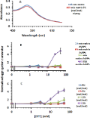
- electrolyte-induced aggregation of the nanoparticles, demonstrated by a decrease in the plasmon absorption at 520 nm. Gold nanoparticles with a ligand shell incorporating 5% (mol/mol) FluPep ligand had a very similar resistance to ligand exchange with DTT as the control mixed-matrix-protected gold
- contrast, the FluPep-functionalised gold nanoparticles bound to CM-Sepharose and were eluted by increasing electrolyte concentrations (Figure 2). Thus, the FluPep-functionalised gold nanoparticles ion-exchanged on this chromatography support, which is, therefore, suitable for their purification. Gold




Tailoring the stability/aggregation of one-dimensional TiO2(B)/titanate nanowires using surfactants
Beilstein J. Nanotechnol. 2019, 10, 1024–1037, doi:10.3762/bjnano.10.103
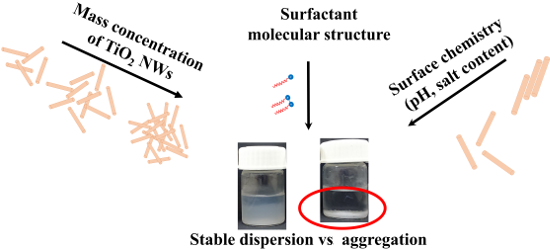
- micelles) on the stability of TNWs was assessed in two media, water and aqueous electrolyte solution of sodium bromide, thus increasing the complexity of the investigated systems. The observed effects were quantified by surface complexation modeling (SCM) in order to describe the TNW behavior when
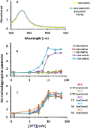
- positive, indicating stable dispersions. The comparison of the stabilization effect and adsorption ability for both surfactants onto TNW surfaces in Milli-Q water and NaBr aqueous electrolyte solution is shown in Figure 5a–d. The increasing DTAB concentration in TNW suspensions in Milli-Q water resulted in
- the presence of 12-2-12, the largest dh values were observed at c(12-2-12)/mol dm−3 = 5 × 10⁻⁵. In NaBr aqueous electrolyte solution, the aggregation of TNWs was promoted. In TNW/DTAB systems the largest increase of dh was observed at c(DTAB)/mol dm−3 = 5 × 10⁻⁴, while for TNW/12-2-12 systems at c(12


Concurrent nanoscale surface etching and SnO2 loading of carbon fibers for vanadium ion redox enhancement
Beilstein J. Nanotechnol. 2019, 10, 985–992, doi:10.3762/bjnano.10.99
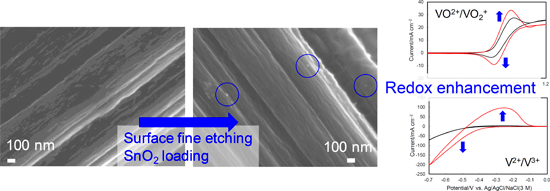
- redox reactions of electrolyte ions are required to produce efficient and low-cost redox flow batteries (RFBs). Carbon-fiber electrodes are widely used in various types of RFBs and surface oxidation is commonly performed to enhance the redox reactions, although it is not necessarily efficient. Quite
- nanoparticles; redox flow batteries; surface etching; Introduction Redox flow batteries (RFBs) are energy conversion and storage devices that involve the reduction and oxidation of electroactive species in electrolyte solutions and have attracted much attention due to their scalability and safety. Various
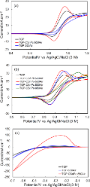
- electrolyte [19]; thus, is assumed to also be stable in the RFB environment. The activity for both the positive and negative electrode reactions of a VRFB were clearly enhanced at the finely etched and SnO2-loaded carbon-fiber electrode and a stable performance was demonstrated by full cell cycle tests



In situ AFM visualization of Li–O2 battery discharge products during redox cycling in an atmospherically controlled sample cell
Beilstein J. Nanotechnol. 2019, 10, 930–940, doi:10.3762/bjnano.10.94
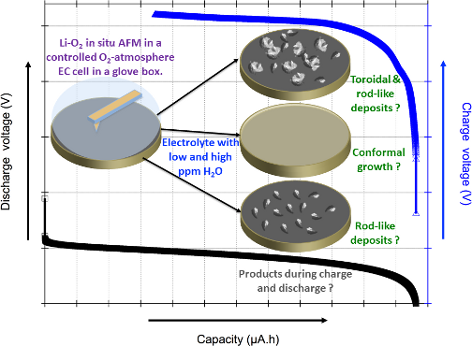
- of water in the electrolyte. In our previous attempt [25] a closed AFM cell was exposed to atmosphere during imaging and discharge with oxygen saturated solvent precluding any impedance spectroscopy and cell recharge studies. Lang et al. discussed in situ AFM studies of lithium/sulfur [26] batteries
- cathode while minimizing the chance of exposure to external sources of contaminants. The electrolyte consisted of lithium nitrate (LiNO3) as a salt in tetraethylene glycol dimethyl ether (TEGDME) solvent containing three concentrations of water: <20 ppm, ≈2500 ppm and ≈4600 ppm. Water has been added in
- the electrolyte in multiple previous studies [27][28][29] to increase cell capacity at elevated concentrations, suggesting the possible catalytic role in Li/O2 reactions. However, without the stringent environmental controls, as presented in our study, the electrolyte could lose water over time to the


Synthesis of novel C-doped g-C3N4 nanosheets coupled with CdIn2S4 for enhanced photocatalytic hydrogen evolution
Beilstein J. Nanotechnol. 2019, 10, 912–921, doi:10.3762/bjnano.10.92
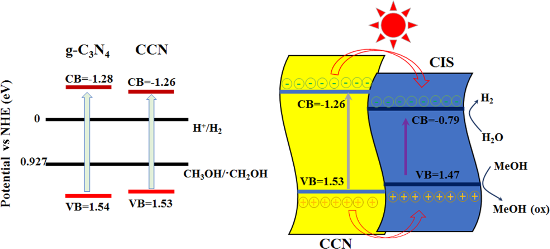
- and a Pt wire was used as the counter electrode, respectively. The electrolyte was a 1 M Na2SO4 aqueous solution. A glassy carbon electrode containing the as-prepared sample served as the working electrode. Photocatalytic H2 production reaction In this work, the activity of the photocatalyst was


An efficient electrode material for high performance solid-state hybrid supercapacitors based on a Cu/CuO/porous carbon nanofiber/TiO2 hybrid composite
Beilstein J. Nanotechnol. 2019, 10, 781–793, doi:10.3762/bjnano.10.78
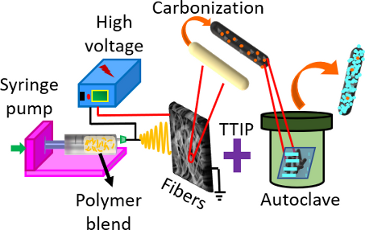
- , and stand-by power systems [4][5]. Supercapacitors may be categorized by their energy storage mechanism into (i) electrochemical double-layer capacitors (EDLCs) and (ii) pseudo-supercapacitors. EDLCs, electrostatically store energy in a non-faradaic manner at the electrode–electrolyte interface, where
- constrained performance. Thus, to achieve high performance EDLCs, we need to enhance the energy density without compromising power density. Pseudo-supercapacitors derive their capacitance from fast reversible faradaic reactions at the surface of electrode materials with the electrolyte, which stores a greater
- surface area and unique fiber pore structure [13]. These are potentially ideal electrode materials that can be widely used to fabricate high performance supercapacitors. The electrochemical performance of supercapacitors is defined by the type of electrolyte used. The electrolyte ion size should be


Trapping polysulfide on two-dimensional molybdenum disulfide for Li–S batteries through phase selection with optimized binding
Beilstein J. Nanotechnol. 2019, 10, 774–780, doi:10.3762/bjnano.10.77
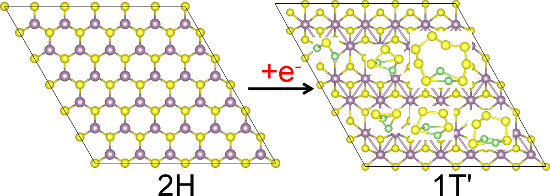
- is composed of a sulfur cathode and a metallic Li anode, with an organic liquid electrolyte as the ionic conductor, and a porous separator. The Li–S batteries undergo the reaction of 16Li + S8 → 8Li2S, with a simplified reaction sequence of S8 → Li2S8 → Li2S6/Li2S4 → Li2S2/Li2S. Low coulombic
- polysulfides (LPSs) (Li2Sx, x = 4–8) in the organic electrolyte solvent will migrate and react with the lithium anode, which results in capacity fading and low coulombic efficiency [7][8]. The major issue is the complex diffusion of LPSs, which in combination with the subsequent redox reactions is known as the


An iridescent film of porous anodic aluminum oxide with alternatingly electrodeposited Cu and SiO2 nanoparticles
Beilstein J. Nanotechnol. 2019, 10, 735–745, doi:10.3762/bjnano.10.73
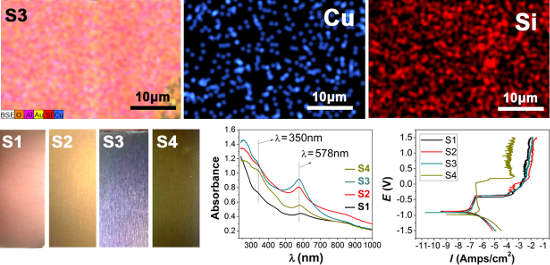
- angles led to a variation of the structural color from red to blue-purple, and the SiO2 particle size was also found to have an influence on the film color [14]. Furthermore, an AAO template was firstly prepared in an electrolyte with an alkaline silica gel and phosphate, onto which a layer of an Au film
- distances between them. The sample was taken out of the electrolyte and then blow-dried before storage for later use. Galvanic deposition of SiO2 NPs The sample with the electrodeposited Cu was put into a SiO2 deposition liquid, and the power supply (EOECD-30A) started with a constant voltage of 3 V for 35


A porous 3D-RGO@MWCNT hybrid material as Li–S battery cathode
Beilstein J. Nanotechnol. 2019, 10, 514–521, doi:10.3762/bjnano.10.52
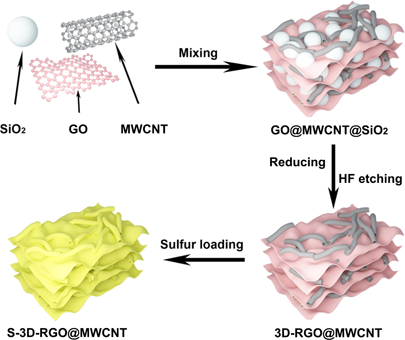
- region the x-intercept is attributed to the contact resistance (R0), and the semicircle is attributed to the charge-transfer resistance (Rct) at the electrode/electrolyte interface. Finally, the inclined slope in the low-frequency region is associated with the Warburg impedance (W) [28], which correlates
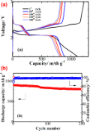
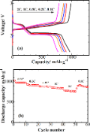
- radiation. Electrochemical measurements CR2025 coin batteries were assembled using S-3D-RGO@MWCNT as the cathode, 1 M lithium bistrifluoromethanesulfonimide and 0.1 M LiNO3 in a mixed solution of DME-DOL (1:1 by volume) as electrolyte, a Li foil as anode, and a Celgard 2300 membrane as separator. The



Widening of the electroactivity potential range by composite formation – capacitive properties of TiO2/BiVO4/PEDOT:PSS electrodes in contact with an aqueous electrolyte
Beilstein J. Nanotechnol. 2019, 10, 483–493, doi:10.3762/bjnano.10.49
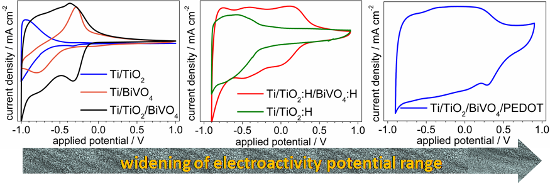
- , Poland 10.3762/bjnano.10.49 Abstract Composites based on the titania nanotubes were tested in aqueous electrolyte as a potential electrode material for energy storage devices. The nanotubular morphology of TiO2 was obtained by Ti anodization. TiO2 nanotubes were covered by a thin layer of bismuth
- vanadate using pulsed laser deposition. The formation of the TiO2/BiVO4 junction leads to enhancement of pseudocapacitance in the cathodic potential range. The third component, the conjugated polymer PEDOT:PSS, was electrodeposited from an electrolyte containing the monomer EDOT and NaPSS as a source of
- –inorganic composites with TiO2 [18][19], organic–inorganic hybrids consisting of a conducting polymer and Prussian blue analogues [20], or composites with carbon nanomaterials [21]. Tuning of the electrochemical activity of supercapacitors can also be achieved via electrolyte modification. The addition of




A Ni(OH)2 nanopetals network for high-performance supercapacitors synthesized by immersing Ni nanofoam in water
Beilstein J. Nanotechnol. 2019, 10, 281–293, doi:10.3762/bjnano.10.27
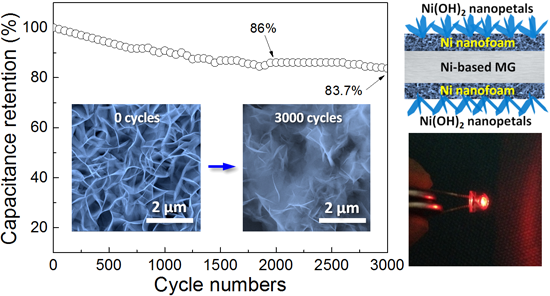
- ]. Generally speaking, supercapacitors fall into two categories with different energy storage mechanisms. One is electrical double-layer supercapacitors (EDLCs) dominated by the electrostatic adsorption/desorption of electrolyte ions on the electrode surfaces. In EDLCs carbonaceous materials and their
- between active materials and electrolyte, for which transition metal oxides/hydroxides with multiple valence are used as electrode materials [8][9]. EDLCs hold a high power density and long cycling stability, but their practical application is limited by the low energy density. In comparison, pseudo
- diffusion distance and facilitates the electrolyte transport. The as-synthesized Ni(OH)2/Ni-NF/MG electrodes demonstrate an excellent flexibility due to the ductile MG matrix and a good electrochemical performance. Moreover, the influence of immersion time in deionized water on the evolution of the Ni(OH)2




Site-specific growth of oriented ZnO nanocrystal arrays
Beilstein J. Nanotechnol. 2019, 10, 274–280, doi:10.3762/bjnano.10.26
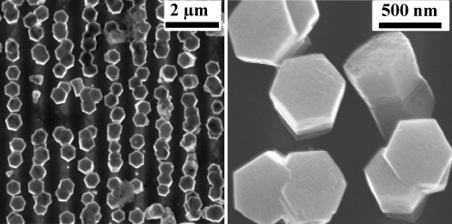
- , three electrode, glass cell. The bare/polymer-coated patterned ITO substrates were used as a working electrode (2 × 2 cm2) while a platinum sheet (2.5 × 2.5 cm2) and a saturated calomel electrode (SCE) were used as the counter and reference electrodes, respectively. The electrolyte (bath) temperature
- deposition, the sample was removed from the electrolyte and rinsed in deionized water [24]. The sample grown on bare ITO is named as SB; the samples grown on patterned ITO with pore size ≈600 and ≈200 nm are named as S600 and S200, respectively. Characterization of ZnO nanocrystals The ZnO nanocrystals grown


Nanoporous water oxidation electrodes with a low loading of laser-deposited Ru/C exhibit enhanced corrosion stability
Beilstein J. Nanotechnol. 2019, 10, 157–167, doi:10.3762/bjnano.10.15
- plate connected to a closed-circuit cooler by Haake. The PVC beaker was filled with the electrolyte and closed with a lid equipped with a mechanical stirrer and silver wire mesh as counter-electrode. The whole setup was thermally insulated laterally. Electropolishing of the aluminum plates in a cooled
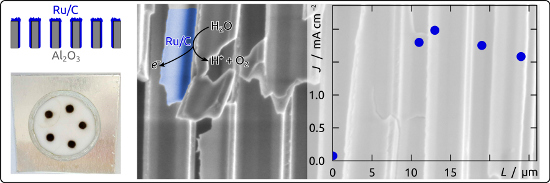
- sample area exposed to the electrolyte. This macroscopically defined exposed sample area of 0.018 cm2 is the value A used to define current densities (J = I/A) from the measured currents I. The samples were then adjusted into three-electrode electrochemical cells, exposing the defined sample area to a pH
- 4 phosphate electrolyte prepared from 0.1 M KH2PO4. The stability of the Al2O3 template and ITO backside contact in pH 4 conditions was verified with SEM after 20 h in the electrolyte. All electrochemical measurements including cyclic voltammetry (CV), linear sweep voltammetry (LSV) and steady-state