Search results
Search for "fibers" in Full Text gives 199 result(s) in Beilstein Journal of Nanotechnology.
Porous N- and S-doped carbon–carbon composite electrodes by soft-templating for redox flow batteries
Beilstein J. Nanotechnol. 2019, 10, 1131–1139, doi:10.3762/bjnano.10.113
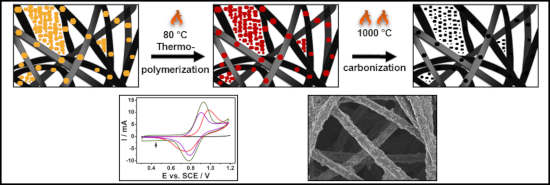
- to serve as electrodes in the VRFB, since they combine the desired properties of the two components, namely good electron conductivity and high surface area. The carbon fibers as supporting material possess a high electron conductivity, while the amorphous carbon coating provides the catalytic
- the porogen is removed, was performed to obtain highly porous carbon electrodes co-doped with nitrogen and sulfur. But not all of the formed carbon coating sticks to the surface of the felt fibers, some excess co-doped carbon material exists besides. This additional material is referred to as “bulk
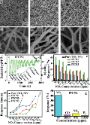
- material” in the following text (Figure 1). Structural characterization For a detailed insight into the morphology of the electrode, SEM images of the carbonized sample, N-doped carbon felt and S- and N-doped composite material were taken at two different magnifications (Figure 2). The fibers of the



Fe3O4 nanoparticles as a saturable absorber for giant chirped pulse generation
Beilstein J. Nanotechnol. 2019, 10, 1065–1072, doi:10.3762/bjnano.10.107
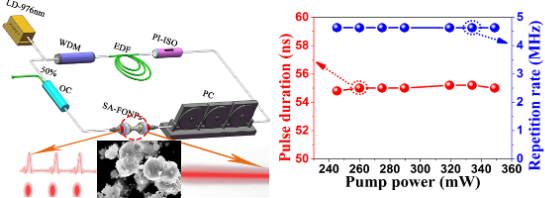
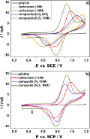
- 0.75 m erbium-doped fiber (EDF) with a 110 dB/m peak absorption coefficient at 1530 nm and a dispersion parameter (D) of −36 ps/nm/km. The EDF has an absorption coefficient of 70 dB/m at 980 nm. The fibers in our cavity are all SMF-28 optical fibers (including the pig-tailed fiber) with a dispersion


Concurrent nanoscale surface etching and SnO2 loading of carbon fibers for vanadium ion redox enhancement
Beilstein J. Nanotechnol. 2019, 10, 985–992, doi:10.3762/bjnano.10.99
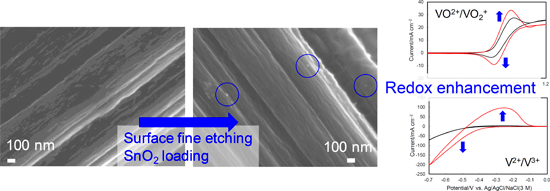
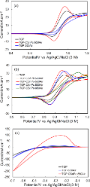
- TGP-CSnPc-650Air, which is in agreement with the FESEM image. Surface species The presence of tin oxide on the thermally oxidized surface of the CSnPc-coated carbon fibers was confirmed by XPS. It should be noted here that the Sn content was below the detection limit for the elemental mapping by
- heat treatment in Ar atmosphere at 700 °C, achieved concurrent nanoscale surface etching and SnO2 loading on the carbon fibers. Both the positive and the negative electrode reactions of VRFB were enhanced and the full cell tests showed the significant decreases in the overpotential for both the charge



Nanoscale optical and structural characterisation of silk
Beilstein J. Nanotechnol. 2019, 10, 922–929, doi:10.3762/bjnano.10.93
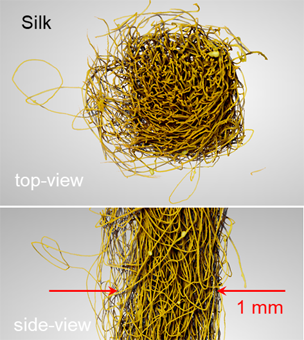
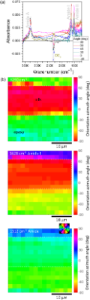
- crystalline building blocks of silk. Nanoscale optical and structural properties of silk have been measured from 100 nm thick longitudinal slices of silk fibers with ca. 10 nm resolution, the highest so far. Optical sub-wavelength resolution in hyperspectral mapping of absorbance and molecular orientation
- differences between the reflectance and absorbance of silk fibers with ca. 10 nm resolution. Cross sections of silk fibers were prepared using an ultramicrotome. Silk was chosen due to its well-known spectral properties and its increasing applications as a biocompatible and biodegradable material [13][14
- , China. The white and brown silk fibers used in this work are fibroin fibers obtained by degumming Bombyx mori and Antheraea pernyi silk fibres, respectively. To degum the fibres, the cocoons were boiled three times in an aqueous 0.5% (w/v) Na2CO3 solution to remove the sericin coating. The degummed silk


An iridescent film of porous anodic aluminum oxide with alternatingly electrodeposited Cu and SiO2 nanoparticles
Beilstein J. Nanotechnol. 2019, 10, 735–745, doi:10.3762/bjnano.10.73
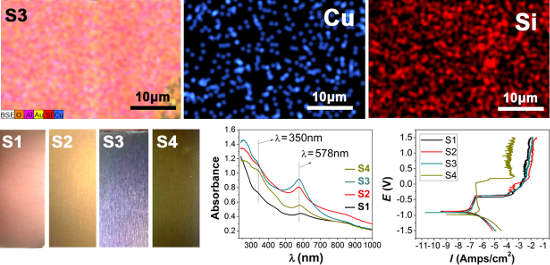
- changes were demonstrated with the incident light angle, e.g., from cyan to blue, from orange-red to yellow, from blue-green to blue-purple, and from magenta to dark green. The SiO2/PET film was also applied to the surface of textile fibers, yielding structural colors [29][30][31]. Using a one-step
- stainless steel tube and a carbon fiber as the anode and cathode under the action of a circular electric field, respectively, resulting in a cylindrical fibrous structure. The control over the electrodeposition voltage and time allowed for the fabrication of fibers with different thicknesses, and the
- resulting fibers exhibited structural colors of blue, green, and red when the PS spheres with a diameter of 185, 230 and 290 nm, respectively, were employed [33][34][35]. A natural sedimentation method was also used to prepare a structurally colored SiO2 photonic crystal film. Changing the incident light


Topochemical engineering of composite hybrid fibers using layered double hydroxides and abietic acid
Beilstein J. Nanotechnol. 2019, 10, 589–605, doi:10.3762/bjnano.10.60
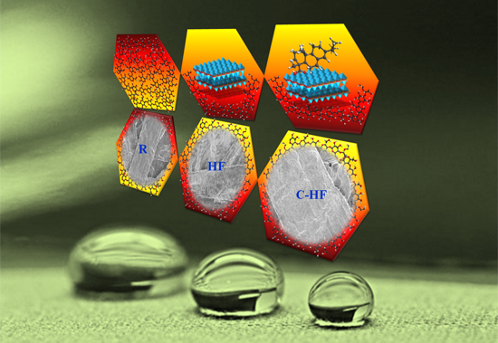
- composites by utilizing the intermolecular hydrogen bonds in natural materials. These materials include wood pulp fibers, abietic acid (resin acid) and inexpensive metal salts. In this work, a hybrid composite was created using bleached and unbleached kraft pulp fibers as cellulose platform. In situ co
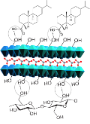
- -precipitation of layered double hydroxide (LDH) was performed to grow LDH crystals on the surface of the cellulose fibers, followed by the immobilization of abietic acid (AA) on LDH-grafted cellulose. Here we aimed to benefit from the hydrogen bonding between –OH groups of cellulose and LDH, and the –COOH
- groups of AA to obtain charge-directed assembly of one material on the other material. Thus, composite hybrid fibers (C-HF) were produced and then characterized by optical (CAM), spectroscopic (XRD, IR) and microscopic techniques (SEM) to determine their average length and distribution, structure and




The effect of flexible joint-like elements on the adhesive performance of nature-inspired bent mushroom-like fibers
Beilstein J. Nanotechnol. 2018, 9, 2893–2905, doi:10.3762/bjnano.9.268
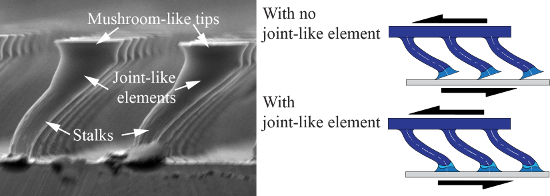
- packed, tilted and curved fibers of various dimensions to attach to surfaces. While the high elastic modulus of these fibers enables an extremely large number of fibers per unit area, where each fiber stands freely without sticking to its neighbors, the tilt/curvature provides them with the compliance
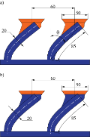
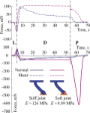
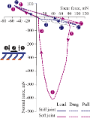
- compliance of the tip. Here, we mimic this feature using tilted, mushroom-like, stiff fibers comprised of a stiff stalk of elastic modulus 126 MPa, a softer tip of elastic modulus 8.89 MPa, and a joint-like element of elastic modulus 0.45 MPa (very soft), 8.89 MPa (soft), or 126 MPa (stiff) in between. The
- results from load–drag–pull (LDP) experiments performed along (gripping) and against (releasing) the tilt direction indicate that the soft and the very soft joint fibers performed superior to the stiff joint fibers and maintained directionally dependent performance. The soft joint fibers achieved up to 22






Effect of electrospinning process variables on the size of polymer fibers and bead-on-string structures established with a 23 factorial design
Beilstein J. Nanotechnol. 2018, 9, 2466–2478, doi:10.3762/bjnano.9.231
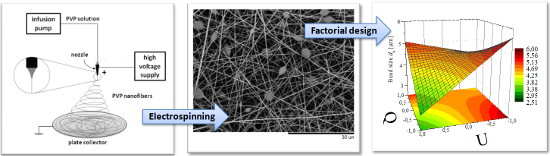
- diameter of uniform and heterogeneous fibers (with and without bead-on-string structures) and the size of beads obtained during the electrospinning process. A 23 factorial design was performed to determine the influence of the following factors: electrical voltage, flow rate and dynamic viscosity of the
- poly(vinylpyrrolidone) ethanolic solution. Factorial design enables the analysis of the mathematical relationship between the chosen factors and the response with a minimum number of experiments. The factor having the most significant impact on the size of beaded fibers and beads was the solution
- diameters possible (i.e., from nanometers to several micrometers) for polymer fibers using this electrostatic method [1][2]. In addition, the technique is rather easy to employ and cost-efficient [3][4]. Currently, by modifying the experimental setup and controlling the properties of the polymer solutions


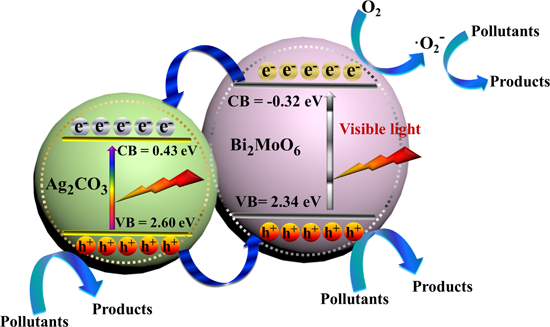
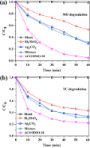
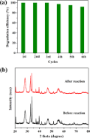
Hierarchical heterostructures of Bi2MoO6 microflowers decorated with Ag2CO3 nanoparticles for efficient visible-light-driven photocatalytic removal of toxic pollutants
Beilstein J. Nanotechnol. 2018, 9, 2297–2305, doi:10.3762/bjnano.9.214
- , Zhejiang Ocean University, Zhoushan, Zhejiang Province 316022, China State Key Laboratory for Modification of Chemical Fibers and Polymer Materials, Research Center for Analysis and Measurement, Donghua University, Shanghai 201620, China State Environmental Protection Engineering Center for Pollution




Electrospun one-dimensional nanostructures: a new horizon for gas sensing materials
Beilstein J. Nanotechnol. 2018, 9, 2128–2170, doi:10.3762/bjnano.9.202
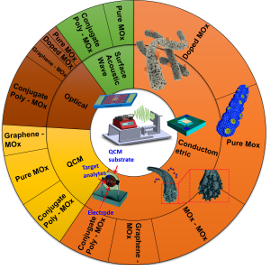
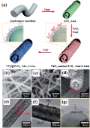
- materials used as an active sensing layer, including polymers, metal oxide semiconductors, graphene, and their composites or their functionalized forms. The material properties of these electrospun fibers and their sensing performance toward different analytes are explained in detail and correlated to the
- these techniques, electrospinning is one of the most versatile and robust techniques for synthesis of functional nanofibers with unique structure and diverse properties [37][38][39][40]. The diameter of these functional fibers range between sub-micrometre to nanometre. The versatility of electrospinning
- electrospinning as well as electrospraying. Electrospinning is a simple, robust and low-cost technique to generate polymer and composite fibers ranging from nanometres to a few micrometres in diameter [46][47]. In electrospinning, a high voltage source is used to produce fine fibers from a polymer solution or






Metal-free catalysis based on nitrogen-doped carbon nanomaterials: a photoelectron spectroscopy point of view
Beilstein J. Nanotechnol. 2018, 9, 2015–2031, doi:10.3762/bjnano.9.191
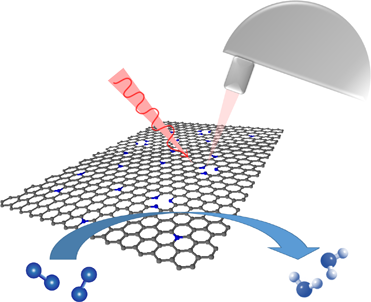
- discovery of their catalytic performance in the ORR: beginning with nitrogen-doped carbon fibres (2006 [18]), followed by carbon nanotubes (2009 [19]) and finally graphene (2010 [20]). In 2006, Matter and Ozkan reported on a metal-free ORR catalyst containing nitrogen-doped carbon fibers. The authors
- compared the ORR activity of the fibers grown with and without iron. The latter showed significant ORR activity, although they were less performant than the iron-containing catalyst [18]. The first metal-free catalyst that showed an ORR activity superior to commercial Pt in alkaline fuel cells was reported




Biomimetic and biodegradable cellulose acetate scaffolds loaded with dexamethasone for bone implants
Beilstein J. Nanotechnol. 2018, 9, 1986–1994, doi:10.3762/bjnano.9.189
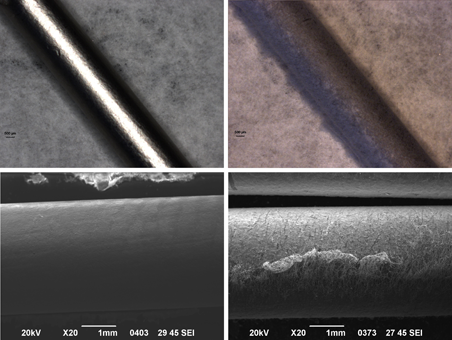
- are placed as coatings in medical devices in order to enhance the biocompatibility [2][3][4]. One technique to produce such coatings is electrospinning, which yields long micro- and nanofibers [5]. More specifically, physical and synthetic polymeric fibers of 30–20000 nm in length are produced by
- and to be subsequently used for SEM analysis. Results and Discussion Development of drug-free and dexamethasone-loaded CA scaffolds Fibers of drug-free CA and CA loaded with dexamethasone were created through electrospinning. SEM and AFM indicated the successful fabrication of those structures (Figure
- 1). Continuous fibers with smooth surface and free of any beads and other defects were obtained. In vitro degradation of non-woven CA fibers was investigated in DMEM solution at 37 °C over a period of 5 months (Figure 2). It should be mentioned that, CA is a semi-synthetic polymer, produced by the


Preparation of micro/nanopatterned gelatins crosslinked with genipin for biocompatible dental implants
Beilstein J. Nanotechnol. 2018, 9, 1735–1754, doi:10.3762/bjnano.9.165
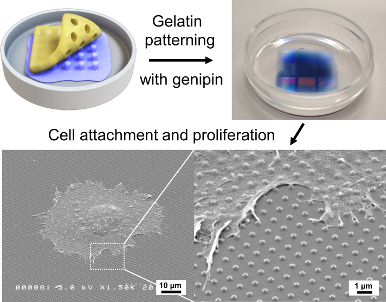
- natural tooth and periodontium, or their biomimetic equivalents. Collagen is a basic component of the periodontium and plays an important role in the function of the periodontal unit [15]. Bundles of collagen fibers in the periodontal ligament, including Sharpey’s fibers, are vertically arranged from the
- surface of the tooth to the alveolar bone by their position and orientation. The resulting periodontal ligament fibers exhibit micro/nanopatterns arising as a result of the shape of bundles of collagen fibers [16][17][18]. Thus, coating surfaces with collagen has been used for dental implants to allow
- implants [21][22]. It is also used as an absorbable hemostatic sponge to provide an occlusive matrix [23][24] and as a bone healing material in tissue engineering [25][26] in the field of dentistry. Recent studies have attempted to regenerate collagen fibers, lost as a result of periodontal disease, using








Surface characterization of nanoparticles using near-field light scattering
Beilstein J. Nanotechnol. 2018, 9, 1228–1238, doi:10.3762/bjnano.9.114
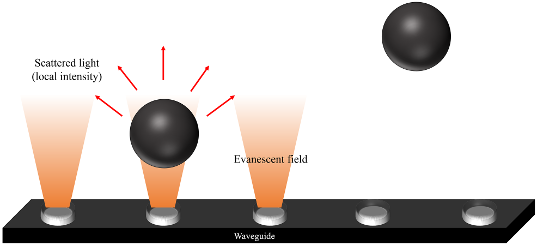
- output edge where transmitted light is collected by a photodetector. Three polarization-maintaining optical fibers are supported by a silicon v-groove array and are optically aligned to the three waveguides permanently bonded to the chips. Each chip has two through-holes for fluidic access. Fluid lines
- deionized water. Optofluidic chip is secured in a chip cassette and is permanently bonded to three optical fibers, which deliver laser light to the three waveguides on the chip surface. The chip also has a microfluidic channel with inlet and outlet holes. (A) Near-field light scattering with relevant forces




Review on nanoparticles and nanostructured materials: history, sources, toxicity and regulations
Beilstein J. Nanotechnol. 2018, 9, 1050–1074, doi:10.3762/bjnano.9.98

- town, the main source of atmospheric micro- and nanoparticles is automobile exhaust [88]. Amongst the types of automobile exhaust, diesel engines release 20–130 nm sized particles whereas gasoline engines release 20–60 nm sized particles [89][90]. It has been found that CNTs and fibers are released as
- than 10 μm are released into the atmosphere when larger buildings are demolished [103]. Other than building debris, lead, glass, respirable asbestos fibers and other toxic particles from household materials are released as nanosized particles around the site of building demolition [103]. Cigarette
- drugs that can inhibit the growth of these harmful bacteria in its early stage. Nanoparticles and nanostructures in plants Wood is made of natural fibers that are considered as cellular hierarchical bio-composites. Natural fibers are composites of cellulosic-fibrils at the nanoscale level. The simplest


Bioinspired self-healing materials: lessons from nature
Beilstein J. Nanotechnol. 2018, 9, 907–935, doi:10.3762/bjnano.9.85
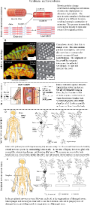
- cell size/shape [14]. Figure 2A shows the hierarchical levels of muscle structure in a human, building from the basic components of actin and myosin proteins to sarcomeres and muscle fibers that form a muscle [39]. Skeletal muscle is striated and used for voluntary movements. Smooth, or nonstriated
- , muscle is used for involuntary muscle movements such as breathing and digestion. Last, cardiac muscles are involuntary, striated muscles used in the movement of the heart and are organized into a complex linkage between sarcomere fibers. Invertebrates have several types of muscles related to body








Single-step process to improve the mechanical properties of carbon nanotube yarn
Beilstein J. Nanotechnol. 2018, 9, 545–554, doi:10.3762/bjnano.9.52
- Science and Engineering, University of Tennessee, Knoxville, TN 37996, USA Center for Nanophase Materials Sciences Division, Oak Ridge National Laboratory, Oak Ridge, TN 37831, USA College of Applied Engineering, Sustainability and Technology, Kent State University, Kent, OH 44240, USA Fibers and textiles
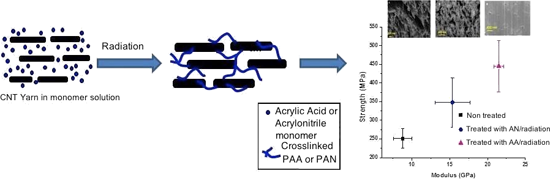
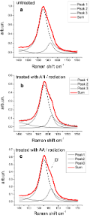
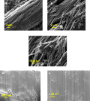
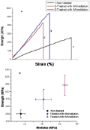
- Department, University of Georgia, Athens, GA 30602, USA 10.3762/bjnano.9.52 Abstract Carbon nanotube (CNT) yarns exhibit low tensile strength compared to conventional high-performance carbon fibers due to the facile sliding of CNTs past one another. Electron beam (e-beam) irradiation was employed for in a
- challenge to assemble CNTs in materials on the macroscopic scale [3]. Because of the difficulties in dispersing pristine CNTs in polymers, the assembly of CNTs into macroscopic fibers, with the tubes aligned parallel along the CNT yarn axis, has been focused on [4][5][6][7][8][9][10][11][12][13]. There are




Ultralight super-hydrophobic carbon aerogels based on cellulose nanofibers/poly(vinyl alcohol)/graphene oxide (CNFs/PVA/GO) for highly effective oil–water separation
Beilstein J. Nanotechnol. 2018, 9, 508–519, doi:10.3762/bjnano.9.49
- history of using plant cellulose fibers as reinforcements in polymer composite materials [13][14]. However, the use of nanoscale cellulose fibers to reinforce polymers is a relatively recent effort [15][16]. Despite the challenges described below, CNFs have been combined with various polymer matrices


Engineering of oriented carbon nanotubes in composite materials
Beilstein J. Nanotechnol. 2018, 9, 415–435, doi:10.3762/bjnano.9.41
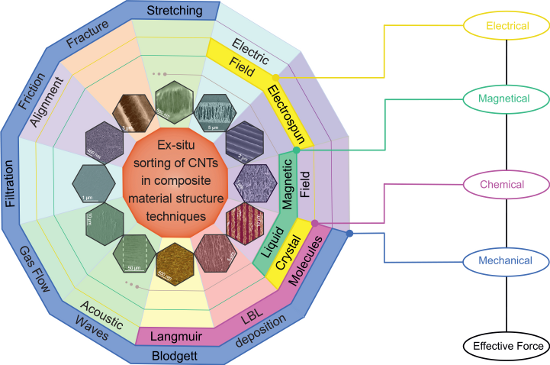
- due to their desirable physical properties [43]. In this regard, CNT/fibers have obtained a special spotlight because of their possibility to be arranged in a controlled way, the dependency of bulk electrical and mechanical properties of composites on the characteristics of the CNT, and the ensemble
- and production ability of the fibers in semi-industrial quantities [44]. The two methods commonly used to make CNT/nanofiber are described below. Electrospinning: Electrospinning (ES) can be used to produce fibers from a viscous solution of polymer/CNTs, it is also employed for aligning CNTs in the
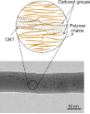
- fibers. In this method, a high voltage DC current (about 25 kV) is used between a charged polymer and a metallic collector to produce continuous filaments. Experiments revealed that the functionalized CNTs are aligned in the direction of the axis of the nanofiber polymers [45][46][47]. Figure 7 shows a








Synthesis and characterization of electrospun molybdenum dioxide–carbon nanofibers as sulfur matrix additives for rechargeable lithium–sulfur battery applications
Beilstein J. Nanotechnol. 2018, 9, 262–270, doi:10.3762/bjnano.9.28
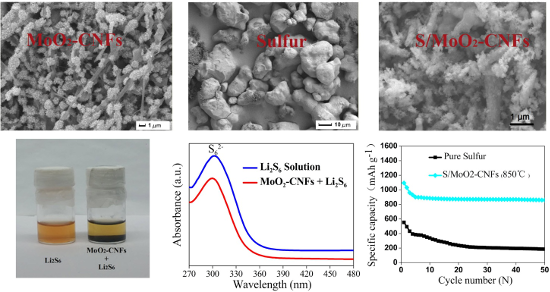
- precursors and self-templates, which were used as anode materials in lithium ion batteries [22][23]. However, since electrospinning is a simple and versatile method for producing fibers from a variety of materials on a large scale, it has attracted much attention in both research and commerce [24]. The
- electrochemical performance than a pristine sulfur cathode. Results and Discussion Characterization of MoO2–CNFs X-ray diffraction (XRD) patterns of the as-prepared composite fibers calcined at various temperatures are presented in Figure 1a. Well-defined features appeared for the samples heated at 550 °C due to
- MoO2–CNF was successfully prepared through electrospinning. The Fourier transform infrared spectroscopy (FTIR) spectra of PAN fibers, as-prepared composite PAN/PMA fibers, and composite fibers calcined at different temperatures are illustrated in Figure 2. The FTIR spectra of PAN fibers and as-prepared


Liquid-crystalline nanoarchitectures for tissue engineering
Beilstein J. Nanotechnol. 2018, 9, 205–215, doi:10.3762/bjnano.9.22
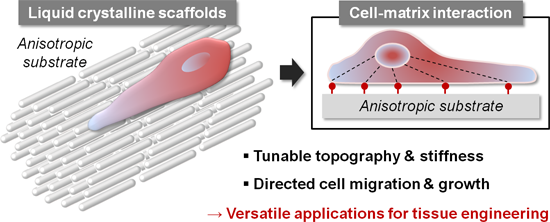
- alignment of ECM fibers is known to control the cell shape and motion [53]. During development, growth, and proliferation, the 2D/3D topography of ECM affects the cell spreading, focal adhesion strength, and intercellular mechanical signaling [54]. For example, the guided migration of cells in the ECM was
- shown to result in enhanced cellular reorganization and facilitated tissue morphogenesis [55]. Mechanical stiffness of tissues is an important physical cue for modulating the behavior of adhered or embedded cells [56][57]. The LC architectures of ECM fibers may influence the functionality of target
- structures [32]. Soft connective tissues Mesophase organizations of the ECM fibers can play important roles not only in the optimization of mechanical properties of the tissue itself, but also in the regulations of functions of embedded cells [65]. The assembly structure of oriented collagen fibers in


Bombyx mori silk/titania/gold hybrid materials for photocatalytic water splitting: combining renewable raw materials with clean fuels
Beilstein J. Nanotechnol. 2018, 9, 187–204, doi:10.3762/bjnano.9.21
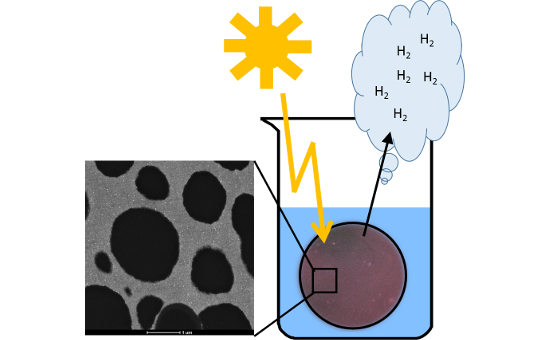
- , Goutailler et al. deposited an anatase/brookite NP mixture on cellulose from tetrabutylammonium bromide (N(n-Bu)4Br)/titanium tetraisopropoxide (Ti(OiPr)4) solutions in hexane [32]. These NPs strongly interact via non-covalent interactions (e.g., hydrogen bonds [33][34]) with the cellulose fibers and the
- mechanically and chemically stable to withstand the conditions during photocatalysis. Daoud and Xin [35] coated cotton fibers with 20 nm anatase particles via a sol–gel method. The covalently bonded TiO2 particles have a 50+ UV protection factor and are stable against washing. In an alternative approach, Zheng




Electrical properties of a liquid crystal dispersed in an electrospun cellulose acetate network
Beilstein J. Nanotechnol. 2018, 9, 155–163, doi:10.3762/bjnano.9.18
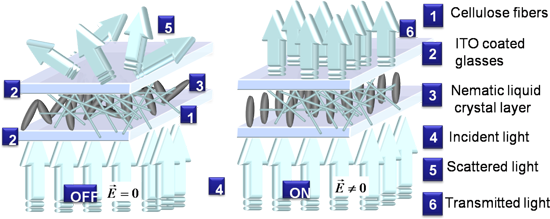
- in a similar fashion as PDLCs (polymer-dispersed liquid crystals), produced from cellulose acetate (CA) electrospun fibers deposited onto indium tin oxide coated glass and a nematic liquid crystal (E7), were studied. CA and the CA/liquid crystal composite were characterized by multiple investigation
- the one observed in traditional PDLC. The major difference is that instead of having small droplets of LC confined in a polymeric matrix, the LC fills the voids between fibers in mats of non-woven electro-spun cellulose acetate fibers [21][22][23][24][25][26][27]. The electrospun cellulose fibers were
- . Results and Discussion Scanning electron microscopy Figure 2 shows the SEM image of the deposited fibers [21][22][28]. In the SEM image, the fibers exhibit a wide dimension range, starting with dozens of nanometres. Polarized optical microscopy Figure 3 presents the polarizing optical microscopy images of


Thermo- and electro-optical properties of photonic liquid crystal fibers doped with gold nanoparticles
Beilstein J. Nanotechnol. 2017, 8, 2790–2801, doi:10.3762/bjnano.8.278
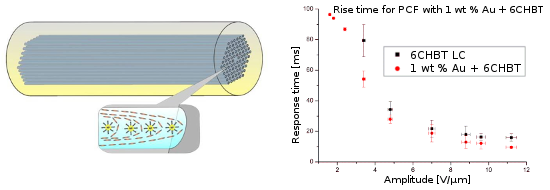
- fibers (PCFs) infiltrated with a NP-doped nematic LC. PCFs infiltrated with LCs (Larsen et al. [15]) have been known since 2005 [16] as photonic liquid crystal fibers (PLCFs). PLCFs offer a high level of tunability due to significantly improved control of their spectral, polarizing, and guiding
- with two additional fibers on the sides with the same diameter as the measured fiber. These additional fibers were glued to one of two electrodes and they acted as spacers to maintain height control. There was a layer of silicon between the electrodes to prevent electric discharge that could destroy
- filled with 1 wt % Au-doped liquid crystal. Spectra up to the phase transition temperature (left) and magnification of the nematic–isotropic phase transition point (right). Rise time (a,b) and fall time (c,d) for 0.3 wt % Au and 1 wt % Au-doped photonic liquid crystal fibers compared to undoped LC 6CHBT


Dry adhesives from carbon nanofibers grown in an open ethanol flame
Beilstein J. Nanotechnol. 2017, 8, 2719–2728, doi:10.3762/bjnano.8.271
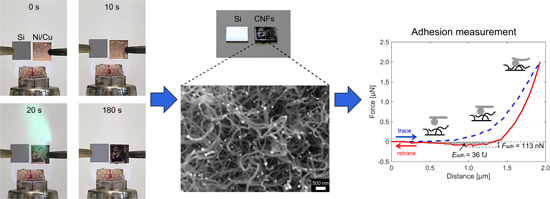
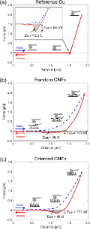
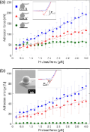
- linear with preload force. Carbon nanofibers oriented by a magnetic field show a 68% higher adhesion (0.66 N/cm2) than the randomly oriented fibers. Endurance tests revealed that the carbon nanofiber arrays withstand 50.000 attachment/detachment cycles without observable wear. Keywords: adhesion; atomic