Search results
Search for "formulation" in Full Text gives 202 result(s) in Beilstein Journal of Nanotechnology. Showing first 200.
Intracranial recording in patients with aphasia using nanomaterial-based flexible electronics: promises and challenges
Beilstein J. Nanotechnol. 2021, 12, 330–342, doi:10.3762/bjnano.12.27
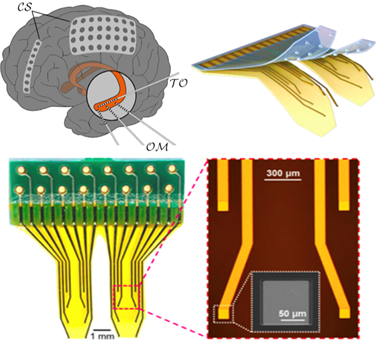
- individuals’ language deficits. The scientific study of aphasia, aphasiology, is important not only because it helps in the formulation of the best treatment methods for restoring the lost cognitive functions of individuals with aphasia but also because it provides another window into the brain mechanisms of


A review on the biological effects of nanomaterials on silkworm (Bombyx mori)
Beilstein J. Nanotechnol. 2021, 12, 190–202, doi:10.3762/bjnano.12.15
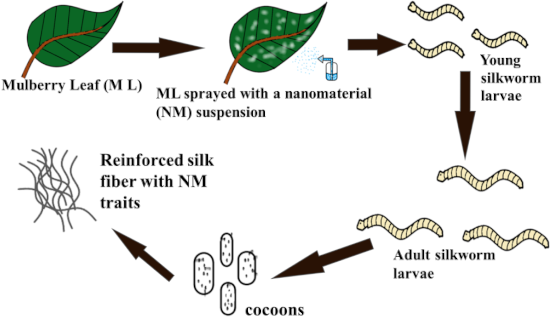
- contributions, the addition of nanomaterials to packaging materials and films in the food industry is reported to have curbed issues regarding food spoilage and contamination [16], pests, and disease management due to the usage of a nanomaterial-based formulation in agriculture [17]. The inclusion of
- germination of seeds prove that the incorporation of nanotechnology in agriculture can boost crop production and the use of nanoscale pesticides [35] can improve crop protection. Silica is an example of a nanomaterial used in the formulation of nanoscale pesticides, which are used to control pest incidence


PEG/PEI-functionalized single-walled carbon nanotubes as delivery carriers for doxorubicin: synthesis, characterization, and in vitro evaluation
Beilstein J. Nanotechnol. 2020, 11, 1728–1741, doi:10.3762/bjnano.11.155
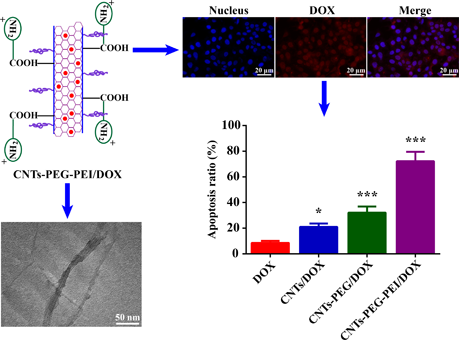
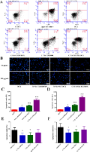
- , respectively (DOX equivalent concentration 50 μg·mL−1, 48 h after incubation). Also, apoptosis ratios measured at a DOX concentration of 100 μg·mL−1 are all slightly higher for each formulation (Figure 10C,D). Living cell fluorescence images also confirm these results (Figure 10B). Furthermore, the raw SWCNTs




Applications of superparamagnetic iron oxide nanoparticles in drug and therapeutic delivery, and biotechnological advancements
Beilstein J. Nanotechnol. 2020, 11, 1092–1109, doi:10.3762/bjnano.11.94
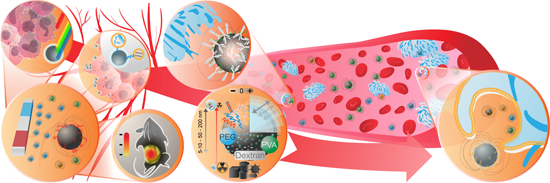
- release and not by the lipid peroxidation. Lee et al. [123] synthesized SPIONs functionalized with dopamine and lactobionic acid for MRI and nuclear imaging of the liver. They showed that their formulation targets hepatic cells in vitro and is endocytosed within two hours. In vivo, SPIONs were mainly
- accumulated in the liver within minutes and, to a smaller extent in spleen, lung, bladder, kidney, making their formulation a good candidate for liver MRI analyses. SPIONs, independent of coating and external magnetic field, seem to accumulate mostly in liver, spleen, and lung [39]. SPIONs were found to be


Vibration analysis and pull-in instability behavior in a multiwalled piezoelectric nanosensor with fluid flow conveyance
Beilstein J. Nanotechnol. 2020, 11, 1072–1081, doi:10.3762/bjnano.11.92
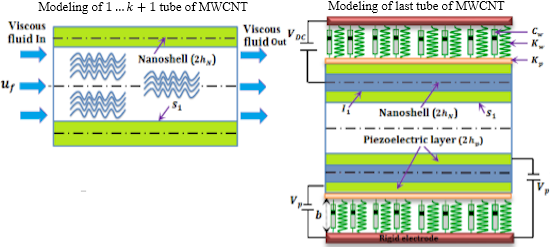
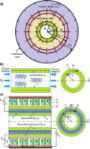
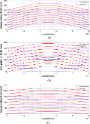
- reader, all notation and symbols are presented in Table 1. Mathematical Formulation A schematic diagram of a multiwalled piezoelectric nanosensor with an embedded fluid-conveying inner layer, two piezoelectric layers, and a viscoelastic foundation medium in the outer layer is shown in Figure 1a–c. The
- -MWPENS. Two cases of surface density studied. Supporting Information Supporting Information File 43: Subsections of “Mathematical Formulation” as well as an “Appendix” section. Supporting Information File 44: MATLAB program code for the current paper. In the ZIP file, all programs written in MATLAB


![[Graphic 46]](/bjnano/content/inline/2190-4286-11-92-i46.svg?max-width=637&scale=1.18182) on DNF of FC-MWPENS.
on DNF of FC-MWPENS.


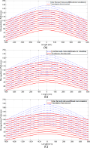
![[Graphic 50]](/bjnano/content/inline/2190-4286-11-92-i50.svg?max-width=637&scale=1.18182) on DNF of SS FC-MWPENS.
on DNF of SS FC-MWPENS.


![[Graphic 54]](/bjnano/content/inline/2190-4286-11-92-i54.svg?max-width=637&scale=1.18182) on DNF of SS FC-MWPENS.
on DNF of SS FC-MWPENS.


![[Graphic 59]](/bjnano/content/inline/2190-4286-11-92-i59.svg?max-width=637&scale=1.18182) for fluid velocity
for fluid velocity ![[Graphic 60]](/bjnano/content/inline/2190-4286-11-92-i60.svg?max-width=637&scale=1.18182) on DNF of SS FC-MWPENS.
on DNF of SS FC-MWPENS.

![[Graphic 61]](/bjnano/content/inline/2190-4286-11-92-i61.svg?max-width=637&scale=1.18182) for pull-in voltage on DNF of SS FC-MWPENS.
for pull-in voltage on DNF of SS FC-MWPENS.

![[Graphic 67]](/bjnano/content/inline/2190-4286-11-92-i67.svg?max-width=637&scale=1.18182) for fluid velocity
for fluid velocity ![[Graphic 68]](/bjnano/content/inline/2190-4286-11-92-i68.svg?max-width=637&scale=1.18182) on DNF of SS FC-MWPENS.
on DNF of SS FC-MWPENS.

![[Graphic 69]](/bjnano/content/inline/2190-4286-11-92-i69.svg?max-width=637&scale=1.18182) for pull-in voltage on DNF of SS FC-MWPENS.
for pull-in voltage on DNF of SS FC-MWPENS.

![[Graphic 73]](/bjnano/content/inline/2190-4286-11-92-i73.svg?max-width=637&scale=1.18182) on DNF of SS FC-MWPENS.
on DNF of SS FC-MWPENS.


![[Graphic 75]](/bjnano/content/inline/2190-4286-11-92-i75.svg?max-width=637&scale=1.18182) on DNF of SS FC-MWPENS.
on DNF of SS FC-MWPENS.

Key for crossing the BBB with nanoparticles: the rational design
Beilstein J. Nanotechnol. 2020, 11, 866–883, doi:10.3762/bjnano.11.72
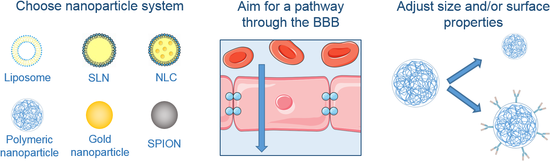
- advantages over PBCA. They are FDA-approved and have a slower degradation rate than PBCA, allowing for a more sustained delivery [148][149]. Furthermore, a formulation of PLGA nanoparticles loaded with doxorubicin (NanoBB-1-Dox) has been investigated in a phase-I clinical trial for the treatment of
- targeting liposomal drug delivery system was then developed by conjugating peptide-22 and c(RGDfK), a ligand of integrin αvβ3 that showed ability to target glioma cells, to liposomes loaded with doxorubicin. This formulation was tested in vivo on an intracranial glioma-bearing mouse model. The nanocarrier
- recognizing the cell-penetrating peptide R8-dGR, which could bind to both integrin αvβ3 and neuropilin-I receptors, was used to functionalize liposomes [154]. This formulation was tested in vitro and in vivo on intracranial glioma-bearing mice. The R8-dGR-conjugated liposomes could cross the bEnd.3 (murine


Identification of physicochemical properties that modulate nanoparticle aggregation in blood
Beilstein J. Nanotechnol. 2020, 11, 550–567, doi:10.3762/bjnano.11.44
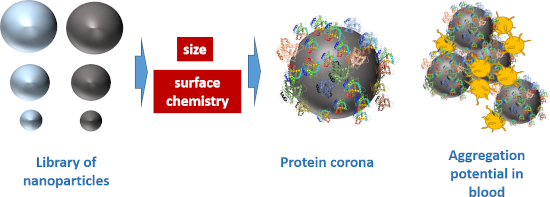
- between the number of numerous formulation types synthesised in research laboratories and those approved for clinics [1], mainly due to the lack of understanding on the nanoparticles (NPs) behaviour in complex media that can affect their efficacy and their biocompatibility [2]. Safe-by-design (SbD




Multilayer capsules made of weak polyelectrolytes: a review on the preparation, functionalization and applications in drug delivery
Beilstein J. Nanotechnol. 2020, 11, 508–532, doi:10.3762/bjnano.11.41
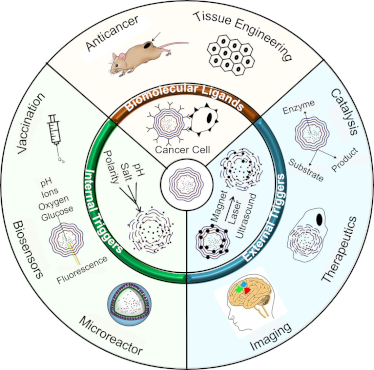
- interactions are based on their matching degree and concentration. Thus, the difficulty lies in the availability of these host and guest molecules coupled to charge repulsion between polymers. Encapsulation The formulation of nanocarrier systems is effective only if sufficient encapsulation of molecules can be



Understanding nanoparticle flow with a new in vitro experimental and computational approach using hydrogel channels
Beilstein J. Nanotechnol. 2020, 11, 296–309, doi:10.3762/bjnano.11.22
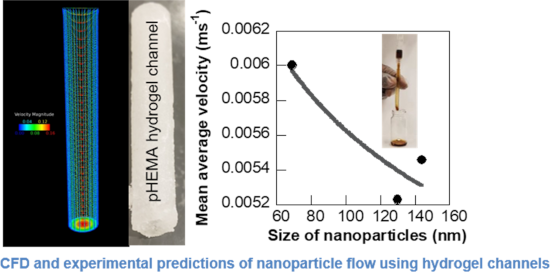
- vascular constructs. Therefore, we first synthesized a series of chemically cross-linked pHEMA hydrogels and investigated their structural properties and water absorption capability to find the best suitable formulation for fabricating flow channels mimicking a soft vascular platform. In this study, we
- NPs. The pHEMA hydrogel prepared with 1.3 mL of DI water was considered the most suitable formulation, in terms of mechanical flexibility, mechanical strength, and surface smoothness, for mimicking physiologically relevant microenvironments. This hydrogel also showed the highest capacity to retain
- ). The swelling behavior was highly influenced by the pH value of the solution. The selected gel formulation synthesized with 1.3 mL DI water showed an increased mass of 25% at pH 2, 30% at pH 13, and a maximum of 60% at pH 11. Figure 3 shows the scanning electron microscopy (SEM) images of the different


Rational design of block copolymer self-assemblies in photodynamic therapy
Beilstein J. Nanotechnol. 2020, 11, 180–212, doi:10.3762/bjnano.11.15
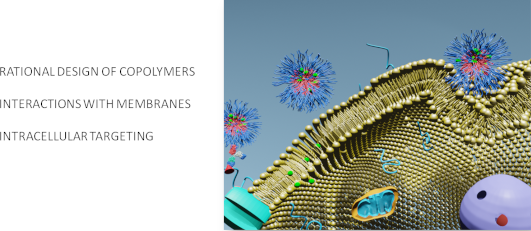
- photosensitizer formulation, light dosimetry, to planning and monitoring the treatment [15][18][19][20][21][22]. Some of these points have been recently reviewed: ideal photosensitizers [23], challenges in formulating photosensitizers, and choosing the right light dosimetry [24], as well as monitoring the
- reported in Tables 1, 2 and 3 for the examples described in this section. Formulation optimization As mentioned in the introduction of this review, there are many requirements an optimized nanovector needs to fulfil, i.e., biocompatibility, a controlled size between 20 and 200 nm, the highest possible
- mentioned before, and the disassembly of the nanovector is necessary. This short introduction clearly shows the very high complexity of vector development for PDT. In the subsequent paragraphs, we will thus examine each strategy for optimizing the vector formulation. Figure 7 presents the different






Nonclassical dynamic modeling of nano/microparticles during nanomanipulation processes
Beilstein J. Nanotechnol. 2020, 11, 147–166, doi:10.3762/bjnano.11.13
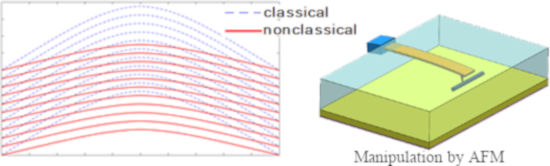
- the resonance frequencies and sensitivity of the AFM cantilever using the modified couple stress theory (MCST). An analytical formulation was derived for natural frequencies by writing the differential equations of cantilever motion. They found that when the dimensionless thickness of beam is less







The different ways to chitosan/hyaluronic acid nanoparticles: templated vs direct complexation. Influence of particle preparation on morphology, cell uptake and silencing efficiency
Beilstein J. Nanotechnol. 2019, 10, 2594–2608, doi:10.3762/bjnano.10.250
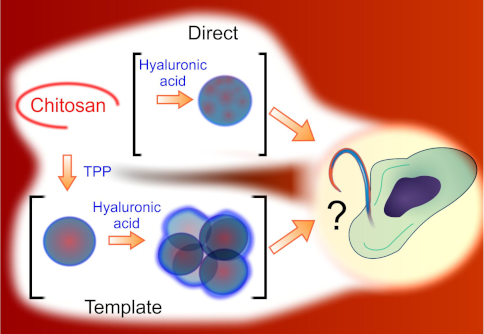
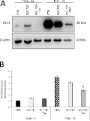
- irreversible [29]. It is therefore important to assess whether in the same formulation HA nanoparticles are present together with unbound HA, which could potentially reduce binding and efficacy of the payload-carrying nanoparticles. Using AFM, we have shown that dialysis through membranes with a large MWCO
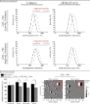
- , chitosanase and heparin treatment. Free, non-encapsulated siRNA was used as a control. The siRNA content in the particles was 25 wt % in relation to chitosan. Right: Plot of the band intensities relative to the signal of the negative control (no RNAse I treatment) for each formulation. Error bars represent



Bombesin receptor-targeted liposomes for enhanced delivery to lung cancer cells
Beilstein J. Nanotechnol. 2019, 10, 2553–2562, doi:10.3762/bjnano.10.246
- ]. In the lung cancer field, cisplatin formulated as a pegylated liposomal formulation (Lipoplatin®) has delivered comparable antitumour response against non-small cell lung cancer tumours with reduced side effects when delivered in combination with paclitaxel compared to when cisplatin and paclitaxel
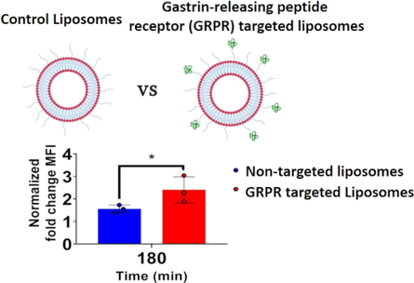
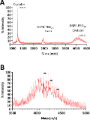
- manner – a key feature of a targeting ligand to enable high tumour localisation. Formulation of a GRP-targeted liposomal carrier Having validated GRPR as a functional target on the surface of SCLC cells we next prepared a targeted liposomal carrier. The presence of a single thiol group in the cystabn
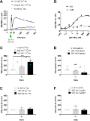
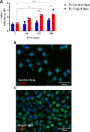
- (MFI) attributable to cell-surface adsorption of liposomes at 4 °C, to yield a “normalised cell MFI” at each time point and for each formulation. For non-targeted FL-Control-lipo, there was a modest increase in normalised fluorescence over time (blue bars, Figure 4a). In contrast, the fluorescence of

Frontiers in pharmaceutical nanotechnology
Beilstein J. Nanotechnol. 2019, 10, 2538–2540, doi:10.3762/bjnano.10.244

- is a very dynamic and evolving research area that integrates a wide variety of disciplines such as chemical, biological and biomedical science. At the frontier of knowledge, nanoparticles, exosomes and even more advanced drug delivery systems [1] blur the line between drug discovery and formulation
- production of nanocrystals. To date, the nanomilling platform of Elan Drug Technologies is widely used for the formulation of poorly soluble compounds [11]. Also, with regards to the topical administration route, nanometer-scale excipients have been rarely associated with safety issues and have been widely
- materials with a long history of medical use [12]. Pharmaceutical nanotechnology is not limited to translational research but, after many years of trial and error, we have to accept that reliable pharmacological and toxicological effects are a key element of industrial formulation development. Understanding
Design of a nanostructured mucoadhesive system containing curcumin for buccal application: from physicochemical to biological aspects
Beilstein J. Nanotechnol. 2019, 10, 2304–2328, doi:10.3762/bjnano.10.222
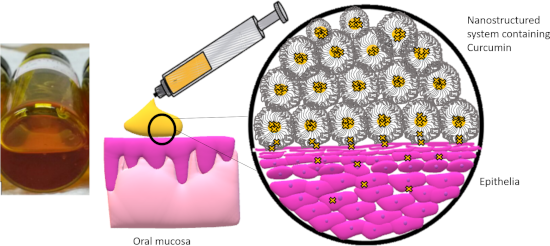
- , including the cool storage temperature in refrigerator (10 °C), administration temperature of the formulation to the patient (25 °C), body temperature (37 °C) and over body temperature (45 °C) at pH 7, but also at pH 5 and 10 at 37 °C [46]. The formulations composed of P407, C974P and CUR showed pH 5 during
- cohesiveness results for the formulations with or without CUR at 25 and 37 °C are given in Figure 8. In addition, the effects of the presence of CUR and the increase in temperature were statistically evaluated for each parameter. Hardness is an indicator of the ability to remove the formulation from the
- packaging material and its subsequent spreadability on the mucous tissue in a uniform layer to avoid any discomfort to the patient. Conversely, compressibility expresses the application of the formulation in the buccal cavity. Low compressibility and hardness values are desirable in order to facilitate the


Microfluidics as tool to prepare size-tunable PLGA nanoparticles with high curcumin encapsulation for efficient mucus penetration
Beilstein J. Nanotechnol. 2019, 10, 2280–2293, doi:10.3762/bjnano.10.220
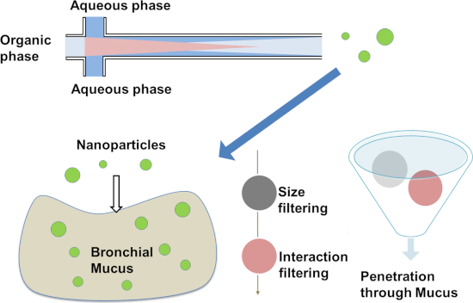
- sub-micrometer particles, because it is a simple and straightforward technique, without the involvement of any chemical additives, and also does not require harsh formulation parameters, such as high energy input or mechanical shear stress (e.g., by sonification) [30][31]. Nonetheless, the preparation


Targeted therapeutic effect against the breast cancer cell line MCF-7 with a CuFe2O4/silica/cisplatin nanocomposite formulation
Beilstein J. Nanotechnol. 2019, 10, 2217–2228, doi:10.3762/bjnano.10.214
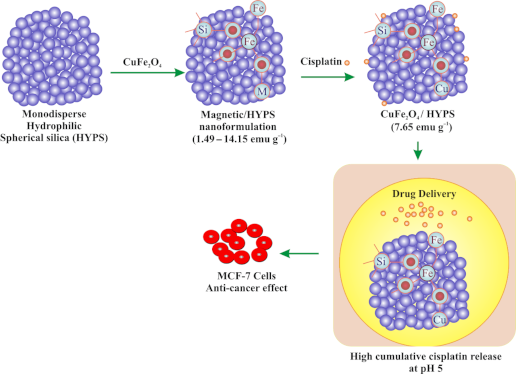
- /HYPS was applied as the support. An in vitro experiment was conducted to determine the potential of CuFe2O4/HYPS as an anticancer agent against the human breast cancer cell line MCF-7. The results show that the nanoparticle formulation can effectively target cancerous cells and could be an effective
- ability using the HYPS support was found to be higher than when AlMSU-F and silicalite were used. The treatment of the breast cancer cell line MCF-7 with cisplatin/CuFe2O4/HYPS (Group E) showed a significant cytotoxic effect. It is also expected that the nanocomposite formulation will be able to


BergaCare SmartLipids: commercial lipophilic active concentrates for improved performance of dermal products
Beilstein J. Nanotechnol. 2019, 10, 2152–2162, doi:10.3762/bjnano.10.208
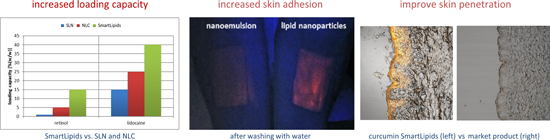
- needed to improve the performance of dermal formulations. There are also requirements from the formulation manufacturer regarding perfected delivery systems. The primary requirements for an optimized carrier system are: Sufficiently high loading capacity allowing for the utilization of low amounts of
- carrier, so as to not distinctly affect the properties of the formulation, e.g., skin feeling; physical stability, i.e., firm inclusion of active agents and remaining integrity of the carriers in the final formulation during shelf life; effective protection and stabilization of chemically labile active
- suspensions is controlled by the particle concentration in the suspension. The formation of a film can also be concluded by measuring the decrease in transepidermal water loss (TEWL) after application of the lipid particles in a formulation. Following this model, any lipid particle can be used to repair the


Gold-coated plant virus as computed tomography imaging contrast agent
Beilstein J. Nanotechnol. 2019, 10, 1983–1993, doi:10.3762/bjnano.10.195
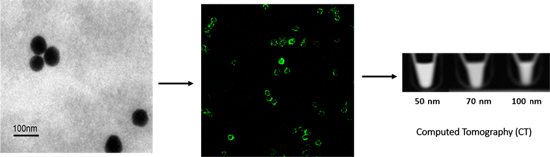
- 17.7 wt % of iodine at a dose of 170 mg of iodine per kilogram were able to show an attenuation of 150 HU in the heart [19], 57 HU in the liver and 90 HU in the spleen [20]. The development of AuNPs as imaging agents was invigorated after Hainfeld reported the formulation of a 1.9 nm contrast X-ray




Synthesis and potent cytotoxic activity of a novel diosgenin derivative and its phytosomes against lung cancer cells
Beilstein J. Nanotechnol. 2019, 10, 1933–1942, doi:10.3762/bjnano.10.189
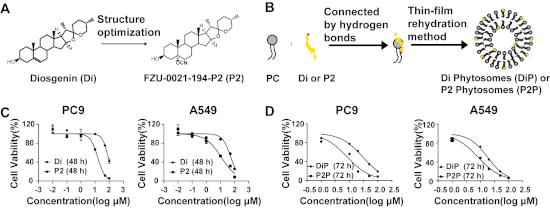
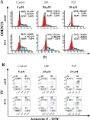
- efficiently than Di phytosomes after 72 h of incubation time by inducing cell cycle arrest and apoptosis. The results indicated that P2Ps could be a promising anticancer formulation for non-small-cell lung cancer. Keywords: diosgenin; non-small-cell lung cancer; phytosomes; sterol structure; Introduction
- size distribution of phytosomes seems a little broad. We used the thin-film hydration method followed by sonication to prepare the phytosomes in this study. The mean size and size distribution are significantly influenced by the sonication conditions. Further optimization of the formulation and the
- anticancer formulation for lung cancer. Experimental Materials 3-(4,5-Dimethylthiazol-2-yl)-2,5-diphenyltetrazolium bromide (MTT), DNA-free RNaseA, and propidium iodide (PI) were purchased from Sigma-Aldrich (St Louis, USA). Di was obtained from Energy Chemical (Shanghai, China). RPMI 1640 medium and trypsin



Preservation of rutin nanosuspensions without the use of preservatives
Beilstein J. Nanotechnol. 2019, 10, 1902–1913, doi:10.3762/bjnano.10.185
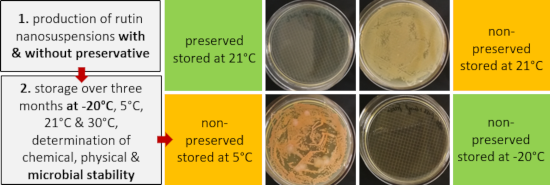
- well-known formulation principle to overcome poor aqueous solubility and poor bioavailability of class-II and class-VI active ingredients of the biopharmaceutics classification system (BCS) [6][7]. Nanocrystals are already used in various pharmaceutical drug products for oral use. Examples are Rapamune
- final drug product, in most cases nanosuspensions need to be formulated into other, more convenient, dosage forms. Depending on the route of administration this could be tablets, pellets, powders, gels or creams. However, prior to the formulation into final drug products, the aqueous nanosuspensions
- incompatibility of these preservatives with other excipients in the final formulation are inconvenient for a successful formulation of nanosuspensions. Therefore, to enable a more convenient formulation of nanocrystals in the future, this work aimed at investigating an alternative method to maintain the microbial


Microfluidic manufacturing of different niosomes nanoparticles for curcumin encapsulation: Physical characteristics, encapsulation efficacy, and drug release
Beilstein J. Nanotechnol. 2019, 10, 1826–1832, doi:10.3762/bjnano.10.177
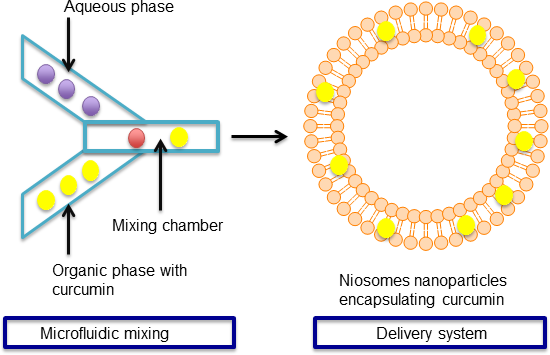
- encapsulation efficiency Following removal of the non-encapsulated curcumin by dialysis, 100 µL of each niosome formulation (removed from the dialysis tubing) was lysed with methanol in order to release the encapsulated curcumin, which was then quantified at UV absorbance at 421 nm. The encapsulation efficiency
- (EE) of curcumin was determined according to the following equation: The experiments were performed in triplicate and the mean ± SD is reported. In vitro release profile of curcumin After removal of the non-encapsulated curcumin, 3 mL of each formulation loaded with curcumin were placed in separate
- dialysis tubes and dialysed against ten times the volume of deionised water, at 37 °C under continuous stirring. Samples were taken every day for a total of 21 days. At each time point, 1 mL from the dialysis media from each niosomes formulation was taken and replaced with fresh 1 mL deionised water


Lipid nanostructures for antioxidant delivery: a comparative preformulation study
Beilstein J. Nanotechnol. 2019, 10, 1789–1801, doi:10.3762/bjnano.10.174
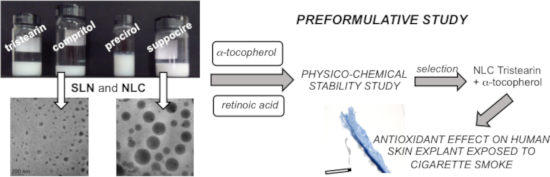
- ]. The choice of the type and concentration of the nanoparticle lipid matrix is crucial since it can affect the physico-chemical aspects of SLNs and NLCs, the encapsulation parameters, as well as the long-term stability of the formulation. Thus, in view of an industrial production, a preliminary
- formulation screening appears imperative [35][36]. The present investigation has been conducted to develop a nanoparticulate approach for counteracting skin pollution. In particular, a preformulation study was performed to select the type and composition of lipid nanoparticles suitable for encapsulation of
- the total weight of lipid phase in the formulation. Determinations were performed six times in independent experiments and the mean values ± standard deviations were calculated. Stability studies After production, the nanoparticles were stored in glass containers at 25 °C for 6 months [42]. To assess

Doxorubicin-loaded human serum albumin nanoparticles overcome transporter-mediated drug resistance in drug-adapted cancer cells
Beilstein J. Nanotechnol. 2019, 10, 1707–1715, doi:10.3762/bjnano.10.166
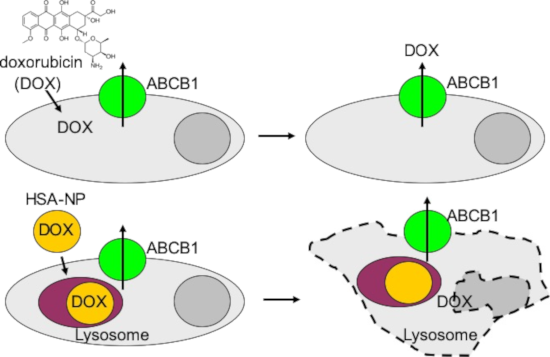
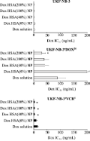
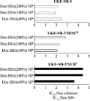
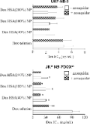
- 40% (HSA 40% nanoparticles), 100% (HSA 100% nanoparticles), or 200% (HSA 200% nanoparticles) of the amino groups that are available in the HSA molecules. A nonstabilised (0% cross-linking) formulation was used as a control. The resulting particle sizes and polydispersity indices are shown in Table 1


Layered double hydroxide/sepiolite hybrid nanoarchitectures for the controlled release of herbicides
Beilstein J. Nanotechnol. 2019, 10, 1679–1690, doi:10.3762/bjnano.10.163
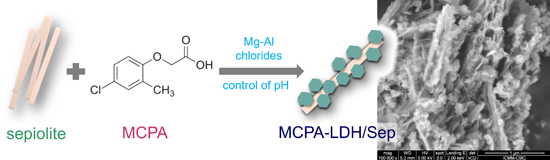
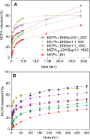
- the A-Z@MCPA-LDH/Sep system is slower in the first 8 h than release from non-encapsulated systems, reaching approx. 40% after 48 h. A continuous study of the A-Z@MCPA-LDH/Sep0.5:1_60C formulation over 8 days was carried out, showing a release close to 70% in the presence of the biopolymer matrix. This
- to the formulation, profiting from the high capacity of this clay to adsorb numerous types of molecules. Finally, it is worthy to mention that the coprecipitation method opens the way to the production of other hybrid systems incorporating diverse organic and polymeric anionic species associated with