


Search results
Search for "nanomaterials" in Full Text gives 614 result(s) in Beilstein Journal of Nanotechnology. Showing first 200.
AI-assisted models to predict chemotherapy drugs modified with C60 fullerene derivatives
Beilstein J. Nanotechnol. 2024, 15, 1170–1188, doi:10.3762/bjnano.15.95
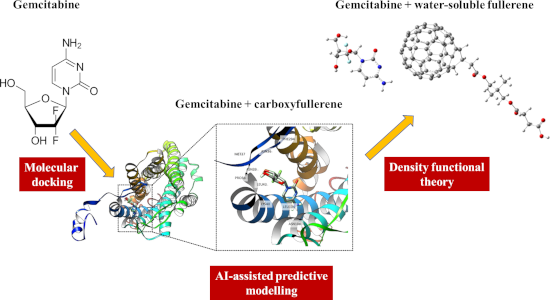
- , central nervous system and cardiac disorders, and autoimmune diseases [16]. In recent years, nanomaterials have attracted the attention of different scientific communities by providing them with new solutions for drug delivery [19][20]. These nanotechnological applications have made it possible to obtain
- in pharmacy and medicine is carbon-based nanomaterials because of their physicochemical, mechanical, electrical, thermal, and optical properties [19][20], as well as their capacity to modify existing drugs. Fullerene derivatives have been proposed recently, particularly those obtained from fullerene


Introducing third-generation periodic table descriptors for nano-qRASTR modeling of zebrafish toxicity of metal oxide nanoparticles
Beilstein J. Nanotechnol. 2024, 15, 1142–1152, doi:10.3762/bjnano.15.93
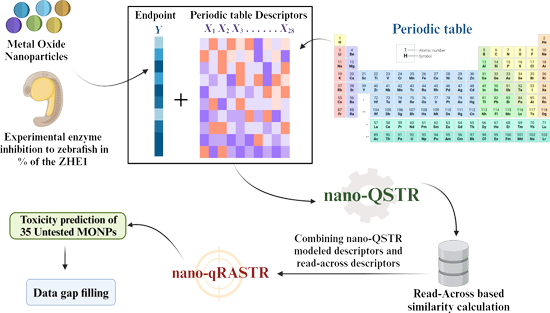
- ; Introduction Nanomaterials, which are defined as materials that fall in the range of 1–100 nanometers two-dimensionally, are commonly used in the fields of biomedicine, catalysis, and electricity because of their stable and unique performance, small size, and large surface area [1]. Nanomaterials encompass a
- amendments. However, it is concerning that the environment is affected because of the enormous production and inadvertent use of nanomaterials. Nanoparticles have been identified in wastewater streams, drinking water sources, and tap water in amounts ranging from nanograms to micrograms per liter [10]. Also
- , it was reported that MONPs have been found in human tissues such as brain, heart, and liver [11] and that occupational exposure to metal oxide nanomaterials increased oxidative stress biomarkers, suggesting potential DNA oxidative damage and lipid peroxidation [12]. Given the limited data available


Photocatalytic methane oxidation over a TiO2/SiNWs p–n junction catalyst at room temperature
Beilstein J. Nanotechnol. 2024, 15, 1132–1141, doi:10.3762/bjnano.15.92
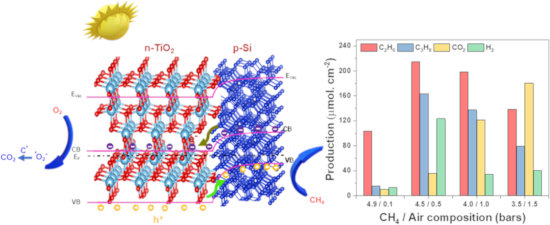
- carriers prior to their participation in reactions significantly reduces the efficiency of methane oxidation reactions [23][24]. To address these issues of TiO2 nanomaterials, many scientists have developed TiO2-based nanostructure composites as advanced photocatalysts [25][26][27][28][29][30]. The


Unveiling the potential of alginate-based nanomaterials in sensing technology and smart delivery applications
Beilstein J. Nanotechnol. 2024, 15, 1077–1104, doi:10.3762/bjnano.15.88
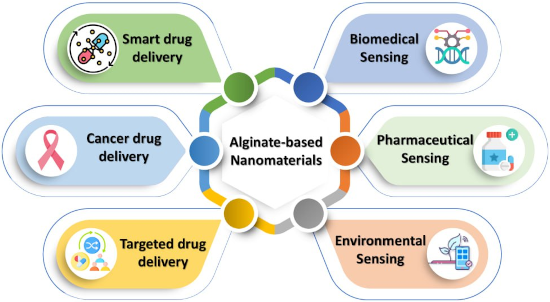
- and pharmaceutical fields. Many review papers describe applications of alginate in the drug delivery field. The current study covers the structural and physicochemical properties of alginate-based nanoparticles. The prospective applications of alginate-based nanomaterials in various domains are
- disease diagnosis, quick detection of diverse drugs and chemicals, and long-term monitoring [9]. In the recent decade, sensor technology has seen breakthroughs thanks to the usage of nanomaterials with superior physicochemical properties [10][11][12][13]. Nowadays, the development of sensors based on
- nanomaterials, particularly alginate-based, has raised the interest of many in the biomedical field for monitoring and regulating human health [14]. Biopolymers are naturally occurring polymeric compounds derived from living organisms [15][16][17][18]. They are mostly used in pharmaceutical and biomedical


Effect of wavelength and liquid on formation of Ag, Au, Ag/Au nanoparticles via picosecond laser ablation and SERS-based detection of DMMP
Beilstein J. Nanotechnol. 2024, 15, 1054–1069, doi:10.3762/bjnano.15.86

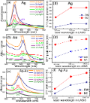
- size and composition, making it a preferred choice for nanomaterials synthesis [2][3][4][5]. The process involves laser plasma interacting with a metal in a liquid; it excites electrons, which then generates atomic vibrations within a few picoseconds, causing rapid heating, melting, and explosive


Interface properties of nanostructured carbon-coated biological implants: an overview
Beilstein J. Nanotechnol. 2024, 15, 1041–1053, doi:10.3762/bjnano.15.85
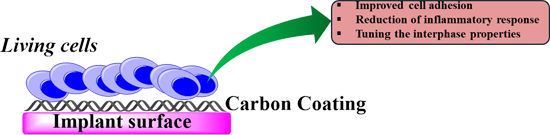
- principles laying behind the structure of materials were discovered. The discovery of the atom-based nature of matter has revolutionized the approach to natural science, leading to the development of nanoscience. Noble laureate Richard Feynman first proposed the concept of nanomaterials in his well-known
- is strictly related to the desired carbon nanomaterials. Metal catalysts with high carbon solubility primarily involve carbon segregation and precipitation throughout the metal bulk [84], while metal catalysts with low carbon solubility act from the metal surface inward [63]. PVD routes are numerous



Atomistic insights into the morphological dynamics of gold and platinum nanoparticles: MD simulations in vacuum and aqueous media
Beilstein J. Nanotechnol. 2024, 15, 995–1009, doi:10.3762/bjnano.15.81
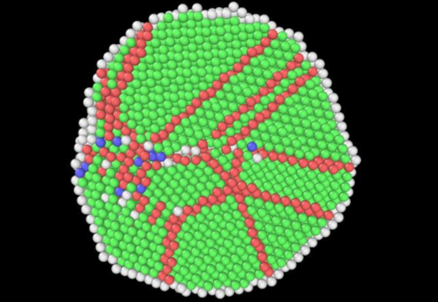
- spherical nanoparticles (NPs) upon cooling is studied through atomistic molecular dynamics simulations. The goal is to identify the morphological transformations occurring in the nanomaterials as well as to quantify their dependence on temperature, chemistry, and NP size. For diameters smaller than 3 nm
- possess a higher level of crystallinity than the gold counterparts under the same conditions because of the stronger cohesive forces that drive the crystallization process. This observation is also supported by the simulated X-ray powder diffraction patterns of the nanomaterials. The larger NPs have a
- employed to study other metallic and metal oxide nanomaterials. Keywords: crystallization; gold; molecular dynamics; nanoparticles; platinum; Introduction Nanomaterials, that is, materials with dimensions in the range of 1–100 nm [1][2], are central to a variety of developments in science and technology


Identification of structural features of surface modifiers in engineered nanostructured metal oxides regarding cell uptake through ML-based classification
Beilstein J. Nanotechnol. 2024, 15, 909–924, doi:10.3762/bjnano.15.75

- dimensions within the range of 1 to 100 nm [2]. The diminutive size of nanoparticles contributes to a significantly high surface area with respect to volume, resulting in enhanced reactivity, improved stability, and augmented functionality. In the field of nanomaterials, ENMOs are a notable subset. These
- nanoparticles consist of metal elements bonded with oxygen in intricate structures [3][4]. They exhibit exceptional physicochemical properties, which have led to their widespread utilization across various industries [5][6]. These nanomaterials are employed in, for example, electronics, cosmetics, and medicine
- procedures [19][20][21]. Understanding the structural features related to the surface modifiers of ENMOs that influence their uptake in human cell lines is crucial for designing nanomaterials with enhanced bioavailability. The surface modifiers are, in general, chemical groups or molecules that are attached


A review on the structural characterization of nanomaterials for nano-QSAR models
Beilstein J. Nanotechnol. 2024, 15, 854–866, doi:10.3762/bjnano.15.71
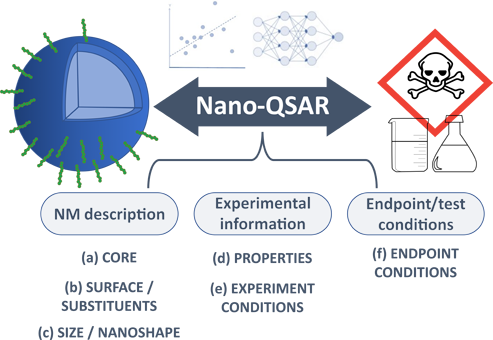
- of chemicals to direct synthetic advances, perform massive screenings, and even to register new substances according to international regulations. Currently, nanoscale QSAR (nano-QSAR) models, adapting this methodology to predict the intrinsic features of nanomaterials (NMs) and quantitatively assess
- component of the nanoform (core, surface, or structure) and also experimental features (related to the nanomaterial’s behavior, preparation, or test conditions) that indirectly reflect its structure. Keywords: descriptors; nanomaterials; nano-QSAR; QSAR; toxicity; Introduction Computational techniques of
- statistical nature such as quantitative structure–activity relationships (QSARs) can help to understand the intrinsic features of nanomaterials (NMs) and quantitatively assess their potential risks for human health and the environment [1]. QSARs consist in the construction of mathematical models relating the


When nanomedicines meet tropical diseases
Beilstein J. Nanotechnol. 2024, 15, 830–832, doi:10.3762/bjnano.15.69

- and research groups have dedicated their notable work to investigating vaccines, diagnostics, and medicines to prevent, diagnose, and treat NTDs. The field in which nanomaterials are used for diagnosing, monitoring, controlling, preventing, and treating diseases is called “nanomedicine” [1
- contributions emphasized the design and applications of nanomaterials as potential solutions for these diseases. We thank all the authors for submitting their articles. Meanwhile, we hope scientists, health authorities, and communities continue to fight against NTDs. And, who knows, maybe we will have a day to
Synthesis of silver–palladium Janus nanoparticles using co-sputtering of independent sources: experimental and theorical study
Beilstein J. Nanotechnol. 2024, 15, 808–816, doi:10.3762/bjnano.15.67
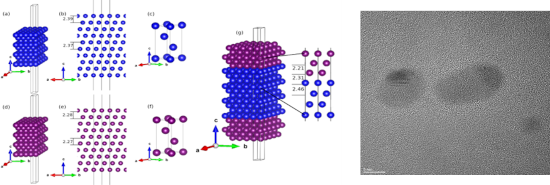
- AuNi and PdRu, is limited [4]. In this sense, the production of nanoalloys made of immiscible metals in volume has generated a large amount of interest because this lack of miscibility may be used as an advantage for the design of nanomaterials with new functional properties, distinct from those




Green synthesis of biomass-derived carbon quantum dots for photocatalytic degradation of methylene blue
Beilstein J. Nanotechnol. 2024, 15, 755–766, doi:10.3762/bjnano.15.63
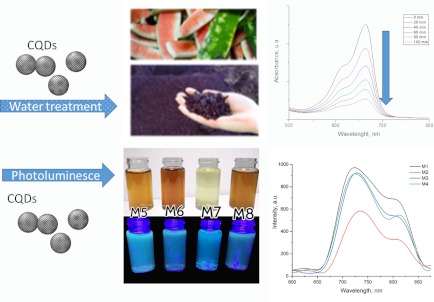
- . This study introduces an innovative approach to mitigate water pollution through the synthesis of nanomaterials using biomass-derived carbon quantum dots (CQDs) from grape pomace and watermelon peel. Utilizing the hydrothermal method at temperatures between 80 and 160 °C over periods ranging from 1 to
- -conversion luminescence. The results revealed effective photocatalytic degradation of methylene blue under sunlight, highlighting the potential for scalable production of these cost-effective catalytic nanomaterials for synthetic dye degradation. Keywords: biomass; carbon dots; catalysis; methylene blue
- , carbon nanomaterials exhibiting fluorescence, such as carbon oxide dots, exhibit a diverse array of structural elements, including sp2 carbon hybridization or partial hybridization commonly observed in carbon oxide dots [30][31]. The PL down-conversion spectra of the CQDs synthesized from grape pomace


Effect of repeating hydrothermal growth processes and rapid thermal annealing on CuO thin film properties
Beilstein J. Nanotechnol. 2024, 15, 743–754, doi:10.3762/bjnano.15.62
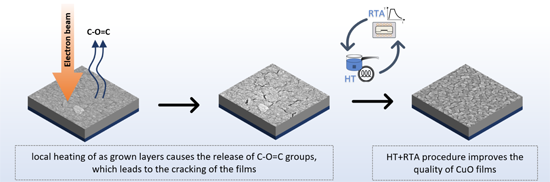
- work [47], outlining the fabrication of structured CuO films on fluorine-doped tin oxide from a solution devoid of additional substances. Post-processing plays a significant role in the field of nanomaterials fabrication. Metal oxide thin films often undergo annealing. This practice aims to improve the
- × and 2× samples, and their amplification in the case of a triply repeated HT+RTA sequence, suggest that too many cycles can lead to the formation of inhomogeneities in the chemical composition of the manufactured material. Conclusion The search for new growth methods of nanomaterials and the continuous




Simultaneous electrochemical determination of uric acid and hypoxanthine at a TiO2/graphene quantum dot-modified electrode
Beilstein J. Nanotechnol. 2024, 15, 719–732, doi:10.3762/bjnano.15.60
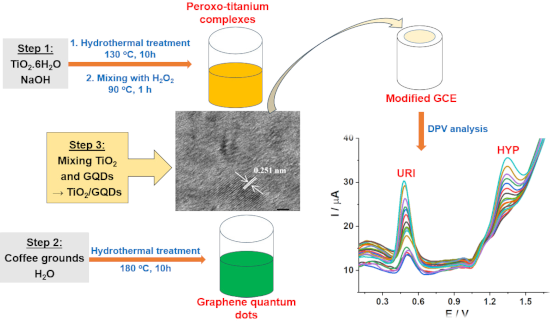
- capability of the nanomaterials. Low LODs, high reproducibility, and simple procedures for surface modification and analysis can be considered as the advantages of the proposed DPV method. Images of aqueous suspension of TiO2/GQDs samples (a) under white light and (b) under UV light. (c) Photoluminescence


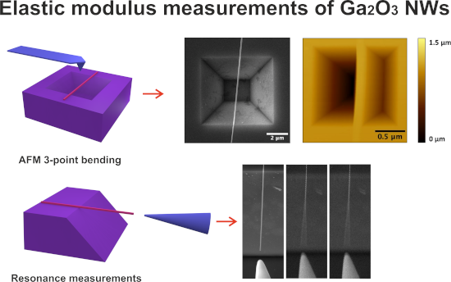
Elastic modulus of β-Ga2O3 nanowires measured by resonance and three-point bending techniques
Beilstein J. Nanotechnol. 2024, 15, 704–712, doi:10.3762/bjnano.15.58
- nanomaterials technologies and research (NAMUR+) for core facility funded by project TT13. The Institute of Solid State Physics, University of Latvia as the Center of Excellence, has received funding from the European Union’s Horizon 2020 Framework Programme H2020-WIDESPREAD-01-2016-2017-TeamingPhase2 under


Gold nanomakura: nanoarchitectonics and their photothermal response in association with carrageenan hydrogels
Beilstein J. Nanotechnol. 2024, 15, 678–693, doi:10.3762/bjnano.15.56

- systems by architecting atoms, molecules, and nanomaterials as building blocks [1]. This interplay at the nanoscale renders a plethora of unique physicochemical properties to nanomaterials. These unique properties are due to the mean free path of an electron in a metal which is ≈10–100 nm at room
- diffraction (XRD), and FTIR, respectively, to establish physicochemical properties of the synthesized nanomaterials. Results Synthesis, optical spectroscopy, and zeta potential Anisotropic gold nanoparticles of makura shape were synthesized using seed-mediated approach as shown in Figure 1a. The Au seeds were
- well known to generate anisotropic nanomaterials. The mechanism mainly involves the arrangement of surfactant micelles which dictates anisotropy in nanoparticle during synthesis. A seed is a tiny crystal of ≈2–3 nm that initiates growth of a nanoparticle when introduced in a proper growth solution. The







Laser synthesis of nanoparticles in organic solvents – products, reactions, and perspectives
Beilstein J. Nanotechnol. 2024, 15, 638–663, doi:10.3762/bjnano.15.54
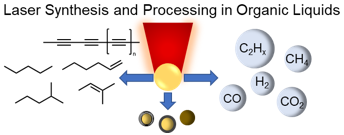
- 23284, USA 10.3762/bjnano.15.54 Abstract Laser synthesis and processing of colloids (LSPC) is an established method for producing functional and durable nanomaterials and catalysts in virtually any liquid of choice. While the redox reactions during laser synthesis in water are fairly well understood
- to the formation of nanoparticles and can be performed in either aqueous media [4][5][14] or organic solvents [14][15][16][17][18]. Further, it is possible to synthesize metastable phase nanomaterials (NMs) that are hardly obtainable by conventional, chemical methods [19][20][21][22][23][24]. LFL
- of the redox reactions of the released oxygen with the generated nanomaterials, resulting in a depletion of oxygen and a higher fraction of the generated hydrogen. The process of LRL stands in direct contrast to oxidation during LAL and LFL, but the (effective) reducing character of the water can





Radiofrequency enhances drug release from responsive nanoflowers for hepatocellular carcinoma therapy
Beilstein J. Nanotechnol. 2024, 15, 569–579, doi:10.3762/bjnano.15.49
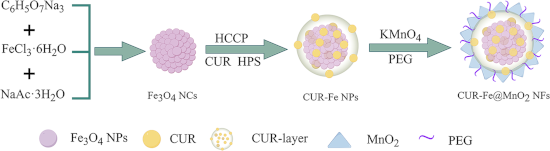
- CUR-Fe@MnO2 NFs were collected by magnetic separation and washed 3 times with deionized water. Characterization of the synthesized nanomaterials The morphology and size of Fe3O4 NCs, CUR-Fe NPs, and CUR-Fe@MnO2 NFs were determined via transmission electron microscopy (Tecnai F20, FEI, USA). The TEM
- to CC BY 4.0. Characterization of the nanomaterials. a–c) TEM images of the Fe3O4 NCs, CUR-Fe NPs, and CUR-Fe@MnO2 NFs (scale bar: 200 nm). d,e) Zeta potentials and hydrodynamic diameters of the Fe3O4 NCs, CUR-Fe NPs, and CUR-Fe@MnO2 NFs (the polydispersity index values were 0.184, 0.260, 0.269


Aero-ZnS prepared by physical vapor transport on three-dimensional networks of sacrificial ZnO microtetrapods
Beilstein J. Nanotechnol. 2024, 15, 490–499, doi:10.3762/bjnano.15.44
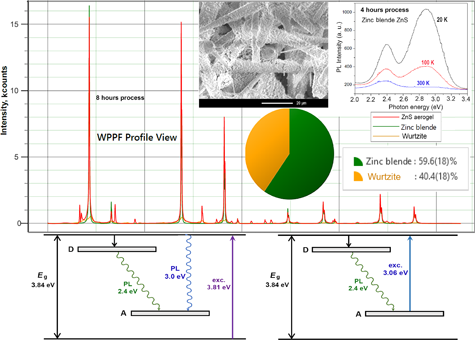
- nanomaterials [45]. Because of similarities in the morphology of aero-ZnS materials obtained by physical vapor transport to those produced by HVPE, one can expect that the materials prepared by physical vapor transport will also exhibit hydrophobic/hydrophilic properties suitable for microfluidic applications



Photocatalytic degradation of methylene blue under visible light by cobalt ferrite nanoparticles/graphene quantum dots
Beilstein J. Nanotechnol. 2024, 15, 475–489, doi:10.3762/bjnano.15.43
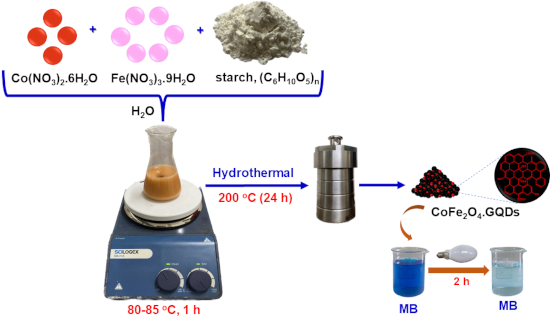
- [4]. Several magnetic nanomaterials that can be recycled and reused have been developed for catalysis or adsorption [5]. Among them are ferrites with the general formula of MFe2O4 (M: Mn, Fe, Co, Ni, Cu, and Zn). They are important magnetic materials. Among the spinel ferrites, CoFe2O4 (CF) is one of


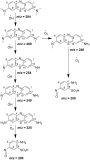


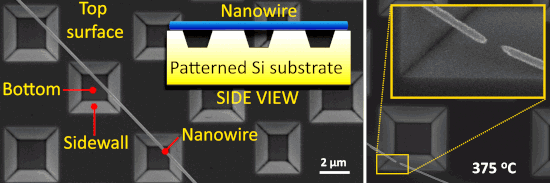
Heat-induced morphological changes in silver nanowires deposited on a patterned silicon substrate
Beilstein J. Nanotechnol. 2024, 15, 435–446, doi:10.3762/bjnano.15.39
- -2017-TeamingPhase2 under grant agreement No. 739508, project CAMART2. Characterization facilities at the University of Tartu were supported by the Center of nanomaterials technologies and research (NAMUR+) for core facility funded by project TT13. S.P. was supported by the Estonian Research Council’s


Potential of a deep eutectic solvent in silver nanoparticle fabrication for antibiotic residue detection
Beilstein J. Nanotechnol. 2024, 15, 426–434, doi:10.3762/bjnano.15.38
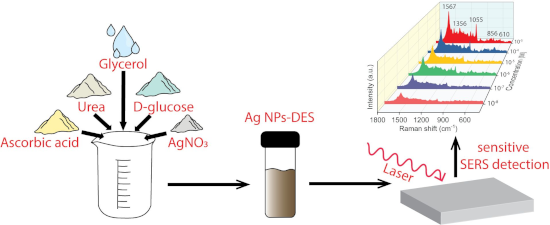
- synthesis of nanomaterials for biosensor substrate construction. Keywords: Ag NPs; antibiotic residue; deep eutectic solvents; potential; SERS; Introduction Surface-enhanced Raman scattering (SERS) is a ubiquitous technology for detecting and tracing substances, applied in various kinds of sensors. The
- co-workers [23]. This restricts the applicability of Ag NPs in the biomedical field and leads to the requirement for more eco-friendly products. Recently, deep eutectic solvents (DESs) have been introduced to the chemical synthesis of nanomaterials. DESs show superior properties including high
- thermal stability, high polarity, low vapor pressure, and low toxicity, which makes DESs promising candidates for the replacement of thousands of industrial solvents [24][25]. DESs are so versatile that they have been used for nanomaterials synthesis [26][27]. Regarding plasmonic materials, gold


Classification and application of metal-based nanoantioxidants in medicine and healthcare
Beilstein J. Nanotechnol. 2024, 15, 396–415, doi:10.3762/bjnano.15.36
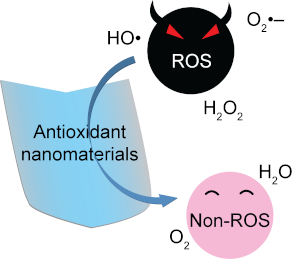
- nanotechnology, nanomaterials have emerged as a promising solution to improve the limitations of natural antioxidants because of their high stability, easy storage, time effectiveness, and low cost. Among various types of nanomaterials exhibiting antioxidant activity, metal-based nanoantioxidants show excellent
- reactivity because of the presence of an unpaired electron in their atomic structure. In this review, we summarize some novel metal-based nanoantioxidants and classify them into two main categories, namely chain-breaking and preventive antioxidant nanomaterials. In addition, the applications of antioxidant
- nanomaterials in medicine and healthcare are also discussed. This review provides a deeper understanding of the mechanisms of metal-based nanoantioxidants and a guideline for using these nanomaterials in medicine and healthcare. Keywords: antioxidant nanomaterial; healthcare; medicine; nanotechnology


Comparative electron microscopy particle sizing of TiO2 pigments: sample preparation and measurement
Beilstein J. Nanotechnol. 2024, 15, 317–332, doi:10.3762/bjnano.15.29
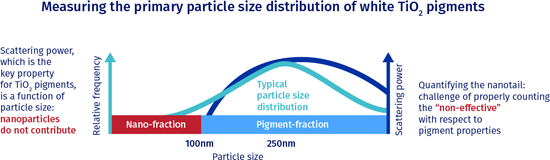
- pigments and other particulate materials and advance the development of widely acceptable, precise, and reproducible measurement protocols for measuring the number-based PSDs of particulate products in the size range of TiO2 pigments. Keywords: electron microscopy; nanomaterials definition; number-based
- ; particle sizing; primary particles; Introduction Following the EU definition of nanomaterials as being materials in which more than 50% by number of their primary particles have at least one dimension smaller than 100 nm [1][2], the accurate measurement of particle size distributions (PSDs) has become
- could not be ruled out” [7]. Recently, papers have been published in which a number of E171 samples were found by transmission electron microscopy (TEM) to be nanomaterials according to the EU definition [8][9]. For TiO2 producers this is surprising as the former food-grade titanium dioxide E171 is


Exploring the relationships between physiochemical properties of nanoparticles and cell damage to combat cancer growth using simple periodic table-based descriptors
Beilstein J. Nanotechnol. 2024, 15, 297–309, doi:10.3762/bjnano.15.27
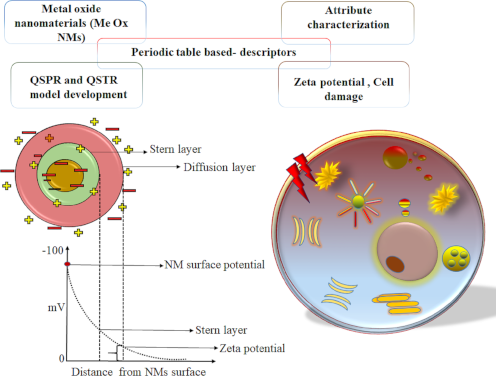
- Joyita Roy Kunal Roy Drug Theoretics and Cheminformatics Laboratory, Department of Pharmaceutical Technology, Jadavpur University, Kolkata, 700032, India 10.3762/bjnano.15.27 Abstract A comprehensive knowledge of the physical and chemical properties of nanomaterials (NMs) is necessary to design
- ; cell damage; MeOx NMs (metal oxide nanomaterials); nano-QSPR; zeta potential; Introduction Engineered nanoparticles have become an integral part of our daily lives in consumable products and commercial goods. Their versatile tunable properties have made nanomaterials a center of innovation in
- different areas [1]. However, the innovation of nanomaterials (NMs) is hindered because of potential adverse effects. It is believed that small particles can enter the body through inhalation, ingestion, and skin penetration and have the potency to interact with macromolecules for a long period. Many





