Search results
Search for "sensors" in Full Text gives 611 result(s) in Beilstein Journal of Nanotechnology. Showing first 200.
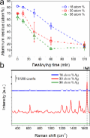
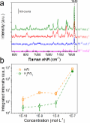
Combining physical vapor deposition structuration with dealloying for the creation of a highly efficient SERS platform
Beilstein J. Nanotechnol. 2023, 14, 83–94, doi:10.3762/bjnano.14.10
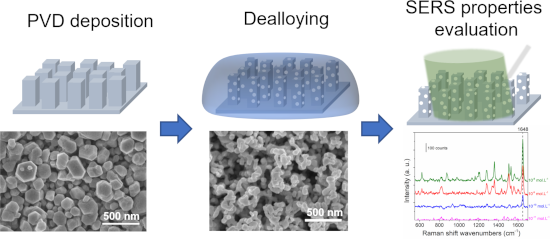
- cost-efficient methods. Compared to in-lab standard methods used for pollutant analysis (i.e., chromatography and mass spectrometry), surface-enhanced Raman scattering (SERS)-based sensors have emerged as important candidates due to their rapidity, portability, and cost-effectiveness [1][2]. These SERS
- sensors are promising for various applications in chemical (e.g., explosive [3] or chemical warfare agents [4]) or biological (e.g., lipid or protein [5]) sensing, environmental monitoring [6] as well as in food safety through the detection of pollutants such as phenol [3][7] or rhodamine [8]. The SERS
- NaOH, and a drop in the intensity of the Raman signal was observed for samples dealloyed in HCl. Larger ligaments together with a high amount of carbon at the surface can explain the decrease or hindrance in the SERS signal for samples with a high silver content. Detection limit SERS-based sensors are




The influence of structure and local structural defects on the magnetic properties of cobalt nanofilms
Beilstein J. Nanotechnol. 2023, 14, 23–33, doi:10.3762/bjnano.14.3
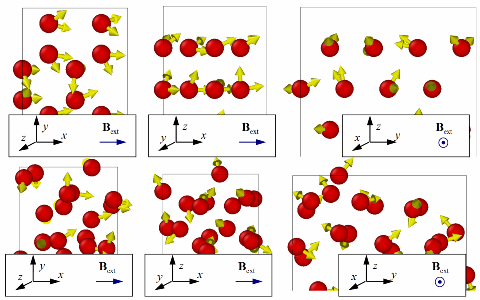
- performance improvement can be solved with the help of spintronics devices, which are currently presented in a fairly wide variety of valuable effects: spin valves and valves in thin films and heterostructures [19][20], sensors based on the anomalous Hall effect [21], spin injection and magnetism detection
- lattice structure and an increase in electrical conductivity. The material is promising for applied research and development of new spintronics devices, energy management sensors, and magnetic recording media. Research focused on specific application devices based on phase-transition memory state is


Electrical and optical enhancement of ITO/Mo bilayer thin films via laser annealing
Beilstein J. Nanotechnol. 2022, 13, 1589–1595, doi:10.3762/bjnano.13.133
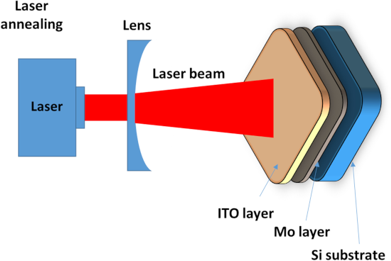
- ; Introduction Transparent conducting (TC) materials have been used in many optoelectronic devices, including flat panel displays [1], light-emitting diodes [2], heat-reflecting mirrors [3], anti-reflective coatings [4], gas sensors [5], and solar cells [6]. For this purpose, many materials have been developed
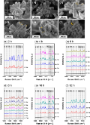
- gas sensors. XRD patterns of ITO/Mo bilayer thin films sputtered on n-type silicon after laser annealing with different energies: as-deposited, 80, 120, 160, 200, and 240 mJ. AFM images of ITO/Mo bilayer thin films. (a) As deposited and treated with (b) 80, (c) 120, (d) 160, (e) 200, and (f) 240 mJ


Utilizing the surface potential of a solid electrolyte region as the potential reference in Kelvin probe force microscopy
Beilstein J. Nanotechnol. 2022, 13, 1558–1563, doi:10.3762/bjnano.13.129
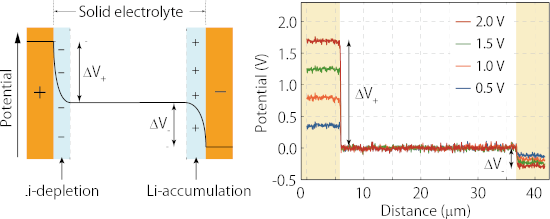
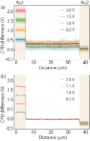
- measurement The KPFM measurements were performed at room temperature using a commercial atomic force microscope (Park Systems, NX10) placed in an Ar flow glove box (O2: <1 ppm, H2O: <1 ppm). We used Cr/Pt-coated Si cantilevers (Budget Sensors, Multi75E-G) with a nominal resonance frequency of 75 kHz and a




Frequency-dependent nanomechanical profiling for medical diagnosis
Beilstein J. Nanotechnol. 2022, 13, 1483–1489, doi:10.3762/bjnano.13.122
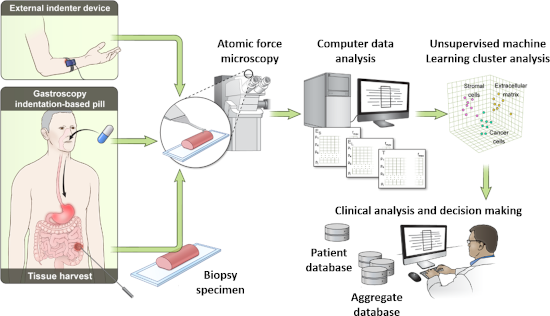
- healthcare strategies related to diseases or conditions that are associated with mechanical changes in the tissues involved. Some examples include cancer, arteriosclerosis, lupus, arthritis and glaucoma, among others. Within this strategy we highlight the development of application-specific sensors, real
- diseases that are linked to mechanical changes in cells and/or the extracellular matrix. Existing micro-robotics technology could be harnessed to develop the specific types of sensors needed in each case. For example, in the case of gastrointestinal cancer screening, one could envision the integration of a
- agencies to develop and pursue similar initiatives. Conclusion and Outlook We have proposed a possible path for the incorporation of nanomechanical measurements performed with AFM into integrated healthcare strategies that link routine AFM measurements performed using application-specific sensors with


Rapid and sensitive detection of box turtles using an electrochemical DNA biosensor based on a gold/graphene nanocomposite
Beilstein J. Nanotechnol. 2022, 13, 1458–1472, doi:10.3762/bjnano.13.120
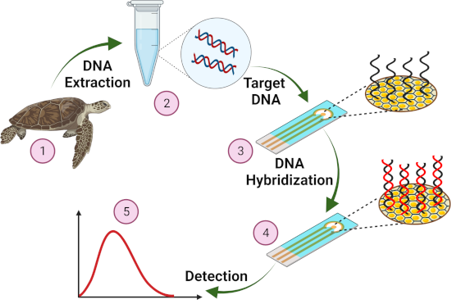
- peptide nucleic acid (PNA) probes [64]. Methylene blue is a very prominent intercalator for DNA-based sensors and biosensors [31][65][66][67][68][69]. For example, Plaxco's group reported the preparation of electrode-immobilised methylene-blue-modified oligonucleotides for electrochemical DNA and aptamer



Double-layer symmetric gratings with bound states in the continuum for dual-band high-Q optical sensing
Beilstein J. Nanotechnol. 2022, 13, 1408–1417, doi:10.3762/bjnano.13.116
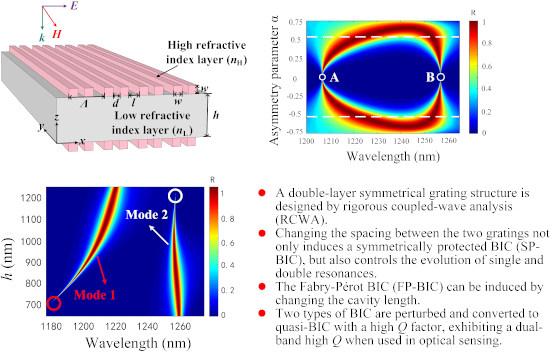
- optical field; nonlinear optics; optical sensing; Introduction High quality (Q) factor resonance in nanophotonics has attracted considerable attention in the past decades due to its wide applications in narrow-band filters [1], nonlinear optics [2], optical sensors [3] and lasers [4]. To date, most
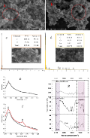
- be converted to quasi-BIC (QBIC) with a finite Q-factor or the full width at half maximum (FWHM) so they can be accessed by an external excitation, such as a plane wave [34][35]. QBIC has been extensively utilized in optical absorbers [36][37], lasers [38], filters [30], and sensors [39


Dry under water: air retaining properties of large-scale elastomer foils covered with mushroom-shaped surface microstructures
Beilstein J. Nanotechnol. 2022, 13, 1370–1379, doi:10.3762/bjnano.13.113
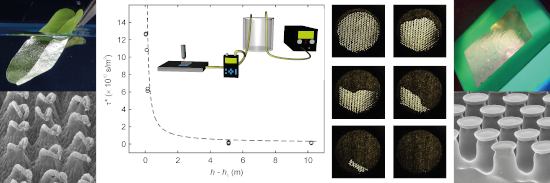
- between water and a solid surface might serve as friction reduction agents, fouling protectors, corrosion protectors or for other applications, such as sensors [11][12][13][14]. Biological examples for such air retaining surfaces with most stable and persistent air layers were found on the floating ferns


Laser-processed antiadhesive bionic combs for handling nanofibers inspired by nanostructures on the legs of cribellate spiders
Beilstein J. Nanotechnol. 2022, 13, 1268–1283, doi:10.3762/bjnano.13.105
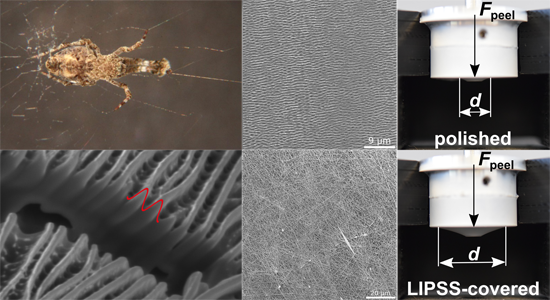
- .13.105 Abstract Nanofibers are drawing the attention of engineers and scientists because their large surface-to-volume ratio is favorable for applications in medicine, filter technology, textile industry, lithium-air batteries, and optical sensors. However, when transferring nanofibers to a technical
- applications in medicine, filter technology, textile industry, lithium-air batteries, and optical sensors [1][2][3][4][5][6][7]. The inherently small scale makes production as well as further processing of nanofibers challenging [8]. For the technical production of artificial nanofibers, different methods such






Design of surface nanostructures for chirality sensing based on quartz crystal microbalance
Beilstein J. Nanotechnol. 2022, 13, 1201–1219, doi:10.3762/bjnano.13.100
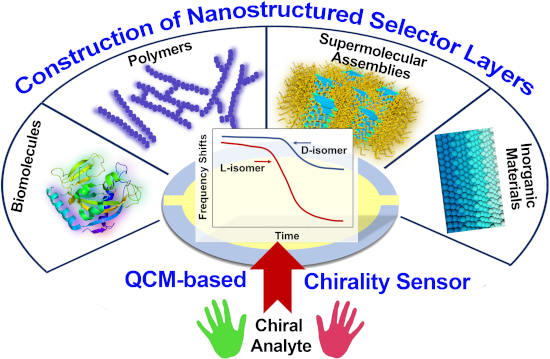
- sensors [17][18][19]. However, these methods still have drawbacks as they are time consuming, expensive, and unable to monitor real-time detection. In addition, they have low-recognition efficiency and low sensitivity to weak signals. Therefore, researchers keep devoting their efforts to developing novel
- (e.g., DNA analysis, microorganism assays, nucleic acid detection, pharmaceutical substance detection, and gas monitoring) and also a powerful tool for chiral recognition [23][24][25]. The sensitivity and specificity of QCM-based chiral sensors largely depend on the recognition layers on the surface of
- sensors is always based on aspects of effective chiral host molecules, proper chiral surface functions, and suitable host nanostructures. To achieve high chiral selectivity and sensitivity, it is also essential to understand the basis of the interactions for the formation of transient diastereomeric


Application of nanoarchitectonics in moist-electric generation
Beilstein J. Nanotechnol. 2022, 13, 1185–1200, doi:10.3762/bjnano.13.99
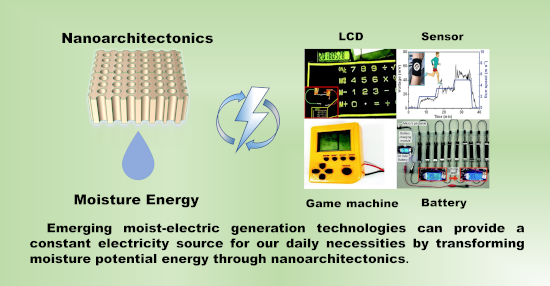
- materials have been developed rapidly in many fields, including optoelectronic devices, actuators, sensors, and water purification films [18][27][29][31][68][69][70][71][72][73][74]. The electrical output of MEG devices with different nanomaterials is listed below in Table 1. A wide range of materials is
- for green energy in the near future. MEGs are also widely used in sensors [54]. For example, a moisture-eletric touch sensor array can provide uniform and sensitive touch feedback (Figure 10e). As shown in Figure 10f, a breath detector can monitor different breathing patterns, including short breaths
- mechanisms of solids and liquids at the nanoscale to fundamentally investigate the possibility of increasing the output power of MEGs. MEGs have great potential for applications as power generators for wearable self-powered pressure sensors, respiratory monitors, motion detectors, power sources for small


A cantilever-based, ultrahigh-vacuum, low-temperature scanning probe instrument for multidimensional scanning force microscopy
Beilstein J. Nanotechnol. 2022, 13, 1120–1140, doi:10.3762/bjnano.13.95
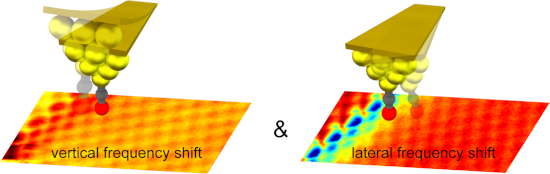
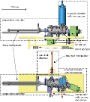
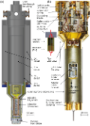
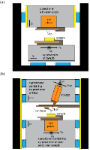
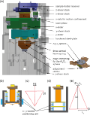
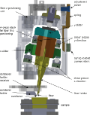
- outside the cryostat and the UHV system. Moreover, a fiber-optical interferometer sensor directly maps the cantilever deflection, whereas beam-deflection sensors only measure the angular change of the cantilever [42]. A fiber-optical interferometer, thus, permits a precise measurement of the cantilever
- oscillation amplitude, without the need of a complicated calibration [43][44][45]. Fiber-optical sensors can obtain sensitivities up to about 1 fm/ using Fabry–Pérot interferometry [46][47]. To date, however, we only implemented a simpler form of the interferometer composed of a cleaved and uncoated fiber end
- reordered into functional groups, for example, one group containing all wires for the piezo positioners, for sample scan and w-piezo, for electrical contacts to the sample and cantilever, and for instrument heaters and temperature sensors. Interferometer system The layout of the fiber-optical interferometer





Recent advances in green carbon dots (2015–2022): synthesis, metal ion sensing, and biological applications
Beilstein J. Nanotechnol. 2022, 13, 1068–1107, doi:10.3762/bjnano.13.93
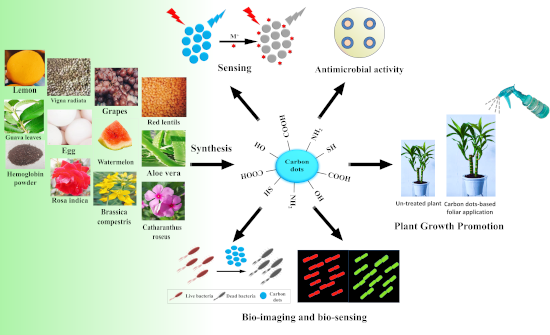
- nm when excited at 325, 417, and 425 nm, respectively. Their selectivity for various metal ions indicated that only Fe3+ ions significantly quenched the emission intensity at 438 nm and the CDs were used as fluorescence sensors to detect Fe3+ ions [85]. Devi et al. adopted an eco-friendly, simple
- for the synthesis of CDs via a hydrothermal method. The obtained CDs acted as fluorescence on-off-on sensors for the detection of Co2+ or Cr6+ ions and ascorbic acid, respectively [87]. Using a hydrothermal process, a new form of CD material was produced from common crop wastes, such as corn straw
- glutathione, as a dopant for both S and N, and a green source of celery leaves to synthesize CDs. Low-cost celery leaves containing folic acid with many –COOH and –NH2 groups contribute to high QYs. The reported CDs were novel fluorescent paper sensors and showed remarkable sensitivity and selectivity in the




Design of a biomimetic, small-scale artificial leaf surface for the study of environmental interactions
Beilstein J. Nanotechnol. 2022, 13, 944–957, doi:10.3762/bjnano.13.83
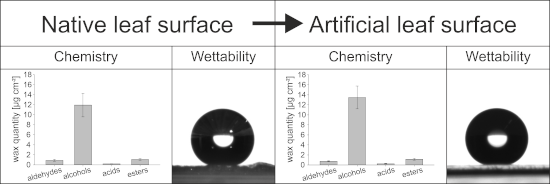
- cantilevers (Tap300-G, Budget Sensors, Sofia, Bulgaria). The acquired height and amplitude images (50 × 50 µm) were processed and analyzed using JPK´s data analysis software (JPK Data Processing, version 4.2.62). At the edge of the wax layer, the height differences between the wax layer and the uncoated glass
DNA aptamer selection and construction of an aptasensor based on graphene FETs for Zika virus NS1 protein detection
Beilstein J. Nanotechnol. 2022, 13, 873–881, doi:10.3762/bjnano.13.78
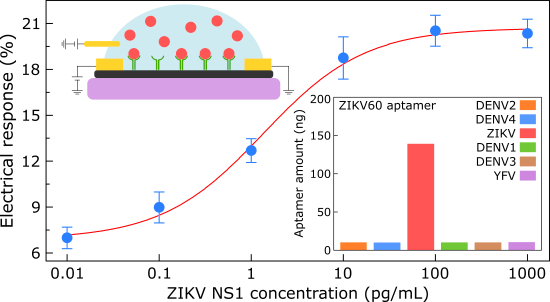
- emerges from Figure 5 clearly reveals that the collective response of the graphene sensors as a function of the ZIKV NS1 concentration follows a sigmoidal trend. Given that, we interpolated a Hill–Langmuir curve, ΔR%(c) ∝ cn (kn + cn)−1, to the experimental data. This fit curve is represented by the red



Efficient liquid exfoliation of KP15 nanowires aided by Hansen's empirical theory
Beilstein J. Nanotechnol. 2022, 13, 788–795, doi:10.3762/bjnano.13.69
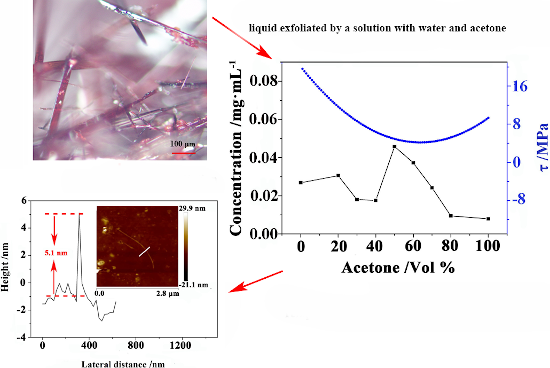
- nanoparticles as anode materials to promote the rapid diffusion and electron transfer of lithium, and Rongjun Zhao prepared n-butanol gas sensors with one-dimensional In2O3 nanorods [1][2]. Different from 2D materials, 1D materials generally have a chain-like crystal structure and are easily exfoliated due to a


Recent advances in nanoarchitectures of monocrystalline coordination polymers through confined assembly
Beilstein J. Nanotechnol. 2022, 13, 763–777, doi:10.3762/bjnano.13.67
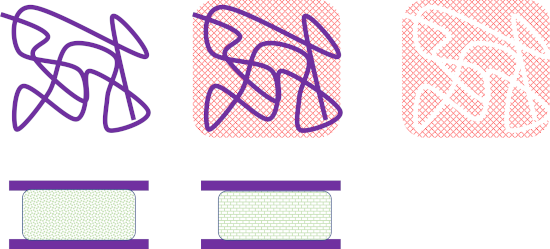
- color of the assembled superstructure, making optical sensors possible [132][133]. To realize more possibilities of controlling the assembled superstructures, several strategies have been employed. Changing the interparticle interactions through molecular modification is one of the most employed
- tailored by controlling the evaporation front and the withdrawal speed, making photonic sensors possible. To pack the coordination polymer particles denser, stronger forces were introduced by casting the particle dispersion at an ice–water interface [142]. After freezing of the residual water, the
- +molecules’@crystal, and micro–meso–macroporous crystals. The physiochemical properties of the nanoarchitectures were changed significantly compared with pure coordination polymers, making the coordination polymer suitable for applications such as batteries, sensors, biomedical applications. When the




Modeling a multiple-chain emeraldine gas sensor for NH3 and NO2 detection
Beilstein J. Nanotechnol. 2022, 13, 721–729, doi:10.3762/bjnano.13.64
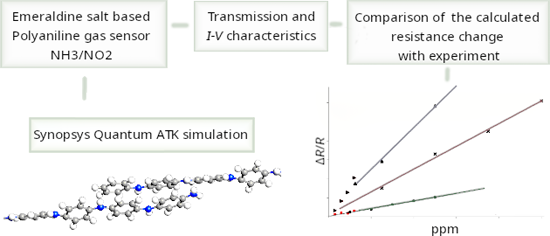
- to the other gases. The density of states, in this case, increases significantly above the Fermi level. Zhang et al. [11] already modeled sensors detecting single gas molecules using DFT. Also, in our previous work, computations with one emeraldine salt PANI chain and one ammonia molecule were
- inter-carrier influences. Therefore, polyaniline bulk material would have a slightly different resistance values than the computed model. Comparison with experimental data Numerical models for a one-chain polyaniline sensor were compared with experimental data. Chemiresistive gas sensors for ammonia and
- nitrogen dioxide containing a flexible PANI thin film sensing area deposited on interleaved electrodes were produced by Posta et al. [13] and by Kroutil and co-workers [7]. In the experiments of Posta and Kroutil, the gas sensors for ammonia and nitrogen dioxide were exposed for 20 min to synthetic air


Reliable fabrication of transparent conducting films by cascade centrifugation and Langmuir–Blodgett deposition of electrochemically exfoliated graphene
Beilstein J. Nanotechnol. 2022, 13, 666–674, doi:10.3762/bjnano.13.58
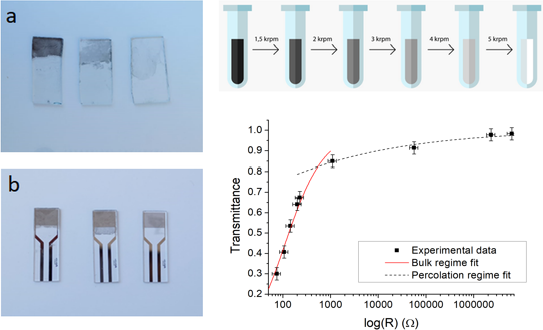
- the Langmuir–Blodgett (LB) method to deposit graphene flakes from solution as uniform thin films. LB has proven to be a method that yields reliable graphene films that have been used as transparent conductors [27][32][33][34] and gas sensors [35][36]. By measuring optical transmittance and electrical


Quantitative dynamic force microscopy with inclined tip oscillation
Beilstein J. Nanotechnol. 2022, 13, 610–619, doi:10.3762/bjnano.13.53
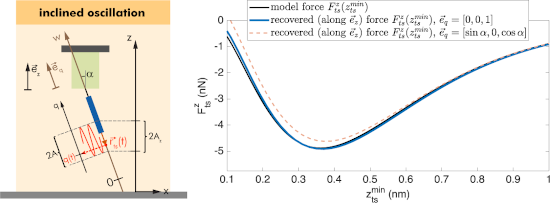
- sensor often used in low-temperature environments (tuning fork sensor [21] with f0 = 30 kHz, k0 = 1800 N/m, and A = 0.45 nm). However, similar effects can be present when using parameters for other sensors as well. Frequency shift Δf data are calculated with the piezo axis located at xts = yts = 0 and


![[Graphic 38]](/bjnano/content/inline/2190-4286-13-53-i79.svg?max-width=637&scale=1.18182) and the axis w....
and the axis w....


Revealing local structural properties of an atomically thin MoSe2 surface using optical microscopy
Beilstein J. Nanotechnol. 2022, 13, 572–581, doi:10.3762/bjnano.13.49
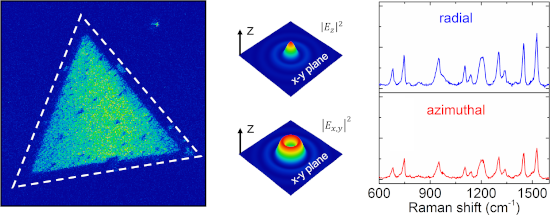
- Technologie de Troyes & CNRS EMR 7004, 12 Rue Marie Curie, CS42060, 10004 Troyes Cedex, France Center for Light-Matter-Interaction, Sensors and Analytics (LISA+), Eberhard Karls University of Tübingen, Auf der Morgenstelle 15, 72076 Tübingen, Germany 10.3762/bjnano.13.49 Abstract Using a triangular


Detection and imaging of Hg(II) in vivo using glutathione-functionalized gold nanoparticles
Beilstein J. Nanotechnol. 2022, 13, 549–559, doi:10.3762/bjnano.13.46
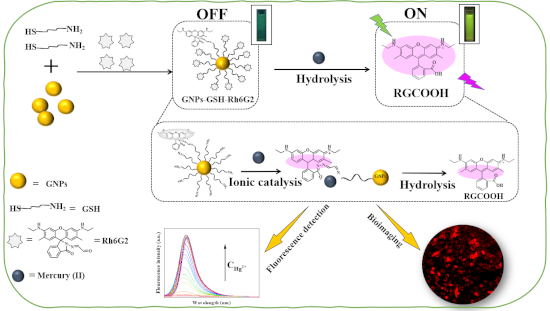
- detection (LOD) was calculated to be 8.4 μM (S/N = 3). In Table 1 the analytical performance of the constructed sensors is compared with other reported methods and with sensing techniques based on GNPs. The results indicate that the proposed strategy has good selectivity and acceptable sensitivity compared


Zinc oxide nanostructures for fluorescence and Raman signal enhancement: a review
Beilstein J. Nanotechnol. 2022, 13, 472–490, doi:10.3762/bjnano.13.40
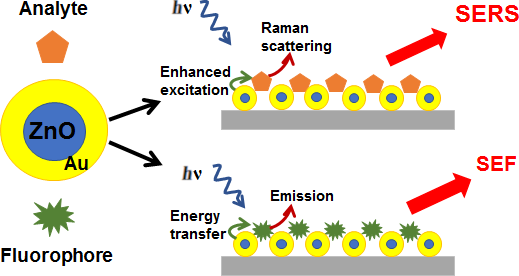
- fluorescence (SEF), these techniques have shown huge potential for applications in biomedicine, biotechnology, and optical sensors. Both methods rely on the high electromagnetic fields created at locations on the surface of plasmonic metal nanoparticles, depending on the geometry of the nanoparticles, their
- as SEF, SERS [16][17], infrared absorption, and even second harmonic generation [18], which can improve the performance of optical sensors and optoelectronic devices. ZnO alone and in combination with noble metals has been recently used for the development of SERS substrates [15][19] due to several




The role of sulfonate groups and hydrogen bonding in the proton conductivity of two coordination networks
Beilstein J. Nanotechnol. 2022, 13, 437–443, doi:10.3762/bjnano.13.36
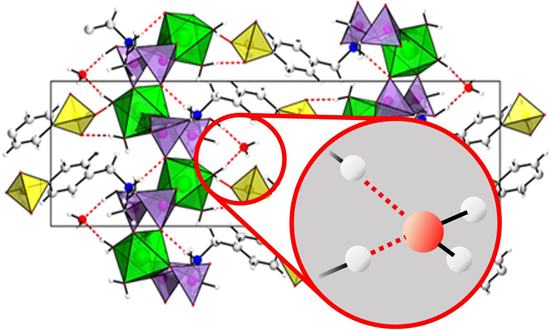
- these, proton-conducting solid materials show significant potential in the development of novel membranes for proton exchange membrane (PEM) fuel cells, PEM electrolyzers, and for humidity sensors [5][6][7]. The goal is to overcome the restrictions of state-of-the-art proton-conducting membrane


A non-enzymatic electrochemical hydrogen peroxide sensor based on copper oxide nanostructures
Beilstein J. Nanotechnol. 2022, 13, 424–436, doi:10.3762/bjnano.13.35
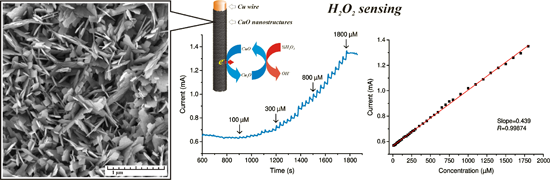
- being horseradish peroxidase) [34][35][36], and detection is carried out through physicochemical processes of interaction between H2O2 and the enzyme. This type of sensor has high catalytic activity, sensitivity, and selectivity. However, enzyme sensors have a significant disadvantage, namely enzyme
- focused on the development of non-enzymatic electrochemical sensors for the detection of H2O2 [37][38][39]. In this type of sensor, H2O2 interacts with the electrode material directly. Certain catalytic processes occurring between H2O2 and the electrode material provide an unambiguous electrochemical
- storage, no significant morphological changes were observed, which proves the stability of the samples. These results show that the nanostructured CuO coating has long-term stability and resistance to environmental influences, which is another advantage compared to enzyme sensors. Conclusion This article