


Search results
Search for "skin" in Full Text gives 191 result(s) in Beilstein Journal of Nanotechnology.
Rational design of block copolymer self-assemblies in photodynamic therapy
Beilstein J. Nanotechnol. 2020, 11, 180–212, doi:10.3762/bjnano.11.15
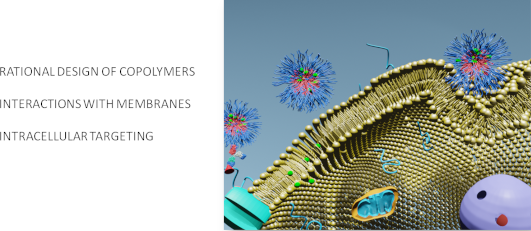
- ., for age-related macular degeneration) or oncology (e.g., for skin, retina, bladder, gastronintestinal, prostate, lung, head and neck cancers). However, as reported by Zhang et al. in a recent review [18], clinical development of PDT remains somewhat limited because of various challenges, ranging from
- photosensitizer. Thus, typical PDT side effects, i.e., patient skin photosensitivity, can be avoided. The hydrophilic block of the copolymers will influence the interactions with the surrounding biological media and, in particular, will play a role in the distribution in the body and in cells. The properties of






Molecular architectonics of DNA for functional nanoarchitectures
Beilstein J. Nanotechnol. 2020, 11, 124–140, doi:10.3762/bjnano.11.11
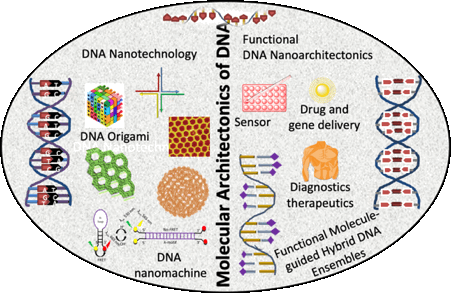
- another work, they reported the construction of a DNA-based reporter nanomachine for quantitative imaging of lysosome [58]. This two-ion measurement (2-IM) method could image both pH and chloride ion variations in lysosomes. The 2-IM analysis was conducted on primary skin fibroblast cells derived from


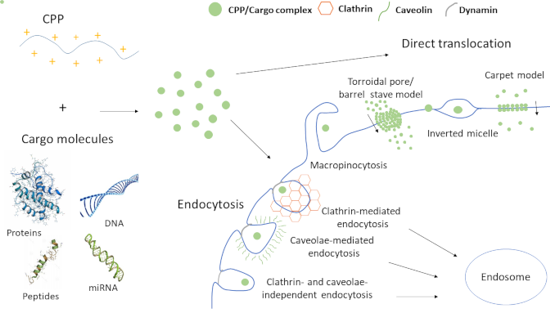
Internalization mechanisms of cell-penetrating peptides
Beilstein J. Nanotechnol. 2020, 11, 101–123, doi:10.3762/bjnano.11.10


An investigation on the drag reduction performance of bioinspired pipeline surfaces with transverse microgrooves
Beilstein J. Nanotechnol. 2020, 11, 24–40, doi:10.3762/bjnano.11.3
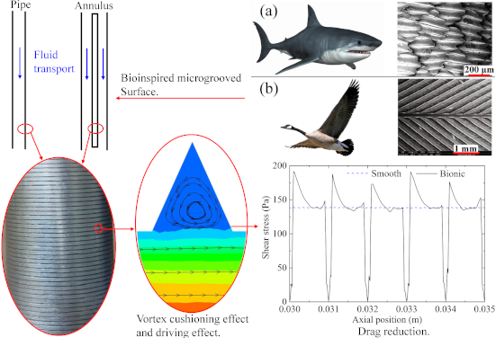
- transportation, the transport drag originates from skin friction drag, which is the main reason affecting the transport efficiency of long-distance pipelines [2][3]. In drilling engineering, the high pressure loss often encountered is mainly caused by a skin friction drag of the circulating drilling fluid, which
- severely hinders the exploration of oil and gas resources in deep wells [4][5][6]; therefore, it is necessary to put additional effort into reducing the skin friction drag. Conventional hydraulic drag reduction methods include the development of high-performance polymer additives to reduce fluid viscosity
- surface morphology of shark skin and bird feathers. In Figure 1a, it is evident that the surface of shark skin is rough and covered with microgrooves. Sharks are known to be one of the fastest fish in the ocean. The phenomenon of nonsmooth surfaces with low drag has attracted the attention of researchers


Air oxidation of sulfur mustard gas simulants using a pyrene-based metal–organic framework photocatalyst
Beilstein J. Nanotechnol. 2019, 10, 2422–2427, doi:10.3762/bjnano.10.232
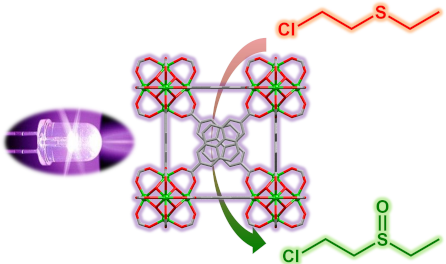
- ; photocatalysis; singlet oxygen; sulfur mustard gas; Introduction Sulfur mustard gas also known as mustard gas, HD, or Yperite belongs to a class of chemical warfare agents (CWAs) known as vesicants, which have detrimental effects on humans, including the blistering of skin upon contact [1]. Even at a low dosage




Design of a nanostructured mucoadhesive system containing curcumin for buccal application: from physicochemical to biological aspects
Beilstein J. Nanotechnol. 2019, 10, 2304–2328, doi:10.3762/bjnano.10.222
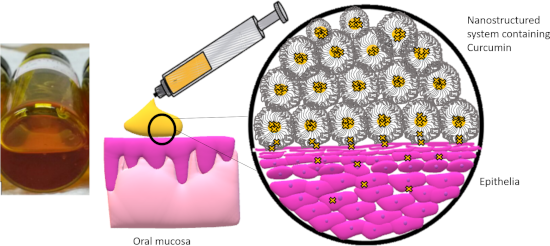
- accessibility for administration and removal, more permeable than skin and containing a rich blood flow and avoidance of first-pass effects, makes this route useful for systemic or local applications [15]. However, the dynamic physiological properties of the oral cavity, such as the variable salivary flow due


BergaCare SmartLipids: commercial lipophilic active concentrates for improved performance of dermal products
Beilstein J. Nanotechnol. 2019, 10, 2152–2162, doi:10.3762/bjnano.10.208
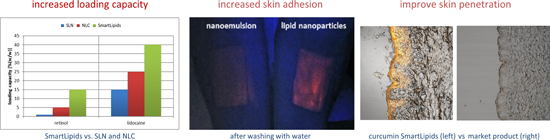
- , which are also exhibited by the SmartLipids, are reviewed. These include the restauration of the protective lipid skin barrier (anti-pollution effect), penetration enhancement by occlusion (invisible patch effect) and the option to control the release of active agents for optimized biological effect and
- reduction of side effects (e.g., skin irritation through sensitizing active agents), which improves the skin tolerability. Regulatory aspects, such as submicron particle status, excipients, and certifications, are also discussed. Keywords: chemical stabilization of active agents; controlled release; firm
- inclusion; nanostructured lipid carriers (NLCs); penetration enhancement; skin occlusion; SmartLipids; solid lipid nanoparticles (SLNs); Introduction To meet the increasing expectations and demands of consumers in personal care and cosmetics, as well of patients in medical care, dermal delivery systems are


Review of advanced sensor devices employing nanoarchitectonics concepts
Beilstein J. Nanotechnol. 2019, 10, 2014–2030, doi:10.3762/bjnano.10.198
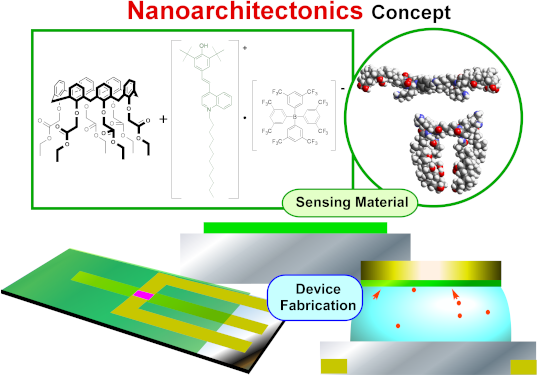
- large-scale climate monitoring. Although various living creatures, including bacteria, insects, birds, and sharks, can sense magnetic fields for orientation and navigation, humans are basically insensitive to magnetic fields. The human detection of magnetic fields can be realized using electro-skin-type
- ultrathin polyethylene terephthalate foils. The prepared sensors are extremely flexible (bending radii <3 µm) and light weight (≈3 g m−2). They are wearable and act as a magneto-sensitive skin with navigation and touchless control capabilities. Biosensors Because biosensors can provide crucial contributions



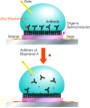


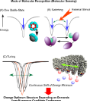
Nanostructured and oriented metal–organic framework films enabling extreme surface wetting properties
Beilstein J. Nanotechnol. 2019, 10, 1994–2003, doi:10.3762/bjnano.10.196
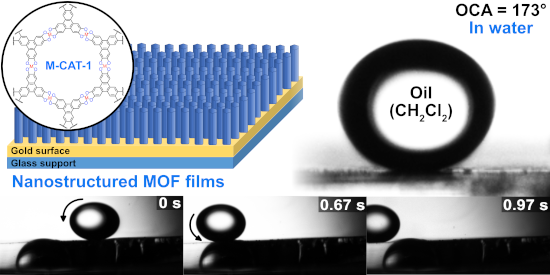
- -repellent designs and self-cleaning capabilities of their skin [10][11][12]. These intriguing superhydrophilic or superoleophobic surface characteristics are obtained by the combination of a precise chemical composition and hierarchical microstructuring of the surface [13][14][15][16]. Nowadays, modern


Lipid nanostructures for antioxidant delivery: a comparative preformulation study
Beilstein J. Nanotechnol. 2019, 10, 1789–1801, doi:10.3762/bjnano.10.174
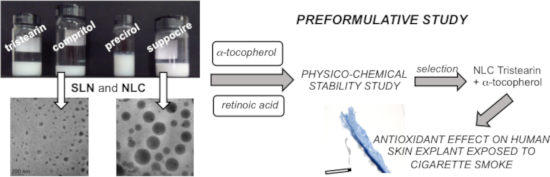
- retinoic acid, have been shown to improve skin condition and even counteract the effects of exogenous stress factors such as smoking on skin aging. This work describes the design and development of lipid nanoparticles containing antioxidant agents (α-tocopherol or retinoic acid) to protect human skin
- nanostructured lipid carriers compositions. Human skin explants were treated with α-tocopherol-loaded nanostructured lipid carriers and then exposed to cigarette smoke, and the protein levels of the stress-induced enzyme heme oxygenase were analyzed in skin homogenates. Interestingly, it was found that
- lipid carriers (NLCs); retinoic acid; skin pollution; solid lipid nanoparticles (SLNs); Introduction Air pollution increasingly affects industrialized urban areas in a negative manner with dramatic consequences for the environment and human health. This problem also affects rural areas, worsening the

Nanoporous smartPearls for dermal application – Identification of optimal silica types and a scalable production process as prerequisites for marketed products
Beilstein J. Nanotechnol. 2019, 10, 1666–1678, doi:10.3762/bjnano.10.162
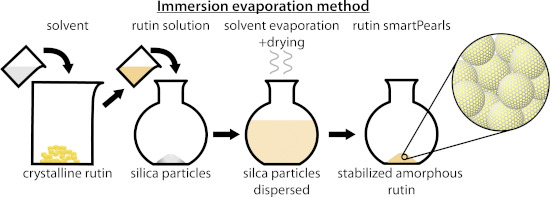
- solution, because the application of simple suspensions to the skin normally does not provide a sufficient dermal bioavailability. Classic delivery systems such as liposomes [3] or solid lipid nanoparticles (SLNs) [4][5] do not work because the active agents do not dissolve in the lipidic phase of these
- systems. A simple but very effective approach is to increase the saturation solubility of these active agents. This leads to an increased concentration gradient between the formulation and skin, Cs–Cskin, and thus to an increased diffusional flux into the skin. Moreover, using complexes with polymers or
- scale by bead milling or high-pressure homogenization. Skin penetration studies showed that the smartPearls were actually superior to the nanocrystals [8][24][25]. However, the market introduction in final cosmetic products was blocked due to the lack of an industrial supplier of active agent-loaded




Subsurface imaging of flexible circuits via contact resonance atomic force microscopy
Beilstein J. Nanotechnol. 2019, 10, 1636–1647, doi:10.3762/bjnano.10.159
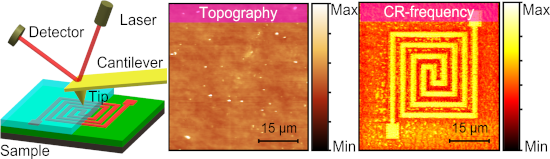
- [1][2][3][4], heaters [5][6][7][8] and temperature sensors [9][10][11][12]. Successful applications can be found in smart contact lenses, transparent electronic devices and deformable electronic skin, for instance. In general, a flexible circuit consists of a highly flexible thin polymer film as the



Enhanced inhibition of influenza virus infection by peptide–noble-metal nanoparticle conjugates
Beilstein J. Nanotechnol. 2019, 10, 1038–1047, doi:10.3762/bjnano.10.104
- sulfoxide (DMSO). Although a useful solvent, its use in therapies is problematic due to DMSO causing potential adverse reactions in some individuals such as a sensation of burning, vesiculation, dryness of skin and local allergic reactions [34][35][36]. PEGylation of peptides has been successfully used to




Wearable, stable, highly sensitive hydrogel–graphene strain sensors
Beilstein J. Nanotechnol. 2019, 10, 475–480, doi:10.3762/bjnano.10.47
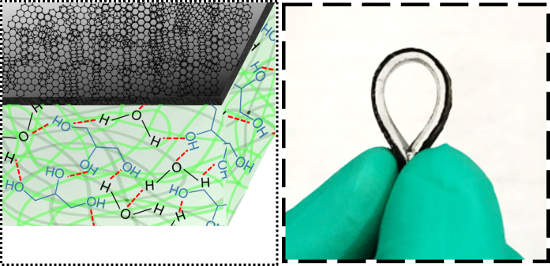
- the field of bioelectronics, artificial intelligence, and soft robotics [1][2]. Among these sensors, strain sensors can translate an external applied tensile force into electrical signal, hence attracting numerous research efforts for health monitoring, biomechanics studies and artificial skin for
- human skin has impeded further integration as a wearable sensing component [7]. Hydrogels, with mechanical properties like biological tissues and consisting of three-dimensional polymer networks that can retain a large amount of water, can serve as ideal vehicles for wearable devices [8][9]. Several
- hydrogel-based strain sensors demonstrating high flexibility, self-healing properties and skin-attachable wearability, have been fabricated in the reported literature [2][10][11]. However, their inability to retain water over a long period largely prevents the hydrogel-based strain sensors from being


Electromagnetic analysis of the lasing thresholds of hybrid plasmon modes of a silver tube nanolaser with active core and active shell
Beilstein J. Nanotechnol. 2019, 10, 294–304, doi:10.3762/bjnano.10.28
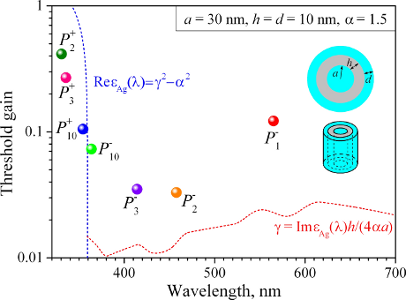
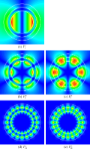
- wavelength. It is a well-established fact that on thin metal nanotubes, the thickness of which is comparable to the skin-depth thickness in the optical range (about 10 to 20 nm), the modes of the outer and inner boundaries hybridize [15]. This means that they form pairs, , in which the H-field of one mode is
- tube is thinner than the skin-depth (h < 20 nm), then for any fixed tube thickness the “difference” HLSP modes demonstrate lower threshold gains for the larger azimuth indices m. This is because their fields are more strongly confined near the outer surface of the silver tube. The thresholds of the
- “sum” modes, behave similarly. However, if the tube becomes thicker than the skin-depth, this rule no longer holds. Note also that, under the variation of tube thickness h, the thresholds of the modes display a broad maximum, the position of which depends on m. This can be explained by the combined


![[Graphic 29]](/bjnano/content/inline/2190-4286-10-28-i46.svg?max-width=637&scale=1.18182) λ = 565.03...
λ = 565.03...

![[Graphic 36]](/bjnano/content/inline/2190-4286-10-28-i53.svg?max-width=637&scale=1.18182) ...
...


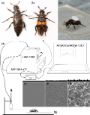
A comparison of tarsal morphology and traction force in the two burying beetles Nicrophorus nepalensis and Nicrophorus vespilloides (Coleoptera, Silphidae)
Beilstein J. Nanotechnol. 2019, 10, 47–61, doi:10.3762/bjnano.10.5
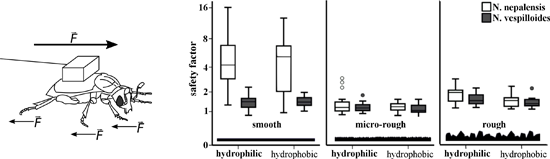
- . Instead, they are specialized in the burying of carrion and thus need to be able to cling firmly onto the skin and fur of their (mammal) carrion while tunnelling under its body. In our study, the attachment performance of animals having all tarsi attached to the ground has been quantified by means of
- , cf. Figure 2). Because of their broadened tips, the type-a hairs are assumed to function mainly as adhesive hairs, whereby they might support attachment to the fur and skin of their carrion. The back of all adhesive hairs are covered by nodule-like structures (Figure 2: SEM image of aIV), as



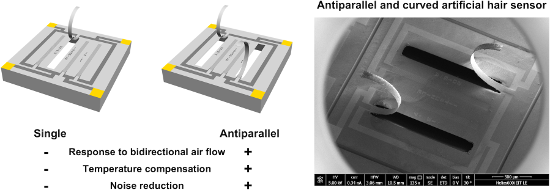
Bidirectional biomimetic flow sensing with antiparallel and curved artificial hair sensors
Beilstein J. Nanotechnol. 2019, 10, 32–46, doi:10.3762/bjnano.10.4
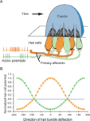
- superficial neuromasts, which encode the pressure gradient over the body’s surface [10] and velocity of the flow [11], respectively. Whereas superficial neuromasts are located at the outside of the skin being in direct contact to the water, canal neuromasts form a part of an internal canal system located
- beneath the skin in which water streams in by entering external openings. Although canal and superficial neuromasts vary in their anatomical structure, both neuromast types are similar in their functional principle: water flows into the canal or around the skin and bends a jellylike cupula protruded into
- the flow upon and within the cupula were calculated and cupula deflection was described as a function of its height above the skin [11]. Artificial hair sensors As comprehensively described in several literature reviews [19][20][21][22][23][24], different flow sensing approaches and design


Characterization and influence of hydroxyapatite nanopowders on living cells
Beilstein J. Nanotechnol. 2018, 9, 3079–3094, doi:10.3762/bjnano.9.286
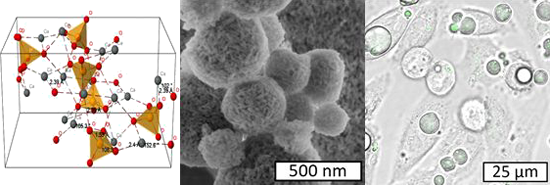
- , interactions between nanoparticles (NPs) and the biological environment are not yet fully understood. Structures such as human skin or lungs are in constant contact with the environment and are thus exposed to nanoobjects. Lack of knowledge about nanoparticle effects on cell viability is a significant barrier

![[Graphic 1]](/bjnano/content/inline/2190-4286-9-286-i2.svg?max-width=637&scale=1.18182) .
.



Biomimetic surface structures in steel fabricated with femtosecond laser pulses: influence of laser rescanning on morphology and wettability
Beilstein J. Nanotechnol. 2018, 9, 2802–2812, doi:10.3762/bjnano.9.262
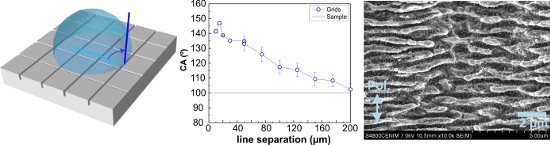
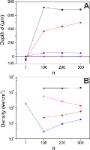
- structures show similarities to the skin of certain reptiles and integument of insects. Different irradiation parameters are investigated to produce the desired structures, including laser repetition rate and laser fluence, paying special attention to the influence of the number of times the same area is
- surface morphology. We present experimental results of complex self-organized structures produced in commercial steel that resemble the morphology of the skin of certain reptiles and insects, which are of great interest due to their exceptional fluid transport and friction reduction properties. Surface
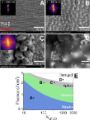
- size of the structures decreases somewhat upon increasing number of scans, although still well above the initial size of the cones for a single scan. Within a biomimetic context, similar structures can be found on the skin of the Texas horned lizard, as shown in Figure 2E [30]. Their function is also



Comparative biological effects of spherical noble metal nanoparticles (Rh, Pd, Ag, Pt, Au) with 4–8 nm diameter
Beilstein J. Nanotechnol. 2018, 9, 2763–2774, doi:10.3762/bjnano.9.258
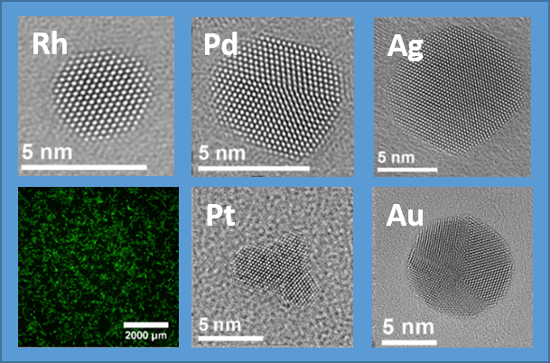
- biological effects of rhodium nanoparticles except that these nanoparticles can penetrate into human skin [32]. Silver nanoparticles are applied in various fields including healthcare and biomedicine due to their antimicrobial, antifungal and antiviral effect [33][34][35][36][37]. This is based on the


Characterization of the microscopic tribological properties of sandfish (Scincus scincus) scales by atomic force microscopy
Beilstein J. Nanotechnol. 2018, 9, 2618–2627, doi:10.3762/bjnano.9.243
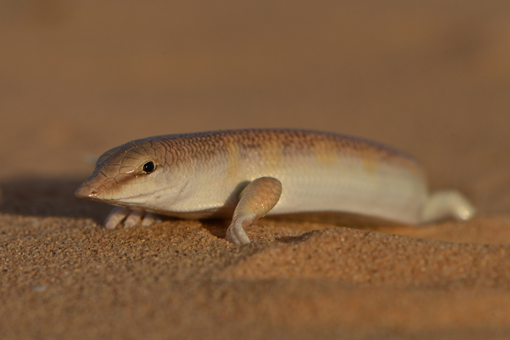
- sandfish due to their ability to swim in loose, aeolian sand. Some studies report that this fascinating property of sandfish is accompanied by unique tribological properties of their skin such as ultra-low adhesion, friction and wear. The majority of these reports, however, is based on experiments
- their skin [2][3][6][7][8][9]. This contradicts everyday experience because a tiny grain of sand easily scratches practically any technical surface even hard ones such as glass or steel. The widely applied sandblasting, for example, is based on this effect. The sandfish, however, moults its skin only
- every two to three months [6], and we are not aware of any report of observable wear on sandfish skin caused by its swimming in loose sand. Rechenberg [3][7][8] and Baumgartner et al. [6][9][12] conducted pioneering studies analysing friction and wear of sandfish skin applying a granular friction


Enhancement of X-ray emission from nanocolloidal gold suspensions under double-pulse excitation
Beilstein J. Nanotechnol. 2018, 9, 2609–2617, doi:10.3762/bjnano.9.242
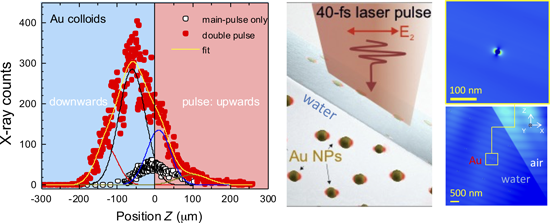
- be calculated from the consideration that all absorbed energy density is converted to thermal energy of electrons. It can be calculated from the ablation threshold expression of a dielectric [37]: where ls = c/(κω) is the skin depth related to the imaginary part of the refractive index , c is the
- (skin) depth is defined by the imaginary part of permittivity and the ENZ conditions is ls = λ/(2πκ) ≈ 149 nm. A large volume in which the light intensity is enhanced by up to E2 ≈ 4-times is clearly distinguished. In contrast to the case without excitation (Figure 5a), the gold nanoparticles are coated
- radius equal to the skin depth ls shows that light is mostly reflected at the rim of this volume and is not reaching the interior of the volume (as expected). These FDTD simulations illustrate only qualitatively what the main pulse encounters in a solution film of colloidal gold nanoparticles and that a


Friction reduction through biologically inspired scale-like laser surface textures
Beilstein J. Nanotechnol. 2018, 9, 2561–2572, doi:10.3762/bjnano.9.238
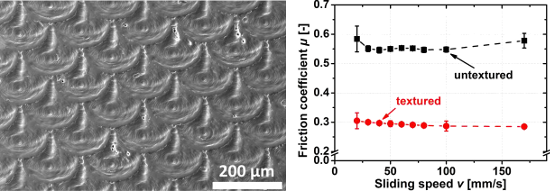
- allow for tribologically optimized surfaces [17]. Among the animals and biological structures that have been considered are butterfly wings [18], beetles and earthworms [19], scorpions [20] as well as (and most importantly) the skin of snakes and sand fish lizards [21][22][23][24]. It has been
- demonstrated, for example, that sandfish skin exhibits low friction and little wear [25][26]. The development of manufactured surface textures that are inspired by animals with scale-like surface morphology has resulted in fascinating insights. For texturing a titanium alloy, a lithography-based method was
- scale-like surface textures needs to be tested in the future. Such effects were reported for a variety of biological systems [55][56] and polymeric [21][22] as well as metallic [24] surface morphologies inspired by snake skin. Modelling efforts revealed that anisotropy is a function of the counter


Adhesive contact of rough brushes
Beilstein J. Nanotechnol. 2018, 9, 2405–2412, doi:10.3762/bjnano.9.225
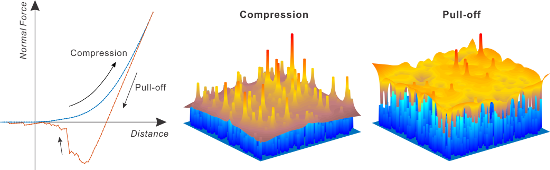
- power-law-graded media In the previous sections, we considered the adhesive contact of brushes that were placed in contact with a homogeneous linear elastic medium. Many biological materials such as skin, bones or bamboo trees are, however, non-homogeneous. This may have a significant impact on the


Nanoscale characterization of the temporary adhesive of the sea urchin Paracentrotus lividus
Beilstein J. Nanotechnol. 2018, 9, 2277–2286, doi:10.3762/bjnano.9.212
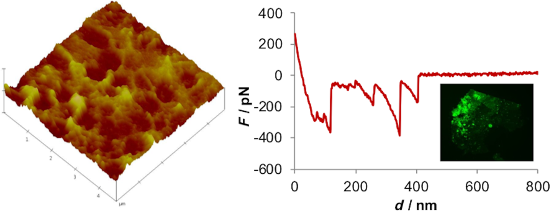
- such as Entobdella solae temporarily attach to fish skin using anterior pads located in the head [1]. Adhesion is brought about by interaction between two kinds of glandular secretions which are extruded together to form the adhesive [11]. The later consists of a network of highly insoluble





