Search results
Search for "transmission electron microscopy" in Full Text gives 699 result(s) in Beilstein Journal of Nanotechnology. Showing first 200.
In situ magnesiothermic reduction synthesis of a Ge@C composite for high-performance lithium-ion batterie anodes
Beilstein J. Nanotechnol. 2023, 14, 751–761, doi:10.3762/bjnano.14.62
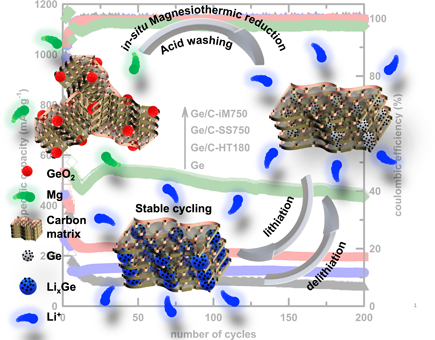
- carried out for structural and phase information. Infrared (IR, Shimadzu IRAffinity-1S) and Raman (LabRAM HR evolution confocal Raman microscope) spectra were measured for bond analysis. Field-emission scanning electron microscopy (FE-SEM, Hitachi S-4800) and high-resolution transmission electron
- microscopy (HR-TEM, JEOL JEM-2100F) were conducted for morphology and particle size investigation. A well-blended mixture of active material, conductive carbon C65, and polyvinylidene fluoride (PVDF) binder with a mass ratio of 75:15:10 in N-methyl-2-pyrrolidone solvent was used for fabricating the working


Control of morphology and crystallinity of CNTs in flame synthesis with one-dimensional reaction zone
Beilstein J. Nanotechnol. 2023, 14, 741–750, doi:10.3762/bjnano.14.61
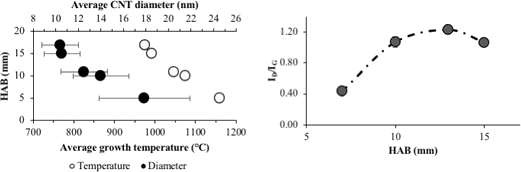
- source, showed that different growth temperatures produce CNTs with similar crystallinity. In a study by Chong et al. [12], the combustion of propane in a premixed flame at varying equivalence ratios yielded similar effects on CNT growth, while transmission electron microscopy (TEM) analysis showed a


A graphene quantum dots–glassy carbon electrode-based electrochemical sensor for monitoring malathion
Beilstein J. Nanotechnol. 2023, 14, 701–710, doi:10.3762/bjnano.14.56
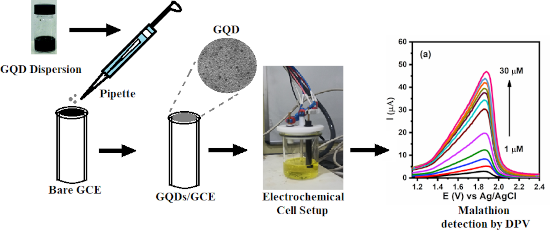
- hydrothermal process with glucose as a precursor undergoing carbonization. Different spectroscopic techniques were used to analyze the optical characteristics of GQDs, including UV–visible, photoluminescence, FTIR, and Raman spectroscopy. Atomic force microscopy, transmission electron microscopy, and X-ray


Titania nanoparticles for photocatalytic degradation of ethanol under simulated solar light
Beilstein J. Nanotechnol. 2023, 14, 616–630, doi:10.3762/bjnano.14.51
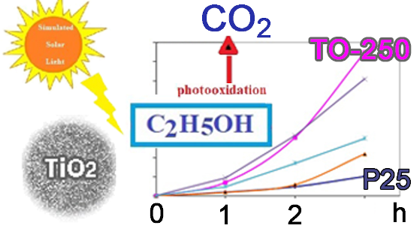
- transmission electron microscopy. Also, specific surface area and photoluminescence with optical absorbance were evaluated. By varying the synthesis parameters (especially the working pressure), different TiO2 nanopowders were obtained, whose photodegradation properties were tested compared to a commercial
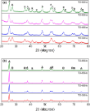
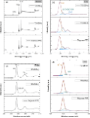
- diffraction (XRD) patterns, measured by an X-ray diffractometer Panalytical X’Pert MPD theta–theta, and the morphological properties were determined by transmission electron microscopy (TEM), high-resolution transmission electron microscopy (HRTEM), and selected-area electron diffraction (SAED) measurements




On the use of Raman spectroscopy to characterize mass-produced graphene nanoplatelets
Beilstein J. Nanotechnol. 2023, 14, 509–521, doi:10.3762/bjnano.14.42
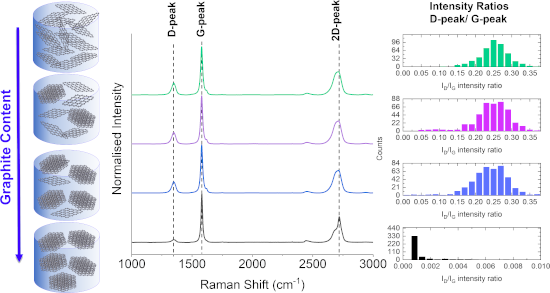
- %), transmission electron microscopy (TEM) (7.2%) or X-ray photoelectron spectroscopy (XPS) (5.6%). It has the advantages of relatively low cost, simple sample preparation, quick measurements, and automated analysis, offering clear benefits for quality control applications. It has been demonstrated in several


The origin of black and white coloration of the Asian tiger mosquito Aedes albopictus (Diptera: Culicidae)
Beilstein J. Nanotechnol. 2023, 14, 496–508, doi:10.3762/bjnano.14.41
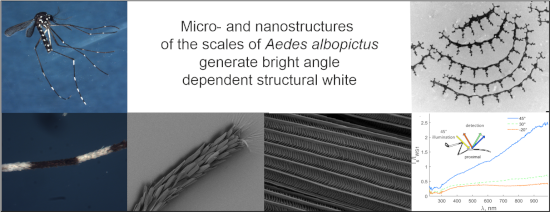
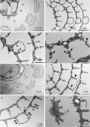
- analysed using scanning electron microscopy, transmission electron microscopy, and fluorescence microscopy. Reflectance spectra of the white areas are measured. No clear difference is present in the morphology of micro- and nanostructures of black and white scales in SEM and TEM, but black scales contain a
- . The ultrastructure of the white and black scales on the hindlegs of Ae. albopictus is analysed using scanning electron microscopy, transmission electron microscopy, and fluorescence microscopy. Moreover, reflectance spectra of the white areas are measured. The scales are present also on other body
- properties of both black and white scales after introduction of a metal layer on top of the scales. Transmission electron microscopy In a similar manner to a procedure from [21], the tarsi and tibiae of Ae. albopictus were dissected from anaesthetized insects and fixed for 3 h in 2.5% glutaraldehyde in



Quercetin- and caffeic acid-functionalized chitosan-capped colloidal silver nanoparticles: one-pot synthesis, characterization, and anticancer and antibacterial activities
Beilstein J. Nanotechnol. 2023, 14, 362–376, doi:10.3762/bjnano.14.31
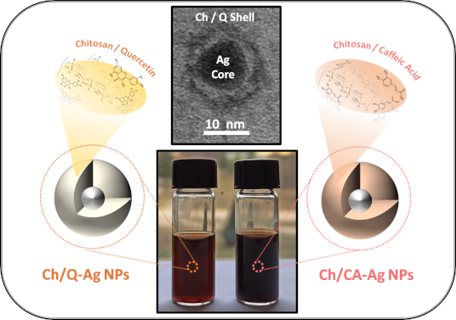
- infrared (FTIR) spectroscopy, and transmission electron microscopy (TEM). The characteristic surface plasmon resonance (SPR) absorption band has been found at 417 and 424 nm for Ch/Q- and Ch/CA-Ag NPs, respectively. The formation of a chitosan shell comprising quercetin and caffeic acid, which surround the
- of quercetin, caffeic acid, chitosan, Ch/Q-, and Ch/CA-Ag NPs were monitored using a Perkin Elmer Spectrum Two FTIR-ATR spectrophotometer in the range of 4000–400 cm−1. Transmission electron microscopy (TEM) measurements were performed with a JEOL JEM-2100 electron microscope operating at 200 kV


A novel approach to pulsed laser deposition of platinum catalyst on carbon particles for use in polymer electrolyte membrane fuel cells
Beilstein J. Nanotechnol. 2023, 14, 190–204, doi:10.3762/bjnano.14.19
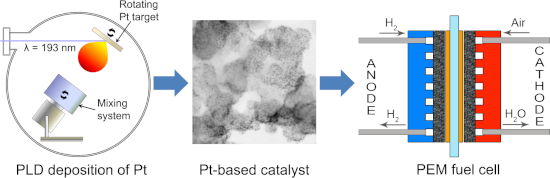
- at the Biological and Chemical Research Centre, University of Warsaw, Poland, on the TALOS F200X (Thermo Fisher Scientific, United States) equipped with a four-detector windowless Super X-EDS system. The EDX measurements were performed in STEM (scanning transmission electron microscopy) mode with a
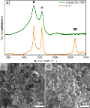

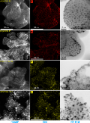
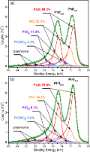


Structural, optical, and bioimaging characterization of carbon quantum dots solvothermally synthesized from o-phenylenediamine
Beilstein J. Nanotechnol. 2023, 14, 165–174, doi:10.3762/bjnano.14.17
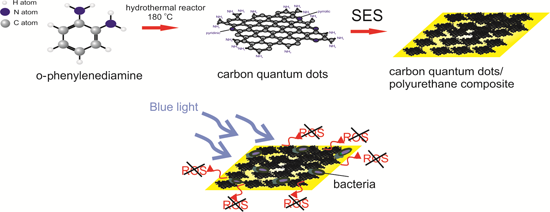
- 2.2 mg/mL. These specimens were designated as CQDs/PU. For bioimaging studies, toluene was evaporated, and a thin film of CQDs was redissolved in water and filtered. The prepared QCD samples were characterized by transmission electron microscopy (TEM), atomic force microscopy (AFM), Fourier


Antimicrobial and mechanical properties of functionalized textile by nanoarchitectured photoinduced Ag@polymer coating
Beilstein J. Nanotechnol. 2023, 14, 95–109, doi:10.3762/bjnano.14.11
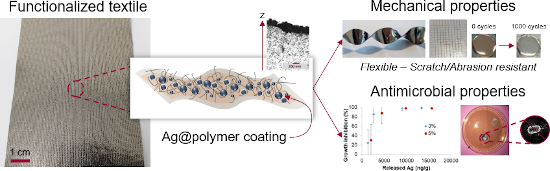
- electron microscopy (SEM), transmission electron microscopy (TEM), and reflectance measurements to assess the optical properties and the durability of the functionalized textiles. Results and Discussion Photoinduced synthesis of the Ag@polymer coating Specific monomers poly(ethylene glycol) 600 diacrylate
- (Figure 4a) and Ag@PEG600DA/PETIA (Figure 4b) coatings, respectively. The AgNP size dispersion is also slightly higher in the case of Ag@PEG600DA. Both results are coherent with the peak and FMWH values calculated from the absorbance spectra (Figure 2c). Transmission electron microscopy (TEM) cross
- measurements. A Bio photometer UV–vis spectrometer from Eppendorf was used to assess bacteria and yeast suspensions by OD measurements at 600 nm. Surface characterizations were carried out using transmission electron microscopy (TEM) at 200 kV on a Philips CM200 instrument (LaB6 cathode) and scanning electron



Solvent-induced assembly of mono- and divalent silica nanoparticles
Beilstein J. Nanotechnol. 2023, 14, 52–60, doi:10.3762/bjnano.14.6
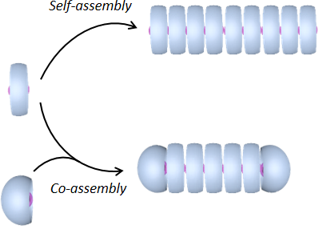
- shell of approx. 15 nm (as estimated by transmission electron microscopy, TEM). The latter is made up of covalently grafted PS macromolecules resulting from the copolymerization of styrene with methacryloxymethyl groups. As previously demonstrated [25], these PS chains can serve as sticky patches when
- . Characterization methods Transmission electron microscopy experiments were performed using a Hitachi H600 microscope operating at an acceleration voltage of 75 kV. The samples were prepared by depositing one drop of the colloidal dispersion on conventional carbon-coated copper grids. The liquid evaporated in the


Two-step single-reactor synthesis of oleic acid- or undecylenic acid-stabilized magnetic nanoparticles by thermal decomposition
Beilstein J. Nanotechnol. 2023, 14, 11–22, doi:10.3762/bjnano.14.2
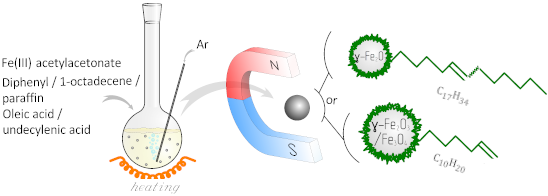
- , and composition via several techniques, such as transmission electron microscopy, dynamic light scattering, thermogravimetric analysis, Fourier-transform infrared spectroscopy/attenuated total reflectance, 57Fe Mössbauer spectroscopy, and X-ray diffraction. The effect of unsaturated oleic (OA) and
- be adsorbed on the surface of the particles, ensures nanodispersion stability (Figure 1) [31]. Transmission electron microscopy (TEM) micrographs of the prepared nanoparticles confirmed their size between 8 and 16 nm (Figure 2 and Figure 3). The diameter and shape of the nanoparticles depend on the
- diameter, X-ray diffraction, transmission electron microscopy, and dynamic light scattering (Malvern Zetasizer Nano S, Palaiseau, France) were used. Transmission electron microscopy observations were conducted using a JEOL JEM 2100 HR microscope (Croissy Sur Seine, France) equipped with a LaB6 source, and


Induced electric conductivity in organic polymers
Beilstein J. Nanotechnol. 2022, 13, 1551–1557, doi:10.3762/bjnano.13.128
- polymer film thickness, which is just 3 nm. After electric measurements, a number of heterostructures was sent for analysis by high resolution transmission electron microscopy and/or scanning electron microscopy. None of the studied samples showed a systematic ‘sticking’ of lead electrodes through the
- : either macroscopic ‘pinholes’ or formation of multiple thin dendrites. The second possibility seems unlikely: neither the previous studies, nor the selective microscopic analysis of several samples by scanning and transmission electron microscopy revealed signs of the presence of dendrites. While the
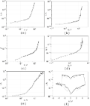
- side view microphotographs made by high-resolution transmission electron microscopy occasionally reveal some macroscopic features such as lead electrode shortcuts through the polymer film (Figure 2c). These defects are episodic, and their character does not resemble the ‘melting through’ of the PDP



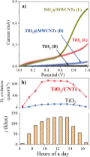
A TiO2@MWCNTs nanocomposite photoanode for solar-driven water splitting
Beilstein J. Nanotechnol. 2022, 13, 1520–1530, doi:10.3762/bjnano.13.125
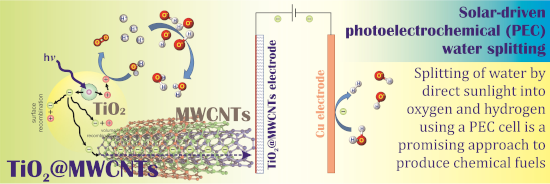
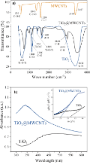
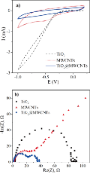
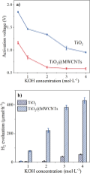
- -scanning electron microscopy, transmission electron microscopy, X-ray diffraction, and linear sweep voltammetry. The results show that the TiO2@MWCNTs nanocomposite has an optical bandgap of 2.5 eV, which is a significant improvement in visible-light absorption capability compared to TiO2 (3.14 eV). The
- nanocomposite characterizations The surface morphology of MWCNTs and the TiO2@MWCNTs nanocomposite is characterized by using field-emission scanning electron microscopy (FE-SEM, S4800) and transmission electron microscopy (TEM, JEOL-1400). The crystallization behavior of the catalysts is analyzed by X-ray



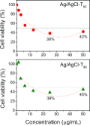
In search of cytotoxic selectivity on cancer cells with biogenically synthesized Ag/AgCl nanoparticles
Beilstein J. Nanotechnol. 2022, 13, 1505–1519, doi:10.3762/bjnano.13.124
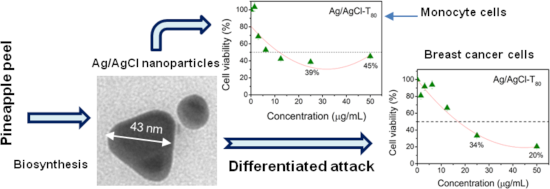
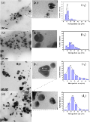
- -dispersive X-ray spectroscopy (EDX), and transmission electron microscopy (TEM) techniques were used to characterize nanoparticle development. The breast cancer cell line MCF-7 was used as a test model to study the cytotoxic behavior of Ag/AgCl nanoparticles and, as a counterpart, the nanoparticles were also
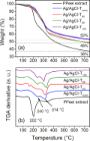
- . Transmission electron microscopy images were acquired on a JEOL 1010 microscope, with an accelerating voltage of 80 kV. For that, samples were pre-prepared in acetone and sonicated for 20 min, then dried at room temperature. Thermogravimetric analysis was performed on a Perkin Elmer STA 6000 simultaneous





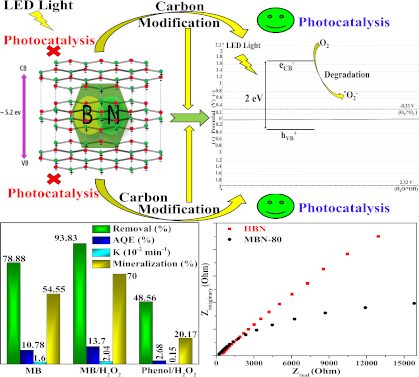
LED-light-activated photocatalytic performance of metal-free carbon-modified hexagonal boron nitride towards degradation of methylene blue and phenol
Beilstein J. Nanotechnol. 2022, 13, 1380–1392, doi:10.3762/bjnano.13.114
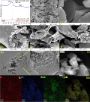
- crystallographic characterization. The morphology of the obtained nanostructures was captured by high-resolution transmission electron microscopy (HRTEM, Talos F200X G2, Thermo Scientific). The optical properties were characterized with a Shimadzu UV 2600 UV–vis spectrophotometer with an integrating sphere


Near-infrared photoactive Ag-Zn-Ga-S-Se quantum dots for high-performance quantum dot-sensitized solar cells
Beilstein J. Nanotechnol. 2022, 13, 1337–1344, doi:10.3762/bjnano.13.110
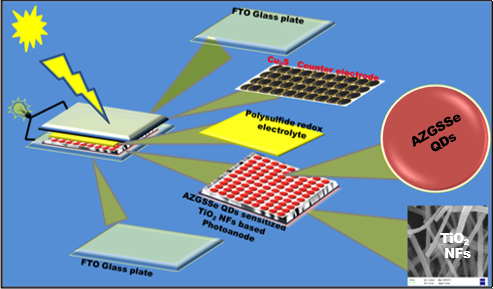
- QDSCs. Physical characterization The crystalline structure and size of the synthesized QDs were examined by X-ray diffraction (Riganku Ultima IV XRD spectrometer with nickel-filtered Cu Kα radiation with a step width of 0.02°) High-resolution transmission electron microscopy was carried out on a JEOL


Recent trends in Bi-based nanomaterials: challenges, fabrication, enhancement techniques, and environmental applications
Beilstein J. Nanotechnol. 2022, 13, 1316–1336, doi:10.3762/bjnano.13.109
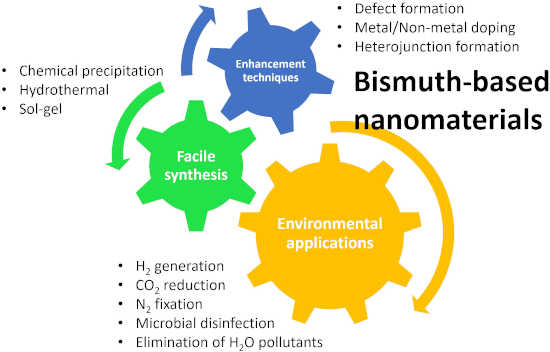
- intermediates from the synthesis process into photocatalysts to alter the energy band structure and increase photocatalytic activity [89]. A simple two-step technique was used to develop a novel compound photocatalyst of Bi/BiOBr-Bi5+ [90]. X-ray diffraction, field-emission transmission electron microscopy, and




Enhanced electronic transport properties of Te roll-like nanostructures
Beilstein J. Nanotechnol. 2022, 13, 1284–1291, doi:10.3762/bjnano.13.106
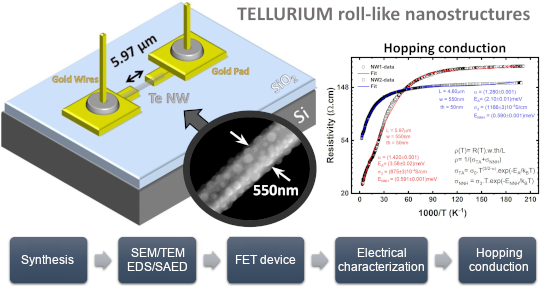
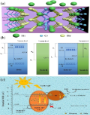
- by a facile synthesis and extensively studied by scanning and transmission electron microscopy. The nanostructures are made of pure and crystalline Tellurium with trigonal structure (t-Te), and exhibit p-type conductivity with enhanced field-effect hole mobility between 273 cm2/Vs at 320 K and 881
- under mild conditions. A large quantity of these polycrystalline nanostructures with a diameter between 100 and 900 nm and a wall thickness around 50 nm were synthesized and characterized by scanning electron microscopy (SEM), energy dispersive X-ray spectroscopy (EDS), transmission electron microscopy




Studies of probe tip materials by atomic force microscopy: a review
Beilstein J. Nanotechnol. 2022, 13, 1256–1267, doi:10.3762/bjnano.13.104
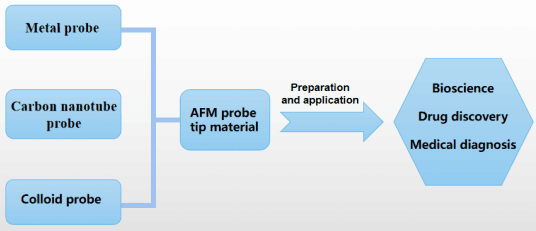
- average diameter of the tip generated under this method is 10 ± 5 nm. Transmission electron microscopy confirmed that this tip type is a multi-walled nanotube (MWNT) formed by ordered graphene walls. In any case, however, the pore growth method does not allow the growth of a single carbon nanotube at the
- prepared colloidal gold was identified by transmission electron microscopy and UV spectrophotometer for size and uniformity. The amount of colloidal gold-labeled HBsAg Mab protein was determined by the CVAI curve; the probe was identified by spot immunosorbent assay. The prepared 15 nm colloidal gold
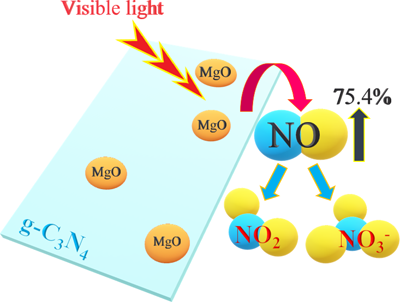
Rapid fabrication of MgO@g-C3N4 heterojunctions for photocatalytic nitric oxide removal
Beilstein J. Nanotechnol. 2022, 13, 1141–1154, doi:10.3762/bjnano.13.96
- properties of the materials. Scanning electron microscopy (SEM) and high-resolution transmission electron microscopy (HR-TEM) were used to assess the morphology of the materials. The crystal phase of the materials was determined by X-ray diffraction (XRD) with a measurement range of 10°–80°. Fourier





Green synthesis of zinc oxide nanoparticles toward highly efficient photocatalysis and antibacterial application
Beilstein J. Nanotechnol. 2022, 13, 1108–1119, doi:10.3762/bjnano.13.94
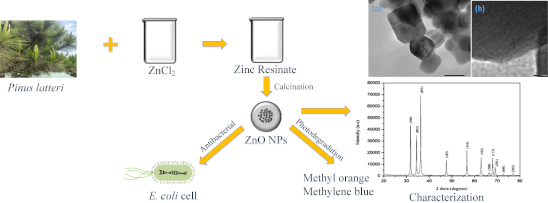
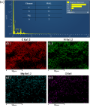
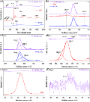
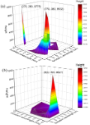
- electron microscopy, and high-resolution transmission electron microscopy. The fabricated ZnO NP samples are crystalline with a grain size of 30–100 nm. The ZnO NPs were used as catalysts for the photodegradation of methylene blue (MB) and methyl orange (MO) under visible and UV light. The results indicate
- (XRD) using a Bruker D8 advanced X-ray diffractometer equipped with Cu Kα radiation (λ = 1.5418 Å). The morphology and size of the synthesized material were determined by field emission scanning electron microscopy (FESEM) on a Hitachi S-4800 at 15 kV and high-resolution transmission electron
- microscopy (HR-TEM) on a JEOL JEM-2100. The thermal decomposition of zinc resinate to form ZnO NPs were studied by thermal gravimetric analysis (TGA) and differential thermal analysis (DTA) curves using thermal gravimetric analysis (DSC131, LABSYS TG/DSC1600, TMv), by heating up to 1000 °C at a heating rate




Recent advances in green carbon dots (2015–2022): synthesis, metal ion sensing, and biological applications
Beilstein J. Nanotechnol. 2022, 13, 1068–1107, doi:10.3762/bjnano.13.93
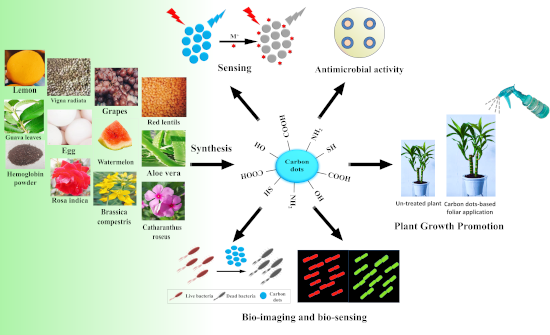
- electron microscopy [21]. Cassava peels as a natural carbon precursor and poly(ethylene glycol) (PEG) as a surface passivizing agent was used by Putro et al. to prepare CDs via the hydrothermal method [99]. Tu et al. used non-toxic fungal biomass Ganoderma lucidum along with EDA and diammonium hydrogen
- EDA to synthesize fluorescent N-CDs and got an increase in QY up to 47% [98]. Blue luminous CDs, based on carrots and aqueous trisodium phosphate (TSP) as precursors, were prepared by a convenient reflux method. The obtained CDs were globular and about 3–8 nm in size as revealed by transmission




Spindle-like MIL101(Fe) decorated with Bi2O3 nanoparticles for enhanced degradation of chlortetracycline under visible-light irradiation
Beilstein J. Nanotechnol. 2022, 13, 1038–1050, doi:10.3762/bjnano.13.91
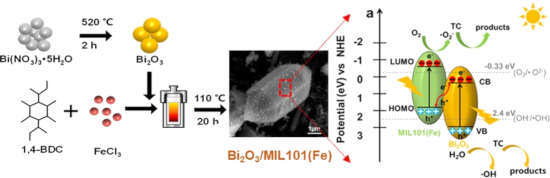
- , FEI-quanta 200, Japan Electronics, Japan), transmission electron microscopy (TEM, FEI-Tecnai F20, USA) and high-resolution transmission electron microscopy (HRTEM, JEOL 2100F, Japan). The element valence and chemical composition was investigated using X-ray photoelectron spectroscopy (XPS, Axis ultra


Electrocatalytic oxygen reduction activity of AgCoCu oxides on reduced graphene oxide in alkaline media
Beilstein J. Nanotechnol. 2022, 13, 1020–1029, doi:10.3762/bjnano.13.89
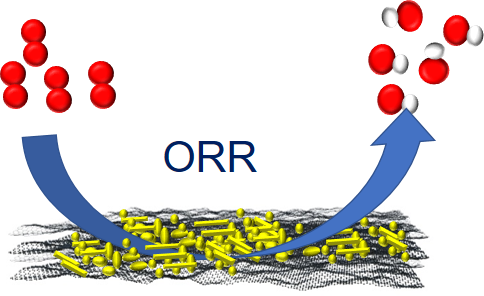
- activity and considerable mass transport activity. Thus, it is very important to understand the microstructure and bonding information of the resultant hybrid. We further examined the morphology of ACC-2 and its distribution over rGO nanosheets via transmission electron microscopy (TEM). We notice a wide