Search results
Search for "TEM" in Full Text gives 861 result(s) in Beilstein Journal of Nanotechnology. Showing first 200.
Structural, optical, and bioimaging characterization of carbon quantum dots solvothermally synthesized from o-phenylenediamine
Beilstein J. Nanotechnol. 2023, 14, 165–174, doi:10.3762/bjnano.14.17
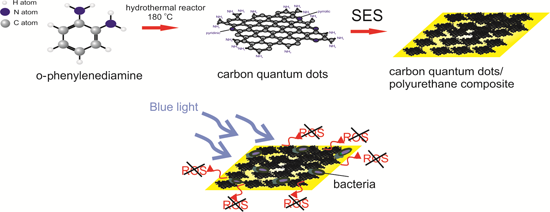
- characterization methods (AFM, TEM, EDS, FTIR, photoluminescence, and EPR) indicate the significant influence of the precursor on structural, chemical, and optical properties. Antibacterial and cytotoxicity tests showed that these dots did not have any antibacterial potential, because of the low extent of reactive
- cytotoxic properties of CQDs and CQD/polyurethane composites. Results and Discussion Surface morphology Figure S1 (Supporting Information File 1) presents the surface morphology of the CQD samples. Figure S1a shows a TEM micrograph of CQDs. The average diameter of these dots is 4 ± 1 nm. A top-view AFM
- image of CQDs is presented in Figure S1b (Supporting Information File 1). TEM and AFM images show that the CQDs are spherical. Statistical analysis conducted on more than 20 AFM images in Gwyddion software showed that more than 80% of the CQDs had a diameter between 2 and 5 nm while their height was 2.6


Antimicrobial and mechanical properties of functionalized textile by nanoarchitectured photoinduced Ag@polymer coating
Beilstein J. Nanotechnol. 2023, 14, 95–109, doi:10.3762/bjnano.14.11
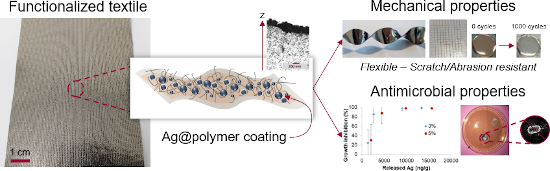
- electron microscopy (SEM), transmission electron microscopy (TEM), and reflectance measurements to assess the optical properties and the durability of the functionalized textiles. Results and Discussion Photoinduced synthesis of the Ag@polymer coating Specific monomers poly(ethylene glycol) 600 diacrylate
- (Figure 4a) and Ag@PEG600DA/PETIA (Figure 4b) coatings, respectively. The AgNP size dispersion is also slightly higher in the case of Ag@PEG600DA. Both results are coherent with the peak and FMWH values calculated from the absorbance spectra (Figure 2c). Transmission electron microscopy (TEM) cross
- the final size of the AgNPs (see Figure 5). As a result, high reflectance is linked to the formation of a thick and compact top metal layer, which is indeed the case for the Ag@PEG600DA coating. Moreover, the selected area electron diffraction (SAED) patterns obtained during TEM analysis proved the



Solvent-induced assembly of mono- and divalent silica nanoparticles
Beilstein J. Nanotechnol. 2023, 14, 52–60, doi:10.3762/bjnano.14.6
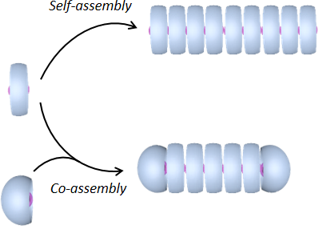
- shell of approx. 15 nm (as estimated by transmission electron microscopy, TEM). The latter is made up of covalently grafted PS macromolecules resulting from the copolymerization of styrene with methacryloxymethyl groups. As previously demonstrated [25], these PS chains can serve as sticky patches when
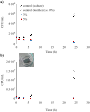
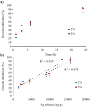
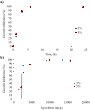
- , both electrostatic repulsions between NPs were reduced due to negatively charged silanolate groups at their surfaces and the solvent quality for the PS chains [29]. The statistical analysis of the TEM images obtained from samples collected at different incubation times allowed us to plot the time
- deposition on TEM grids. Co-assembly of one- and two-patch silica nanoparticles The incubation of the nanoparticles in a 7:3 (vol/vol) THF/salty water mixture was carried out in 15 mL tubes under rolling motion at 60 rpm and at room temperature. The composition of the mixtures is given in Table 1


Two-step single-reactor synthesis of oleic acid- or undecylenic acid-stabilized magnetic nanoparticles by thermal decomposition
Beilstein J. Nanotechnol. 2023, 14, 11–22, doi:10.3762/bjnano.14.2
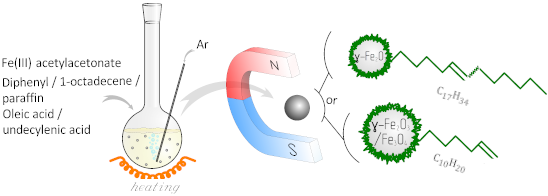
- be adsorbed on the surface of the particles, ensures nanodispersion stability (Figure 1) [31]. Transmission electron microscopy (TEM) micrographs of the prepared nanoparticles confirmed their size between 8 and 16 nm (Figure 2 and Figure 3). The diameter and shape of the nanoparticles depend on the
- particularly good agreement of indices (Rexp = 0.44, Rp = 1.17, Rwp = 1.75, RBragg = 24.23, and GoF = 15.55) confirmed a proper refinement. The size of 8–13 nm was determined from the TEM microphotographs of the particles synthesized using OA. This value is actually closer to the average size of the
- typical for the presence of superparamagnetic relaxation phenomena suggested a very small size (about 10 nm compared to results from the literature) for the synthesized nanoparticles, which was consistent with electron and XRD diffraction results, as well as TEM results. Different fitting models can be


Induced electric conductivity in organic polymers
Beilstein J. Nanotechnol. 2022, 13, 1551–1557, doi:10.3762/bjnano.13.128
- Center FSRC “Crystallography and Photonics” RAS, and were partly supported by the Ministry of Science and Higher Education of the Russian Federation within the State assignment FSRC “Crystallography and Photonics” RAS in the part of SEM and TEM measurements. Funding The work was supported by the Mirror



A TiO2@MWCNTs nanocomposite photoanode for solar-driven water splitting
Beilstein J. Nanotechnol. 2022, 13, 1520–1530, doi:10.3762/bjnano.13.125
- nanocomposite characterizations The surface morphology of MWCNTs and the TiO2@MWCNTs nanocomposite is characterized by using field-emission scanning electron microscopy (FE-SEM, S4800) and transmission electron microscopy (TEM, JEOL-1400). The crystallization behavior of the catalysts is analyzed by X-ray
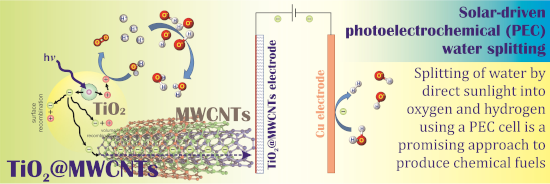
- is observed on the surface of the MWCNTs (Figure 2c). Figure 3 shows TEM images of the MWCNTs, TiO2 powder, and the TiO2@MWCNTs nanocomposite. Figure 3a shows that the pristine MWCNTs are uniform and possess an external diameter of less than 50 nm with a wall thickness of roughly 10 nm. Moreover, the
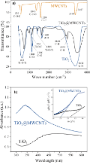
- defects in the initial MWCNTs are hardly affected by the TiO2 nanoparticles. The TEM image also confirms that TiO2 nanoparticles only attach to some defects on the MWCNTs (Figure 3c) [17]. FTIR spectra of MWCNTs, TiO2, and the TiO2@MWCNTs nanocomposite are shown in Figure 6a. Regarding the spectrum of



In search of cytotoxic selectivity on cancer cells with biogenically synthesized Ag/AgCl nanoparticles
Beilstein J. Nanotechnol. 2022, 13, 1505–1519, doi:10.3762/bjnano.13.124
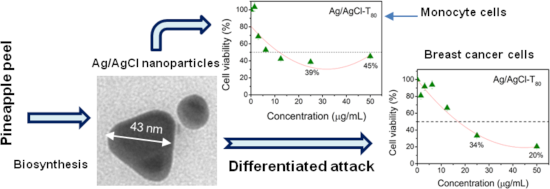
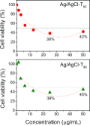
- -dispersive X-ray spectroscopy (EDX), and transmission electron microscopy (TEM) techniques were used to characterize nanoparticle development. The breast cancer cell line MCF-7 was used as a test model to study the cytotoxic behavior of Ag/AgCl nanoparticles and, as a counterpart, the nanoparticles were also
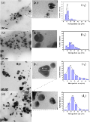
- nanoparticles as a function of temperature, the micrographs obtained by TEM in Figure 6 show different behaviors both in size and shape of the nanoparticles with respect to temperature. These results are consistent with UV–vis spectra shown in Figure 4, where each curve has a different maximum depending on the
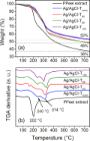
- percentage of biosynthesized Ag/AgCl nanoparticles (52% − 36% = 16%). The degradation of the product with respect to temperature exhibited a behavior similar to that of nanoparticle biosynthesis, as shown by XRD, EDX, and TEM. That is, there is a difference in the degradation at intermediate temperatures (Ag





Hydroxyapatite–bioglass nanocomposites: Structural, mechanical, and biological aspects
Beilstein J. Nanotechnol. 2022, 13, 1490–1504, doi:10.3762/bjnano.13.123
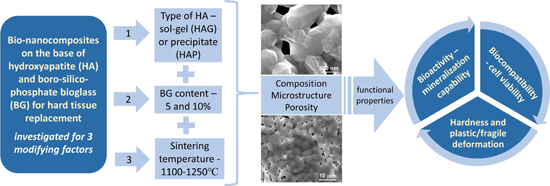
- (Figure 8). One can see that, at the incipient stage, the precipitate grows in the form of separate needle-shaped airy globules of about 1 µm diameter (Figure 8a). Similar needle-like particles were observed by Hyun-Min Kim et al. in TEM investigations after SBF immersion of synthetic hydroxyapatite and
Facile preparation of Au- and BODIPY-grafted lipid nanoparticles for synergized photothermal therapy
Beilstein J. Nanotechnol. 2022, 13, 1432–1444, doi:10.3762/bjnano.13.118
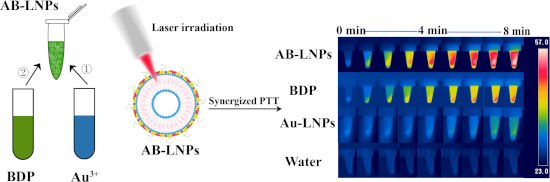
- determined and calculated using the following formula: The morphology of AB-LNPs was obtained on a Hitachi HT7700 transmission electron microscope (TEM, Hitachi, Japan). AB-LNPs were diluted and plated on a carbon-coated copper grid. The stability of AB-LNPs The stability of AB-LNPs was studied by measuring
- in H2O. The binding of hydrophobic BDP onto Au-LNPs might affect the light absorption of Au nanoclusters. The loading efficiency of BDP in AB-LNPs determined by using UV–vis measurements (λex = 600 nm) is 51 ± 1.2% (n = 3). A TEM image of AB-LNPs is shown in Figure 1c. Particles with diameters of ca
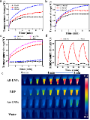
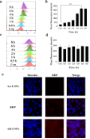
- characterization of AB-LNPs. (a) Size distribution of Au-LNPs and AB-LNPs. Digital photo of AB-LNPs showing distinct Tyndall effects. (b) UV–vis spectra of BDP and AB-LNPs. (c) TEM image of AB-LNPs. Photothermal properties of AB-LNPs. (a) Photothermal heating curves for AB-LNPs at different BDP concentrations with




Supramolecular assembly of pentamidine and polymeric cyclodextrin bimetallic core–shell nanoarchitectures
Beilstein J. Nanotechnol. 2022, 13, 1361–1369, doi:10.3762/bjnano.13.112
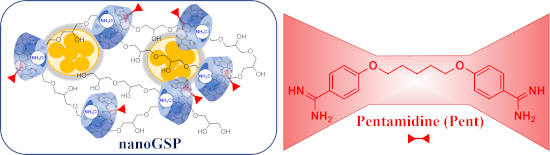
- (Figure 2). The morphology of nanoG and nanoGS in term of size, shape, and core–shell configuration was confirmed by TEM analyses. The gold NPs were spherical with an average size of 8 ± 3 nm, whereas the mean diameter increased to 11 ± 3 nm for core–shell NPs, resulting in the formation of a 1.5 nm
- ultrapure water. The results are reported as the mean of three separate measurements ± the standard deviation (SD). The morphological characterization was performed using a high-resolution TecnaiG2 F20 XTWIN TEM with a 200 kV accelerating voltage. NMR spectra were recorded on a Varian 500 MHz spectrometer
- pentamidine and Au@Ag/PolyCD (nanoGSP). (A) UV–vis spectra of nanoG and nanoGS (red line: freshly prepared nanoGS; blue line: 4 times diluted nanoGS; d = 1 cm for nanoG and d = 0.2 cm for nanoGS). (B,C) TEM images of nanoG and nanoGS, respectively. Scale bar is 5 nm. (A) 1H-NMR spectra of PolyCD, nanoG, and


Near-infrared photoactive Ag-Zn-Ga-S-Se quantum dots for high-performance quantum dot-sensitized solar cells
Beilstein J. Nanotechnol. 2022, 13, 1337–1344, doi:10.3762/bjnano.13.110
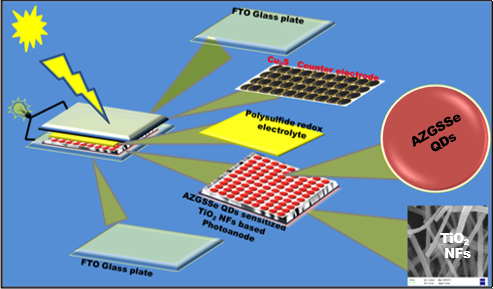
- X-ray spectrum analysis confirms the 1:1:1:1.5:1.5 stoichiometric ratio of, respectively, Ag, Zn, Ga, S, and Se. These two results indicate the formation of I-II-III-VI3-type alloyed crystals (AgZnGaS1.5Se1.5 nanocrystals). TEM image analysis reveals the QD nature of the synthesized Ag-Zn-Ga-S-Se


Enhanced electronic transport properties of Te roll-like nanostructures
Beilstein J. Nanotechnol. 2022, 13, 1284–1291, doi:10.3762/bjnano.13.106
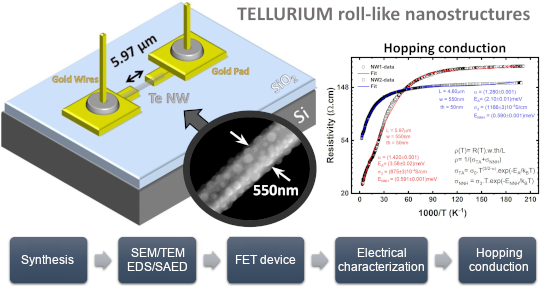
- (TEM), and selected-area electron diffraction (SAED). Individual Te roll-like nanobelts were connected in back-gate FETs and measured to characterize the electronic transport as a function of temperature. Methods Growth of Te roll-like one-dimensional nanostructures Te nanostructures were grown via an
- (SEM, FEI Quanta 3D FEG) at an acceleration voltage of 15.0 kV. An EDS system attached to the SEM was employed to analyze the chemical composition. TEM, high-resolution TEM (HRTEM) images, and SAED measurements were carried out in an FEI Tecnai G2-20 S-TWIN operated at 200 kV in a bright-field (BF) TEM
- mode. EDS point acquisitions were also performed during TEM analysis by using a silicon drift detector (SDD) from Oxford Instruments. Electronic transport The electronic transport properties of the sample were investigated by acquiring and modeling the transfer and gate curves of Te roll-like single




Application of nanoarchitectonics in moist-electric generation
Beilstein J. Nanotechnol. 2022, 13, 1185–1200, doi:10.3762/bjnano.13.99

- -Printed Porous Carbon Film for Electricity Generation from Evaporation-Driven Water Flow”, Adv. Funct. Mater., with permission from John Wiley and Sons. Copyright © 2017 WILEY-VCH Verlag GmbH & Co. KGaA, Weinheim. This content is not subject to CC BY 4.0. (c) HR-TEM image of CB and a schematic depiction
- John Wiley and Sons. Copyright © 2019 WILEY-VCH Verlag GmbH & Co. KGaA, Weinheim. This content is not subject to CC BY 4.0. (a) Vapor pressure gradient near the air interface. (b) TEM images of the purified nanowire network. Scale bars: 100 nm. (c) Diagram of the protein device structure. Figure 8a–c


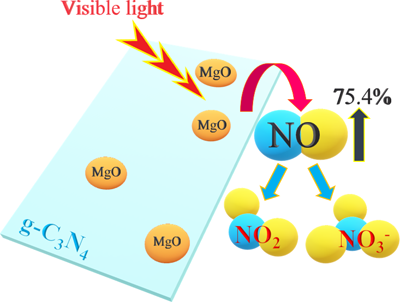
Rapid fabrication of MgO@g-C3N4 heterojunctions for photocatalytic nitric oxide removal
Beilstein J. Nanotechnol. 2022, 13, 1141–1154, doi:10.3762/bjnano.13.96
- properties of the materials. Scanning electron microscopy (SEM) and high-resolution transmission electron microscopy (HR-TEM) were used to assess the morphology of the materials. The crystal phase of the materials was determined by X-ray diffraction (XRD) with a measurement range of 10°–80°. Fourier
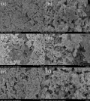
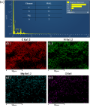
- -C3N4 [55]. SEM and TEM analyses The morphology of g-C3N4, MgO, and 3%MgO@g-C3N4 has been determined through SEM and TEM analyses. The typical bulk structure of g-C3N4 is shown in Figure 5e,f. The difference between the morphologies of MgO and g-C3N4 is difficult to observe by SEM (Figure 5c,d). Figure
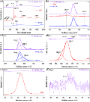
- observe in Figure 7c,d. However, the shape of MgO is complicated to determine by TEM and HR-TEM (Figure 7a,b). These results prove the presence of MgO in the compound. Chemical state analysis XPS and HR-XPS have been employed to determine the chemical states of the materials. XPS survey scans of g-C3N4





Green synthesis of zinc oxide nanoparticles toward highly efficient photocatalysis and antibacterial application
Beilstein J. Nanotechnol. 2022, 13, 1108–1119, doi:10.3762/bjnano.13.94
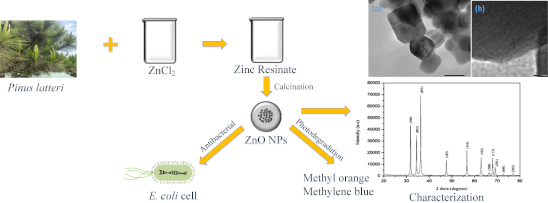
- microscopy (HR-TEM) on a JEOL JEM-2100. The thermal decomposition of zinc resinate to form ZnO NPs were studied by thermal gravimetric analysis (TGA) and differential thermal analysis (DTA) curves using thermal gravimetric analysis (DSC131, LABSYS TG/DSC1600, TMv), by heating up to 1000 °C at a heating rate
- maximum (FWHM). The morphology and size of ZnO NPs were illustrated using FESEM and HRTEM. The FESEM image shown in Figure 4 indicates that ZnO NPs have a relatively homogeneous size. The HR-TEM results and particle size distributions obtained from the HR-TEM images are shown in Figure 5. The HR-TEM
- hexagonal wurtzite structure form. The HR-TEM image showed the interplanar spacing of 0.251 ± 0.003 nm corresponding to the (101) crystal plane of ZnO, and the size of ZnO NPs is in the range of 30–100 nm. The bandgap energy of synthesized ZnO was 3.15 eV. Synthesized ZnO NPs showed high photocatalytic




Recent advances in green carbon dots (2015–2022): synthesis, metal ion sensing, and biological applications
Beilstein J. Nanotechnol. 2022, 13, 1068–1107, doi:10.3762/bjnano.13.93
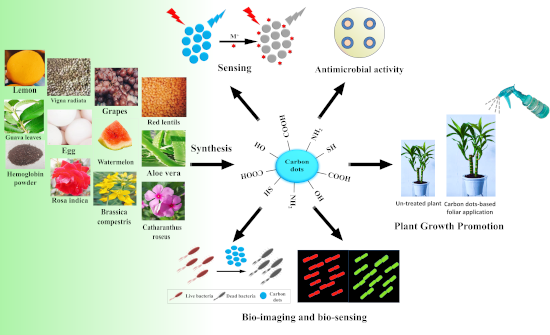
- fast, low-cost, and convenient cancer imaging applications. The particle size of the CDs was 10.14 nm as calculated by TEM [64]. Zhai et al. compared different synthetic methods to find the most suitable route to obtain fluorescent CDs from the green precursor Setcreasea purpurea boom [66]. The
- cerasifera fruit was used to synthesize highly luminescent CDs via a hydrothermal method. The reaction temperature and time used were 200 °C and 20 h, respectively. Characterization techniques such as TEM, FTIR, and XPS were used to study the CDs which were almost spherical and had high nitrogen content [49
- contents of 1.2% S, 60.4% C, 34.6% O, and 3.8% N [112]. Wei et al. reported N,S-CDs using Allium fistulosum as a green precursor. The prepared CDs revealed a diameter of about 4.22 nm by TEM and the QY obtained was up to 10.48% [110]. Azadirachta indica leaves was used to prepare fluorescent N-CDs by Yadav




Spindle-like MIL101(Fe) decorated with Bi2O3 nanoparticles for enhanced degradation of chlortetracycline under visible-light irradiation
Beilstein J. Nanotechnol. 2022, 13, 1038–1050, doi:10.3762/bjnano.13.91
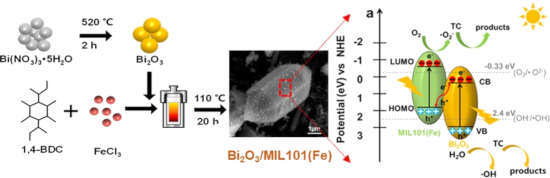
- , FEI-quanta 200, Japan Electronics, Japan), transmission electron microscopy (TEM, FEI-Tecnai F20, USA) and high-resolution transmission electron microscopy (HRTEM, JEOL 2100F, Japan). The element valence and chemical composition was investigated using X-ray photoelectron spectroscopy (XPS, Axis ultra
- morphology and microstructure of Bi2O3, MIL101(Fe), and BOM-20 were observed by SEM, TEM, and HRTEM. Figure 2 shows SEM images of Bi2O3, MIL101(Fe), and BOM-20. Figure 2a reveals that MIL101(Fe) appears as an octahedron with a smooth surface and size of approx. 1–2 μm, which is consistent with a previous
- slowing the nucleation rate of MIL101(Fe). To verify the formation of a heterojunction between MIL101(Fe) and Bi2O3, TEM and HRTEM images were obtained. As seen in Figure 3b and Figure 3c, TEM images of BOM-20 confirm that tiny Bi2O3 nanoparticles closely and uniformly adhere to the surface of MIL101(Fe


Analytical and numerical design of a hybrid Fabry–Perot plano-concave microcavity for hexagonal boron nitride
Beilstein J. Nanotechnol. 2022, 13, 1030–1037, doi:10.3762/bjnano.13.90
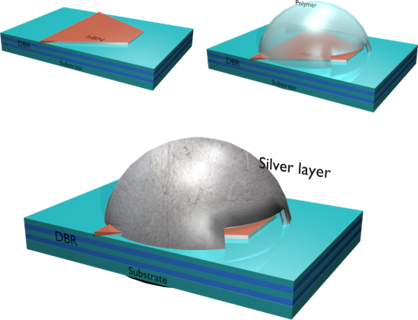
- matrix elements of S, to find its fundamental TEM resonant modes (Figure 7). We found the desired TEM modes at R2 = 8.1 μm and L2 = L1 + Lpol + ∆z = 5.03 μm, where L1 = 3.09 μm, Lpol = 0.4 μm and ∆z = 1.54 μm, which gives a physical cavity length of L = L2 − Δz = 3.49 μm. These values fall within the
- was achieved for the TEM mode at the DBR center wavelength. A Q-factor of Q = 731.4 ± 102.7 was also calculated in our simulations where the resonant modes of the microcavity (Figure 8) are shown in good agreement (Table 1) with the resultant modes from the analytical model (Figure 7). Conclusion We
- (HL)15 configuration. Maximum electric field intensity is found at the surface of the hBN layer. Vertical lines (blue) represent the boundaries between each dielectric layer. Transmittance of plano-concave cavity shows the fundamental TEM modes at 595 nm, 636 nm and 684 nm. Purcell factor of plano


Electrocatalytic oxygen reduction activity of AgCoCu oxides on reduced graphene oxide in alkaline media
Beilstein J. Nanotechnol. 2022, 13, 1020–1029, doi:10.3762/bjnano.13.89
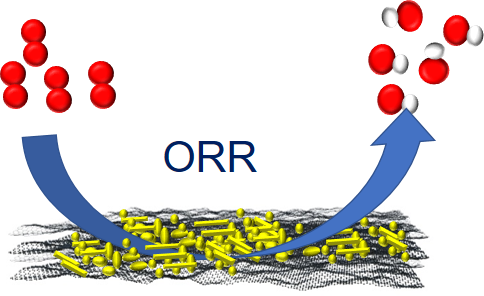
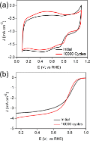
- electrochemical active surface area (ECSA) of 66.92 m2·g−1 and a mass activity of 40.55 mA·mg−1. We investigated bonding nature, composition, and morphology of the ACC-2 sample using XPS and TEM. The material is electrochemically stable up to 10,000 potential cycles, highlighting the durability of the
- activity and considerable mass transport activity. Thus, it is very important to understand the microstructure and bonding information of the resultant hybrid. We further examined the morphology of ACC-2 and its distribution over rGO nanosheets via transmission electron microscopy (TEM). We notice a wide
- TEM investigation. Specifically, upon closer examination, lattice fringes of 0.23 nm, corresponding to contracted Ag(111) planes, were observed from HRTEM analysis (Figure 5b). The trimetallic NPs are tightly bound to rGO sheets, which helps to increase the oxygen reduction activity. We enumerate the


Influence of water contamination on the sputtering of silicon with low-energy argon ions investigated by molecular dynamics simulations
Beilstein J. Nanotechnol. 2022, 13, 986–1003, doi:10.3762/bjnano.13.86
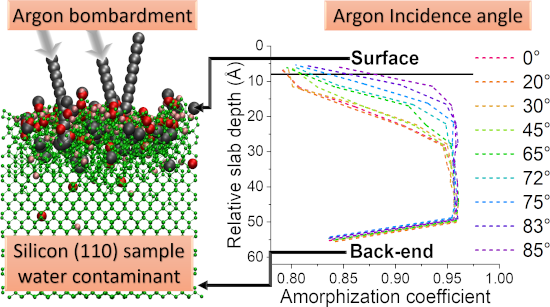
- ; molecular dynamics; silicon; simulations; water; Introduction Focused ion beams (FIB) play an increasingly important role in materials research areas such as nanoanalysis (e.g., secondary ion mass spectrometry (SIMS) [1][2][3] and sample preparation for transmission electron microscopy (TEM) [4], atom
- profiling SIMS to resolve thin films in multilayered samples [14]. Another example is TEM sample preparation, where the achievement of the highest lateral resolutions in the subsequent TEM analysis requires lamellae thicknesses between 10 and 20 nm, but goes along with a typical amorphous layer of 2 to 4 nm
- normal. These angles were selected to cover a good sample in the 0–85° range, including angles of specific interest, such as 72° and 83° which represent a channelling angle for Si(100) [56] and a grazing incidence angle, respectively, frequently used in TEM lamellae preparation [57]. A visualization of a




Temperature and chemical effects on the interfacial energy between a Ga–In–Sn eutectic liquid alloy and nanoscopic asperities
Beilstein J. Nanotechnol. 2022, 13, 817–827, doi:10.3762/bjnano.13.72
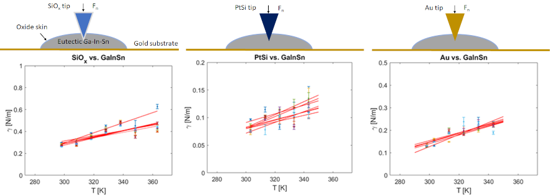
- have been characterized by TEM and XPS [25]. The authors reported on the effect of electron beam exposition time on the growth of a ZnGa2O4 layer. After 35 min irradiation, the oxide layer had grown from 2 nm to less than 5 nm. Besides this moderate growth, the authors observed the partial



Hierarchical Bi2WO6/TiO2-nanotube composites derived from natural cellulose for visible-light photocatalytic treatment of pollutants
Beilstein J. Nanotechnol. 2022, 13, 745–762, doi:10.3762/bjnano.13.66
- homogeneous suspension. The suspension was then dropped onto an Al foil to be observed via field-emission scanning electron microscopy (FE-SEM), and onto a carbon-supported copper grid for examination via transmission electron microscopy (TEM) and high resolution transmission electron microscopy (HR-TEM
- ). Meanwhile, selected area electron diffraction (SAED) patterns and energy dispersive X-ray spectrometry (EDX) mapping images were obtained via HR-TEM. The instrument models used in FE-SEM, TEM, and HR-TEM were Hitachi SU-8010, Hitachi HT-7700, and JEM-2100F, and the working voltages were 5.0, 100, and 200 kV
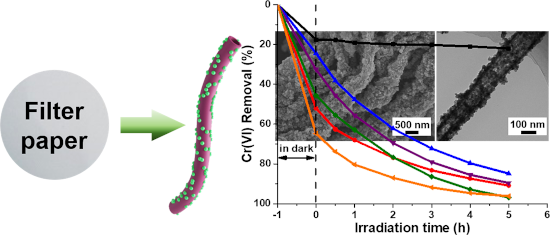
- from the initial cellulose template. Besides, it is apparent that the uniform Bi2WO6 nanoparticles are compactly coated on TiO2 nanotubes. The TEM images (the last two columns in Figure 3) of individual composite nanotubes isolated from the Bi2WO6/TiO2-NT nanocomposites show similar nanotube diameters


A nonenzymatic reduced graphene oxide-based nanosensor for parathion
Beilstein J. Nanotechnol. 2022, 13, 730–744, doi:10.3762/bjnano.13.65
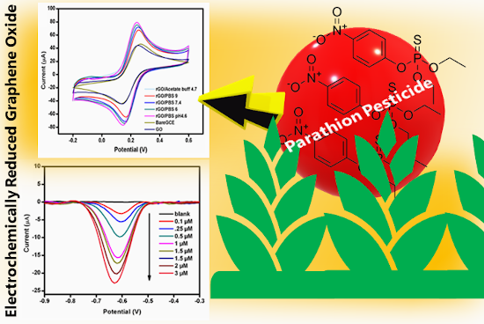
- deconvoluted analysis of the peaks and the relative atomic percentages of GO and RGO are summarized in Supporting Information File 1, Table S2. Figure 3A–D depicts TEM micrographs of as-prepared GO and synthesized ERGO at different pH values, indicating that the intensity of the electrons is attenuated by the
- transparency due to the exfoliation of stacking layers of GO. This suggests an increased surface area due to delamination of graphene layers (thickness of about one to a few layers) by electrochemical reduction. The high-resolution TEM of ERGO shows a d-spacing of 0.413 nm (Figure 3E), indicating a reduced
- nonenzymatic electrochemical nanosensor based on ERGO for rapid detection of PT. The electrochemical parameters were optimized to achieve the highest performance of the ERGO-modified electrode, and the structure was characterized by Raman, XRD, XPS, TEM, FESEM, and EIS techniques. Square-wave voltammetry was


Nanoarchitectonics of the cathode to improve the reversibility of Li–O2 batteries
Beilstein J. Nanotechnol. 2022, 13, 689–698, doi:10.3762/bjnano.13.61
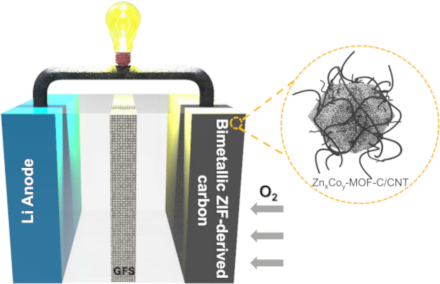
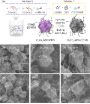
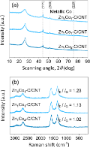
- /CNT (1.13) and Zn4Co1–C/CNT (1.23) composites. Transmission electron microscopy (TEM) observations with corresponding fast Fourier transform (FFT) patterns confirm the different crystallinity of ZnxCoy–C particles, depending on the concentration of Co during the synthesis. After the carbonization, the
- atmosphere, the ZnxCoy–C/CNT composite was obtained and further chemically etched with 1 M of H2SO4 solution before use. Material characterization Field-emission scanning electron microscopy (JEOL, JSM-7000F) and high-resolution TEM (HRTEM, JEOL, JEM-2100F) with EDS were used to examine the morphologies and
- ZnxCoy–CNT. FESEM images of (b, c, d) as-prepared and (e, f, g) etched composites. (b, e) Zn4Co1–CNT, (c, f) Zn1Co1–CNT, and (d, g) Zn1Co4–CNT. (a) XRD patterns and (b) Raman spectra of ZnxCoy–C/CNT composites. TEM images of (a, d, g) Zn4Co1–C/CNT, (b, e, h) Zn1Co1–C/CNT, (c, f, i) Zn1Co4–C/CNT. The


Antibacterial activity of a berberine nanoformulation
Beilstein J. Nanotechnol. 2022, 13, 641–652, doi:10.3762/bjnano.13.56
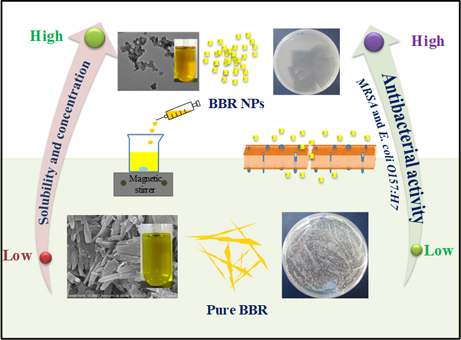
- section and different sizes in the micrometer range. After the antisolvent precipitation process, the size of BBR NPs was expected to be at the nanoscale. TEM observation shows that the BBR NPs had a uniform rectangular shape with sizes lower than 100 nm (Figure 3b). It also reveals a good dispersion of
- BBR NPs. The mean size of the particles measured by DLS was 156 nm for BBR NPs at a concentration of 2.0 mg/mL. The particle size measured by DLS was larger than the size obtained from TEM analysis because this dynamic measurement is affected by the concentration of the solution, surface properties of
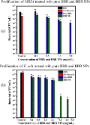
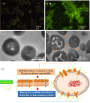
- sectioning for TEM observations. We did not find any difference in ultrastructural changes of E.coli O157:H7 cells treated with and without BBR NPs, whereas significant differences were found in MRSA cells after treatment with BBR NPs. This is consistent with results obtained using the disk diffusion method