


Search results
Search for "alcohol" in Full Text gives 276 result(s) in Beilstein Journal of Nanotechnology. Showing first 200.
Biocatalytic oligomerization-induced self-assembly of crystalline cellulose oligomers into nanoribbon networks assisted by organic solvents
Beilstein J. Nanotechnol. 2019, 10, 1778–1788, doi:10.3762/bjnano.10.173
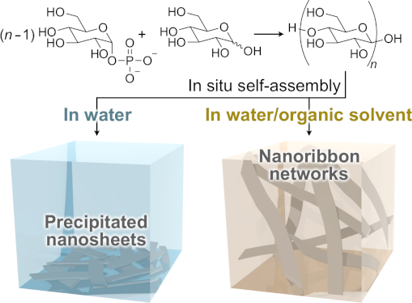
- , 60, 70, 80 and 90 vol % EtOH, EtOH, EtOH/tert-butyl alcohol (1:1, v/v) and then tert-butyl alcohol by immersion. The obtained organogels were freeze-fractured using liquid nitrogen and a razor blade and then lyophilized. The obtained xerogels were mounted on substrates using Dotite and then coated





Growth dynamics and light scattering of gold nanoparticles in situ synthesized at high concentration in thin polymer films
Beilstein J. Nanotechnol. 2019, 10, 1768–1777, doi:10.3762/bjnano.10.172
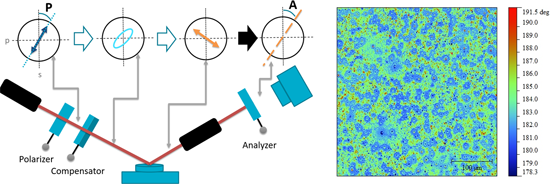
- components as a reducing agent for the metal salt. We therefore need a matrix that plays the role of reducing agent but also contributes to the stabilization of the NPs. Polymers like poly(vinylpyrrolidone) (PVP) or polyvinyl alcohol (PVA) are good candidates for this purpose. The self-stabilization process
- refractive index. Our observation that the in situ synthesis of NPs produces some roughness at the film surface and hence backscattering, is of importance for the integration of such Au nanocomposite films in Q-switched fiber lasers. Experimental Chemicals HAuCl4 and poly(vinyl alcohol) (PVA, 87–89


TiO2/GO-coated functional separator to suppress polysulfide migration in lithium–sulfur batteries
Beilstein J. Nanotechnol. 2019, 10, 1726–1736, doi:10.3762/bjnano.10.168
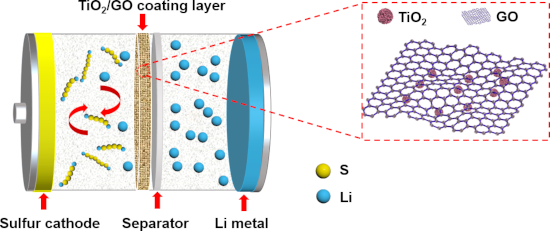
- (DI) water (18.2 MΩ cm) and ethyl alcohol. Then, the powder was vacuum dried (−0.08 MPa) for 8 h. To synthesize the TiO2/GO composites, 1 g of nanoporous TiO2 (≈40 nm) and 100 mL of graphene oxide (GO) solution were dispersed into 100 mL of deionized water and ultrasonically mixed for 2 h, followed by


Novel hollow titanium dioxide nanospheres with antimicrobial activity against resistant bacteria
Beilstein J. Nanotechnol. 2019, 10, 1716–1725, doi:10.3762/bjnano.10.167
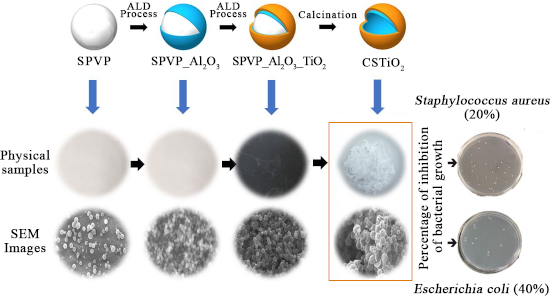
- were (0.16 ± 0.02)% and (23.41 ± 0.47)% with respect to the polymer weight, respectively. The deposition of titania, when compared to our previous work, confirmed that the deposition onto the PVP polymer and polyvinyl alcohol presented a similar rate and it was mainly dependent on the number of cycles


Materials nanoarchitectonics at two-dimensional liquid interfaces
Beilstein J. Nanotechnol. 2019, 10, 1559–1587, doi:10.3762/bjnano.10.153
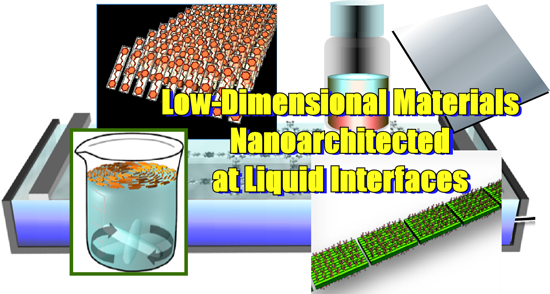
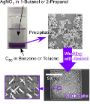
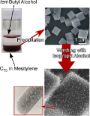
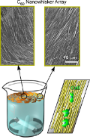
- at the liquid–liquid interface. For example, C60 rods or needles can be obtained at the interface between a saturated solution of C60 in toluene and isopropyl alcohol as poor solvent. 4.2 One-dimensional fullerene assembly materials Shrestha and co-workers have extended the research on dimensionally
- -dimensional C60 crystals prepared through liquid–liquid interfacial precipitation between m-xylene and isopropyl alcohol for visible-spectrum photodetectors [248]. Additional materials or two metal contacts are not necessary in the fabricated photodetectors. These devices made solely from carbon can be used
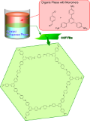
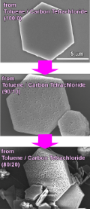
- prepared two-dimensional C60 hexagonal nanosheets with hierarchic pore structures of macropores and mesopores just by changing the solvent combination (Figure 18) [250]. Liquid–liquid interfacial precipitation processes with isopropyl alcohol/benzene and isopropyl alcohol/carbon tetrachloride provided one













Synthesis of P- and N-doped carbon catalysts for the oxygen reduction reaction via controlled phosphoric acid treatment of folic acid
Beilstein J. Nanotechnol. 2019, 10, 1497–1510, doi:10.3762/bjnano.10.148
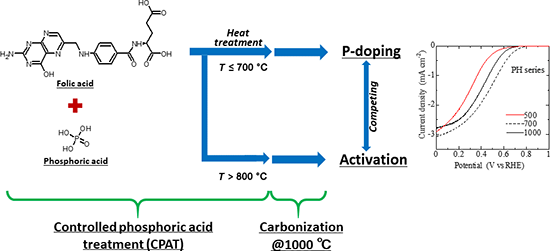
- exhibited higher ORR activity than N-doped (HH-series) carbon materials. As N-free P-doped carbon materials could not be prepared from FA, a P-doped carbon material was prepared from poly(furyl alcohol) (PFA) to examine the effects of P-only doping on the ORR activity. The ORR activity of P-doped PFA
- specimens, respectively (T = treatment temperature). Moreover, carbon materials were also prepared by directly heating FA or PA-FA mixtures to 1000 °C (H-1000 and P-1000 samples, respectively). To study the influence of P-only doping, the above carbonization procedure was applied to poly(furfuryl alcohol





Direct observation of oxygen-vacancy formation and structural changes in Bi2WO6 nanoflakes induced by electron irradiation
Beilstein J. Nanotechnol. 2019, 10, 1434–1442, doi:10.3762/bjnano.10.141
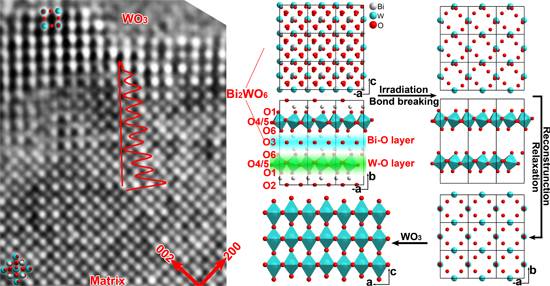
- = 5.4063(4) Å, b = 16.4186(0) Å, and c = 5.4319(7) Å. An extraordinary strong (200) reflection in the SAED pattern indicates the strong preferred orientation of the flake-like nanocrystallites. This effect is further enhanced in TEM experiments because the ultrasonic treatment in absolute ethyl alcohol


Multicomponent bionanocomposites based on clay nanoarchitectures for electrochemical devices
Beilstein J. Nanotechnol. 2019, 10, 1303–1315, doi:10.3762/bjnano.10.129
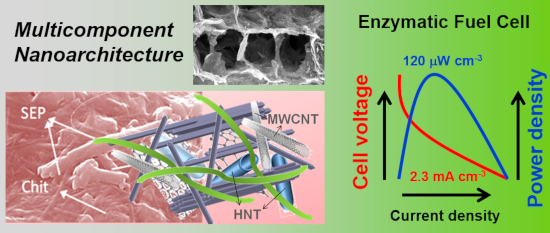
- , MWCNTs and poly(vinyl alcohol) [25], sepiolite, graphene nanoplatelets, and biopolymers (e.g., alginate, gelatine) [26] and cellulose or foams of microfibrillated cellulose and starch [47], which exhibit Young’s moduli in the range from 0.1 to 9 GPa. The high stiffness of these materials has been
- conductivity values, i.e., 2700 S·m−1 for alginate, 900 S·m−1 for gelatin, and 300 S·m−1 for poly(vinyl alcohol), and the chitosan matrix discussed here yielded conductivity of 2900 S·m−1 [26]. The increase of the conductivity in chitosan films can tentatively be ascribed to the presence of physically adsorbed



Alloyed Pt3M (M = Co, Ni) nanoparticles supported on S- and N-doped carbon nanotubes for the oxygen reduction reaction
Beilstein J. Nanotechnol. 2019, 10, 1251–1269, doi:10.3762/bjnano.10.125
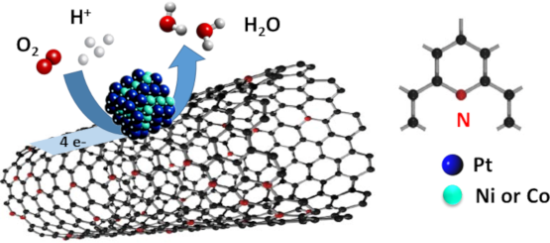
- alcohol) (80/19.5/0.5), and sonicated for 30 min. 30 µL of the prepared ink was deposited three times onto the polished glassy carbon disk electrode. A thin catalytic layer with a Pt loading of 100 µgPt/cm2 was obtained after evaporation of the solvent under air at room temperature. The electroactive







Photoactive nanoarchitectures based on clays incorporating TiO2 and ZnO nanoparticles
Beilstein J. Nanotechnol. 2019, 10, 1140–1156, doi:10.3762/bjnano.10.114
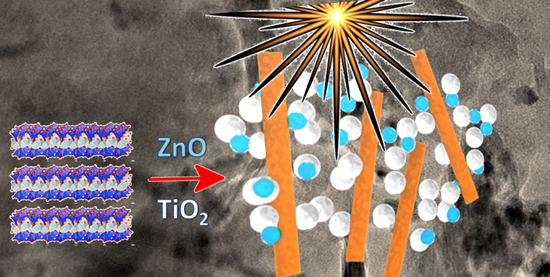
- , when exposed to UV light [117]. Other alternative approaches include the direct precipitation of the ZnO from Zn salts in presence of bentonite dispersed in ethanol [124] or the association of ZnO NPs with Laponite® using poly(vinyl alcohol) as binder agent [125]. In both cases, the resulting materials



Synthesis and characterization of quaternary La(Sr)S–TaS2 misfit-layered nanotubes
Beilstein J. Nanotechnol. 2019, 10, 1112–1124, doi:10.3762/bjnano.10.111
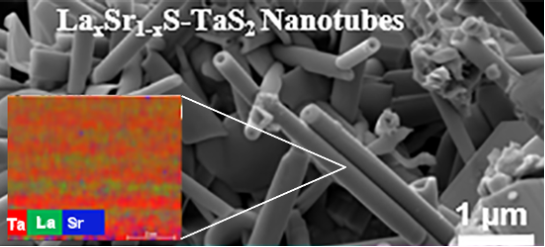
- spectroscopy (EDX) was performed using a SuperX EDX detector attached to this microscope using Bruker Esprit software. The quantification was done using the Cliff–Lorimer method. The samples for electron microscopy were prepared by dispersing the synthesized powder in ethyl alcohol, followed by ultrasonication


Glucose-derived carbon materials with tailored properties as electrocatalysts for the oxygen reduction reaction
Beilstein J. Nanotechnol. 2019, 10, 1089–1102, doi:10.3762/bjnano.10.109
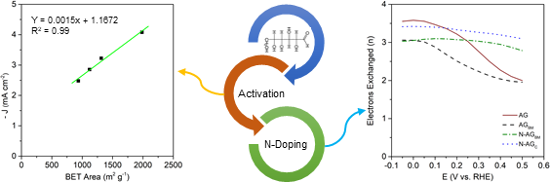
- binding energy: i) carbon sp2 (C=C, peak I) at 284.6 ± 0.1 eV; ii) carbon in phenol, alcohol, ether bonds (C–O, peak II) at 285.8 ± 0.2 eV; iii) carbonyl or quinone groups (C=O, peak III) at 287.2 ± 0.2 eV; iv) carboxyl groups (COOH, peak IV) at 288.9 eV ± 0.3; and v) the shake-up satellite due to π–π


Correlation of surface-enhanced Raman scattering (SERS) with the surface density of gold nanoparticles: evaluation of the critical number of SERS tags for a detectable signal
Beilstein J. Nanotechnol. 2019, 10, 1016–1023, doi:10.3762/bjnano.10.102
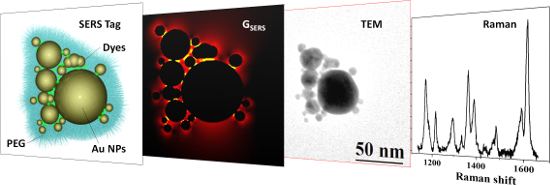
- samples for TEM analysis were obtained by mixing the AuNT solution (0.2 mg/mL in Au) 1:5 with a 10 mg/mL aqueous solution of polyvinyl alcohol (PVA, 200,000 Mw, on average, from Fluka) and depositing one drop on a copper grid coated with a holey carbon film, according to a well-established procedure which


Serum type and concentration both affect the protein-corona composition of PLGA nanoparticles
Beilstein J. Nanotechnol. 2019, 10, 1002–1015, doi:10.3762/bjnano.10.101
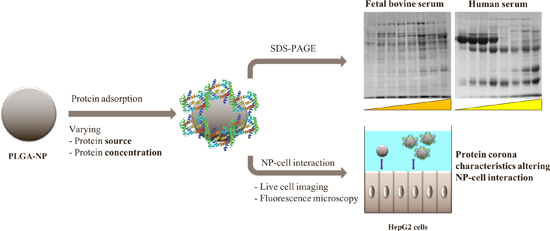
- protein corona as a function of increasing serum concentration. Therefore, we produced NPs composed of the biodegradable polymer PLGA stabilized with poly(vinyl alcohol) (PVA) and subsequently incubated them with increasing amounts of either fetal bovine serum (FBS) or human serum to induce the formation
- of the protein corona with increasing serum concentration Nanoparticles (NPs) of the present study are based on the biodegradable polymer PLGA stabilized with poly(vinyl alcohol) (PVA) and were prepared by an emulsion diffusion method [19]. Incorporation of Lumogen® Red led to fluorescent labeled NPs
- Reagents The biodegradable polymer poly(DL-lactide-co-glycolide) (PLGA, Resomer® RG 502 H), which was used as NP matrix, was obtained from Evonik Industries (Darmstadt, Germany). The steric NP stabilizer poly(vinyl alcohol) (PVA; Emprove® exp 8-88, molecular weight approx. 67,000 g/mol, degree of



In situ AFM visualization of Li–O2 battery discharge products during redox cycling in an atmospherically controlled sample cell
Beilstein J. Nanotechnol. 2019, 10, 930–940, doi:10.3762/bjnano.10.94
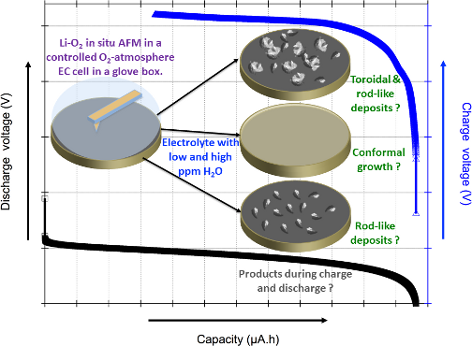
- 1 ppm [42]. Glassy carbon was laser cut into 12 mm diameter discs. The surface of the glassy carbon was polished [43] to an average root-mean-square roughness of less than 10 nm. Upon polishing, the glassy carbon was cleaned with isopropyl alcohol and deionized water and further dried in a vacuum


Novel reversibly switchable wettability of superhydrophobic–superhydrophilic surfaces induced by charge injection and heating
Beilstein J. Nanotechnol. 2019, 10, 840–847, doi:10.3762/bjnano.10.84
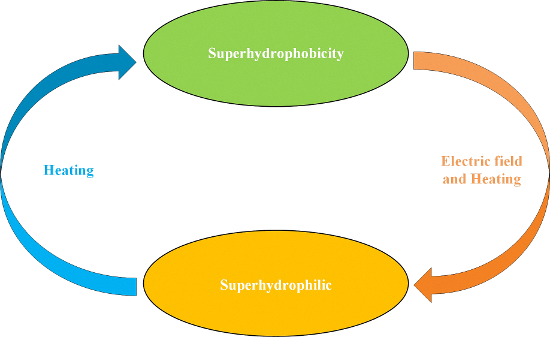
- Materials and instrumentation Alcohol (99.7%, AR) and hydrophobic silica (16–25 nm diameter) was provided by Evonik Degussa Co. Ltd. (Germany). The varnish (Voep-1) was from Shijiazhuang Paint Company. All reagents were used as received without further purification. A high-voltage power supply (Tianjin
- temperature, 5 µL of deionized water was absorbed by a 5 µL needle tube and dripped vertically on the surface of the sample. The final contact angle of the sample surface was the average value of five points on the sample. Coating preparation 0.2 g of SiO2 was slowly dispersed in 10 mL of alcohol and
- sonicated for 30 min. 1 mL varnish was added to a mixed solution of SiO2/alcohol and magnetically stirred for 30 min. The final coating solution was sprayed onto glass slides and cured at room temperature for 2 h (spraying distance 20 cm, spraying time 3 s). Experiment setup For studying the effect of the


An iridescent film of porous anodic aluminum oxide with alternatingly electrodeposited Cu and SiO2 nanoparticles
Beilstein J. Nanotechnol. 2019, 10, 735–745, doi:10.3762/bjnano.10.73
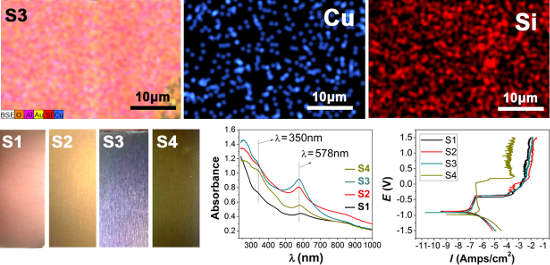
- finally put into a sealed pocket for later use. The SiO2 deposition liquid was prepared by mechanically mixing potassium nitrate (10.11 g), DI water (500 mL), absolute ethyl alcohol (500 mL), adding tetraethoxysilane (50 mL) after the pH value was adjusted to 3. The flow chart for the stepwise galvanic


Gold nanoparticles embedded in a polymer as a 3D-printable dichroic nanocomposite material
Beilstein J. Nanotechnol. 2019, 10, 442–447, doi:10.3762/bjnano.10.43
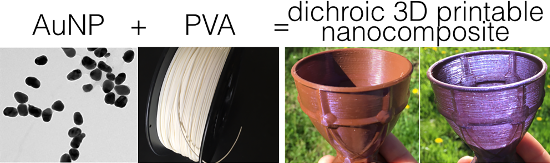
- standard off-the-shelf fused deposition modeling (FDM) 3D printer. We chose to use polyvinyl alcohol (PVA) as the nanoparticle carrier, because it is one of the most used 3D printing materials, it is water soluble, thus mixable with the AuNPs without the need to change solvents, and because it is known



Thermal control of the defunctionalization of supported Au25(glutathione)18 catalysts for benzyl alcohol oxidation
Beilstein J. Nanotechnol. 2019, 10, 228–237, doi:10.3762/bjnano.10.21
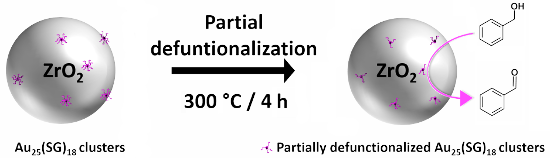
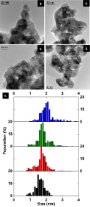
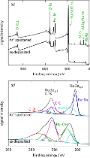
- des Multimatériaux et Interfaces (LMI), Villeurbanne, France 10.3762/bjnano.10.21 Abstract Au25(SG)18 (SG – glutathione) clusters deposited on ZrO2 nanoparticles have been used as a catalyst for benzyl alcohol oxidation. Calcination was performed at different temperatures to study the ligand and
- particle size effect on the catalytic activity. In contrast to most gold nanoclusters which have to be completely defunctionalized for maximum catalytic activity, the partially defunctionalized Au25(SG)18@ZrO2 catalyst, thermally treated at 300 °C, exhibits full conversion of benzyl alcohol within 15 h
- under atmospheric pressure with 94% selectivity towards benzaldehyde. Keywords: benzyl alcohol oxidation; glutathione; gold nanoclusters; partial defunctionalization; supported catalyst; zirconium oxide nanoparticles; Introduction Since Haruta’s discovery of the catalytic activity of gold




Nanoporous water oxidation electrodes with a low loading of laser-deposited Ru/C exhibit enhanced corrosion stability
Beilstein J. Nanotechnol. 2019, 10, 157–167, doi:10.3762/bjnano.10.15
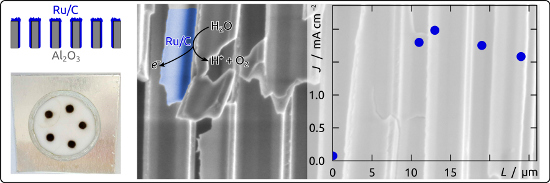
- nanoparticles [18][28]. A carbonaceous support has also been used, with the advantages of chemical durability and electrical conductivity, as demonstrated in the context of alcohol dehydrogenation [29][30]. Such a support, however, has not been applied to the water oxidation reaction so far. In this paper, we




Pull-off and friction forces of micropatterned elastomers on soft substrates: the effects of pattern length scale and stiffness
Beilstein J. Nanotechnol. 2019, 10, 79–94, doi:10.3762/bjnano.10.8
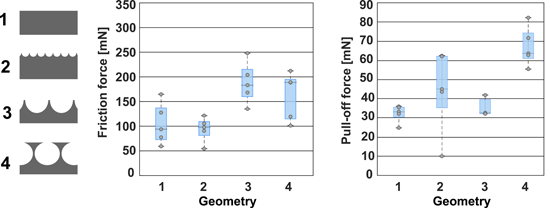
- degrees (Young’s moduli of 280 and 580 kPa) were fabricated from poly(dimethylsiloxane) (PDMS) and tested on soft poly(vinyl alcohol) (PVA) substrates of two stiffness degrees (12 and 18 kPa), and on hard glass substrates as a reference. An out-of-the-cleanroom colloidal lithographic approach was
- order to also fabricate dimple arrays topped with a thin terminal layer. The pull-off and friction forces of these micropatterns were tested on soft substrates made of poly(vinyl alcohol) (PVA) with two stiffness degrees and compared with the corresponding performance on glass as reference. Results
- -polymer (base) and crosslinker (curing agent) were purchased from Dow Corning, poly(vinyl alcohol) (PVA, Selvol PVOH 165; hydrolysis rate: 99.65% ± 0.35%; degree of polymerization: about 2000, as reported by the manufacturer) was purchased from Sekisui Chemical Group. N-methyl-2-pyrrolidone (NMP) was





Near-infrared light harvesting of upconverting NaYF4:Yb3+/Er3+-based amorphous silicon solar cells investigated by an optical filter
Beilstein J. Nanotechnol. 2018, 9, 2788–2793, doi:10.3762/bjnano.9.260
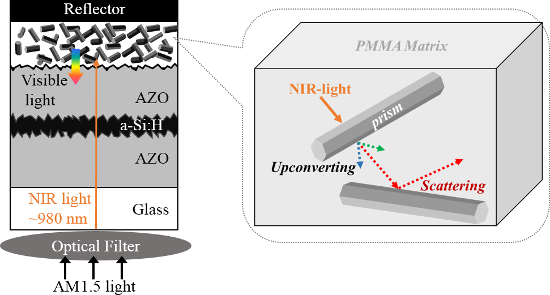
- scattering. Our results explicitly demonstrated the feasibility of UC in NIR light harvesting for a-Si:H solar cells. Experimental The NaYF4:Yb3+/Er3+ was prepared via a hydrothermal method based on a alcohol/water/oleic acid system [21]. Lanthanide chloride hexahydrate (RECl3·6H2O, RE = Y, Yb and Er; 99.99


Accurate control of the covalent functionalization of single-walled carbon nanotubes for the electro-enzymatically controlled oxidation of biomolecules
Beilstein J. Nanotechnol. 2018, 9, 2750–2762, doi:10.3762/bjnano.9.257
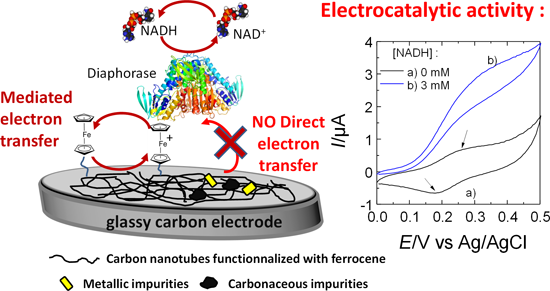
- . Once opened to air, the samples were analyzed by Raman spectroscopy. Functionalization by ferrocene derivatives Ferrocene derivatives were grafted onto CNT sidewalls by reacting the alcohol group of the ferrocene linkers to the COCl groups present after step 2 on the CNT sidewalls. We investigated
- CNT sidewalls. To solve this apparent contradiction, we can make the hypothesis that microwave irradiation in acidic media mainly converts already-existing sp3 defects in the raw CNTs into oxidized functions such as alcohol and carboxylic acid functions, but does not introduce many new defects as does






Cytotoxicity of doxorubicin-conjugated poly[N-(2-hydroxypropyl)methacrylamide]-modified γ-Fe2O3 nanoparticles towards human tumor cells
Beilstein J. Nanotechnol. 2018, 9, 2533–2545, doi:10.3762/bjnano.9.236
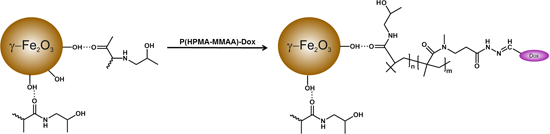
- high molecular weight, such as silica, chitosan, poly(amino acids), poly(acrylic acid), hyaluronic acid, alginic acid, poly(vinyl alcohol), polyethylenimine, dextran, or poly(ethylene glycol) (PEG) [10][11][12]. The latter one is known to escape recognition by reticuloendothelial system prolonging thus


Nanocellulose: Recent advances and its prospects in environmental remediation
Beilstein J. Nanotechnol. 2018, 9, 2479–2498, doi:10.3762/bjnano.9.232
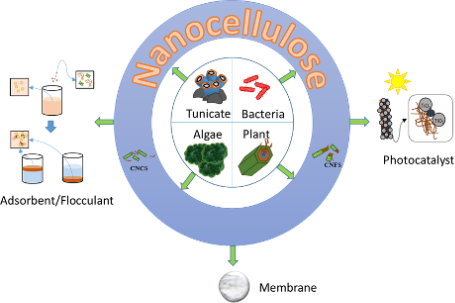
- organisms through enzymatic polymerization of organic substrates such as sugar and glycerol [11][31]. The main difference between BC and other plant-derived CNFs is the absence of certain functional groups (except alcohol) and polymers (lignin, hemicellulose, and pectin) in BC [32]. Therefore, BC is known
- from other polymers and functional groups except alcohol [32][44]. According to Gatenholm and Klemm [45], a typical BC production process can take up to two weeks to produce cellulose. Furthermore, nanocellulose produced from BC possesses higher crystallinity than plant-derived nanocellulose [46]. Over





