Search results
Search for "catalyst" in Full Text gives 384 result(s) in Beilstein Journal of Nanotechnology. Showing first 200.
Air oxidation of sulfur mustard gas simulants using a pyrene-based metal–organic framework photocatalyst
Beilstein J. Nanotechnol. 2019, 10, 2422–2427, doi:10.3762/bjnano.10.232
- quantum yields and whose absorption wavelengths span the ultraviolet–visible spectrum. Moreover, singlet oxygen could be generated from homogenous [23] or heterogeneous catalysts, the latter of which will allow for the ease of separation at the end of the reaction, recyclability of the catalyst, wide
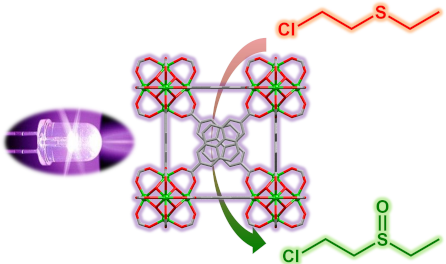
- of producing singlet oxygen upon exposure to UV light [44][45], we anticipated that a MOF with isolated pyrene linkers would be a good candidate catalyst for the photocatalytic oxidation of sulfur mustard. The NU-400 material (Figure 1) was synthesized from the pyrene-2,7-dicarboxylic acid (Py-DCA
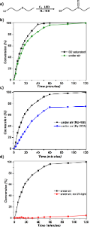
- (Figure 2). Achieving complete oxidation of CEES without the O2 saturation represents a milestone for the potential deployment of MOFs as an active detoxification catalyst and, consequently, we focused on detailed exploration of the activity of NU-400 in air, without oxygen purging. Given that NU-400 is




Design and facile synthesis of defect-rich C-MoS2/rGO nanosheets for enhanced lithium–sulfur battery performance
Beilstein J. Nanotechnol. 2019, 10, 2251–2260, doi:10.3762/bjnano.10.217
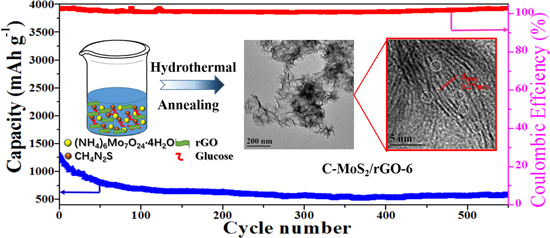
- subsequently disperses. Consequently, the reutilization of Li2Sn will become very hard due to the repulsion between the nonpolar conductive surface and the polar reactants [17]. Two-dimensional layered transition metal dichalcogenides (TMDs), strong candidates in the search for energy storage and catalyst


Mannosylated brush copolymers based on poly(ethylene glycol) and poly(ε-caprolactone) as multivalent lectin-binding nanomaterials
Beilstein J. Nanotechnol. 2019, 10, 2192–2206, doi:10.3762/bjnano.10.212
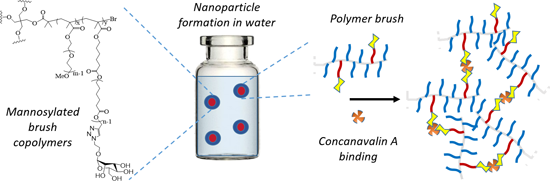
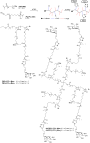
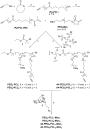
- -hexamethyltriethylenetetramine (HMTETA) catalyst [27]. Ethyl α-bromoisobutyrate (1) and pentaerythritol tetrakis(2-bromoisobutyrate) (2) were chosen as the initiators for linear and four-arm polymers, respectively (Scheme 1, step c). A DP value of 10 (for the linear polymers and for each branch of the four-arm ones) was
- alumina pad to remove the copper catalyst, followed by precipitation in diethyl ether. Synthesis of the mannosylated polymers The sugar functionalization of the polymeric backbone was performed through CuAAC click reaction (Scheme 1, step d), by combining the triple bonds with 2-azidoethyl α-ᴅ
- the synthesis of PEGx-PCLy. THF (inhibitor-free) was degassed under nitrogen for 10 min. Pg-PCL-MA (y equiv) and poly(ethylene glycol) methyl ether methacrylate (Mn = 500 Da, x equiv) were added in a Schlenk tube and three cycles of vacuum–nitrogen were performed. The catalyst solution was prepared as



Improved adsorption and degradation performance by S-doping of (001)-TiO2
Beilstein J. Nanotechnol. 2019, 10, 2116–2127, doi:10.3762/bjnano.10.206
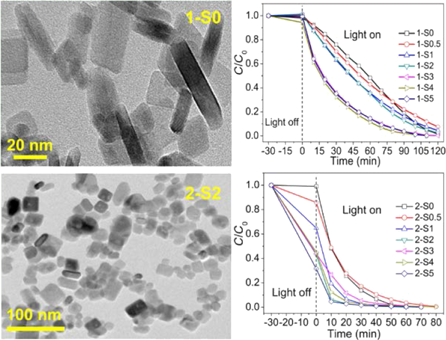
- photocatalytic activity was tested by the degradation of methylene blue (MB). For this, the samples were placed 20 cm away from a xenon lamp (300 W, 16 A). The experimental process was as follows: 50 mg of catalyst was added into a 100 mL MB solution with a concentration of 10 mg/L, and the samples were kept in




Synthesis of highly active ETS-10-based titanosilicate for heterogeneously catalyzed transesterification of triglycerides
Beilstein J. Nanotechnol. 2019, 10, 2039–2061, doi:10.3762/bjnano.10.200
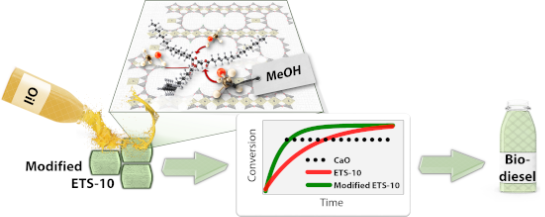
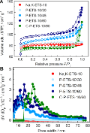
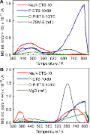
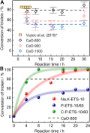
- accessible for triolein and enhancing the rate of transesterification. The resulting catalyst exhibits a comparable triolein conversion (≈73%) after 4 h of reaction to CaO (≈76%), which is reportedly known to be highly active in the transesterification of triglycerides. In addition, while CaO showed a
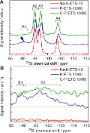
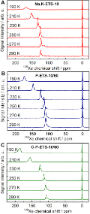
- maximum conversion of 83% after 24 h, the ETS-10-based catalyst reached 100% after 8 h, revealing its higher stability compared to CaO. The following characteristics of the catalysts were experimentally addressed – crystal structure (X-ray diffraction, transmission electron microscopy), crystal shape and
- efficient catalyst for initiation of the transesterification process that converts triglycerides into FAMEs. Other methods that do not require a catalyst, such as pyrolysis and utilization of supercritical fluid technology, are considered to be highly energy-intensive, inhibiting their practical








Review of advanced sensor devices employing nanoarchitectonics concepts
Beilstein J. Nanotechnol. 2019, 10, 2014–2030, doi:10.3762/bjnano.10.198
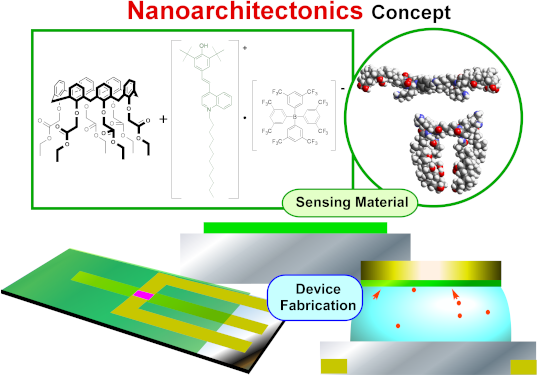
- processes, such as catalytic reactions and fluorescence quenching, often improves sensor capabilities through component nanoarchitectonics. Imanaka and co-workers used a combustion process induced by a precious-metal-free CeO2–ZrO2–ZnO catalyst for CO gas detection [87]. The semiconducting (p-type) La2CuO4
- -loaded CeO2–ZrO2–ZnO catalyst has a small heat capacity and dramatically increases the temperature of the Pt coil, resulting in a highly sensitive sensor signal. On the other hand, the n-type Sm2CuO4-loaded CeO2–ZrO2–ZnO catalyst is advantageous when rapid response and low temperature operation are





Pulsed laser synthesis of highly active Ag–Rh and Ag–Pt antenna–reactor-type plasmonic catalysts
Beilstein J. Nanotechnol. 2019, 10, 1958–1963, doi:10.3762/bjnano.10.192
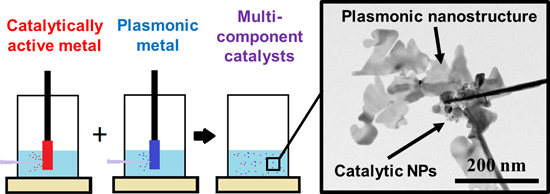
- plasmonic metal (antenna) and Pd NPs as catalyst (reactor), where Al2O3 prevented the contact between Ag and Pd [19]. After observing an enhanced reduction of acetylene and dissociation of H2 via photocatalysis, it was concluded that a plasmonic antenna can focus light onto the catalytic reactor and induce
- (TEM) operating at 120 kV. High-resolution bright-field imaging was carried out with a FEI Titan TEM operating at 300 kV. Catalytic activity was obtained in the following manner: To 1.0 mL distilled water, 5 μL of fresh 10−2 M 4-nitrophenol solution and 0.5 mL of 50 μg/mL catalyst suspension was added
- , over the course of thirty cycles at a loading ratio of 1:1. The determined rate constant is normalized for the diminishing concentration of catalyst. The activity of Ag–Rh did not diminish over the course of thirty cycles. However, the activity of Ag–Pt did. Both systems exhibited a sharp increase in


The influence of porosity on nanoparticle formation in hierarchical aluminophosphates
Beilstein J. Nanotechnol. 2019, 10, 1952–1957, doi:10.3762/bjnano.10.191
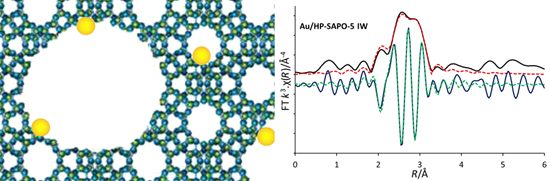
- aggregation, leading to increased catalyst lifetime and performance [5]. Yet, immobilisation further complicates nanoparticle design by introducing surface–nanoparticle interactions, which have been shown to have a significant influence on the catalytic efficacy [6]. Commonly, the supports used are porous
Facile synthesis of carbon nanotube-supported NiO//Fe2O3 for all-solid-state supercapacitors
Beilstein J. Nanotechnol. 2019, 10, 1923–1932, doi:10.3762/bjnano.10.188
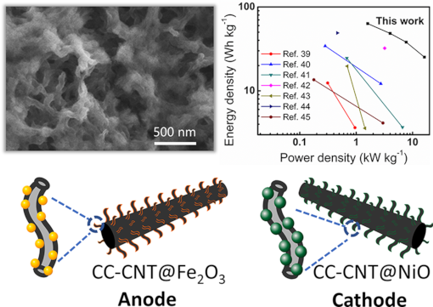
- CVD with a pretreatment of the CC. Typically, the CC (1 × 1 cm2, 11 mg) was treated with a mixture of H2SO4/HNO3 (3:1 volume ratio) at 70 °C for 2 h and then cleaned by sonication in deionized water and finally kept in a drying oven for 12 h. Afterward, the CC was immersed in catalyst, which consists
- oxygen plasma to make it hydrophilic and then immersed in diluted hydrochloric acid to remove residual catalyst and finally rinsed by deionized water and dried in an oven. Fabrication of CC-CNT@Fe2O3 and CC-CNT@NiO CC-CNT@Fe2O3: Fe2O3 was coated on the CC-CNT by a simple aqueous reduction method. Firstly


Long-term entrapment and temperature-controlled-release of SF6 gas in metal–organic frameworks (MOFs)
Beilstein J. Nanotechnol. 2019, 10, 1851–1859, doi:10.3762/bjnano.10.180
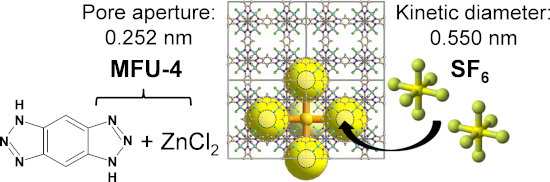
- was followed by a BelCat-B catalyst analyzer (Bel Japan, Inc.) coupled with a mass spectrometer (OmniStar GSD 320, Pfeiffer Vacuum). The sample was placed between two plugs of quartz wool in a quartz glass reactor and heated up to 500 °C (10 K·min−1) under a flow of helium (30 mL·min−1). The
- composition of the exhaust gas was analyzed by a mass spectrometer. The acid-induced gas release was carried out in a round-bottom flask purged with a flow of argon (100 mL·min−1) and connected to a BelCat-B catalyst analyzer (Bel Japan, Inc.) attached to a mass spectrometer (OmniStar GSD 320, Pfeiffer Vacuum


Processing nanoporous organic polymers in liquid amines
Beilstein J. Nanotechnol. 2019, 10, 1844–1850, doi:10.3762/bjnano.10.179
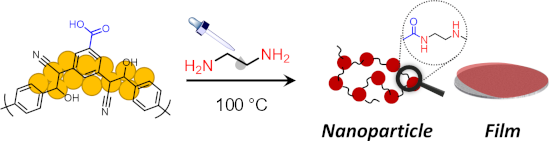
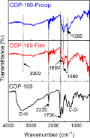
- no drastic change in the nitrile region (2200 cm−1). Moreover, the addition of an amine on a nitrile group cannot be achieved in a few seconds without catalyst despite the high temperature. The existence of carbonyl units at around 1700 cm−1 in COP-100 drew our attention. The carbonyl groups could
- likely when an acid catalyst is present [24]. Alternatively, carboxylic acid could react with amines to form amide linkages at high temperatures [25], which corresponds to new peaks shown on the FTIR spectra of both COP-100-Film and COP-100-Precip. at 3300 cm−1, 1660 cm−1, and 1560 cm−1 for amide N–H, C



Synthesis of nickel/gallium nanoalloys using a dual-source approach in 1-alkyl-3-methylimidazole ionic liquids
Beilstein J. Nanotechnol. 2019, 10, 1754–1767, doi:10.3762/bjnano.10.171
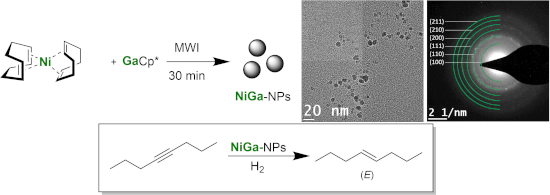
- , Germany Institut für Anorganische Chemie, Institut für nachhaltige Chemie & Katalyse mit Bor (ICB), Julius-Maximilians-Universität Würzburg, Am Hubland, 97074 Würzburg, Germany 10.3762/bjnano.10.171 Abstract NiGa is a catalyst for the semihydrogenation of alkynes. Here we show the influence of
- methanol were found for Ni5Ga3 and NiGa [37]. At 165 °C Ni5Ga3 (δ) yielded 100% selectivity towards methanol [38]. Above 220 °C Ni5Ga3 is even more active than a conventional Cu/ZnO/Al2O3 catalyst with less CO formation in the reverse water-gas shift reaction (rWGS). In Ni5Ga3 the Ga-rich step sites
- facilitate the methanol synthesis, the Ni-rich sites get self-poisoned by methanation and CO formation through rWGS [37]. In conclusion, Ni5Ga3(δ) was found to be the most active catalyst for CO2 hydrogenation [39][40][41]. Semihydrogenation of phenylacetylene to styrene using NiGa, Ni3Ga and Ni5Ga3 as




Novel hollow titanium dioxide nanospheres with antimicrobial activity against resistant bacteria
Beilstein J. Nanotechnol. 2019, 10, 1716–1725, doi:10.3762/bjnano.10.167
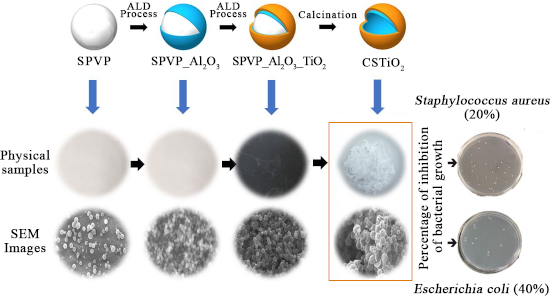
- their high stability, low cost, reusability, and high photocatalytic activity [6][7][8]. These excellent properties have been applied in many products such as foods, catalyst support, air purification, water disinfection, antibacterial, cosmetics and solar cells [9][10]. Photocatalytic TiO2 favors the


Materials nanoarchitectonics at two-dimensional liquid interfaces
Beilstein J. Nanotechnol. 2019, 10, 1559–1587, doi:10.3762/bjnano.10.153
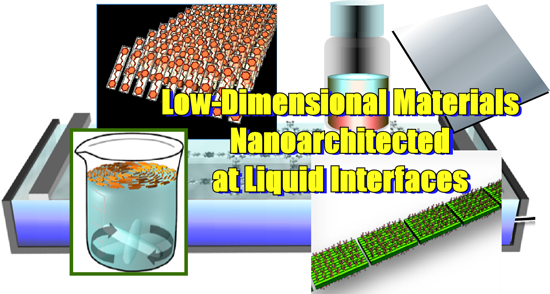
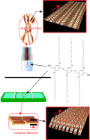
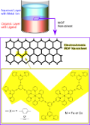
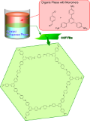
- amine monomer when deposited on an air–water interface together with a dialdehyde monomer. The monomers compressed with an LB trough were polymerized with acetic acid as catalyst in the water phase. Liquid–liquid interfaces are another class of interfaces used for the interfacial polymerization of 2DCPs
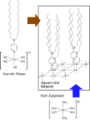
- thickness. The prepared materials were capable of selective permeation. In contrast to the two previous reports in which one of the COF monomers was dissolved into the aqueous phase, Matsumoto et al. confined the polymerization to the interface by segregating the catalyst from the COF monomers (Figure 13













Synthesis of P- and N-doped carbon catalysts for the oxygen reduction reaction via controlled phosphoric acid treatment of folic acid
Beilstein J. Nanotechnol. 2019, 10, 1497–1510, doi:10.3762/bjnano.10.148
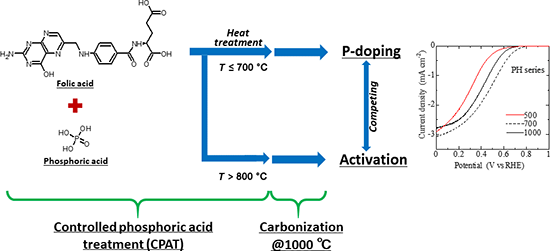
- materials [11]) and further improved their ORR activity and durability to afford a commercial CAC [12][13] and thus realized the world’s first portable PEFC cell containing a non-precious-metal cathode catalyst [14][15]. Much effort has been directed at the development of transition-metal-free carbon
- catalysts for the ORR, with the best practical performance so far observed for N-doped carbon materials [16]. For example, a recently reported metal-free catalyst based on N-doped carbon nanotubes showed high ORR activity even under acidic conditions and allowed for facile electricity generation when
- ]. Strelko et al. used theoretical methods to establish an interesting relationship between the bandgap energy of a given catalyst and its ability to promote reactions involving electron transfer [21]. Moreover, P-doping of graphitic layers was revealed to have an effect similar to that of N-doping and hence





Flexible freestanding MoS2-based composite paper for energy conversion and storage
Beilstein J. Nanotechnol. 2019, 10, 1488–1496, doi:10.3762/bjnano.10.147
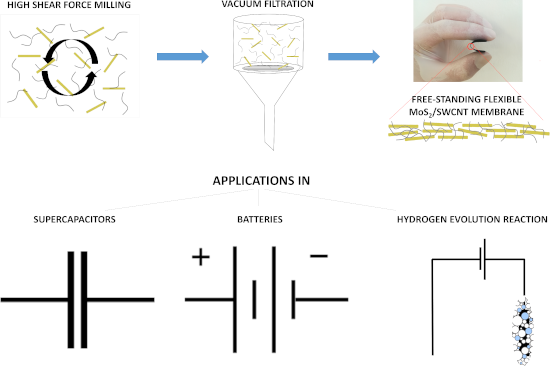
- high flexibility and combines the high conductivity of SWCNTs and electrochemical potential of MoS2. We also show that the material finds use as an anode in LIBs, supercapacitor electrodes and HER catalyst. The application for LIBs seems particularly promising as this composite material requires no
- identified (Supporting Information File 1, Table S1) that there was about 2.1 wt % of iron in the sample. This contamination originates from the carbon nanotubes, where iron usually serves as a catalyst for their growth [36]. X-ray photoelectron spectroscopy (XPS) was used to track the degree of degradation
- composite paper as a catalyst for the hydrogen evolution reaction (HER). The results are shown in Figure 6. Apart from the pristine material, we also treated the paper with n-butyllithium (BuLi) solution to introduce new active sites in the form of edge sites as well as defects. The pristine as-prepared


Hierarchically structured 3D carbon nanotube electrodes for electrocatalytic applications
Beilstein J. Nanotechnol. 2019, 10, 1475–1487, doi:10.3762/bjnano.10.146
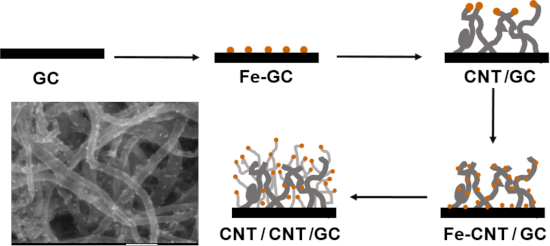
- ][5][6][7][8]. Besides the above-mentioned applications, CNTs have also been investigated as catalysts or catalyst supports for various electrocatalytic reactions [8][9][10][11][12][13], including methanol oxidation in direct methanol fuel cells (DMFCs). DMFCs are promising power sources for future
- to solve these issues are focused on the optimization of the catalyst, such as alloying Pt with a second metal such as Ni, Ru and Pd [20][21][22][23][24] or using Pt-metal oxide composites such as Pt/SnO2 and Pt/CeO2 [24][25][26][27][28]. Additionally, a variety of catalyst preparation methods, e.g
- ., colloidal synthesis [29][30][31], a galvanic replacement process [32][33][34][35] or microwave-assisted preparation [20][21][36], have been proposed to gain control over the structural features of the active nanoparticles. However, from heterogeneous catalysis it is generally known that a suitable catalyst





BiOCl/TiO2/diatomite composites with enhanced visible-light photocatalytic activity for the degradation of rhodamine B
Beilstein J. Nanotechnol. 2019, 10, 1412–1422, doi:10.3762/bjnano.10.139
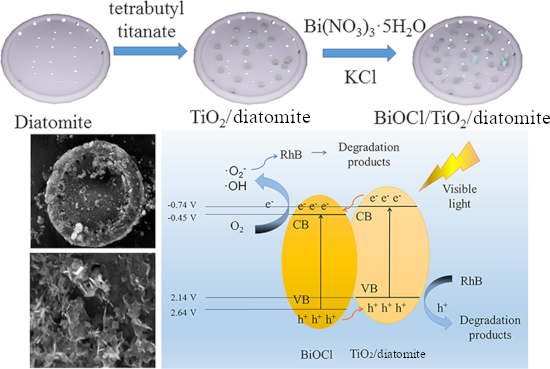
- the target degradation product. In addition, the photocatalytic mechanism was further analyzed by investigating the structure and photochemical properties of the catalyst. Experimental Materials Tetrabutyl titanate, ethanol, acetic acid, nitric acid, bismuth nitrate pentahydrate (Bi(NO3)3·5H2O
- temperature of TiO2 in the composites. This speculation is based on previous reports that some modification methods may lead to crystal transformation and grain size change [27][32]. The photocatalytic activity of the catalyst is related to its specific surface area. Generally, the larger the specific surface
- species [41]. The generation of particular active species in the photocatalytic process varies with the type of catalyst (mainly the energy band structure) [42]. KI, IPA and 1,4-benzoquinone (BQ) were used as scavengers for pores (h+), hydroxyl radicals (OH) and superoxide radicals (O2−), respectively, to


Warped graphitic layers generated by oxidation of fullerene extraction residue and its oxygen reduction catalytic activity
Beilstein J. Nanotechnol. 2019, 10, 1391–1400, doi:10.3762/bjnano.10.137
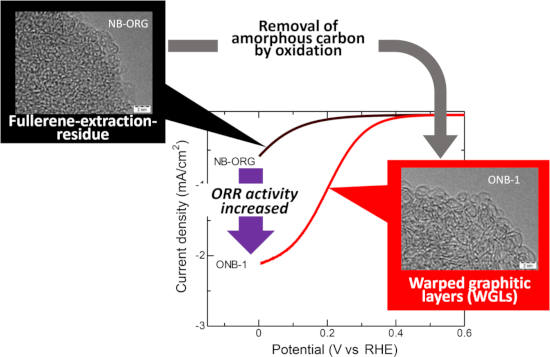
- Abstract Carbon-based oxygen reduction reaction (ORR) catalysts are regarded as a promising candidate to replace the currently used Pt catalyst in polymer electrolyte fuel cells (PEFCs); however, the active sites remain under discussion. We predicted that warped graphitic layers (WGLs) are responsible for
- ]. Improving an ORR catalyst by altering the catalyst design and preparation successfully led to the world's first commercialization of a portable fuel cell with a non-precious-metal catalyst [37][38]. Building on this success, we ultimately aim to apply our CACs to automobile and stationary device uses. These
- activity. Banham et al. studied the degradation of non-precious-metal catalysts and a carbon alloy catalyst [38]. They claim that carbon oxidation (attacked by H2O2) is the primary mechanism for performance loss during cell operation. Hence, this conclusion justifies the degrading effect of the specific



Highly ordered mesoporous silica film nanocomposites containing gold nanoparticles for the catalytic reduction of 4-nitrophenol
Beilstein J. Nanotechnol. 2019, 10, 1368–1379, doi:10.3762/bjnano.10.135
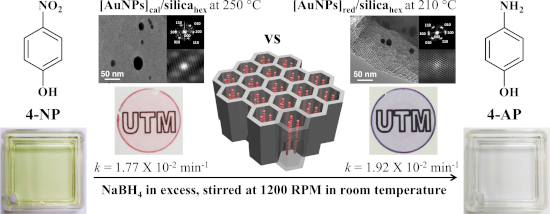
- . Such catalytic activity is due to the presence of gold nanoparticles of smaller size in the silicate channels of the highly ordered mesoporous film nanocomposites. Keywords: catalyst; gold nanoparticle; mesoporous silica; nanocomposite; thermal hydrogen reduction; 4-nitrophenol reduction
- and centrifugation in order to retrieve the catalysts. Hence, we highlight the utilization of thin film nanocomposites [AuNPs]red/silicahex as a heterogeneous catalyst for the reduction of 4-NP to 4-aminophenol (4-AP), where a thin film was simply dipped into the reaction system containing an excess
- other reports, the AuNP–film catalyst in this work showed higher catalytic activity for the reduction of 4-NP to 4-AP which was 10 times (0.199 × 10−2 min−1) and 4 times (0.45 × 10−2 min−1) higher than for AuNPs prepared from Gnida glauca leaf and stem extracts [45]. Another report by Shende et al. [46


Alloyed Pt3M (M = Co, Ni) nanoparticles supported on S- and N-doped carbon nanotubes for the oxygen reduction reaction
Beilstein J. Nanotechnol. 2019, 10, 1251–1269, doi:10.3762/bjnano.10.125
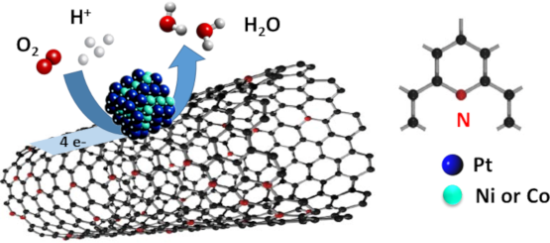
- reaction (ORR) have been evaluated in a rotating ring disk electrode experiment. The Pt3M/N-CNT catalysts revealed excellent electrochemical properties compared to a commercial Pt3Co/Vulcan XC-72 catalyst. The nature of the carbon support plays a key role in determining the properties of the metal
- contains generally four times more catalyst than the anodic layer, which explains why most of the research is focused on the optimization of the cathodic catalytic layer. Platinum nanoparticles (NPs) supported on carbon black (CB), especially Vulcan XC-72 [3][4], are usually used as the catalyst. To meet
- be done without compromise to the catalyst layer performance and durability. It is known that catalyst degradation via platinum dissolution and carbon corrosion plays an important role in the voltage degradation of PEMFCs [6][7][8]. CB, which is widely used, particularly for its low cost, suffers








Imaging the surface potential at the steps on the rutile TiO2(110) surface by Kelvin probe force microscopy
Beilstein J. Nanotechnol. 2019, 10, 1228–1236, doi:10.3762/bjnano.10.122
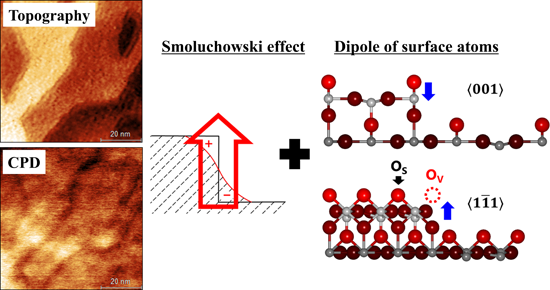
- steps in the catalytic reaction. Keywords: catalyst; Kelvin probe force microscopy; Smoluchowski effect; step; titanium dioxide; Introduction Titanium dioxide (TiO2) has attracted considerable interest for its promising applications as a photocatalyst and as catalyst support, as well as in gas sensors
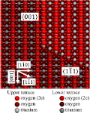
![[Graphic 16]](/bjnano/content/inline/2190-4286-10-122-i16.svg?max-width=637&scale=1.18182) and
and ![[Graphic 17]](/bjnano/content/inline/2190-4286-10-122-i17.svg?max-width=637&scale=1.18182) .
.
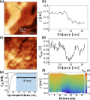

![[Graphic 38]](/bjnano/content/inline/2190-4286-10-122-i38.svg?max-width=637&scale=1.18182) and
and ![[Graphic 39]](/bjnano/content/inline/2190-4286-10-122-i39.svg?max-width=637&scale=1.18182) steps. (a) Topographic image...
steps. (a) Topographic image...


![[Graphic 72]](/bjnano/content/inline/2190-4286-10-122-i72.svg?max-width=637&scale=1.18182) , b)
, b) ![[Graphic 73]](/bjnano/content/inline/2190-4286-10-122-i73.svg?max-width=637&scale=1.18182) , c) reduced
, c) reduced ![[Graphic 74]](/bjnano/content/inline/2190-4286-10-122-i74.svg?max-width=637&scale=1.18182) , and d)
, and d) ![[Graphic 75]](/bjnano/content/inline/2190-4286-10-122-i75.svg?max-width=637&scale=1.18182) steps. B...
steps. B...
Playing with covalent triazine framework tiles for improved CO2 adsorption properties and catalytic performance
Beilstein J. Nanotechnol. 2019, 10, 1217–1227, doi:10.3762/bjnano.10.121
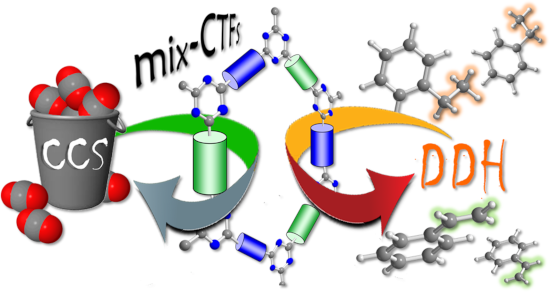
- ][40][41][42][43][44]. Most importantly, the rational balance between morphological and basic material surface properties has been claimed to control the catalyst stability on stream: the higher the “chemically accessible” surface basicity, the lower the sample deactivation/passivation due to the
- selectivity) as well as stability on stream. Results and Discussion Synthesis and characterization of CTF1–5 CTF samples have been prepared under ionothermal conditions, using molten ZnCl2 as reaction medium and Lewis acid cyanotrimerization catalyst [14]. As ZnCl2 is supposed to act as a porogene, it was
- comparative analysis of CTFs featuring different chemical and morphological properties, we postulated the existence of a close relationship between the rate of cracking side reactions leading to catalyst deactivation (formation of coke deposits) and the kinetic desorption of reagents and products from the


A highly efficient porous rod-like Ce-doped ZnO photocatalyst for the degradation of dye contaminants in water
Beilstein J. Nanotechnol. 2019, 10, 1157–1165, doi:10.3762/bjnano.10.115
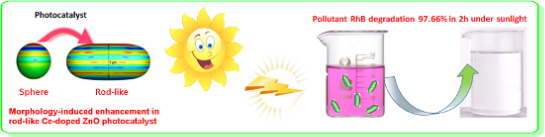
- spectroscopy (XPS), scanning electron microscope (SEM) and inductively coupled plasma emission spectroscopy (ICP), respectively. The newly developed, robust, field-only surface integral method was employed to explore the relationship between the remarkable catalytic effect and the catalyst shape and porous
- concentration of RhB and catalyst, pH value and temperature. The results indicate that the pH value is the main influential factor in the photocatalytic degradation process and the optimal experimental conditions to achieve the maximum degradation rate of 97.66% in 2 hours are as follows: concentration (RhB
- ) = 10 mg/L, concentration (catalyst) = 0.7 g/L, pH 9.0 and T = 50 °C. These optimum conditions supply a helpful reference for large-scale wastewater degradation containing the common water contaminant RhB. Keywords: Ce-doped ZnO; photocatalyst; rhodamine B; solar degradation; surface shape


Photoactive nanoarchitectures based on clays incorporating TiO2 and ZnO nanoparticles
Beilstein J. Nanotechnol. 2019, 10, 1140–1156, doi:10.3762/bjnano.10.114
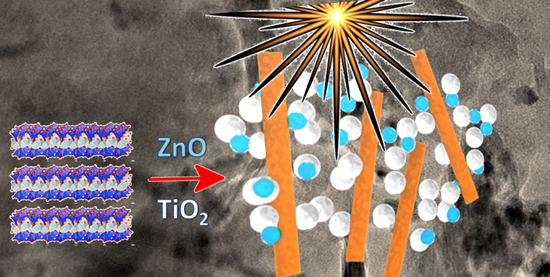
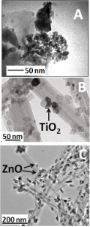
- revealed by TEM (Figure 5A), leads to efficient nanostructured materials for the photocatalytic production of hydrogen tested in methanol photoreforming. Herein, montmorillonite-based nanoarchitectures are less efficient as hydrogen production catalyst than nanoarchitectures derived from sepiolite. Higher
- photodeposition procedure, reprinted with permission from [131], copyright 2015 Elsevier; (B) hydrogen production in methanol photoreforming using this Pt-doped clay nanoarchitecture as catalyst [131]. The structural arrangement of the [Ru(bpy)3]2+–TiO2@clay nanoarchitecture and its photocatalytic activity in the