Search results
Search for "environmental" in Full Text gives 600 result(s) in Beilstein Journal of Nanotechnology. Showing first 200.
Water-assisted purification during electron beam-induced deposition of platinum and gold
Beilstein J. Nanotechnol. 2024, 15, 884–896, doi:10.3762/bjnano.15.73
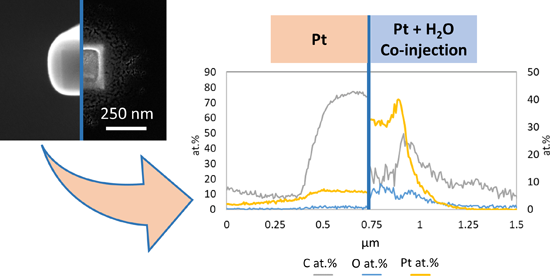
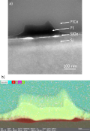
- agent under non-environmental SEM conditions [24]. Water-assisted purification of platinum deposits Purification of Pt deposits was achieved only by using co-injection from two separate nozzles. Experiments with co-injection of both gases from the same nozzle led to no purification of the deposits. Also
- /Au atom % ratio of 0.5 was achieved. Total purification of the deposit was not achieved because of the water pressure limitations posed by the use of a standard SEM. The possibility of achieving higher chamber pressures, for example, through the use of an environmental SEM (ESEM), would probably





Investigation on drag reduction on rotating blade surfaces with microtextures
Beilstein J. Nanotechnol. 2024, 15, 833–853, doi:10.3762/bjnano.15.70
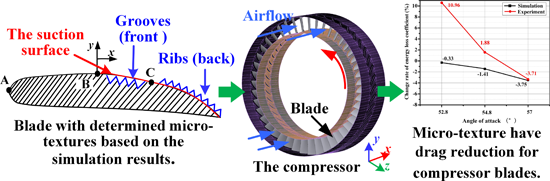
- comprise multiple stages of impellers, as shown in Figure 2a. When the compressor is working, the air flow is driven by the rotation of the impeller from the inlet to the outlet, as shown in Figure 2b. The working conditions of the impeller mainly include the rotational speed and the environmental


Intermixing of MoS2 and WS2 photocatalysts toward methylene blue photodegradation
Beilstein J. Nanotechnol. 2024, 15, 817–829, doi:10.3762/bjnano.15.68
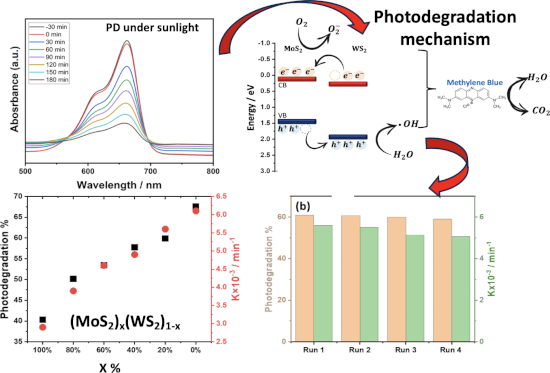
- catalyst when MoS2 and WS2 were mixed at 0.2 and 0.8 ratios, respectively. Indeed, we noticed that the phase intermixing induced a synergistic effect leading to an enhanced stability of the composite. The low-quantity catalyst loading emphasizes the economic and environmental advantages of our approach
- evaluation under real conditions under sunlight showed an increased PD efficiency. Overall, our approach is cost-effective, reproducible, and can be further employed in the development of composites processed by CVD, providing a potential solution to address the growing concerns of environmental pollution


Electron-induced ligand loss from iron tetracarbonyl methyl acrylate
Beilstein J. Nanotechnol. 2024, 15, 797–807, doi:10.3762/bjnano.15.66
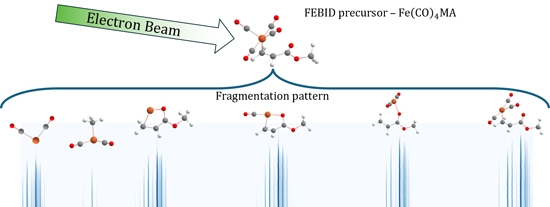
- represents perhaps the “cleanest” approach since it probes the reaction of one precursor molecule with at most one electron, without environmental influences (e.g., precursor–precursor or precursor–substrate effects). The possibility of making iron nanostructures is important mainly because of their magnetic



Electrospun polysuccinimide scaffolds containing different salts as potential wound dressing material
Beilstein J. Nanotechnol. 2024, 15, 781–796, doi:10.3762/bjnano.15.65
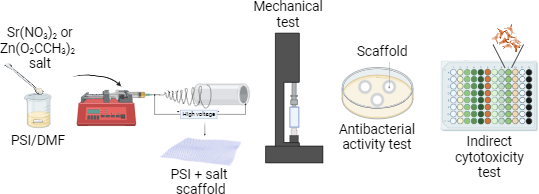
- polymeric scaffold containing polysuccinimide (PSI) and antibacterial salts. Antibacterial agents for therapeutical purposes mostly contain silver ions which are associated with high environmental impact and, in some cases, may cause undesired immune reactions. In our work, we prepared nanofibrous systems
- to apply silver ions, which are frequently used in clinical practice. However, they can cause a large environmental burden [26][27] and, in some cases, allergies [28]. Since urgent actions are needed to stop AMR and avoid the negative environmental impact, developing other agents and treatment



Exploring surface charge dynamics: implications for AFM height measurements in 2D materials
Beilstein J. Nanotechnol. 2024, 15, 767–780, doi:10.3762/bjnano.15.64
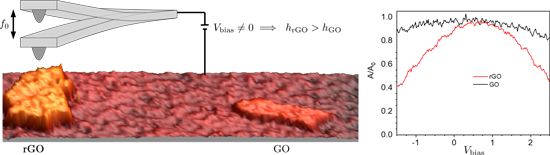
- microscopy (AFM) techniques emerge as ideal tools to investigate them [26][27]. Depending on the operation mode and under controlled environmental conditions, AFM offers the possibility to record morphology along with relevant electronic, mechanical, or magnetic properties with nanoscale resolution. In
- be overestimated, especially in comparison to those obtained in contact mode [8][47][48][49][50][51][52]. As discussed above, the extent of the discrepancy depends on the operation mode [53][54] and environmental conditions [8] and is notably pronounced in samples grown on insulating substrates [55


Green synthesis of biomass-derived carbon quantum dots for photocatalytic degradation of methylene blue
Beilstein J. Nanotechnol. 2024, 15, 755–766, doi:10.3762/bjnano.15.63
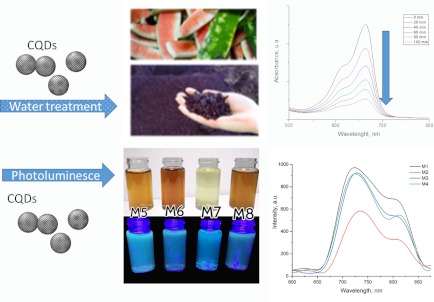
- are often ineffective against resistant dyes, necessitating more advanced and sustainable technologies [3][4][5][6][7]. Embracing more sustainable practices and developing eco-friendly technologies are key to achieving a balance between textile production and environmental preservation [8][9][10][11
- to provide a greener and more efficient solution for wastewater treatment in the textile industry, reducing environmental impact and conserving clean water resources. This research represents a significant step towards addressing water pollution caused by the textile industry, and highlights the
- the efficacy of the top-down hydrothermal method for CQD production, offering insights for tailored applications and emphasizing the potential of biomass-derived nanomaterials in environmental remediation and biomedicine, paving the way for the development of sustainable and effective technologies. UV


Enhancing higher-order modal response in multifrequency atomic force microscopy with a coupled cantilever system
Beilstein J. Nanotechnol. 2024, 15, 694–703, doi:10.3762/bjnano.15.57

- the coupling ability of the coupled system. In addition, it is inevitable that environmental damping has an effect on the results. Experimental exploration of optimal conditions Through preliminary sweeping experiments, we obtained the frequencies of the left-side length l at 1.50, 2.00, 2.50, 2.75


Functional fibrillar interfaces: Biological hair as inspiration across scales
Beilstein J. Nanotechnol. 2024, 15, 664–677, doi:10.3762/bjnano.15.55
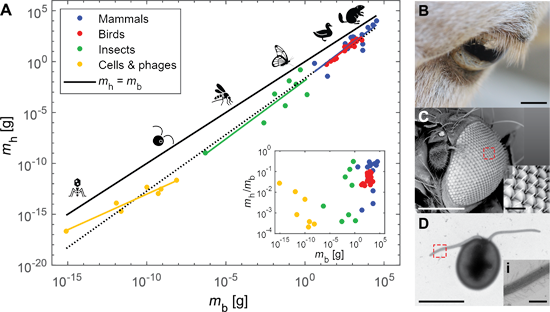
- difference of ≈10−4 °C. Therefore, thermal insulation would have a negligible effect on thermoregulation at this scale. Instead, cells may be able to regulate their metabolic rates in response to changes in environmental temperatures [38]. Wettability Superhydrophobic surfaces have the unique capability of


Comparative analysis of the ultrastructure and adhesive secretion pathways of different smooth attachment pads of the stick insect Medauroidea extradentata (Phasmatodea)
Beilstein J. Nanotechnol. 2024, 15, 612–630, doi:10.3762/bjnano.15.52
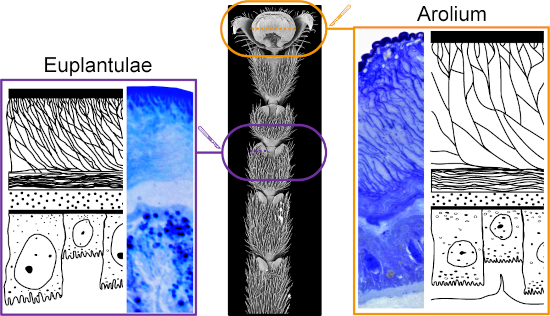
- environmental conditions such as wear [76] and evaporation [44]. This enhanced resilience comes at the expense of reduced adaptability to surface irregularities. As a frictional pad, the euplantula requires increased wear resistance, prioritizing it over optimal conformability to surfaces to withstand applied





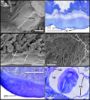
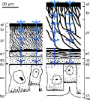
AFM-IR investigation of thin PECVD SiOx films on a polypropylene substrate in the surface-sensitive mode
Beilstein J. Nanotechnol. 2024, 15, 603–611, doi:10.3762/bjnano.15.51
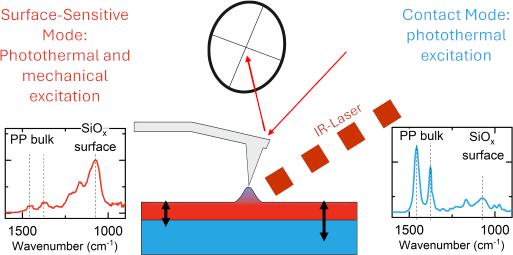
- spectroscopy (NAP-XPS) using a NAP-XPS system with a Phoibos150 NAP analyzer from Specs Surface Nano Analysis GmbH. The setup has a µ-FOCUS 600 X-ray monochromator NAP source working with monochromatic Al Kα radiation at 1468.7 eV. The power was set to 50 W for all measurements. For the environmental charge
- spectra, the peaks of oxygen, nitrogen, carbon, and silicon are visible. The N 1s peak originates from the nitrogen atmosphere which was used for the environmental charge compensation [18]. The C 1s peak can be assigned to adventitious carbon for the sample with a 50 nm SiOx layer. For the sample with a 5
- 50 nm SiOx measured in a 1.5 mbar N2 atmosphere for environmental charge compensation. Black dots represent measured data, while the blue lines are fits to the data that incorporate different components as indicated by the red lines. NAP-XPS survey (a) and high-resolution core level spectra of oxygen


Radiofrequency enhances drug release from responsive nanoflowers for hepatocellular carcinoma therapy
Beilstein J. Nanotechnol. 2024, 15, 569–579, doi:10.3762/bjnano.15.49
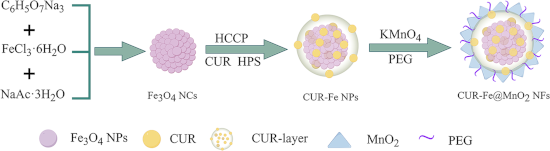
- of the CUR-Fe@MnO2 NFs were 57% and 70%, respectively. The drug release curves showed similar trends under different environmental conditions (Figure 4c,d). At pH 7.4, only 9% of CUR was released from the CUR-Fe@MnO2 NFs, indicating that CUR release is lower under physiological conditions. However


Photocatalytic degradation of methylene blue under visible light by cobalt ferrite nanoparticles/graphene quantum dots
Beilstein J. Nanotechnol. 2024, 15, 475–489, doi:10.3762/bjnano.15.43
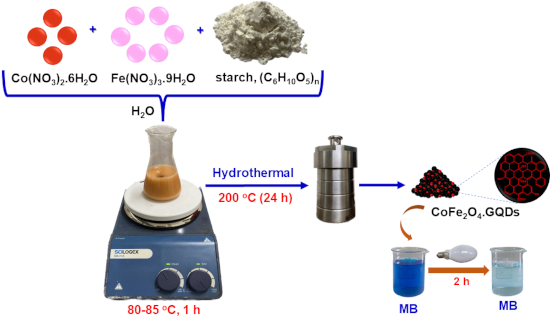
- electrons and holes. These results suggest that the CoFe2O4/GQD nanocomposite is a potential catalyst for methylene blue degradation and various environmental applications. XRD patterns of (a) CF and (b) CF/GQDs. (a) UV–vis absorption spectra of the GQD solution; inset: GQD solution under white light (left




Potential of a deep eutectic solvent in silver nanoparticle fabrication for antibiotic residue detection
Beilstein J. Nanotechnol. 2024, 15, 426–434, doi:10.3762/bjnano.15.38
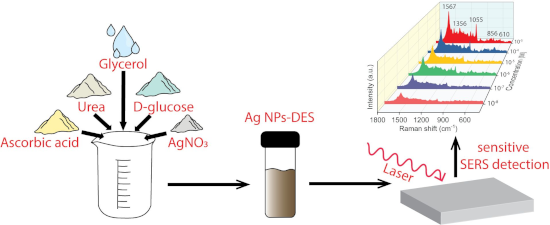
- ], and other analytical measurements regarding food, medical, and environmental issues [12][13][14]. Undeniably, SERS is the future for sensor design. So far, most achievements regarding SERS rely on the development of plasmonic materials. Noble metals (e.g., Au, Ag, and Cu) are the most important group


Ultrasensitive and ultrastretchable metal crack strain sensor based on helical polydimethylsiloxane
Beilstein J. Nanotechnol. 2024, 15, 270–278, doi:10.3762/bjnano.15.25
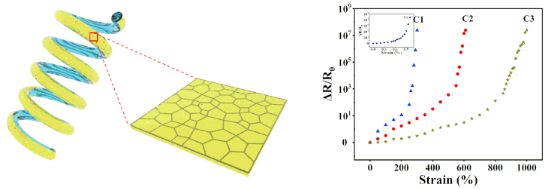
- indicate that the sensor possesses enhanced capability in detecting variations in ambient temperature and effectively monitoring them. Furthermore, the sensor exhibits prompt and accurate perception in response to fluctuations in environmental temperature, as depicted in Figure 4b. To showcase the efficacy
- durability. This versatile sensor not only accurately detects subtle physiological signals, such as human joint movement. It is also effective in determining changes of the environmental temperature and enables mechanical control mechanisms for security alert systems. This article presents an innovative


Multiscale modelling of biomolecular corona formation on metallic surfaces
Beilstein J. Nanotechnol. 2024, 15, 215–229, doi:10.3762/bjnano.15.21
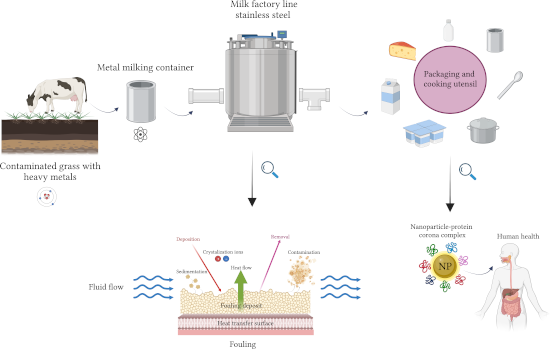
- corona; Introduction The interface between biological systems and engineered materials has gained significant attention in recent years because of its wide range of applications, spanning from food to medicine and environmental science [1][2]. This interface plays a crucial role in ensuring the safety
- corona content and optimize the processes in food and chemical industry. The presented methodology can be easily extended to other molecules, materials, and contexts involving the bionano interface such as environmental safety, health, medical devices, or toxicology. Schematic representation of the life





Ion beam processing of DNA origami nanostructures
Beilstein J. Nanotechnol. 2024, 15, 207–214, doi:10.3762/bjnano.15.20
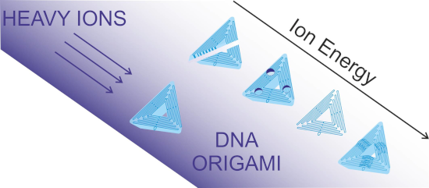
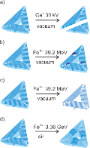
- seen, for ion beam irradiation in air. The height profiles may also be sensitive to environmental conditions especially the nature and availability of counterions [52]; hence, there is a need for in situ chemical analysis to fundamentally explore these effects, which are, at the moment, complicated to


New application of bimetallic Ag/Pt nanoplates in a colorimetric biosensor for specific detection of E. coli in water
Beilstein J. Nanotechnol. 2024, 15, 95–103, doi:10.3762/bjnano.15.9
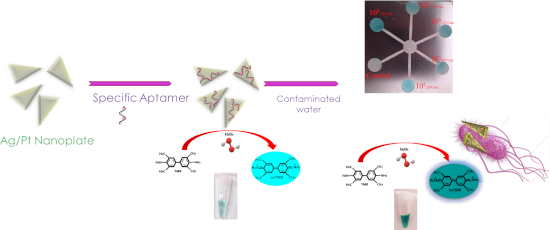
- such as pathogens [14]. Functional nanomaterials with catalytic activity similar to enzymes (nanozymes) reveal substantial benefits over natural enzymes, such as ultrahigh environmental stability, appropriate catalytic activity, and ease of prototyping [15][16]. We created plate-like silver


Influence of conductive carbon and MnCo2O4 on morphological and electrical properties of hydrogels for electrochemical energy conversion
Beilstein J. Nanotechnol. 2024, 15, 57–70, doi:10.3762/bjnano.15.6
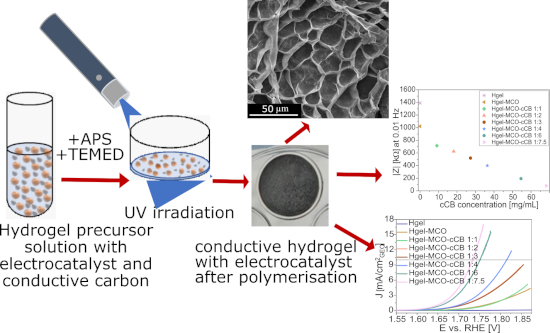
- ], and environmental [17][18]. In recent years, scientists have been very interested in the use of hydrogels in electrocatalytic water splitting to produce hydrogen from renewable energy sources. These studies assume the use of empty spaces, thus ensuring efficient mass transport, as well as increasing
- , such as environmental engineering [32], renewable energy [22][33][34][35], electronics [36][37][38], medical devices [39][40][41], and drug delivery systems [42][43][44][45]. They combine the properties of a hydrophilic matrix with conductive properties obtained thanks to the use of an appropriate


Nanotechnological approaches in the treatment of schistosomiasis: an overview
Beilstein J. Nanotechnol. 2024, 15, 13–25, doi:10.3762/bjnano.15.2
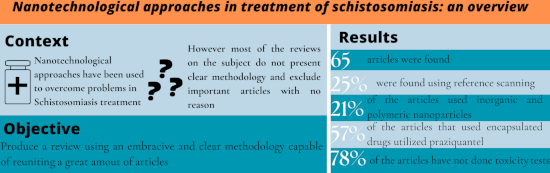
- intricacies related to these formulations. Despite none of the authors explicitly mentioning stability challenges as a concern in the nanoparticle manufacturing process, especially in tropical regions characterized by elevated temperatures and humidity, it is a critical aspect to consider. Such environmental


A multi-resistance wide-range calibration sample for conductive probe atomic force microscopy measurements
Beilstein J. Nanotechnol. 2023, 14, 1141–1148, doi:10.3762/bjnano.14.94
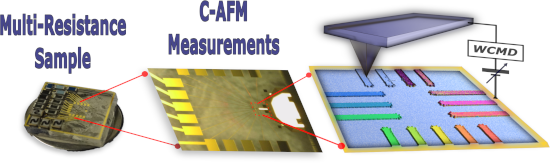
- ]. Nevertheless, quantifying the measured currents and resistances remains a bottleneck issue in C-AFM, inhibiting an effective comparison of results to comprehend experimental processes. C-AFM measurements are prone to environmental and experimental factors that heavily affect their stability, reproducibility
- 1, section S2). The combined uncertainty values in Table 1 were calculated using the root-sum-square method (RSS) from uncertainties related to the sample, the environmental conditions, the measurement circuit, and the measurement repeatability. The uncertainties were estimated using the reference
- -built external wide-range current measuring device (WCMD), connected to the AFM system operating under ambient environmental conditions (no shielding and no air conditioning system). The WCMD device consists of a current amplifier with an automatic gain regulation. It allows for, under usual AFM


Sulfur nanocomposites with insecticidal effect for the control of Bactericera cockerelli
Beilstein J. Nanotechnol. 2023, 14, 1106–1115, doi:10.3762/bjnano.14.91
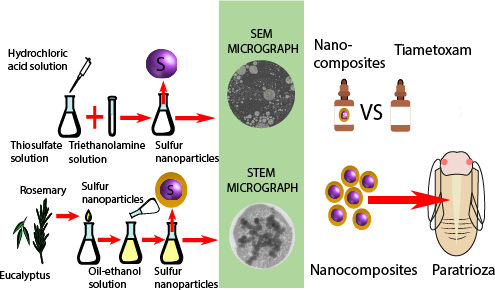
- not only improves the yield; it also reduces the amount of required pesticide and environmental hazards [16]. Sulfur is considered one of the oldest pesticides used in agriculture for the treatment of a wide range of plant diseases [17]. Elemental sulfur in nanoparticulate forms can be generated by


Properties of tin oxide films grown by atomic layer deposition from tin tetraiodide and ozone
Beilstein J. Nanotechnol. 2023, 14, 1085–1092, doi:10.3762/bjnano.14.89
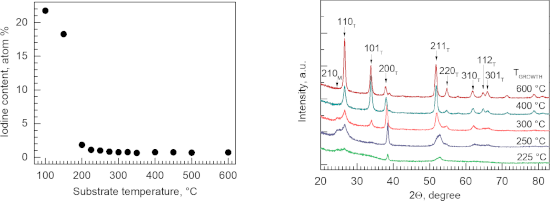
- peak at the binding energy typical of surface OH (Figure 10b). This might be related to the chemisorption and decomposition of environmental humidity, enhanced on more crystallised film surfaces. Such a surface OH contribution has been described earlier [33][34]. Complementarily, the valence-band


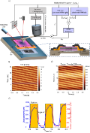
Spatial mapping of photovoltage and light-induced displacement of on-chip coupled piezo/photodiodes by Kelvin probe force microscopy under modulated illumination
Beilstein J. Nanotechnol. 2023, 14, 1059–1067, doi:10.3762/bjnano.14.87
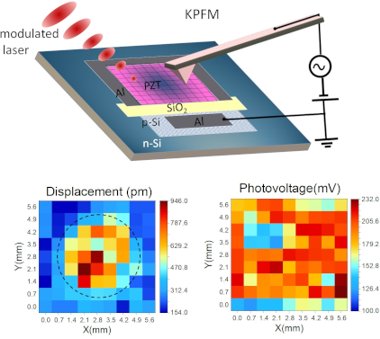
- precise motion with high resolution. This offers promising possibilities for biomedical, environmental, and micro/nanoengineering applications [5][6]. Various types of design and actuation mechanisms have been developed in recent years [7][8]. A primary requirement to unlock the better performance of


A visible-light photodetector based on heterojunctions between CuO nanoparticles and ZnO nanorods
Beilstein J. Nanotechnol. 2023, 14, 1018–1027, doi:10.3762/bjnano.14.84
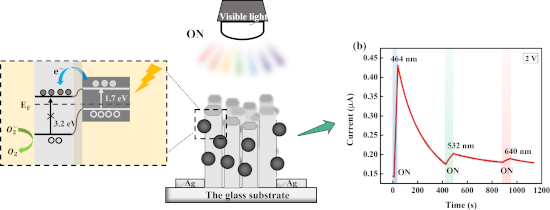
- photodetectors (PDs) to “Industry 4.0”, which may include image sensors, biomedical imaging, manufacturing process control, environmental sensing, and optical sensors [8]. Various materials for photodetectors have been developed. Photodetectors can be classified into two main categories, namely PDs that work at