


Search results
Search for "evolution" in Full Text gives 706 result(s) in Beilstein Journal of Nanotechnology. Showing first 200.
A wearable nanoscale heart sound sensor based on P(VDF-TrFE)/ZnO/GR and its application in cardiac disease detection
Beilstein J. Nanotechnol. 2023, 14, 819–833, doi:10.3762/bjnano.14.67
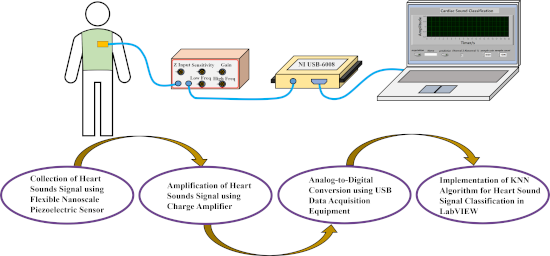
- bottle was sealed and placed in a shaking mixer and shaken for 3 h. Next, ZnO nanoparticles (Shanghai Keyan Industrial Co., Ltd., particle size 3 ± 5 nm, content ≥99.8%) and GR filler (Shenzhen Turing Evolution Technology Co., Ltd., carbon content 98%, average diameter/thickness ratio = 9500) were added


In situ magnesiothermic reduction synthesis of a Ge@C composite for high-performance lithium-ion batterie anodes
Beilstein J. Nanotechnol. 2023, 14, 751–761, doi:10.3762/bjnano.14.62
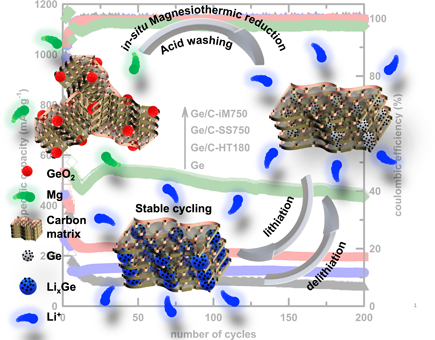
- carried out for structural and phase information. Infrared (IR, Shimadzu IRAffinity-1S) and Raman (LabRAM HR evolution confocal Raman microscope) spectra were measured for bond analysis. Field-emission scanning electron microscopy (FE-SEM, Hitachi S-4800) and high-resolution transmission electron


Cross-sectional Kelvin probe force microscopy on III–V epitaxial multilayer stacks: challenges and perspectives
Beilstein J. Nanotechnol. 2023, 14, 725–737, doi:10.3762/bjnano.14.59
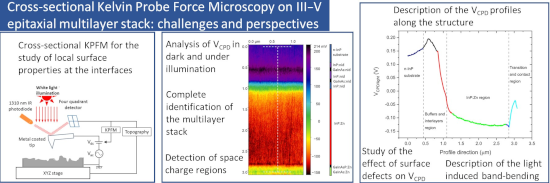
- the narrower interlayers and of the position of the metallurgical junctions at the InP:nid/InP:Zn and the InP:Zn/GaInAsP:Zn interfaces, which were more undefined in the previous VCPD/dark image. Overall, the VCPD/light profile follows the same evolution as the profile of VCPD/dark; also in this case
- profile at equilibrium of the surface band energies (black: valence band maximum, EV, and red: conduction band minimum, EC) along the structure assumed free of any surface defects. The constant Fermi level, EF, is taken as the energy reference (blue horizontal line). (b) VCPD evolution along the same


Nanomaterials for photocatalysis and applications in environmental remediation and renewable energy
Beilstein J. Nanotechnol. 2023, 14, 722–724, doi:10.3762/bjnano.14.58

- Wee-Jun Ong Ho Chi Minh City and Sepang, June 2023. A general photocatalytic mechanism for several possible target processes: (1) NOx degradation, (2) water splitting for hydrogen and oxygen evolution reactions, (3) degradation of organic pollutants, and (4) solar cell application. Acknowledgements

Current-induced mechanical torque in chiral molecular rotors
Beilstein J. Nanotechnol. 2023, 14, 711–721, doi:10.3762/bjnano.14.57
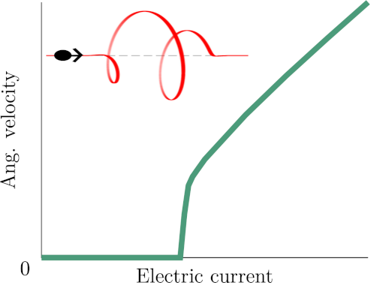
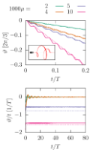
- subject to the current. Limits of the sudden approximation Figure 2 shows the time evolution of ϑ during and after a collision with a particle for three different impact velocities. The initial condition for the helix was and the particle was put at the entrance of the helix with impact velocity . At the
- a particle current I, as Equation 16 suggests. Figure 3 shows the evolution of the angle when the 1.5-helix is under a current. The traces contain tiny sequential steps, which are more pronounced for large μ. These are the angular boosts produced by the collisions. The plot also shows a comparison
- the sudden limit. Other parameters are μ = m/M = 0.004, δN = 1, and the potential of Equation 12. Time evolution of the angle of the path ϑ under a current IT = 40, for different mass ratios μ = m/M and T/R = 1000. The path is an N-helix with N = 1.5, δN = 1 (depicted in the inset). Numerical results




![[Graphic 29]](/bjnano/content/inline/2190-4286-14-57-i54.svg?max-width=637&scale=1.18182)


The microstrain-accompanied structural phase transition from h-MoO3 to α-MoO3 investigated by in situ X-ray diffraction
Beilstein J. Nanotechnol. 2023, 14, 692–700, doi:10.3762/bjnano.14.55
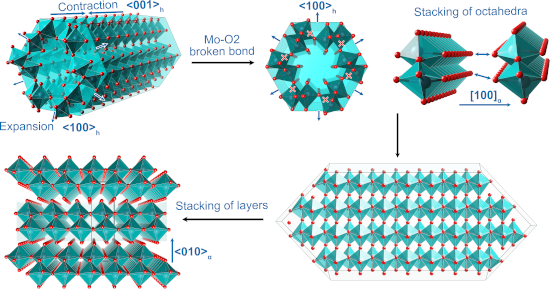
- α-MoO3 To observe the crystal structure evolution of h-MoO3 induced by temperature, a thoroughly powdered sample was used to perform in situ X-ray diffraction measurements during heating from 30 to 450 °C, as shown in Figure 1a. At 30 °C, all diffraction peaks can be well indexed to the hexagonal
- is also reflected by the relaxation of the Mo–O3 bond from a short bond (1.813 Å at 360 °C) to a normal value (1.967 Å at 400 °C). Based on the above analysis, we obtain the structural evolution of the h-MoO3→α-MoO3 phase transition, as illustrated in Figure 6. Heating the h-MoO3 phase causes not
- temperature-induced structural evolution of h-MoO3, finely ground powders were measured using an X-ray diffractometer (Rigaku SmartLab) equipped with a high-temperature holder HTTK600, using Cu Kα radiation (λ = 1.5406 Å). The 2θ range was 5–70°, and the temperature range was 30–450 °C. The scanning rate was


Titania nanoparticles for photocatalytic degradation of ethanol under simulated solar light
Beilstein J. Nanotechnol. 2023, 14, 616–630, doi:10.3762/bjnano.14.51
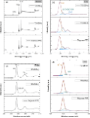
- gas production has been detected for the samples from series “b”, whereas the CO2 evolution was observed for all samples from series “a”. Keywords: ethanol; H2 production; laser pyrolysis; photocatalyst; TiO2 nanoparticles; Introduction Semiconductor materials are widely used, from electronic
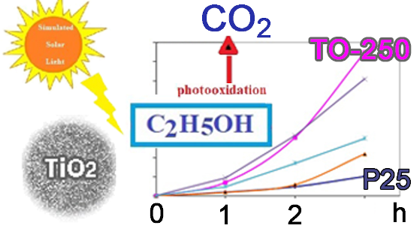
- available at the surface. Carbon dioxide evolution The photo-oxidative conversion of ethanol to CO2 (and water) under simulated sunlight irradiation is depicted in Figure 10, revealing the different kinds of behavior of the sample series “a” and “b”. All samples of series “a” show a significant activity
- ) P25, (b) TO-250-a, (c) TO-450-a, (d) TO-650-a, (e) TO-850-a, (f) TO-250-b, (g) TO-450-b, (h) TO-650-b, and (i) TO-850-b. Photocatalytic H2 evolution from C2H5OH vapors over both catalyst series under simulated solar light irradiation: (a) series “a” and (b) series “b”. Photocatalytic CO2 evolution




Nanoarchitectonics to entrap living cells in silica-based systems: encapsulations with yolk–shell and sepiolite nanomaterials
Beilstein J. Nanotechnol. 2023, 14, 522–534, doi:10.3762/bjnano.14.43
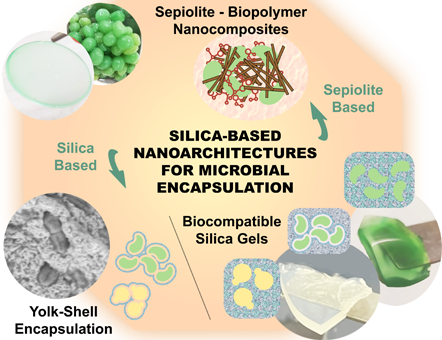
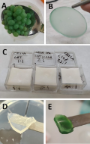
- biological viability (“gas release” as a measurement of active metabolism and “cell leakage” measuring the encapsulation strength). Physical-structural robustness focuses on the evolution of physical appearance and mechanical resistance of the bulk material with time. Macroscopic appearance corresponds to a


Specific absorption rate of randomly oriented magnetic nanoparticles in a static magnetic field
Beilstein J. Nanotechnol. 2023, 14, 485–493, doi:10.3762/bjnano.14.39
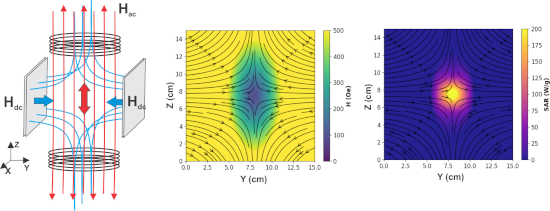
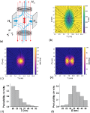
- , perpendicular to the ac magnetic field (see Figure 3c). As Figure 3d shows, this leads to a sharp drop in the particle hysteresis loop area. In addition to Figure 3, Figure 4 shows the evolution of the surface of the normalized energy density of a nanoparticle, W(θ,φ)/K1V, as a function of the spherical angles
- same for Hdc = 800 Oe. (d) Dynamic hysteresis loops of the nanoparticle for Hdc = 0, 200, 400, and 800 Oe, respectively. Evolution of the normalized energy density of a particle, W(θ,φ)/K1V, as a function of dc magnetic field applied perpendicular to the particle easy anisotropy axis: (a, b) Hdc = 0 Oe


Evaluation of electrosynthesized reduced graphene oxide–Ni/Fe/Co-based (oxy)hydroxide catalysts towards the oxygen evolution reaction
Beilstein J. Nanotechnol. 2023, 14, 420–433, doi:10.3762/bjnano.14.34
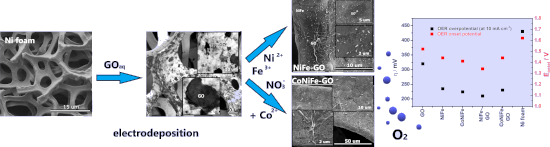
- Cracow, Poland 10.3762/bjnano.14.34 Abstract In this work, the specific role of the addition of graphene oxide (GO) to state-of-the-art nickel–iron (NiFe) and cobalt–nickel–iron (CoNiFe) mixed oxides/hydroxides towards the oxygen evolution reaction (OER) is investigated. Morphology, structure, and OER
- catalysts specifically influenced the process. The improvement in the OER by NiFe-GO results mainly from the structure of NiFe and the electroactive surface area of GO. Keywords: electrocatalysts; electrodeposition; energy; hydrogen; oxygen evolution reaction; Introduction Nowadays, the industrial
- process is primarily the oxygen evolution reaction (OER) due to its sluggish kinetics resulting in a high overpotential and low efficiency [4]. To overcome this problem, robust anode electrode catalyst materials are required. Since the Ru- and Pt-based catalysts used so far for OER are made using limited




Plasmonic nanotechnology for photothermal applications – an evaluation
Beilstein J. Nanotechnol. 2023, 14, 380–419, doi:10.3762/bjnano.14.33
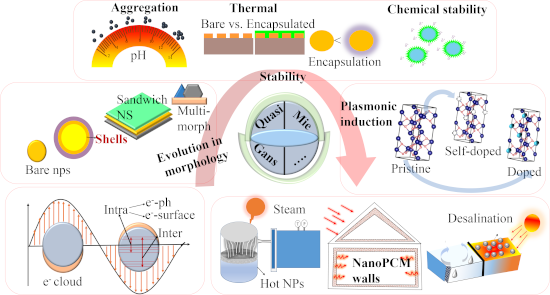
- geometry, or inaccuracies in modelling the temporal evolution of the generated heat, to name a few. With this understanding of the myriad of theoretical and phenomenological phenomena, considerations, and evaluations in PPT heating, the different materials that have been investigated are well worth




Quercetin- and caffeic acid-functionalized chitosan-capped colloidal silver nanoparticles: one-pot synthesis, characterization, and anticancer and antibacterial activities
Beilstein J. Nanotechnol. 2023, 14, 362–376, doi:10.3762/bjnano.14.31
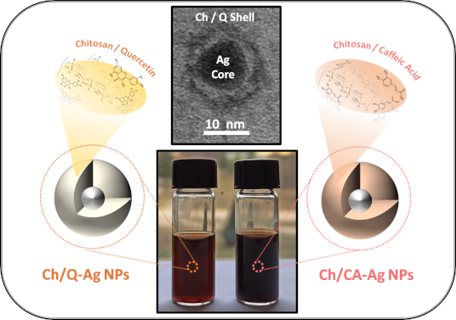
- characteristic surface plasmon resonance (SPR) absorption peak, which is due to the collective oscillation of free surface electrons in resonance with the electric field component of incoming photons, is located at 404 nm. However, the evolution of the absorption curve exhibits changes after the introduction of


Quasi-guided modes resulting from the band folding effect in a photonic crystal slab for enhanced interactions of matters with free-space radiations
Beilstein J. Nanotechnol. 2023, 14, 322–328, doi:10.3762/bjnano.14.27
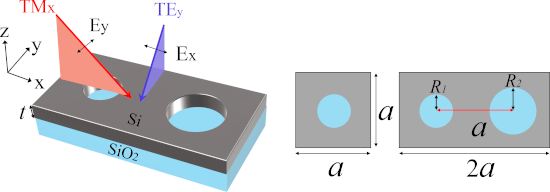
- direction. All these results are consistent with the dispersion curves in Figure 2 and the evolution of Q-factors as a function of the wave number in Figure 3a. Figure 4d presents typical distributions of the real part of both Ex and Ey at the resonance frequency across the central plane of the silicon


Spin dynamics in superconductor/ferromagnetic insulator hybrid structures with precessing magnetization
Beilstein J. Nanotechnol. 2023, 14, 233–239, doi:10.3762/bjnano.14.22
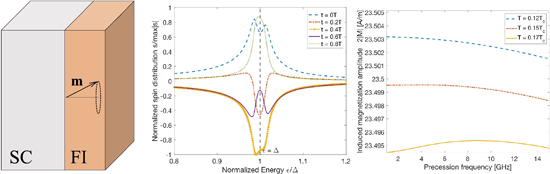
- quasiparticle distribution function at magnetization precession frequencies of 1 and 8 GHz. The color maps for quasiparticles with x and y spin component evolution Sx,y(z, ε, t) = Tr[σx,yψel] are presented in Figure 4. The spin distribution function splits into two almost symmetric peaks around the spectrum gap
- temperatures. Evolution of the spin-resolved distribution function at the S/FI interface (Sx component in the upper panels and Sy component in the lower panels) at magnetization precession frequencies of (a) 1 GHz and (b) 8 GHz. The normalized time is equal to t/Tτ, where Tτ = 2π/Ω is the period of


A novel approach to pulsed laser deposition of platinum catalyst on carbon particles for use in polymer electrolyte membrane fuel cells
Beilstein J. Nanotechnol. 2023, 14, 190–204, doi:10.3762/bjnano.14.19
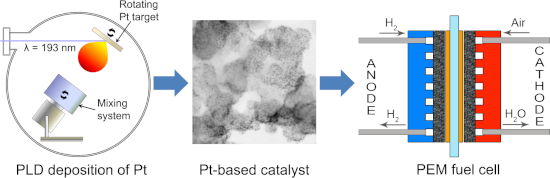
- electrode surface is proven by the hydrogen evolution current registered at a potential of about 50 mV. Based on the comparison of the CV curves, the best catalyst from the point of view of Pt surface development is sample B, while the worst is sample C. These results are as expected and correlate well with



Antimicrobial and mechanical properties of functionalized textile by nanoarchitectured photoinduced Ag@polymer coating
Beilstein J. Nanotechnol. 2023, 14, 95–109, doi:10.3762/bjnano.14.11
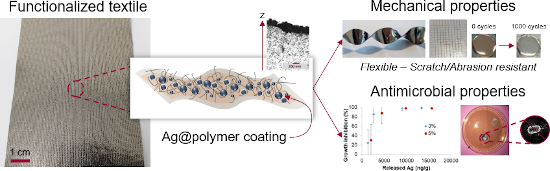
- evolution is observed between the growth inhibition and the released silver content. A complete inhibition was achieved for a silver quantity of 15 µg/g released in liquid media. As demonstrated by Hsueh et al. [55] AgNPs can be considered as containers continuously releasing silver ions, thus indirectly
- carried out using a LLC UV lamp from Heraeus Noblelight America with H bulb reflector, delivering an actinic beam centered on 365 nm. Optical properties were evaluated with an Evolution E200 UV–vis spectrophotometer from Thermo Fisher Scientific, equipped with an integration sphere for reflectance
- the lower plate. The evolution of the elastic (storage, G’) and viscous (loss, G”) moduli were investigated via two sets of measurements in the frequency range of 0.01 Hz to 50 Hz for 30 min under a constant temperature of 25 °C. In order to test the antimicrobial properties of the functionalized



Combining physical vapor deposition structuration with dealloying for the creation of a highly efficient SERS platform
Beilstein J. Nanotechnol. 2023, 14, 83–94, doi:10.3762/bjnano.14.10
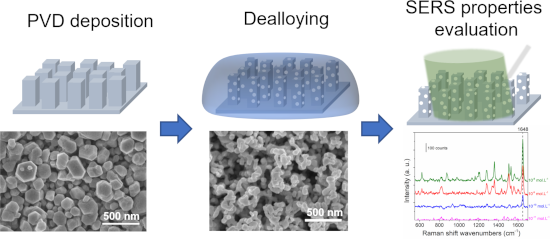
- NaOH. The SEM micrographs of the AlAg18, AlAg30, and AlAg36 samples dealloyed for 60 min in H3PO4 and NaOH are shown in Figure 5 and Figure 6, respectively. Dealloying in H3PO4 (Figure 5) leads to the same morphology evolution for each composition in comparison to samples dealloyed in HCl (Figure 3
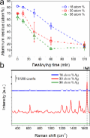
- of (a, d) 18, (b, e) 30, and (c, f) 36 atom % of Ag. Scale bar: 500 nm. Evolution of the (a) ligament size and (b) aluminum residue for samples with different initial silver content at the initial state and dealloyed for 60 min in HCl (blue), H3PO4 (red), and NaOH (green). (c) Raman spectra recorded
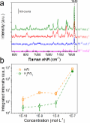
- ) Comparison of the evolution of the integrated peak at 1648 cm−1 for different concentrations of RhB for samples with 30 atom % of silver at the initial state and dealloyed for 60 min in (orange) 1 wt % of HCl and (green) 10 wt % of H3PO4. Surface composition evaluated by XPS of samples dealloyed for 60 min




Solvent-induced assembly of mono- and divalent silica nanoparticles
Beilstein J. Nanotechnol. 2023, 14, 52–60, doi:10.3762/bjnano.14.6
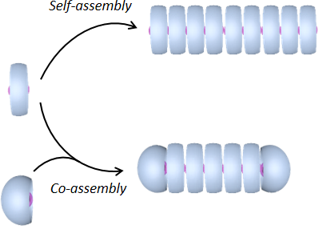
- evolution of the average degree of polymerization, , defined as: where x is the number of 2-PSN in the chain and nx is the number of chains containing x 2-PSN (Figure 6b, magenta curve). The linear relationship, which can be observed at a short incubation time (t < 2 h), is characteristic of a reaction
- -particle size ratio of 1-PSN in different solvent mixtures after 10 days of incubation at room temperature: a) THF/ethanol, b) THF/water, and c) THF/salty water ([NaCl] = 20 mmol/L). Evolution with incubation times in a 7:3 (vol/vol) THF/salty water mixture of the fractions of 1-PSN (light blue squares


The influence of structure and local structural defects on the magnetic properties of cobalt nanofilms
Beilstein J. Nanotechnol. 2023, 14, 23–33, doi:10.3762/bjnano.14.3
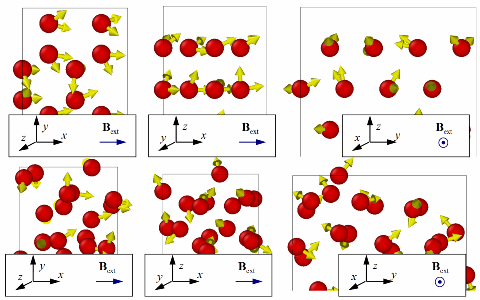
- , Academiei 3/3, Chisinau 2028, Moldova 10.3762/bjnano.14.3 Abstract The present paper considers a mathematical model describing the time evolution of spin states and magnetic properties of a nanomaterial. We present the results of two variants of nanosystem simulations. In the first variant, cobalt with a
- atoms, cobalt retains its ferromagnetic character. However, there may be a decrease or deterioration of the magnetic macroscopic parameters, such as the magnetization modulus. Conclusion A mathematical model capable of reproducing the time evolution of spin states and magnetic properties of a


Atmospheric water harvesting using functionalized carbon nanocones
Beilstein J. Nanotechnol. 2023, 14, 1–10, doi:10.3762/bjnano.14.1
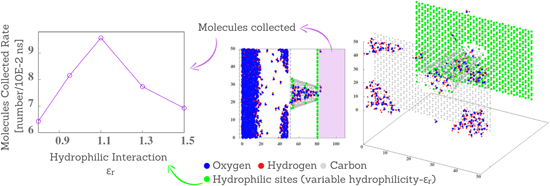
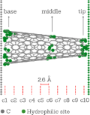
- droplet is formed at the base of the nanocone as described above, enters the nanocone, and undergoes cohesive dynamics. In order to characterize and understand the impact of the hydrophilic rings along the nanocone, we also present in Figure 6 snapshots of the temporal evolution and the number of water
- . Hydrophilic rings are present at the base, the tip, and the middle of the nanocone. Snapshots of the temporal evolution of the vapor system using εi = 1.1. (a) Number and (b) histogram of collected water molecules as functions of (a) the time and (b) time intervals. 2D snapshots of the temporal evolution for




Electrical and optical enhancement of ITO/Mo bilayer thin films via laser annealing
Beilstein J. Nanotechnol. 2022, 13, 1589–1595, doi:10.3762/bjnano.13.133
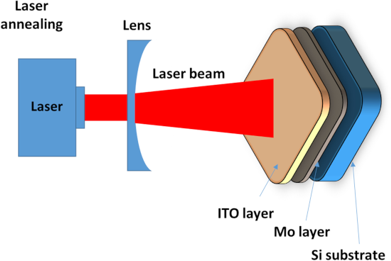
- were determined using a four-point probe system. Results and Discussion The crystalline structure of the ITO/Mo bilayer thin film after laser annealing was investigated using XRD. Figure 1 shows the structural evolution for the as-deposited and the samples annealed with different laser energies. Most
- size obtained by XRD analysis. Figure 4 shows the correlation between the grain size evolution and crystallite size corresponding to the (400) orientation. This variation is due to the rearrangement of the crystallites during the laser annealing of the IM bilayer thin film structure. Moreover, both


Observation of collective excitation of surface plasmon resonances in large Josephson junction arrays
Beilstein J. Nanotechnol. 2022, 13, 1578–1588, doi:10.3762/bjnano.13.132
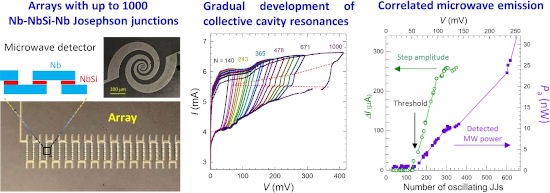
- developing above some threshold number of JJs, Nth. Figure 3c represents an integrating oscillogram measured during repetitively sweeping the bias up and down with slowly changing amplitude. It allows for an almost complete mapping of the I–V evolution with changing the number of active JJs. Dashed orange
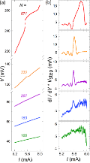
- and gradual evolution of several steps with increasing N. Edges of three distinct resonant steps are indicated by dashed green lines. (a) Parts of the V–I curves near the main resonance for the meander array with different number of active JJs, N. (b) Normalized differential conductance for the I–V




Photoelectrochemical water oxidation over TiO2 nanotubes modified with MoS2 and g-C3N4
Beilstein J. Nanotechnol. 2022, 13, 1541–1550, doi:10.3762/bjnano.13.127
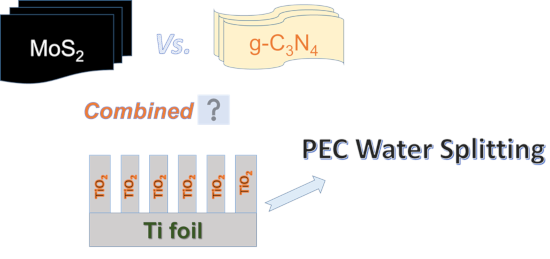
- materials to separate water for creating clean fuels has been developed for about a decade [5][6]. Water splitting is carried out in solutions rich in H+ ions to the conduct hydrogen evolution reaction (HER) process or in rich OH− solutions for the oxygen evolution reaction (OER) process [7][8][9]. However


A TiO2@MWCNTs nanocomposite photoanode for solar-driven water splitting
Beilstein J. Nanotechnol. 2022, 13, 1520–1530, doi:10.3762/bjnano.13.125
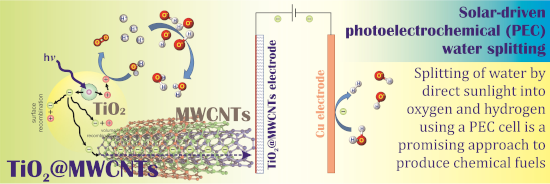
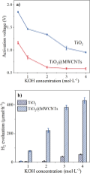
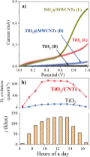
- ) nanocomposite by sol–gel method for visible-light-induced photocatalytic hydrogen evolution [8]. The photocatalyst consisted of dense TiO2 particles covering functionalized MWNTs and exhibited good photoactivity under visible light (λ > 420 nm), but the photoelectrochemical water splitting showed a low hydrogen
- evolution of 450 µmol·h−1. Reddy et al. loaded TiO2 particles on MWCNTs via a simple hydrothermal method [13]. However, the MWNTs/TiO2 nanocomposite showed photoactivity only under UV irradiation due to the high bandgap of 3.1 eV. To the best of our knowledge, there are only a few studies on TiO2@MWCNTs
- hydrogen evolution. The morphology and photoelectrochemical properties of the TiO2@MWCNTs electrode are systematically studied, and the efficiency of the electrode in photoelectrochemical water splitting is also demonstrated. Experimental Materials Multi-wall carbon nanotubes (purity >99.5%), synthesized



Hydroxyapatite–bioglass nanocomposites: Structural, mechanical, and biological aspects
Beilstein J. Nanotechnol. 2022, 13, 1490–1504, doi:10.3762/bjnano.13.123
- and porosity were ±0.05 g/cm3 and ±0.05%, respectively. X-ray diffraction With the help of a Bruker D8 ADVANCE X-ray diffractometer, the evolution of the formation of hydroxyapatite and of the intermediate compounds was studied, on samples calcined at different temperatures, as well as after burning
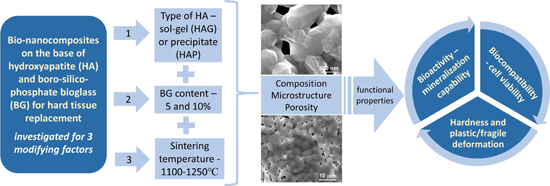
- composites. We did not observe any influence of the glass content (5% or 10%) or sintering temperature (1200 or 1250 °C) on the mineralization capability of the composites. At higher magnification, the evolution of the fine microstructure of the calcium phosphate precipitates with soaking time can be traced
- showed good mineralization regardless of sintering temperature and glass content. The evolution of the fine microstructure of the calcium phosphate precipitate with soaking time was traced. (v) A biocompatibility with relative cell viability values between 94% and 99% was revealed by MTT assay for HAPCs



