


Search results
Search for "formulation" in Full Text gives 202 result(s) in Beilstein Journal of Nanotechnology. Showing first 200.
Nanoporous smartPearls for dermal application – Identification of optimal silica types and a scalable production process as prerequisites for marketed products
Beilstein J. Nanotechnol. 2019, 10, 1666–1678, doi:10.3762/bjnano.10.162
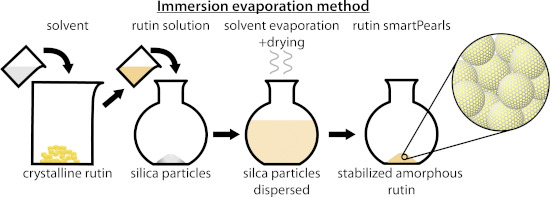
- . Based on a 10% (w/w) loading and the amorphous solubility of the active agent, for a 100 kg dermal formulation, about 500 g of loaded particles were required. This corresponds to production of 5 kg of loaded smartPearls for a formulation batch size of a ton. The production of 5 kg (i.e., about 25 L of
- systems. A simple but very effective approach is to increase the saturation solubility of these active agents. This leads to an increased concentration gradient between the formulation and skin, Cs–Cskin, and thus to an increased diffusional flux into the skin. Moreover, using complexes with polymers or
- with amorphous rutin dissolved from smartPearls. This implies an increase by about a factor of two higher than the respective raw active agent powder. This higher Cs value leads to an increased concentration gradient between the dermal formulation and skin and thus to an increased flux of rutin into




Enhanced inhibition of influenza virus infection by peptide–noble-metal nanoparticle conjugates
Beilstein J. Nanotechnol. 2019, 10, 1038–1047, doi:10.3762/bjnano.10.104
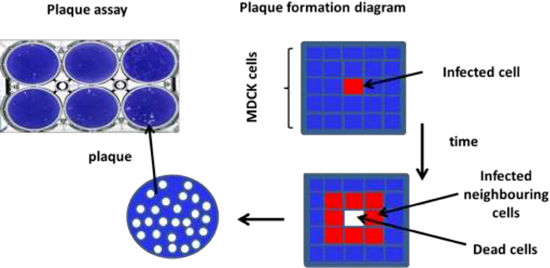
- greater antiviral activity than the free peptide, making this a viable tool for the development of a peptide formulation that efficiently combats seasonal, pandemic, and zoonotic influenza infections. Results and Discussion Stability of FluPep functionalised gold nanoparticles The mixed-matrix ligand
- nanoparticles is shown here to be another means to deliver effectively and safely FluPep ligand with enhanced activity in a solvent-free formulation. In relation to the safety of a nanoparticle formulation of FluPep, the fate of nanoparticles delivered in murid rodents has been examined [40][41][42][43][44][45




Wearable, stable, highly sensitive hydrogel–graphene strain sensors
Beilstein J. Nanotechnol. 2019, 10, 475–480, doi:10.3762/bjnano.10.47
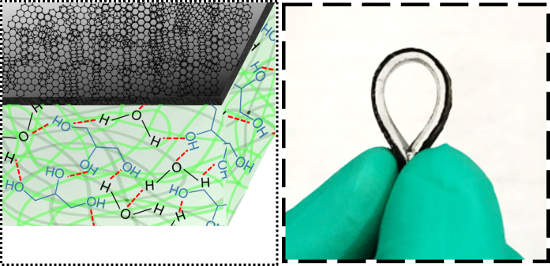
- (C7H10N2O2) were purchased from Aladdin (Shanghai, China). The 2 mg/mL aqueous graphene dispersion was purchased from Tanfeng Graphene (Suzhou, China). Silver epoxy was purchased from Ted Pella (Redding, USA). Formulation of the hydrogel: Acrylic acid, acrylamide, ammonium persulfate, methylene-bis
- solution was poured into the mold and irradiated by the UV light for 1 h, the hydrogel substrate was formed. The pure-water hydrogel was formulated in the same way as the binary solvent hydrogel, except that no glycerol was added. Formulation of the graphene/hydrogel: The graphene film was cast on the


Charged particle single nanometre manufacturing
Beilstein J. Nanotechnol. 2018, 9, 2855–2882, doi:10.3762/bjnano.9.266


Silencing the second harmonic generation from plasmonic nanodimers: A comprehensive discussion
Beilstein J. Nanotechnol. 2018, 9, 2674–2683, doi:10.3762/bjnano.9.250
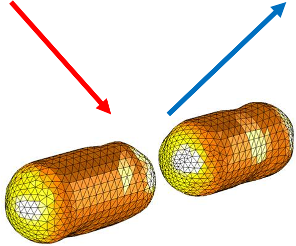
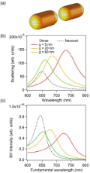
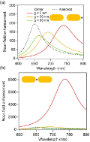
- deformed to mimic the presence of defects on the nanorod surfaces. Finally, gold dimers made of rectangular arms are considered. Numerical Methods The linear optical response was calculated using a surface integral formulation [23][24]. All the nanostructures are embedded in a homogeneous medium with
- ][29]. The SH surface currents are obtained by solving the surface integral equation formulation taking into account the nonlinear polarization and enforcing the boundary conditions at the nanostructure surfaces [30]. As the linear surface currents, the SH surface currents are expanded on Rao–Wilton
- –Glisson (RWG) basis functions. The expansion coefficients are found by applying the method of moments with Galerkin’s testing [23][24]. A Poggio–Miller–Chang–Harrington–Wu–Tsai formulation is used to ensure accurate solutions even at resonant conditions [23][24]. The SH electric field is then deduced from


Friction reduction through biologically inspired scale-like laser surface textures
Beilstein J. Nanotechnol. 2018, 9, 2561–2572, doi:10.3762/bjnano.9.238
- resources. In order to do so, new strategies for optimized tribological systems have to be considered. Among them are the formulation of new lubricants [2][3], novel coatings [4][5][6], a more thorough understanding of the basic materials science principles governing friction and wear of bulk materials [7


Enhanced antineoplastic/therapeutic efficacy using 5-fluorouracil-loaded calcium phosphate nanoparticles
Beilstein J. Nanotechnol. 2018, 9, 2499–2515, doi:10.3762/bjnano.9.233
- insignificant drug release. On the other hand, with increased acidic conditions, there is an augmented probability of more H+ ions available to counteract the nanoparticle–drug formulation, thereby reducing the interactions [28]. This property of the proposed nanoparticle drug delivery system significantly


Evidence of friction reduction in laterally graded materials
Beilstein J. Nanotechnol. 2018, 9, 2443–2456, doi:10.3762/bjnano.9.229
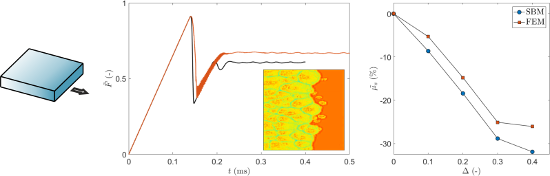
- will describe the effects predicted by them in the presence of graded materials. 2D spring-block model We adopt the formulation of the 2D spring-block model introduced in Costagliola et al. [32]. The sliding surface is discretised with Nb = 120 blocks in both the x and y directions, placed at a
- approximates the classic Amontons–Coulomb friction force adopted in the SBM model. The contact between the block and the rigid surface is implemented through a surface-to-surface formulation using the penalty contact method [39]. Here, as opposed to the SBM, the local coefficient of friction is constant over
- Gaussian distribution, i.e., µs(m) and µk(m), respectively. In Figure 2, we show the typical time evolution of the tangential force obtained with the SBM for various σµs. The maximum of the friction force decreases when increasing the statistical dispersion, as in the case of the 1D formulation [30]. The


![[Graphic 5]](/bjnano/content/inline/2190-4286-9-229-i10.svg?max-width=637&scale=1.18182) as function of time for the non-graded material: SBM solution for dif...
as function of time for the non-graded material: SBM solution for dif...


Block copolymers for designing nanostructured porous coatings
Beilstein J. Nanotechnol. 2018, 9, 2332–2344, doi:10.3762/bjnano.9.218
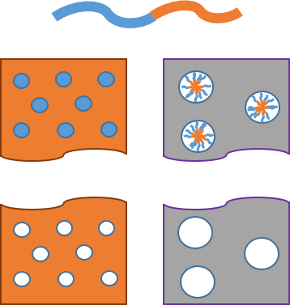
- varying the block copolymer parameters (mostly, molecular weight, and the different blocks volume fraction) and the formulation (i.e., solvent(s) volume), it is possible to modulate the surface layer organization at the level of a few tens of nanometers. The following paragraphs describe how well-ordered
- thermodynamically stable structures on the nanometer length scale [44]. However, microphase separation can also be influenced by the presence of a more complex formulation due to the addition of a lower molecular weight component (such as additives and homopolymers) as well as a block-selective solvent [43][45
- orientation or act as a sacrificial component [64][93]. The inclusion of a homopolymer in the formulation is also a possible route to introduce particular effects on domain orientation and stability. As reported by Zhu et al. [93], PS-b-PEO BCs can be blended with PS homopolymers of different molecular


Performance analysis of rigorous coupled-wave analysis and its integration in a coupled modeling approach for optical simulation of complete heterojunction silicon solar cells
Beilstein J. Nanotechnol. 2018, 9, 2315–2329, doi:10.3762/bjnano.9.216
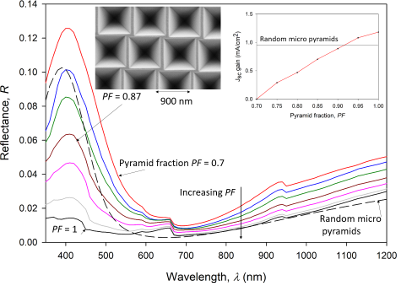
- our previous work presented in [20] and to other coupling approaches such as the OPTOS matrix formulation [21], our CMA was used for the simulation of the solar cell structure including a double (nano + micro) texture. Modeling Rigorous coupled-wave analysis method RCWA, also called the Fourier modal


Nanocomposites comprised of homogeneously dispersed magnetic iron-oxide nanoparticles and poly(methyl methacrylate)
Beilstein J. Nanotechnol. 2018, 9, 1613–1622, doi:10.3762/bjnano.9.153
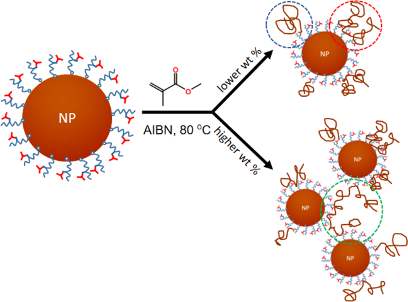
- deliver local magnetic hyperthermia [13]. One of the key properties of the formulation was the colloidal stability of the magnetic nanoparticles in the polymer solution. Acrylic-based cements are extensively used for the fixation of implantable prosthesis or in vertebroplasty, i.e., the procedure to fix


Excitation of nonradiating magnetic anapole states with azimuthally polarized vector beams
Beilstein J. Nanotechnol. 2018, 9, 1478–1490, doi:10.3762/bjnano.9.139
- Helmholtz equation of free space. This second expansion, as we will see in the next section, is of crucial importance in studying the far-field scattering properties of particles illuminated by such an excitation field. T-Matrix Method for Far-Field Scattering Calculations The T-matrix formulation is a
- hypothesis [40][41]. The spherical amplitudes of the scattered field will be given in the T-matrix formulation by the following expression: or in matrix formulation: B = T· A. Not only the spherical amplitudes of the input vector, but also the elements of the T-matrix, as well as the values of the output


Semi-automatic spray pyrolysis deposition of thin, transparent, titania films as blocking layers for dye-sensitized and perovskite solar cells
Beilstein J. Nanotechnol. 2018, 9, 1135–1145, doi:10.3762/bjnano.9.105
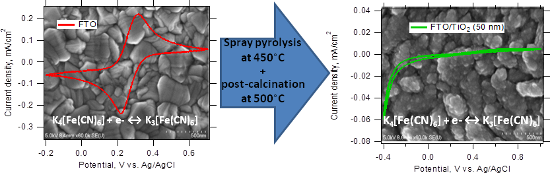
- outperformed the layers made by spin coating [9]. Matteocci et al. [13] used a modified precursor solution which was obtained by addition of acetylacetone to the conventional formulation (i.e., titanium diisopropoxide bis(acetylacetonate)) in ethanol. They fabricated compact TiO2 blocking layers (via SPD) for


Cyclodextrin-assisted synthesis of tailored mesoporous silica nanoparticles
Beilstein J. Nanotechnol. 2018, 9, 693–703, doi:10.3762/bjnano.9.64
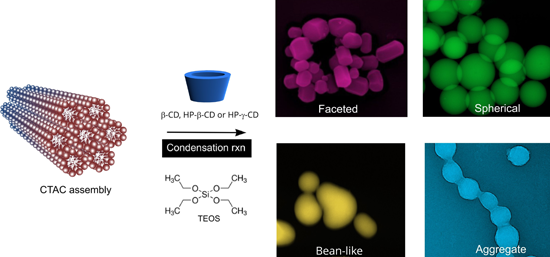
- of pristine CD (β-CD) or hydroxypropyl-functionalized CDs (HP-γ-CD and HP-β-CD). Depending on the formulation conditions, differently shaped MSNs, such as bean-like, spherical, ellipsoid, aggregate and faceted were generated. The morphology and size of MSNs varied with the CD-type used. Generally
- by the CTAC-templated, NaOH-catalyzed silica condensation in the presence of CD moieties (pristine or HP-functionalized ones). By varying the formulation parameters (CD content and type), nanoparticles were produced in various shapes (aggregates, spherical, bean-like and faceted). TGA, 13C MAS NMR
- and FTIR analyses confirmed a physical adsorption of CD molecules. The surface area of MSNs varied depending on the formulation parameters. The particle shape was influenced by the concentrations of both CD and CTAC and as well as the ratio between them. The variation of the CD type during the


Optimisation of purification techniques for the preparation of large-volume aqueous solar nanoparticle inks for organic photovoltaics
Beilstein J. Nanotechnol. 2018, 9, 649–659, doi:10.3762/bjnano.9.60
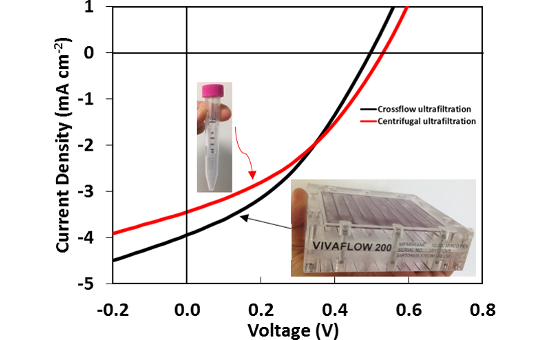
- . Layer thicknesses were measured by a KLA–Tencor Alpha step 500 surface profilometer. Preparation of aqueous solar nanoparticle inks In accordance with the modified mini-emulsion process [10][11], the formulation of ASNP inks based on P3HT:ICxA (1:0.8) in large batch (100 mL) comprised several procedural


Design of polar self-assembling lactic acid derivatives possessing submicrometre helical pitch
Beilstein J. Nanotechnol. 2018, 9, 333–341, doi:10.3762/bjnano.9.33
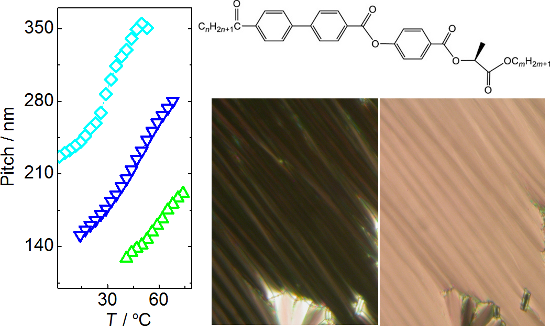
- attached to longer alkyl chains [20][37]. The electro-optic parameters of the studied compounds are temperature dependent, namely, the spontaneous polarisation and tilt angle, which are extremely important for practical applications [5][44]. However, these parameters can be stabilised by formulation of the


The role of ligands in coinage-metal nanoparticles for electronics
Beilstein J. Nanotechnol. 2017, 8, 2625–2639, doi:10.3762/bjnano.8.263
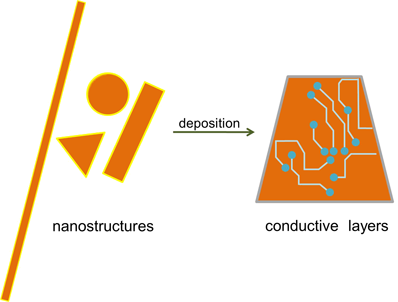
- modified nanoparticles exhibited resistivities that were six and ten orders of magnitude below that of films prepared from the original oleylamine-stabilized Au NPs [102]. The commonly used CTAB forms insulating layers, too, and has limited solubility even in water that makes ink formulation challenging
- spherical and rod-like gold nanoparticles dispersed in a formulation with PEDOT:PSS. Composite films with nanorod volume fractions between 10 and 70% were deposited onto quartz substrates; the film with the highest metal content reached a conductivity of 2000 S/cm without further processing, approximately
- their high conductivity and relative stability. Gold is commonly applied if improved stability or biocompatibility is required. The synthesis and formulation of metal nanoparticles as inks requires appropriate ligands. Current literature provides many examples of ligands that provide various functions


Intercalation of Si between MoS2 layers
Beilstein J. Nanotechnol. 2017, 8, 1952–1960, doi:10.3762/bjnano.8.196
- DFT as implemented in the Vienna ab initio simulation package (VASP) [37]. The exchange–correlation interactions are treated using the generalized gradient approximation (GGA) within the Perdew–Burke–Ernzerhof (PBE) formulation [38]. The plane waves are expanded with an energy cut of 400 eV. Since the


Enhancement of mechanical and electrical properties of continuous-fiber-reinforced epoxy composites with stacked graphene
Beilstein J. Nanotechnol. 2017, 8, 1909–1918, doi:10.3762/bjnano.8.191
- formulation (by weight) was as follows: epoxy: 100 parts; SAA: 1 pph; expanded graphite (EG): 2.5 pph (or 2.1 wt %); hardener TETA: 14.1 pph. Fabrication of composite materials Composite laminates were prepared using carbon fiber (CF) fabric, Kevlar fabric alone or a combination of CF/Kevlar combinations, and


Development of polycationic amphiphilic cyclodextrin nanoparticles for anticancer drug delivery
Beilstein J. Nanotechnol. 2017, 8, 1457–1468, doi:10.3762/bjnano.8.145
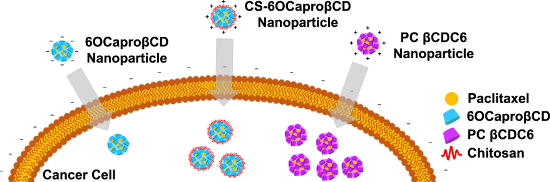
- -formulation studies were used as a basis for selecting the suitable organic solvent and surfactant concentration for the novel polycationic cyclodextrin nanoparticles. The nanoparticles were then extensively characterized with particle size distribution, polydispersity index, zeta potential, drug loading
- difficulties related to its intravenous administration to patients. The most important of these challenges is the very low solubility of PCX in water (0.3 µg/mL) [4]. To overcome poor solubility of PCX in water, the current commercial injectable formulation consists of a 1:1 mixture of anhydrous ethanol and
- of chemotherapy with PCX. A promising step was taken with the FDA approval of albumin nanoparticle bound PCX (Abraxane®) in 2005 for breast cancer treatment with a significantly lower dose [8]. This was considered a breakthrough in PCX formulation development as it avoided the use of solubilizers


Cationic PEGylated polycaprolactone nanoparticles carrying post-operation docetaxel for glioma treatment
Beilstein J. Nanotechnol. 2017, 8, 1446–1456, doi:10.3762/bjnano.8.144
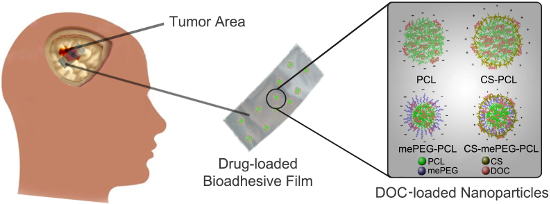
- treat brain tumors and prevent tumor recurrence. The aim of this study was to develop core–shell polymeric nanoparticles with positive charge by employing a chitosan coating. Additionally, an implantable formulation for the chemotherapeutic nanoparticles was developed as a bioadhesive film to be applied
- cells in vitro due to disruption of microtubule function. However, they are known to have severe solubility problems in aqueous media, therefore co-solvents or excipients are used to improve their solubility to facilitate injectable formulation development. Unfortunately, these solubilizing agents may
- often cause serious side effects. Thus, the necessity of a safe and effective formulation and drug delivery approach emerges for these potent anticancer drugs from the taxane family [10][11][12][13]. Successful treatment of brain cancer is dependent on the efficient and safe delivery of chemotherapeutic




Deposition of exchange-coupled dinickel complexes on gold substrates utilizing ambidentate mercapto-carboxylato ligands
Beilstein J. Nanotechnol. 2017, 8, 1375–1387, doi:10.3762/bjnano.8.139
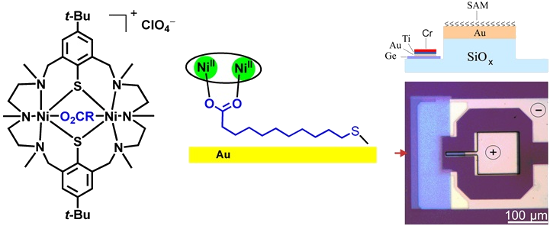
- (L’)]+ cations (Table 1) were consistent with the formulation as mixed ligand [Ni2L(L’)](ClO4) complexes. It has already been demonstrated that the [Ni2L]2+ dication has a higher affinity for carboxylate ions than for thiophenolate groups, and that the former, when attached to [Ni2L]2+, invariably


Miniemulsion copolymerization of (meth)acrylates in the presence of functionalized multiwalled carbon nanotubes for reinforced coating applications
Beilstein J. Nanotechnol. 2017, 8, 1328–1337, doi:10.3762/bjnano.8.134
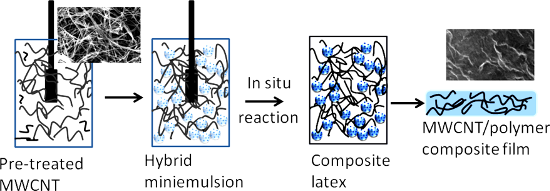
- period and does not require massive diffusion of the components of the formulation through the aqueous phase. Ham et al. [32][33] used a so-called miniemulsion process in an attempt to cover SWCNTs with polystyrene nanoparticles, where n-pentanol was used as a hydrophobe to minimize Ostwald ripening


Study of the correlation between sensing performance and surface morphology of inkjet-printed aqueous graphene-based chemiresistors for NO2 detection
Beilstein J. Nanotechnol. 2017, 8, 1023–1031, doi:10.3762/bjnano.8.103
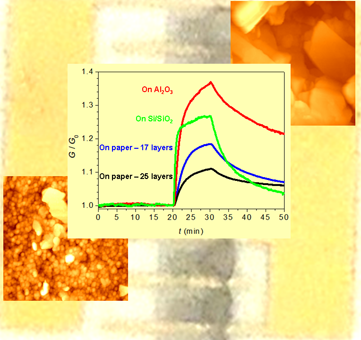
- enriched up to the final concentration of 0.2 mg/mL (see the procedure described in the Experimental section). The physico-chemical properties of this final formulation have been investigated in order to establish if it satisfies the physical and rheological requirements of the fluid flow in the inkjet


Near-field surface plasmon field enhancement induced by rippled surfaces
Beilstein J. Nanotechnol. 2017, 8, 956–967, doi:10.3762/bjnano.8.97
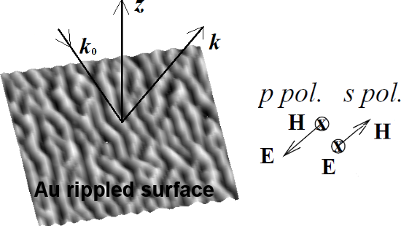
- formulation of SIEs, resulting from application of Green’s theorem on the scattering volumes directly to the exact electromagnetic equations [37]. The latter is the approach followed to derive the numerical results presented in this paper [38]. The basic advantage of an approach based on the dyadic Green’s
- rippled surfaces. The ability to reproduce the rippled surfaces led us to opt for a surface integral equations formulation resulting from the application of Green’s theorem on the scattering surfaces directly to the exact electromagnetic wave expression, and hence, the ability to evaluate the





