


Search results
Search for "mass spectrometry" in Full Text gives 163 result(s) in Beilstein Journal of Nanotechnology.
Electrospray deposition of organic molecules on bulk insulator surfaces
Beilstein J. Nanotechnol. 2015, 6, 1927–1934, doi:10.3762/bjnano.6.195
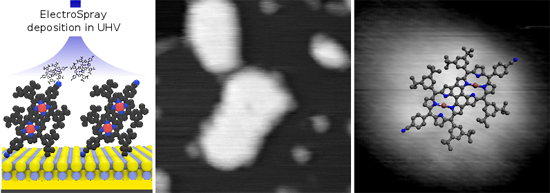
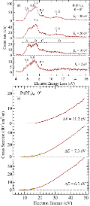
- techniques are compatible with molecular resolution, the pollution from solvents remains a problem [3][4][5]. Electrospray ionization (ESI), first developed by Fenn et al. [6] allows for the introduction of large organic molecules in vacuum. Originally developed for mass spectrometry and protein studies, it


The role of low-energy electrons in focused electron beam induced deposition: four case studies of representative precursors
Beilstein J. Nanotechnol. 2015, 6, 1904–1926, doi:10.3762/bjnano.6.194
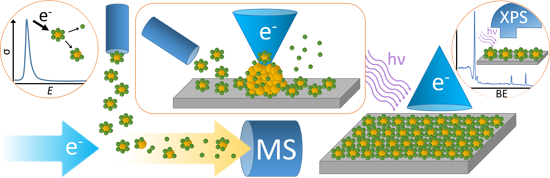
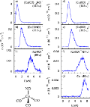
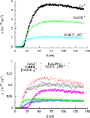
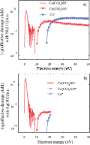
- studies To study low energy electron-induced processes in the gas phase, a low energy electron beam with a resolution of about 100 meV is crossed with an effusive beam of FEBID precursor molecules and the electron energy dependence for the formation of charged fragments is monitored by mass spectrometry
- electron beam/effusive molecular beam apparatus and product ions were measured using mass spectrometry; the apparatus and methods have each been described in detail [46]. As previously described, electrons with incident energies below the ionization threshold of the parent molecule (7.7 eV for MeCpPtMe3
- , and the potential role of ND in the deposit formation. All of these gas phase studies can be compared with a UHV surface study by Landheer et al. [23], where mass spectrometry was used to monitor desorption of volatile decomposition products and XPS and HREELS were used to monitor the evolution of the








DNA–melamine hybrid molecules: from self-assembly to nanostructures
Beilstein J. Nanotechnol. 2015, 6, 1432–1438, doi:10.3762/bjnano.6.148
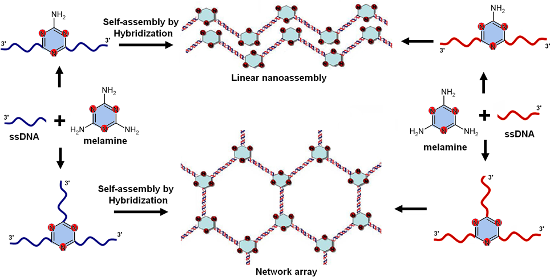
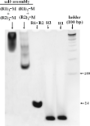
- phosphoramidation cross coupling was confirmed by polyacrylamide gel electrophoresis (PAGE), reversed phase high performance liquid chromatography (RP-HPLC), matrix-assisted laser desorption/ionization (MALDI) and electrospray ionization (ESI) mass spectrometry (MS). The reaction products were purified by dialysis
- experimental methods, RP-HPLC chromatograms, ESI and MALDI mass spectrometry data and spectra, AFM images, and CD spectra. Acknowledgements This work was supported by a grant to P. D. from the Department of Biotechnology (DBT), Government of India, Project No. BT/PR3444/NNT/28/560/2011. All the authors thank



Peptide-equipped tobacco mosaic virus templates for selective and controllable biomineral deposition
Beilstein J. Nanotechnol. 2015, 6, 1399–1412, doi:10.3762/bjnano.6.145
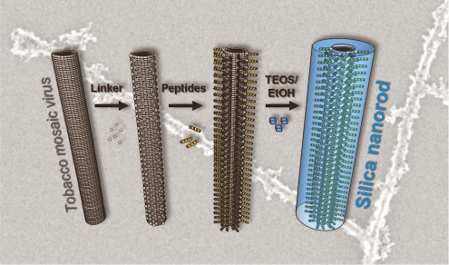
- mass spectrometry (ToF-SIMS) [90] was performed on air-dried, drop cast suspensions of TMVwt or TMV–KD10 particles (both with and without 10 days of exposure to TEOS). Positive and negative secondary ion spectra were recorded from random positions of the TMV deposits. The peak assignment is based on




Heterometal nanoparticles from Ru-based molecular clusters covalently anchored onto functionalized carbon nanotubes and nanofibers
Beilstein J. Nanotechnol. 2015, 6, 1287–1297, doi:10.3762/bjnano.6.133
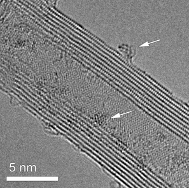
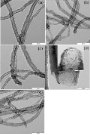
- proof was obtained by secondary ion mass spectrometry (SIMS) by comparison with non-functionalized carbon samples, but also by reacting model compounds in solution and crystallizing the products to solve their crystal structure, confirming the hypothesis [52]. Indeed, clusters 1–9 are anchored on the
- rather than chelating phosphine ligands. It is also known that Au atoms in clusters actually behave more as ligands than as part of the cluster core [53]. SIMS characterization of anchored species Cluster 4 anchored on CNF–PPh2, MWNTox and MWNT–PPh2 was characterized by secondary ion mass spectrometry




Scanning reflection ion microscopy in a helium ion microscope
Beilstein J. Nanotechnol. 2015, 6, 1125–1137, doi:10.3762/bjnano.6.114
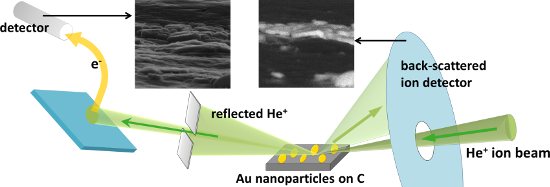
- were examined in the field of material science [15][17][18][19][20][21][22][23] as well as in biology [15][16][24][25][26]. Different techniques such as secondary electron energy filtering [27], helium ion channeling contrast [28][29][30], helium ion transmission microscopy [31], secondary ion mass
- spectrometry [32][33], and ionoluminescence [34][35] were developed. In this paper we report on the development of the instrumentation and the analysis of the capabilities and limitations of scanning reflection ion microscopy (RIM) in a helium ion microscope. In the experimental part of our work we describe a


Charge carrier mobility and electronic properties of Al(Op)3: impact of excimer formation
Beilstein J. Nanotechnol. 2015, 6, 1107–1115, doi:10.3762/bjnano.6.112
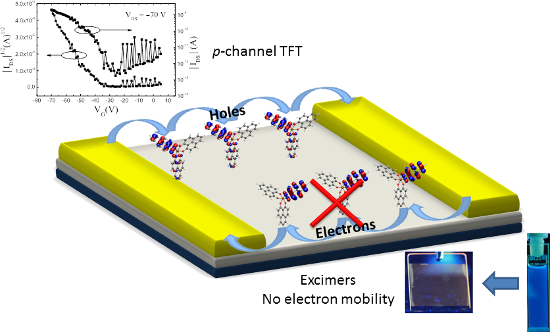
- experimental data. Results Al(Op)3 was synthesized as previously described [23]. To confirm the purity of the complex, proton and carbon nuclear magnetic resonance (NMR) spectroscopy and mass spectrometry (MS) were carried out and compared with the data reported in previous work [16]. Initially, in order to


High sensitivity and high resolution element 3D analysis by a combined SIMS–SPM instrument
Beilstein J. Nanotechnol. 2015, 6, 1091–1099, doi:10.3762/bjnano.6.110
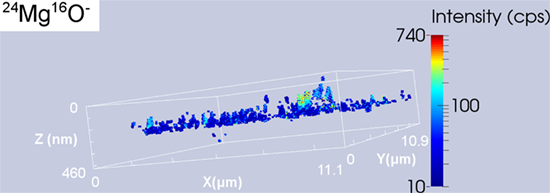
- of the TiCN cermet. Keywords: alloy; atomic force microscopy (AFM); correlative microscopy; differential sputtering; in situ; multimodal imaging; nano-cluster; polymer blend; secondary ion mass spectrometry (SIMS); scanning probe microscopy (SPM); SIMS artefacts; sputter-induced effects; sputter
- has increased during the last decade [1]. In particular, nano-analytical techniques and instruments providing both excellent spatial resolution and high-sensitivity chemical information are of utmost importance for investigations at the nanoscale. Secondary ion mass spectrometry (SIMS) is a method of
- . Conclusion A correlative approach between secondary ion mass spectrometry and atomic force microscopy in a single instrument leads to 3D chemical maps with highest sensitivity and enhanced spatial accuracy. This combination of techniques is of particular interest to detect and eliminate artefacts due to


From lithium to sodium: cell chemistry of room temperature sodium–air and sodium–sulfur batteries
Beilstein J. Nanotechnol. 2015, 6, 1016–1055, doi:10.3762/bjnano.6.105
- (SEI) formation [61]. Kang et al. showed that it also leads to an improved stability of carbon at the cathode [71]. 2.3.1.4 Differential electrochemical mass spectrometry (DEMS) studies: The electrolyte decomposition is a major drawback that made DEMS studies inevitable in Li/O2 cell research. Today
- reactions. Therefore, DEMS or online electrochemical mass spectrometry (OEMS) was introduced into the Li/O2 battery field and is now one of the most important, but seldom employed, diagnostic tools of current research [46][72][73][74][75][76][77]. Figure 5 shows the potential of DEMS analysis when comparing


A simple approach to the synthesis of Cu1.8S dendrites with thiamine hydrochloride as a sulfur source and structure-directing agent
Beilstein J. Nanotechnol. 2015, 6, 881–885, doi:10.3762/bjnano.6.90
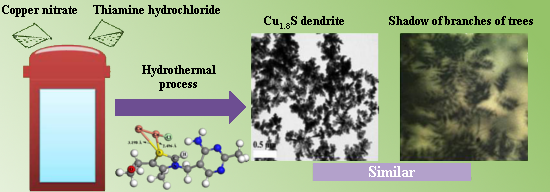
- investigated the morphology evolution of Cu1.8S as a function of the hydrothermal process time. Burford et al. reported that the functional groups in biomolecules, e.g., –NH2, –COOH, and –S–, are strongly inclined to interact with inorganic cations based on a mass spectrometry study [13]. This indicates that


Protein corona – from molecular adsorption to physiological complexity
Beilstein J. Nanotechnol. 2015, 6, 857–873, doi:10.3762/bjnano.6.88
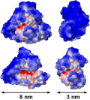
- polyacrylamide gel electrophoresis (1D-/2D-PAGE) [28][91][92][93][94][95][96][97][98]. Recently, Tenzer et al. [8][99] introduced an intriguing combination of 1D-/2D-PAGE and immune-blotting with sophisticated label-free liquid chromatography mass spectrometry (LC-MS) and demonstrated the unique abilities of
- signatures, as identified by quantitative mass spectrometry, by their calculated isoelectric point (Figure 5). At the physiological pH of blood plasma (pH 7.3), preferential binding of negatively charged proteins (pI < 7) onto the SiNP surfaces was reported. The protein size also played a significant role
- time-resolved determination of NP-specific fingerprints. This method, based on label-free liquid chromatography mass spectrometry (LC-MS), allows for an insight into the time-evolution of the full serum protein corona. Such information, especially for short exposure times, is urgently needed to



Silica micro/nanospheres for theranostics: from bimodal MRI and fluorescent imaging probes to cancer therapy
Beilstein J. Nanotechnol. 2015, 6, 546–558, doi:10.3762/bjnano.6.57
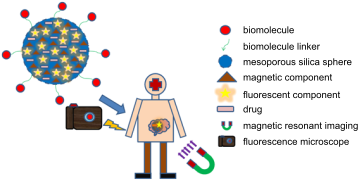
- was incorporated inside the SiO2 spheres. The concentration of the NPs and the number of the Gd3+ ions present in the silanized NPs were determined by absorption spectroscopy and inductively coupled plasma mass spectrometry (ICP-MS). The size of the NPs was found to be 8–15 nm. The MRI experiments


Functionalization of α-synuclein fibrils
Beilstein J. Nanotechnol. 2015, 6, 124–133, doi:10.3762/bjnano.6.12
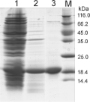
- similar to those of α-Syn. The theoretical molecular mass of α-SynC141 (14.46 kDa) was confirmed by mass spectrometry. However, a band corresponding to about 18 kDa was observed in SDS-PAGE (Figure 1). Assuming that a very acidic C-terminus of α-Syn weakly interacts with SDS, the electrophoretic migration
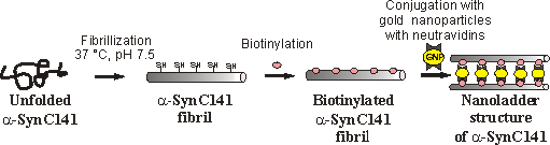
- , was used for control assays. Protein purity was evaluated by gel electrophoresis. Mass spectrometry verified the presence of the cysteine residue in the C terminal. α-SynC141 and α-Syn fibril formation Lyophilized proteins were dissolved in the buffer: 50 mM Tris-HCl, 100 mM NaCl, pH 7.5 to a final


The distribution and degradation of radiolabeled superparamagnetic iron oxide nanoparticles and quantum dots in mice
Beilstein J. Nanotechnol. 2015, 6, 111–123, doi:10.3762/bjnano.6.11
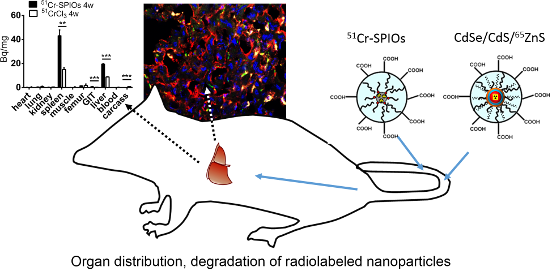
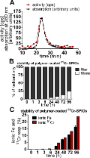
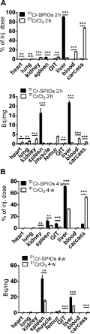
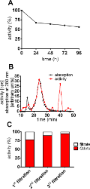
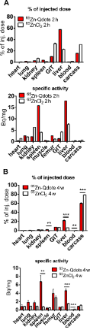
- , resulting in a loss of fluorescence. This would otherwise confirm the 65Zn results, however, this was in contrast to Yank et al. who followed commercial PEG 5000-coated CdTe/ZnS Qdots by tracing their fluorescence in mice for 28 d and measured 111Cd by inductively coupled plasma–mass spectrometry (ICP–MS





In situ metalation of free base phthalocyanine covalently bonded to silicon surfaces
Beilstein J. Nanotechnol. 2014, 5, 2222–2229, doi:10.3762/bjnano.5.231
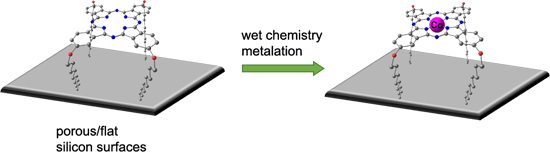
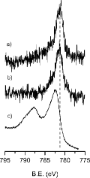
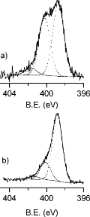
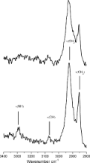
- (DBU) as a basic catalyst. The target compound was isolated in 58% yield as a dark-green powder after purification. 1-Pc was successfully characterized by 1H NMR and MALDI–TOF mass spectrometry (see Experimental section). XPS characterization of Si-bonded phthalocyanine Covalent anchoring of 1-Pc on

The gut wall provides an effective barrier against nanoparticle uptake
Beilstein J. Nanotechnol. 2014, 5, 2092–2101, doi:10.3762/bjnano.5.218
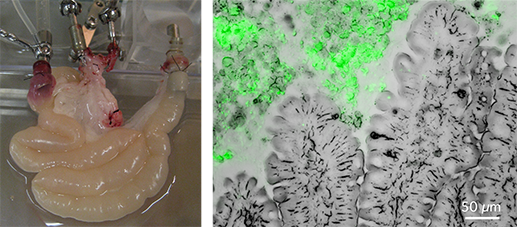
- coupled plasma mass spectrometry (ICP-MS), we recovered the europium in concentrations well comparable to the respective fluorescence signals. However, in none of the vascular and lymphatic samples, which we analyzed by ICP-MS, any europium above detection limit was found, not even in the few lymphatic


Carbon nano-onions (multi-layer fullerenes): chemistry and applications
Beilstein J. Nanotechnol. 2014, 5, 1980–1998, doi:10.3762/bjnano.5.207
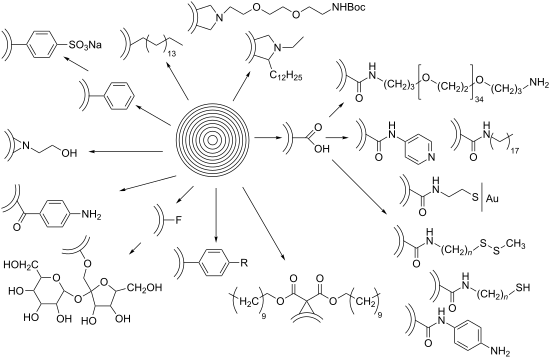
- product was well soluble in common organic solvents such as ethanol, chloroform and dichloromethane. Evidence for a successful CNO functionalization was derived from 1H NMR spectroscopy, MALDI mass spectrometry and elemental analysis. TEM suggested that the individual CNOs had diameters between 60 and 300


Carbon-based smart nanomaterials in biomedicine and neuroengineering
Beilstein J. Nanotechnol. 2014, 5, 1849–1863, doi:10.3762/bjnano.5.196
- treatments, but also in a high degree of purity of the recovered proteins, which can be further analysed by mass spectrometry [86]. Graphene: Graphene, graphene oxide (GO) and reduced graphene oxide (r-GO) have been investigated as new biocompatible material by virtue of their unique properties, making them


The surface properties of nanoparticles determine the agglomeration state and the size of the particles under physiological conditions
Beilstein J. Nanotechnol. 2014, 5, 1774–1786, doi:10.3762/bjnano.5.188
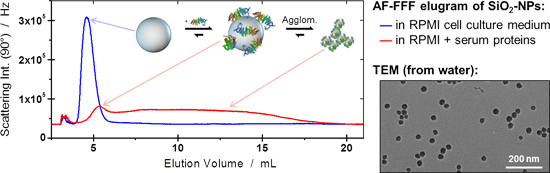
- scattering, MALLS), dynamic light scattering [48][49], or mass spectrometry (inductively coupled plasma mass spectrometry, ICP-MS) [50] can be applied. Silica and poly(organosiloxane) nanoparticles Although both silica and poly(organosiloxane) (POS) nanoparticles are based on silicon dioxide (SiO2) as


A study on the consequence of swift heavy ion irradiation of Zn–silica nanocomposite thin films: electronic sputtering
Beilstein J. Nanotechnol. 2014, 5, 1691–1698, doi:10.3762/bjnano.5.179
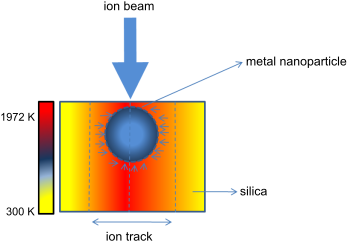
- occurs. It has potential applications in astrophysics, space devices and mass spectrometry of large molecules [10]. Sputtering occurs due to the energy transfer to the atoms in the target by incident ions through nuclear collision cascades (nuclear sputtering) produced in the target as well as electronic


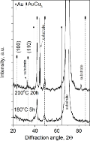
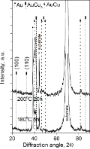
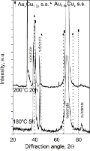
Formation of CuxAu1−x phases by cold homogenization of Au/Cu nanocrystalline thin films
Beilstein J. Nanotechnol. 2014, 5, 1491–1500, doi:10.3762/bjnano.5.162
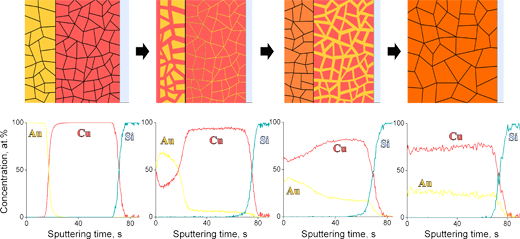
- intermetallic compounds; secondary neutral mass spectrometry (SNMS); solid state reaction; Introduction Solid-state reactions in nanostructured thin film systems are interesting and challenging not only from the point of view of pure fundamental research, but are also important for technological applications






In vitro interaction of colloidal nanoparticles with mammalian cells: What have we learned thus far?
Beilstein J. Nanotechnol. 2014, 5, 1477–1490, doi:10.3762/bjnano.5.161
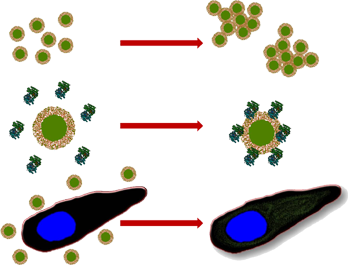
- incubation [143]. Mass spectrometry is an invaluable tool for quantifying the amounts of different adsorbed protein species [140][141]. The dynamic exchange of proteins, induced by their different adsorption kinetics and affinities to the NP surface is reflected in the discrimination between "soft" and "hard


Enhanced photocatalytic hydrogen evolution by combining water soluble graphene with cobalt salts
Beilstein J. Nanotechnol. 2014, 5, 1167–1174, doi:10.3762/bjnano.5.128
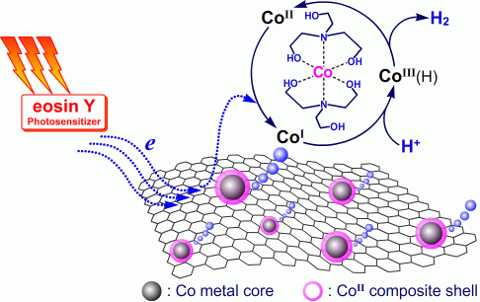
- and ICP-MS (inductively coupled plasma mass spectrometry) were used to further investigate the magnetic precipitates obtained after the hydrogen evolution reaction. XPS spectra of the precipitates with or without G-SO3 showed the same peak pattern and location in the range from 776 to 810 eV


Molecular biology approaches in bioadhesion research
Beilstein J. Nanotechnol. 2014, 5, 983–993, doi:10.3762/bjnano.5.112

- start, because it uses Ruby’s built in webserver Webrick (http://www.ruby-doc.org/stdlib-2.0/libdoc/webrick/rdoc/WEBrick.html). Finally, any query sequence such as known adhesion-related transcripts of other organisms, mass spectrometry peptide sequences or candidate transcripts originated from a
- validate the expression of an adhesion-related candidate transcript list that resulted from previous mass spectrometry or differential gene expression experiments. For high-throughput approaches, in situ robots such as “InsituPro VSi” from Invatis AG are available. For medium scale ISH screenings, a manual
- in most organisms and might be a useful tool to study gene function in diverse organisms. Conclusion The identification of adhesion-related genes and proteins is a challenging task. Certain organisms allow the collection of the glue and direct analyses by mass spectrometry or biochemistry. Small


Adsorption and oxidation of formaldehyde on a polycrystalline Pt film electrode: An in situ IR spectroscopy search for adsorbed reaction intermediates
Beilstein J. Nanotechnol. 2014, 5, 747–759, doi:10.3762/bjnano.5.87
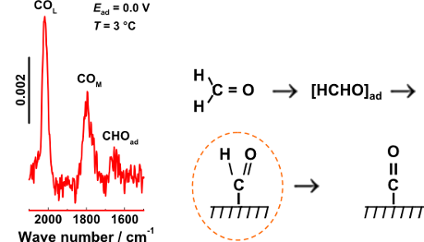
- hydrogen in the methanol adsorbate on an emersed polycrystalline Pt electrode was suggested from electrochemical thermal desorption mass spectrometry (ECTDMS) measurements based on the detection of carbon monoxide, hydrogen and traces of carbon dioxide during thermal desorption [44]. In a series of recent





