Search results
Search for "mechanical properties" in Full Text gives 374 result(s) in Beilstein Journal of Nanotechnology. Showing first 200.
On the frequency dependence of viscoelastic material characterization with intermittent-contact dynamic atomic force microscopy: avoiding mischaracterization across large frequency ranges
Beilstein J. Nanotechnol. 2020, 11, 1409–1418, doi:10.3762/bjnano.11.125
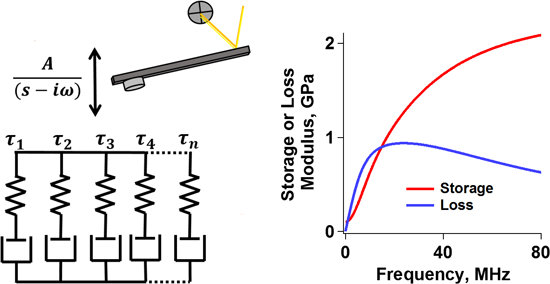
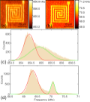
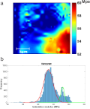
- synthetic polymer samples and biological materials. For example, we have recently applied it to map the mechanical properties of biofilms and single cells, describing their behavior with respect to time and frequency [14][33]. A similar approach to ours, which also profits from the elastic–viscoelastic
- mechanical properties. The attractive branch, which exhibits phase values above 90° is not relevant, as it is governed by attractive tip–sample interactions. The location of the sharp transitions between the attractive and repulsive oscillation regimes are the result of nonlinear dynamical behavior of the


An atomic force microscope integrated with a helium ion microscope for correlative nanoscale characterization
Beilstein J. Nanotechnol. 2020, 11, 1272–1279, doi:10.3762/bjnano.11.111
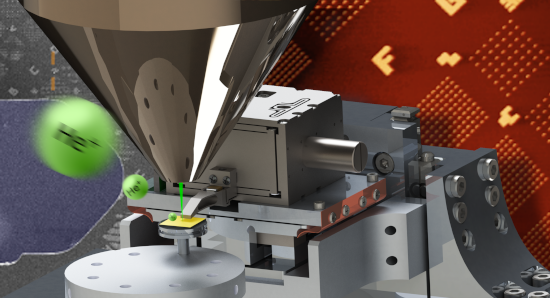
- . With the integrated electron flood gun (FG) of the HIM providing charge neutralization, uncoated polymers and biological samples can be imaged with high resolution while the AFM would bring complementary information such as laterally resolved mechanical properties. These multiparametric measurements
- topography of the photoresist PMMA. Many more examples can be envisioned. The He ion beam is known to change the mechanical [37], electrical [38], and magnetic properties of materials [39]. AFM can be used to measure mechanical properties using contact resonance [40][41] or off-resonance tapping techniques


Vibration analysis and pull-in instability behavior in a multiwalled piezoelectric nanosensor with fluid flow conveyance
Beilstein J. Nanotechnol. 2020, 11, 1072–1081, doi:10.3762/bjnano.11.92
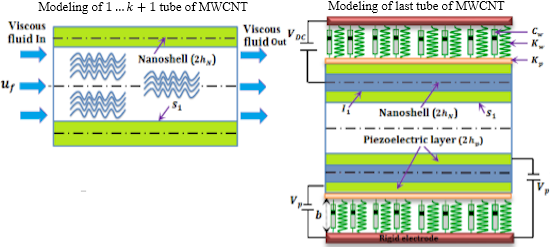
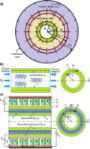
- Gurtin and Murdoch, is taken into consideration [11]. Also, multiwalled nanoshell (MWNS) materials are structurally built by multiconcentric single-walled nanoshell (SWNS) materials, and the mechanical properties of MWNA materials have been found to be superior to the mechanical properties of SWNSs. As a


![[Graphic 46]](/bjnano/content/inline/2190-4286-11-92-i46.svg?max-width=637&scale=1.18182) on DNF of FC-MWPENS.
on DNF of FC-MWPENS.


![[Graphic 50]](/bjnano/content/inline/2190-4286-11-92-i50.svg?max-width=637&scale=1.18182) on DNF of SS FC-MWPENS.
on DNF of SS FC-MWPENS.


![[Graphic 54]](/bjnano/content/inline/2190-4286-11-92-i54.svg?max-width=637&scale=1.18182) on DNF of SS FC-MWPENS.
on DNF of SS FC-MWPENS.


![[Graphic 59]](/bjnano/content/inline/2190-4286-11-92-i59.svg?max-width=637&scale=1.18182) for fluid velocity
for fluid velocity ![[Graphic 60]](/bjnano/content/inline/2190-4286-11-92-i60.svg?max-width=637&scale=1.18182) on DNF of SS FC-MWPENS.
on DNF of SS FC-MWPENS.

![[Graphic 61]](/bjnano/content/inline/2190-4286-11-92-i61.svg?max-width=637&scale=1.18182) for pull-in voltage on DNF of SS FC-MWPENS.
for pull-in voltage on DNF of SS FC-MWPENS.

![[Graphic 67]](/bjnano/content/inline/2190-4286-11-92-i67.svg?max-width=637&scale=1.18182) for fluid velocity
for fluid velocity ![[Graphic 68]](/bjnano/content/inline/2190-4286-11-92-i68.svg?max-width=637&scale=1.18182) on DNF of SS FC-MWPENS.
on DNF of SS FC-MWPENS.

![[Graphic 69]](/bjnano/content/inline/2190-4286-11-92-i69.svg?max-width=637&scale=1.18182) for pull-in voltage on DNF of SS FC-MWPENS.
for pull-in voltage on DNF of SS FC-MWPENS.

![[Graphic 73]](/bjnano/content/inline/2190-4286-11-92-i73.svg?max-width=637&scale=1.18182) on DNF of SS FC-MWPENS.
on DNF of SS FC-MWPENS.


![[Graphic 75]](/bjnano/content/inline/2190-4286-11-92-i75.svg?max-width=637&scale=1.18182) on DNF of SS FC-MWPENS.
on DNF of SS FC-MWPENS.

Wet-spinning of magneto-responsive helical chitosan microfibers
Beilstein J. Nanotechnol. 2020, 11, 991–999, doi:10.3762/bjnano.11.83
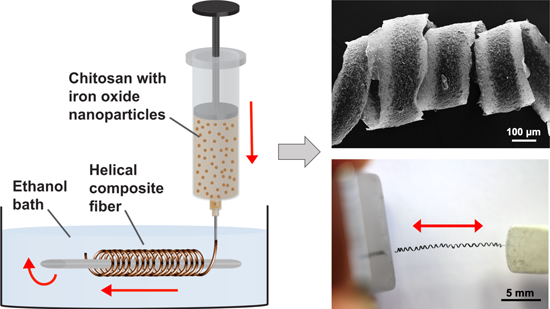
- actuators; chitosan fibers; helical fibers; magnetic tissue engineering; mechanical properties; wet-spinning; Introduction Helical fibrous structures are ubiquitous in nature and are found at virtually every length scale. A few examples are the structural motifs in proteins and DNA at the molecular level
- distribution and on the overall scaffold magnetization. Subsequently, we analyzed the mechanical properties of our manually prepared helical fibers in a customized tensile testing machine, which was adapted for fiber testing under tensile loads. A representative force (N) vs deformation (nm) curve is shown in
- mechanical properties of bare chitosan fibers. As expected, the mechanical properties of the fibers measured during the elastic regime were not significantly influenced by the presence of the embedded IOPs since our previous rheological characterization revealed that the viscoelastic properties were mainly


Stochastic excitation for high-resolution atomic force acoustic microscopy imaging: a system theory approach
Beilstein J. Nanotechnol. 2020, 11, 703–716, doi:10.3762/bjnano.11.58
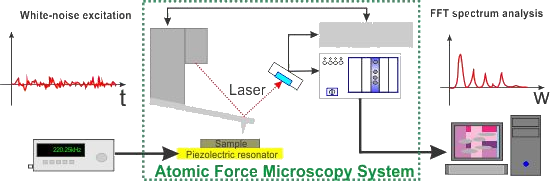
- compared to conventional techniques. Keywords: atomic force microscopy; fast Fourier transform; mechanical properties; system theory; white noise; Introduction There are several methods to measure mechanical properties at the nanoscale level, based on, e.g., nanoindentation or on other physical phenomena
- nanotechnology [3] because it offers a non-destructive alternative for measuring mechanical properties at the nanoscale using the small size of the cantilever tip with a radius of 5–50 nm. There are two kinds of conventional AFM methods for the measurement of mechanical properties [4][5], i.e., the measurement
- to tip–sample interaction. The frequency shifts can be used with a suitable model to calculate the mechanical properties of the sample material. This can be achieved by an external actuator or by an actuator attached to the cantilever holder chip [1][6][7][8][9][10][11]. The methods that use the



Preparation, characterization and photocatalytic performance of heterostructured CuO–ZnO-loaded composite nanofiber membranes
Beilstein J. Nanotechnol. 2020, 11, 631–650, doi:10.3762/bjnano.11.50
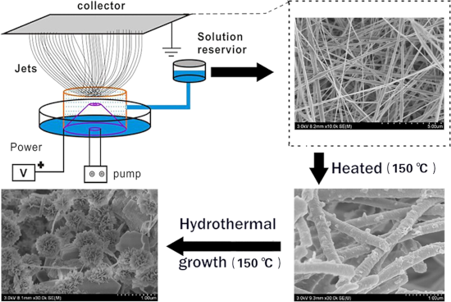
- characteristics, such as high surface area, good thermal stability, and excellent mechanical properties [32][33]. CNFs loaded with metal oxide nanoparticles have attracted a great deal of attention regarding the photocatalytic purification of water. He et al. [34] fabricated porous graphene/TiO2 CNFs by
- widely used to fabricate nanofiber membranes because of its good spinnability, electrical conductivity, and heat resistance. However, carbonized PAN nanofiber membranes usually have poor mechanical properties. Polyvinylidene fluoride (PVDF) has better mechanical properties but a lower melting point
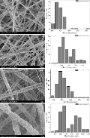
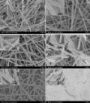
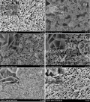
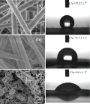
- . Carbonized PVDF/PAN CNFs have excellent mechanical properties due to the partial melting of PVDF after carbonization leading to point bonding. Therefore, blends of these two polymers were used as precursor for preparing the heterostructured CuO–ZnO-loaded CNF membranes (CNFMs) in our studies. In our previous











Examination of the relationship between viscoelastic properties and the invasion of ovarian cancer cells by atomic force microscopy
Beilstein J. Nanotechnol. 2020, 11, 568–582, doi:10.3762/bjnano.11.45
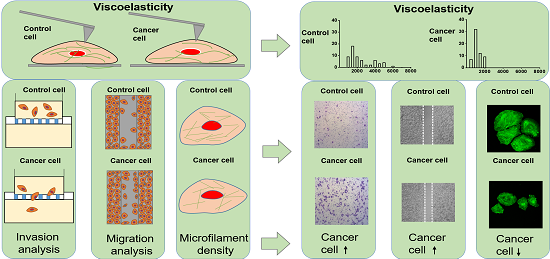
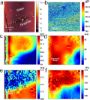
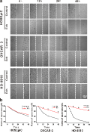
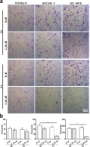
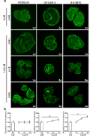
- The mechanical properties of cells could serve as an indicator for disease progression and early cancer diagnosis. This study utilized atomic force microscopy (AFM) to measure the viscoelastic properties of ovarian cancer cells and then examined the association with the invasion of ovarian cancer at
- of cancer and the change of mechanical properties of the cells has been discovered in the last decades [4][5]. Mechanical properties used to determine the tumorigenic and metastatic potential of cells are strongly associated with cell transformation, migration and invasion [6]. Therefore, diseased
- cells could be detected biomechanically. At present, a variety of research technologies, such as optical tweezers, micropipette aspiration, magnetic twisting cytometry and atomic force microscopy (AFM), have been developed to characterize the mechanical properties of biological samples [7][8][9][10


Multilayer capsules made of weak polyelectrolytes: a review on the preparation, functionalization and applications in drug delivery
Beilstein J. Nanotechnol. 2020, 11, 508–532, doi:10.3762/bjnano.11.41
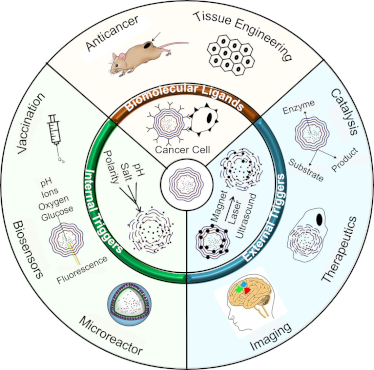
- composition defines the mechanical properties such as elastic modulus, toughness, strength and robustness of the hollow capsules [8]. The influence of the above-mentioned properties on capsule morphology and size have been demonstrated by inducing deformations on capsules either by osmotic [12] or physical
- control the internal structure, mechanical properties and permeability of the shell in order to induce the release of loaded cargo under exposure to external triggers. Several reports on strong PE capsules to date show their wide use in many practical applications ranging from the loading and controlled
- important step for hollow multilayer capsule preparation is the dissolution and complete removal of its core whose size can vary from nanometers to micrometers. The template should be inert and should not affect the chemical and mechanical properties of the polymer shell. A wide range of organic and



An advanced structural characterization of templated meso-macroporous carbon monoliths by small- and wide-angle scattering techniques
Beilstein J. Nanotechnol. 2020, 11, 310–322, doi:10.3762/bjnano.11.23
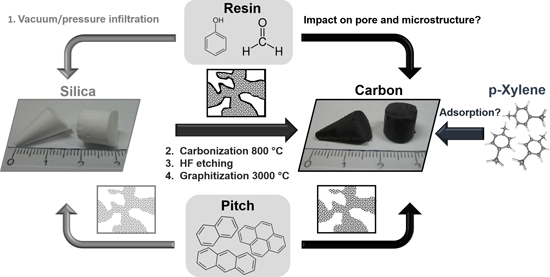
- , which often exhibit a closed porosity (voids). Resins are important compounds in the production of many carbon materials, e.g., as binder matrix for carbon fiber-reinforced carbon materials (CFRC), a light-weight material with excellent mechanical properties even at high temperatures. Upon heat




Facile biogenic fabrication of hydroxyapatite nanorods using cuttlefish bone and their bactericidal and biocompatibility study
Beilstein J. Nanotechnol. 2020, 11, 285–295, doi:10.3762/bjnano.11.21
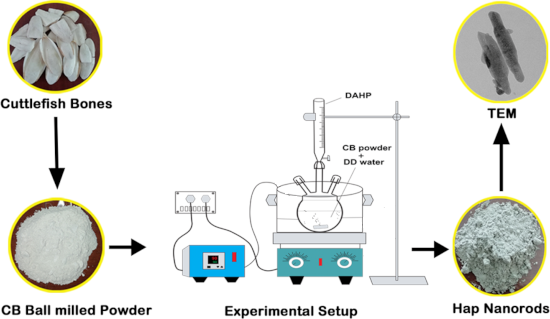
- in the crystallite size will lead to reduction in the mechanical properties of the Hap nanoparticles [36]. Moreover, Ooi et al. (2018) recently reported that a high annealing temperature will affect the porous structure of Hap nanoparticles [37]. In the present study, the TGA (Figure 3) shows 0


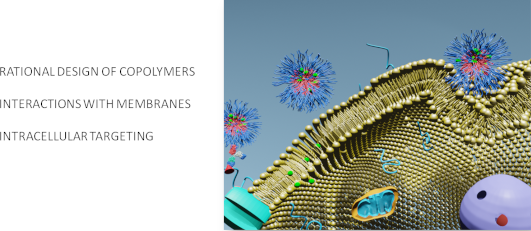
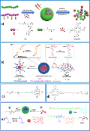
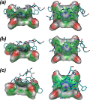
Rational design of block copolymer self-assemblies in photodynamic therapy
Beilstein J. Nanotechnol. 2020, 11, 180–212, doi:10.3762/bjnano.11.15






Size effects of graphene nanoplatelets on the properties of high-density polyethylene nanocomposites: morphological, thermal, electrical, and mechanical characterization
Beilstein J. Nanotechnol. 2020, 11, 167–179, doi:10.3762/bjnano.11.14
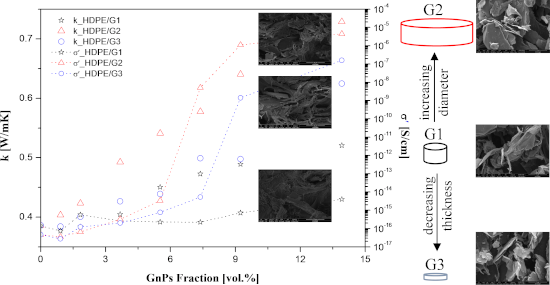
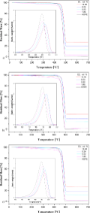
- lateral size and thickness on the morphological, thermal, electrical, and mechanical properties. The results show that the inclusion of GnPs enhance the thermal, electrical, and mechanical properties of HDPE-based nanocomposites regardless of GnP size. Nevertheless, the most significant enhancement of the
- ’ mechanical properties due to poorer dispersion compared to the others. In addition, the size of the GnPs had no considerable effect on the melting and crystallization properties of the HDPE/GnP nanocomposites. Keywords: electrical properties; graphene nanoplatelets; mechanical properties; polymer matrix
- superior inherent properties, such as its thermal (1000–5000 W/mK [5]) and electrical conductivity (6000 S/cm [6]), and mechanical properties (a Young’s modulus of 1 TPa and a tensile strength of 130 GPa [7]). However, the mass production of graphene with high quality at a low cost is still challenging



Fully amino acid-based hydrogel as potential scaffold for cell culturing and drug delivery
Beilstein J. Nanotechnol. 2019, 10, 2579–2593, doi:10.3762/bjnano.10.249
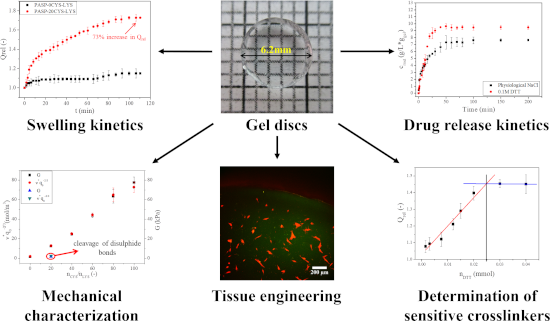
- the changing environmental conditions. Therefore, hydrogels can be used as drug delivery systems [4], implants [5][6], coatings [7][8] or scaffolds for tissue engineering [2][3][9][10]. Besides these stimuli-responsive properties, the chemical and physical structure, the mechanical properties [10] as
- hydrogels. Relationship between the mechanical properties and the chemical constitution of the gels The stiffness of the hydrogel scaffold is a key parameter in the field of tissue engineering. It was described previously that different cell types prefer gels of different stiffness for proliferation [57
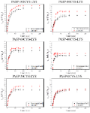
- ]. In this section, the mechanical properties of the amino acid-based hydrogels of different chemical constitutions will be explained in detail. As shown in Figure 3, the swelling properties of the PASP-based gels significantly depend on the chemical constitution of the gels. Consequently, the


Advanced hybrid nanomaterials
Beilstein J. Nanotechnol. 2019, 10, 2563–2567, doi:10.3762/bjnano.10.247

- hydrophobicity and lipophilicity. Exfoliated nanosheets of layered calcium phenylphosphonate assisted by solvent were used in “Layered calcium phenylphosphonate: a hybrid material for a new generation of nanofillers” to promote the mechanical properties and improve the barrier effect for applications such as
Abrupt elastic-to-plastic transition in pentagonal nanowires under bending
Beilstein J. Nanotechnol. 2019, 10, 2468–2476, doi:10.3762/bjnano.10.237
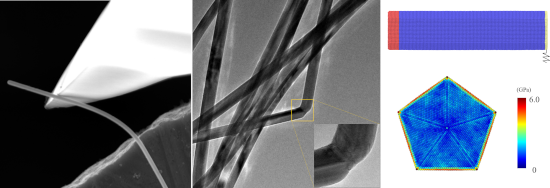
- flexible polymer composite materials. Keywords: finite element method; mechanical properties; molecular dynamics; nanowires; Introduction Nanostructures comprised of noble metals with face centered cubic (FCC) crystal structure (Au, Ag and Cu according to the most common physical definition) prepared via
- materials is expected to lead to mechanical properties different from those of regular monocrystals [7]. This fact must be taken into account when considering applications in which nanocrystals are subjected to mechanical deformation, for example, NW-based nanoswitches [8], nanoresonators [9] and flexible
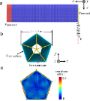
- experience severe and sometimes repeated bending deformations. Therefore, the proper understanding of the mechanical behaviour of NWs under bending deformation and the use of appropriate theoretical models is essential for the design and function of NW-based devices. The mechanical properties of pentagonal



pH-Controlled fluorescence switching in water-dispersed polymer brushes grafted to modified boron nitride nanotubes for cellular imaging
Beilstein J. Nanotechnol. 2019, 10, 2428–2439, doi:10.3762/bjnano.10.233
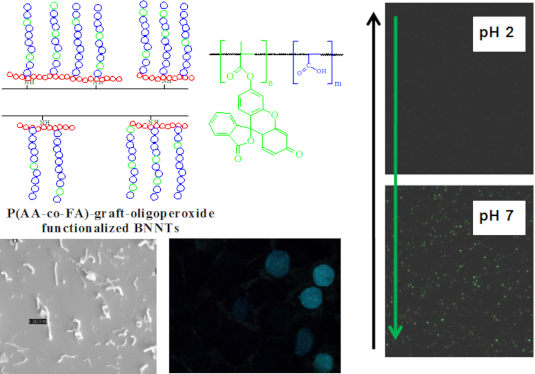
- in several fields [1][2][3][4][6][7][11][12][13][14][15][16]. BNNTs were first synthesized by Chopra et al. [20] in 1995 and they are considered as the structural analog to CNTs. BNNTs are of particular interest due to their remarkable mechanical properties (e.g., Young’s modulus of 1.22 TPa) and low


Integration of sharp silicon nitride tips into high-speed SU8 cantilevers in a batch fabrication process
Beilstein J. Nanotechnol. 2019, 10, 2357–2363, doi:10.3762/bjnano.10.226
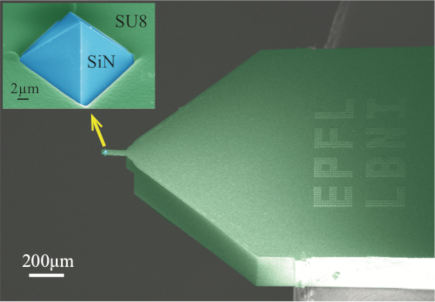
- blunt tips (the tip radius increased by an order of magnitude). Lee et al. have shown that hydrogel AFM cantilevers fabricated by replica moulding and UV curing have great potential for tuning the mechanical properties of the tip, its shape and the surface functionalization [26]. However, the


Atomic force acoustic microscopy reveals the influence of substrate stiffness and topography on cell behavior
Beilstein J. Nanotechnol. 2019, 10, 2329–2337, doi:10.3762/bjnano.10.223
- an effective tool to measure soft materials such as biomedical tissues and polymers [18]. A number of research groups have reported that the AFAM method can characterize mechanical properties of buried structures. For example, the influence of the thickness on the elastic properties of porous
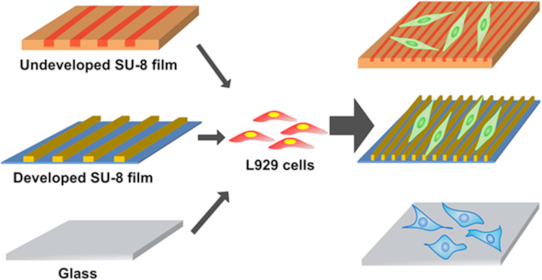
- . The NIH Image J software [30] was used to analyze the images and quantify the orientation angle and the cell areas. For each experiment an average of 150–200 cells were counted. Results and Discussion Characterization of substrate morphological and mechanical properties by AFAM Here, we used AFAM to
- pattern, and the cells are elongated along the stripe direction. Interestingly, at the nanoscale, the L929 cells appear to respond more strongly to the topography patterns than to the stiffness patterns. Finally, our findings illustrate a method to transfer the nanostructural and mechanical properties of


Design of a nanostructured mucoadhesive system containing curcumin for buccal application: from physicochemical to biological aspects
Beilstein J. Nanotechnol. 2019, 10, 2304–2328, doi:10.3762/bjnano.10.222
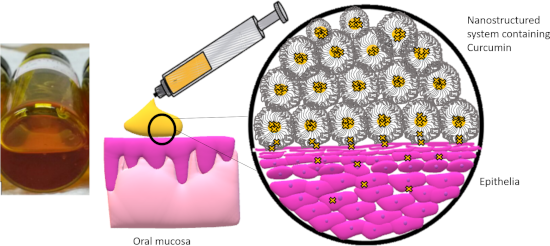
- containing CUR, the Tsol–gel is considered suitable (between 25 and 37 °C). Texture profile analysis The mechanical properties of the preparations with and without CUR were evaluated by texture profile analysis (TPA). The information about the physical structure of gels obtained by TPA are useful for the
- kinetics and the location of drug in the micelles were elucidated. The pharmaceutical aspects, including rheology, mechanical properties, CUR release and permeation using two complementary methods were also investigated. Moreover, the biological characterization involved investigation of the cytotoxicity


Adsorption and desorption of self-assembled L-cysteine monolayers on nanoporous gold monitored by in situ resistometry
Beilstein J. Nanotechnol. 2019, 10, 2275–2279, doi:10.3762/bjnano.10.219
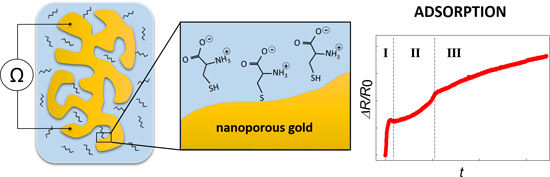
- ] and energy storage [3], nanoporous metals exhibit great potential in biochemical applications [4]. In addition to their various useful intrinsic characteristics, such as high surface-to-volume ratio and tunable mechanical properties, some applications require a modification of the surface, e.g., by

A novel all-fiber-based LiFePO4/Li4Ti5O12 battery with self-standing nanofiber membrane electrodes
Beilstein J. Nanotechnol. 2019, 10, 2229–2237, doi:10.3762/bjnano.10.215
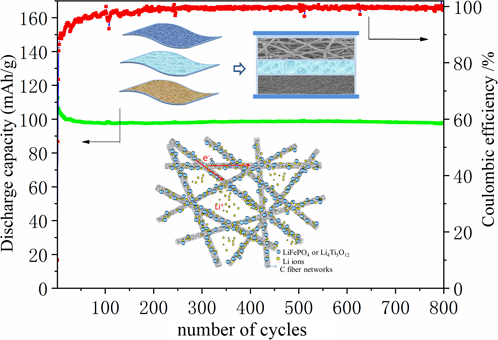
- . Researchers have found that two-dimensional (2D) or 3D free-standing electrode materials [18][19][20][21] can significantly improve the electrochemical performance while also offering light weight and superior mechanical properties [22][23]. LiFePO4 and Li4Ti5O12 have been widely developed and applied in LIBs


First principles modeling of pure black phosphorus devices under pressure
Beilstein J. Nanotechnol. 2019, 10, 1943–1951, doi:10.3762/bjnano.10.190
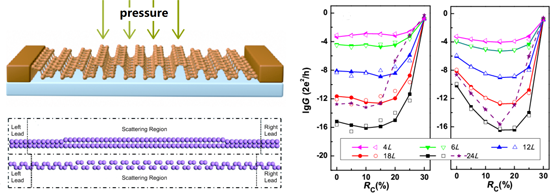
- ]. Finally, the NEGF-DFT self-consistency was carried out until the numerical tolerance of the Hamiltonian matrix was below 10−4 eV. Results and Discussion Mechanical properties of BP under pressure In this section, we discuss the mechanical behavior of periodic 2D BP with the increase of pressure along the




High-tolerance crystalline hydrogels formed from self-assembling cyclic dipeptide
Beilstein J. Nanotechnol. 2019, 10, 1894–1901, doi:10.3762/bjnano.10.184
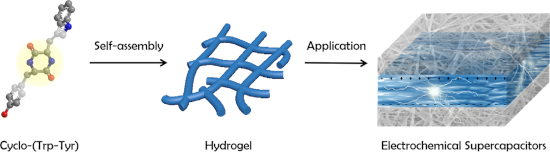
- their high water content and highly tunable mechanical properties, hydrogels as soft nanoarchitectonics and soft matter are well-suited in extensive applications, such as tissue engineering, drug delivery, and electronic and photonic energy storage [1][2][3][4][5][6][7][8][9][10]. Self-assembled peptide
- focused on the amorphous assemblies in organic solvents and ionic liquids [42][43][44][45][46]. Although these CDP gels have good mechanical properties and deceased enzymatic degradation under physiological conditions, they still have some challenging problems such as inflexibility, low biosecurity and
- of the C-WY hydrogel, charged biopolymers, including positively charged PLL and negatively charged HA and ALG, were selected for co-incubation with the hydrogel. The mechanical properties, including modulus (G’, G’’), shear-thinning behavior, and self-healing capability, improved after the


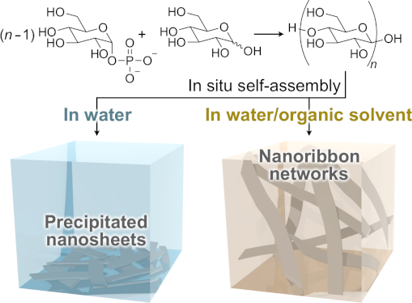
Biocatalytic oligomerization-induced self-assembly of crystalline cellulose oligomers into nanoribbon networks assisted by organic solvents
Beilstein J. Nanotechnol. 2019, 10, 1778–1788, doi:10.3762/bjnano.10.173
- of their assemblies in terms of physicochemical stability and mechanical properties [19][20]. Plausible reasons are their complicated chemical synthesis [21] and low solubility in solvents [22][23], which prevent crystalline poly- and oligosaccharides from undergoing controlled self-assembly into





Subsurface imaging of flexible circuits via contact resonance atomic force microscopy
Beilstein J. Nanotechnol. 2019, 10, 1636–1647, doi:10.3762/bjnano.10.159
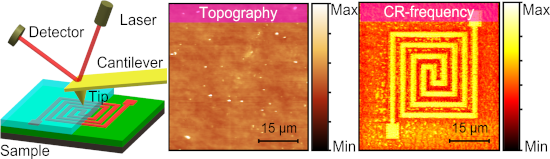
- of tip position on the cantilever, lateral forces and cantilever tilt [14][15][16]. Since the contact resonance is sensitive to the sample’s local mechanical properties, CR-AFM has been employed for characterization of elastic and viscoelastic properties [17][18][19][20]. In addition, mechanically
- the corresponding sample deformations at the position of the tip apex. The contact stiffness on the polymer substrate was solved by utilizing the same model, but with the middle layer material changed to PMMA. The mechanical properties of the materials in FEA calculations can be found in Table 2
- is possibly induced by the approximations in the theoretical calculations. Cantilever stiffness The frequency sensitivity of contact resonance to local mechanical properties also depends on the cantilever stiffness. We used three types of cantilevers for subsurface imaging whose spring constants were