


Search results
Search for "medicine" in Full Text gives 308 result(s) in Beilstein Journal of Nanotechnology. Showing first 200.
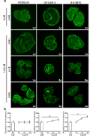
Imaging of SARS-CoV-2 infected Vero E6 cells by helium ion microscopy
Beilstein J. Nanotechnol. 2021, 12, 172–179, doi:10.3762/bjnano.12.13
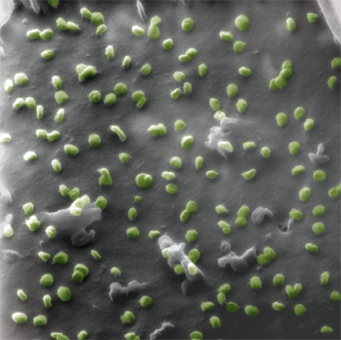
- Veterinary Medicine, Justus-Liebig-University Giessen, Germany Faculty of Engineering and Mathematics, Bielefeld University of Applied Sciences, Bielefeld, Germany University Clinic for Otolaryngology, Head and Neck Surgery, Medical Faculty OWL at Bielefeld University, Germany 10.3762/bjnano.12.13 Abstract


A review on the green and sustainable synthesis of silver nanoparticles and one-dimensional silver nanostructures
Beilstein J. Nanotechnol. 2021, 12, 102–136, doi:10.3762/bjnano.12.9
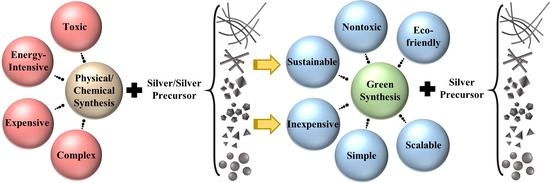
- but not limited to renewable energy, electronics, biosensors, wastewater treatment, medicine, and clinical equipment. The properties of silver nanostructures, such as size, size distribution, and morphology, are strongly dependent on synthesis process conditions such as the process type, equipment


Bio-imaging with the helium-ion microscope: A review
Beilstein J. Nanotechnol. 2021, 12, 1–23, doi:10.3762/bjnano.12.1
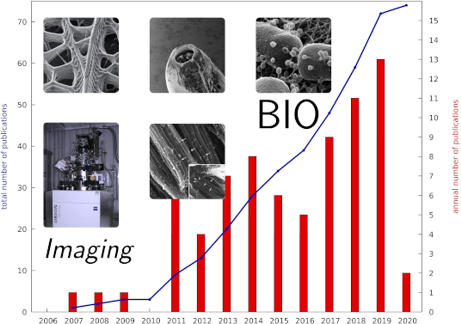
- HIM in the field of medicine came in 2011 when Bazou et al. used the HIM to study tumor cells [9][10] and Arey et al. studied the interaction of nanoparticles with alveolar epithelial cells [11]. In the following two years, reports on HIM imaging of the nanostructures on butterfly scales by Boden et


Functional nanostructures for electronics, spintronics and sensors
Beilstein J. Nanotechnol. 2020, 11, 1704–1706, doi:10.3762/bjnano.11.152

- ; Nanotechnology and functional nanostructures, exciting trends of the 21st century, are topics that have penetrated and influenced nearly all areas of human activity: from microelectronics to biology, from aerospace to medicine, from agriculture to novel materials engineering. One of the areas of nanoscience and
Cardiomyocyte uptake mechanism of a hydroxyapatite nanoparticle mediated gene delivery system
Beilstein J. Nanotechnol. 2020, 11, 1685–1692, doi:10.3762/bjnano.11.150
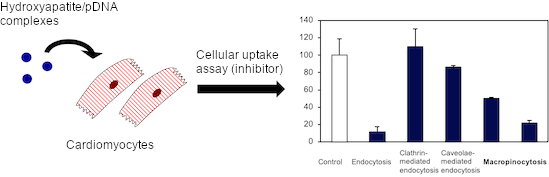
- Hiroaki Komuro Masahiro Yamazoe Kosuke Nozaki Akiko Nagai Tetsuo Sasano Department of Cardiovascular Physiology, Graduate School of Medical and Dental Sciences, Tokyo Medical and Dental University, Bunkyo, Tokyo 113-8510, Japan Department of Cardiovascular Medicine, Graduate School of Medical and


Selective detection of complex gas mixtures using point contacts: concept, method and tools
Beilstein J. Nanotechnol. 2020, 11, 1631–1643, doi:10.3762/bjnano.11.146
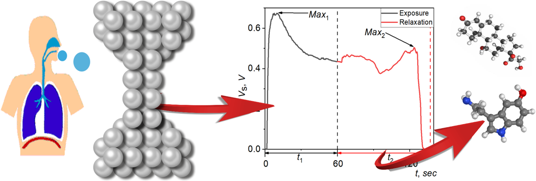
- breath test. The present study indicates some necessary prerequisites for the design of fast detection methods using differential sensor analysis in real time, which can be implemented in various areas of science and technology, among which medicine is one of the most important. Keywords: breath profile
- modern analysis tools creates a robust and fast detection method in which the real-time differential sensor analysis can be widely applied in various areas of science and technology, especially medicine. (a) Spectrum of the electron–phonon interaction in indium obtained using Yanson point contacts. V2 is


![[Graphic 4]](/bjnano/content/inline/2190-4286-11-146-i8.svg?max-width=637&scale=1.18182) in th...
in th...

![[Graphic 7]](/bjnano/content/inline/2190-4286-11-146-i11.svg?max-width=637&scale=1.18182) in the...
in the...
Detecting stable adsorbates of (1S)-camphor on Cu(111) with Bayesian optimization
Beilstein J. Nanotechnol. 2020, 11, 1577–1589, doi:10.3762/bjnano.11.140
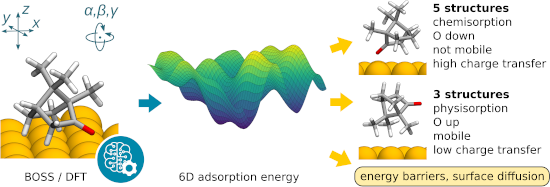
- technologies are increasingly based on advanced functional materials, which are often blends of organic and inorganic components. For example, in search for renewable energy solutions, hybrid perovskites are currently the best candidate to replace silicon in our solar cells [1]. In medicine, hybrid materials


Electrokinetic characterization of synthetic protein nanoparticles
Beilstein J. Nanotechnol. 2020, 11, 1556–1567, doi:10.3762/bjnano.11.138
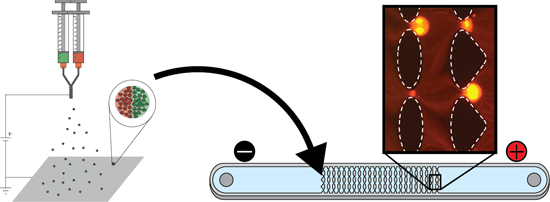
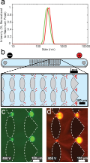
- Microscale Bioseparations Laboratory and Biomedical Engineering Department, Rochester Institute of Technology, Rochester NY, USA Chemical Engineering, University of Michigan - Ann Arbor, Ann Arbor MI, USA 10.3762/bjnano.11.138 Abstract The application of nanoparticle in medicine is promising for the



Antimicrobial metal-based nanoparticles: a review on their synthesis, types and antimicrobial action
Beilstein J. Nanotechnol. 2020, 11, 1450–1469, doi:10.3762/bjnano.11.129
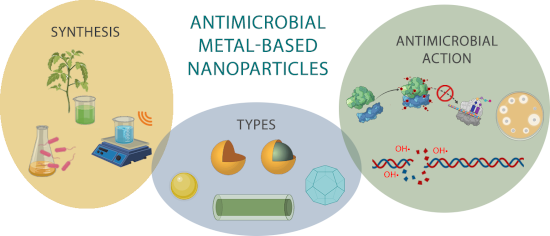
- , this method requires expensive equipment and, therefore, it is more commonly used in medical analysis and clinical medicine. With the techniques mentioned earlier, it is possible to determine significant differences between a wide variety of antimicrobial compounds against common food pathogens in a


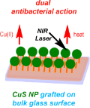
Photothermally active nanoparticles as a promising tool for eliminating bacteria and biofilms
Beilstein J. Nanotechnol. 2020, 11, 1134–1146, doi:10.3762/bjnano.11.98
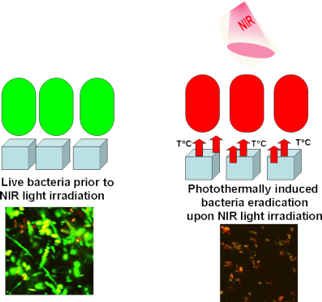
- Mykola Borzenkov Piersandro Pallavicini Angelo Taglietti Laura D'Alfonso Maddalena Collini Giuseppe Chirico Department of Medicine and Surgery, Nanomedicine Center, University of Milano-Bicocca, piazza dell’Ateneo Nuovo, 20126, Milan, Italy Department of Chemistry, University of Pavia, via


Applications of superparamagnetic iron oxide nanoparticles in drug and therapeutic delivery, and biotechnological advancements
Beilstein J. Nanotechnol. 2020, 11, 1092–1109, doi:10.3762/bjnano.11.94
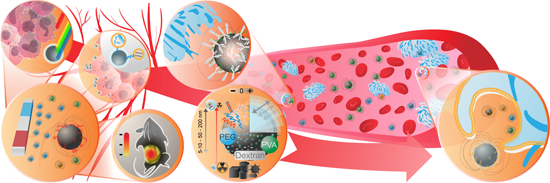
- , 400006, Romania Electron Microscopy Integrated Laboratory, National Institute for Research and Development of Isotopic and Molecular Technologies, 67-103 Donath Str., Cluj-Napoca, Cluj County, 400293, Romania Functional Sciences Department, Medical Faculty, University of Medicine and Pharmacy “Victor
- on the environment. Many nanoparticles showed great potential and proved their utility in biology and medicine. There are multiple types of nanoparticles routinely used in biology and related sciences for sensing, targeting or imaging, including quantum dots for fluorescence applications and electron
- biological properties of SPIONs. Various aspects regarding the synthesis of SPIONs and the application to cell biology or medicine have to be considered. Some properties of SPIONs can be controlled through synthesis, such as core type, oxidation state, functionalization, dimension, form, and concentration


Uniform Fe3O4/Gd2O3-DHCA nanocubes for dual-mode magnetic resonance imaging
Beilstein J. Nanotechnol. 2020, 11, 1000–1009, doi:10.3762/bjnano.11.84
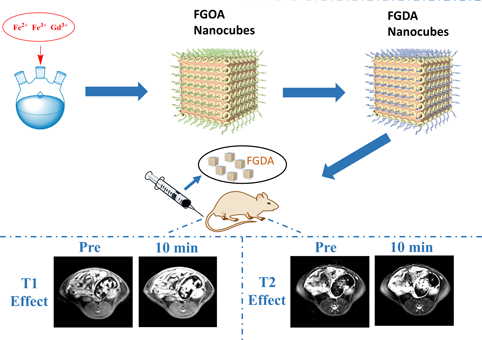
- Miao Qin Yueyou Peng Mengjie Xu Hui Yan Yizhu Cheng Xiumei Zhang Di Huang Weiyi Chen Yanfeng Meng Research Center for Nano-Biomaterials & Regenerative Medicine, Department of Biomedical Engineering, College of Biomedical Engineering, Taiyuan University of Technology, Taiyuan, Shanxi 030024, China



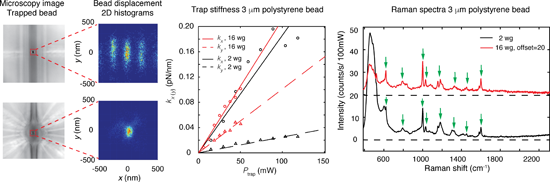
Integrated photonics multi-waveguide devices for optical trapping and Raman spectroscopy: design, fabrication and performance demonstration
Beilstein J. Nanotechnol. 2020, 11, 829–842, doi:10.3762/bjnano.11.68


Examination of the relationship between viscoelastic properties and the invasion of ovarian cancer cells by atomic force microscopy
Beilstein J. Nanotechnol. 2020, 11, 568–582, doi:10.3762/bjnano.11.45
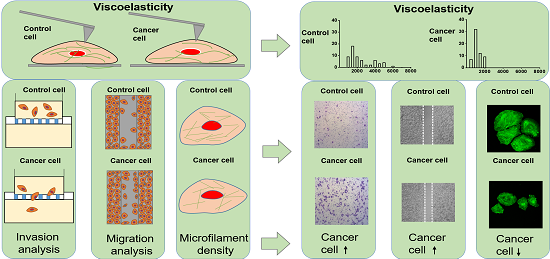
- Mengdan Chen Jinshu Zeng Weiwei Ruan Zhenghong Zhang Yuhua Wang Shusen Xie Zhengchao Wang Hongqin Yang Key Laboratory of Optoelectronic Science and Technology for Medicine of Ministry of Education, Fujian Provincial Key Laboratory for Photonics Technology, Fujian Normal University, Fuzhou 350007
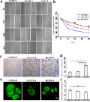

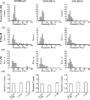
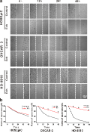
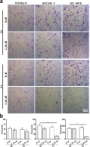

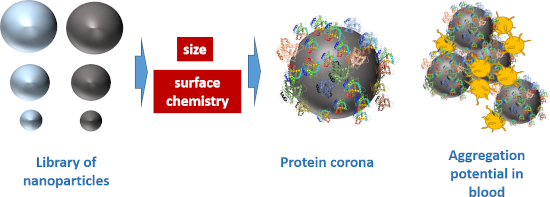
Identification of physicochemical properties that modulate nanoparticle aggregation in blood
Beilstein J. Nanotechnol. 2020, 11, 550–567, doi:10.3762/bjnano.11.44
- Stephen Green, Dublin 2, Ireland Department of Chemistry, Royal College of Surgeons in Ireland (RCSI), 123 St Stephen Green, Dublin 2, Ireland 10.3762/bjnano.11.44 Abstract Inorganic materials are receiving significant interest in medicine given their usefulness for therapeutic applications such as




Multilayer capsules made of weak polyelectrolytes: a review on the preparation, functionalization and applications in drug delivery
Beilstein J. Nanotechnol. 2020, 11, 508–532, doi:10.3762/bjnano.11.41
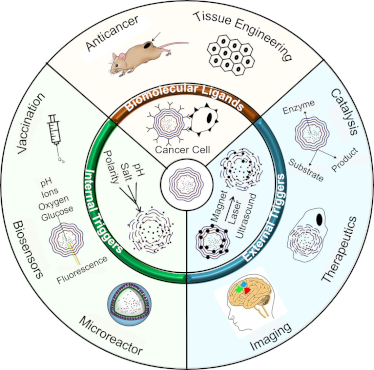
- significance in biotechnological and nanotechnological frontiers with applications in the fields of chemistry, physics, biology and medicine [1]. The multilayered capsules are fabricated by alternate deposition of anionic and cationic PEs on a sacrificial colloidal template, followed by the dissolution of the
- have been demonstrated with silica or carbonate cores. The crystallization of CaCO3 from supersaturated solutions results in porous gel-like cores which also play an important role for applications in industry and medicine [32]. Such formation depends on the experimental conditions such as pH, salt


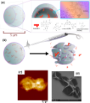

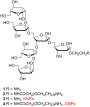
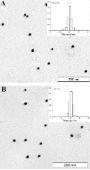
Preparation and in vivo evaluation of glyco-gold nanoparticles carrying synthetic mycobacterial hexaarabinofuranoside
Beilstein J. Nanotechnol. 2020, 11, 480–493, doi:10.3762/bjnano.11.39
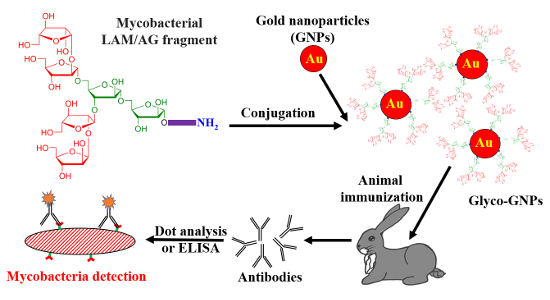
- (Figure 5). Bacterial cultures and growth conditions Bacterial cultures of M. bovis (vaccine strain BCG), M. phlei, and M. smegmatis were obtained from the collection of pathogenic and vaccine microorganisms of animals of Kovalenko Institute of Experimental Veterinary Medicine (Moscow, Russia) [118]. A


Nanoparticles based on the zwitterionic pillar[5]arene and Ag+: synthesis, self-assembly and cytotoxicity in the human lung cancer cell line A549
Beilstein J. Nanotechnol. 2020, 11, 421–431, doi:10.3762/bjnano.11.33
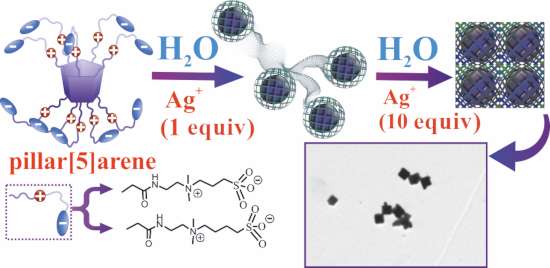
- Dmitriy N. Shurpik Denis A. Sevastyanov Pavel V. Zelenikhin Pavel L. Padnya Vladimir G. Evtugyn Yuriy N. Osin Ivan I. Stoikov Kazan Federal University, A.M. Butlerov Chemistry Institute, 420008 Kremlevskaya, 18, Kazan, Russian Federation Institute of Fundamental Medicine and Biology, Kazan Federal
- and 2D biomedical coatings. Keywords: cytotoxicity; macrocyclic receptors; nanoparticles; pillar[5]arene; self-assembly; silver; Introduction The first use of silver (Ag) as a medicine dates back to Hippocrates, who used it as an antibacterial agent for the treatment of ulcers [1]. Over the past




Using gold nanoparticles to detect single-nucleotide polymorphisms: toward liquid biopsy
Beilstein J. Nanotechnol. 2020, 11, 263–284, doi:10.3762/bjnano.11.20
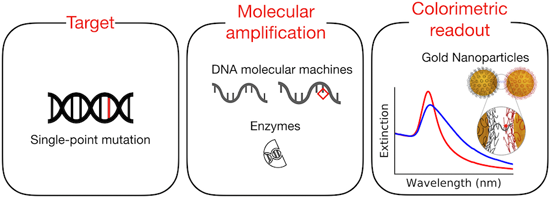
- techniques are without parallel in the analysis of genetic material and the detection of mutations, they require an operation by specialized personnel in large infrastructures such as hospitals or research centers. The democratization of liquid biopsy and therefore the advancement of personal medicine needs
- influence the promoter activity (gene expression), the activity of messenger RNA (mRNA), gene conformation (stability) and the translational efficiency. Keeping in mind the importance of these modifications, SNPs can be proposed as biomarkers in the clinical diagnosis of diseases, personalized medicine and
- in the further development of personalized medicine. Alterations in cell-free DNA. Cell-free DNA can be released from both cancerous and normal cells located in the tumor environment through apoptosis, necrosis or secretion. Once in the bloodstream, cfDNA may exist either free or associated with




Rational design of block copolymer self-assemblies in photodynamic therapy
Beilstein J. Nanotechnol. 2020, 11, 180–212, doi:10.3762/bjnano.11.15
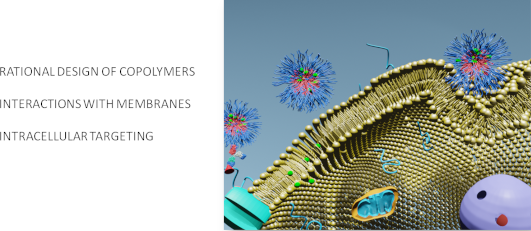
- ) effect [2][3], constituted the triggering factor for the development of a whole new part of medicine, namely nanomedicine. Indeed, the observed spontaneous accumulation was explained by the existence of disjunctions between endothelial cells in the proximity of inflamed and cancerous tissues, which






Internalization mechanisms of cell-penetrating peptides
Beilstein J. Nanotechnol. 2020, 11, 101–123, doi:10.3762/bjnano.11.10
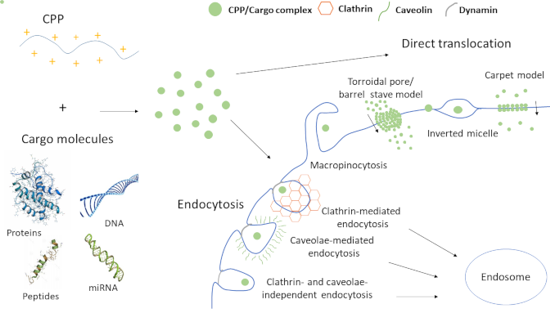
- Ivana Ruseska Andreas Zimmer Institute of Pharmaceutical Sciences, Department of Pharmaceutical Technology and Biopharmacy, University of Graz, 8010 Graz, Austria 10.3762/bjnano.11.10 Abstract In today’s modern era of medicine, macromolecular compounds such as proteins, peptides and nucleic acids


The different ways to chitosan/hyaluronic acid nanoparticles: templated vs direct complexation. Influence of particle preparation on morphology, cell uptake and silencing efficiency
Beilstein J. Nanotechnol. 2019, 10, 2594–2608, doi:10.3762/bjnano.10.250
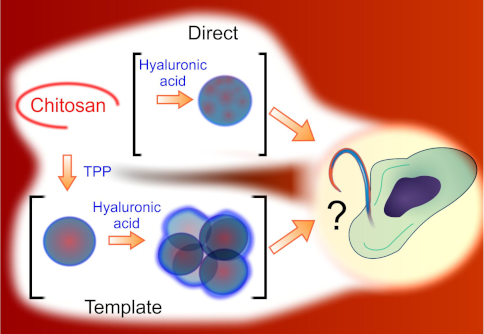
- of Health Sciences, University of Manchester, Oxford Road, Manchester, M13 9PT, United Kingdom Division of Pharmacy and Optometry, Faculty of Biology, Medicine and Health, Stopford Building, University of Manchester and Manchester Academic Health Science Centre, Manchester, M13 9PT, United Kingdom



Fully amino acid-based hydrogel as potential scaffold for cell culturing and drug delivery
Beilstein J. Nanotechnol. 2019, 10, 2579–2593, doi:10.3762/bjnano.10.249
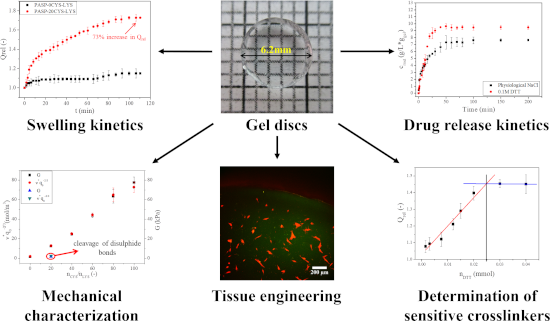
- usually complicated and expensive [3]. Recently, various types of polymer-based hydrogels have been developed for purposes of tissue engineering and regenerative medicine [26]. Most of these polymers try to mimic or recreate the natural environment of the cells, namely the extracellular matrix (ECM) [27


Long-term stability and scale-up of noncovalently bound gold nanoparticle-siRNA suspensions
Beilstein J. Nanotechnol. 2019, 10, 2568–2578, doi:10.3762/bjnano.10.248
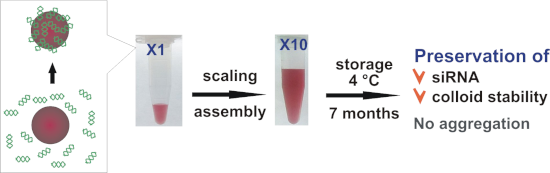
- Anna V. Epanchintseva Julia E. Poletaeva Dmitrii V. Pyshnyi Elena I. Ryabchikova Inna A. Pyshnaya Institute of Chemical Biology and Fundamental Medicine, Siberian Branch of Russian Academy of Science, Lavrent’ev av., 8, Novosibirsk, 630090, Russian Federation 10.3762/bjnano.10.248 Abstract Gold


Frontiers in pharmaceutical nanotechnology
Beilstein J. Nanotechnol. 2019, 10, 2538–2540, doi:10.3762/bjnano.10.244
- was proclaimed to revolutionize medicine, but what we are seeing at present is a slow transformation rather than a revolutionary overthrow. Now more than ever, the potential for clinical translation will be in the spotlight. In many areas, nanotechnology is already accepted, for example, in the



