


Search results
Search for "methanol" in Full Text gives 296 result(s) in Beilstein Journal of Nanotechnology. Showing first 200.
Thermal control of the defunctionalization of supported Au25(glutathione)18 catalysts for benzyl alcohol oxidation
Beilstein J. Nanotechnol. 2019, 10, 228–237, doi:10.3762/bjnano.10.21
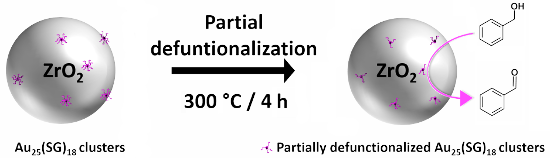
- dodecane (≥99%) were purchased from Sigma-Aldrich. L-glutathione (HSG, +98%) and cesium carbonate (99%, metal basis) were obtained from Alfa Aesar, Methanol (HPLC grade) from VWR International, and toluene from Emsure. Zirconium oxide (ZrO2) was prepared from Zr(OH)4 calcined at 550 °C for 12 hours under
- synthesis procedure with some modifications [33]. In a 100 mL round-bottom flask, 0.25 mmol HAuCl4.3H2O was dissolved in 50 mL methanol under stirring at 1500 rpm in an ice bath. Then, 1 mmol glutathione was rapidly added to the flask, and the mixed solution was left stirring for 30 minutes. The color of
- reaction was allowed to proceed under stirring at 1500 rpm in an ice bath for 1 hour, and UV–vis spectra were collected at 45 minutes into the reaction. The product was purified by repeated centrifugation (10000 rpm, 15 minutes) and was washed several times with methanol (5000 rpm, 15 minutes). The




Uniform Sb2S3 optical coatings by chemical spray method
Beilstein J. Nanotechnol. 2019, 10, 198–210, doi:10.3762/bjnano.10.18
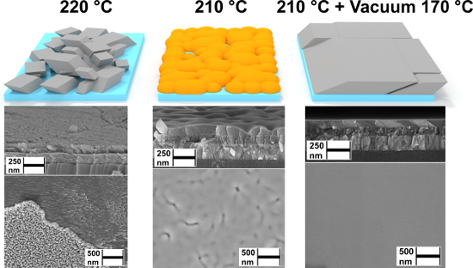
- substrates were rinsed with deionized water, methanol (99.9 vol %), deionized water, dipped in aqueous room temperature H2SO4 (1 vol %), rinsed again with deionized water, and dried at 105 °C in air. TiO2 was prepared by methods used in our previous papers [7][12]. The TiO2 film thickness was ≈80 nm based on




Wet chemistry route for the decoration of carbon nanotubes with iron oxide nanoparticles for gas sensing
Beilstein J. Nanotechnol. 2019, 10, 105–118, doi:10.3762/bjnano.10.10
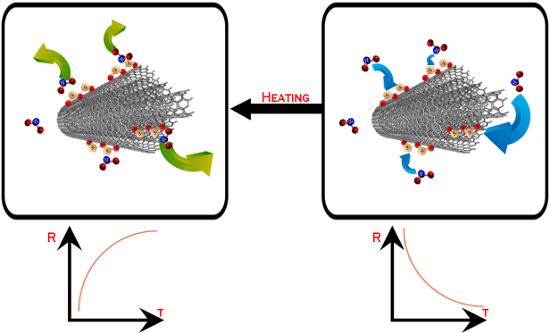
- %) Sulfuric acid, J. T. Baker (H2SO4 95–97%) Conductive silver paste, Sigma-Aldrich Methanol, Scharlau (CH3OH 99.9%) Ethanol, Scharlau (C2H5OH 96% extra pure and 99.5% absolute) Acetone, Scharlau (C3H6O 99.5%) Dimethylformamide (DMF), Alfa Aesar (C3H7NO 99.8%) Iron(III) nitrate nonahydrate, Sigma-Aldrich (Fe
- drying oven at 80 °C for 4 hours. For the decoration of carbon nanotubes, iron(III) nitrate nonahydrate was used as the iron precursor. 50 mg of the acidic-activated carbon nanotubes were added to 50 mL of solvent together with a corresponding amount of Fe(NO3)3·9H2O salt. Different solvents, methanol
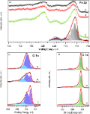
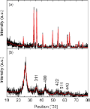
- solvent on the nanoparticle distribution, solutions with the four solvents considered (ethanol, methanol, acetone and DMF) were prepared using a 1:1.5 proportion in weight between carbon nanotubes and iron(III) nitrate nonahydrate and calcined for 30 minutes. TEM images of the results are summarized in




Zn/F-doped tin oxide nanoparticles synthesized by laser pyrolysis: structural and optical properties
Beilstein J. Nanotechnol. 2019, 10, 9–21, doi:10.3762/bjnano.10.2
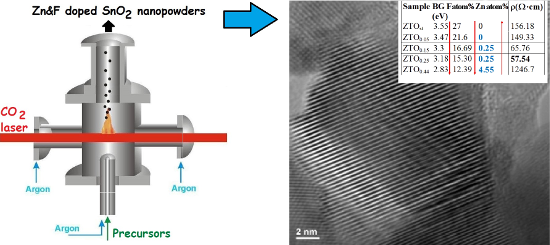
- ], photocatalysts for rhodamine 6G dye degradation in aqueous solution [27] and were proposed as a thermal UV sensor for high-radiation environments [4]. Moreover, the ZTO materials were also employed as volatile organic compound (VOC) (such as methanol, ethanol or acetone vapors) sensors [28], as an anode for Li

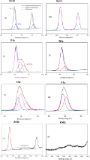


A novel polyhedral oligomeric silsesquioxane-modified layered double hydroxide: preparation, characterization and properties
Beilstein J. Nanotechnol. 2018, 9, 3053–3068, doi:10.3762/bjnano.9.284
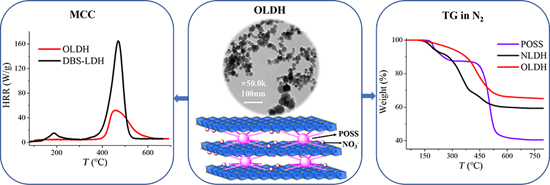
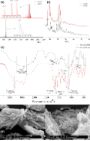
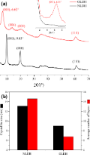
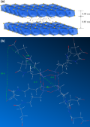
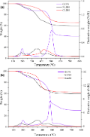
- for applications in LDH-based materials. Experimental Materials All chemicals were of analytical grade and used as received without further purification unless otherwise noted. (3-Aminopropyl)triethoxysilane and succinic anhydride were purchased from Aladdin Co. Ltd (Shanghai, China). Methanol
- stirrer, (3-aminopropyl)triethoxysilane (30 mL), methanol (720 mL) and concentrated hydrochloric acid (60 mL) were added. The system was refluxed for 20 h under vigorous stirring and then cooled down to room temperature. The white precipitate was collected after precipitation in cold THF, filtration, and
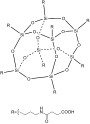
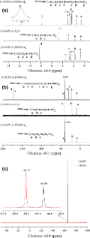
- washing with cold methanol. The residue was then recrystallized in methanol, filtrated, and dried in vacuum (40 °C, 24 h). The final product was obtained as a white powder with a yield of 43%. The synthesis of octa-substituted carboxy-terminated POSS (OCPS) was carried out via acylation of OAPS with







Comparative biological effects of spherical noble metal nanoparticles (Rh, Pd, Ag, Pt, Au) with 4–8 nm diameter
Beilstein J. Nanotechnol. 2018, 9, 2763–2774, doi:10.3762/bjnano.9.258
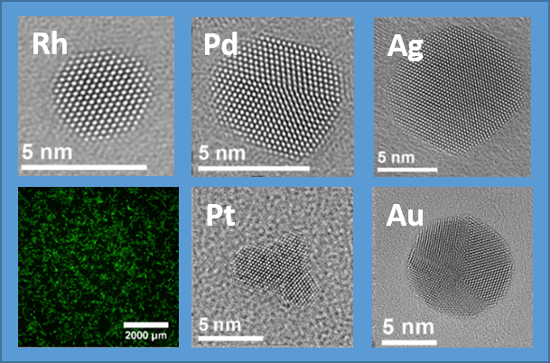
- of different size and shape [61][62]. A hydrogen-based reduction in alcohols like methanol, heptanol, and propanol leads to sponge-like rhodium nanostructures [63]. Palladium nanoparticles can be synthesized either by the polyol process or by sono-, electro- and wet-chemical methods [64]. The


Impact of the anodization time on the photocatalytic activity of TiO2 nanotubes
Beilstein J. Nanotechnol. 2018, 9, 2628–2643, doi:10.3762/bjnano.9.244
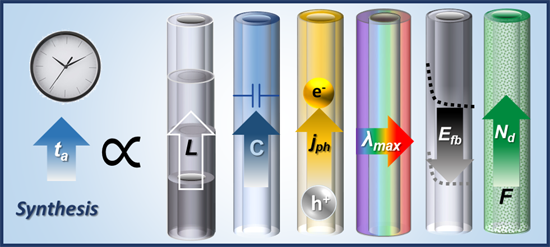
- potential when molecular species are present. To evaluate the oxidative contribution of the photogenerated holes, methanol (MeOH) was added to the electrolyte. From Figure 6c it can be seen that the addition of 0.5 M MeOH increases the photocurrent jph up to 200% (Figure 6a). This refers to a phenomenon


Cytotoxicity of doxorubicin-conjugated poly[N-(2-hydroxypropyl)methacrylamide]-modified γ-Fe2O3 nanoparticles towards human tumor cells
Beilstein J. Nanotechnol. 2018, 9, 2533–2545, doi:10.3762/bjnano.9.236
- and under Ar atmosphere. Methanol (3 mL) was added to transform unreacted methacryloyl chloride in methyl methacrylate and the mixture was stirred until reaching room temperature (RT). Precipitated triethylamine·HCl was filtered-off, DCE removed on a rotary evaporator, and the resulting MMAA was
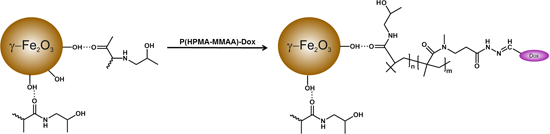
- )-NH-NH2 was diluted with ethanol (2 mL)/tetrahydrofuran (4 mL) mixture and precipitated in diethyl ether (10 mL) and dried. Finally, to attach Dox, P(HPMA-MMAA)-NH-NH2 (40 mg) was dissolved in methanol (0.3 mL), a solution of Dox (3.9 mg) in methanol (1 mL) and 0.5 M methanolic acetic acid (25 µL) was
- vibrations, respectively (Figure 3). The methoxy groups of the P(HPMA-MMAA) chains were reacted with hydrazine hydrate (Figure 2) under a rather low molar excess of hydrazine relative to MMAA in order to facilitate purification of the product. Finally, P(HPMA-MMAA)-NH-NH2 was conjugated with Dox in methanol


Nanocellulose: Recent advances and its prospects in environmental remediation
Beilstein J. Nanotechnol. 2018, 9, 2479–2498, doi:10.3762/bjnano.9.232
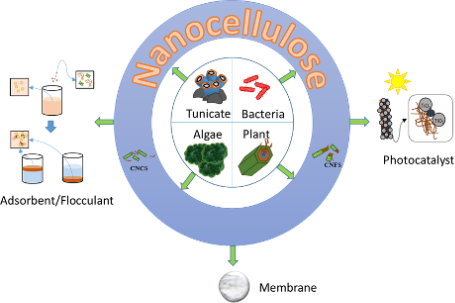
- particles will be lost during the recycling process. In another study, Taranto et al. [126] found that cellulose was sensitive to UV irradiation and prone to degradation during photocatalysis. The cellulose might compete with organic pollutants such as methanol for photocatalytically generated active
- species/sites, leading to a decrease in methanol reaction rate. Besides, Puls et al. [127] clarified that TiO2 could cause pitting on the surface of cellulose acetate/cellulose pulp fibres under UV illumination. Therefore, cellulose nanomaterials need to be coated and covered perfectly by inert UV


Effect of electrospinning process variables on the size of polymer fibers and bead-on-string structures established with a 23 factorial design
Beilstein J. Nanotechnol. 2018, 9, 2466–2478, doi:10.3762/bjnano.9.231
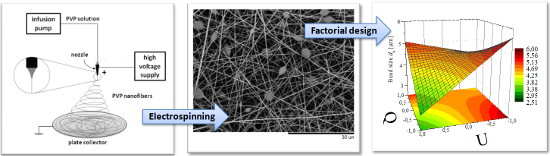
- in terms of the fiber surface morphology. It was also concluded that methanol and ethanol were best suited for electrospinning of PVP, in contrast to water and dimethylformamide (DMF), which prevented the polymer from spinning. What is more, the higher the water content of the solvent, the less


Magnetism and magnetoresistance of single Ni–Cu alloy nanowires
Beilstein J. Nanotechnol. 2018, 9, 2345–2355, doi:10.3762/bjnano.9.219
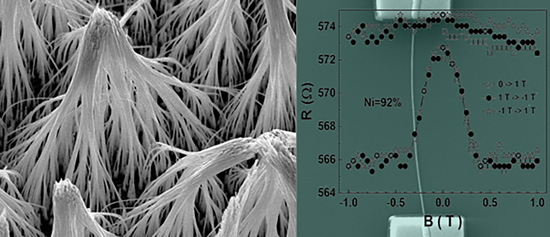
- . The templates used were nanoporous polycarbonate membranes with a thickness of 30 µm, a density of 109 pores·cm−1 and a pore diameter of 130 nm. Chemical etching of the pores was performed by immersing the irradiated polycarbonate foils in an aqueous solution of 5 M NaOH and 10 vol % methanol at a


Electrospun one-dimensional nanostructures: a new horizon for gas sensing materials
Beilstein J. Nanotechnol. 2018, 9, 2128–2170, doi:10.3762/bjnano.9.202


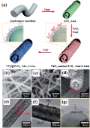


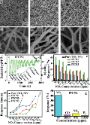


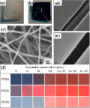
Nanoconjugates of a calixresorcinarene derivative with methoxy poly(ethylene glycol) fragments for drug encapsulation
Beilstein J. Nanotechnol. 2018, 9, 2057–2070, doi:10.3762/bjnano.9.195
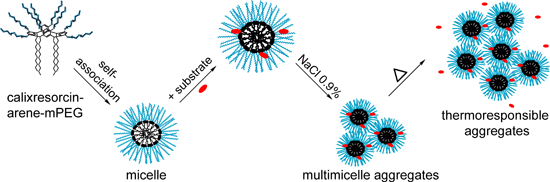
- methanol were consecutively applied onto the target and evaporated. An aqueous solution of cesium chloride (CsCl) at a concentration of 1 mg/mL was added to improve the ionization of the analyzed sample. IR spectra were recorded with a Bruker Vector 22 FTIR Spectrometer (Bruker Optics, USA) in KBr pellets


Metal-free catalysis based on nitrogen-doped carbon nanomaterials: a photoelectron spectroscopy point of view
Beilstein J. Nanotechnol. 2018, 9, 2015–2031, doi:10.3762/bjnano.9.191
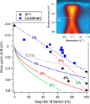
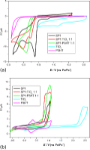
- -electron pathway with higher steady-state current with respect to commercial Pt–C electrode. The authors referred to a long-term operation stability and tolerance to poisoning effects, such as the introduction of methanol and CO in the air-saturated electrochemical cell (Figure 2). The response of N
- ) methanol into the air-saturated electrochemical cell. (bottom) Current (j) as a function of the time (t) obtained at the Pt–C (green) and the N-graphene (blue). The arrow indicates the addition of 10% (v/v) CO into the air-saturated 0.1 M KOH solution at −0.4 V; j0 defines the initial current. Adapted with




Biomimetic and biodegradable cellulose acetate scaffolds loaded with dexamethasone for bone implants
Beilstein J. Nanotechnol. 2018, 9, 1986–1994, doi:10.3762/bjnano.9.189
- of PBS was added. Methylene blue is commonly used for the identification of cell viability as it stains the nuclei of living cells, making them more observable. The protocol for staining with methylene blue initially involves the addition of methanol to the samples, which were in the well-plates for
- 5 min. Then, after removing methanol, methylene blue was added for 30 min. After removing the methylene blue, the samples were rinsed with distilled water until the blue color disappeared. Finally, after removing the lid of the well-plate, the samples were exposed to room temperature in order to dry


Nanocomposites comprised of homogeneously dispersed magnetic iron-oxide nanoparticles and poly(methyl methacrylate)
Beilstein J. Nanotechnol. 2018, 9, 1613–1622, doi:10.3762/bjnano.9.153
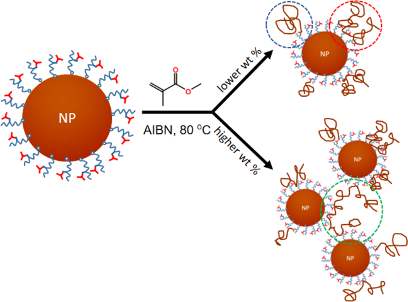
- , azobisisobutyronitrile (AIBN) (0.1 g) and bubbled with Ar. After 30 min, the bubbling was stopped, and 11 mL of MMA was added and the suspension was heated at 80 °C for 4 h. The nanocomposite (NC) was precipitated from the cooled suspension of NP-PMMA with methanol (1:10 v/v). The NC was then washed several times with
- methanol, oven dried at 60 °C and crushed in an agate mortar. The suspensions NP-PMMA-1, NP-PMMA-2 and NP-PMMA-3 contained 1.2 wt %, 8.1 wt %, and 26.6 wt % of the NPs, respectively. The nanocomposites NC-1, NC-2, and NC-3 were prepared from the NP-PMMA suspensions denominated with the same number. For the
- nanoparticles is related to the lower yield of precipitation of PMMA, decreasing the amount of isolated PMMA. PMMA is not soluble in pure methanol, however, in our case we precipitated nanocomposites by adding methanol to the suspension in toluene. In the precipitation mixture of toluene and methanol, a small


Noble metal-modified titania with visible-light activity for the decomposition of microorganisms
Beilstein J. Nanotechnol. 2018, 9, 829–841, doi:10.3762/bjnano.9.77
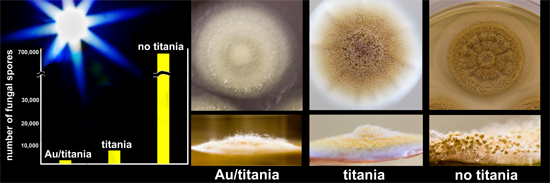
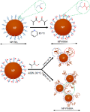
- photogenerated electrons on irradiated titania. To enable a efficient deposition of metals on titania, photodeposition was carried out in 50 vol % methanol as a hole scavenger and under anaerobic conditions to avoid electron scavenging by oxygen. To find the key factors of antimicrobial activity, various titania
- that both titania samples (ST01 and FP6) are highly active photocatalysts for various photocatalytic reactions, e.g., oxidative decomposition of acetic acid and dehydrogenation of methanol [72]. FP6 has larger crystals (smaller specific surface area), and thus its lower activity under irradiation is
- brief, TiO2 samples were suspended in a 50 vol % aqueous solution of methanol, to which either AgNO3 aqueous solution or HAuCl4·H2O aqueous solution was added, suspensions were purged with argon for 15 min, and irradiated with a 400 W mercury lamp in a thermostatic water bath at 298 K under stirring


Synthesis and characterization of two new TiO2-containing benzothiazole-based imine composites for organic device applications
Beilstein J. Nanotechnol. 2018, 9, 721–739, doi:10.3762/bjnano.9.67
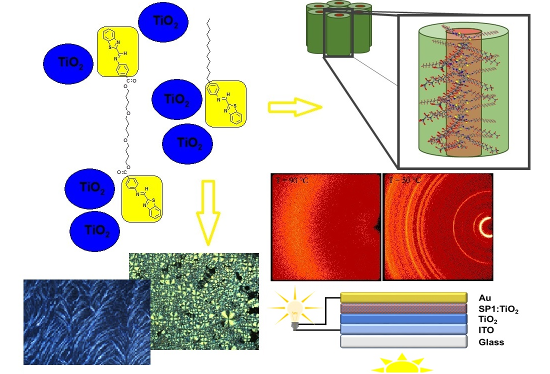
- . The reaction was conducted in argon atmosphere and the condenser was fitted with a Dean–Stark trap. After cooling, the mixture was precipitated with 100 mL of ethanol. The crude product was washed three times with methanol (1500 mL) and then twice with acetone (800 mL) to remove unreacted monomers






Cyclodextrin-assisted synthesis of tailored mesoporous silica nanoparticles
Beilstein J. Nanotechnol. 2018, 9, 693–703, doi:10.3762/bjnano.9.64
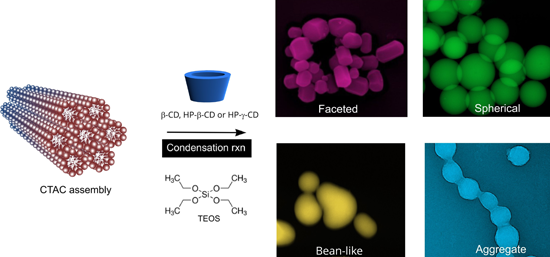
- at 80 °C for 3 h. For the synthesis of pristine MSNs, the particles were synthesized without CD addition. The nanoparticles were later purified by washing with a mixed solution of acetic acid and methanol with a ratio of 1:3 to remove weakly adsorbed CDs and CTAC moieties from the surface and pores


Sensing behavior of flower-shaped MoS2 nanoflakes: case study with methanol and xylene
Beilstein J. Nanotechnol. 2018, 9, 608–615, doi:10.3762/bjnano.9.57
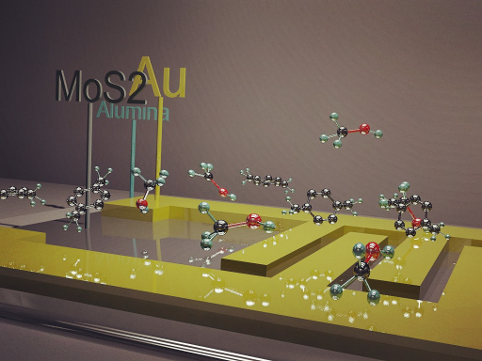
- using X-ray diffraction, Brunauer–Emmett–Teller surface area measurements, elemental analysis using energy dispersive X-ray spectroscopy, and field-emission scanning electron microscopy. The gas sensing characteristics were evaluated under exposure to various concentrations of xylene and methanol vapors
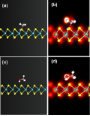
- . The results reveal higher sensitivity and shorter response times for methanol at temperatures below 200 °C toward 200 to 400 ppm gas concentrations. The sensing mechanisms for both gases are discussed based on simulation results using density functional theory and charge transfer. Keywords: density
- functional theory; gas sensor; hydrothermal method; methanol; MoS2 nanoflakes; xylene vapor; Introduction Recent efforts in exploring two-dimensional (2D) materials have led to the introduction of a new family of materials known as transition metal dichalcogenides (TMDs), which show remarkable electrical


Single-step process to improve the mechanical properties of carbon nanotube yarn
Beilstein J. Nanotechnol. 2018, 9, 545–554, doi:10.3762/bjnano.9.52
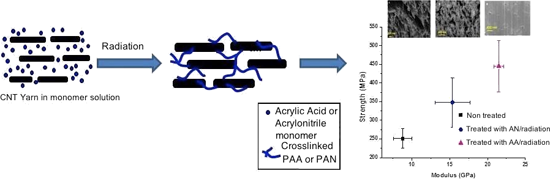
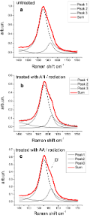
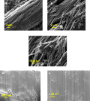
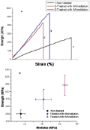
- instruments CNT yarn (produced through a proprietary process by the University of Cincinnati), acrylic acid (AA, Acros Organics, 98%), acrylonitrile (AN, Acros Organics, 99%), methanol (Fisher Chemicals, 99.8%), tetrahydrofuran (THF, Fisher Chemical, ACS reagent), iron(II) sulfate heptahydrate (FeSO4·7H2O




Design of polar self-assembling lactic acid derivatives possessing submicrometre helical pitch
Beilstein J. Nanotechnol. 2018, 9, 333–341, doi:10.3762/bjnano.9.33
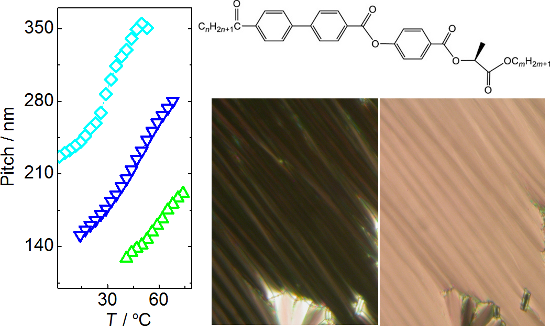
- recrystallized from methanol. The molecular structure was checked for all synthesised compounds by 1H NMR spectra recorded on a Varian VNMRS 300 instrument, where deuteriochloroform (CDCl3) served as a solvent. The signal of the solvent was used as an internal standard. The purity of the final compounds was
- checked by HPLC analysis (high-pressure pump ECOM Alpha; column WATREX Biospher Si 100, 250 × 4 mm, 5 µm; detector WATREX UVD 250) and were found to be >99.8% with the mixture of 99.9% of toluene and 0.1% of methanol as an eluent using a UV–vis detector (λ = 290 nm). The optical rotation was measured in


BN/Ag hybrid nanomaterials with petal-like surfaces as catalysts and antibacterial agents
Beilstein J. Nanotechnol. 2018, 9, 250–261, doi:10.3762/bjnano.9.27
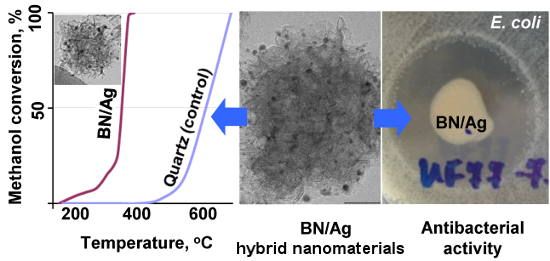
- the CVD method. The best catalytic characteristics (100% methanol conversion at 350 °C) were achieved using the UV BN/Ag HNMs without preliminary annealing at 600 °C in an oxidizing atmosphere. Both types of the BN/Ag HNMs possess a profound antibacterial effect against Escherichia coli K-261 bacteria
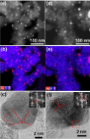
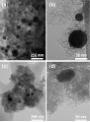
- the temperature and environmental conditions during catalytic activity tests (without taking into account a reaction with methanol). For this, the UV BN/Ag HNMs samples were preliminary annealed in air at 600 °C for 1 h and then analyzed inside TEM during additional in situ heating (Figure 4c, d). No
- catalytic oxidation of methanol for both types of BN/Ag hybrid nanomaterials are presented in Figure 5a. Quartz pellets (curve 1) and raw BN NPs (curve 2) were used as the reference samples. The UV BN/Ag HNMs demonstrated much better catalytic activity (curve 4) in comparison to hybrid nanomaterials





Bombyx mori silk/titania/gold hybrid materials for photocatalytic water splitting: combining renewable raw materials with clean fuels
Beilstein J. Nanotechnol. 2018, 9, 187–204, doi:10.3762/bjnano.9.21
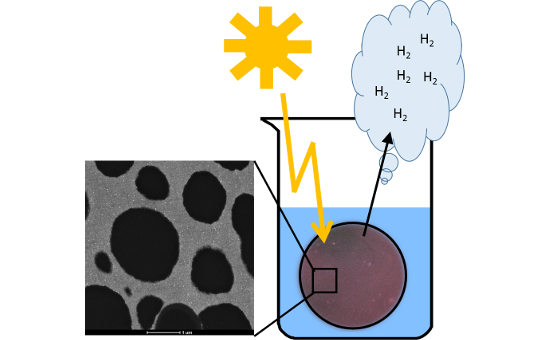
- authors also showed that methanol is the most efficient sacrificial agent when compared to isopropanol, glycerol, and glucose [25]. A further study by Jose et al. focused on the effect of TiO2 modification (anatase and/or rutile). These authors observed that TiO2 P25/Au mixed systems performed best in the




Dielectric properties of a bisimidazolium salt with dodecyl sulfate anion doped with carbon nanotubes
Beilstein J. Nanotechnol. 2018, 9, 164–174, doi:10.3762/bjnano.9.19
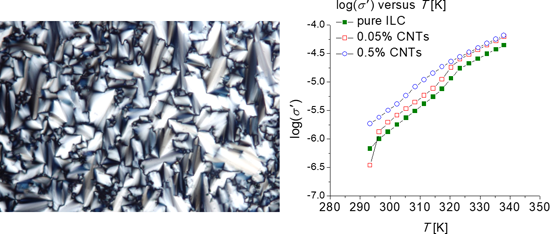
- instrument. The bisimidazolium salt was studied at a scanning rate of 10 K/min after being encapsulated in an aluminum pan. Three heating–cooling cycles were performed for this sample. Synthesis of [bisC8ImC10][C12OSO3]2 A solution of sodium dodecyl sulfate (2.18 g, 7.5 mmol) in methanol (60 mL) was added
- ; region 3: high frequency. Conductivity as a function of the CNT concentration at three constant temperatures. Synthesis of bisimidazolium salt with dodecyl sulfate anion: (i) Br(CH2)10Br, NaH; (ii) C8H17Br, acetonitrile; (iii) C12H25OSO3Na, methanol/dichloromethane. DS characteristic constants for pure





