Search results
Search for "nanoparticles (NPs)" in Full Text gives 239 result(s) in Beilstein Journal of Nanotechnology. Showing first 200.
Characterization and influence of hydroxyapatite nanopowders on living cells
Beilstein J. Nanotechnol. 2018, 9, 3079–3094, doi:10.3762/bjnano.9.286
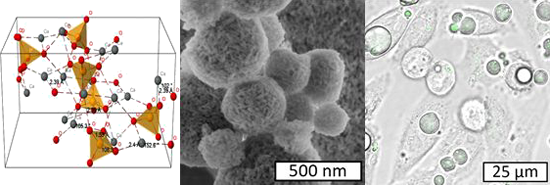
- , interactions between nanoparticles (NPs) and the biological environment are not yet fully understood. Structures such as human skin or lungs are in constant contact with the environment and are thus exposed to nanoobjects. Lack of knowledge about nanoparticle effects on cell viability is a significant barrier

![[Graphic 1]](/bjnano/content/inline/2190-4286-9-286-i2.svg?max-width=637&scale=1.18182) .
.



Hybrid Au@alendronate nanoparticles as dual chemo-photothermal agent for combined cancer treatment
Beilstein J. Nanotechnol. 2018, 9, 2947–2952, doi:10.3762/bjnano.9.273
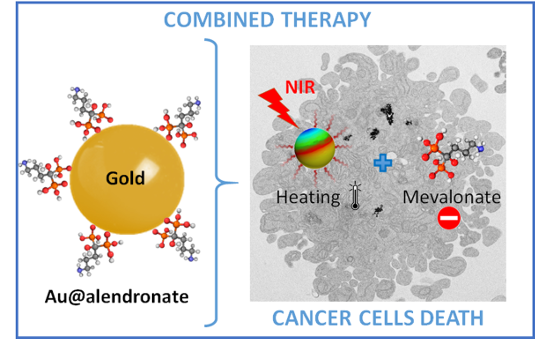
- with the same molecule used as reductant, coating and therapeutic agent has been developed in a one-pot, one-phase process using alendronate, a drug from the bisphosphonate family known for its antitumor effects. In addition, the core made of gold nanoparticles (NPs) brings thermal functionalities


Size-selected Fe3O4–Au hybrid nanoparticles for improved magnetism-based theranostics
Beilstein J. Nanotechnol. 2018, 9, 2684–2699, doi:10.3762/bjnano.9.251
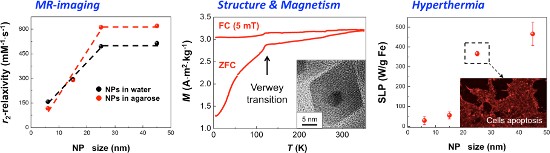
- hyperthermia; magnetic resonance imaging; nanomagnetism; theranostics; Introduction Biocompatible magnetite nanoparticles (NPs) are anticipated to provide new noninvasive therapies and early diagnostics for previously incurable diseases using a single, so-called “theranostics” platform [1][2][3]. The magnetic


Improved catalytic combustion of methane using CuO nanobelts with predominantly (001) surfaces
Beilstein J. Nanotechnol. 2018, 9, 2526–2532, doi:10.3762/bjnano.9.235
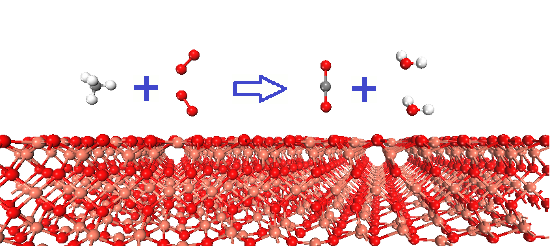
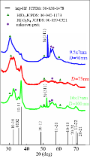
- the performance tests, the crystal structure of the collected samples was further examined by X-ray diffraction with commercial CuO nanoparticles (NPs, Aldrich 450812) as a reference for comparison. The NP, NW and NB samples show the similar profiles, confirming that they have the same phase (CuO


Electrospun one-dimensional nanostructures: a new horizon for gas sensing materials
Beilstein J. Nanotechnol. 2018, 9, 2128–2170, doi:10.3762/bjnano.9.202
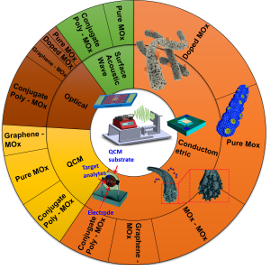
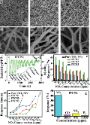
- electrospinning practices [58][59][60][61][62]. 3 Nanostructure morphologies generated by electrospinning Recently, a great deal of attention and research effort has been devoted to the development of electrospun fibers incorporated with functional nanoparticles (NPs) [39][40]. This practice significantly






Synthesis of hafnium nanoparticles and hafnium nanoparticle films by gas condensation and energetic deposition
Beilstein J. Nanotechnol. 2018, 9, 1868–1880, doi:10.3762/bjnano.9.179
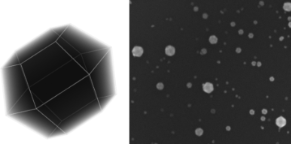
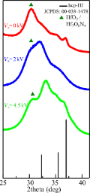
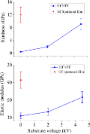
- nanoparticles is reported for the first time in the literature. Keywords: energetic deposition; hafnium; inert-gas condensation; nanomechanical properties; nanoparticles; nanoparticle thin films; Introduction In the past decades, the interest in and the exploitation of metal nanoparticles (NPs) spread across






Nanocomposites comprised of homogeneously dispersed magnetic iron-oxide nanoparticles and poly(methyl methacrylate)
Beilstein J. Nanotechnol. 2018, 9, 1613–1622, doi:10.3762/bjnano.9.153
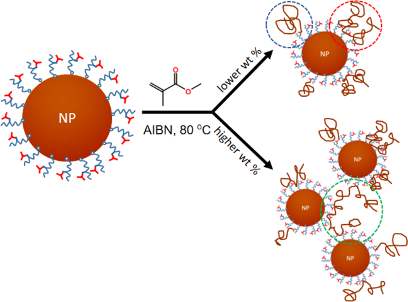
- suspension was composed of 37.8 wt % nanoparticles (NPs), 4.1 wt % ricinoleic acid and 58.1 wt % toluene. The grafting of the methacrylic units to the nanoparticle surface (NP-MMA) was achieved by esterification of the hydroxyl group from the ricinoleic acid with methacrylic anhydride (Scheme 1). A round
- 5000g for 5 min. The colloidal suspension was decanted from the centrifuge tube and analyzed using TGA. The colloidal suspension contained 38.0 wt % nanoparticles (NPs). For further analyses, a small amount of the functionalized NP-MMA was isolated from the suspension by flocculating them with a large
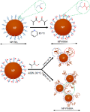


Photoluminescence of CdSe/ZnS quantum dots in nematic liquid crystals in electric fields
Beilstein J. Nanotechnol. 2018, 9, 1544–1549, doi:10.3762/bjnano.9.145
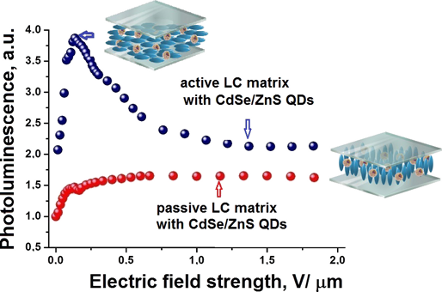
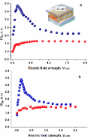
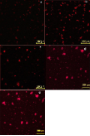
- nanocrystals. These nanoparticles (NPs) of spherical shape are unique luminophores due to the dimensional dependence of the optical properties. The small dimensions of QDs (of the order of 1–10 nm) make it possible to integrate QDs relatively easily into hybrid structures and composite materials. Quantum dots


Colorimetric detection of Cu2+ based on the formation of peptide–copper complexes on silver nanoparticle surfaces
Beilstein J. Nanotechnol. 2018, 9, 1414–1422, doi:10.3762/bjnano.9.134
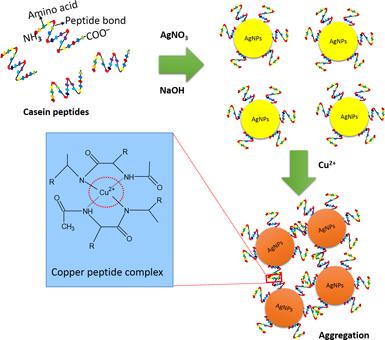
- . Although colorimetric probes based on the aggregation of nanoparticles (NPs) induced by target-metal ions are advantageous, these probes may have difficulties in detecting Cu2+ in complex matrices [7]. Quantum-dot-based fluorescent probes showed improved sensitivity and selectivity for Cu2+ compared to


Nanoporous silicon nitride-based membranes of controlled pore size, shape and areal density: Fabrication as well as electrophoretic and molecular filtering characterization
Beilstein J. Nanotechnol. 2018, 9, 1390–1398, doi:10.3762/bjnano.9.131
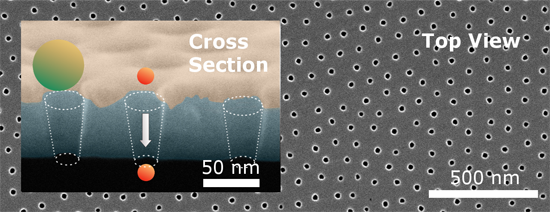
- -defined Au nanoparticles (NPs) exhibiting a high degree of hexagonal order as obtained in a first step by a proven micellar approach. These NP arrays serve as masks in a second reactive ion etching (RIE) step optimized for etching Si and some important Si compounds (silicon oxide, silicon nitride) on the
- notably, narrow size distributions of the parameters, a more stable and more perfectly shaped etching mask is needed. Therefore, a mask formed by well-ordered metallic nanoparticles (NPs) was preferred. The chosen etching process is a low-power single-step reactive ion etching (RIE) process with CF4/CHF3


Atomic-level characterization and cilostazol affinity of poly(lactic acid) nanoparticles conjugated with differentially charged hydrophilic molecules
Beilstein J. Nanotechnol. 2018, 9, 1328–1338, doi:10.3762/bjnano.9.126
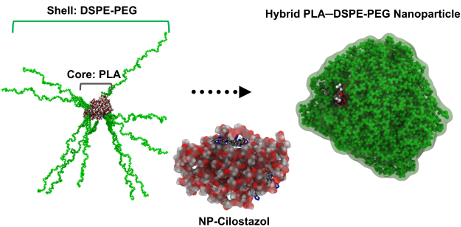
- ; reactive force field; Introduction In recent years, the use of drug delivery systems based on polymeric nanoparticles (NPs) has generated innovative therapeutic strategies for infection and immune diseases, as well as cancer therapy [1][2][3]. Polymeric NPs have shown significant advantages compared with


Review on nanoparticles and nanostructured materials: history, sources, toxicity and regulations
Beilstein J. Nanotechnol. 2018, 9, 1050–1074, doi:10.3762/bjnano.9.98

- industrial applications, issues relating to toxicity are inevitable. The aim of this review is to compare synthetic (engineered) and naturally occurring nanoparticles (NPs) and nanostructured materials (NSMs) to identify their nanoscale properties and to define the specific knowledge gaps related to the risk
- Nanoparticles (NPs) and nanostructured materials (NSMs) represent an active area of research and a techno-economic sector with full expansion in many application domains. NPs and NSMs have gained prominence in technological advancements due to their tunable physicochemical characteristics such as melting point


Enzymatically promoted release of organic molecules linked to magnetic nanoparticles
Beilstein J. Nanotechnol. 2018, 9, 986–999, doi:10.3762/bjnano.9.92
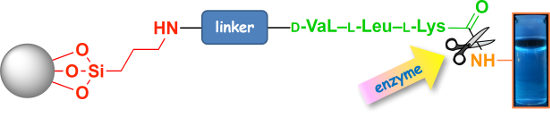
- nanoparticles (NPs) [1] are a major class of nanoscale materials, which are actively investigated as carriers for targeted drug delivery [2][3]. In this approach, the nanoparticles that are carrying the appropriate drug are remotely directed to the disease site by means of a magnetic field gradient. Then the




Comparative study of antibacterial properties of polystyrene films with TiOx and Cu nanoparticles fabricated using cluster beam technique
Beilstein J. Nanotechnol. 2018, 9, 861–869, doi:10.3762/bjnano.9.80
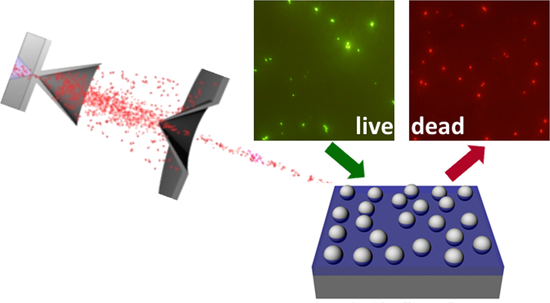
- 10.3762/bjnano.9.80 Abstract Background: Antibacterial materials are of high importance for medicine, and for the production and conservation of food. Among these materials, polymer films with metal nanoparticles (NPs) are of considerable interest for many practical applications. Results: The paper


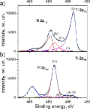


Noble metal-modified titania with visible-light activity for the decomposition of microorganisms
Beilstein J. Nanotechnol. 2018, 9, 829–841, doi:10.3762/bjnano.9.77
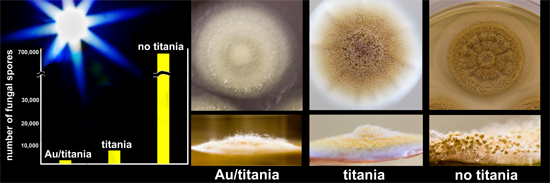
- activity under visible-light irradiation, whereas the size and shape of silver nanoparticles (NPs) and the aspect ratio of titania affect the antifungal activity [29]. In the present study, antimicrobial properties of commercial titania samples modified with noble metals have been investigated in order to


Surface-plasmon-enhanced ultraviolet emission of Au-decorated ZnO structures for gas sensing and photocatalytic devices
Beilstein J. Nanotechnol. 2018, 9, 771–779, doi:10.3762/bjnano.9.70
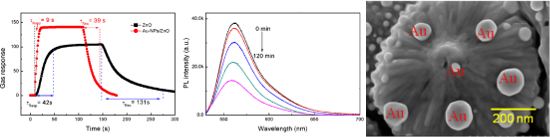
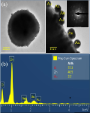
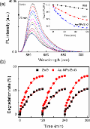
- of plasmonic Au nanoparticles (NPs) on the ZnO film. Time-resolved photoluminescence (TRPL) spectra indicated that a surface plasmonic effect exists with a fast rate of charge transfer from Au nanoparticles to the sub-micrometer ZnO sphere, which suggested the strong possibility of the use of the




Tuning adhesion forces between functionalized gold colloidal nanoparticles and silicon AFM tips: role of ligands and capillary forces
Beilstein J. Nanotechnol. 2018, 9, 660–670, doi:10.3762/bjnano.9.61
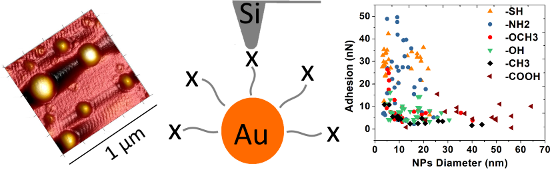
- nanoparticles (NPs) and silicon AFM tip. Adhesion forces were mapped by atomic force microscope equipped with PeakForce QNM mode. It was shown that the adhesion response was significantly affected by the functional nature of the ligands, packing density of the thin molecular films grafted on the NPs, and by the
- . Experimental Preparation and characterization of Au nanoparticles Bare Au nanoparticles NPs diameter below 10 nm. The procedure was referred to a method described in [42]. One milliliter of 1% HAuCl4 was added to 90 mL of water. After stirring for 1 min, 2.0 mL of 38.8 mM sodium citrate was added. Subsequently


Mechanistic insights into plasmonic photocatalysts in utilizing visible light
Beilstein J. Nanotechnol. 2018, 9, 628–648, doi:10.3762/bjnano.9.59
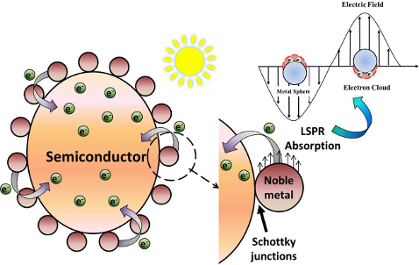
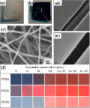
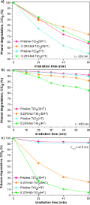
- Society of Chemistry. Photodegradation of GO in the presence of an electron donor (Ag NPs). Reprinted with permission from [95], copyright 2011 Royal Society of Chemistry. (a) Pure metal nanoparticles (NPs) without any semiconductor. (b) Metal NPs partially embedded into the semiconductor and partially


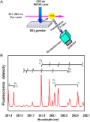

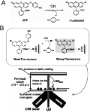


Influence of the preparation method on the photocatalytic activity of Nd-modified TiO2
Beilstein J. Nanotechnol. 2018, 9, 447–459, doi:10.3762/bjnano.9.43
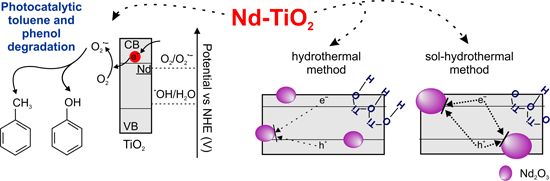
- activity is strictly affected by physical properties such as crystalline structure and size, specific surface area, and the density of surface hydroxy groups [7]. The impact of the synthesis of TiO2 nanoparticles (NPs) on properties and morphology is important for understanding, creating and improving




Nanoparticle delivery to metastatic breast cancer cells by nanoengineered mesenchymal stem cells
Beilstein J. Nanotechnol. 2018, 9, 321–332, doi:10.3762/bjnano.9.32
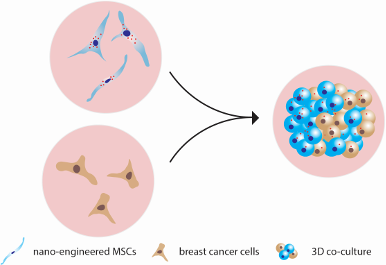
- ; mesenchymal stem cells; quantum dots; spheroids; 3D cell culture; Introduction The recent progress in the development of nanoscale agents opens up new perspectives for targeted drug delivery in cancer diagnostics, imaging and therapy. However, once administered into the body, nanoparticles (NPs) are rapidly



BN/Ag hybrid nanomaterials with petal-like surfaces as catalysts and antibacterial agents
Beilstein J. Nanotechnol. 2018, 9, 250–261, doi:10.3762/bjnano.9.27
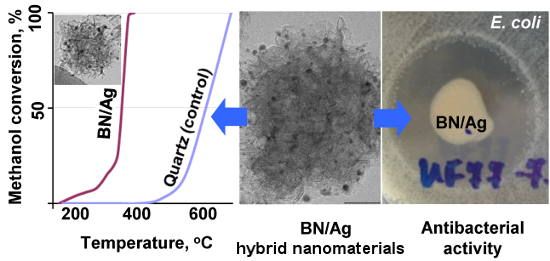
- bactericidal properties of h-BN nanosheets can be significantly improved after the growth of Ag nanoparticles (NPs) on their surfaces. In our previous work [16] we have produced BN/Ag HNMs by Ag ion implantation into the BN NPs with petal-like surfaces. However, this technique does not allow for the production





Bombyx mori silk/titania/gold hybrid materials for photocatalytic water splitting: combining renewable raw materials with clean fuels
Beilstein J. Nanotechnol. 2018, 9, 187–204, doi:10.3762/bjnano.9.21
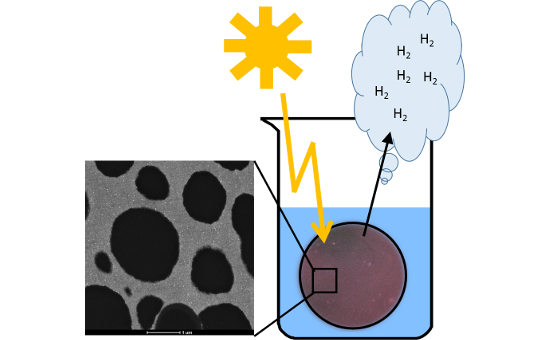
- reported. All materials are monoliths with diameters of up to ca. 4.5 cm. The materials are macroscopically homogeneous and porous with surface areas between 170 and 210 m2/g. The diameter of the TiO2 nanoparticles (NPs) – mainly anatase with a minor fraction of brookite – and the Au NPs are on the order




Nematic topological defects positionally controlled by geometry and external fields
Beilstein J. Nanotechnol. 2018, 9, 109–118, doi:10.3762/bjnano.9.13
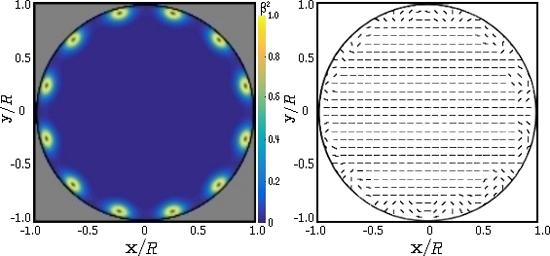
- the existence of many qualitatively different TD structures. Several recent studies reveal that TDs in LCs could efficiently control the position of assemblies of appropriate nanoparticles (NPs) [7][8][9]. Note that order parameters, which can host defects, possess two qualitatively different


![[Graphic 25]](/bjnano/content/inline/2190-4286-9-13-i36.svg?max-width=637&scale=1.18182) with the largest positive eigenvalue, corresponding to the 2D biaxi...
with the largest positive eigenvalue, corresponding to the 2D biaxi...


Thermo- and electro-optical properties of photonic liquid crystal fibers doped with gold nanoparticles
Beilstein J. Nanotechnol. 2017, 8, 2790–2801, doi:10.3762/bjnano.8.278
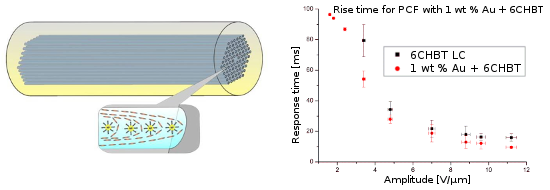
- , Warsaw, Poland 10.3762/bjnano.8.278 Abstract Thermo- and electro-optical properties of a photonic liquid crystal fiber (PLCF) enhanced by the use of dopants have been investigated. A 6CHBT nematic liquid crystal was doped with four different concentrations of gold nanoparticles (NPs), 0.1, 0.3, 0.5 and
- still could be (and for some applications need to be) improved. To accomplish this, LCs are being either stabilized by polymers [3] or doped with special materials such as nanotubes [4] and quantum dots [5]. Over the last few years nanoparticles (NPs) have been used to improve the electro-optics
- nanoparticles (NPs): particle size distribution of Au NPs obtained by using a disc centrifuge sedimentation method (a) and UV–vis spectrum of Au NPs in an organic solvent (b). Cross-section of the PCF 061221 (a) and experimental setup for measuring the propagation spectra in PLCF (b). Experimental setup for


Impact of titanium dioxide nanoparticles on purification and contamination of nematic liquid crystals
Beilstein J. Nanotechnol. 2017, 8, 2766–2770, doi:10.3762/bjnano.8.275
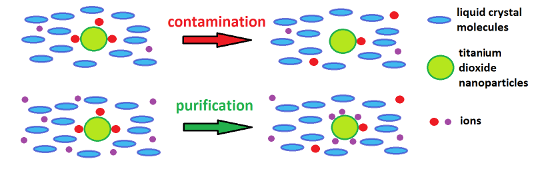
- induced during LC device utilization is a current research focus in the field of LC display techniques. Extensive experimental research has shown that nanoparticles (NPs) affect the ionic conductivity of LCs. However, data obtained from different experimental studies are contradictory. The decrease of