


Search results
Search for "therapy" in Full Text gives 253 result(s) in Beilstein Journal of Nanotechnology. Showing first 200.
A few-layer graphene/chlorin e6 hybrid nanomaterial and its application in photodynamic therapy against Candida albicans
Beilstein J. Nanotechnol. 2020, 11, 1054–1061, doi:10.3762/bjnano.11.90
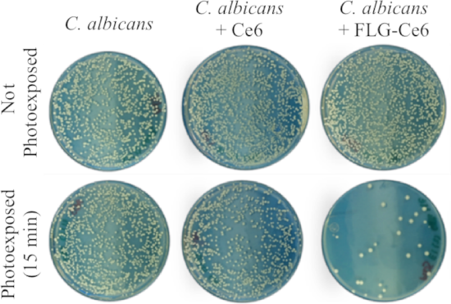
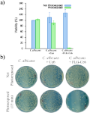
- ; few-layer graphene (FLG); hybrid nanomaterial; photodynamic therapy (PDT); photosensitizer; Introduction The frequency of fungal infections has notably increased in the last decades; for instance, Candida albicans is now reported as the fourth cause of nosocomial septicemia in the United States [1
- fungal infections, employs visible light to activate photosensitive molecules, known as photodynamic therapy (PDT) [4]. PDT was discovered in 1900 when Paramecia microorganisms were exposed to a photosensitive molecule in conjugation with sunlight, which was found to eliminate the fungal activity of


Key for crossing the BBB with nanoparticles: the rational design
Beilstein J. Nanotechnol. 2020, 11, 866–883, doi:10.3762/bjnano.11.72
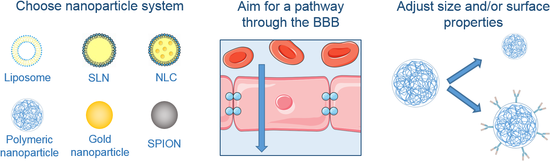
- the survival time of mice when loaded with paclitaxel. Thus, this formulation could be a promising drug delivery system for antitumor therapy. Solid lipid nanoparticles: Solid lipid nanoparticles (SLNs) are particles with a solid lipid core at room and body temperature [27]. SLNs can be prepared with
- , making these particles interesting for tumor treatment by photothermal therapy [178]. Furthermore, nanorods can be internalized more easily by cells as their increased surface allows them to interact more easily with receptors on the cell membranes [181]. AuNRs have been functionalized to increase their


Luminescent gold nanoclusters for bioimaging applications
Beilstein J. Nanotechnol. 2020, 11, 533–546, doi:10.3762/bjnano.11.42
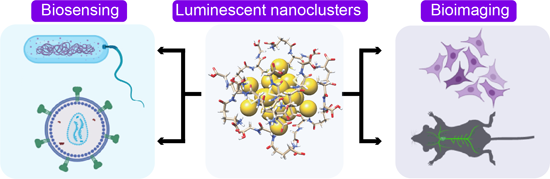
- selective modification and biomolecular tagging. Therefore, AuNCs find potential applications in sensing, photodynamic therapy, labeling and bioimaging. However, there are challenges because the number of luminescent gold NCs is limited and the PL quantum yield is low compared to organic dyes, lanthanide
- –nanocluster agglomerates as luminescent nanocarriers for imaging and combination therapy [89][90]. Core–shell nanoparticles consisting of oleic acid-capped superparamagnetic iron oxide nanoparticles (IONPs, d = 6.7 ± 1.2 nm) were used (Figure 5A). The IONPs were subsequently coated with a gold shell using the
- allowed for plasmonic and magnetic resonance, and luminescence in a single composite system for plasmonic photothermal therapy (PPTT). The bioimaging capability of the plasmonic magneto-luminescent multifunctional nanocarrier (PML-MF) systems were studied in vitro using three types of cancer cells, namely


Multilayer capsules made of weak polyelectrolytes: a review on the preparation, functionalization and applications in drug delivery
Beilstein J. Nanotechnol. 2020, 11, 508–532, doi:10.3762/bjnano.11.41
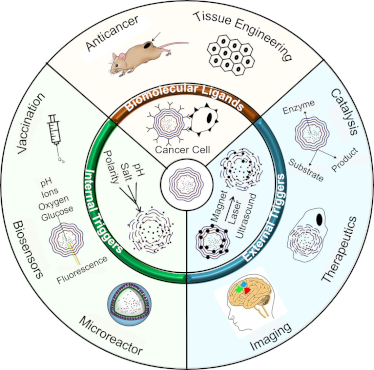
- , theranostics and gene therapy. The most essential attributes of a drug delivery system are considered to be multi-functionality and stimuli responsiveness against a range of external and internal stimuli. Apart from the highly explored strong polyelectrolytes, weak polyelectrolytes offer great versatility with
- cell line showed a rapid uptake, demonstrating the potential for cancer therapy. Silica and gold NPs were assembled in a one pot assembly of specifically tailored diblock polymers of PLL and poly-ʟ-cysteine [82]. The electrostatic binding between the positively charged lysine blocks and negatively



Brome mosaic virus-like particles as siRNA nanocarriers for biomedical purposes
Beilstein J. Nanotechnol. 2020, 11, 372–382, doi:10.3762/bjnano.11.28
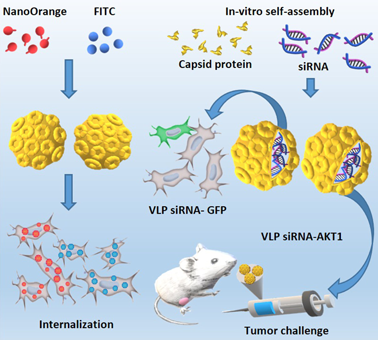
- Educación Superior de Ensenada, Baja California, (CICESE), Ensenada, Baja California, México 10.3762/bjnano.11.28 Abstract There is an increasing interest in the use of plant viruses as vehicles for anti-cancer therapy. In particular, the plant virus brome mosaic virus (BMV) and cowpea chlorotic mottle
- effects on tumor cells in vitro. However, only BMV did not activate macrophages in vitro. This suggests that BMV is less immunogenic and may be a potential carrier for therapy delivery in tumor cells. Furthermore, BMV virus-like particles (VLPs) were efficiently loaded with small interfering RNA (siRNA
- and the gene silencing. In addition, BMV VLP carring siAkt1 inhibited the tumor growth in mice. These results show the attractive potential of plant virus VLPs to deliver molecular therapy to tumor cells with low immunogenic response. Keywords: anti-cancer therapy; brome mosaic virus (BMV); cowpea


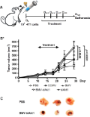
Poly(1-vinylimidazole) polyplexes as novel therapeutic gene carriers for lung cancer therapy
Beilstein J. Nanotechnol. 2020, 11, 354–369, doi:10.3762/bjnano.11.26
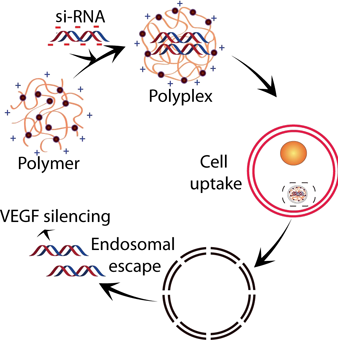
- ); vascular endothelial growth factor (VEGF); Introduction Gene therapy is a promising strategy that can be employed in the treatment of many hereditary disorders as well as diseases triggered by sporadic mutations including many forms of cancer. However, the therapeutic potential of gene therapy is yet to
- morphology after treatment with siRNA complexes, a subtle reduction in the tendency of the cells to interact with each other is discernible in the cells treated with the PVI–siRNA complex where the cells appear to lose contact with each other. This may be suitable for cancer therapy as the treatment may
- was found that this gene is overexpressed in several epithelial cancers including breast and colorectal and serves as an oncogene [12]. The down-regulation may therefore be a positive indicator for lung cancer therapy. The silencing of PHF6 has been shown to inhibit the migration of hepatocellular


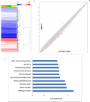
Understanding nanoparticle flow with a new in vitro experimental and computational approach using hydrogel channels
Beilstein J. Nanotechnol. 2020, 11, 296–309, doi:10.3762/bjnano.11.22
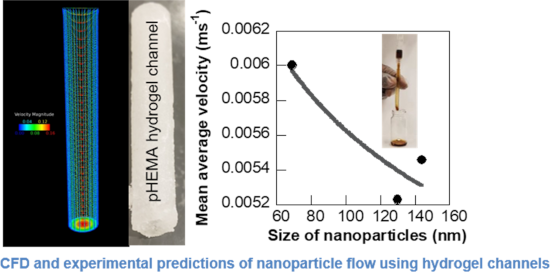
- studying the flow of NPs. Iron oxide NPs are extensively investigated in targeted therapy and drug delivery applications owing to their tunable size, surface functionalities, and magnetic properties. In this study, we synthesized four different polyvinylpyrrolidone (PVP)/polyethyleneimine (PEI)-coated iron


Using gold nanoparticles to detect single-nucleotide polymorphisms: toward liquid biopsy
Beilstein J. Nanotechnol. 2020, 11, 263–284, doi:10.3762/bjnano.11.20
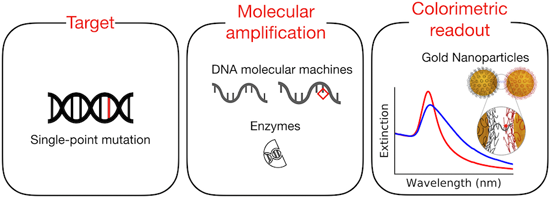
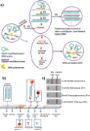
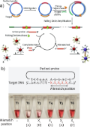
- -art of advanced techniques in the field of genomics such as digital PCR, next generation sequencing (NGS), fluorescence in situ hybridization (FISH) and BEAMing. These facilitate the fast design of mutational profiles of tumor DNA, helping the prioritization of anti-cancer therapy. Although these




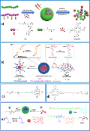
Rational design of block copolymer self-assemblies in photodynamic therapy
Beilstein J. Nanotechnol. 2020, 11, 180–212, doi:10.3762/bjnano.11.15
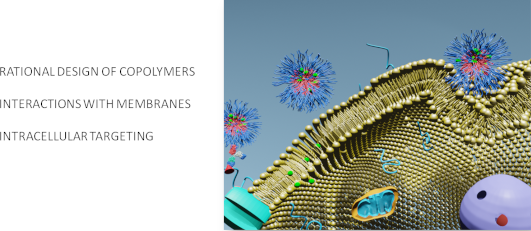
- therapy is a technique already used in ophthalmology or oncology. It is based on the local production of reactive oxygen species through an energy transfer from an excited photosensitizer to oxygen present in the biological tissue. This review first presents an update, mainly covering the last five years
- the importance of intracellular targeting has been addressed. Keywords: intracellular targeting; micelles; photodynamic therapy (PDT); photochemistry; polymer; self-assembly; Review Introduction After Paul Ehrlich, in 1900, had the very first notion of a drug being delivered at will to a specific
- focus on the benefits provided by block copolymers in photodynamic therapy (PDT), as described schematically in Figure 1 [15]. Its concept lies in the use of photosensitizing molecules that have the ability to transfer their energy to oxygen upon irradiation, leading to the in situ formation of reactive






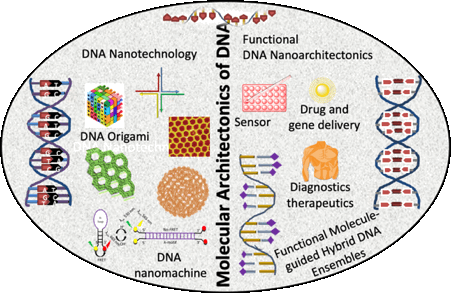
Molecular architectonics of DNA for functional nanoarchitectures
Beilstein J. Nanotechnol. 2020, 11, 124–140, doi:10.3762/bjnano.11.11


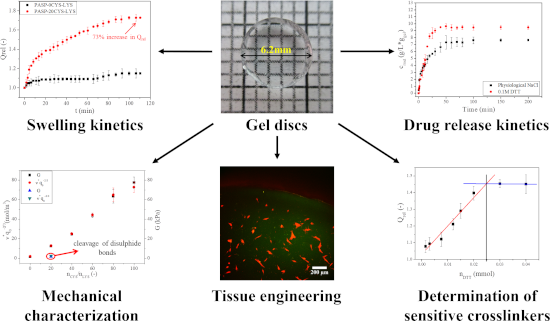
Fully amino acid-based hydrogel as potential scaffold for cell culturing and drug delivery
Beilstein J. Nanotechnol. 2019, 10, 2579–2593, doi:10.3762/bjnano.10.249
- Resources Development Operational Program (EFOP-3.6.2-16-2017-00006). Additional support was received from the Excellence Program of the Ministry for Innovation and Technology in Hungary within the framework of the therapy thematic program of the Semmelweis University. This work was funded by the National


Advanced hybrid nanomaterials
Beilstein J. Nanotechnol. 2019, 10, 2563–2567, doi:10.3762/bjnano.10.247

- and then embedded into a silicone polymer. These coatings deliver white-light emission when placed above a blue LED. Health Functionalized nanoparticles are highly investigated as possible platforms for disease diagnosis and therapy, leading to potential applications in nanomedicine. The state-of-the
- , including double targeting, are also highlighted in several articles. Among others, nanoparticles are often used as specific agents in dual therapy and diagnostics (i.e., theranostics). In “Size-selected Fe3O4–Au hybrid nanoparticles for improved magnetism-based theranostics”, a Fe3O4–Au hybrid nanomaterial
- is simultaneously employed as a contrast agent in magnetic resonance imaging (MRI) and for local heating therapy using magnetic particle hyperthermia [33]. In vitro hyperthermia tests showed efficiency in inoculating mouse breast cancer cells. Another study reports the use of alendronate-coated gold
Bombesin receptor-targeted liposomes for enhanced delivery to lung cancer cells
Beilstein J. Nanotechnol. 2019, 10, 2553–2562, doi:10.3762/bjnano.10.246
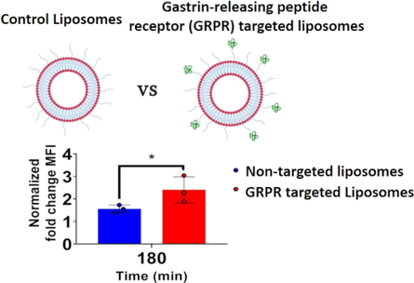
- ., pinocytosis), resulting in membrane internalisation, endosome formation and trafficking through the endo-lysosomal system. Nanomedicines to improve cancer therapy have been widely studied and have resulted in a number of approved therapies such as Doxil® in the 1990s and the recent approval of Onivyde® [12
- increase in SCLC cellular accumulation of a liposomal drug cargo would be beneficial for therapy, especially considering the chemotherapeutic resistance profile that is often displayed by clinical SCLC [31]. Future studies on cystabn-targeted liposomal carriers will examine the uptake and trafficking of

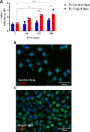
Frontiers in pharmaceutical nanotechnology
Beilstein J. Nanotechnol. 2019, 10, 2538–2540, doi:10.3762/bjnano.10.244
- science. They have fundamentally changed our understanding of the way dosage forms can facilitate drug therapy. Prof. Jörg Kreuter has been a pioneer in this research area and dedicated his life’s work to nanoparticle research and the blood–brain barrier [2]. One of his most outstanding discoveries, the
- applied in the development of semisolids. But we still have much to learn. Pharmaceutical science has indisputably become more complex with the discovery of nanocarrier-based delivery systems. Fueled by first successes in the 1990s, liposomes were at the forefront of cancer therapy [12][13]. The
Atomic force acoustic microscopy reveals the influence of substrate stiffness and topography on cell behavior
Beilstein J. Nanotechnol. 2019, 10, 2329–2337, doi:10.3762/bjnano.10.223
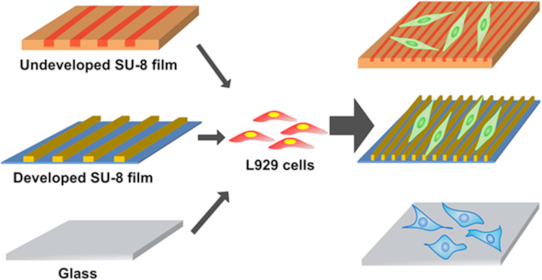
- for the tissue regeneration therapy in biomedicine. Keywords: atomic force acoustic microscopy (AFAM); cell growth; nanopattern; stiffness; SU-8 photoresist; topography; Introduction The interactions of cells with extracellular matrices (ECMs) play important roles in regenerative medicine and tissue


Design of a nanostructured mucoadhesive system containing curcumin for buccal application: from physicochemical to biological aspects
Beilstein J. Nanotechnol. 2019, 10, 2304–2328, doi:10.3762/bjnano.10.222
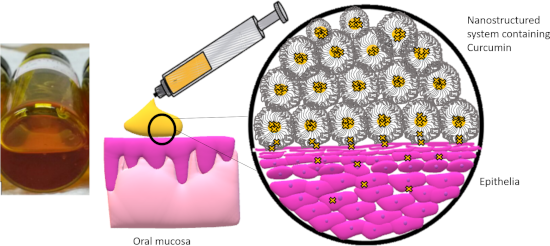
- activity, mainly in oral squamous cancer; however, its physicochemical characteristics hinder its application. Therefore, the aim of this study was to develop nanostructured formulations containing curcumin for oral cancer therapy. The photophysical interactions between curcumin and the formulations were
- quite similar when treated with the drug and with the formulations, thus the same drug concentration is likely available. The slow drug release, ex vivo retention of CUR in the mucosa and the cytotoxic results suggest that these formulations would not be effective in primary therapy. However, it could


Targeted therapeutic effect against the breast cancer cell line MCF-7 with a CuFe2O4/silica/cisplatin nanocomposite formulation
Beilstein J. Nanotechnol. 2019, 10, 2217–2228, doi:10.3762/bjnano.10.214
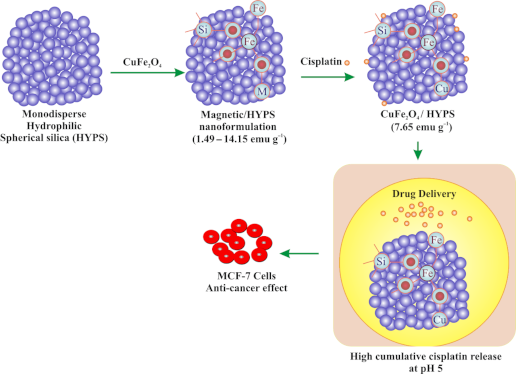
- tumor imaging guide and drug delivery system. Keywords: anticancer; cisplatin; copper ferrite; drug delivery; multifunctional; nanomedicine; nanotherapeutics; spherical silica; tumour therapy; Introduction Due to the continuous advancements in the field of nanotechnology, the therapeutic prospects


Incorporation of doxorubicin in different polymer nanoparticles and their anticancer activity
Beilstein J. Nanotechnol. 2019, 10, 2062–2072, doi:10.3762/bjnano.10.201
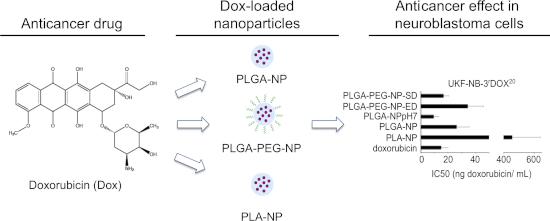
- . The expression of efflux transporters such as the ATP-binding cassette (ABC) transporter ABCB1 is an important resistance mechanism in therapy-refractory cancer cells. Drug encapsulation into nanoparticles has been shown to bypass efflux-mediated drug resistance, but there are also conflicting results
- an important step in the development of improved nanoparticle preparations for anticancer therapy. Further research is required to understand under which circumstances nanoparticles can be used to overcome efflux-mediated resistance in cancer cells. Keywords: cancer; doxorubicin; drug release
- , the prognosis for many cancer patients remains unacceptably poor. In particular, the outlook is grim for patients that are diagnosed with disseminated (metastatic) disease who cannot be successfully treated by local treatment (surgery, radiotherapy). These patients depend on systemic drug therapy





Gold-coated plant virus as computed tomography imaging contrast agent
Beilstein J. Nanotechnol. 2019, 10, 1983–1993, doi:10.3762/bjnano.10.195
- , Jordan University of Jordan - Cell Therapy Center, Amman, Jordan SAAD Centre for Pharmacy and Diabetes, School of Pharmacy and Pharmaceutical Science Ulster University, Coleraine, UK University of Oxford - Cardiovascular Medicine, John Radcliffe Hospital, Oxford, UK John Innes Centre, Norwich Research
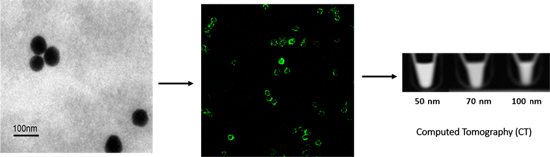
- with a mean circulation half-life of 14.6 h. Von Maltzahan et al. developed PEGylated gold nanorods (13 × 47 nm) as CT contrast agents and for photothermal tumor therapy. The study resulted in tumor elimination and mice survival over 50 days [23]. Further, van Schooneveld et al. reported micelle-based




Engineered superparamagnetic iron oxide nanoparticles (SPIONs) for dual-modality imaging of intracranial glioblastoma via EGFRvIII targeting
Beilstein J. Nanotechnol. 2019, 10, 1860–1872, doi:10.3762/bjnano.10.181
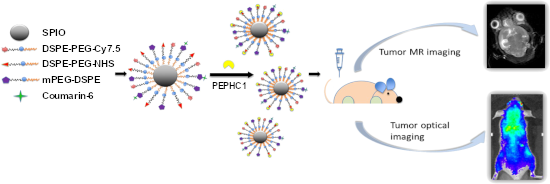
- radical surgery [36]. In addition, Mao and co-workers have reported the multitargeted drug delivery system by a d-peptide ligand (d-AE) based EGFRvIII targeting strategy, which provides a promising path for glioma therapy [37]. Through the conjugation of Cy7.5 to PEPHC1-modified PEGylated SPIONs, a
- in vivo targeted therapy of glioblastoma. Conclusion In summary, a novel dual-modal molecular imaging capability has been created through conjugating PEPHC1 to PEGylated SPIONs, aiming to improve the sensitivity of MR imaging and the spatial resolution of optical imaging. Both the in vitro and in




Nanoarchitectonics meets cell surface engineering: shape recognition of human cells by halloysite-doped silica cell imprints
Beilstein J. Nanotechnol. 2019, 10, 1818–1825, doi:10.3762/bjnano.10.176
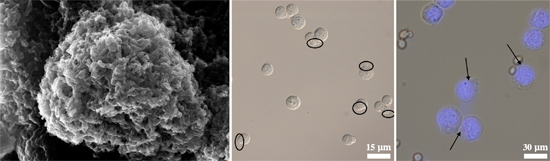
- in cell surface engineering [15]. Surface-engineered cells have found applications in whole-cell biocatalysis [16], cell therapy [17], magnetic cell delivery [18], fabrication of multicellular assemblies [19], cell protection [20][21], biosensors [22] and tissue engineering [23]. Shells derived from


Toxicity and safety study of silver and gold nanoparticles functionalized with cysteine and glutathione
Beilstein J. Nanotechnol. 2019, 10, 1802–1817, doi:10.3762/bjnano.10.175
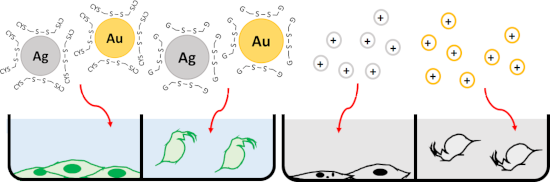
- nanoparticles (AuNPs) range from molecular imaging, targeted drug delivery, gene therapy, cancer treatment or radio-sensitization and theranostics [1][4][6]. Moreover, AgNPs and AuNPs are among the most investigated engineered nanomaterials for medical use. A search performed in the Web of Science (WoS


Doxorubicin-loaded human serum albumin nanoparticles overcome transporter-mediated drug resistance in drug-adapted cancer cells
Beilstein J. Nanotechnol. 2019, 10, 1707–1715, doi:10.3762/bjnano.10.166
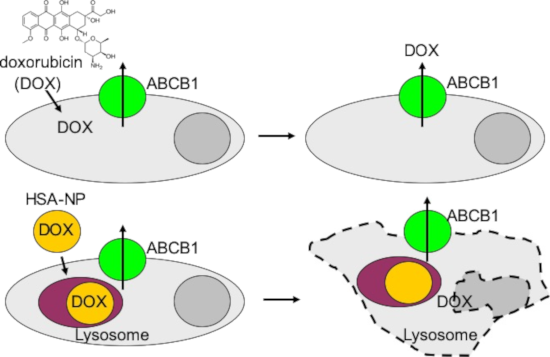
- Münster, Corrensstr. 48, 48149 Münster, Germany Institute for Medical Virology, University Hospital, Goethe-University, Paul Ehrlich-Straße 40, 60596 Frankfurt am Main, Germany 10.3762/bjnano.10.166 Abstract Resistance to systemic drug therapy is a major reason for the failure of anticancer therapies
- remains unacceptably poor. The outlook is particularly grim for patients that are diagnosed with disseminated (metastatic) disease who cannot be successfully treated by local treatment (surgery, radiotherapy) and depend on systemic drug therapy, because the success of systemic therapies is typically
- limited by therapy resistance [2][3][4]. Drug efflux mediated by transporters including adenosine triphosphate (ATP)-binding cassette (ABC) transporters has been shown to play a crucial role in cancer cell drug resistance [2][5]. ABCB1 (also known as P-glycoprotein or MDR1) seems to play a particularly


Kelvin probe force microscopy work function characterization of transition metal oxide crystals under ongoing reduction and oxidation
Beilstein J. Nanotechnol. 2019, 10, 1596–1607, doi:10.3762/bjnano.10.155
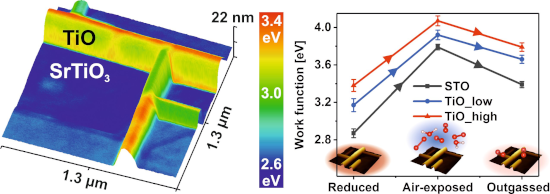
- nanostructures exhibit a strong absorbance of light over a broad spectrum, which is of potential use in novel tumor therapy [19]. In addition, in the previous year, a profound interest was focused on the superconductivity of various TiO structures [20][21]. According to those, rock-salt TiO is a type-II


The effect of magneto-crystalline anisotropy on the properties of hard and soft magnetic ferrite nanoparticles
Beilstein J. Nanotechnol. 2019, 10, 1348–1359, doi:10.3762/bjnano.10.133
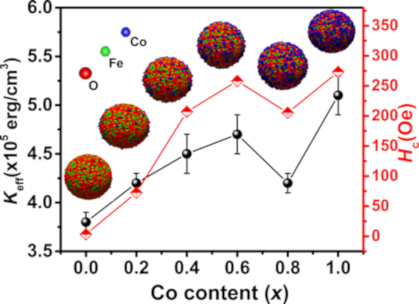
- observed that the heat efficiency of soft Fe3O4 is about 4 times larger than that of hard CoFe2O4 ferrite, which was attributed to the high coercive field of samples compared with the external field amplitude. Keywords: anisotropy; cobalt; ferrite; Henkel plots; hyperthermia therapy; nanoparticles
- ) and especially magnetic hyperthermia therapy, which is one of the efficient and new approaches for cancer treatment [4][15]. When magnetic NPs concentrated in tumor tissue are exposed to an ac magnetic field, the electromagnetic energy is converted into thermal energy, and the generated heat is used
- particle size, which is clearly visible in the FE-SEM images (Figure 3). Magnetic hyperthermia In order to study the heat generation of the nanoparticles for a potential use in magnetic hyperthermia therapy, the samples were dispersed into deionized water at the same concentration (111 mg/mL) and exposed





