Search results
Search for "Au" in Full Text gives 746 result(s) in Beilstein Journal of Nanotechnology. Showing first 200.
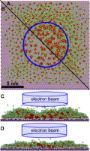
Irradiation-driven molecular dynamics simulation of the FEBID process for Pt(PF3)4
Beilstein J. Nanotechnol. 2021, 12, 1151–1172, doi:10.3762/bjnano.12.86
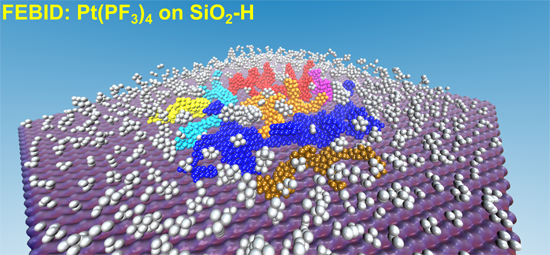
- substrate The first step of the FEBID simulation procedure shown in Figure 1 concerns the specification of a precursor molecule and a substrate. The selection of the system components is usually linked to available experiments. Common experimentally used substrate materials are, for example, SiO2, Si, Au








Open-loop amplitude-modulation Kelvin probe force microscopy operated in single-pass PeakForce tapping mode
Beilstein J. Nanotechnol. 2021, 12, 1115–1126, doi:10.3762/bjnano.12.83
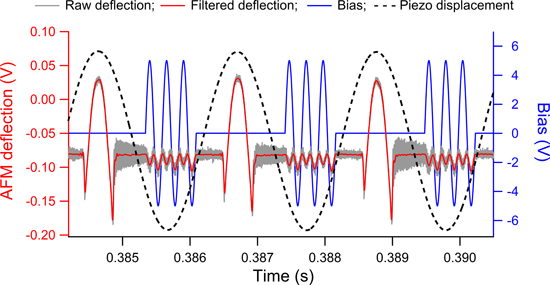
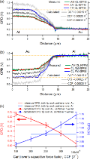
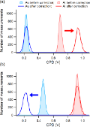
- electrical [57][58], chemical [59], optical [60][61], and mechanical [62][63] measurements. Results and Discussion Closed-loop KPFM measurements in two-pass PFT mode The new OL AM-KPFM implementation was tested on a commercially available sample consisting of large Au and Al metal regions deposited on a Si
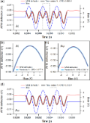
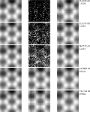
- substrate (Bruker Nano Surfaces, Santa Barbara, CA, USA); the metal regions are separated by trenches that expose the Si substrate at their bottom. Figure 1a shows the AFM topographical image of one of these trenches, bordered by Au (left) and Al (right). The CPD maps over the sample were obtained first by
- coated probe (Bruker, Santa Barbara, CA, USA). A set of CPD maps over the same Au/Si/Al trench is shown in Figure 1d–g. As can be seen, the CPD contrast of the maps obtained by CL AM-KPFM changes with the position of the cantilever over either Au or Al (refer to Figure 1d–f) whereas the CPD maps from CL





Assessment of the optical and electrical properties of light-emitting diodes containing carbon-based nanostructures and plasmonic nanoparticles: a review
Beilstein J. Nanotechnol. 2021, 12, 1078–1092, doi:10.3762/bjnano.12.80
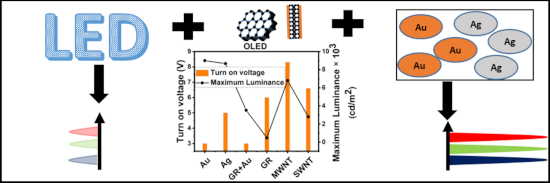
- quantum efficiencies, and luminance. De facto, plasmonic nanoparticles, such as Au and Ag have boosted the luminance of red, green, and blue emissions. When combined with carbon nanostructures they additionally offer new possibilities towards lightweight and flexible devices with better thermal management
- as the emissive layer (EML), the hole transport layers (HTL), the electron transport layers (ETL), the cathode, and the anode [17][18][19][20][21]. Enhancement in LED properties via surface plasmon resonance (SPR) of metal nanoparticles (MNP) such as Au and Ag have also been reported [22][23]. This
- that the SPR of AuNP positively influences the quantum efficiency of the red emission [44]. In addition, the shape of the MNP exhibiting SPR also plays a crucial role in the enhancement of the wavelength emanating from the LED. They studied the effect of Au nanorods (AuNR) and nanospheres (AuNS) in the


A Au/CuNiCoS4/p-Si photodiode: electrical and morphological characterization
Beilstein J. Nanotechnol. 2021, 12, 984–994, doi:10.3762/bjnano.12.74
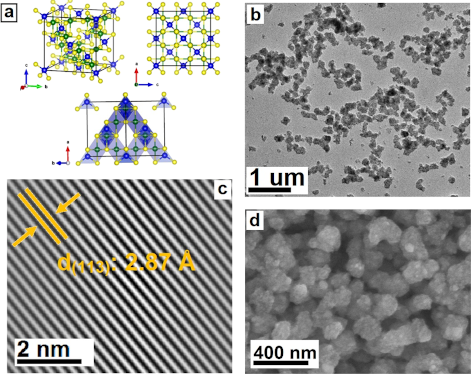
- transmission electron microscopy (HR-TEM), and energy-dispersive X-ray spectroscopy (EDS). The XRD, EDS, and HR-TEM analyses confirmed the successful synthesis of CuNiCoS4. The obtained CuNiCoS4 thiospinel nanocrystals were tested for photodiode and capacitance applications as interfacial layer between Au and
- p-type Si by measuring I–V and C–V characteristics. The fabricated Au/CuNiCoS4/p-Si device exhibited good rectifying properties, high photoresponse activity, low series resistance, and high shunt resistance. The C–V characteristics revealed that capacitance and conductance of the photodiode are
- voltage-and frequency-dependent. The fabricated device with CuNiCoS4 thiospinel nanocrystals can be employed in high-efficiency optoelectronic applications. Keywords: Au/CuNiCoS4/p-Si device; CuNiCoS4; optoelectronic applications; Schottky devices; Introduction Recently, spinel materials have attracted



Uniform arrays of gold nanoelectrodes with tuneable recess depth
Beilstein J. Nanotechnol. 2021, 12, 957–964, doi:10.3762/bjnano.12.72
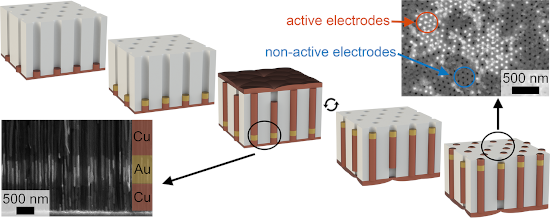
- approaches for the preparation of such systems is templated electrodeposition. In the present study, porous anodic alumina templates are used to prepare Au nanoelectrode arrays. Multistage electrodeposition is proposed for the formation of recessed electrodes with the ability to tune the distance between the
- times [1][2][3][4][5]. Nowadays, Pt and Au NEAs find a wide range of applications in electroanalytical chemistry, electrocatalysis, bioelectrochemistry, and kinetic measurements [6][7][8][9][10]. Several strategies have been applied for the fabrication of NEAs. Modern instrumental techniques (such as
- available porous AAO films with a highly irregular structure to prepare the Au nanowell electrodes with 600 nm depth by templated electrodeposition. It is worth noting that the percentage of nanoelectrodes in the array that are involved in electrochemical reactions has not been discussed in detail. At the


Molecular assemblies on surfaces: towards physical and electronic decoupling of organic molecules
Beilstein J. Nanotechnol. 2021, 12, 950–956, doi:10.3762/bjnano.12.71

- ligands attached to the metal center of the porphyrin were observed regardless of the type of surface (highly oriented pyrolytic graphite (HOPG) and Au surfaces were used), solvent (1-phenyloctane and n-tetradecane) and tip material (Pt/Ir, Au, and W), which indicates that the ligands have to be decoupled
Modification of a SERS-active Ag surface to promote adsorption of charged analytes: effect of Cu2+ ions
Beilstein J. Nanotechnol. 2021, 12, 902–912, doi:10.3762/bjnano.12.67
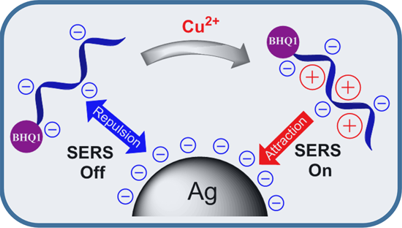
- ] and are therefore promising for wide practical application. At the same time, Ag is much more chemically active than the widely used Au. Consequently, the use of the corresponding Ag-based SERS-active systems is complicated by additional chemical processes. The most exciting example is the influence


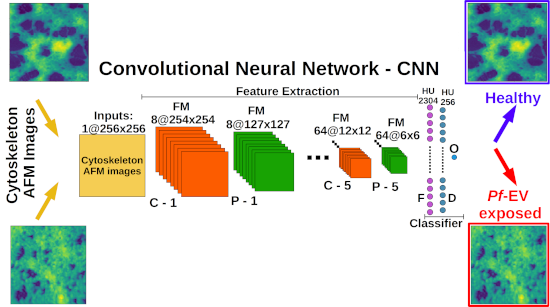
The role of convolutional neural networks in scanning probe microscopy: a review
Beilstein J. Nanotechnol. 2021, 12, 878–901, doi:10.3762/bjnano.12.66







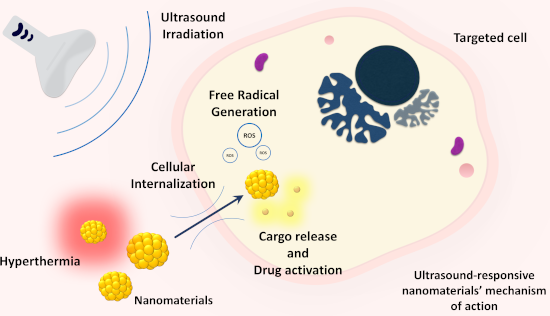
Comprehensive review on ultrasound-responsive theranostic nanomaterials: mechanisms, structures and medical applications
Beilstein J. Nanotechnol. 2021, 12, 808–862, doi:10.3762/bjnano.12.64


Silver nanoparticles induce the cardiomyogenic differentiation of bone marrow derived mesenchymal stem cells via telomere length extension
Beilstein J. Nanotechnol. 2021, 12, 786–797, doi:10.3762/bjnano.12.62
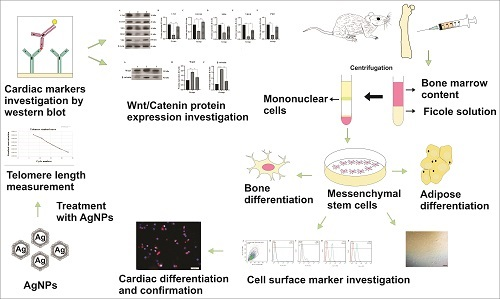
- culture medium outside the cells [11]. According to a previous study by Fröhlich et al., the access of Ag-NPs into other organelles depends on the particle size [32]. In the same way, Berry et al. demonstrated that the uptake of NPs is limited by the dimensions of the nuclear pores. Gold nanoparticles (Au


Reducing molecular simulation time for AFM images based on super-resolution methods
Beilstein J. Nanotechnol. 2021, 12, 775–785, doi:10.3762/bjnano.12.61
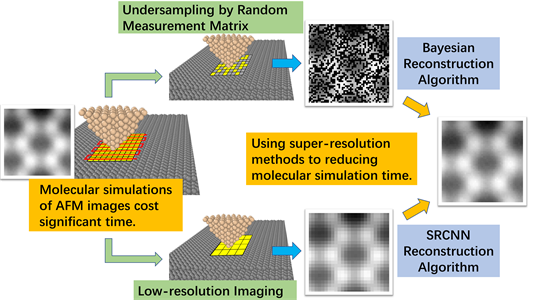
- substrate, the interaction between Au atoms is calculated by the embedded atom method (EAM) potential [56]. The LJ potential is employed to calculate the interaction between Si and Au (εSi–Au = 5.4297 meV, σSi–Au = 0.33801 nm). Due to the relatively large size of the substrate compared to the tip and a




Recent progress in actuation technologies of micro/nanorobots
Beilstein J. Nanotechnol. 2021, 12, 756–765, doi:10.3762/bjnano.12.59
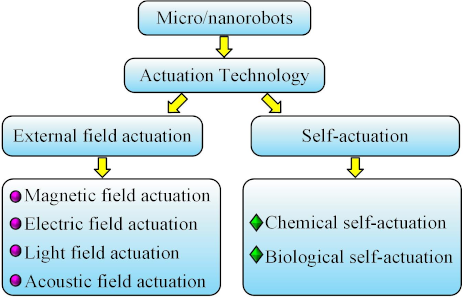
- . Chen et al. [39] proposed Z-shaped Au/Pt hybrid self-actuation micro/nanorobot for cancer treatment and targeted drug delivery systems. It is based on self-electrophoretic actuation. The platinum end is designed to be wider than the gold end. Thus, the movement of the micro/nanorobot was directed


Nanogenerator-based self-powered sensors for data collection
Beilstein J. Nanotechnol. 2021, 12, 680–693, doi:10.3762/bjnano.12.54
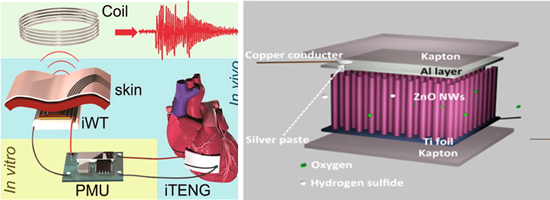
- consisted of top and bottom Cr/Au electrodes, ZnO NWs on the electrodes and a flexible polyester substrate. Figure 6a shows the PENG fixed to the inner surface of the tire with adhesive tape. The output voltage of the PENG changed with the deformation of the tire during rolling. Figure 6b shows the output




Impact of GaAs(100) surface preparation on EQE of AZO/Al2O3/p-GaAs photovoltaic structures
Beilstein J. Nanotechnol. 2021, 12, 578–592, doi:10.3762/bjnano.12.48
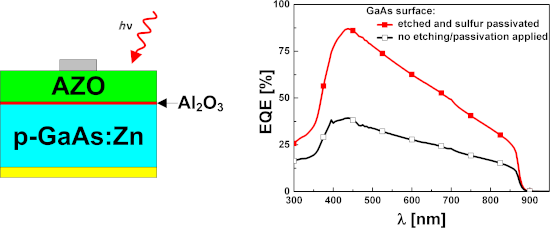
- the experiment, the substrate was equipped with an e-beam evaporated (Kurt J. Lesker PVD75) and annealed Au/Zn/Au bottom ohmic contact, which was protected with Kapton tape before further processing steps. In total, eight GaAs samples, denoted as A1–A4 and B1–B4, were fabricated and they differed in
- performed by applying a Prevac setup equipped with a Scienta R4000 hemispherical analyzer (pass energy of 200 eV) and a monochromatic X-ray tube (Al Kα of 1486.7 eV). The full width at half maximum (FWHM) of the 4f7/2 Au line measured under the same experimental conditions was 0.6 eV. The O 1s orbital, Al




Influence of electrospray deposition on C60 molecular assemblies
Beilstein J. Nanotechnol. 2021, 12, 552–558, doi:10.3762/bjnano.12.45
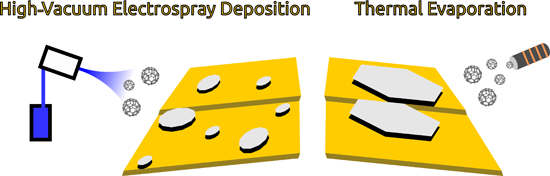
- method can yield single isolated molecules accompanied by surface modifications. Keywords: alkali halide; Au(111); bulk insulator; C60; electrospray; electrospray deposition; fullerene; high-vacuum electrospray deposition (HV-ESD); molecular assembly; nc-AFM; NiO; single molecule; thermal evaporation
- microscope (nc-AFM) working at room temperature to study formation and shape of C60 islands on three substrates with different intrinsic properties. These are, first, Au(111), a metal surface widely used in SPM studies, second, KBr(001), a bulk insulator allowing for the decoupling of molecular species and
- us to discuss the influence of the HV-ESD method for the different surfaces. Results and Discussion C60 on Au(111) The deposition of C60 molecules on a Au(111) surface at room temperature via TE is known to lead to the formation of monolayer islands until the surface is fully covered [21][25][28]. A


Surface-enhanced Raman scattering of water in aqueous dispersions of silver nanoparticles
Beilstein J. Nanotechnol. 2021, 12, 497–506, doi:10.3762/bjnano.12.40
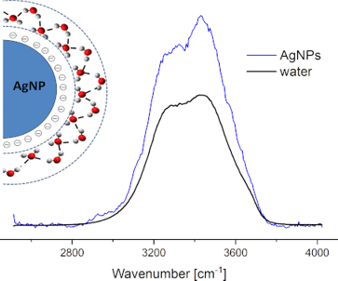
- discovery of the SERS effect in 1974 [27], most of the research is focused on biomolecules and medical applications [28][29]. The SERS effect of water has been studied since 1980. There are reports on the SERS effect of water in aqueous solutions of electrolytes placed between metal electrodes (Ag, Au, Cu
- enhanced by the mobility decrease in the nearest vicinity of the metal nanoparticle and by the increase of the rotational relaxation time and residence time of water molecules surrounding the ion wall in a charged monolayer-protected Au nanoparticle [39]. Assuming that the observed Raman enhancement is


Interface interaction of transition metal phthalocyanines with strontium titanate (100)
Beilstein J. Nanotechnol. 2021, 12, 485–496, doi:10.3762/bjnano.12.39
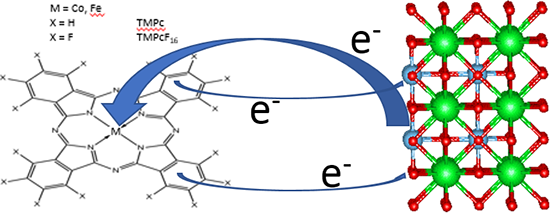
- (368.2 eV), and Au 4f7/2 (84.0 eV). For X-ray photoelectron diffraction measurements, the angular acceptance of the analyzer was set to ±4°. Angular distribution curves were measured for the Sr 3d, Ti 2p, and O 1s photoemission peaks at two azimuths ([100] and [110], determined by LEED); the step width


Rapid controlled synthesis of gold–platinum nanorods with excellent photothermal properties under 808 nm excitation
Beilstein J. Nanotechnol. 2021, 12, 462–472, doi:10.3762/bjnano.12.37
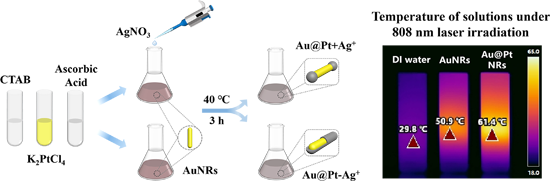
- conversion efficiency (PCE) due to local surface plasmon resonance (LSPR). Studies on different gold–platinum (Au–Pt) bimetal nanoparticles exhibiting the LSPR effect have provided a new idea for the synthesis of excellent PTAs. But there is no simple and scalable method for the controllable synthesis of Au
- –Pt nanoparticles with adjustable LSPR wavelength range. In this work, the effects of Ag+ and K2PtCl4 on the deposition of Pt on the surface of gold nanorods (AuNRs) were investigated. A fast, precise, and controlled synthesis of dumbbell-like Pt-coated AuNRs (Au@Pt NRs) under mild conditions is
- proposed. The synthesized Au@Pt NRs have a longitudinal LSPR wavelength of 812 nm, which is very close to a common laser wavelength of 808 nm. The Au@Pt NRs exhibit excellent photothermal properties when irradiated with a laser. The temperature increased by more than 36 °C after irradiation for 10 min


A review on nanostructured silver as a basic ingredient in medicine: physicochemical parameters and characterization
Beilstein J. Nanotechnol. 2021, 12, 440–461, doi:10.3762/bjnano.12.36
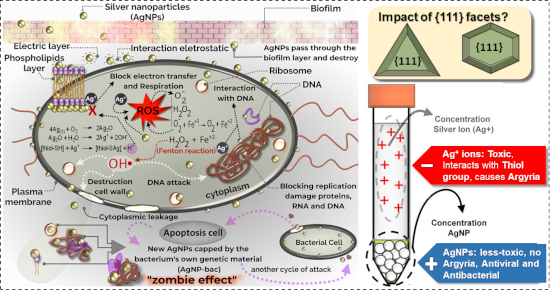
- polyvinylpyrrolidone The polyol synthesis was presented by Fievét et al. (1989) as a versatile synthesis route for various metallic and bimetallic nanoparticles, viz. Ag, Au, Cu, Co, Ni, Pd, Pt, CoNi, and FeNi with the possibility to obtain different shapes and sizes [139][140]. In this process, a suitable solid


Spontaneous shape transition of MnxGe1−x islands to long nanowires
Beilstein J. Nanotechnol. 2021, 12, 366–374, doi:10.3762/bjnano.12.30
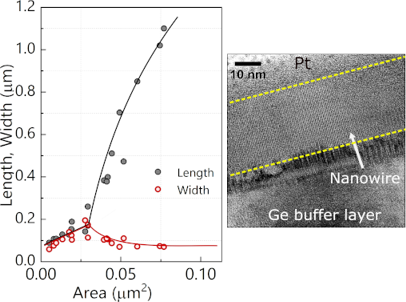
- the wires. For instance, Au, generally used as catalyst for the growth of various semiconductor NWs, acts as a deep-level trap in germanium bulk and NWs, modifying the electronic transport properties [5]. Strain-induced elongation is a mechanism [34] that can lead to either epitaxial or endotaxial


Structural and optical characteristics determined by the sputtering deposition conditions of oxide thin films
Beilstein J. Nanotechnol. 2021, 12, 354–365, doi:10.3762/bjnano.12.29
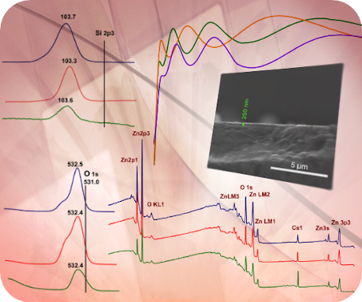
- high dielectric constant and low conductivity. Metamaterial structures with similar repetitive geometric structures, such as Si/SiO2/ITO/Au [62], were obtained worldwide. In the case of our research, the new suggested metamaterial structure will consist of dielectric (SiO2)/inductive elements


Intracranial recording in patients with aphasia using nanomaterial-based flexible electronics: promises and challenges
Beilstein J. Nanotechnol. 2021, 12, 330–342, doi:10.3762/bjnano.12.27
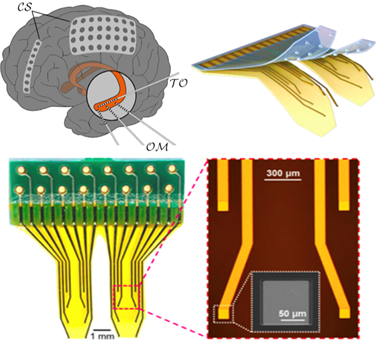
- (iWEBS) was fabricated to map cortical connectivity in a wide region, as presented in Figure 5a. The microelectrode array was made of patterned Au wires passivated with SU-8 photoresist on a flexible polyimide (PI) substrate (Figure 5b). The thickness of iWEBSis was only 14.5 µm with 2 µm SU-8 and 12.5
- µm PI layers. The bifurcated flap shape was used to achieve good penetration and attachment to the cortical surface and avoid injuring blood vessels on the brain midline (Figure 5c, left). The width of the Au lines was designed to be 100 µm to reach a low impedance value and enhance the signal-to


Exploring the fabrication and transfer mechanism of metallic nanostructures on carbon nanomembranes via focused electron beam induced processing
Beilstein J. Nanotechnol. 2021, 12, 319–329, doi:10.3762/bjnano.12.26
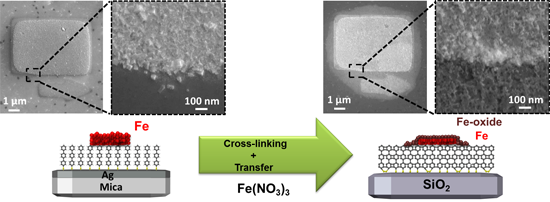
- cleavage of C–H bonds and the subsequent formation of new C–C bonds between neighboring molecules also seems to play a crucial role in the EBISA process. Previous studies showed that iron nanostructures fabricated on top of a cross-linked SAM on Au/mica can be transferred to solid substrates and grids
- aromatic molecules, which are chemically bound to a Au or Ag surface via either thiol [26] or carboxylic [28][29] anchor groups. Via FEBIP, the SAM can be functionalized with metallic nanostructures and subsequently be transformed into a CNM by electron-induced cross-linking. Afterwards, the resulting
- metallic nanostructures fabricated via EBID and Fe(CO)5 remain unchanged, besides oxidation. This result was achieved by using a SAM consisting of 1,1′,4′,1′′-terphenyl-4-thiol (TPT) on a Au substrate [21]. In this work, we want to gain more insight into the underlying processes yielding such hybrid


Doxorubicin-loaded gold nanorods: a multifunctional chemo-photothermal nanoplatform for cancer management
Beilstein J. Nanotechnol. 2021, 12, 295–303, doi:10.3762/bjnano.12.24
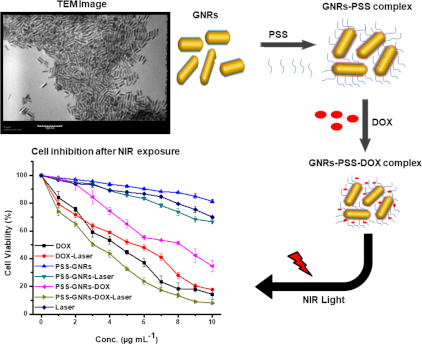
- concentrations (0.5–2 µg/mL) and higher cytotoxicity compared to free DOX was observed. However, no significant difference was reported at a higher concentration of 5 µg/mL. 68.5% and 62.4% of cells was killed by the DOX@PSS-Au NR conjugate and free DOX, respectively. To achieve significant cytotoxicity with the
- pH value (approximately pH 5) of intracellular lysosomes and extracellular tissues of tumors [31]. In order to prove the photothermal conversion ability of the nanorods PSS-GNRS and PSS-GNRs-DOX (10 µg Au/mL) were exposed to NIR laser irradiation (808 nm) at a power density of 1.5 W/cm2 for 2 min
- -conjugated gold nanorods are highly biocompatible vehicles for sustained drug delivery, reduce cardiotoxicity in vivo, and have high photothermal efficacy [34]. A previous report showed that DOX-loaded tiopronin-coated gold nanoparticles (Au-TIOP-DOX) had a better efficacy in killing cancer cells than free


Gold(I) N-heterocyclic carbene precursors for focused electron beam-induced deposition
Beilstein J. Nanotechnol. 2021, 12, 257–269, doi:10.3762/bjnano.12.21
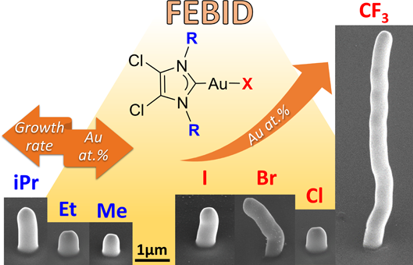
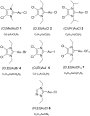
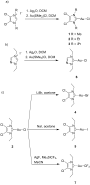
- core Au(NHC)X moiety were introduced, that is, variations of the NHC ring (imidazole or triazole), of the alkyl N-substituents (Me, Et, or iPr), and of the ancillary ligand X (Cl, Br, I, or CF3). The seven complexes were tested as FEBID precursors in an on-substrate custom setup. The effect of the
- −. Keywords: Au(I) precursors; focused electron beam-induced deposition (FEBID); gold-NHC; gold precursors; nanofabrication; N-heterocyclic carbene; Introduction Focused electron beam-induced deposition (FEBID) is a nanofabrication technique that allows for the growth of three-dimensional free-standing
- dimethyl acetylacetonate, Au(acac)Me2, and its trifluorinated and hexafluorinated derivatives, Au(tfac)Me2 and Au(hfac)Me2 [19]. While for the former two compounds the gold content in the deposits varied over a large range (3–28 atom % [10][20][21][22] and 3–39 atom % [21][23][24][25]), the latter complex